Quinta do Vallado


World's 50 Best #84 · Falstaff Winery - Listed
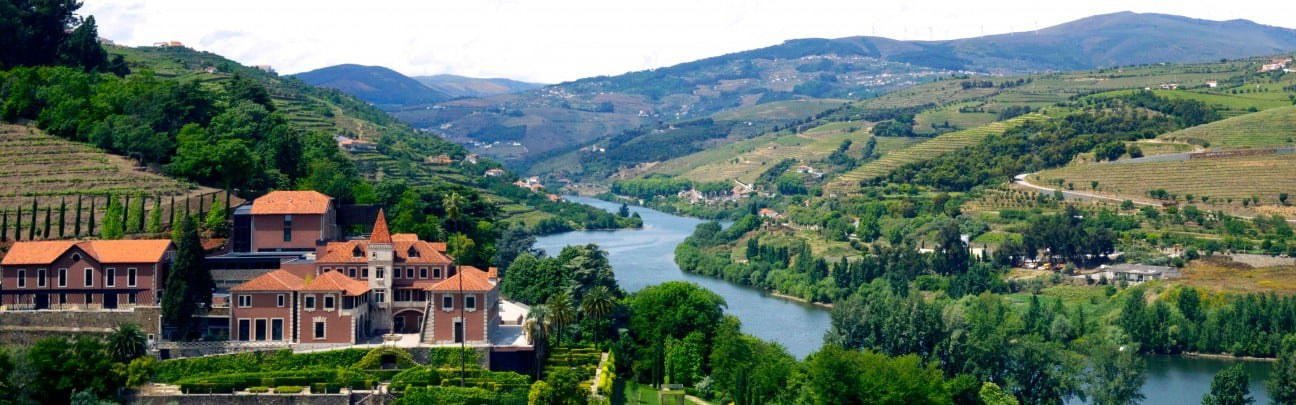
An estate with roots to 1716, Quinta do Vallado operates two boutique hotels set against the Douro Valley's terraced schist slopes near Peso da Régua.

Pearl is the En Primeur Club membership app — saves, bookings, and concierge access live there. Same editors, same standards.
- Address
- Quinta do Vallado, 5050-364 Vilarinho dos Freires
- Phone
- +351 254 318 081
- Website
- quintadovallado.com
- Directions
- Get directions
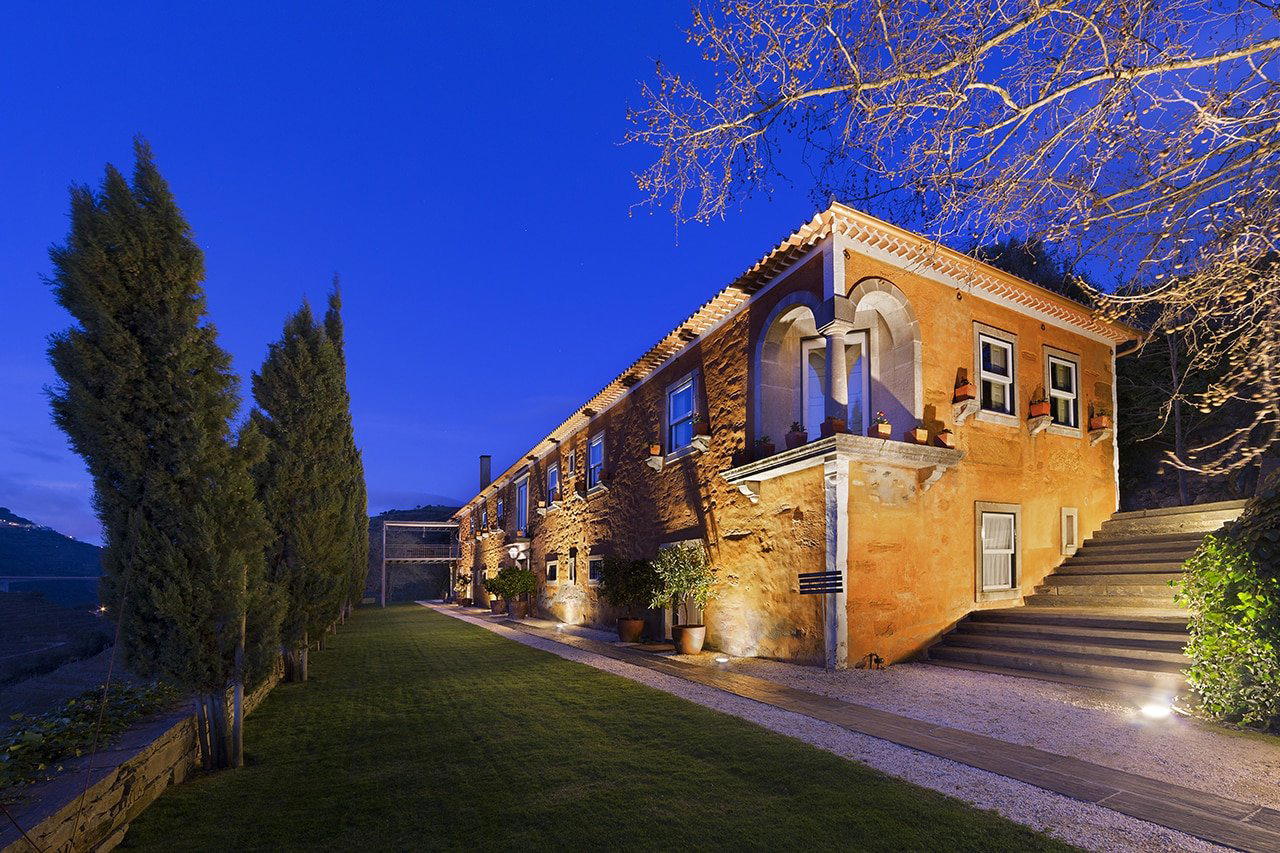
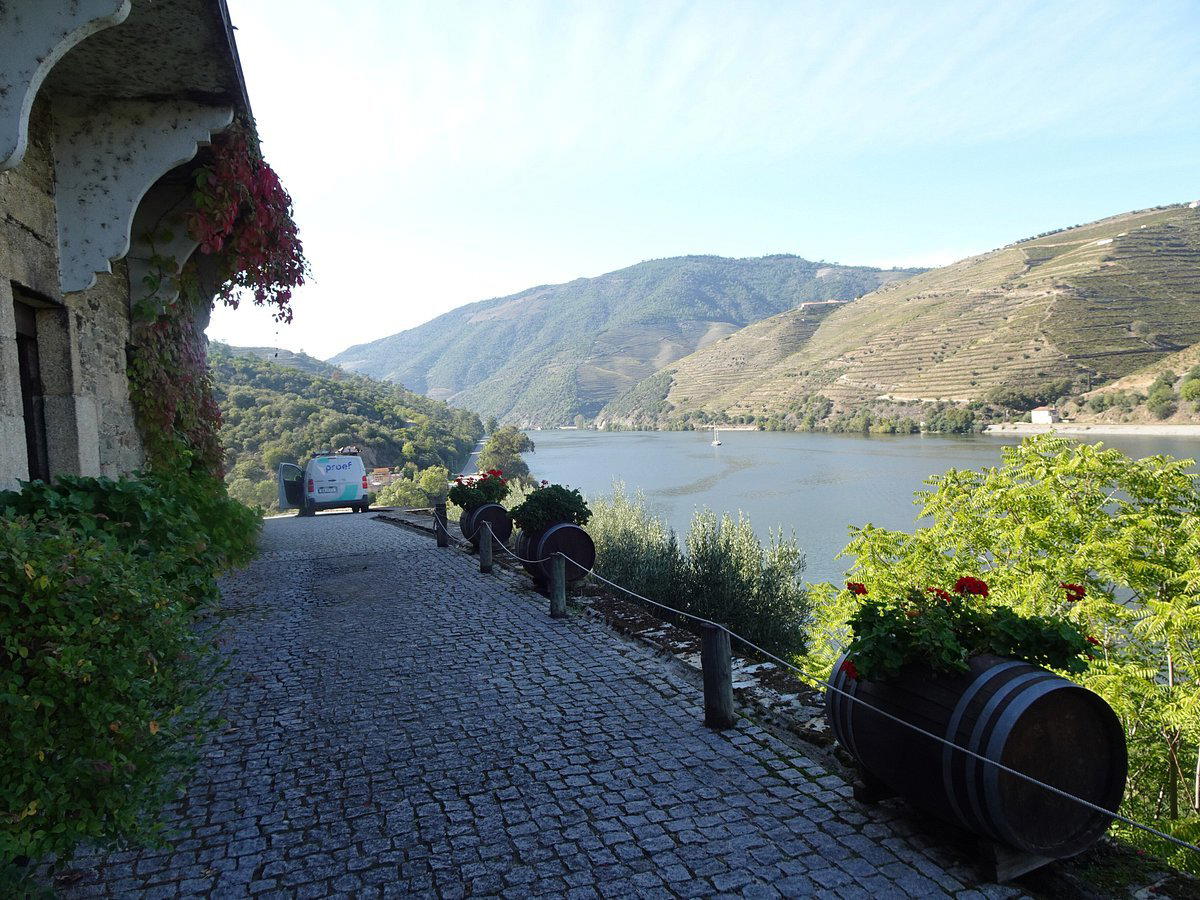
A Working Estate in the Heart of the Douro
The Douro Valley's schist-terraced slopes have been shaping wine for longer than most European appellations have existed as formal designations. Arriving at Quinta do Vallado, in the parish of Vilarinho dos Freires near Peso da Régua, you encounter that history at ground level: estate buildings whose stones and cellars predate the marquis of Pombal's 1756 demarcation of the Port wine region. The estate traces its records to 1716, placing it among a small group of Douro properties whose institutional memory runs across three centuries of viticulture.
The Douro is one of Portugal's most geographically forceful wine regions. Summer temperatures in the upper valley can exceed 40°C, rainfall is scarce, and the schist bedrock forces vine roots deep in search of moisture. These conditions produce grapes with concentrated extract and natural phenolic structure — the raw material that made Port the valley's signature export for centuries and that increasingly defines the region's still wine ambitions. Quinta do Vallado sits within this context as an estate-driven producer, with the land itself functioning as the primary argument for why its wines taste the way they do.
Terroir as Architecture
Douro's terroir is not a single expression. The Baixo Corgo, centred on Régua, receives the most Atlantic rainfall of the valley's three sub-zones, moderating the continental extremes and producing wines with slightly more aromatic freshness than those from the hotter Cima Corgo or Douro Superior further east. Quinta do Vallado's position in this sub-zone places it in a part of the valley where estate wines can carry both concentration and a degree of lift not always found in properties further inland. Across Portuguese wine tourism, estate-visit formats at working Douro quintas vary considerably: some are primarily cellar-door operations appended to agricultural holdings, others have invested in hospitality infrastructure that reflects the prestige of the wine program itself. Quinta do Vallado occupies the latter category, with two boutique hotel properties on-site that allow guests to remain embedded in the estate across multiple days rather than experiencing it as a single afternoon stop.
For context on how the Douro compares to other Portuguese regions developing serious wine tourism infrastructure, properties like Herdade do Esporão in Reguengos de Monsaraz in the Alentejo or Bacalhôa Vinhos in Azeitão in the Setúbal Peninsula represent a parallel investment in estate-anchored hospitality, though each within very different climatic and stylistic frameworks. The Douro's dramatic topography makes its version of the format more immersive than almost anywhere else in the country.
What a Three-Century Estate Communicates
An estate founded in 1716 has necessarily survived multiple eras of Portuguese wine politics: the Pombaline demarcation, the phylloxera crisis of the late nineteenth century, the corporatist regulation of the Estado Novo period, and the post-1986 opening of the Portuguese market following EU accession. Estates that endure across that span tend to do so because they maintain continuous connection to specific plots of land whose vine age and site characteristics give their wines a quality floor that newer plantings cannot immediately replicate. The original winery buildings at Quinta do Vallado carry that continuity visually as well as viticulturally: the architecture is functional and historic rather than designed for photographic effect.
For visitors interested in the Port wine tradition specifically, Quinta do Vallado sits within easy reach of Peso da Régua's broader wine infrastructure. The town functions as the commercial and logistical hub of the lower Douro valley, and properties in and around it represent the accessible entry point to a region that extends east through Pinhão and beyond. Quinta do Bomfim in Pinhão and Quinta do Seixo (Sandeman) in Tabuaço represent the next tier east, where schist and heat intensify and both Port and table wine styles shift accordingly. Understanding the regional gradient requires visiting multiple sub-zones rather than treating any single property as representative of the whole. Our full Peso da Régua guide maps the broader options in and around town.
The Boutique Hotel Format in the Douro
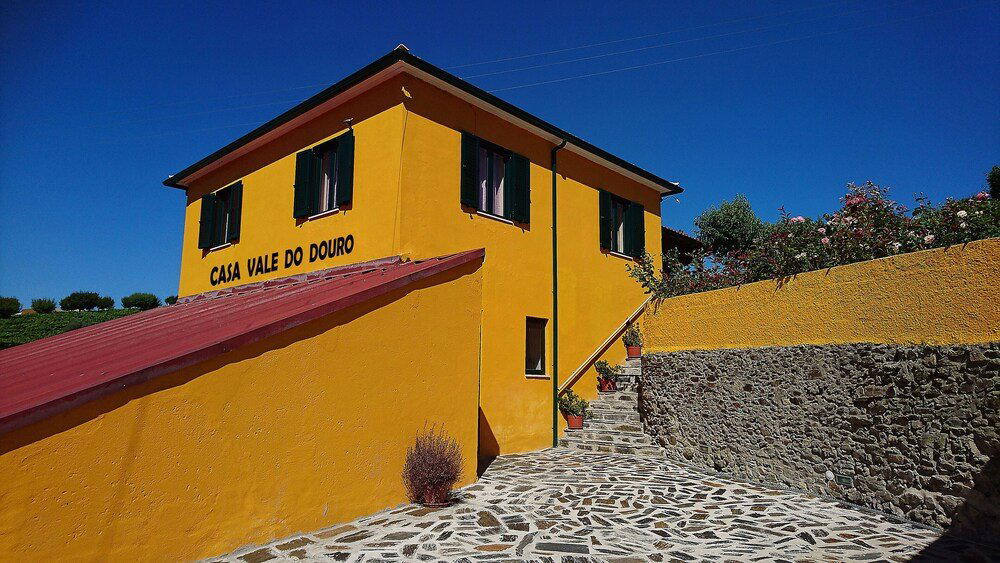
Luxury wine tourism in the Douro has split, over the past two decades, between large resort-style developments and smaller estate-integrated properties where the hotel and the winery are genuinely inseparable. Quinta do Vallado operates two boutique hotels on the estate, a format that places the accommodation inside the agricultural and wine-producing operation rather than adjacent to it. This configuration changes the guest experience in practical terms: mornings in the vineyard, access to cellar operations during working hours, and a physical proximity to the raw material of the wines that no tasting room visit can replicate.
The boutique hotel format at producing estates tends to attract a visitor profile that wants extended engagement rather than a curated half-day circuit. Guests typically book stays rather than day visits, which in turn shapes the depth of access available. Within the Portuguese wine estate hotel category, comparable approaches can be found at properties across different regions: Adega Cartuxa in Évora and Casa de Santar in Nelas represent similar philosophies in the Alentejo and Dão respectively, though neither operates within the Douro's particular range of terraced schist and river gradient.
Planning a Visit
Peso da Régua is accessible by train from Porto's São Bento station via the Douro line, a journey of roughly ninety minutes with views of the valley that become increasingly dramatic as the route tracks east along the river. The Régua station sits close to the town centre and is manageable with luggage. For guests staying at the estate's hotel, the train option is viable for arrival and departure; for day visitors covering multiple quintas, a rental car from Porto gives considerably more flexibility given the valley's dispersed geography.
The Douro's visit season runs effectively from April through October, with the harvest period in September and early October representing the highest-demand window. Booking an estate stay during harvest typically requires advance planning well ahead of the season, as properties of this tier fill that period first. Spring visits offer cooler temperatures and the estate in its greening phase; summer delivers the full heat of the valley and the visual drama of ripening vineyards against terraced schist. Wine tourism at this level is not a walk-in activity: contact the estate directly or use a specialist booking service to confirm availability before committing travel plans around a specific date.
For broader context on Portuguese wine tourism beyond the Douro, the island estates of Blandy's Wine Lodge in Funchal and Henriques & Henriques in Câmara de Lobos represent Madeira's distinct fortified tradition, while Adega Regional de Colares covers one of Portugal's most historically singular appellations outside the major tourism circuits. If the Douro's Port heritage is the starting point, Churchill's in Vila Nova de Gaia offers the lodge-side complement to what estate visits provide upstream. For context on wine tourism structures in other international regions, Aliança Vinhos in Sangalhos and Adega Cooperativa de Borba in Borba illustrate how cooperative and multi-estate models approach visitor programming differently from single-family quintas. For those cross-referencing against international benchmarks, Accendo Cellars in St. Helena and Aberlour in Aberlour show how premium estate experiences are structured in Napa and Speyside respectively.
Quick Comparison
Comparable venues nearby, for context on price, style, and recognition.
| Venue | Cuisine | Price | Awards | Notes |
|---|---|---|---|---|
| Quinta do ValladoThis venue — the venue you are viewing | Touriga Nacional, Touriga Franca | Not listed | World's 50 Best #84 · Falstaff Winery - Listed | Not listed |
| Quinta da Pacheca | Touriga Nacional, Touriga Franca | $50–100 | World's 50 Best #31 | Cambres |
| Quinta Nova de Nossa Senhora do Carmo | Touriga Nacional, Touriga Franca | $50–100 | World's 50 Best #74 · Falstaff Winery - Listed | Covas do Douro |
| Quinta do Seixo (Sandeman), Douro Valley | Touriga Nacional, Tinta Roriz | $30–50 | World's 50 Best #62 | Cima Corgo |
| Soalheiro | Alvarinho, Loureiro | $20–30 | World's 50 Best #16 · Falstaff Winery - Listed | Melgaço |
| Herdade do Esporão | Aragonez, Trincadeira | $20–30 | Michelin 1 Star · World's 50 Best #69 | Reguengos de Monsaraz |
Recognition history
Dated appearances from independent guides and award organizations, with the underlying list record or original source where available.
World's 50 Best Vineyards #84
World's 50 Best
Falstaff Winery - Listed
Falstaff
Full recognition history (3 entries)
World's 50 Best Vineyards #49
World's 50 Best
Continue exploring
More in Peso da Régua
Wineries in Peso da Régua
Browse all →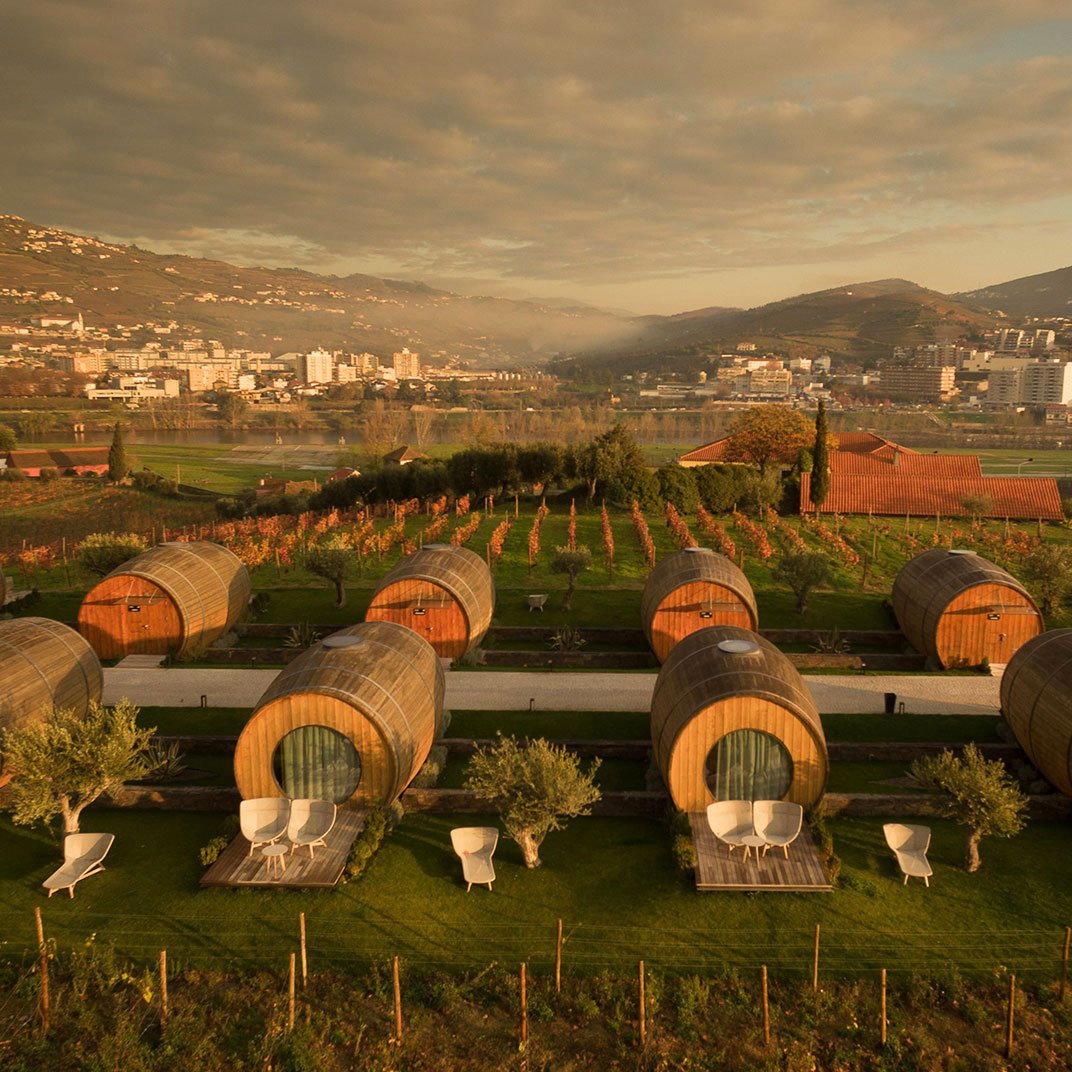
Bars in Peso da Régua
Browse all →
Restaurants in Peso da Régua
Browse all →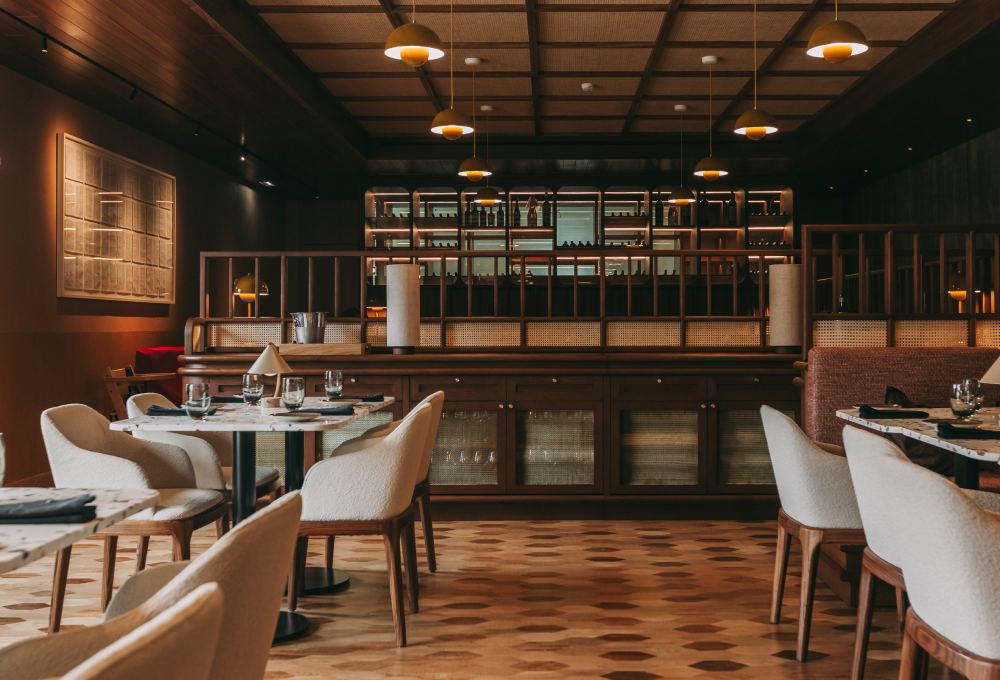
Details
- Scenic
- Rustic
- Elegant
- Historic
- Wine Education
- Special Occasion
- Romantic Getaway
- Vineyard Tour
- Estate Grounds
- Historic Building
- Panoramic View
- Organic
- Vineyard
- Touriga Nacional
- Touriga Franca
- Tinta Roriz
- Sousão
- Viosinho
- Rabigato
- Still Red
- Still White
- Still Rosé
- Fortified
- Wine Tasting
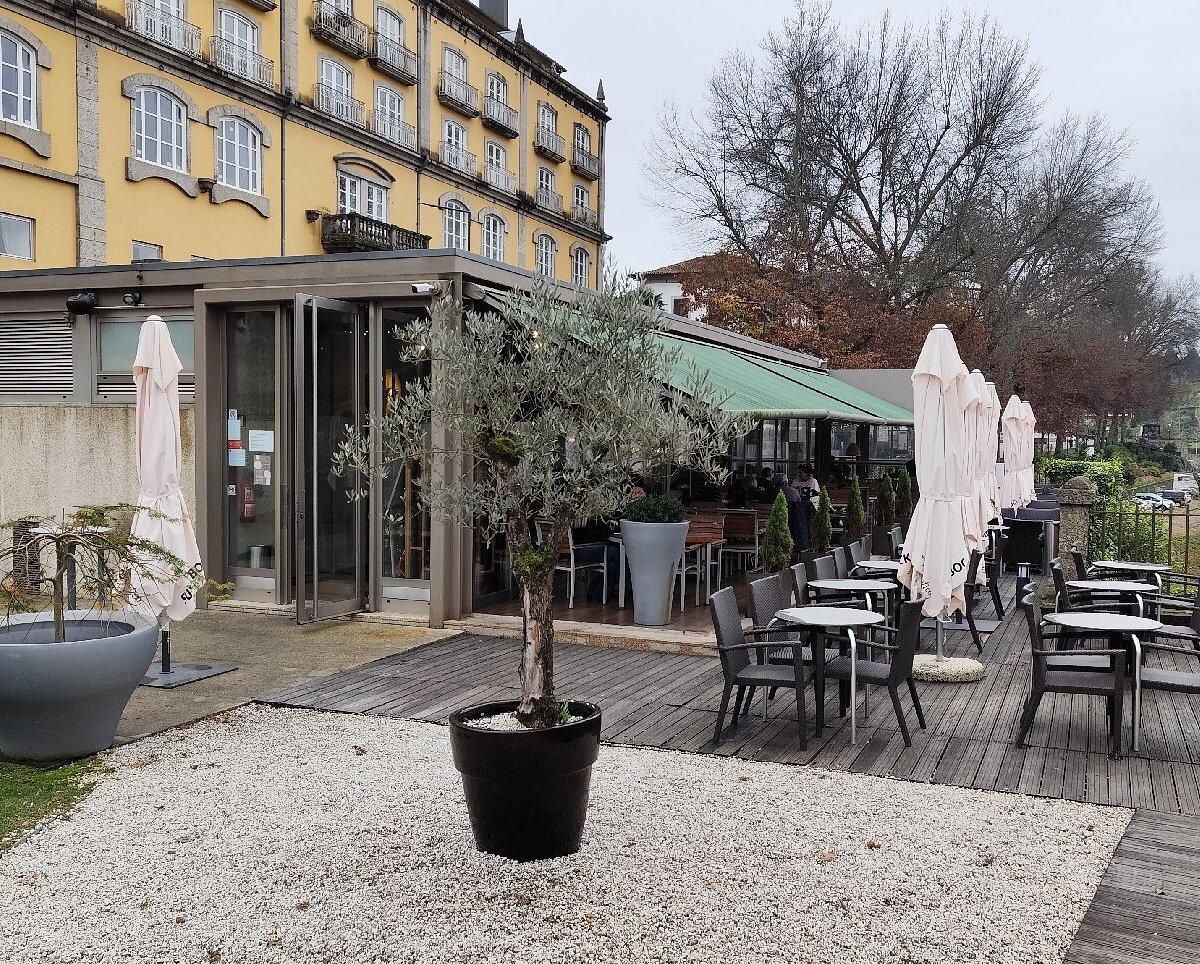
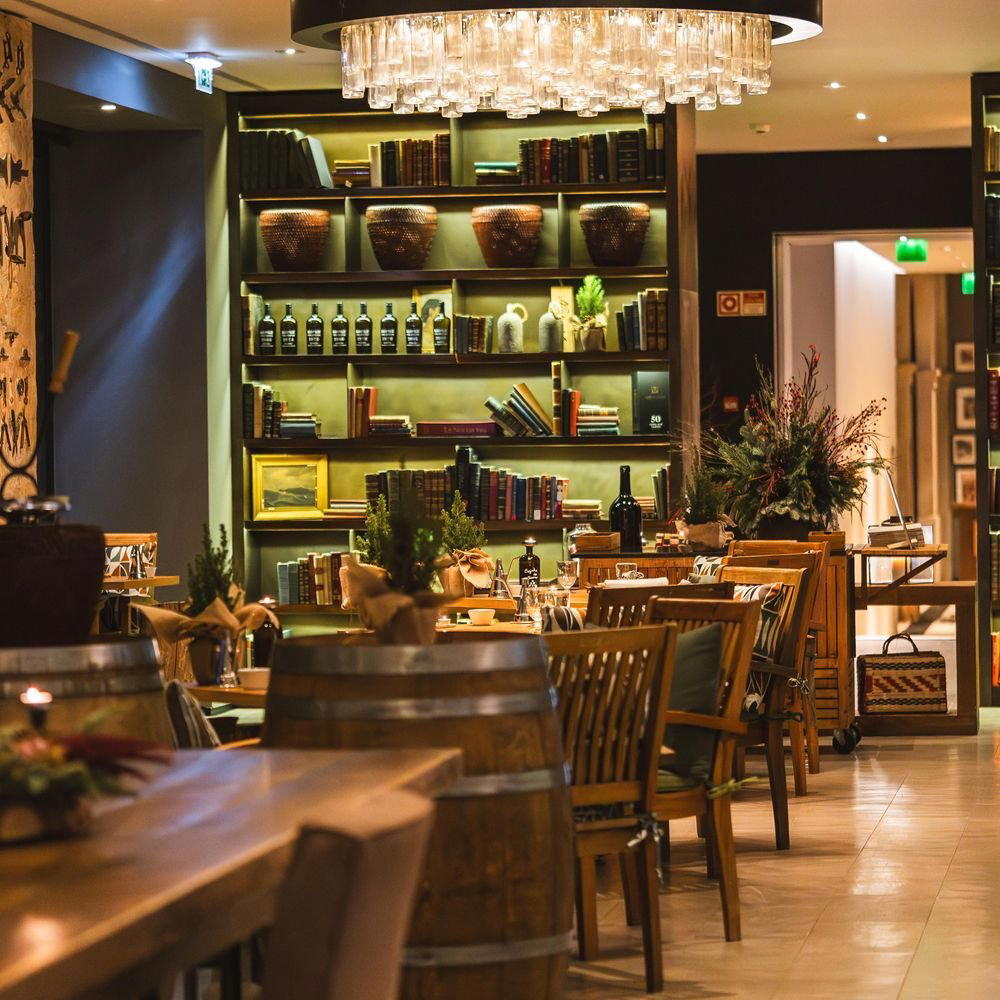
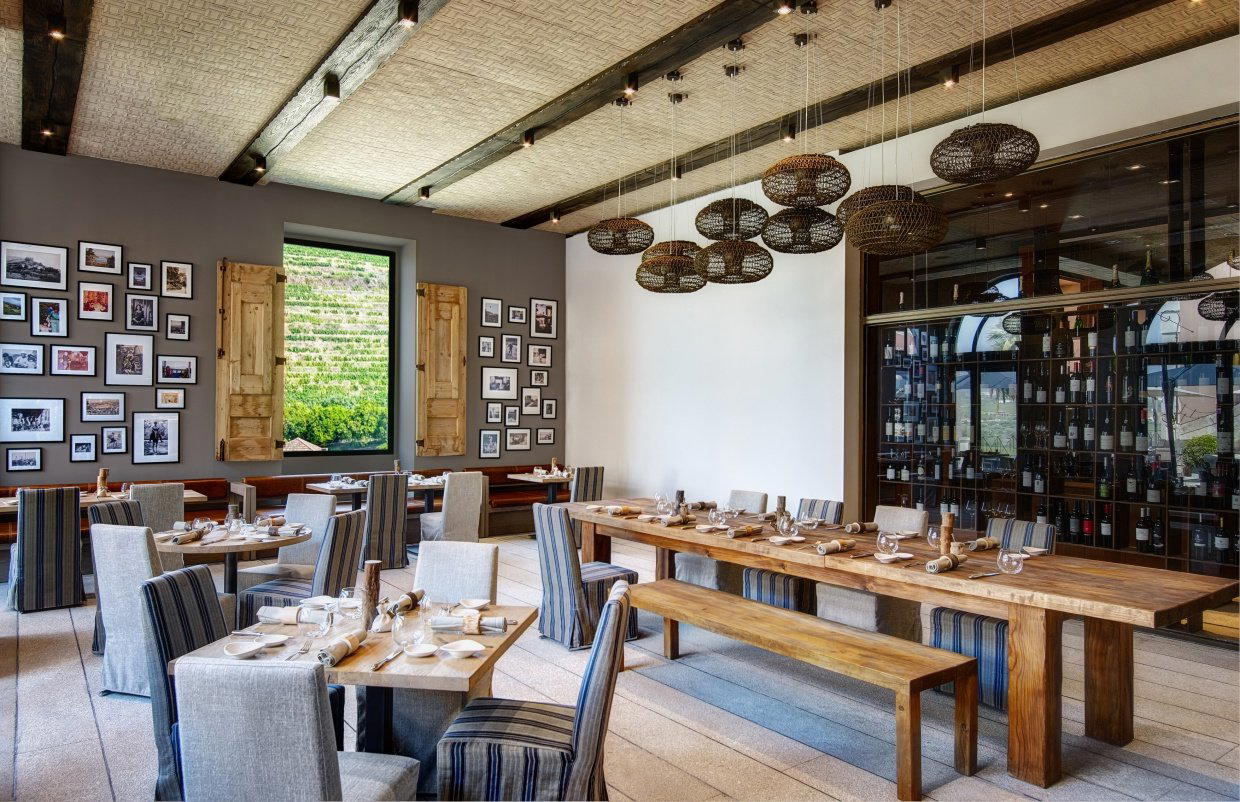
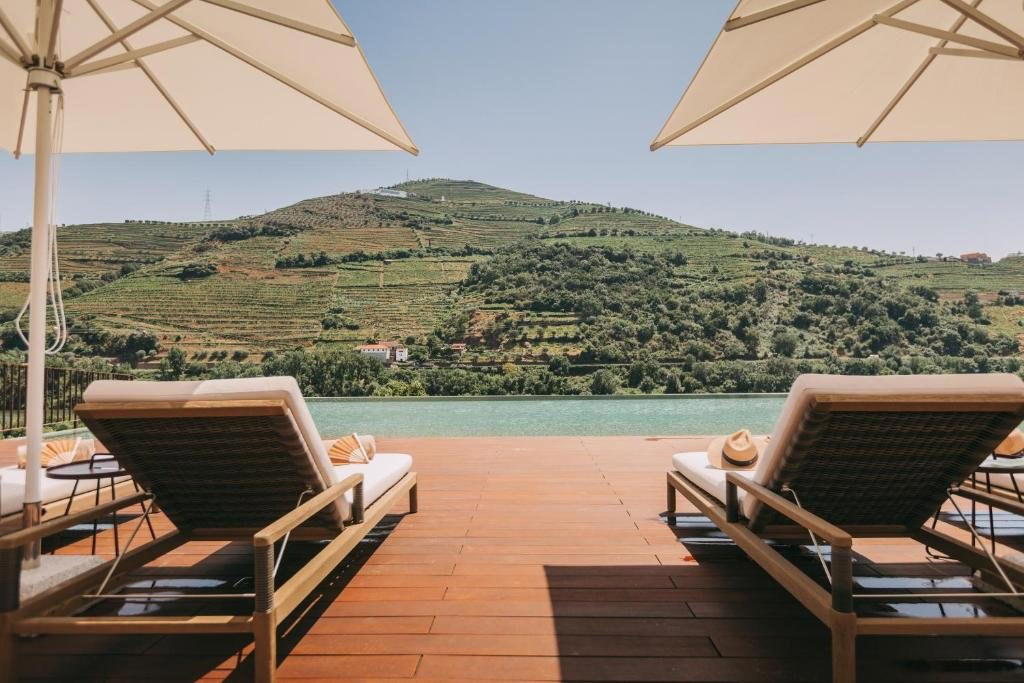
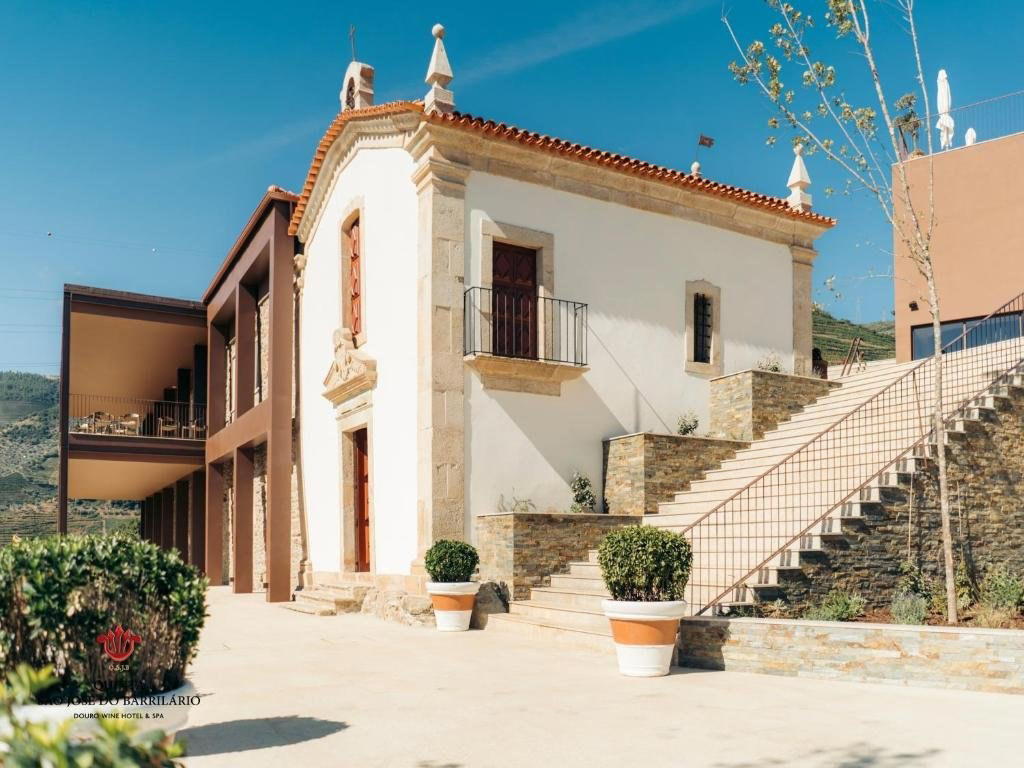
Architecturally pleasing with scenic vineyard and river views, combining historic rustic charm with modern elegance and serene Douro Valley atmosphere.