
Relais Chateaux Award
Our verdict
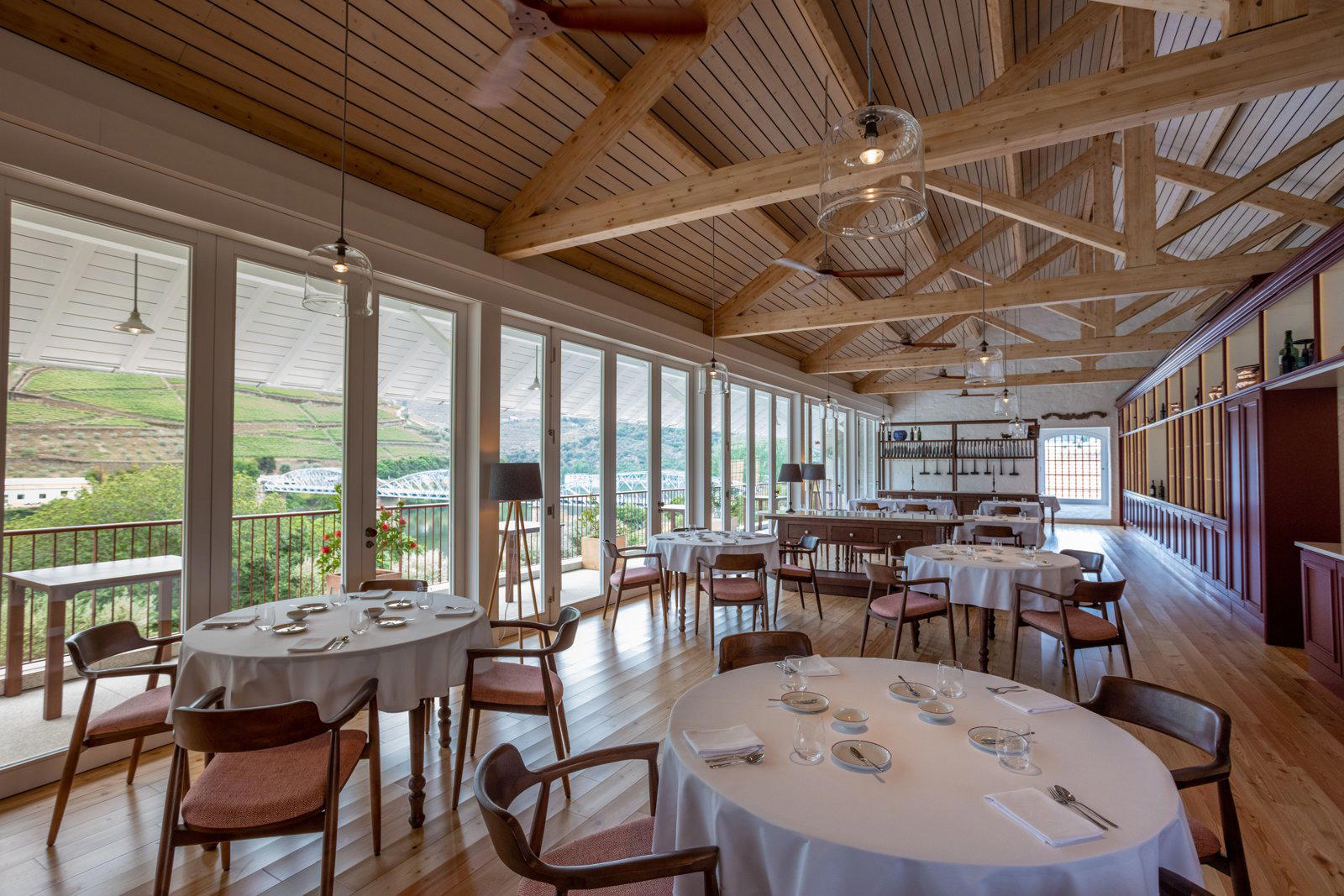
A 300-acre estate in the heart of the Douro Valley, Quinta Nova Winery House offers an immersive wine retreat where viticulture, hospitality, and Portuguese cuisine intersect. With unimpeded views across the river and an intimate setting under chef André Carvalho, it occupies a distinct tier among Douro wine estates. Rated 4.4/5 by EP Club members.

Pearl is the En Primeur Club membership app, where members save venues, book tables and use the concierge.
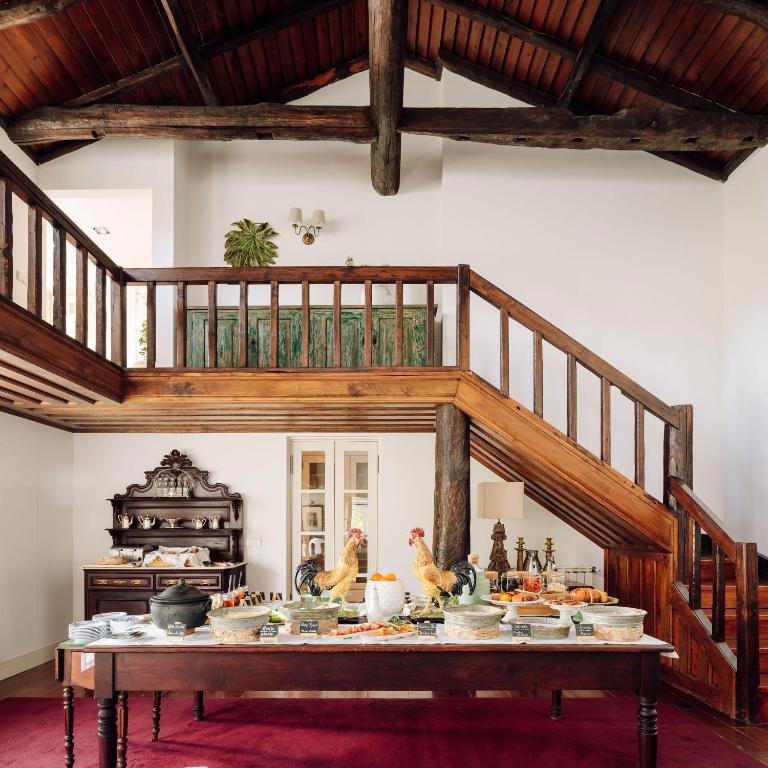
Where the Douro's Terraced Vineyards Begin to Make Sense
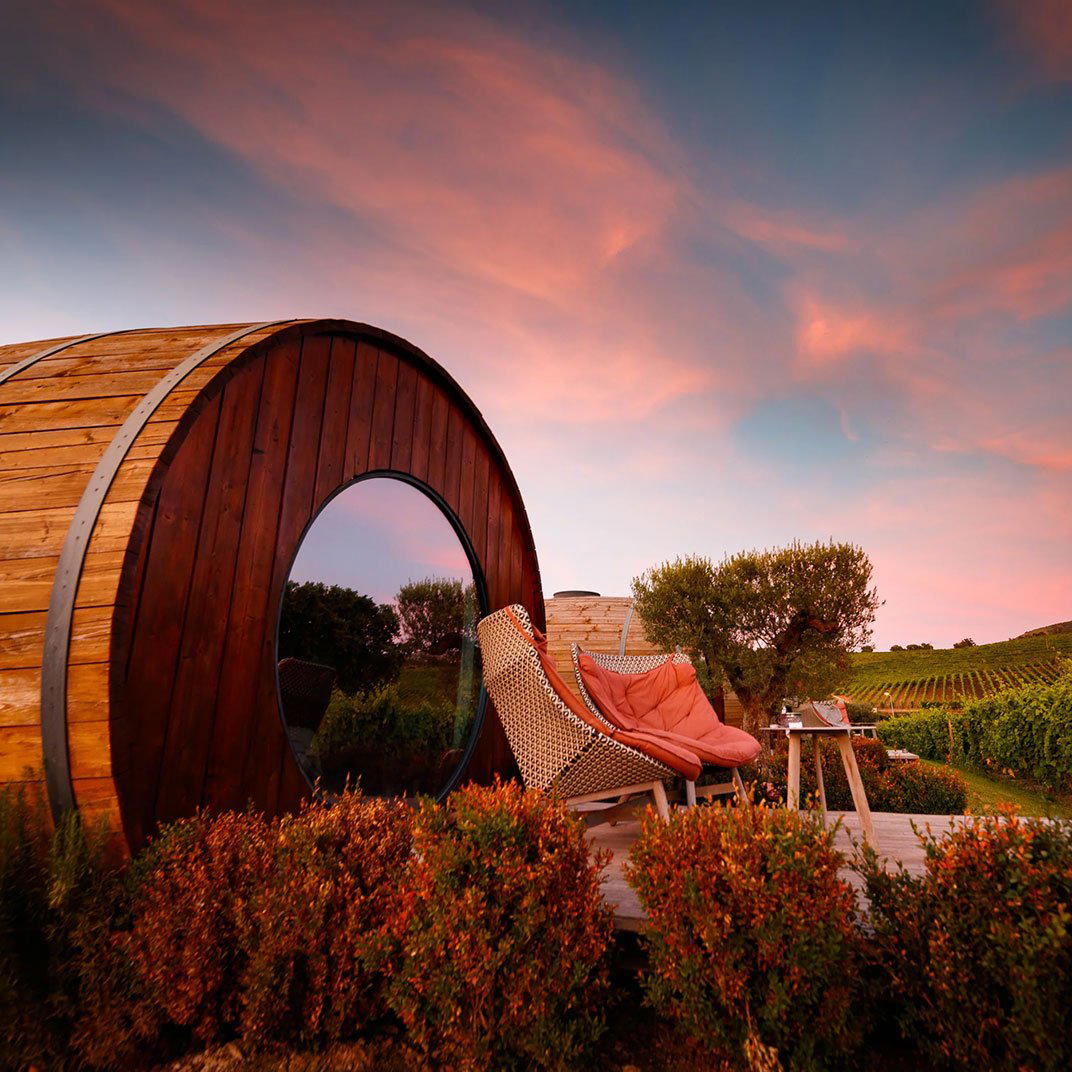
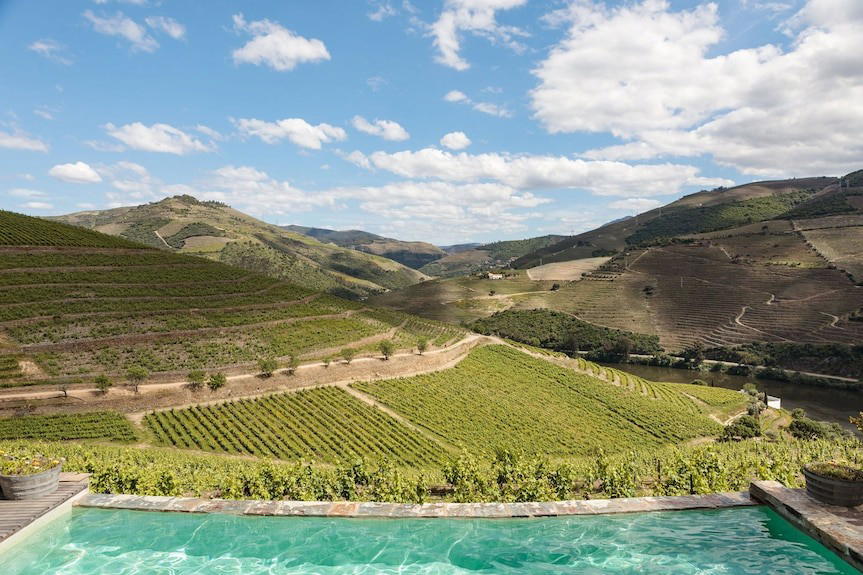
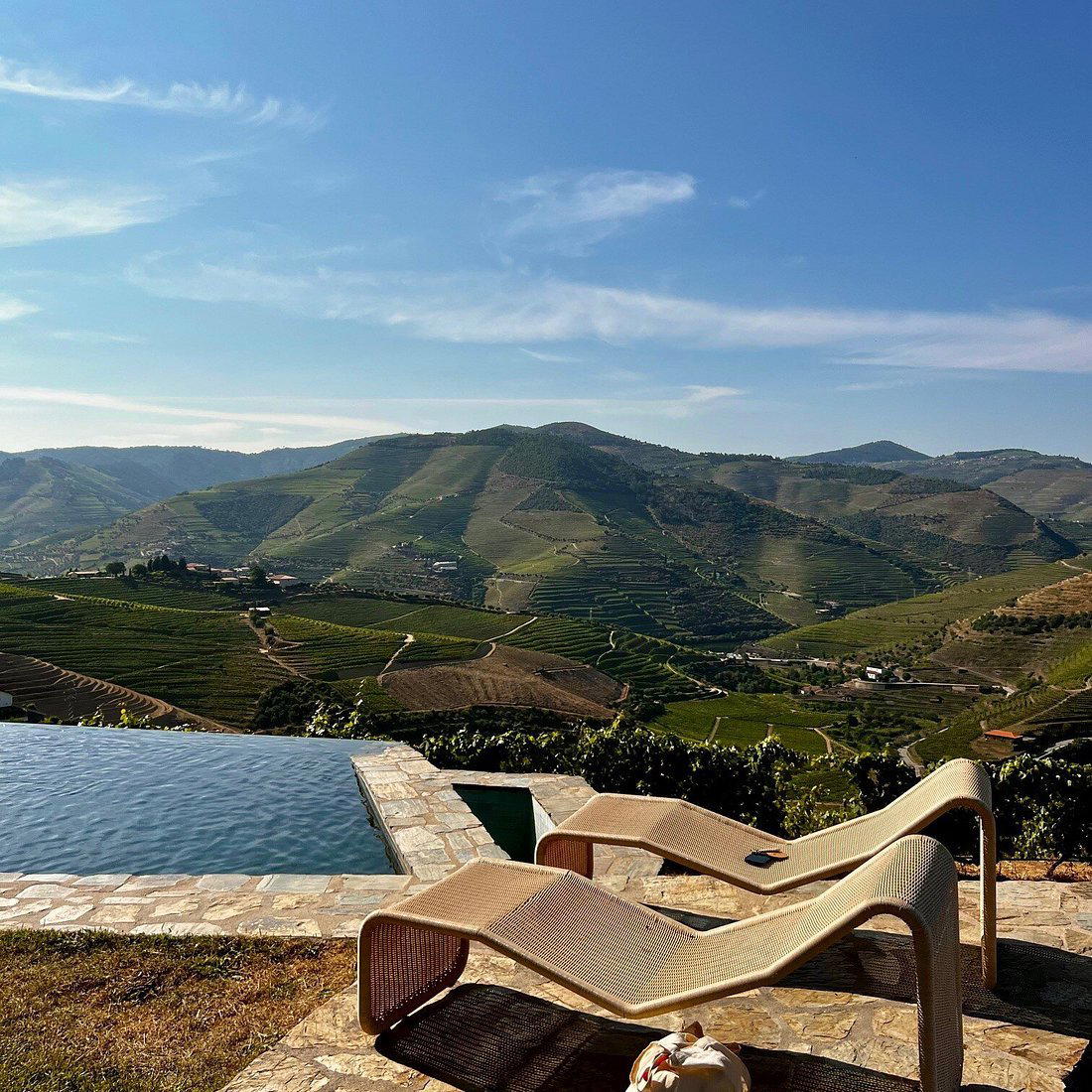
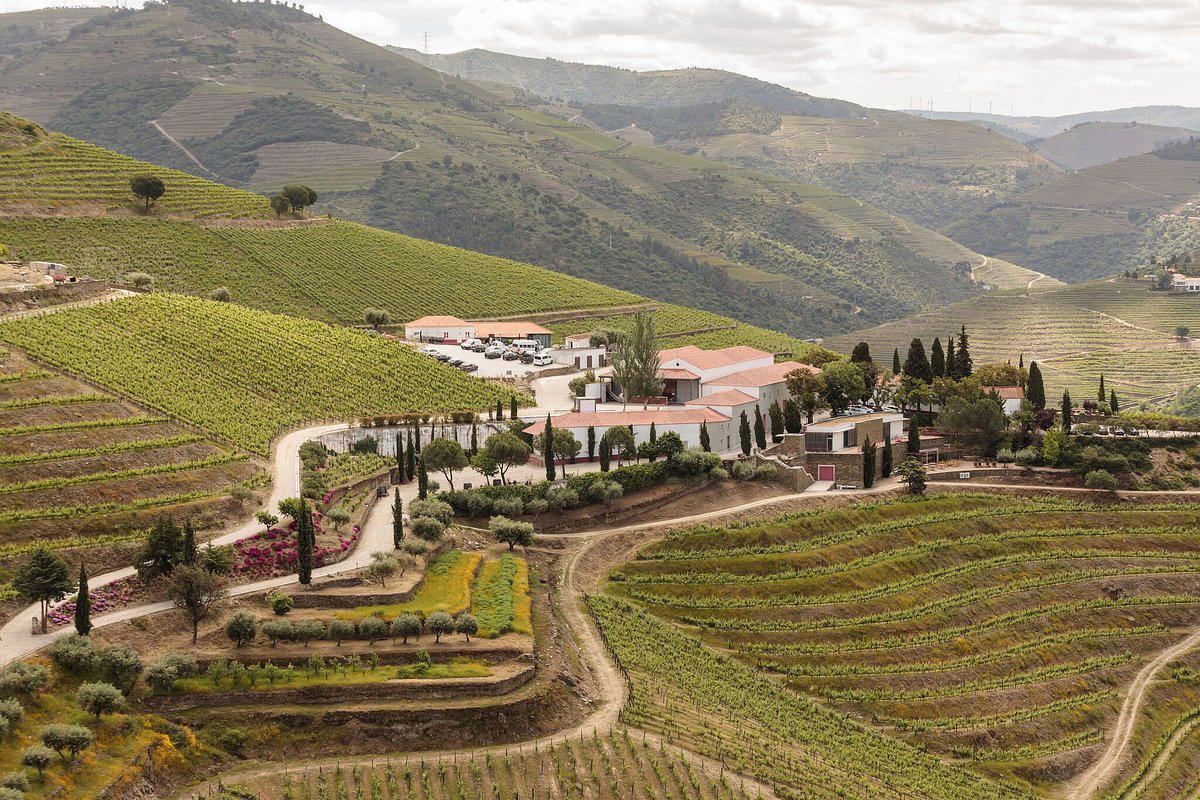
Arriving at Quinta Nova requires commitment. The road from the town of Sabrosa drops toward the Douro through schist-walled terraces, the river appearing in fragments between vine rows before the estate opens into full view. This is the Douro at its most confrontational: 300 acres of working quinta, the river cutting through the valley floor below, and the kind of silence that makes you recalibrate what a wine estate is supposed to feel like. Most European wine tourism fronts a shop or a tasting bar. Quinta Nova goes deeper, operating as a residential retreat where wine, food, and the landscape are experienced together over days rather than hours.
That integrated format places it in a specific and still-small niche within Portuguese wine tourism. The country has world-class restaurant dining in Lisbon, see Belcanto in Lisbon or Casa de Chá da Boa Nova in Leça da Palmeira, and a growing portfolio of design-led rural hotels. But the wine-estate retreat model, where the property produces what you drink and the chef frames the local ingredients around the estate's own wines, remains rare outside the Alentejo. In the Douro specifically, Quinta Nova occupies that space with unusual depth.
André Carvalho and the Logic of Place-Driven Cooking
Portuguese fine dining has followed a consistent trajectory over the past fifteen years: chefs trained abroad or under internationally recognised kitchens returning to reckon with domestic ingredients and tradition. This is the same arc visible at Antiqvvm in Porto and, further south, at Ocean in Porches. At Quinta Nova, chef André Carvalho works within a context that sharpens that tension further: the kitchen operates in service of a wine estate, meaning the food must ultimately answer to what is growing in the vineyard, not the reverse.
That constraint is, in practice, a creative discipline. The Douro's altitude and schist soils produce wines of significant structure, particularly in the red varieties, and cooking that is too light or too acidic simply does not sit alongside them. Carvalho's position requires building plates with enough weight to hold against those wines while maintaining the precision expected at estate-level hospitality. It is a calibration exercise that chefs working in urban fine-dining restaurants rarely face in the same way. Comparing his context to somewhere like A Cozinha in Guimaraes, another northern Portuguese kitchen where place-specificity drives the menu, gives a sense of how the Douro's particular demands differ even from nearby regions.
The Douro Valley as a Wine Tourism Tier
Portugal's wine tourism is not uniform. The Algarve draws volume visitors; Lisbon and Porto have an urban wine-bar scene that has expanded rapidly since 2018; and the Douro occupies a third position, serious, terrain-focused, and still largely oriented toward producers rather than consumer experience. Properties that have moved to bridge that gap, building hospitality infrastructure alongside wine production, represent a bet on a visitor who arrives with knowledge and expectations rather than casual curiosity.
The ratings are not aberrational highs, they reflect a consistent experience rather than occasional peaks, which is a more reliable signal than a small number of five-star outliers. For context, the estate sits in the same broad premium tier as wine-anchored dining destinations like The Yeatman in Vila Nova de Gaia, which similarly uses its cellar as the organising principle of the guest experience, though the Yeatman operates within an urban wine lodge environment rather than a working agricultural estate.
Internationally, the comparison set for this format extends well beyond Portugal. Retreat-format wine estates where accommodation, cuisine, and viticulture are unified tend to price and position against each other regardless of geography. Dining venues at that level, Le Bernardin in New York City or Atomix in New York City, for instance, reach their reputations through sustained precision and a defined point of view. Quinta Nova's equivalent claim is coherence: the estate produces what you drink, the landscape frames what you see, and the kitchen works within those given conditions rather than around them.
Getting to Quinta Nova and What to Expect
The nearest major airport is Porto's Francisco Sá Carneiro, approximately 130 kilometres from the estate. By train, the closest station is Ferrão, roughly 2 kilometres away, making rail access viable for those arriving from Porto or the Douro line. GPS coordinates (41.1623, -7.5979) are more reliable than street address navigation on the final approach roads, which narrow considerably. The surrounding area is covered in our full Sabrosa wineries guide, and visitors planning a longer Douro itinerary will find the broader context useful in our full Sabrosa restaurants guide, our full Sabrosa hotels guide, our full Sabrosa bars guide, and our full Sabrosa experiences guide.
The estate's intimate setting and retreat format mean it functions leading as a multi-night base rather than a single meal destination. The 300-acre scale means there is enough physical space to avoid the compression that affects smaller quintas, but the overall atmosphere remains oriented toward small numbers of guests rather than volume throughput. Those arriving expecting the pace and buzz of urban fine dining, as at Vila Joya in Albufeira or Il Gallo d'Oro in Funchal, will find a different register entirely. Quinta Nova is slower, terrain-focused, and predicated on the assumption that the Douro Valley itself is the primary draw.
For a contrasting experience within the Sabrosa dining scene, Terraçu's (Portuguese Coastal) offers a different angle on regional cuisine without the estate-retreat structure. Further afield in the Algarve, A Ver Tavira in Tavira and Al Sud in Lagos show how Portuguese coastal cooking is developing in parallel to the Douro's vineyard-driven approach, a useful comparison for anyone mapping the country's dining geography.
Frequently asked questions
Where is Quinta Nova Winery House located?
Quinta Nova Winery House is located at Quinta Nova, 5085-222 Covas do Douro, Portugal, Sabrosa.
Comparison Snapshot
Comparable venues nearby, for context on price, style, and recognition.
| Venue | Cuisine | Price | Awards | Notes |
|---|---|---|---|---|
| Quinta Nova Winery HouseThis venue (the venue you are viewing) | Portuguese Fine Dining | Not listed | Relais Chateaux Award | Not listed |
| Terraçu's | Douro Valley Fine Dining | Not listed | Relais Chateaux Award | Covas do Douro |
| O Açude | Modern Portuguese Fine Dining | $30–50 | Star Wine List | Santa Clara |
| Restaurant The Vale de Abraao | Portuguese Farm-to-Table | $100–150 | We're Smart World 1 Radish | Samodães |
| Largo do Paço | Modern Mediterranean with Portuguese influences | Not listed | 1 Michelin Star · Wine Spectator Best of Award of Excellence | Amarante |
| 1638 Restaurant & Wine Bar | Modern Iberian fine dining tasting menu | $150–200 | Michelin Plate | Vila Nova de Gaia |
Recognition history
Dated appearances from independent guides and award organizations, with the underlying list record or original source where available.
Relais Chateaux Award
Relais Chateaux
Continue exploring
More in Sabrosa
Restaurants in Sabrosa
All restaurants in Sabrosa →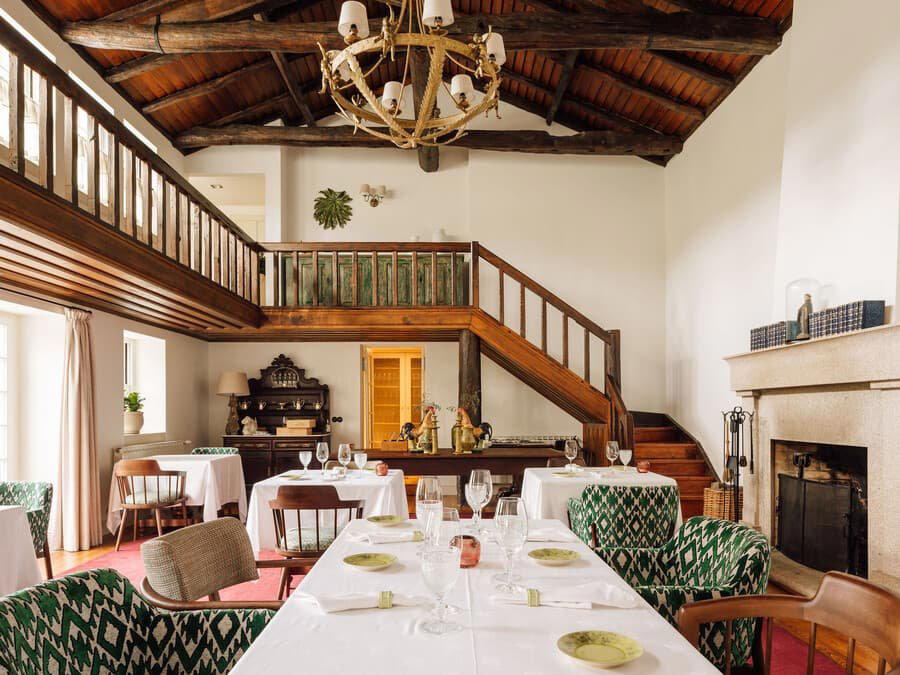
Bars in Sabrosa
Browse all →
Hotels in Sabrosa
All hotels in Sabrosa →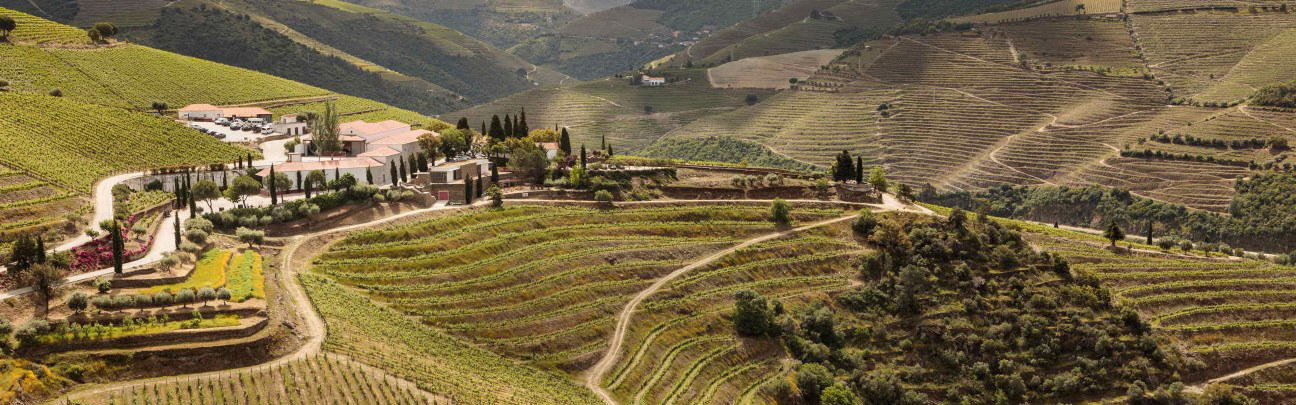

Quinta Nova Winery House
The wine
- Wine program
- Deep wine list
- Extensive wine list
- Sommelier-led
Details
- Romantic
- Scenic
- Elegant
- Rustic
- Intimate
- Sophisticated
- Date Night
- Special Occasion
- Wine Cellar
- Terrace
- Historic Building
- Panoramic View
- Extensive Wine List
- Sommelier Led
- Local Sourcing
- Vineyard
- Mountain
- Tasting Menu
- A La Carte
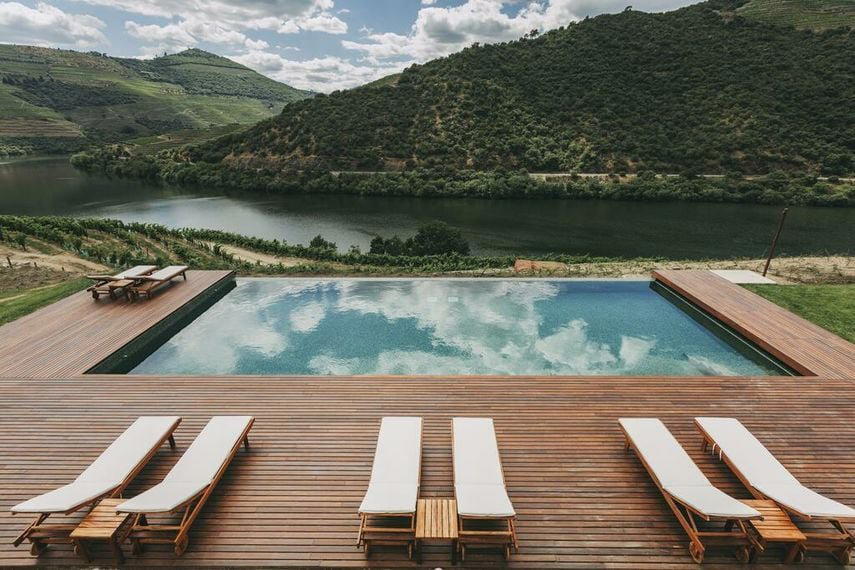
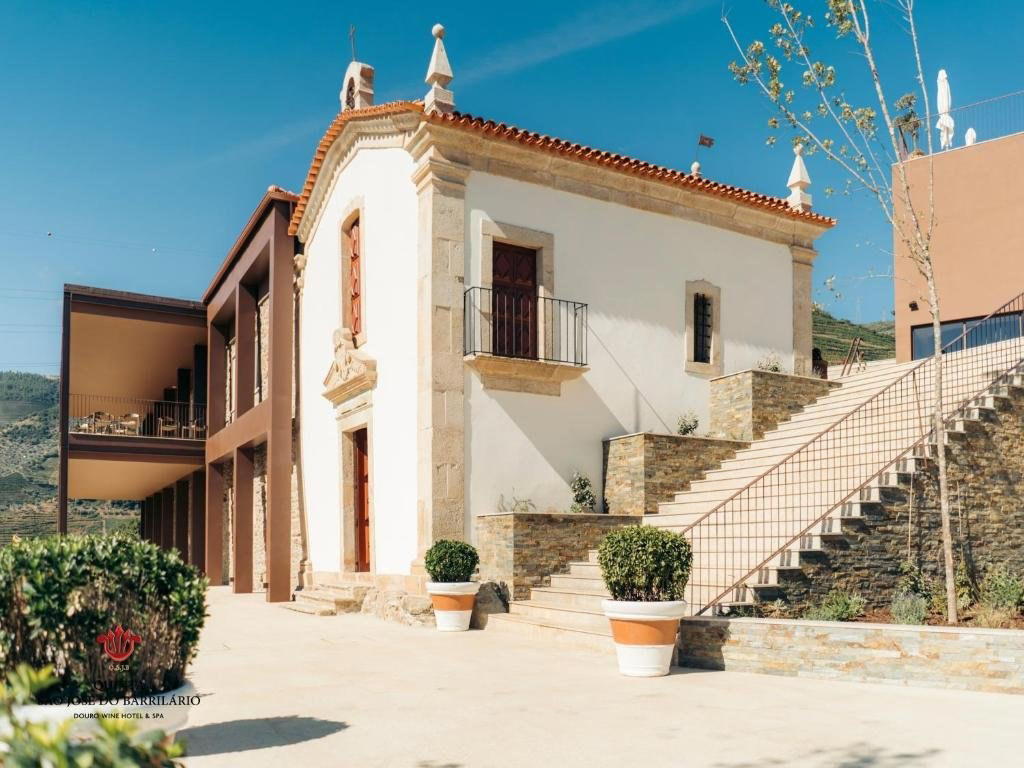
Sophisticated and welcoming manor house atmosphere with spectacular vineyard views, calm and soothing spaces ideal for relaxation, enhanced by natural light from large windows and outdoor terraces.