Pulenta Estate
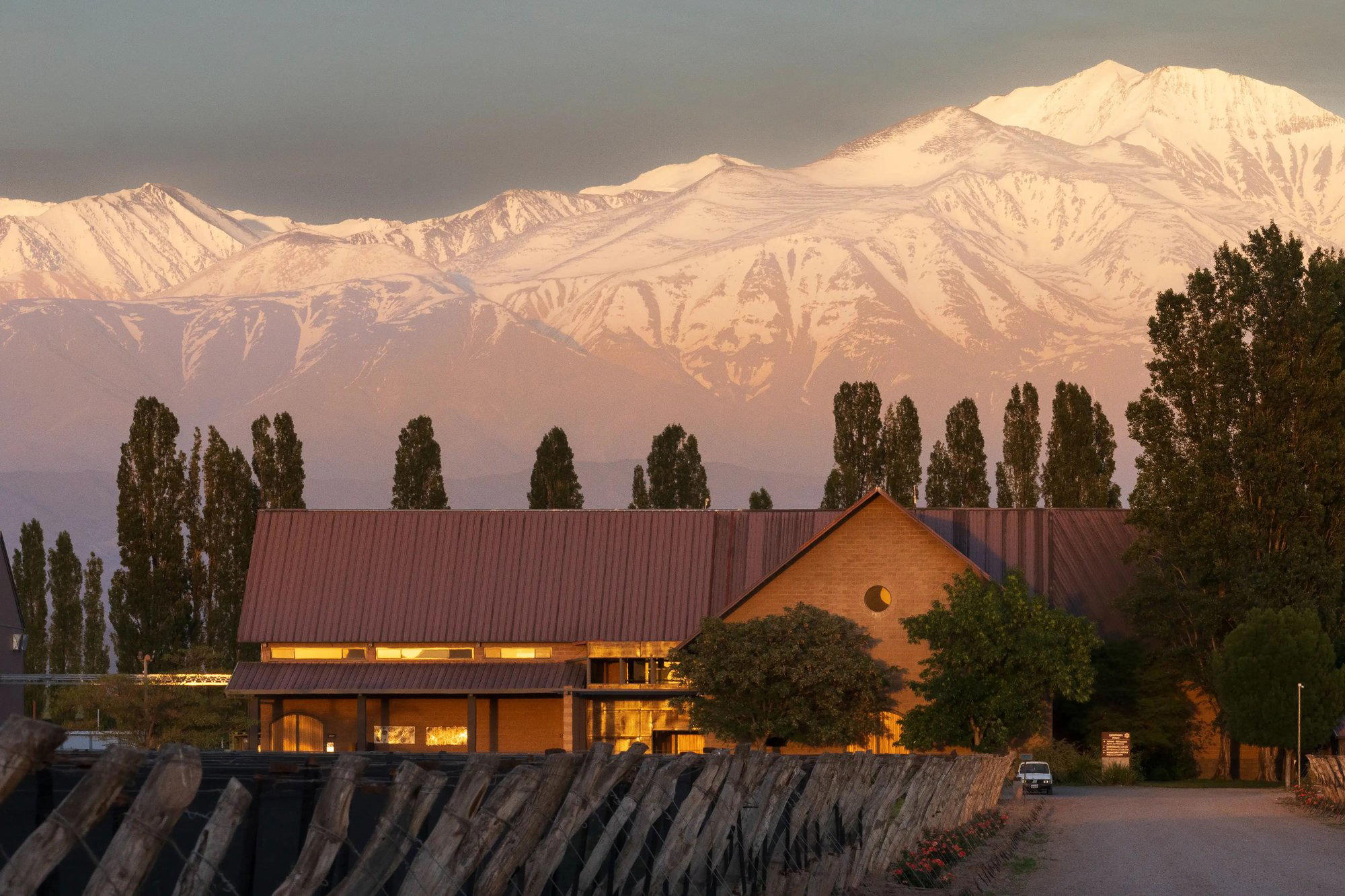
Pulenta Estate sits along Ruta Provincial 86 in Alto Agrelo, one of Mendoza's highest-altitude subzones for Malbec and Cabernet Sauvignon. It is a reference point for understanding how the appellation's distinct terroir translates through deliberate aging and blending decisions.
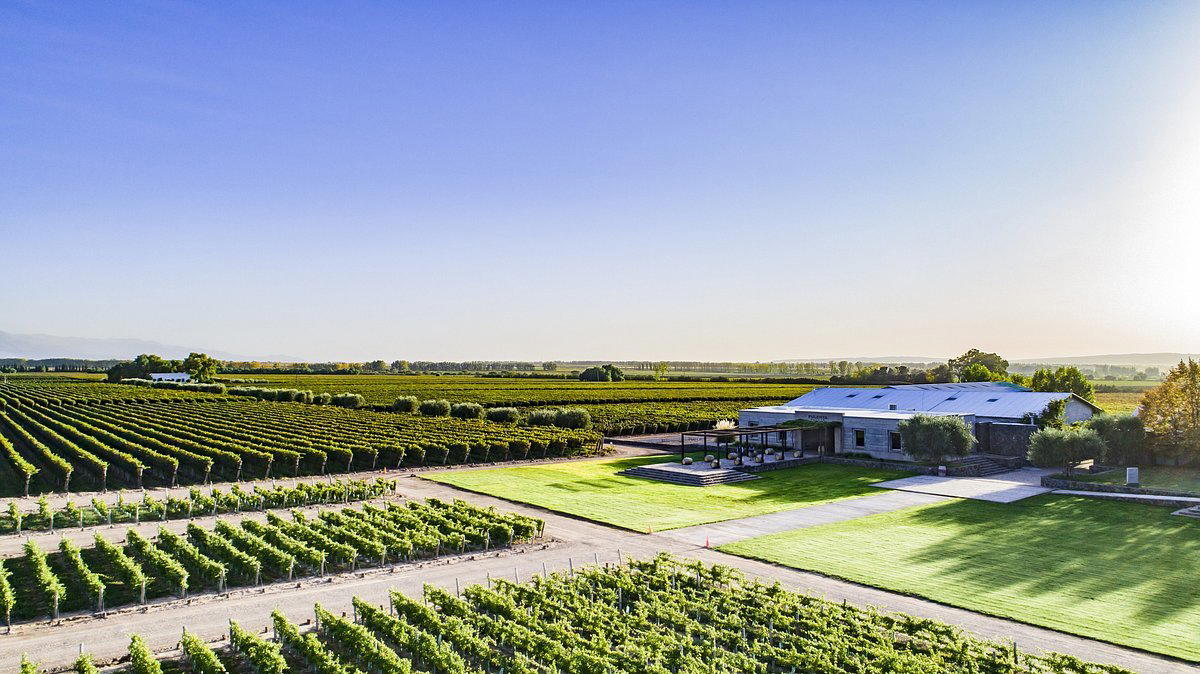
Agrelo's Elevation Advantage and What Happens After Harvest
The road out to Alto Agrelo, Ruta Provincial 86, climbing through the piedmont east of the Andes, passes a run of bodegas that have spent decades arguing, in bottle form, about what high-altitude Mendocino terroir can do. Agrelo sits roughly 900 to 1,100 metres above sea level, and the elevation is not incidental. It determines the diurnal temperature swings that push phenolic ripeness without collapsing acidity, and it sets the conditions that make wines worth aging. Pulenta Estate, at kilometre 6.5 on that same road, is one of the appellation's clearest expressions of what a producer does with that raw material once the grapes are off the vine.
Neighbours along the same corridor, Bodega Bressia, Bodega Melipal, Finca Decero, and the large-format Bodega Chandon Argentina, each occupy different positions in the appellation's competitive order.
Cellar Decisions as the Estate's Real Signature
In Agrelo's premium tier, the conversation about what distinguishes one estate from another rarely ends in the vineyard. It continues in the cellar, where decisions about vessel type, aging duration, and the proportion of new oak to neutral barrel define the final character of the wine. Producers working at altitude with Malbec and Cabernet Sauvignon face a specific tension: the fruit from these sites can be dense and concentrated, and the cellar either amplifies that density or works to integrate and lengthen it.
The estate's address in Alto Agrelo is relevant here. At the higher end of Agrelo's elevation band, growing seasons are cooler than the valley floor, harvests run later, and the resulting grape material tends toward firmer tannin structures that benefit from extended barrel contact. The wines that emerge from these conditions require time, both in barrel and in bottle, before they reach the integration point at which the estate intends them to be opened.
This is a pattern shared across Mendoza's serious red wine producers. Compare the approach at Bodega Norton in Luján de Cuyo or Bodega DiamAndes in Tunuyán, where similar altitude-driven tannin structures inform multi-year barrel programs. What varies is the blending philosophy, whether the estate leans into single-varietal expression or builds complexity through assemblage, and whether it privileges consistency across vintages or allows the character of each year to show through.
Where Pulenta Estate Sits in the Wider Argentine Wine Geography
Mendoza's wine geography rewards some basic orientation. The province's most awarded producers cluster in the high-altitude subzones of Luján de Cuyo and the Uco Valley, with Agrelo forming one of the cleaner delineations within the former. Further north, Bodega El Esteco in Cafayate works under Salta's extreme-altitude conditions, producing wines with a different structural logic altogether. Further south and east, Bodega Colomé in Molinos takes altitude to its logical extreme in the Calchaquí Valley.
Agrelo's particular argument is about concentration at moderate altitude: enough elevation to preserve acidity and extend the season, not so extreme as to push the wine into an outlier register. Bodega Séptima, also in Agrelo, represents the same geographical logic applied at a larger commercial scale. Pulenta Estate, by contrast, operates with the precision of a prestige-tier producer for whom each wine-making decision is a statement of positioning within Argentina's export market.
For a broader sense of how Agrelo fits into the Mendocino wine circuit, our full Agrelo restaurants guide maps the area's producers and hospitality context in detail.
Getting to Alto Agrelo and Timing a Visit
The practical logistics of visiting Alto Agrelo favour self-driving or hired transfer from Mendoza city, roughly 35 to 40 minutes to the south-west. The harvest window, typically late February through April for Malbec and Cabernet Sauvignon at this altitude, is the period when the estate's vineyard and cellar operations are at their most active, though estate visits during this period require advance planning precisely because harvest logistics take priority over hospitality. The quieter shoulder months of May through August, as fermentation completes and barrel aging begins, can offer a more considered visit experience, with tanks still active and the earliest stage of the new vintage visible in the cellar.
Argentina's premium wine circuit has expanded considerably in reach for international visitors. Producers as varied in style as Familia Schroeder in San Patricio del Chañar in Neuquén and Escorihuela Gascón in Godoy Cruz have developed different models of engagement with visitors. Pulenta Estate's focus on prestige-tier production suggests a more appointment-led model, where visits are structured around the estate's export and trade priorities rather than walk-in cellar-door traffic. Confirming the current visit format directly with the estate is advisable before planning any trip around it.
A Note on Positioning Relative to International Peers
In the broader world of prestige red wine production, the question of how New World altitude sites compare to the established benchmarks of Bordeaux, Burgundy, or Napa is a live conversation. Producers like Accendo Cellars in St. Helena represent the Napa end of that comparison, where Cabernet Sauvignon from high-value parcels carries both price and critical recognition. Pulenta Estate's Argentine context means its wines sit in a different price register, but the recognition signal points to comparable ambition in terms of cellar investment and aging programme depth.
For visitors whose frame of reference extends to spirit production and the question of how aging decisions work across different categories, the parallel is instructive. The logic applied at Aberlour in Aberlour, where sherry cask versus ex-bourbon maturation defines house character, is not unlike the barrel-selection decisions that define the upper tier of Agrelo's Malbec producers. The vessel, the duration, and the integration philosophy are where the real differentiation happens, regardless of what goes in at the start.
For Argentina-based context outside wine, Fratelli Branca Distillery in Buenos Aires offers a different lens on how Argentina's broader drinks industry thinks about aging, extraction, and the long arc of production decisions.
Planning Your Visit
Pulenta Estate is located at Ruta Provincial 86, km 6.5, Alto Agrelo, within the Luján de Cuyo department of Mendoza province. Access from Mendoza city is most practical by private vehicle or arranged transfer; there is no meaningful public transport link to this part of the appellation. Given the estate's prestige-tier focus, visits are leading arranged directly and in advance, with confirmed scheduling rather than drop-in enquiry.
Frequently asked questions
What part of town is Pulenta Estate in?
Pulenta Estate is located at Ruta Provincial 86 km 6,5 Alto Agrelo, M5509 Luján de Cuyo, Mendoza, Agrelo.
What's the must-try wine at Pulenta Estate?
Malbec is the reference point for the subzone, with Agrelo's piedmont soils and elevation consistently producing structured, age-worthy examples. Cabernet Sauvignon also performs at altitude in Luján de Cuyo and is worth seeking out alongside the flagship reds.
Why do people go to Pulenta Estate?
Pulenta Estate sits in Alto Agrelo, one of the premium altitude subzones within Luján de Cuyo, a department that concentrates a disproportionate share of Mendoza's most awarded producers. For buyers and visitors focused on high-altitude Malbec and Cabernet Sauvignon shaped by a disciplined cellar programme, Agrelo is the destination and Pulenta is one of its anchors.
Comparable Venues
Comparable venues nearby, for context on price, style, and recognition.
| Venue | Cuisine | Price | Awards | Notes |
|---|---|---|---|---|
| Pulenta EstateThis venue (the venue you are viewing) | Malbec, Cabernet Sauvignon | Not listed | Not listed | Not listed |
| Finca Decero | Malbec, Cabernet Sauvignon | Not listed | Falstaff Winery - Listed | Agrelo |
| Bodega Séptima | Malbec, Cabernet Sauvignon | Not listed | Falstaff Winery - Listed | Agrelo |
| Bodega Melipal | Malbec, Cabernet Sauvignon | Not listed | Not listed | Agrelo |
| Bodega Bressia | Malbec, Pinot Noir | $20–30 | Not listed | Agrelo |
| Bodega Chandon Argentina | Chardonnay, Pinot Noir | Not listed | Falstaff Winery - Listed | Agrelo |
Request a visit to Pulenta Estate
Tell us when you would like to go and how many people, and we put the request to the estate and reply to you by email.
Continue exploring
More in Luján de Cuyo
Wineries in Luján de Cuyo
All wineries in Luján de Cuyo →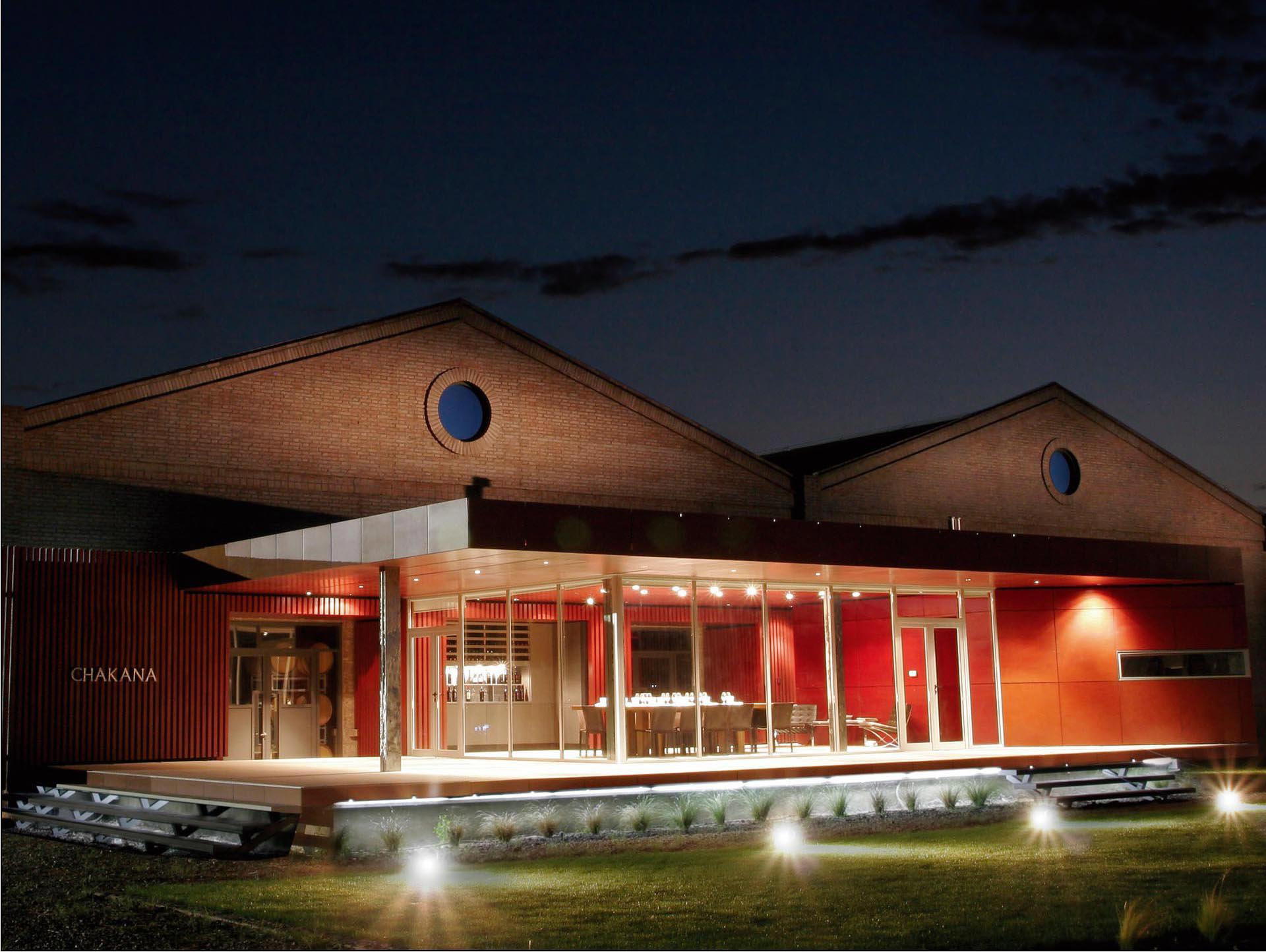
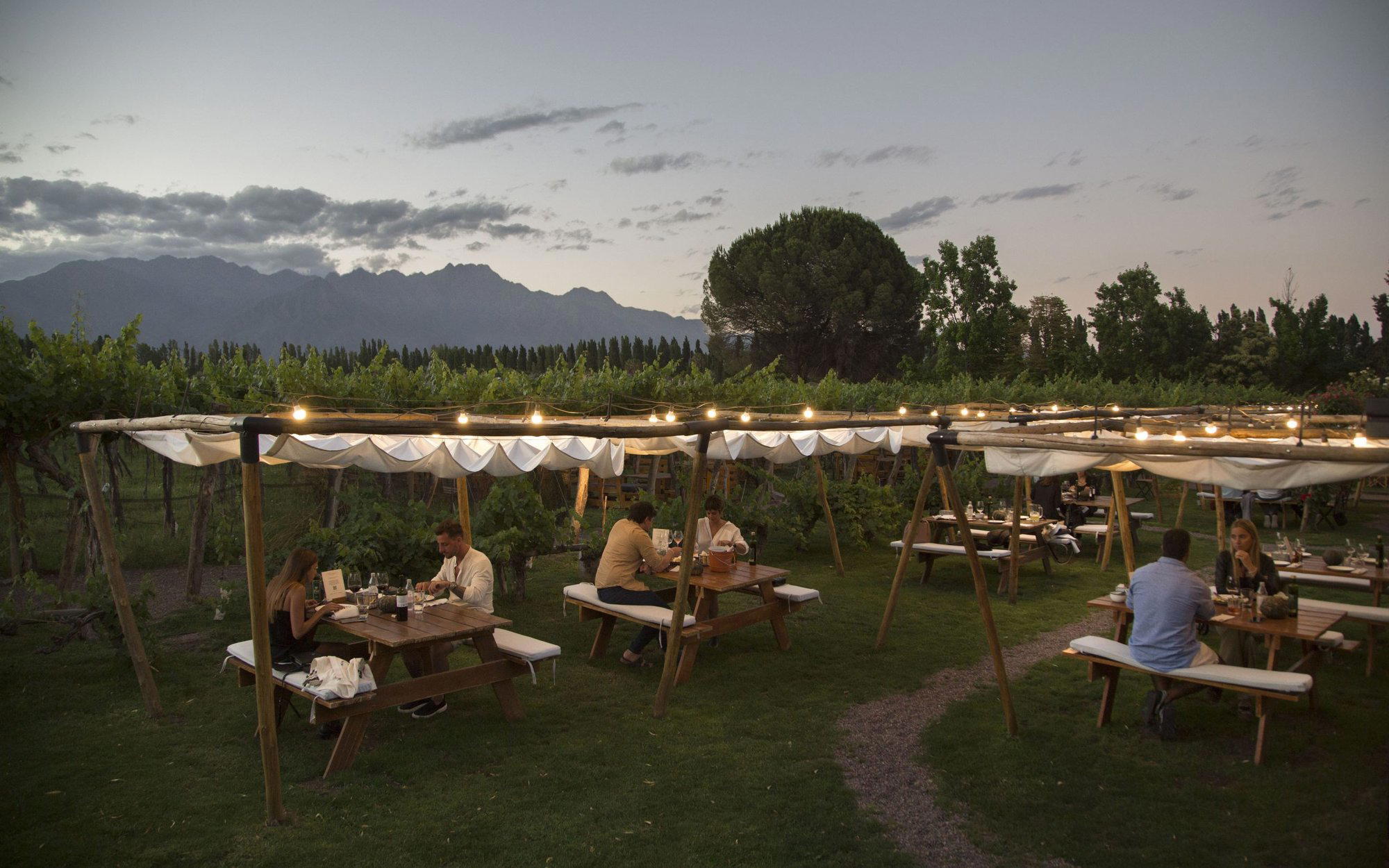
Bars in Luján de Cuyo
Browse all →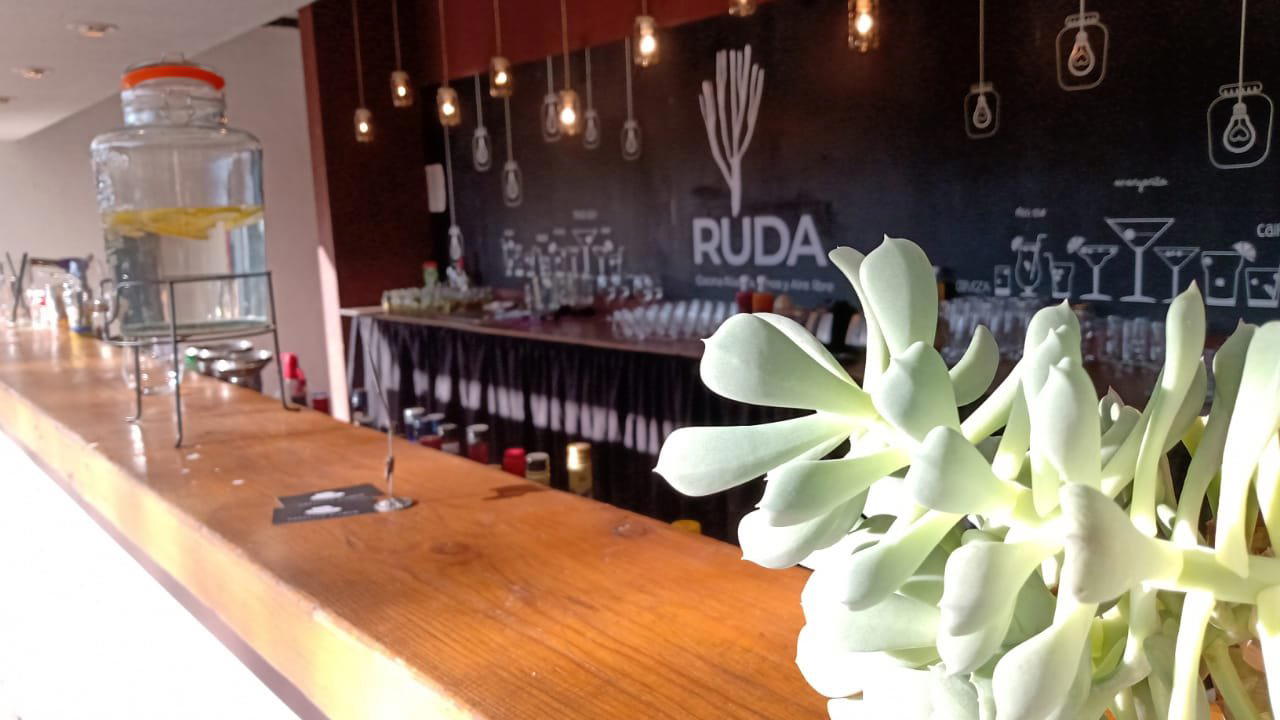
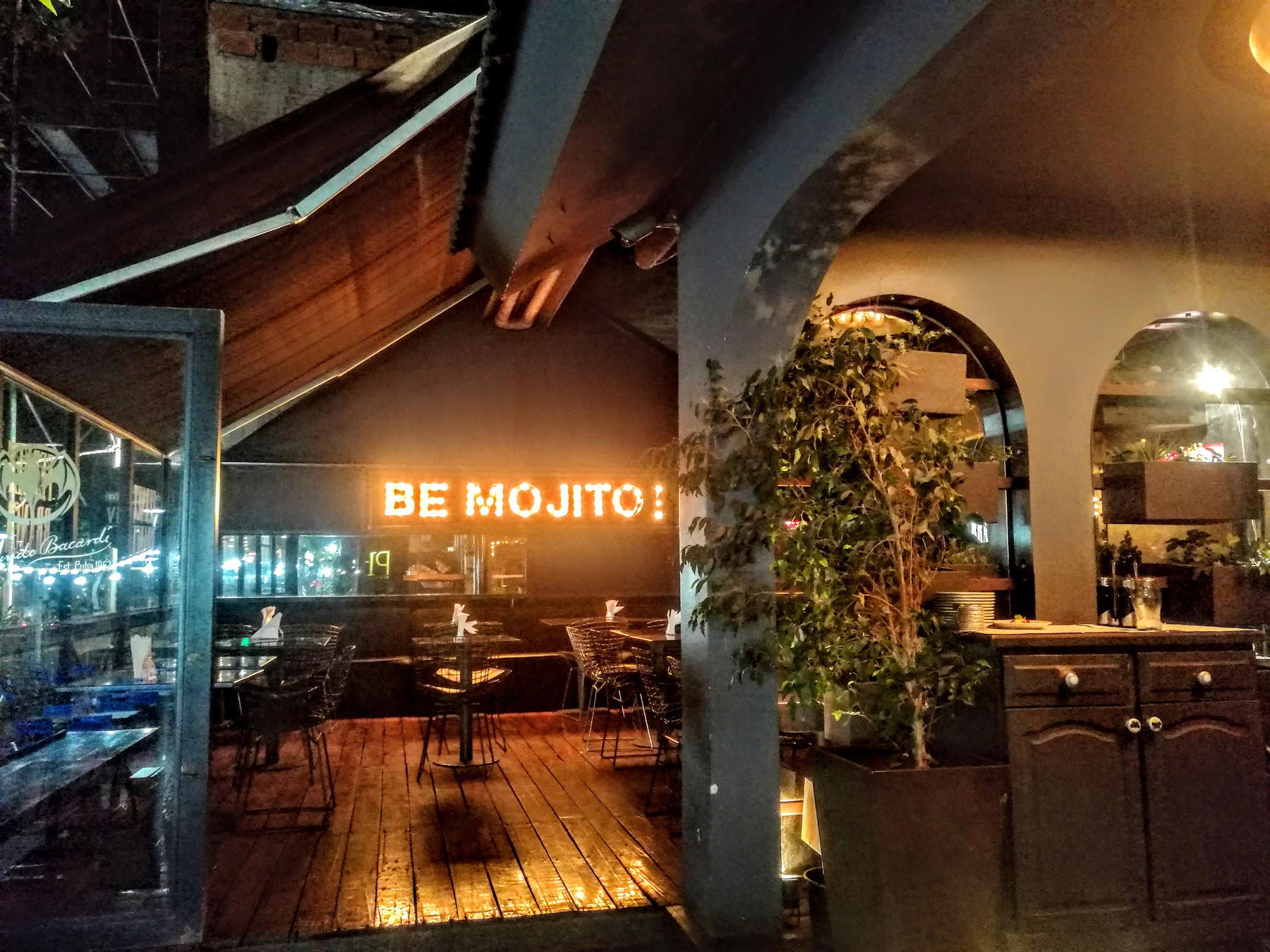
Restaurants in Luján de Cuyo
All restaurants in Luján de Cuyo →
Details
- Elegant
- Scenic
- Rustic
- Sophisticated
- Wine Education
- Group Outing
- Special Occasion
- Vineyard Tour
- Panoramic View
- Sustainable
- Organic
- Vineyard
- Mountain
- Malbec
- Cabernet Sauvignon
- Cabernet Franc
- Chardonnay
- Sauvignon Blanc
- Pinot Gris
- Rosé
- Still Red
- Still White
- Still Rosé
- Sparkling
- Traditional Tasting
- Wine And Chocolate
- English
- Spanish
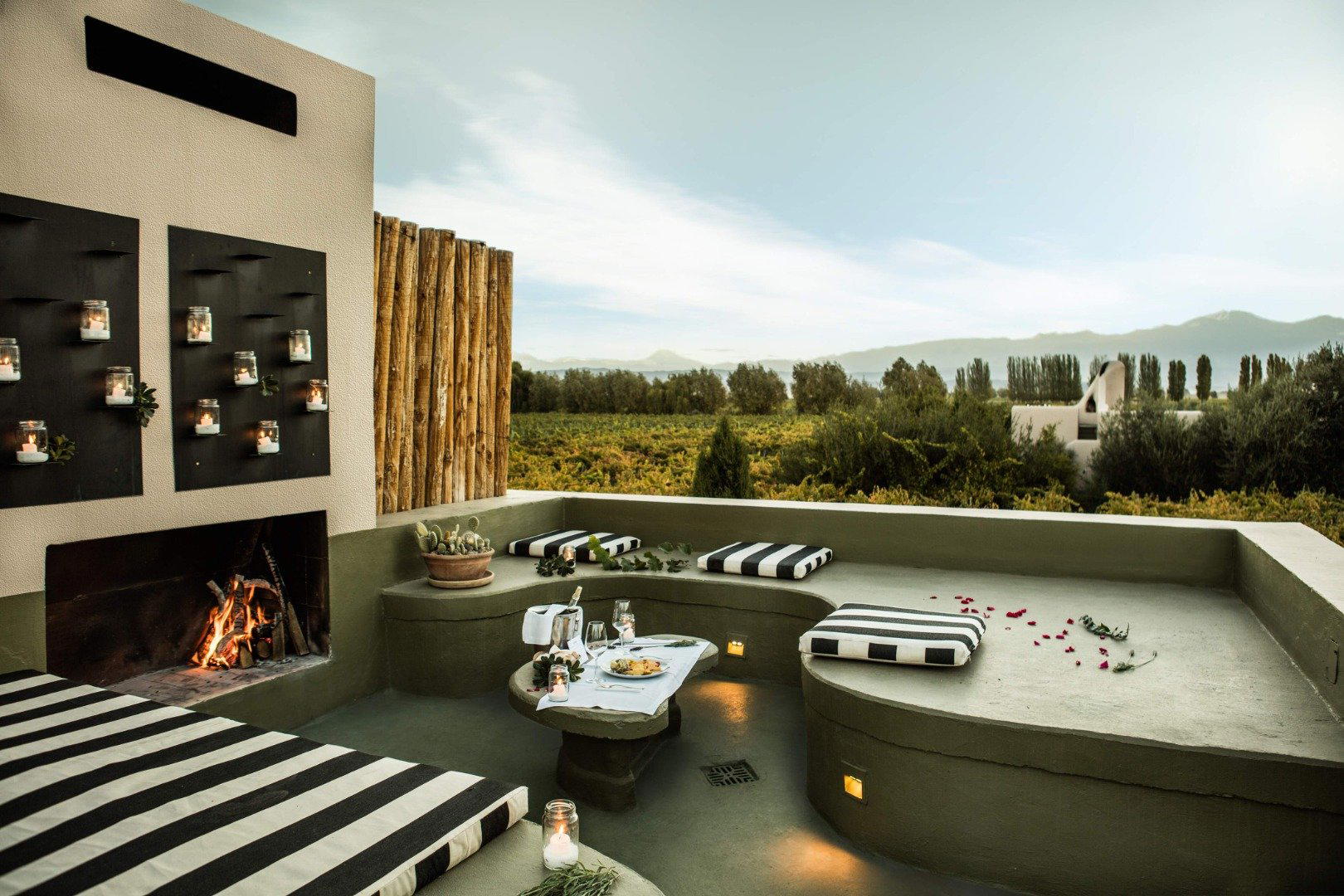
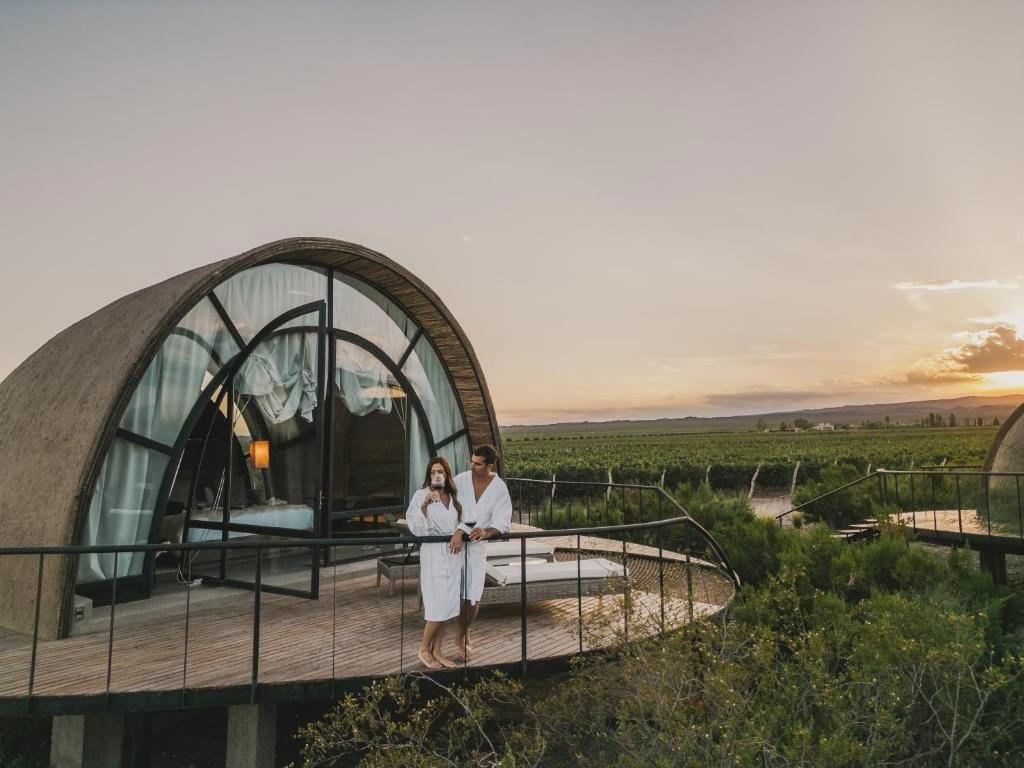
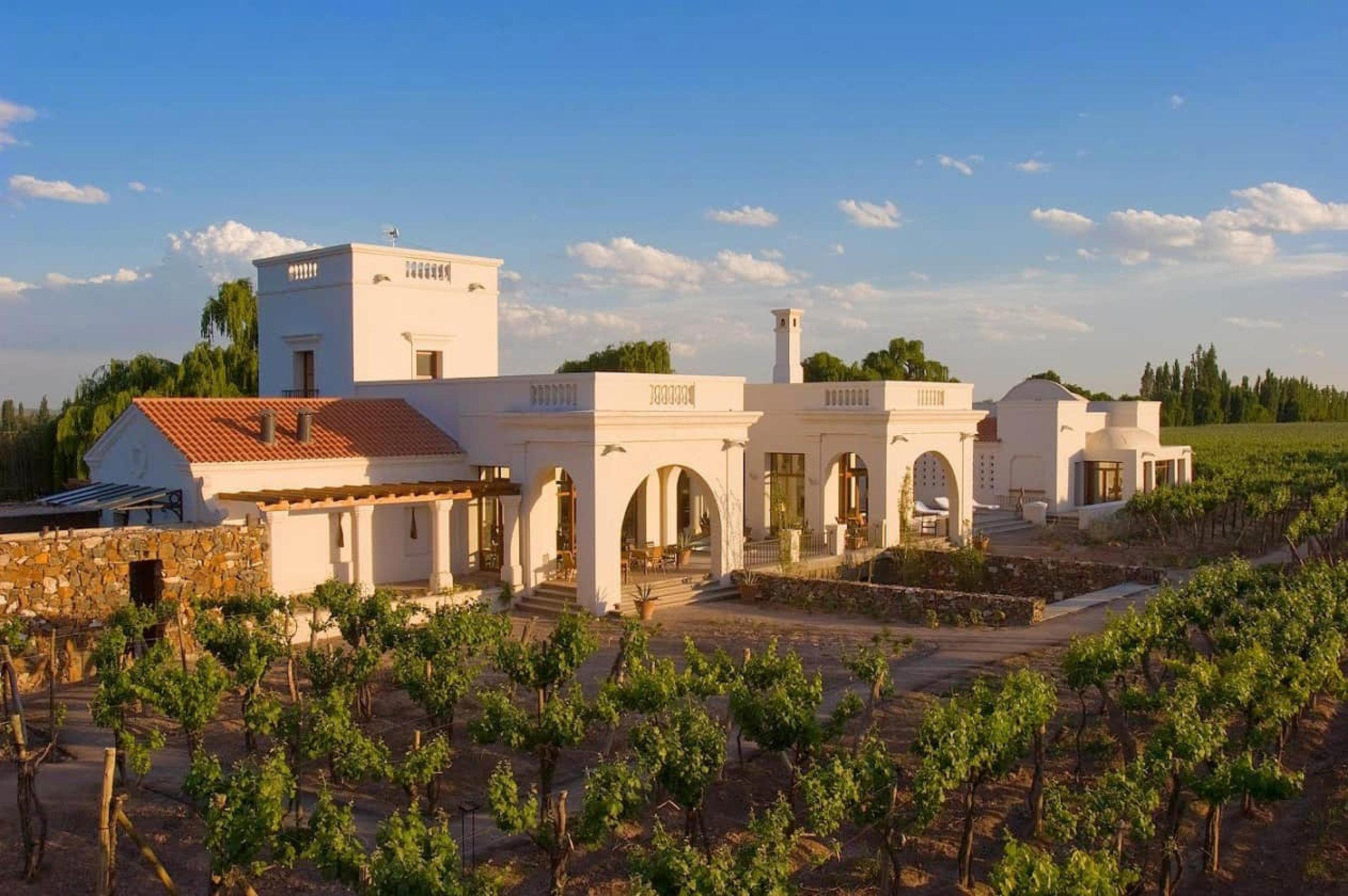
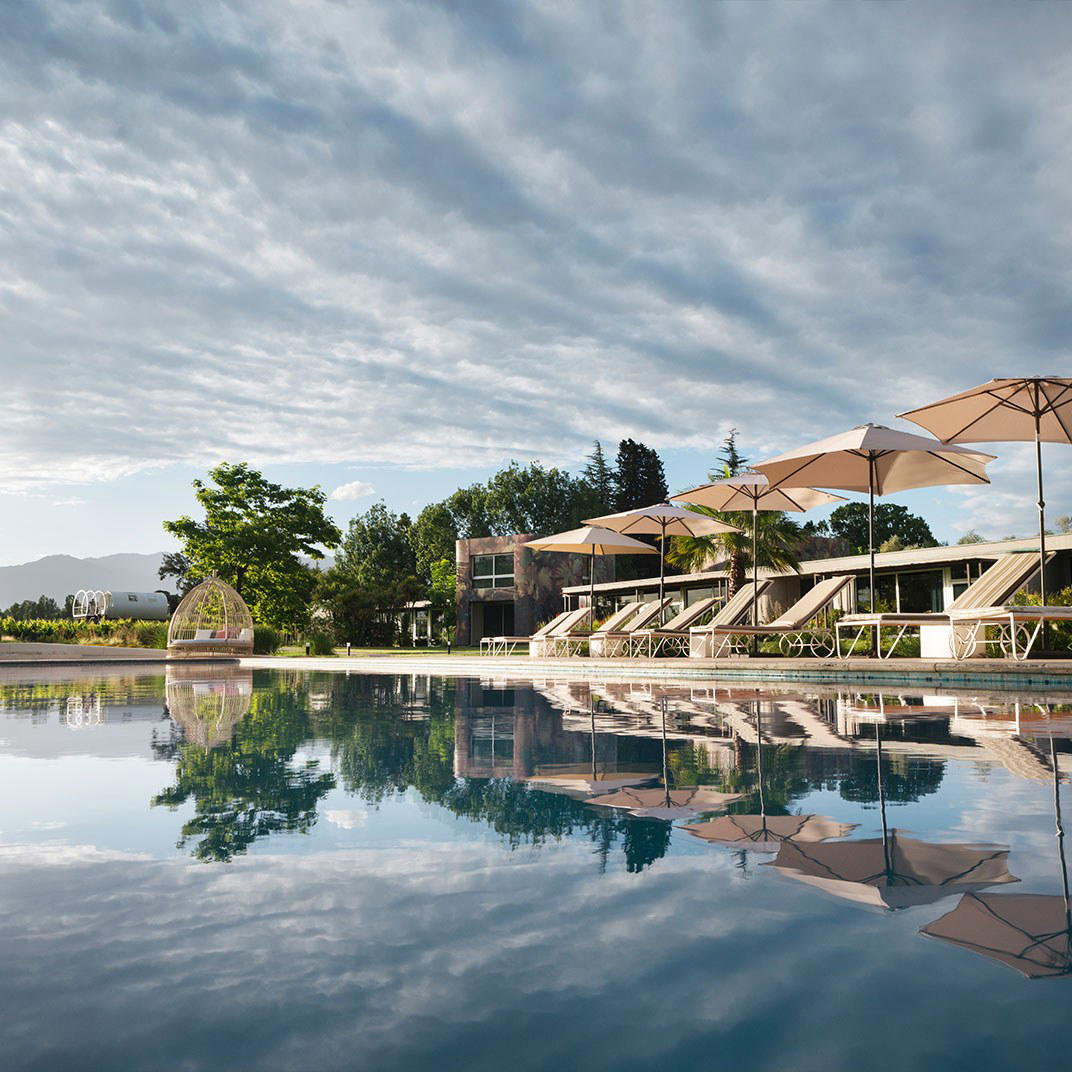
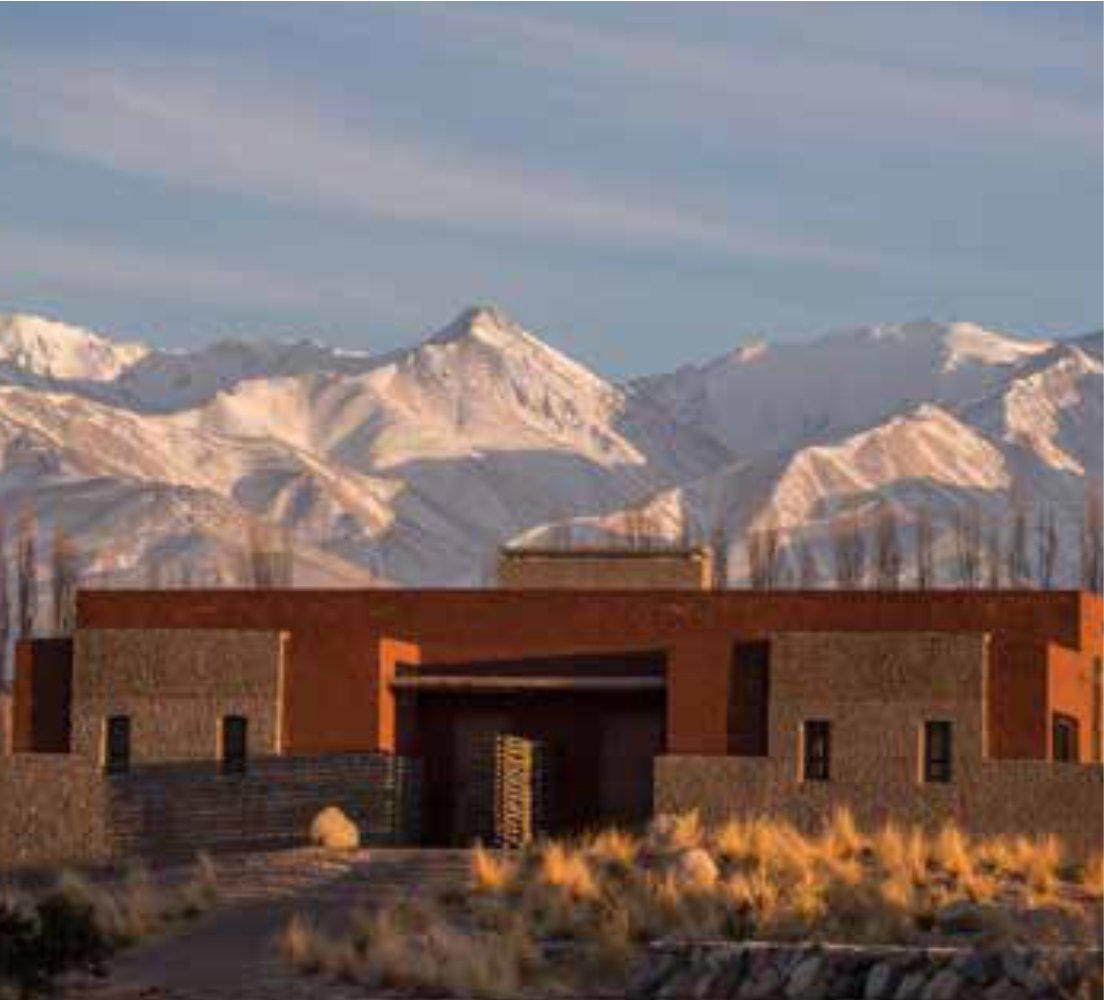
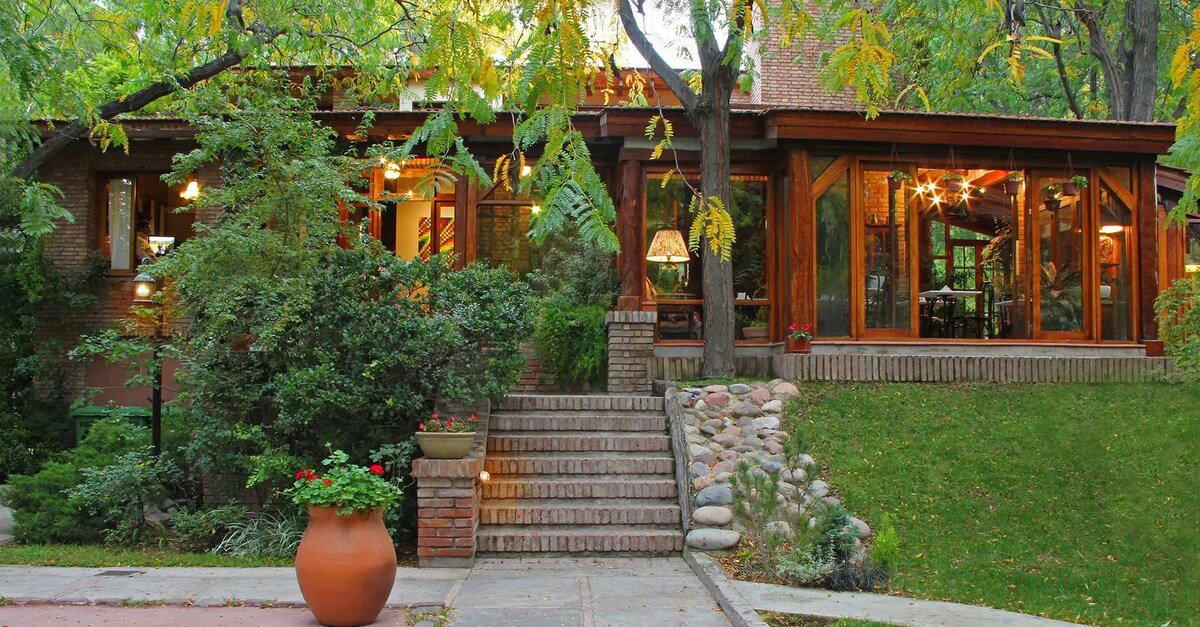
Dramatic vineyard setting with Andes mountain views, offering an elegant and educational atmosphere praised for lovely staff and notable wines.