It is a reference point for visitors assembling a considered Agrelo itinerary.

Pearl is the En Primeur Club membership app — saves, bookings, and concierge access live there. Same editors, same standards.
- Address
- Cochabamba s/n, M5509 Agrelo, Mendoza
- Phone
- +542616368438
- Website
- bodegamelipal.com
- Directions
- Get directions
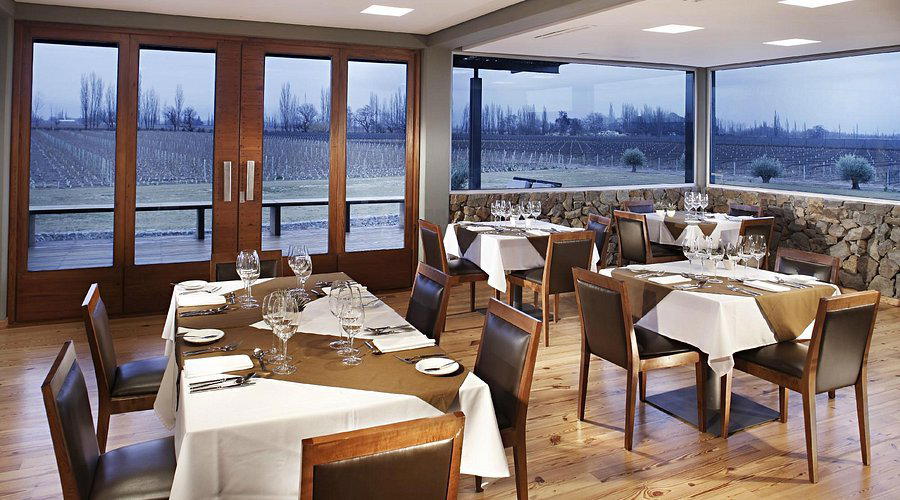
Agrelo's Altitude Logic and Where Melipal Fits
The Agrelo sub-appellation sits at roughly 1,000 metres above sea level in the Luján de Cuyo department of Mendoza, a zone where the diurnal temperature swing between afternoon heat and cold Andean nights is wide enough to slow ripening and preserve aromatic structure in red varieties. This thermal pattern is the primary reason the district attracted serious estate investment over the past two decades, and it explains why a cluster of ambitious producers, including Bodega Bressia, Finca Decero, and Pulenta Estate, have planted roots here rather than in the broader, more generic Maipú zone to the east.
Bodega Melipal operates within that tier. Its address on Cochabamba in Agrelo places it among estate wineries competing on terroir specificity rather than volume.
The Tasting Experience in an Agrelo Estate Format
Estate visits in Agrelo follow a broadly consistent logic. The winery is the frame, the vineyard is the argument, and the tasting room is where both are translated into something the visitor can drink and assess. What varies between producers is the quality of that translation: how well the format moves between the agricultural reality outside and the wines in the glass, and whether the staff have the fluency to bridge the two without defaulting to recitation.
In a sub-appellation as geographically coherent as Agrelo, the tasting experience gains meaning from specificity. A guide who can point to block-level differences in soil texture, explain why a particular parcel of old-vine Malbec tastes different from a younger block planted twenty metres away, or discuss how a given vintage's frost calendar affected the wine in the glass, is doing work that a generic winery tour cannot replicate. Agrelo's strongest operators, and Melipal sits in that recognised group based on its 2025 rating, tend to structure visits around that kind of granularity rather than around production scale or visitor throughput.
The bodega's location on the Cochabamba road also situates it within a day's reach of the broader Agrelo cluster. Visitors building a focused Mendoza day can pair a Melipal visit with a stop at Bodega Chandon Argentina, whose sparkling wine program occupies a different but complementary segment of the local portfolio, or with Bodega Séptima, which operates at a larger scale and offers a useful reference point for how Agrelo Malbec expresses across different production philosophies. The contrast between estate-scale and volume-oriented producers sharpens the tasting argument at either end.
Agrelo Malbec and the Question of What to Taste
Malbec remains the reference variety for the Luján de Cuyo altitude band, and Agrelo in particular has built its reputation almost entirely on what the variety does at this elevation and in this soil profile. The alluvial soils here carry enough gravel and sand to encourage drainage and root depth, while the clay content in certain parcels provides enough water retention to buffer against the dry season. The result, across the district's serious producers, is Malbec with more structural tension than warmer, lower-altitude zones tend to produce.
For visitors assessing what to prioritise in a tasting, the standard approach at Agrelo estate producers is to work upward through the range: entry-level wines establish the regional baseline, mid-tier wines show what additional selection or oak integration adds, and the flagship or reserve tier is where the bodega makes its clearest argument about what the terroir can achieve.
Comparing Melipal's position to producers in other Mendoza sub-appellations gives useful calibration. Bodega Norton in Luján de Cuyo operates at a larger scale with broader distribution, while Escorihuela Gascón in Godoy Cruz anchors itself partly in urban accessibility. Bodega Colomé in Molinos takes the altitude argument to its logical extreme in the Calchaquí Valleys, a different register entirely. Melipal's foothold in Agrelo is a more concentrated bet on a single, well-defined terroir argument within Mendoza's mainstream geographic identity.
Placing Melipal in the Wider Argentine Wine Circuit
Argentina's wine geography is more varied than its Malbec-dominant export identity suggests. The Cafayate zone, anchored by producers like Bodega El Esteco, runs a different variety conversation centred on Torrontés and high-altitude reds. Patagonia's Familia Schroeder in San Patricio del Chañar works in a cooler, windier climate that pulls the style register toward leaner structures. Bodega DiamAndes in Tunuyán represents the Valle de Uco's push into higher-altitude precision. Against this spread, Agrelo represents something more consolidated: a sub-appellation that is already accepted as serious, already mapped by international buyers, and whose producers compete against each other for the upper tier of that recognition rather than arguing for inclusion in it.
Melipal's 2025 Prestige rating places it inside that upper tier. For a visitor who has already worked through Mendoza's entry-level producers and wants to understand where Agrelo sits at its most precise, the bodega is a logical inclusion in the itinerary. It does not occupy the same market position as urban, high-volume operations like Fratelli Branca Distillery in Buenos Aires or the sparkling-wine-adjacent visitor experience at Chandon. Nor does it reach toward the ultra-premium allocation model of producers like Accendo Cellars in St. Helena, which operates in a different country and a different pricing tier entirely. It sits where serious Agrelo estate producers sit: specific, geographically committed, and leading understood in the context of the district rather than in isolation.
Planning a Visit
Agrelo is accessible from Mendoza city, with the Luján de Cuyo wine corridor running south from the city along the RN40. The Cochabamba address places Melipal within the cluster of estate producers that make up the core of an Agrelo visit. Given the sub-appellation's concentration, it is practical to pair a stop here with visits to neighbouring producers on the same day rather than treating it as a standalone destination. Booking ahead is advisable for estate visits at prestige-rated producers anywhere in Mendoza, particularly during the harvest window from late February through April, when visitor demand peaks and smaller operations fill quickly. For a fuller picture of the Agrelo producer set and how to structure time in the appellation, the EP Club Agrelo guide maps the district's key addresses and visit formats in detail.
Style and Standing
Comparable venues nearby, for context on price, style, and recognition.
| Venue | Cuisine | Price | Awards | Notes |
|---|---|---|---|---|
| Bodega MelipalThis venue — the venue you are viewing | Malbec, Cabernet Sauvignon | Not listed | Not listed | Not listed |
| Pulenta Estate | Malbec, Cabernet Sauvignon | Not listed | Not listed | Agrelo |
| Bodega Séptima | Malbec, Cabernet Sauvignon | Not listed | Falstaff Winery - Listed | Agrelo |
| Bodega Bressia | Malbec, Pinot Noir | $20–30 | Not listed | Agrelo |
| Finca Decero | Malbec, Cabernet Sauvignon | Not listed | Falstaff Winery - Listed | Agrelo |
| Bodega Chandon Argentina | Chardonnay, Pinot Noir | Not listed | Falstaff Winery - Listed | Agrelo |
Continue exploring
More in Agrelo
Wineries in Agrelo
Browse all →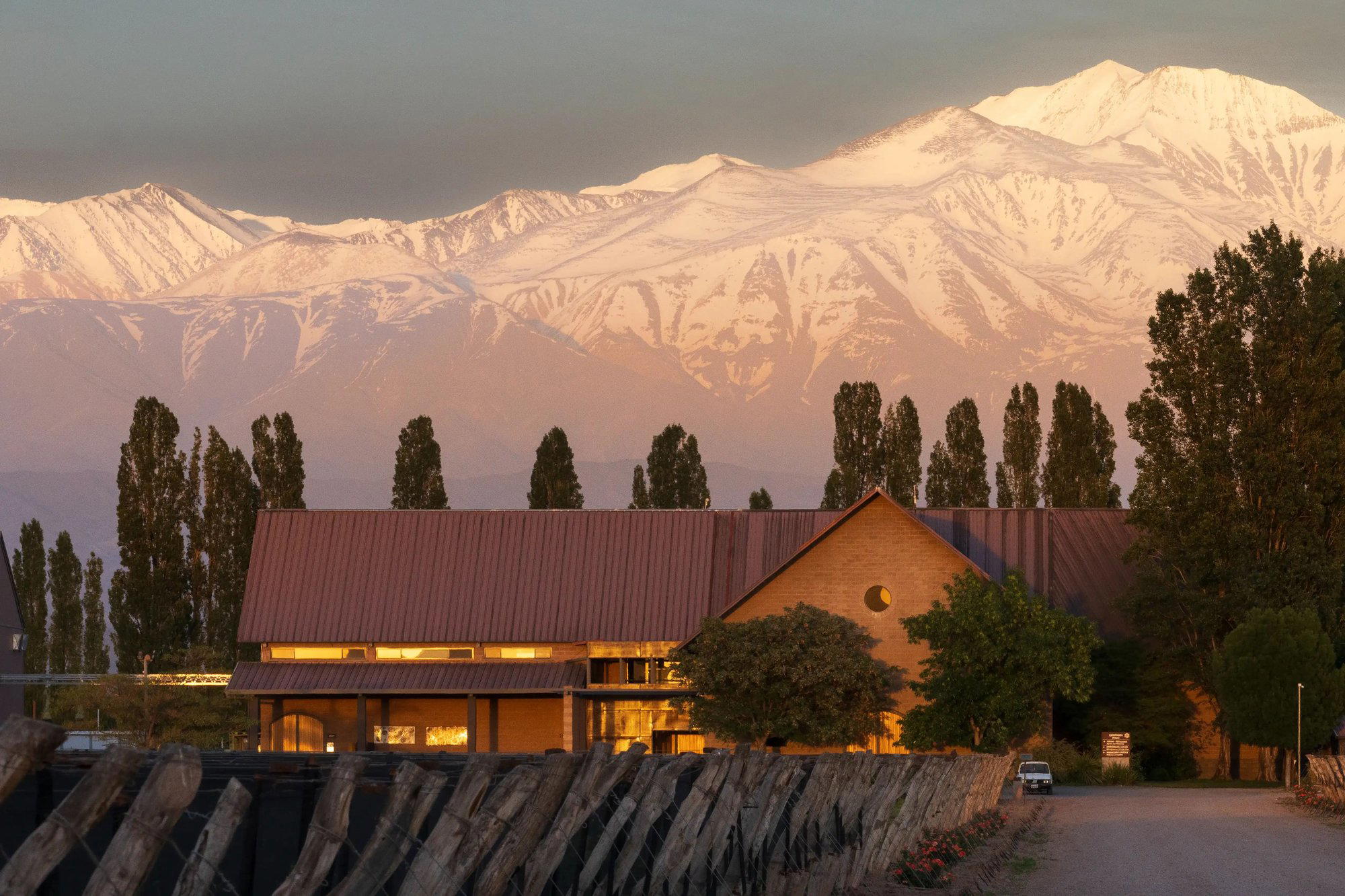
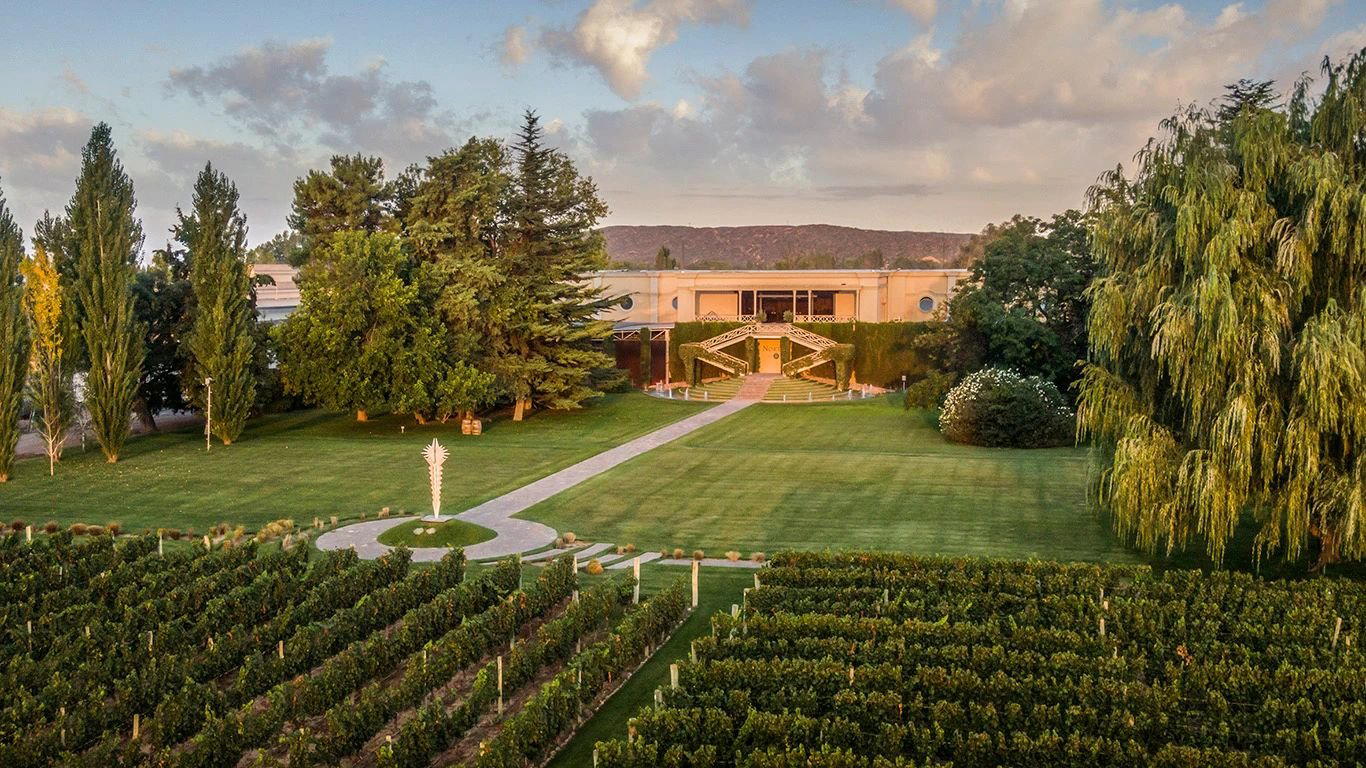
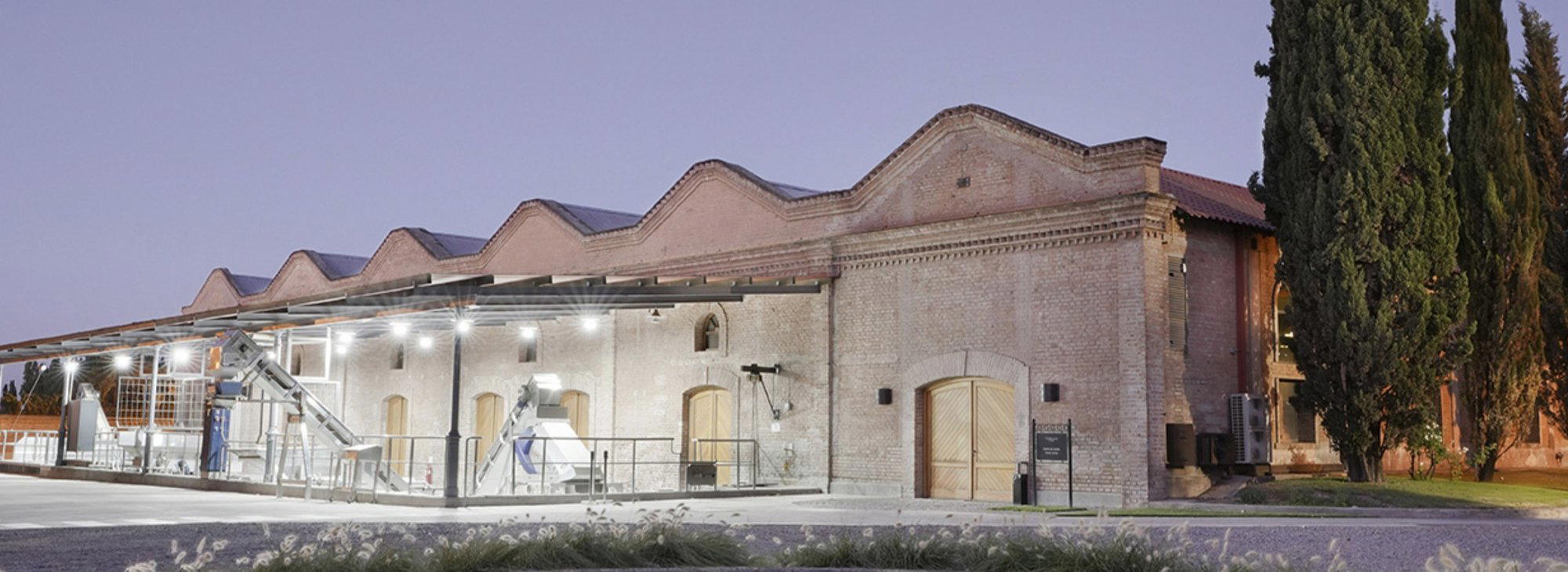
Bars in Agrelo
Browse all →
Restaurants in Agrelo
Browse all →
Details
- Scenic
- Rustic
- Elegant
- Wine Education
- Special Occasion
- Vineyard Tour
- Private Tasting
- Panoramic View
- Sustainable
- Mountain
- Vineyard
- Malbec
- Cabernet Sauvignon
- Merlot
- Cabernet Franc
- Petit Verdot
- Torrontés
- Still Red
- Private Tasting
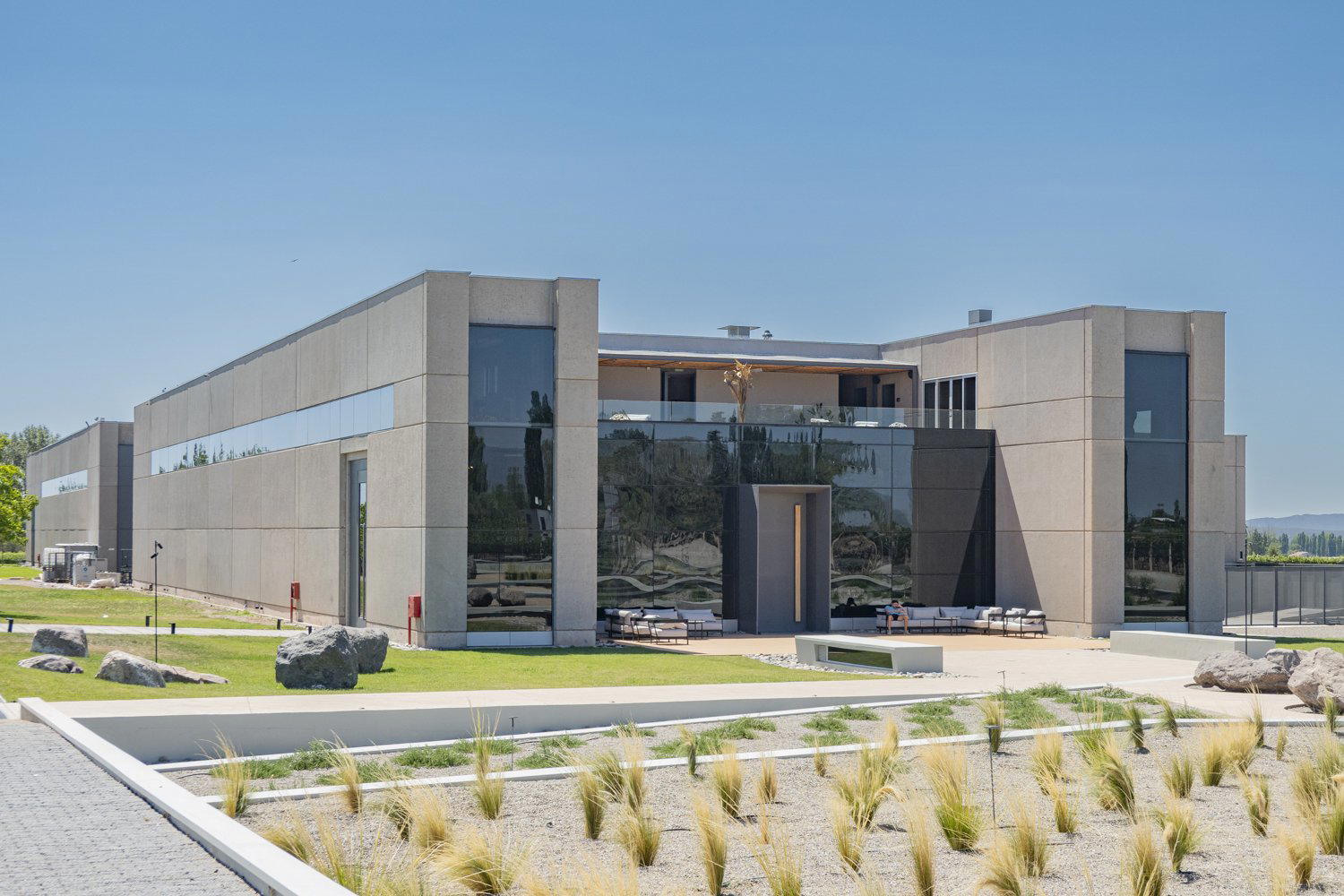
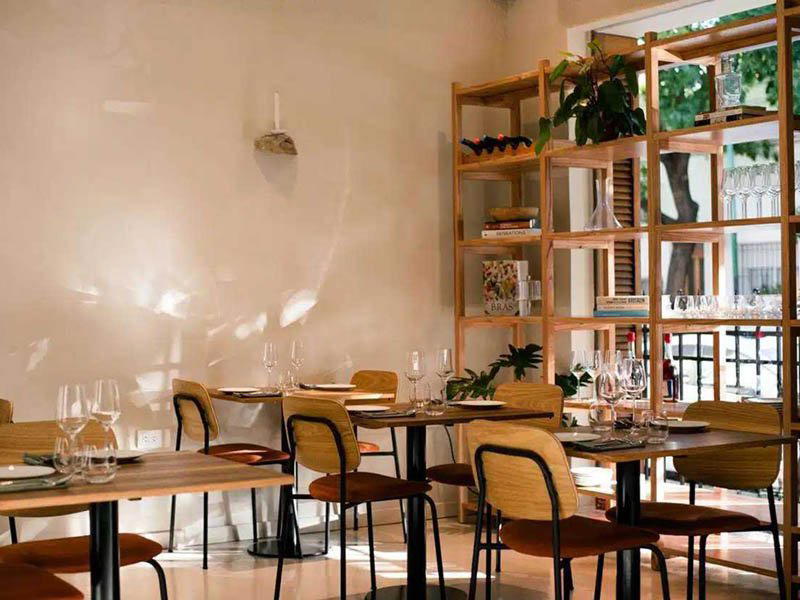
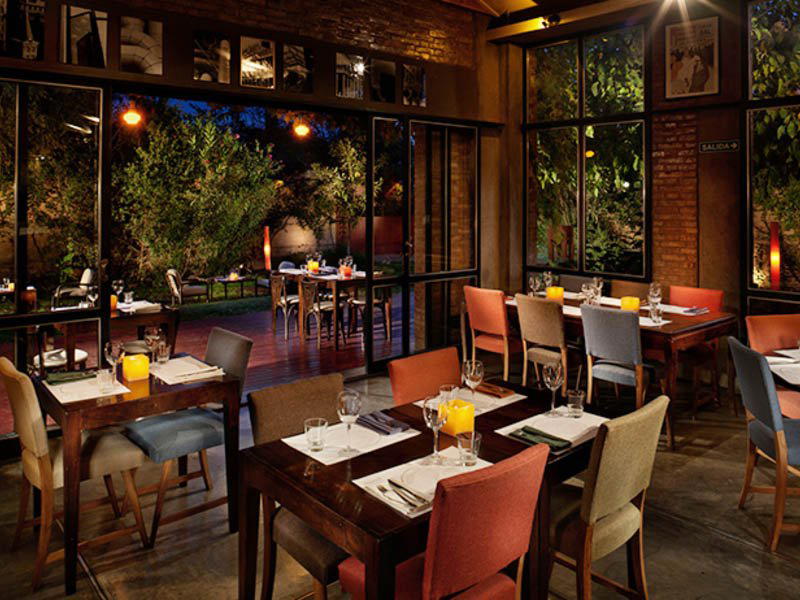
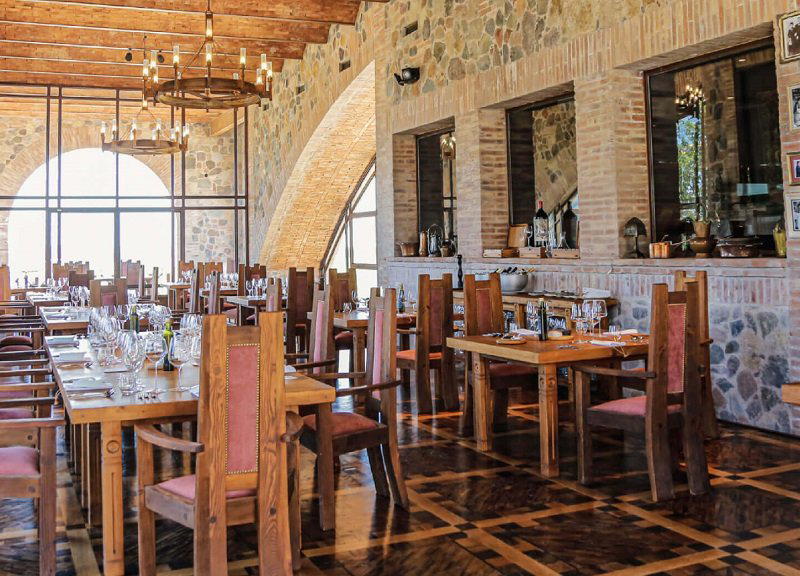
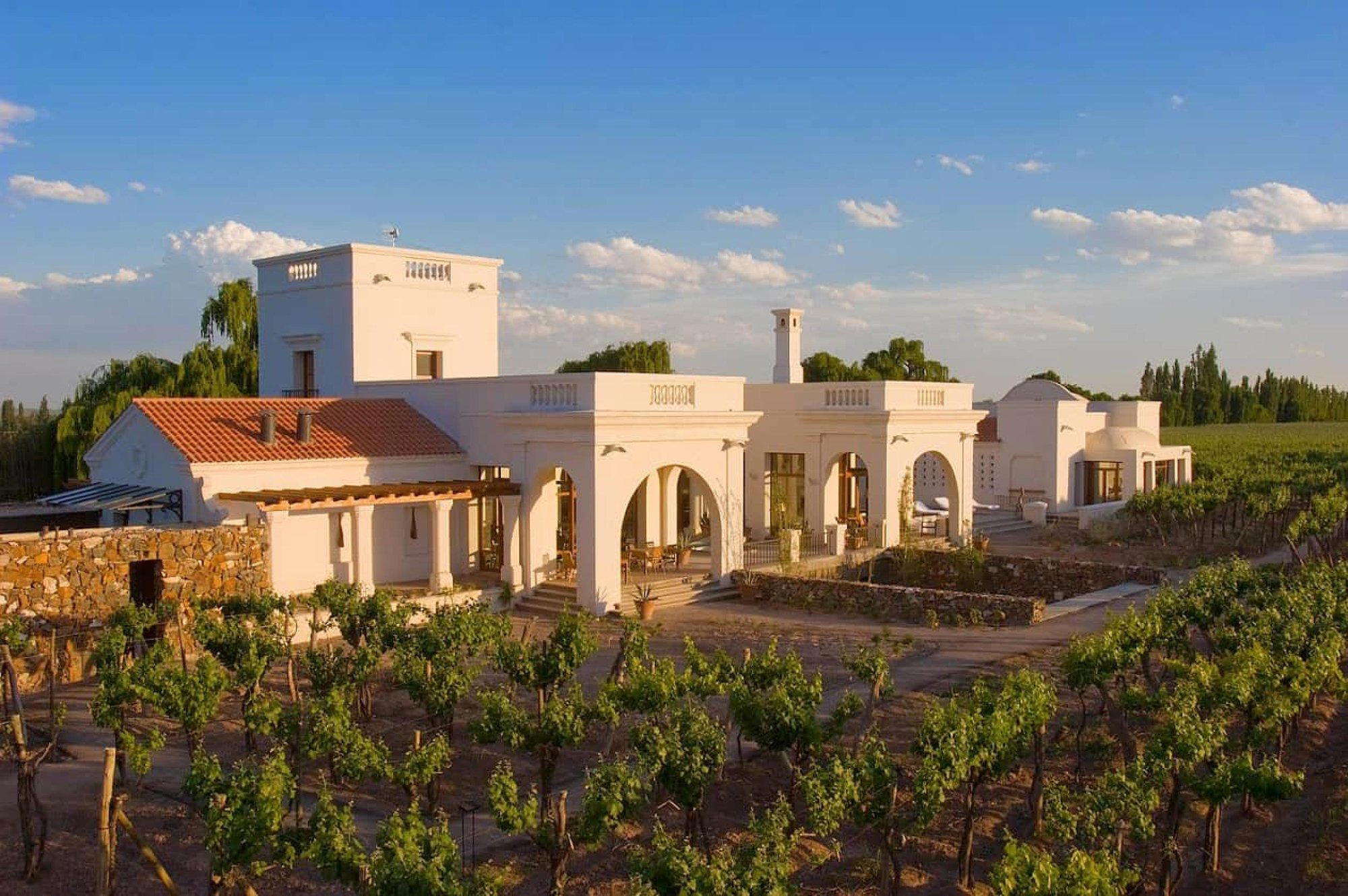
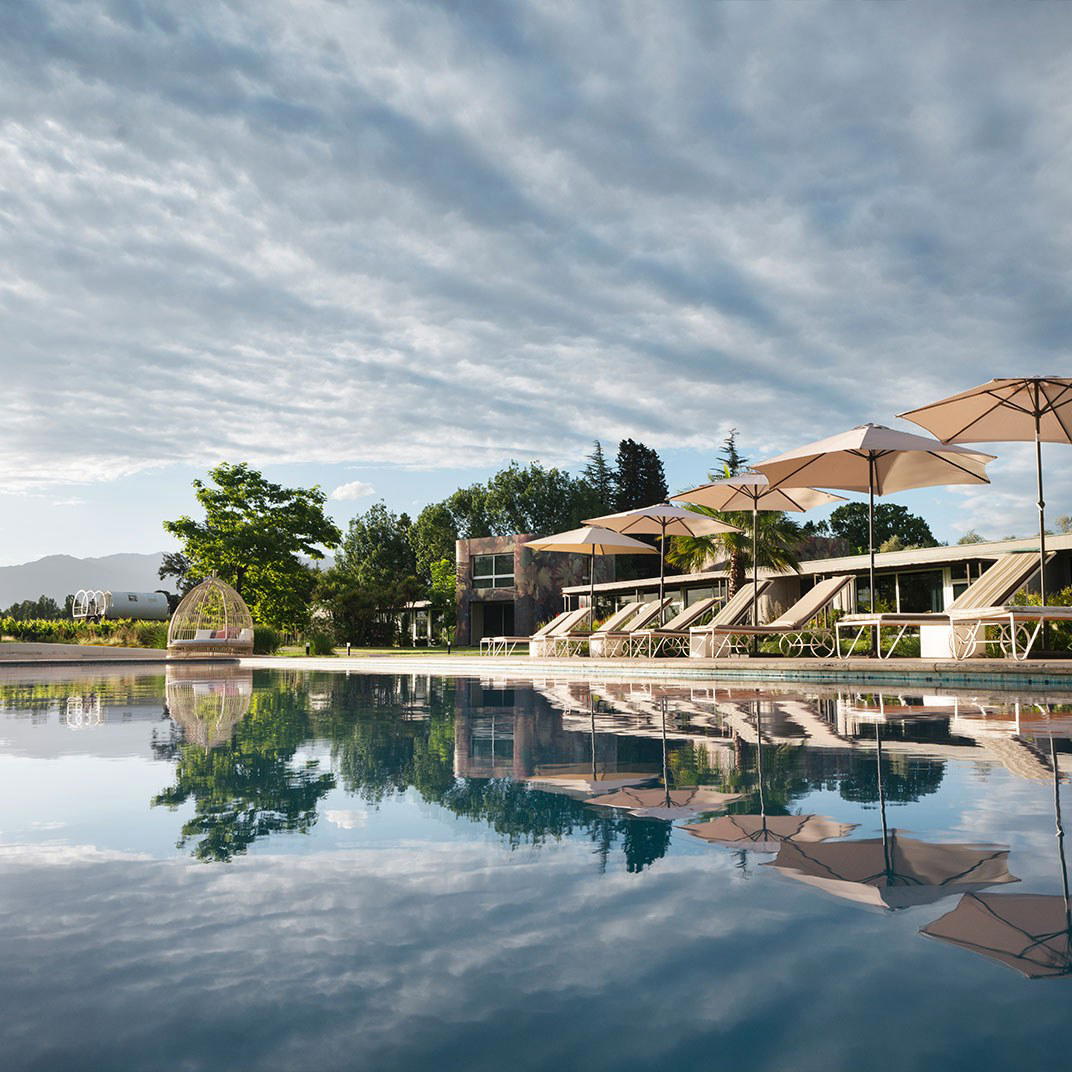
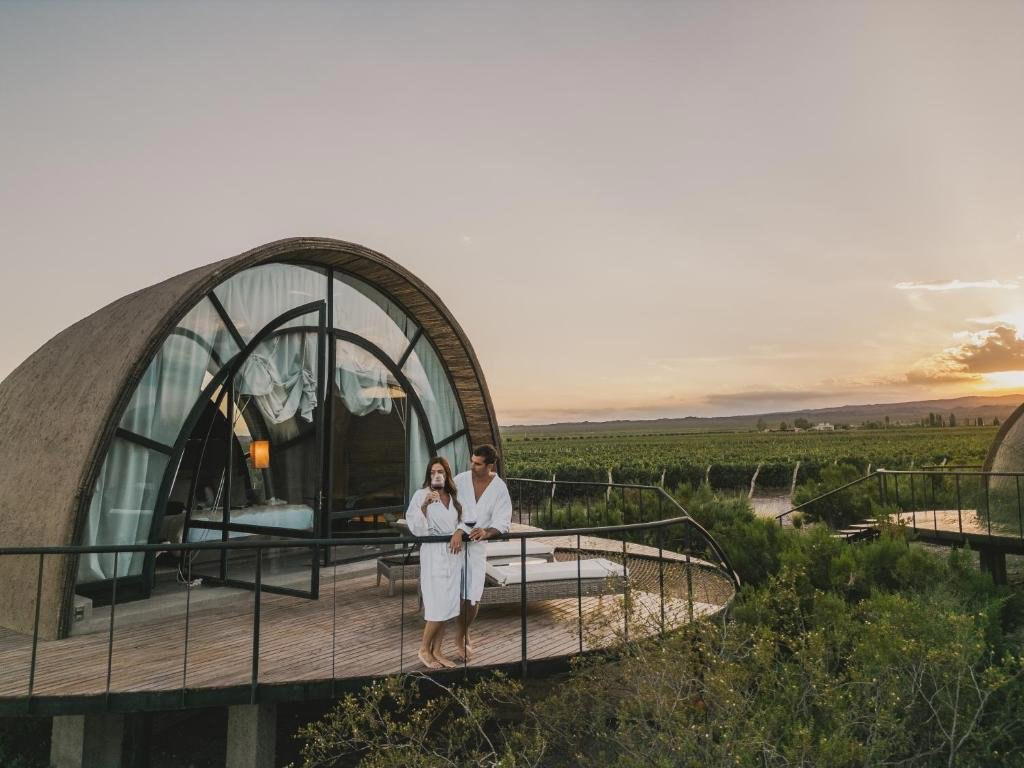
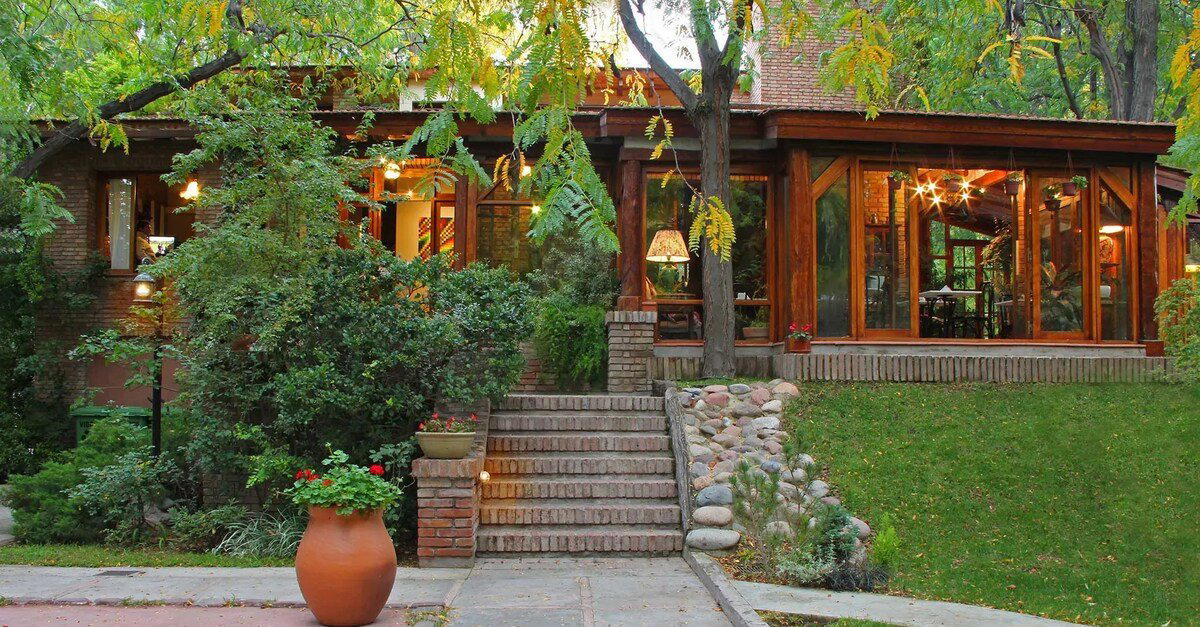
Warm and passionate atmosphere surrounded by vineyards, willows, and Andes mountain views with contemporary design.