On Avenida Sarmiento in central Mendoza, Azafran occupies a position at the intersection of the city's wine culture and its evolving restaurant scene. The room earns its reputation through atmosphere and a wine list that draws on the full depth of the Cuyo region, a useful anchor for visitors orienting themselves in Argentina's premier wine capital.
 Discover on Pearl
Pearl is the En Primeur Club membership app — saves, bookings, and concierge access live there. Same editors, same standards.
- Address
- Av. Sarmiento 765, M5500 Mendoza, Argentina
- Phone
- +54 261 533 4999
- Website
- azafranresto.com
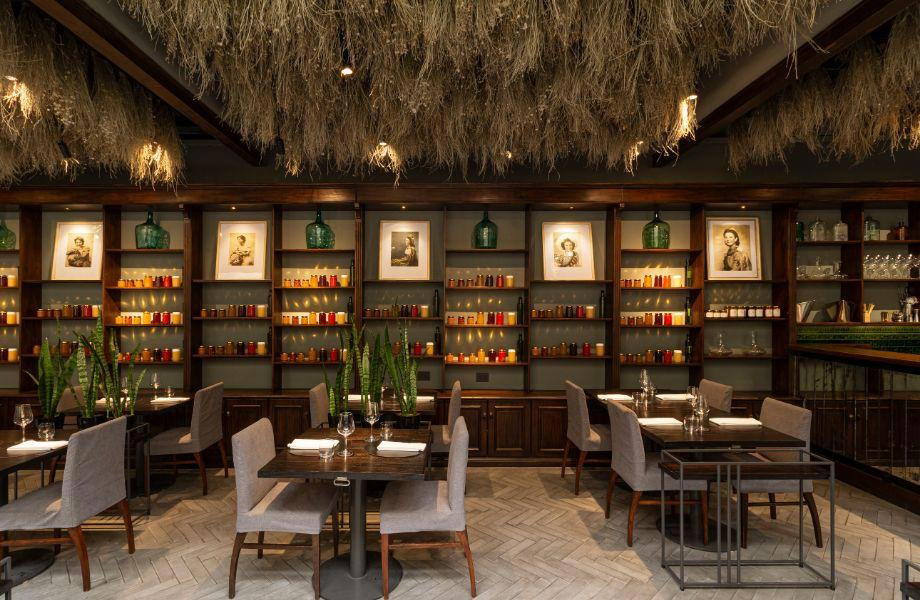
Reading a Room in Mendoza's Wine Capital
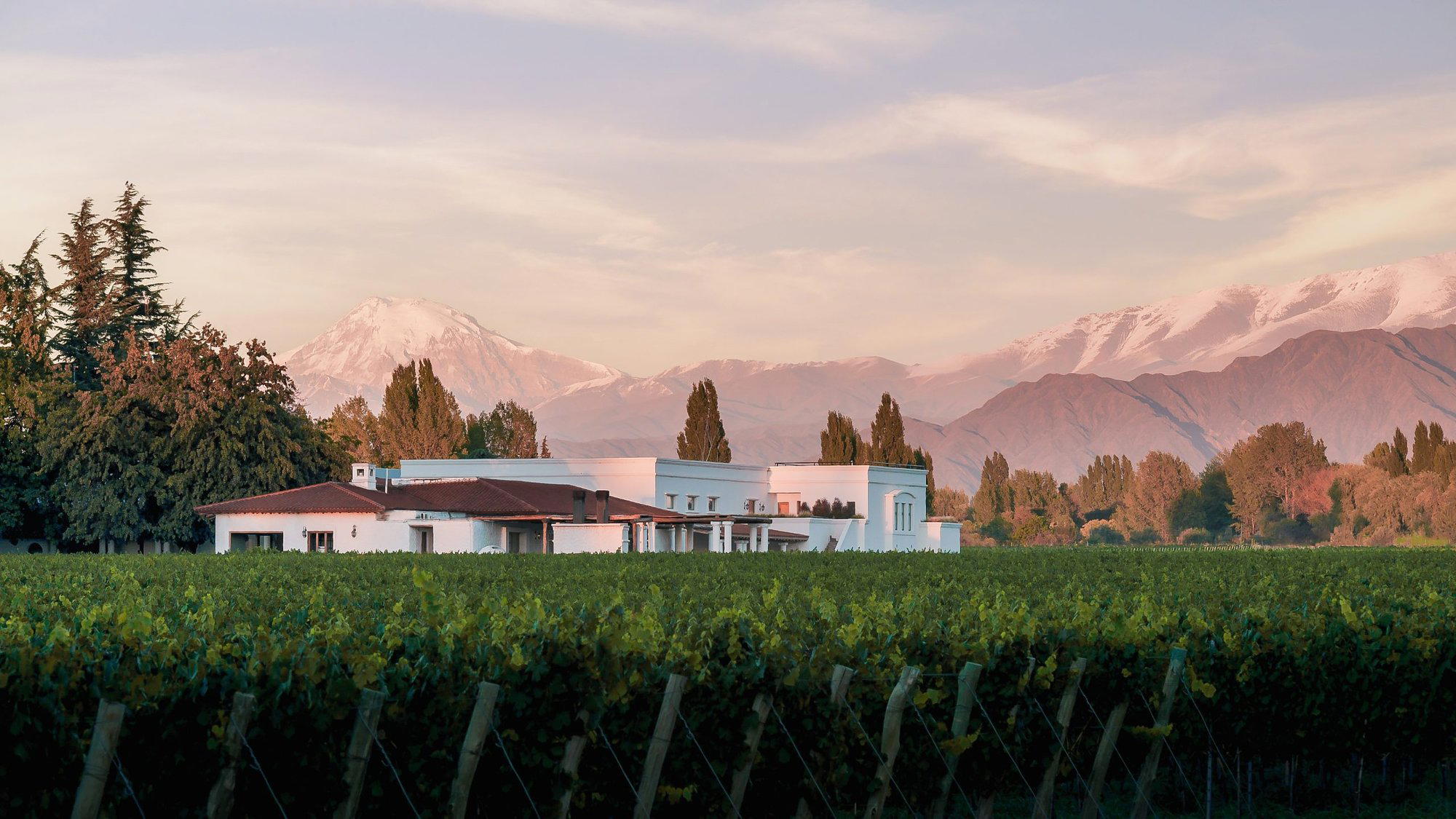
Mendoza's dining identity is inseparable from the vineyards that surround it. The city sits at altitude, in the rain shadow of the Andes, and the wine produced within an hour's drive in almost any direction has shaped what restaurants here feel they owe their guests: depth of list, seriousness about regional producers, and a physical environment that communicates that the wine is not an afterthought. Azafran, on Avenida Sarmiento 765, sits inside that tradition and takes it seriously.
The address puts it within the central urban grid, which in Mendoza means the restaurant is accessible without a vineyard transfer, a practical distinction in a city where many celebrated dining experiences require a car and a reservation at a bodega. For visitors staying in the city centre and working through Mendoza's restaurant scene rather than its wine road, this location is a meaningful data point. See our full Mendoza restaurants guide for a broader map of how the city's dining divides between urban and estate-based options.
The Room Itself
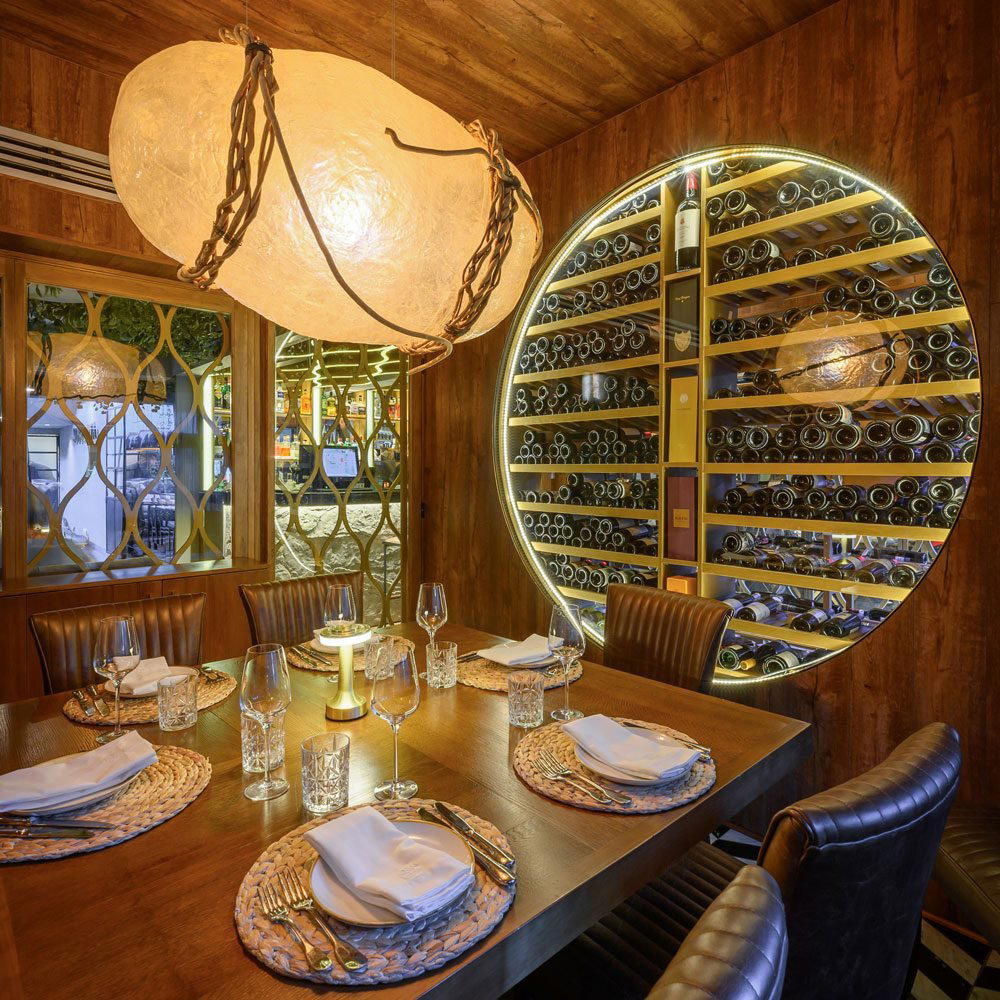
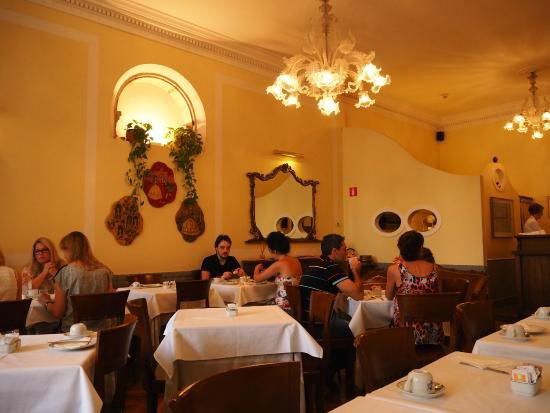
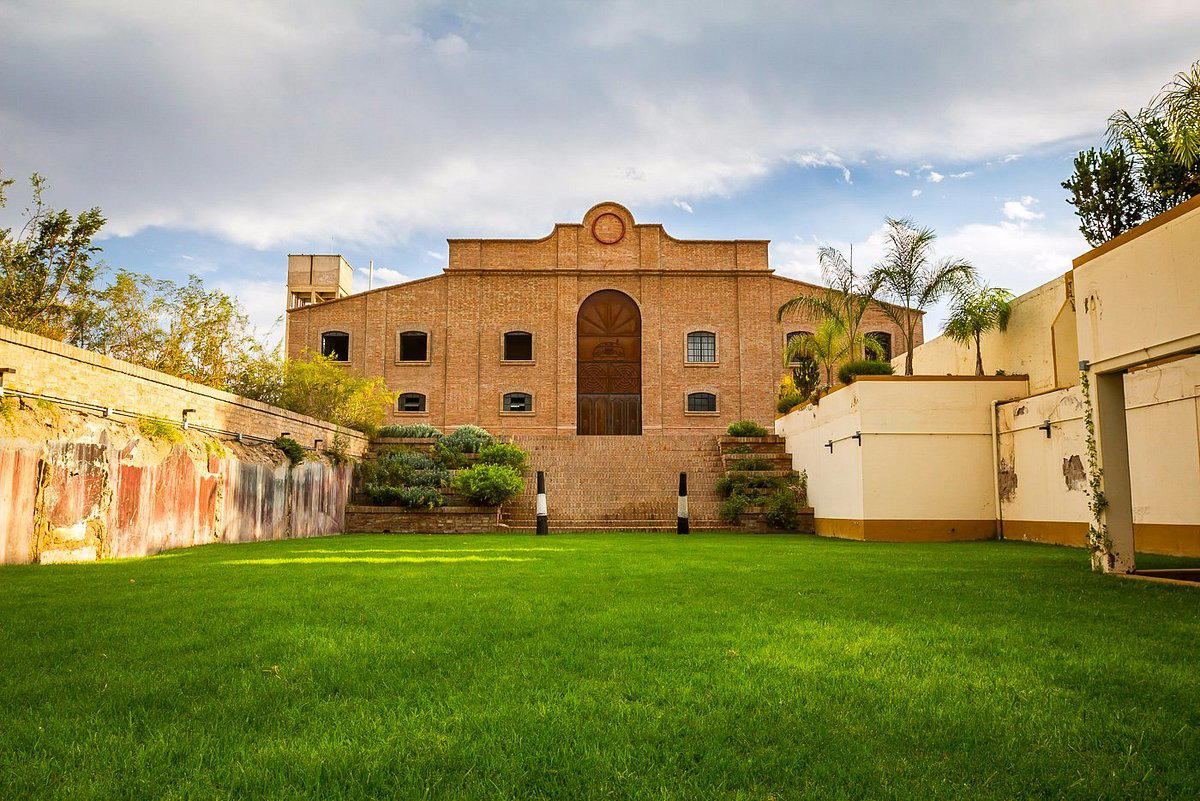
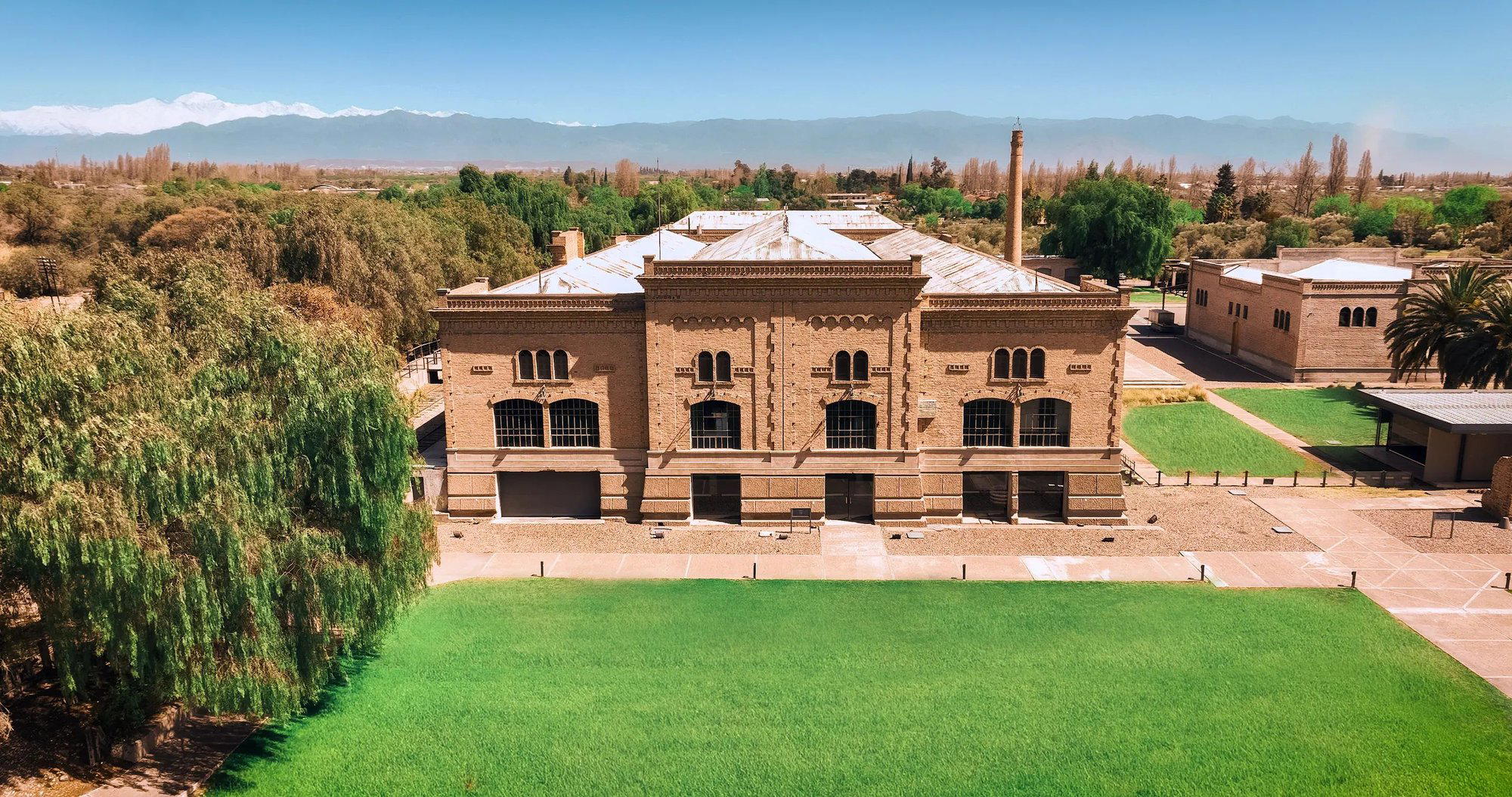
The atmosphere at Azafran works from a principle common to the better Mendoza dining rooms: the physical space should communicate restraint rather than grandeur. Wine regions that have undergone rapid international recognition often produce restaurants that over-signal, heavy theatrics, aggressive service choreography, rooms that seem designed for the Instagram post rather than the two-hour meal. The better operators in Mendoza have moved in the opposite direction, toward interiors that feel anchored rather than performative.
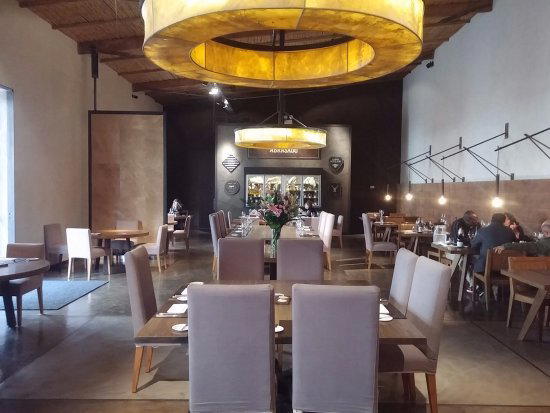
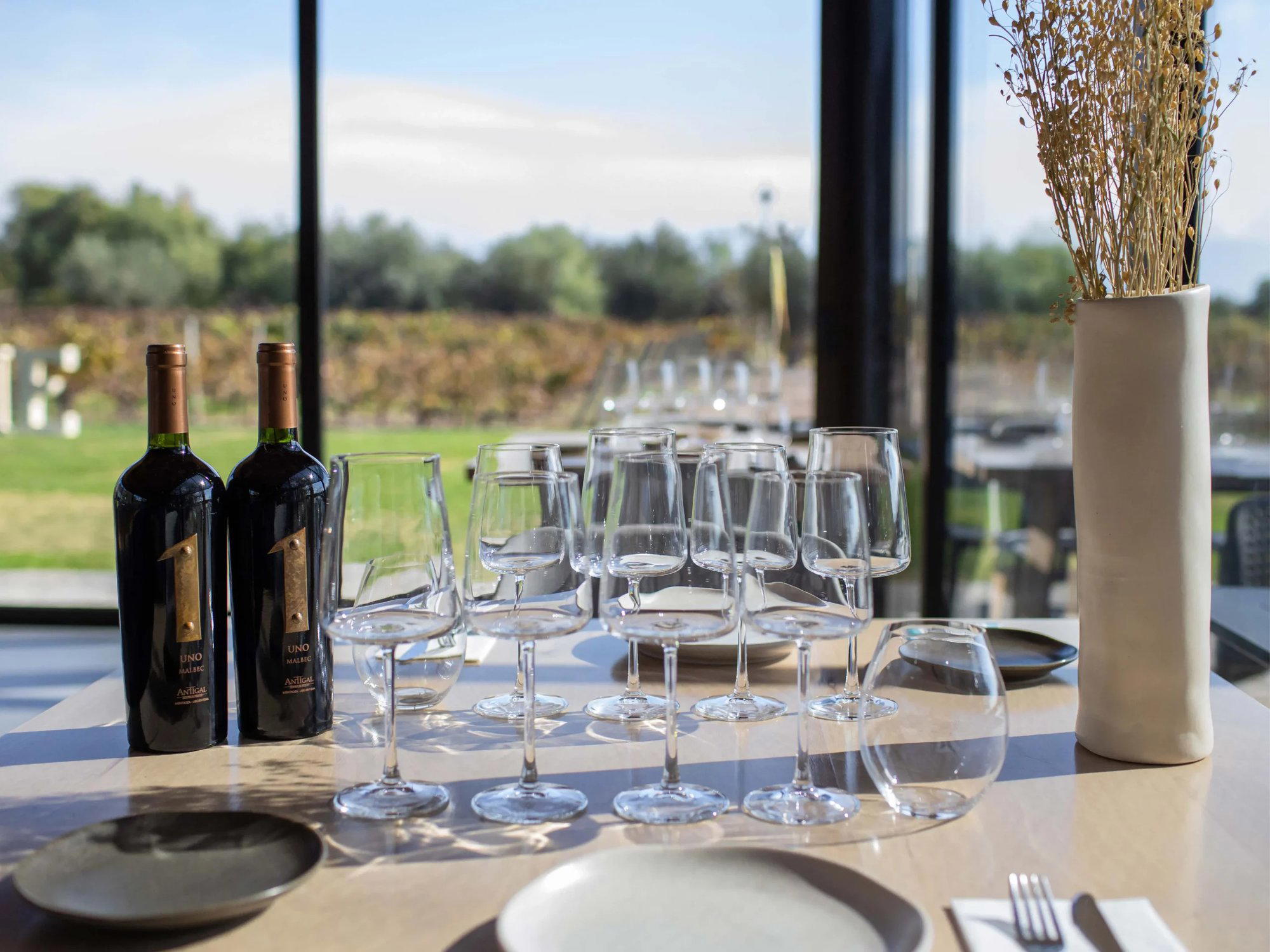
At Azafran, that translates into a dining environment where the visual weight of the room supports the food and wine rather than competing with them. Lighting that reads warm without being dim. A layout that gives tables enough separation for genuine conversation. These are not incidental details in a wine-focused restaurant: they are the conditions under which guests actually engage with what is in the glass and on the plate. The physical space is doing editorial work, telling guests that the programme here is about attention and pleasure rather than spectacle.
In Mendoza's current dining scene, this positions Azafran within the cohort of city-centre restaurants that draw a mix of knowledgeable locals and internationally-oriented wine tourists, a different guest profile from the bodega-restaurant circuit, which skews more heavily toward visitors arriving by wine-tour itinerary. Venues like Ampora Wine Tours serve the structured, guided end of that market. Azafran's urban placement gives it a different rhythm.
Wine as the Organizing Logic
In the major wine capitals, Bordeaux, Burgundy, Napa, the question of whether a restaurant's list is built around the region or around imported prestige signals a great deal about the restaurant's identity and its relationship to local producers. Mendoza has undergone a version of this debate as its reputation has grown: some restaurants lean on internationally recognizable labels to justify price points, while others build lists that function as an argument for the depth of the Cuyo region's own output.
A restaurant at Azafran's level in Mendoza is expected to do the latter. Malbec remains the dominant reference point for international visitors, but the more sophisticated reading of Argentine wine in 2024 has broadened considerably: high-altitude Torrontés from Salta, Bonarda, blends drawing on less-planted Bordeaux varieties, and older vintages from established Mendoza producers that rarely make it onto export-market lists. A restaurant serious about its wine position in this city needs to be navigating that full range, not just the reliable export labels.
For visitors arriving from other wine-focused destinations in Argentina's northwest, the contrast is instructive. Chato's Wine Bar in Cafayate operates in a more remote, specialist context focused on the Calchaquí Valleys. Colomé Winery in Molinos situates the wine experience within a working estate at extreme altitude. Azafran offers something different: wine depth within a city restaurant format, without requiring a day's travel.
The Mendoza Dining Context
Mendoza's restaurant scene has consolidated around a few distinct formats over the past decade. Bodega restaurants, often attached to internationally-known producers, occupy the high-spend, destination-visit bracket. The urban centre supports a different tier: restaurants that serve regulars as much as tourists, that maintain wine lists with genuine range, and that function across lunch and dinner services without the logistical weight of an estate operation.
Within that urban tier, Azafran sits alongside a handful of restaurants that take the food-and-wine pairing seriously enough to have built a loyal following among the city's own wine-literate population. That local credibility matters as a trust signal. A restaurant that survives primarily on tourist throughput tends to show it in the list and the service; one that has to justify itself to locals who will return next week is held to a different standard.
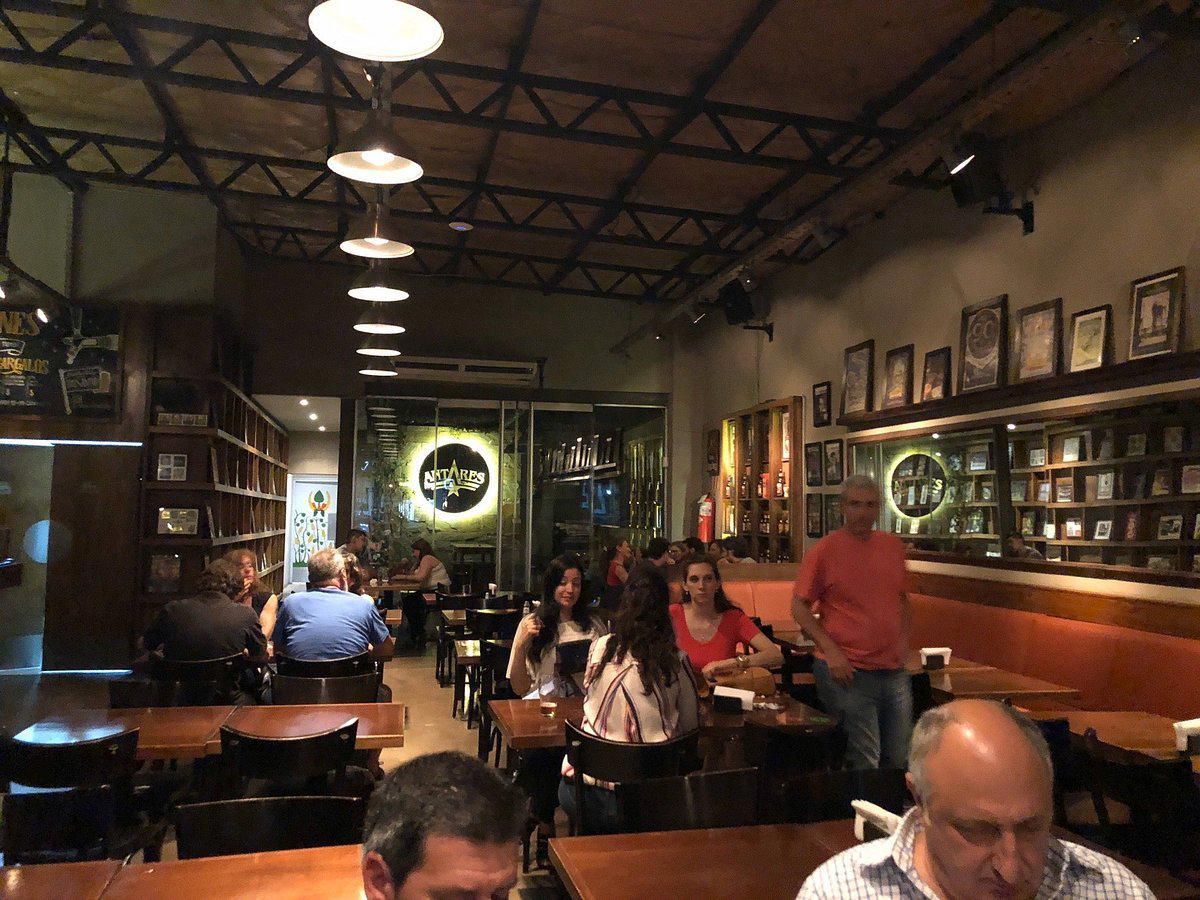
The broader bar and social scene around Azafran's neighbourhood offers useful context for an evening's itinerary. Antares Mendoza represents the craft beer end of the city's drinks culture, while Bianco & Nero Arístides and Café Rumano anchor different points along the city-centre hospitality circuit. Azafran holds the wine-restaurant position within that geography.
Internationally, the model Azafran represents, a serious, wine-forward city restaurant that earns credibility with locals before tourists, has parallels in the better neighbourhood wine bars of Buenos Aires, where venues like 878 Bar have built reputations through programme depth rather than destination status. The same logic applies in cities far outside the wine world: Kumiko in Chicago and Jewel of the South in New Orleans demonstrate how a considered, specialist drinks programme can anchor a room's identity across very different markets. Bar Leather Apron in Honolulu and Julep in Houston follow a similar logic in their respective cities.
Planning Your Visit
Azafran is located at Avenida Sarmiento 765 in central Mendoza, within walking distance of the city's main hotel corridor and easily reachable from the park district. For visitors building a Mendoza itinerary that combines estate visits with urban dining, the city-centre location makes it a practical evening anchor after a day on the wine road. Given the restaurant's standing in the local scene, booking ahead is the sensible approach.
Continue exploring
More in Mendoza
Bars in Mendoza
Browse all →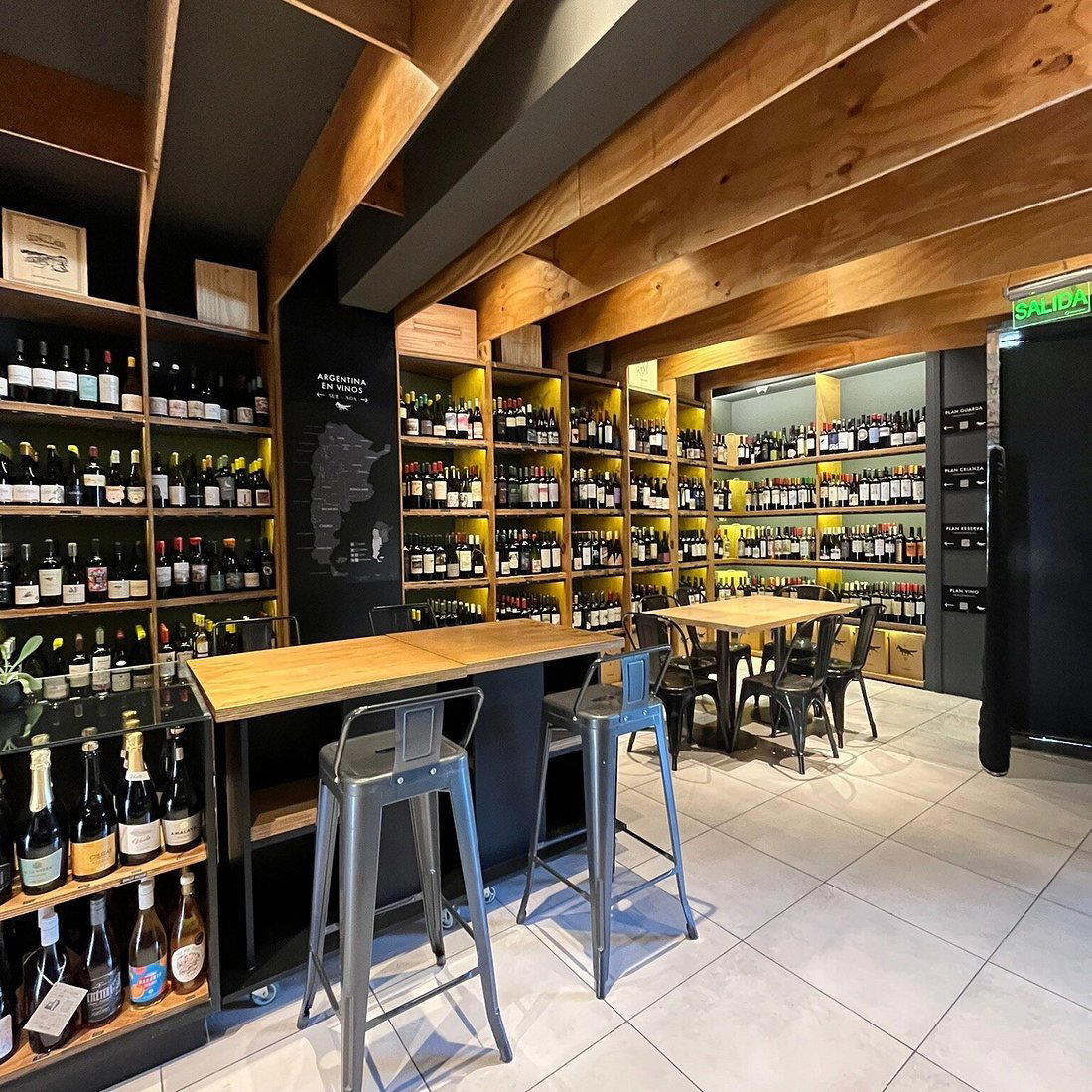
Restaurants in Mendoza
Browse all →
Hotels in Mendoza
Browse all →
At a Glance
- Elegant
- Sophisticated
- Intimate
- Date Night
- Special Occasion
- Design Destination
- Seated Bar
- Lounge Seating
- Conventional Wine
Sophisticated high-ceilinged space with classy tables and a wine retail area featuring a circular seating bar.