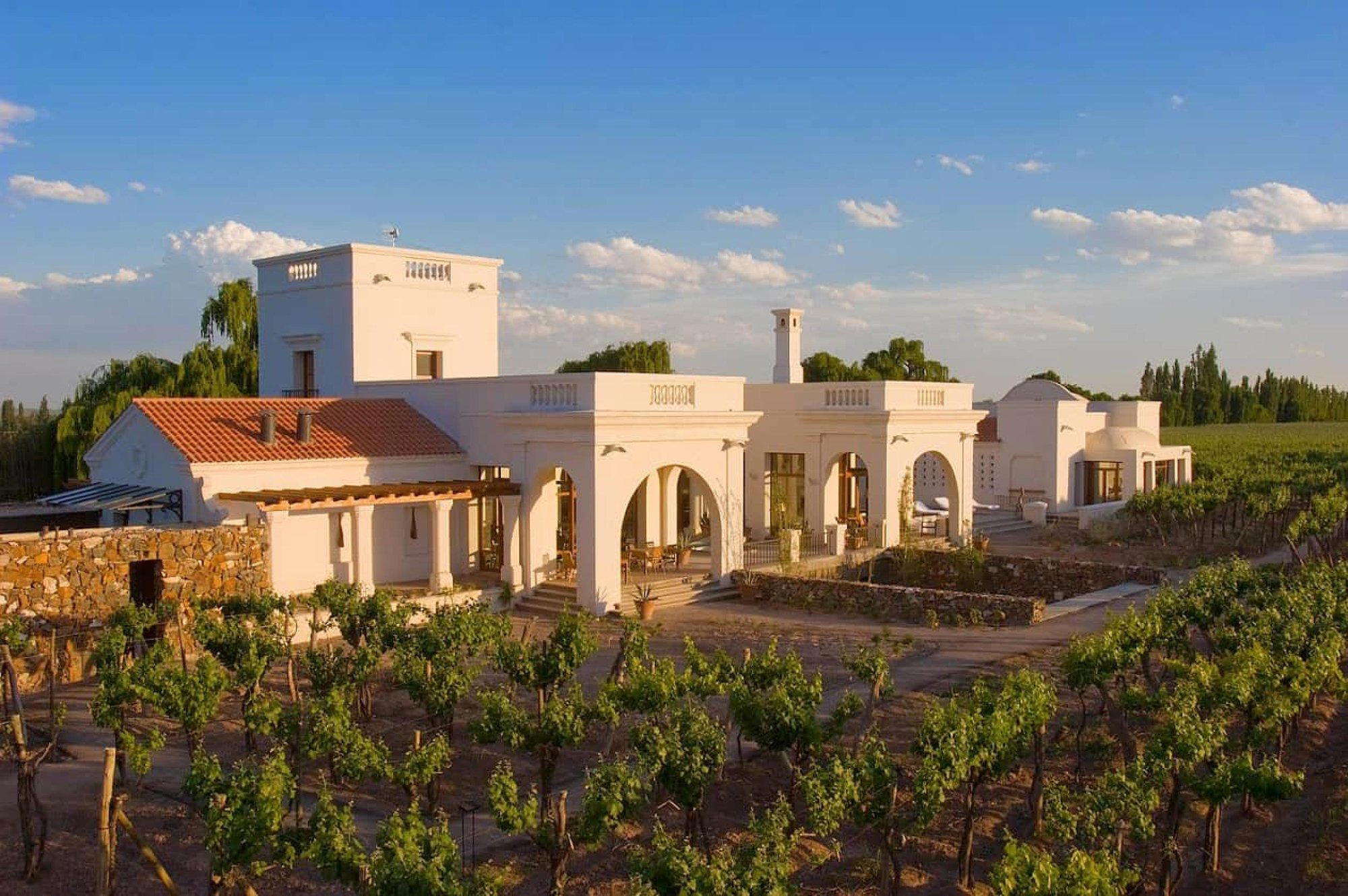
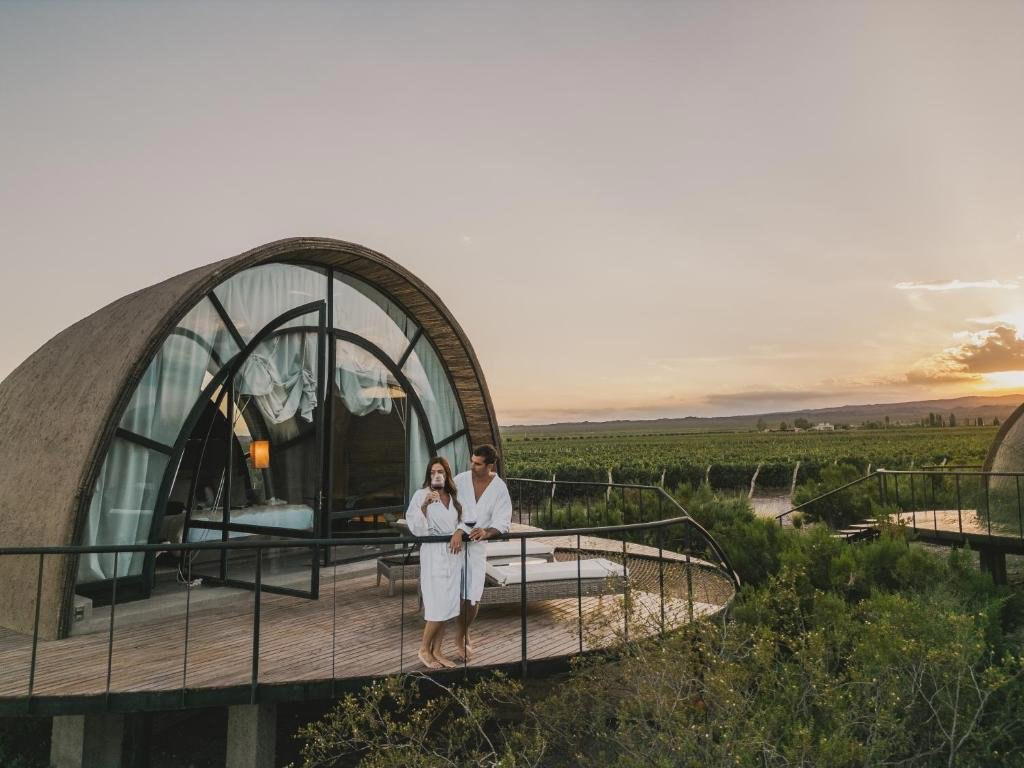
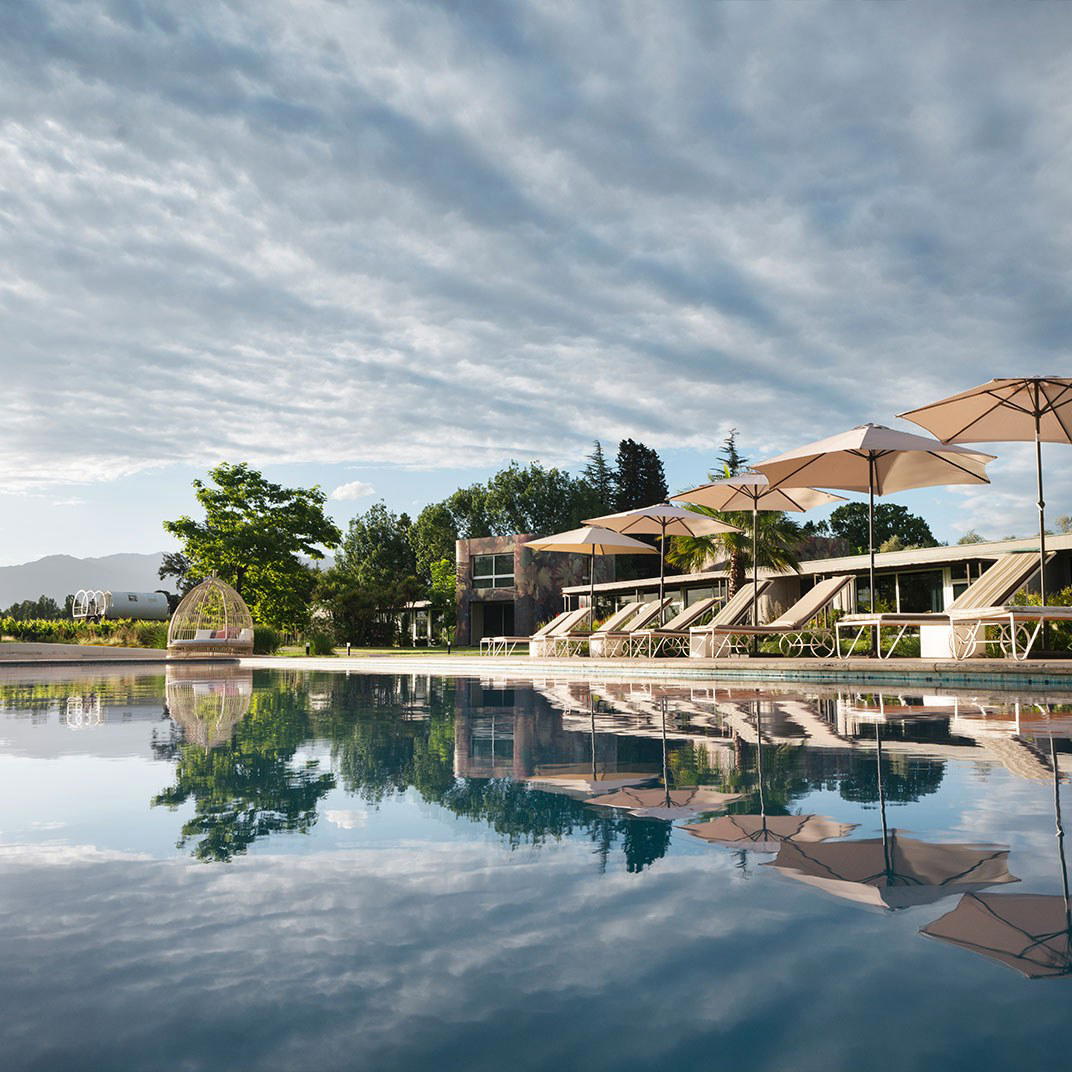
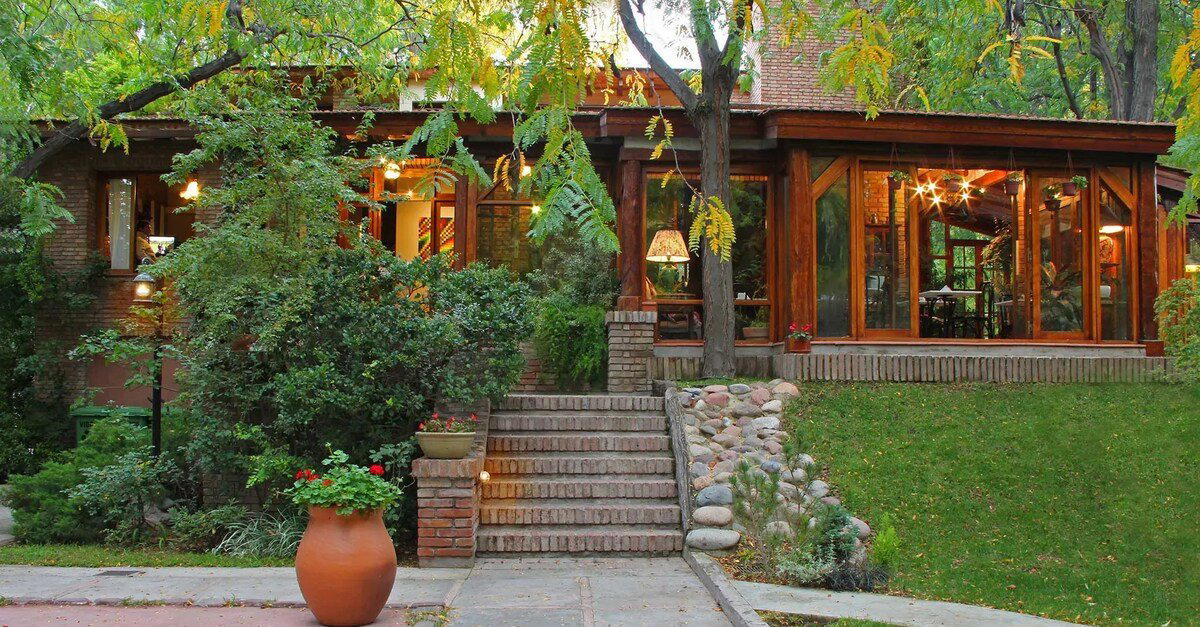
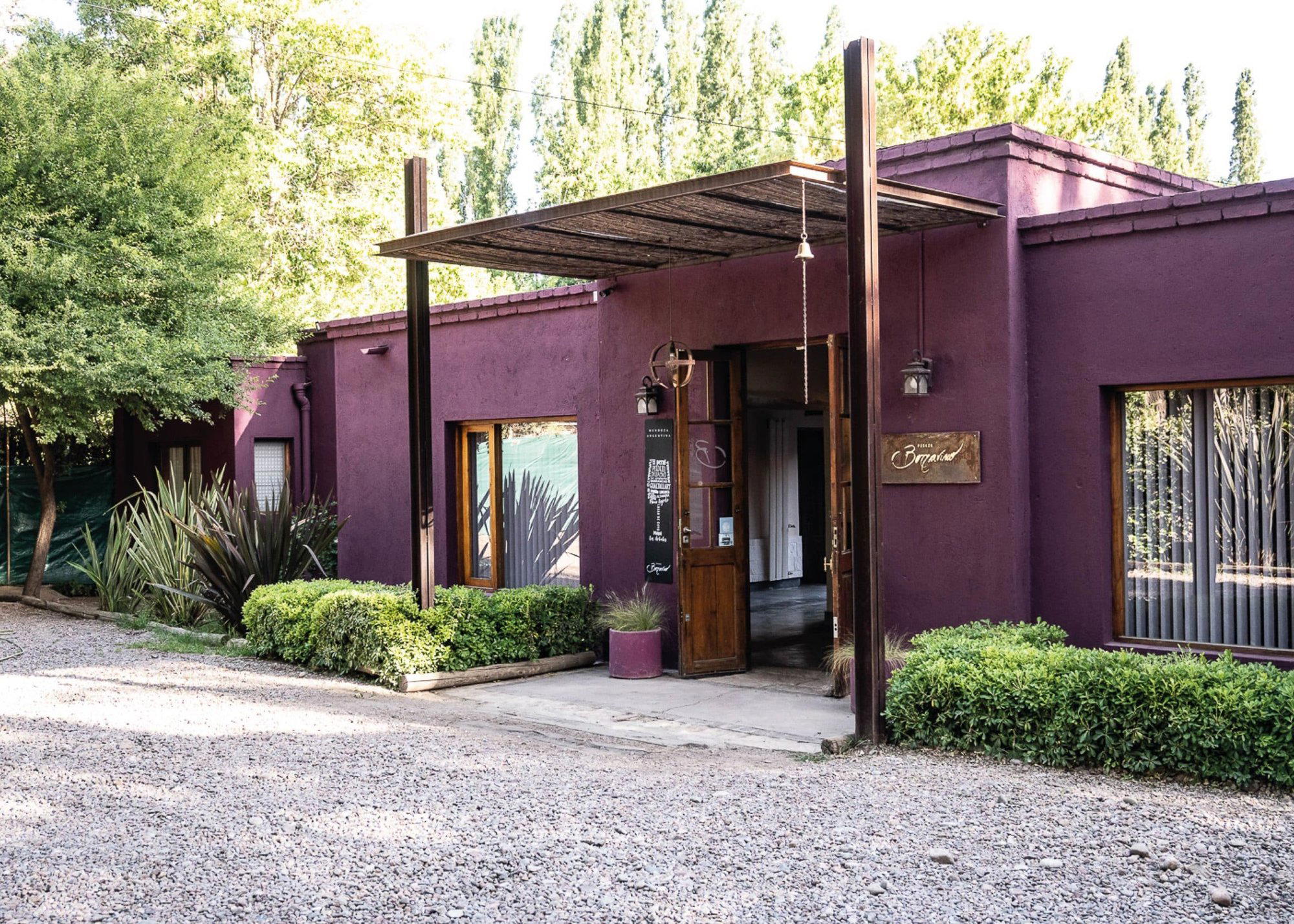
Bodega Bressia sits in Agrelo, one of the Luján de Cuyo subzones where Mendoza's high-altitude alluvial soils have drawn serious winemakers for decades.. Visitors come for direct engagement with a wine program rooted in the specific character of Agrelo's terrain.

Pearl is the En Primeur Club membership app — saves, bookings, and concierge access live there. Same editors, same standards.
- Address
- 7725, Cochabamba, Luján de Cuyo, Mendoza
- Phone
- +54 9 261 453-1182
- Website
- bressiabodega.com
- Directions
- Get directions
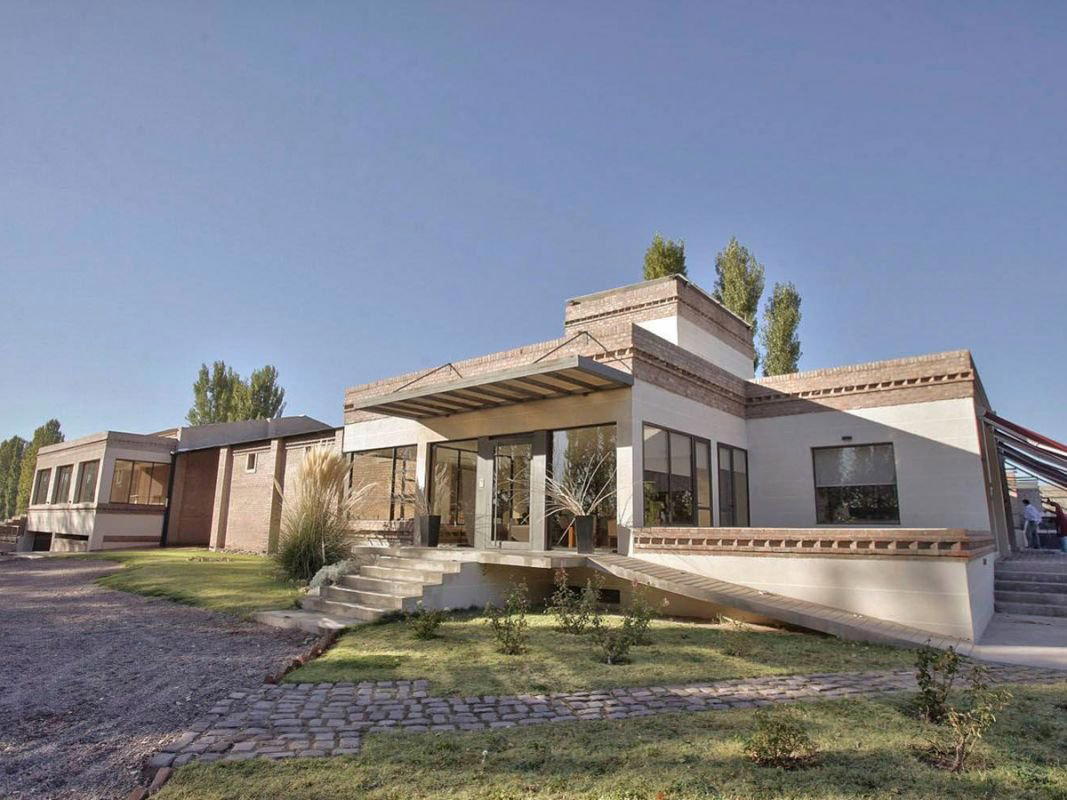
Agrelo's Alluvial Logic
The road into Agrelo from Luján de Cuyo runs alongside the foothills of the Andes, and the shift in the land is gradual but legible: the soil turns stonier, the vine rows space wider, and the light takes on the particular intensity that comes with altitude. This is Mendoza's inner ring, where the alluvial fan deposits laid down by Andean meltwater created a patchwork of gravels, loams, and sandy silts that vary block by block. Winemakers who have settled here, including those at Bodega Bressia, are making a specific argument: that Agrelo's terroir deserves to be read at close range, not blended into a broad regional identity.
The address on Cochabamba in Luján de Cuyo positions the bodega within the sub-appellation that Argentinian wine law recognises as one of the country's most precisely defined growing areas, where altitude and diurnal temperature swings are the primary arguments for quality.
What the Soil Arguments Actually Are
Agrelo sits at elevations broadly between 900 and 1,050 metres above sea level, depending on the specific plot. That range matters because it determines the length of the growing season: cooler nights slow ripening, preserve natural acidity, and allow phenolic development to proceed without the sugar accumulation that flatter, hotter sites accelerate. The alluvial fan geology means water-retaining capacity varies across very short distances, which is why neighbouring bodegas can produce wines with different structural profiles from fruit grown within sight of each other.
The dominant variety in this sub-zone has always been Malbec, and Agrelo's version of that grape tends toward deeper colour, firmer tannin structure, and a fruit profile that leans toward plum and dark cherry rather than the more floral, violet-forward expressions found further south in the Uco Valley. Cabernet Sauvignon also performs well here, benefiting from the long hang time that the altitude provides. Producers across the zone, from Bodega Chandon Argentina to Finca Decero, have built programs that reflect different interpretations of the same fundamental soil and climate argument.
Each sits in a slightly different part of the quality and style spectrum, which is itself a useful illustration of how much variation Agrelo's terrain can generate within a relatively compact geographic zone.
Bressia in the Broader Mendoza Picture
Mendoza's wine geography rewards the visitor who understands its layered structure. The province is not one place: Luján de Cuyo and Maipú operate as the traditional heartland, while the Uco Valley has, over the past two decades, become the address for altitude-driven experimentation. Within Luján de Cuyo, Agrelo is one of several recognised districts, sitting alongside Vistalba, Las Compuertas, and Perdriel. Each has its own soil logic and producer identity.
What distinguishes Agrelo's upper-tier producers, including Bodega Bressia, is a willingness to commit to the sub-appellation as a specific claim rather than a general provenance marker. That specificity is increasingly the metric by which serious wine buyers judge Argentinian producers: not whether the wine is from Mendoza, but from which block, at which altitude, in which soil type.
For travellers who approach wine regions comparatively, it is worth noting the contrast with producers further north in Argentina. Bodega El Esteco in Cafayate operates at even higher elevations in the Calchaquí Valleys, where Torrontés becomes the primary argument. Bodega Colomé in Molinos pushes further still, into some of the world's highest-altitude commercial vineyards. Agrelo's argument is different: it is about the precision of a mature, well-mapped appellation, not the drama of extreme altitude.
Closer in style and geography, Bodega Norton in Luján de Cuyo represents the larger-scale, export-oriented model of the same sub-region. Escorihuela Gascón in Godoy Cruz occupies a different tier, rooted in the historical urban winemaking tradition that predates Agrelo's rise. Bodega Bressia's position is more deliberately focused on the sub-appellation's current ambitions.
Visiting Agrelo: Practical Orientation
Agrelo is approximately 30 kilometres south of Mendoza city, accessible by road via Ruta 40. Most visitors arrive by car or with a driver, as public transport connections are limited and many bodegas are spread across agricultural roads between the main highway and the Andean foothills. The standard approach is to build a day itinerary covering two or three producers in the zone; Agrelo's concentration of serious estates makes that direct without long transit gaps between stops.
The wine tourism season peaks between October and April, when the vineyards are in active growth and the mountain backdrop is at its clearest. Harvest, which typically runs from late February through March, draws visitors interested in seeing production firsthand. Winters are mild but quieter; some smaller producers operate reduced visiting hours between May and August, so confirming availability in advance is sensible regardless of season.
Bodega Bressia's address on Cochabamba places it within the working agricultural fabric of the sub-zone rather than on a main tourism corridor. For a broader map of what the area offers, our full Agrelo guide covers the range of experiences available across the zone's producers.
Travellers building a wider Mendoza itinerary can extend eastward to Familia Schroeder in San Patricio del Chañar in Patagonia, or south into the Uco Valley to properties like Bodega DiamAndes in Tunuyán, which represents a different altitude and climate argument within the same provincial framework. For those approaching Argentinian wine from a completely different reference point, the contrast with an Old World distillery tradition such as Aberlour in Aberlour or a Napa allocation model like Accendo Cellars in St. Helena underlines how specifically Agrelo's value proposition is tied to its particular combination of altitude, soil type, and variety selection.
Fast Comparison
Comparable venues nearby, for context on price, style, and recognition.
| Venue | Cuisine | Price | Awards | Notes |
|---|---|---|---|---|
| Bodega BressiaThis venue — the venue you are viewing | Malbec, Pinot Noir | $20–30 | Not listed | Not listed |
| Bodega Chandon Argentina | Chardonnay, Pinot Noir | Not listed | Falstaff Winery - Listed | Agrelo |
| Bodega Melipal | Malbec, Cabernet Sauvignon | Not listed | Not listed | Agrelo |
| Finca Decero | Malbec, Cabernet Sauvignon | Not listed | Falstaff Winery - Listed | Agrelo |
| Pulenta Estate | Malbec, Cabernet Sauvignon | Not listed | Not listed | Agrelo |
| Bodega Séptima | Malbec, Cabernet Sauvignon | Not listed | Falstaff Winery - Listed | Agrelo |
Continue exploring
More in Agrelo
Wineries in Agrelo
Browse all →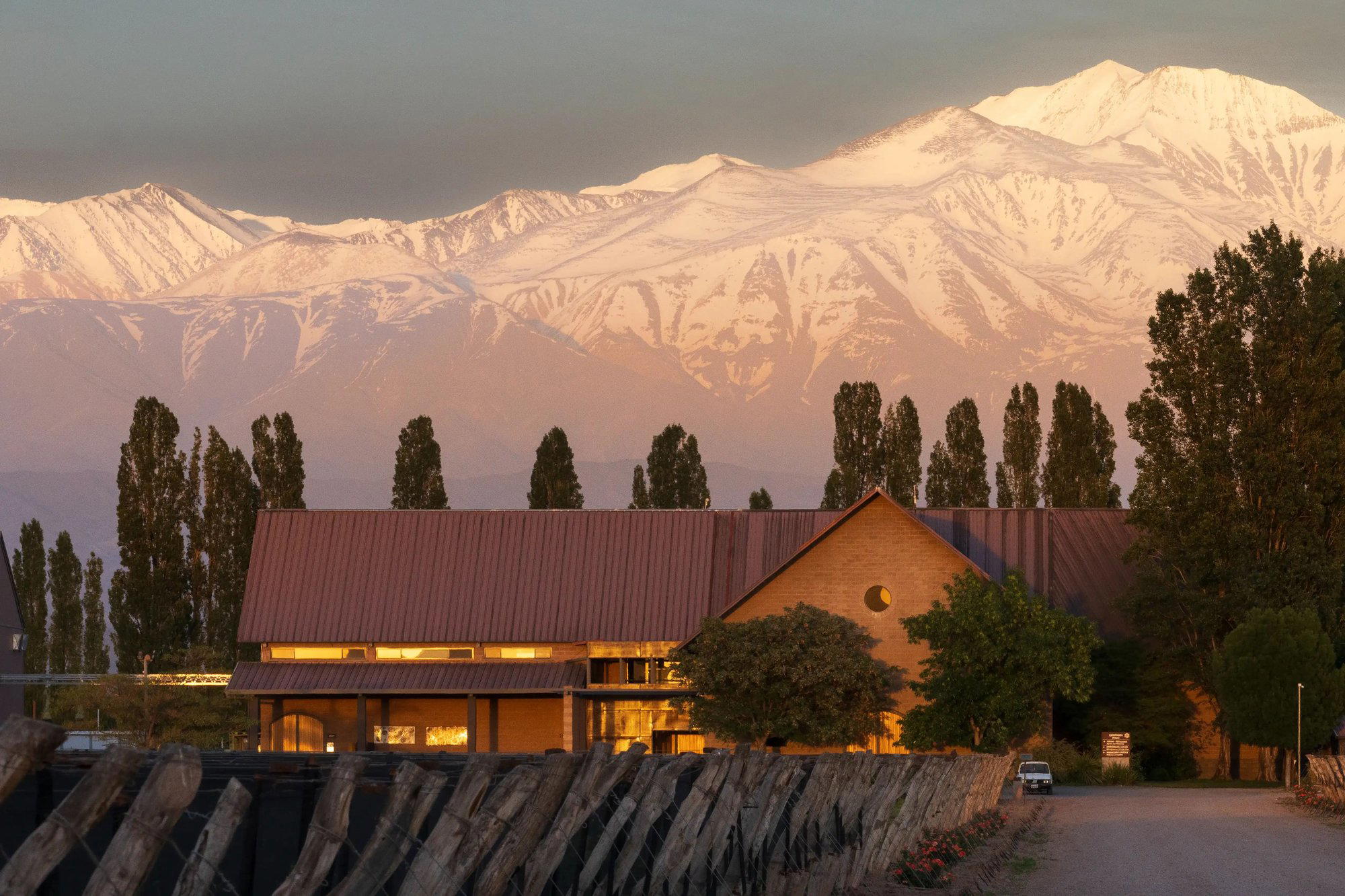
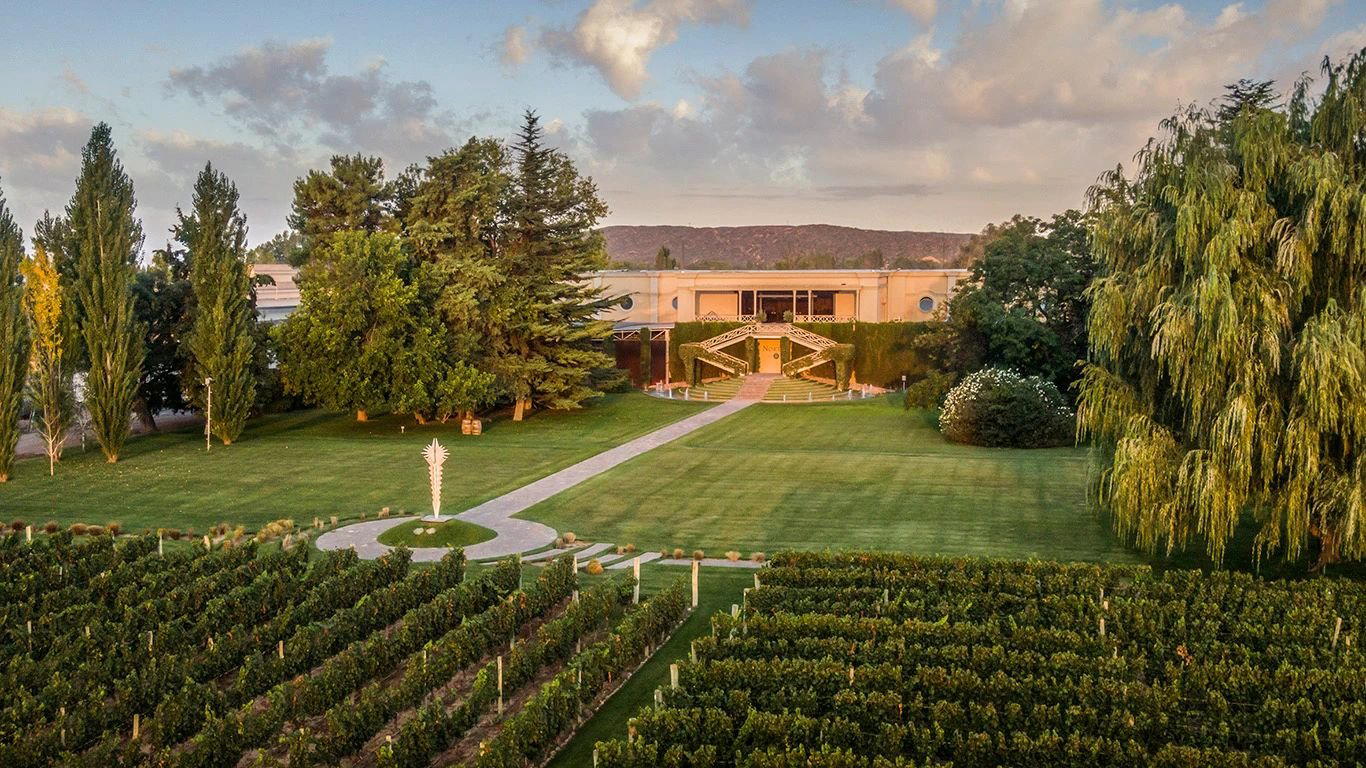
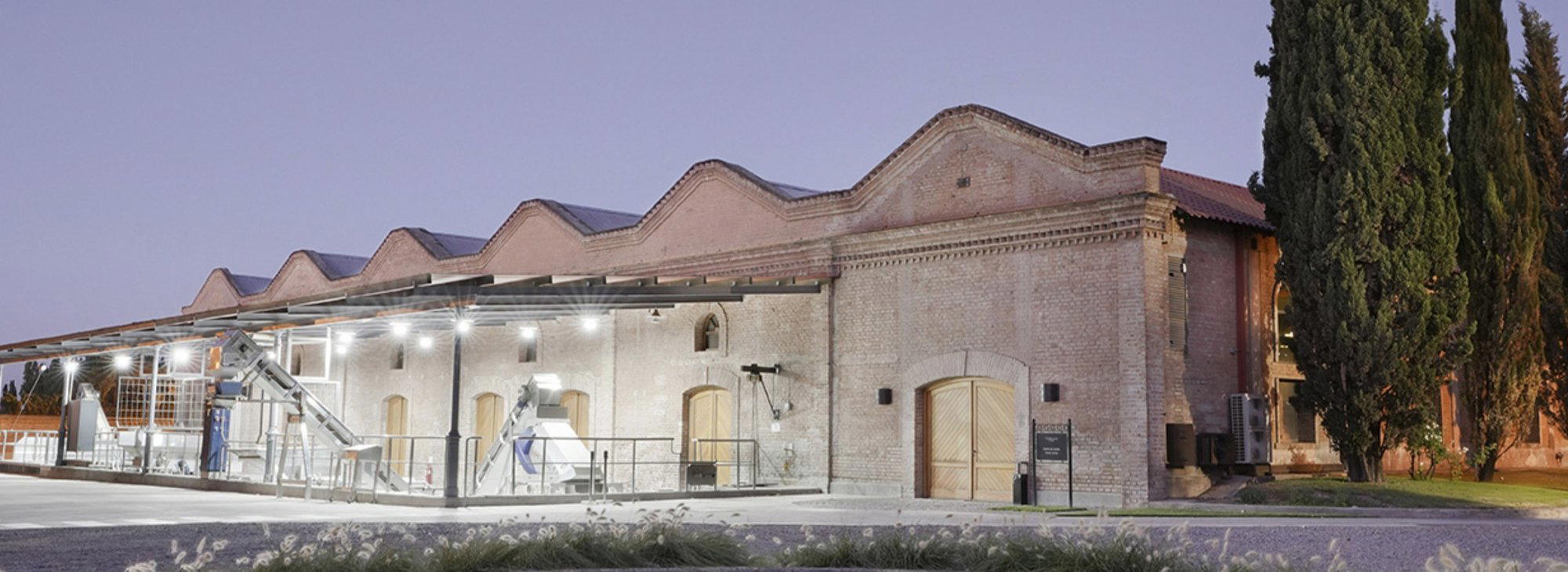
Bars in Agrelo
Browse all →
Restaurants in Agrelo
Browse all →
Details
- Intimate
- Rustic
- Elegant
- Wine Education
- Solo Exploration
- Vineyard Tour
- Barrel Room
- Estate Grounds
- Terrace
- Vineyard
- Malbec
- Pinot Noir
- Cabernet Franc
- Chardonnay
- Still Red
- Still White
- Guided Tasting
- Barrel Tasting
- Spanish
- English
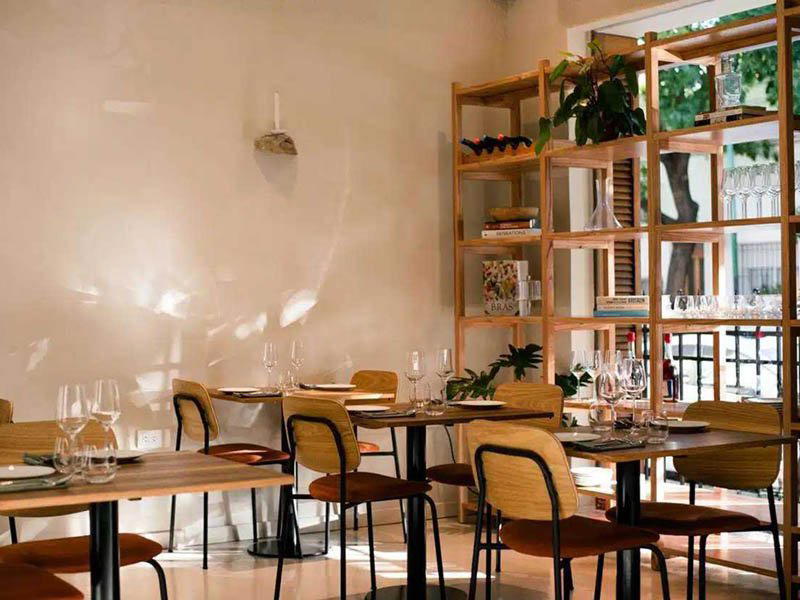
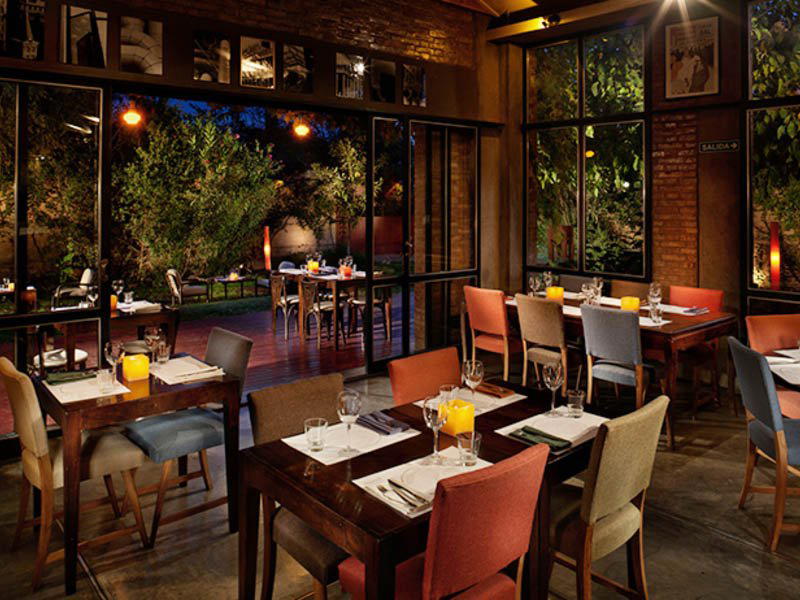
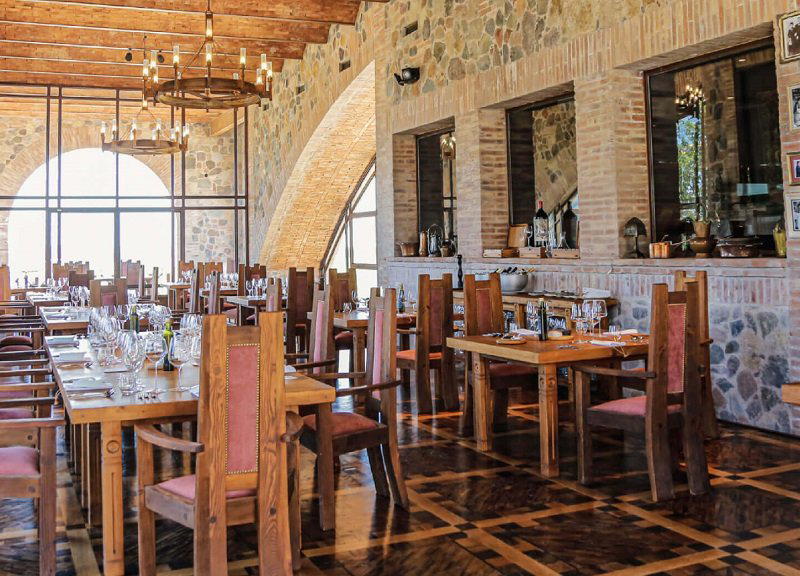
Intimate and personalized with friendly guides, lovely outdoor tasting area, and enthusiastic hospitality.