
Falstaff Winery - Listed
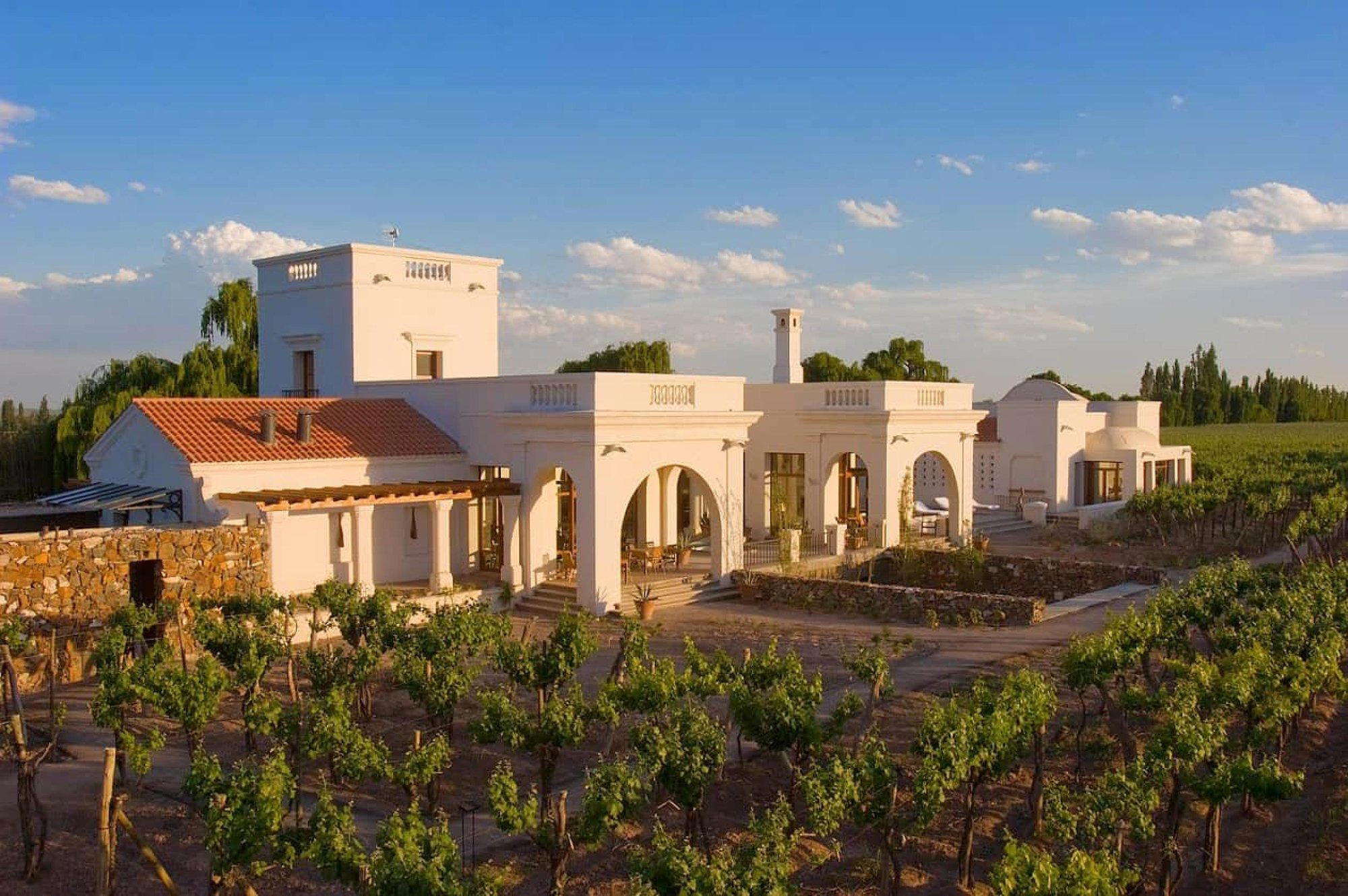
Finca Decero operates at the quieter, higher-altitude end of Agrelo's wine corridor.

Pearl is the En Primeur Club membership app — saves, bookings, and concierge access live there. Same editors, same standards.
- Address
- Bajo las Cumbres 9003, M5509 Agrelo, Mendoza
- Phone
- +54 261 215-1271
- Website
- fincadecero.com
- Directions
- Get directions
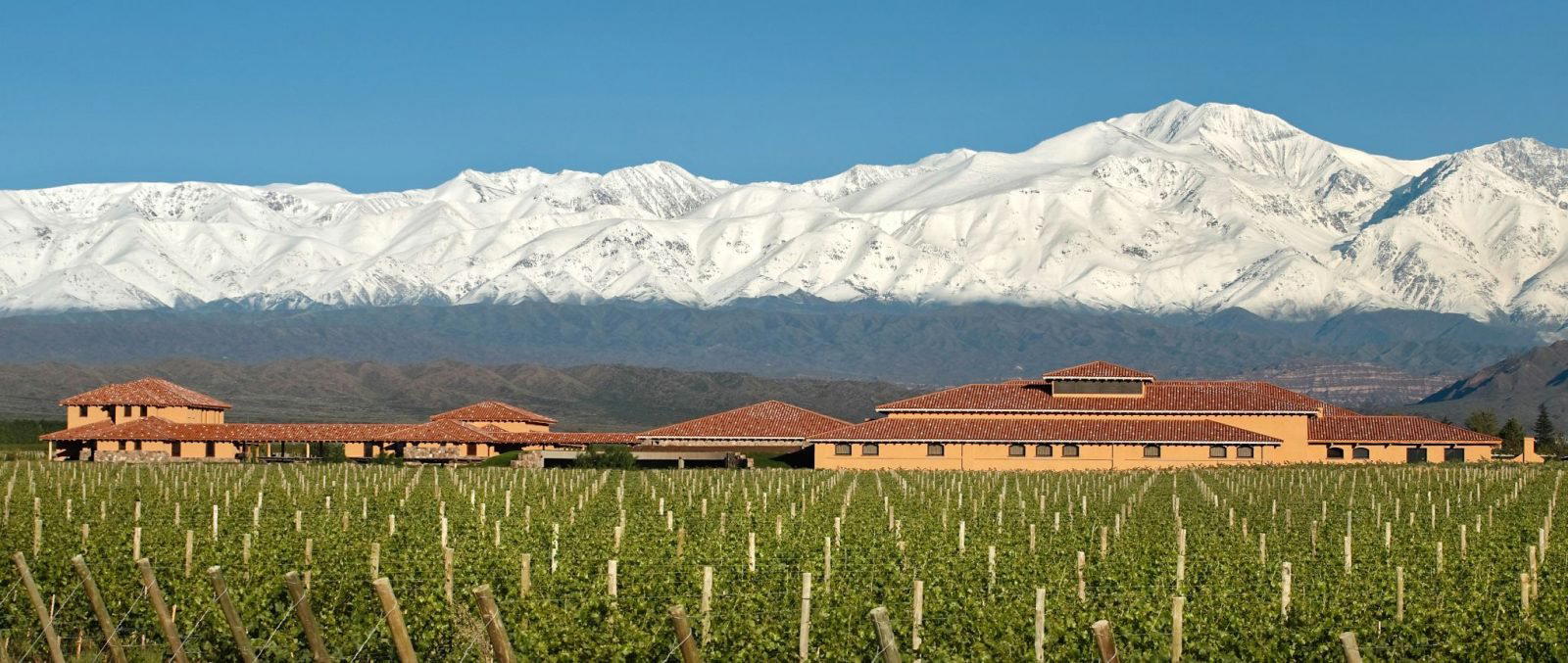
Where the Andes Begin to Shape the Wine
At a certain point on the road south from Luján de Cuyo, the light changes. The valley floor gives way to something more austere: rockier soils, sharper elevation shifts, a silence that is specific to the upper reaches of Agrelo. This is the terrain in which Finca Decero operates, and it is terrain that insists on being taken seriously. The address — Bajo las Cumbres 9003, an eastward reference to the ridgeline above — is itself a signal. 'Bajo las Cumbres' translates roughly as 'beneath the peaks,' and that proximity to altitude is not incidental to what ends up in the bottle.
Agrelo sits within Mendoza's Luján de Cuyo appellation, one of Argentina's most formally recognised wine-producing sub-zones, and its elevation, generally between 900 and 1,100 metres above sea level, produces conditions that favour slower phenolic development, more natural acidity, and wines that hold their structure longer than those grown further down the plain. Finca Decero's position within this zone places it alongside a small group of producers whose work has attracted sustained critical attention, including Bodega Bressia, Bodega Melipal, and Pulenta Estate, all working within the same altitude band and all approaching viticulture with a seriousness that distinguishes Agrelo from the broader Mendoza appellation.
Viticulture as the Central Argument
The conversation around Argentina's premium wine tier has shifted decisively in the past decade. Volume producers still dominate export statistics, but the most discussed wineries are those whose arguments begin in the vineyard, with land management decisions that privilege soil health, canopy balance, and water conservation in a region where irrigation is not optional but where its management is entirely within the grower's control. This is the framework in which Finca Decero belongs.
Agrelo's soils are predominantly alluvial, deposited over millennia by Andean melt, but with significant variation in stone content, clay presence, and drainage capacity across even short distances. Producers who have mapped these variations and matched them to appropriate varieties and rootstocks are making different wines from those who farm more uniformly. The most consistent signal across the estates earning serious recognition in this sub-zone is an orientation toward working with the land's natural tendencies rather than correcting against them in the winery.
This matters practically for the wines. Lower intervention in the cellar, when backed by healthy, balanced fruit from the vineyard, tends to produce wines with more precise fruit expression, lower reliance on new oak as a masking agent, and a stronger sense of provenance. For context within the region, peer estates including Bodega Chandon Argentina and Bodega Séptima operate in adjacent territory, though with different scale and programmatic emphases.
The Agrelo Sub-Zone in Argentina's Wider Wine Geography
To understand what Finca Decero represents, it helps to situate Agrelo within the broader structure of Argentine fine wine. Mendoza is the dominant producing province, but within it, a handful of sub-zones have built identities around specific altitude, soil, and microclimate conditions. Luján de Cuyo was the first to receive the Denominación de Origen Controlada designation in Argentina, and Agrelo is one of its most respected districts.
Compared with higher-altitude districts like Gualtallary or Los Chacayes in the Uco Valley, Agrelo produces wines with somewhat fuller body and riper tannin profiles, particularly in Cabernet Sauvignon and Malbec, the two varieties that have historically defined the district's reputation. But the elevation differential between Agrelo's floor and its upper reaches produces real variation, and estates positioned toward the higher end of the district, as Finca Decero is, can achieve structural profiles that approach the elegance more commonly associated with the Uco Valley without sacrificing the concentration that Agrelo's more sun-intensive growing season provides.
This positioning within a contested quality tier is what makes Finca Decero's recognition meaningful rather than incidental. Argentina's fine wine category now extends across a much wider geography than it did fifteen years ago. Producers in Cafayate, like Bodega El Esteco, are building cases for altitude-driven Torrontés and Malbec at even more extreme elevations, while operations in Luján de Cuyo, including Bodega Norton, anchor the appellation's commercial and critical core. Finca Decero operates at the more specialist end of this spectrum, without the volume or marketing infrastructure of the largest estates.
Land Stewardship at Altitude
The sustainability question in Mendoza is specific. This is a desert wine region, with annual rainfall well below 200mm in most years, and water management is the single most consequential environmental decision a producer makes. Flood irrigation from Andean snowmelt has been the traditional method, but the shift toward drip irrigation systems has allowed more precise water application, reduced soil erosion, and enabled more nuanced canopy management across the growing cycle. Producers committed to responsible land stewardship are also increasingly focused on soil biology, cover cropping where water budgets allow, and reducing synthetic input across the vineyard calendar.
At altitude, these decisions have amplified consequences. Higher UV exposure at elevation increases natural antioxidant development in grape skins, contributing to colour stability and polyphenol complexity. Cooler nights slow sugar accumulation relative to flavour development, extending the hang time that allows physiological ripeness to catch up to analytical ripeness. The result, for producers who manage their canopies to take advantage of these conditions rather than simply harvesting at a commercially convenient moment, is fruit that enters the winery with less need for correction.
Awards at this level, in Argentina's fine wine category, increasingly reward coherence between vineyard philosophy and bottled result, not just technical competence in the cellar. For a broader view of how this approach plays out across the wider Argentine wine geography, the work at Bodega Colomé in Molinos and Bodega DiamAndes in Tunuyán offer instructive comparisons at different altitude bands and winemaking philosophies.
Planning a Visit to Agrelo
Agrelo sits approximately 40 kilometres south of Mendoza city, reachable by remise taxi or rental car along Route 40, which serves as the spine of the Luján de Cuyo wine corridor. The drive from central Mendoza takes around 40 to 50 minutes depending on traffic through the suburban sections of the route. Most serious wine travellers to this part of Mendoza build day itineraries that anchor at two or three estates, given that each demands more than a brief tasting to appreciate properly. Visitors exploring Agrelo in depth should consult our full Agrelo guide for a structured view of the sub-zone's offering.
For context beyond Argentina's core wine regions, the approach to terroir-specificity and estate-scale production that defines Finca Decero's tier has parallels in other serious wine cultures, from Aberlour in Aberlour to Accendo Cellars in St. Helena and Familia Schroeder in San Patricio del Chañar. The common thread is a prioritisation of place over brand, and of long-cycle viticulture over short-cycle commercial logic. At Finca Decero, at the foot of the Andes in one of Argentina's most scrutinised wine districts, that logic is written into every hectare of the estate. Also notable in the broader Argentine spirits and beverage context is Fratelli Branca Distillery in Buenos Aires, for travellers building a full Argentina drinks itinerary alongside Escorihuela Gascón in Godoy Cruz.
Standing Among Peers
Comparable venues nearby, for context on price, style, and recognition.
| Venue | Cuisine | Price | Awards | Notes |
|---|---|---|---|---|
| Finca DeceroThis venue — the venue you are viewing | Malbec, Cabernet Sauvignon | Not listed | Falstaff Winery - Listed | Not listed |
| Bodega Chandon Argentina | Chardonnay, Pinot Noir | Not listed | Falstaff Winery - Listed | Agrelo |
| Bodega Bressia | Malbec, Pinot Noir | $20–30 | Not listed | Agrelo |
| Bodega Séptima | Malbec, Cabernet Sauvignon | Not listed | Falstaff Winery - Listed | Agrelo |
| Pulenta Estate | Malbec, Cabernet Sauvignon | Not listed | Not listed | Agrelo |
| Bodega Melipal | Malbec, Cabernet Sauvignon | Not listed | Not listed | Agrelo |
Recognition history
Dated appearances from independent guides and award organizations, with the underlying list record or original source where available.
Falstaff Winery - Listed
Falstaff
Continue exploring
More in Agrelo
Wineries in Agrelo
Browse all →
Bars in Agrelo
Browse all →
Restaurants in Agrelo
Browse all →
Details
- Scenic
- Elegant
- Rustic
- Wine Education
- Special Occasion
- Group Outing
- Vineyard Tour
- Panoramic View
- Private Tasting
- Sustainable
- Mountain
- Vineyard
- Malbec
- Cabernet Sauvignon
- Petit Verdot
- Cabernet Franc
- Tannat
- Syrah
- Still Red
- Private Tasting
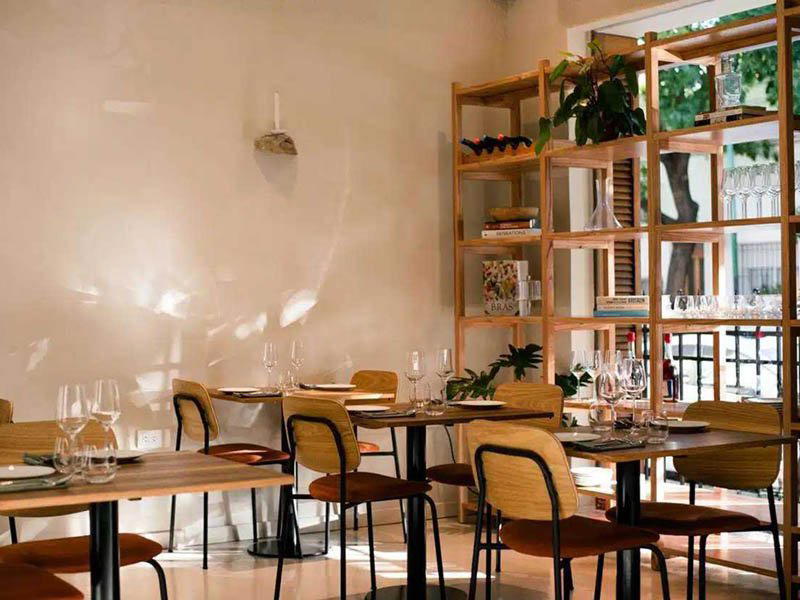
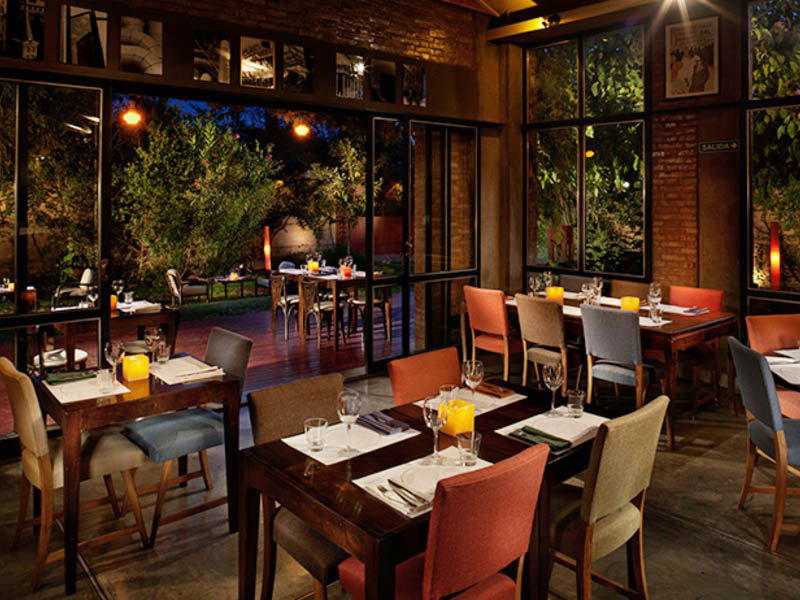
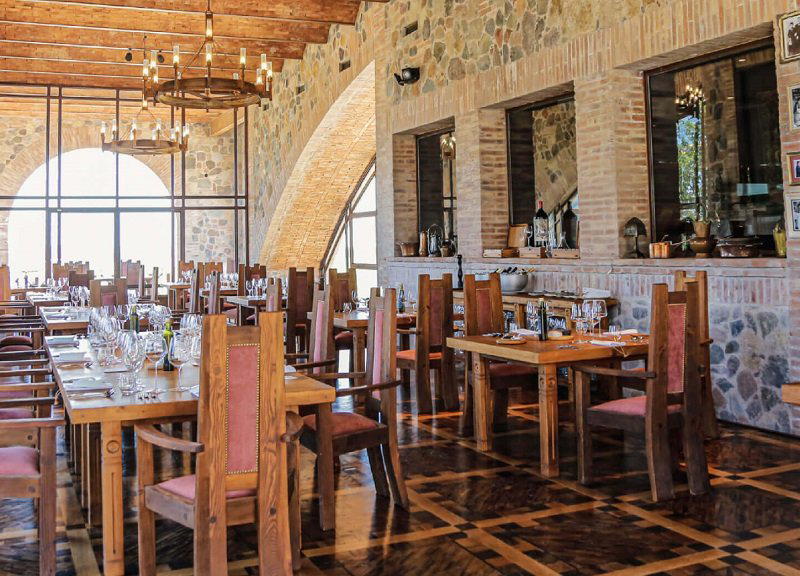
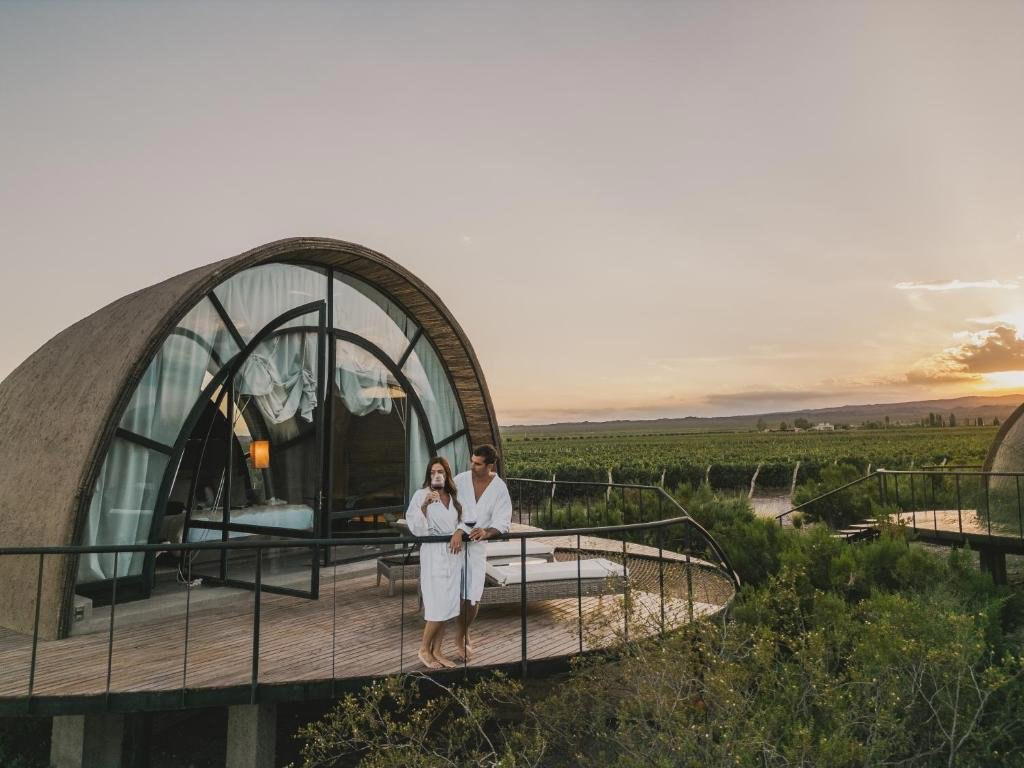
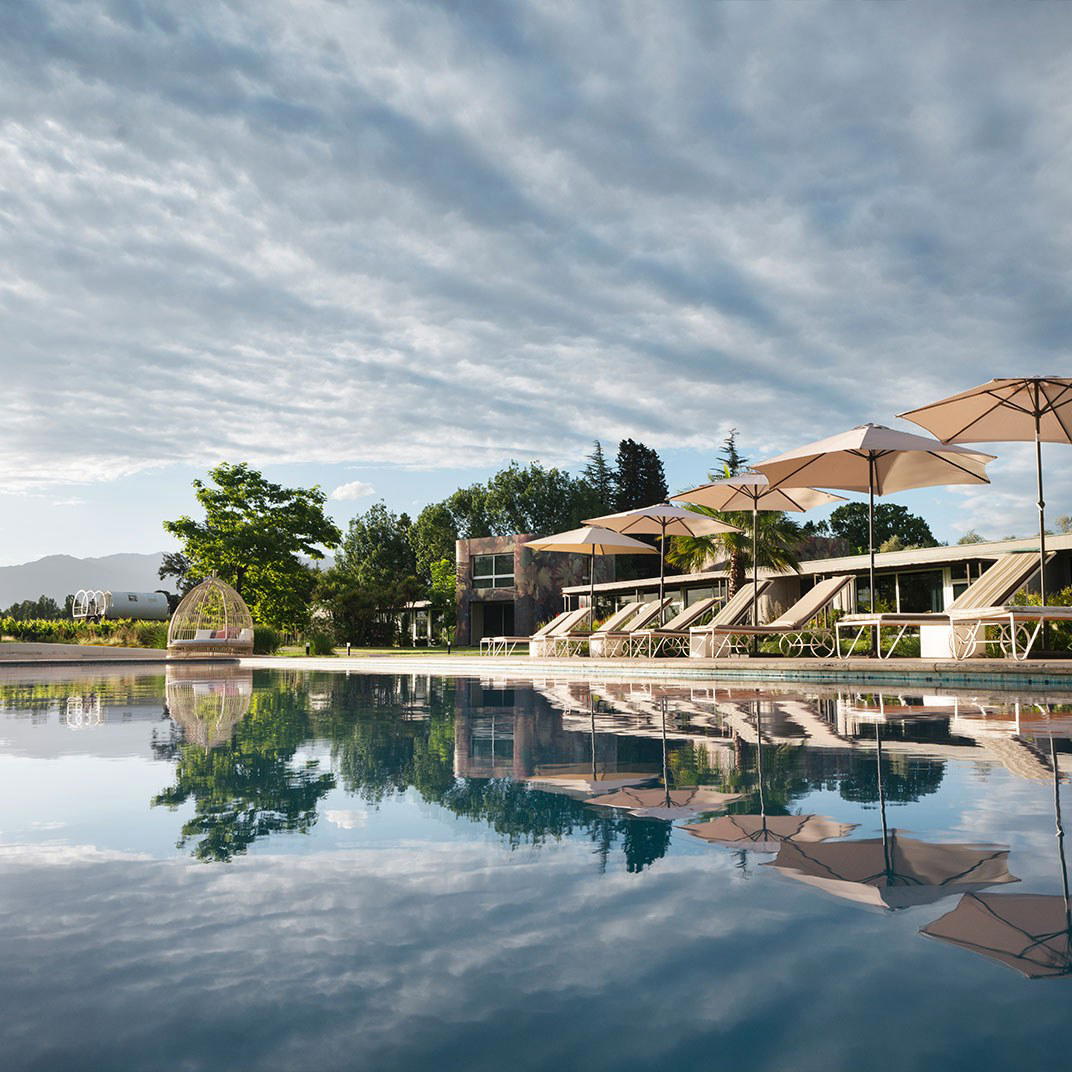
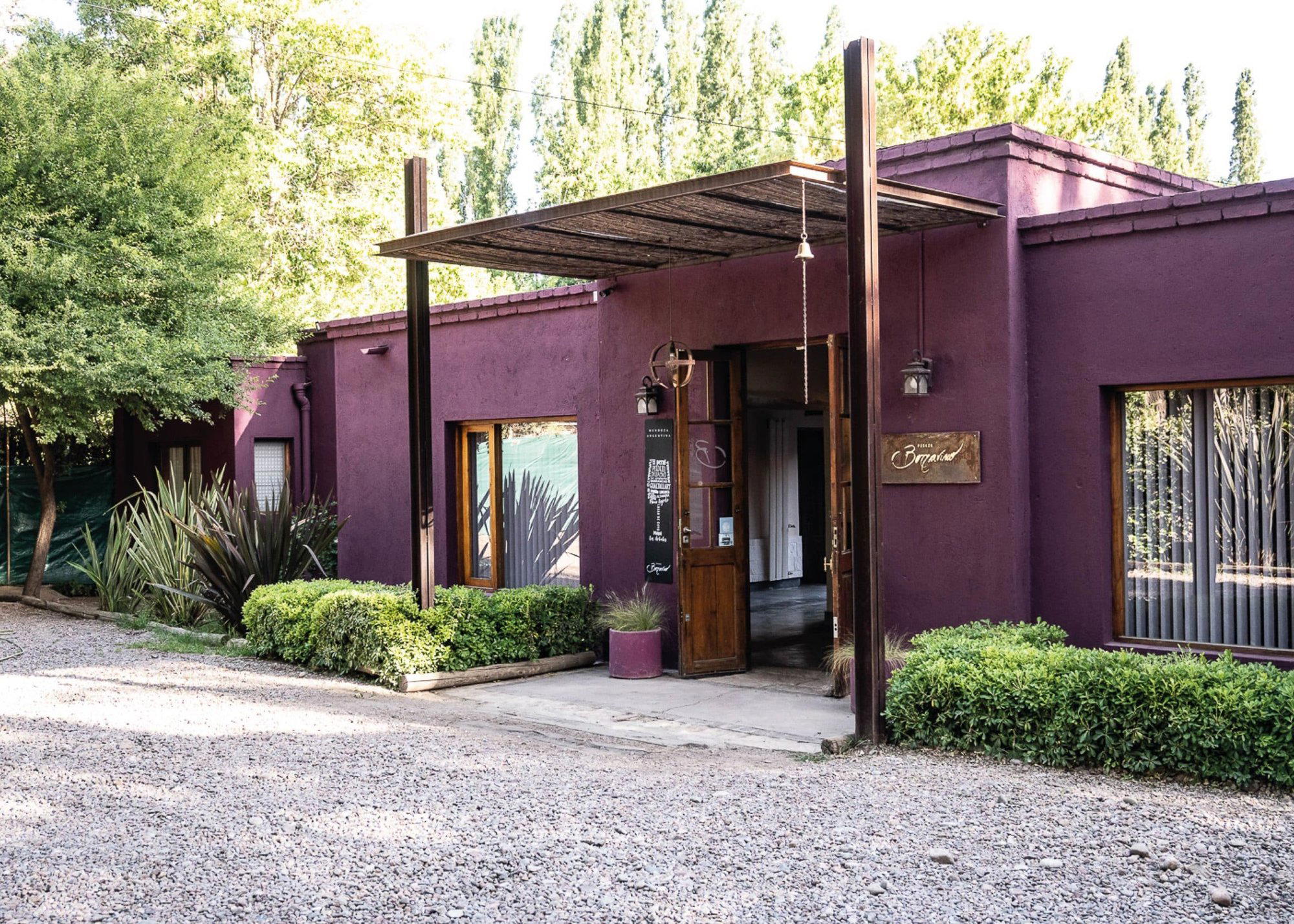
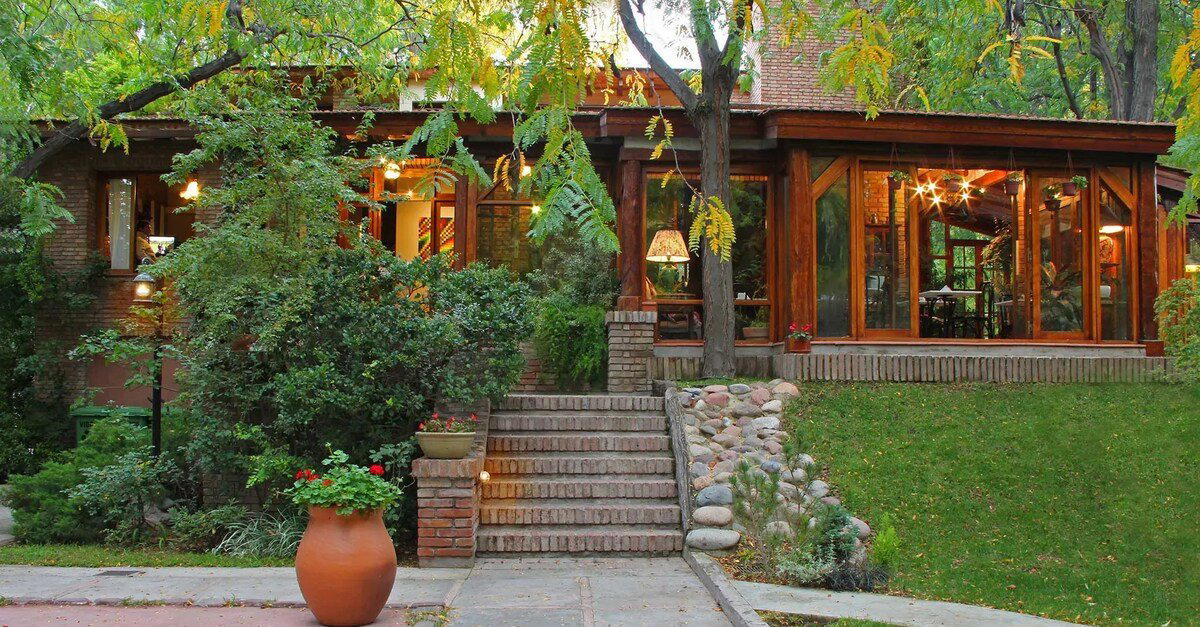
Dramatic mountain views, chic and well-maintained facilities with an elegant patio atmosphere enhanced by polished service and paired wines.