Promontory Winery

Falstaff Winery - Listed
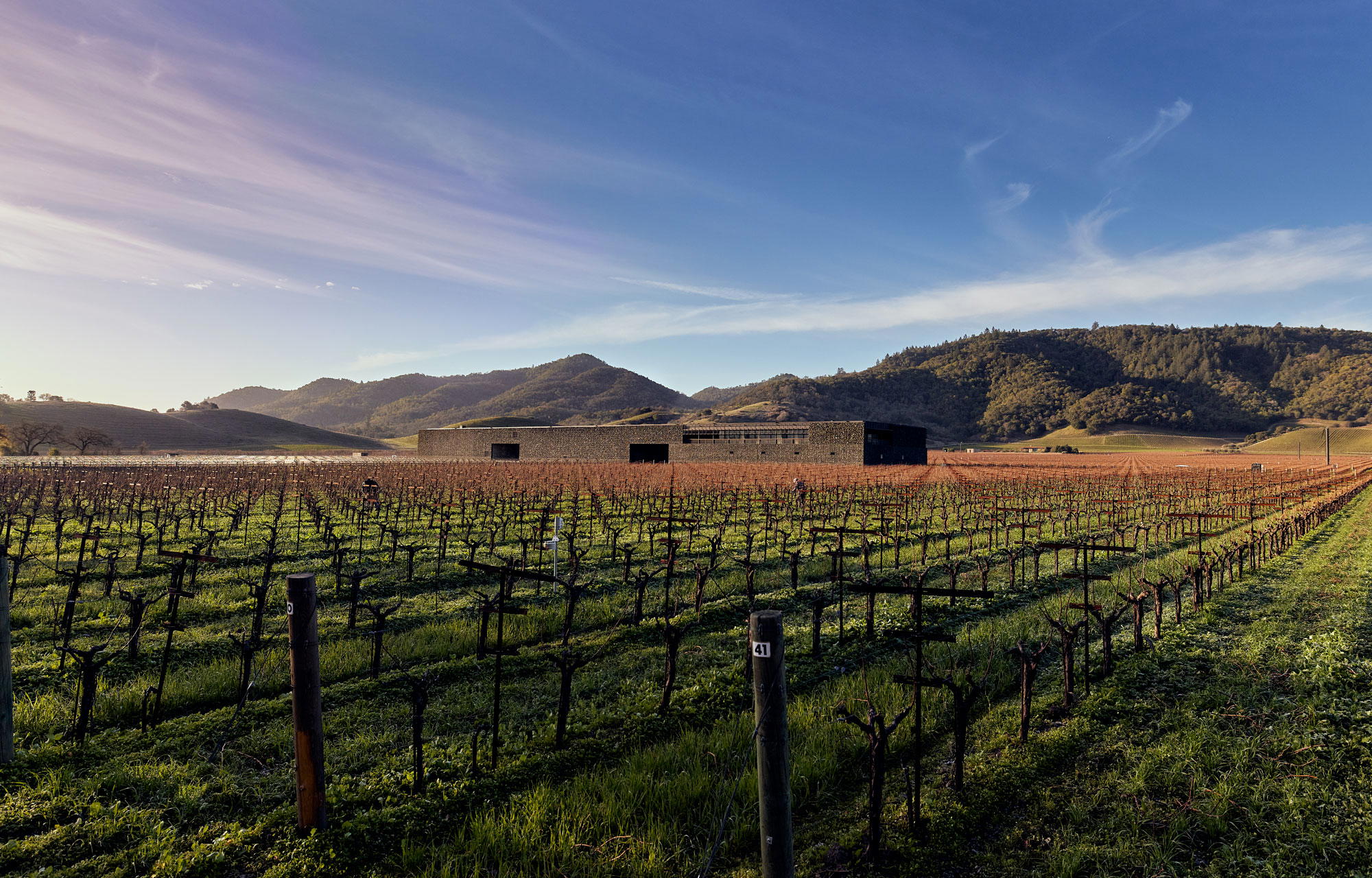
Promontory Winery sits on the Oakville Grade in Napa Valley, producing allocated wines under winemaker Cory Empting since its first vintage in 2009.. Serious collectors return season after season for wines that reflect the hillside topography of the Oakville appellation.

Pearl is the En Primeur Club membership app — saves, bookings, and concierge access live there. Same editors, same standards.
- Address
- 1601 Oakville Grade Rd, Oakville, CA 94562
- Phone
- (707) 944-0125
- Website
- promontory.wine
- Directions
- Get directions
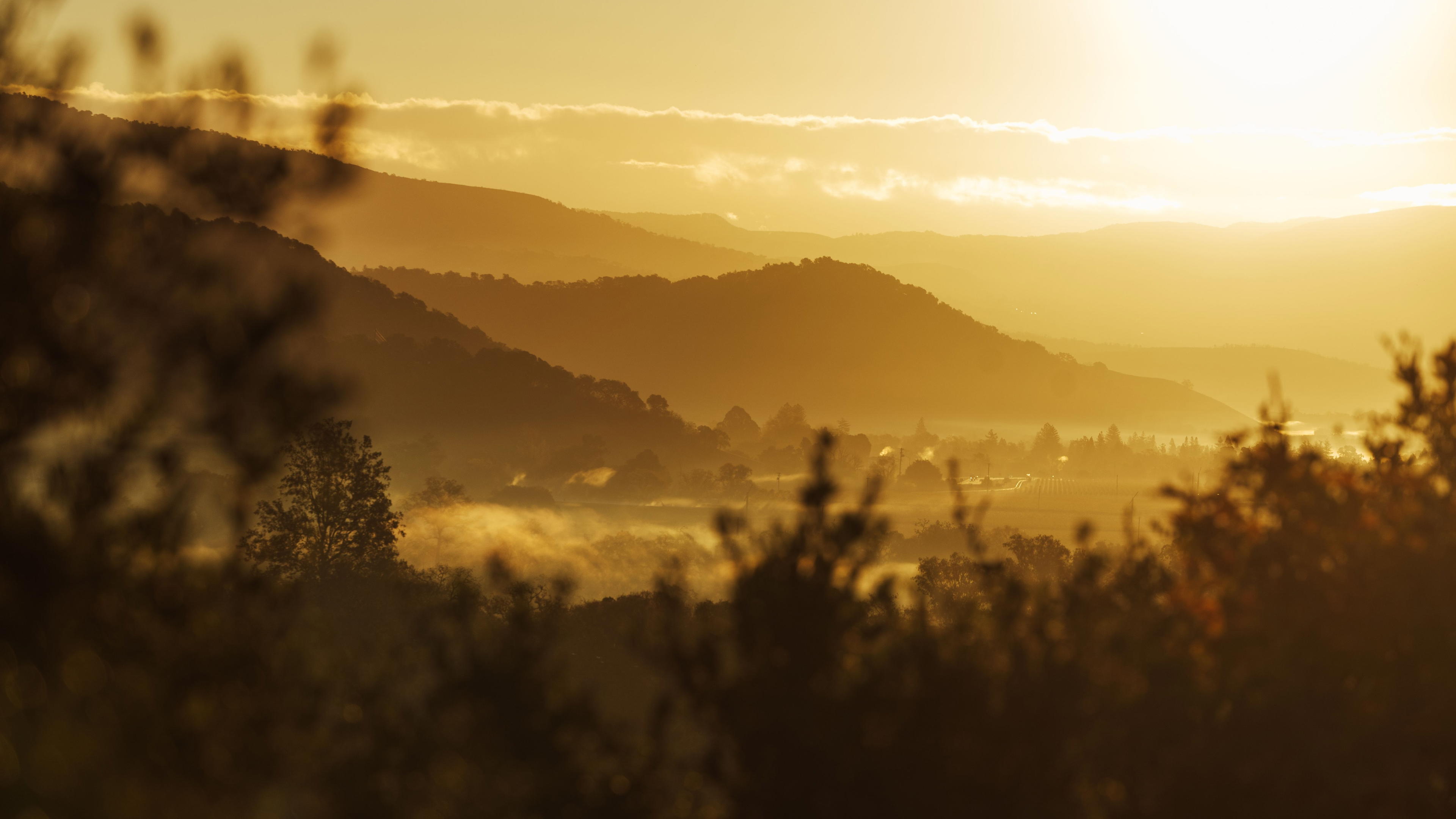
Oakville's Upper Tier, From the Ridge Down
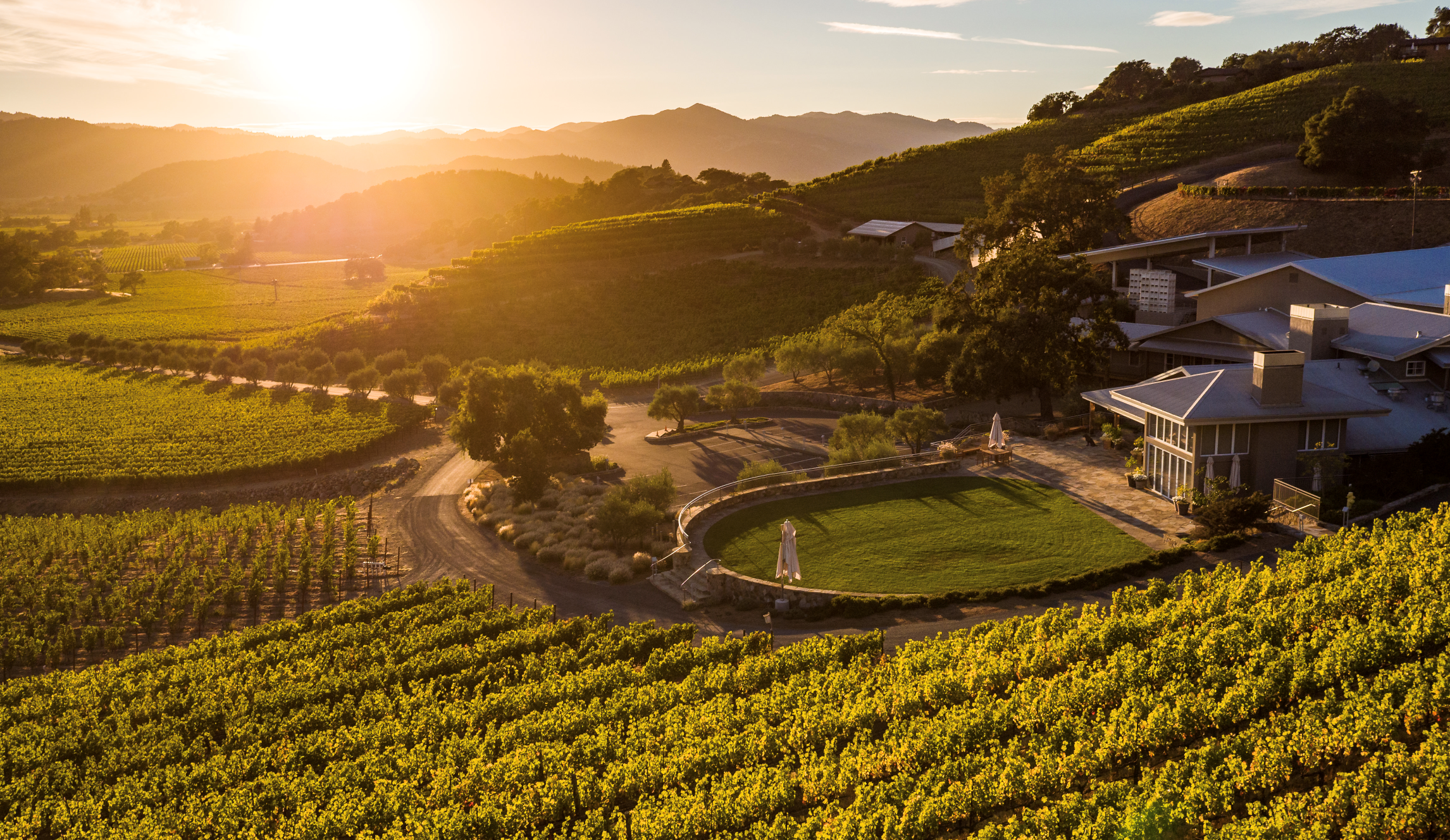
The Oakville Grade climbs steeply from the valley floor, and properties along it tend to produce wines with a distinctly different weight and structure from their flatland neighbours. Elevation, aspect, and rocky soils compress yields and concentrate flavour in ways that have defined this corridor's reputation among Napa collectors for decades. Promontory Winery, at 1601 Oakville Grade Road, sits within that geographic argument, producing small-allocation wines under winemaker Cory Empting from a first vintage that dates to 2009.
Napa's premium identity has long been organised around Cabernet Sauvignon, and the hillside appellations, particularly Oakville and its neighbouring ridgelines, carry outsized weight in that story. What separates the serious hill-country producers from the broader Napa pool is a combination of site specificity, production discipline, and allocation patterns that reflect genuine demand rather than manufactured scarcity.
What Keeps the Regulars Coming Back
For collectors who have tracked Promontory since the early 2010s, the draw is less about a single wine and more about the consistency of terroir expression across a run of vintages. The Oakville Grade's volcanic and sedimentary soils produce fruit with natural structure, and a winemaker with enough restraint to let that structure carry the wine will generate the kind of age-worthy bottles that serious buyers build cellars around. Cory Empting's name is attached to that track record here, and for allocated-list regulars, that credential functions as a navigational shortcut: you know what approach produced the wines you already own, and you return on that basis.
This pattern, return based on prior bottles rather than marketing, is how the upper tier of Napa's allocation system actually operates. Properties like Blackbird Vineyards and Accendo Cellars in St. Helena operate within the same logic: a loyal buyer base that re-ups allocations not because of tasting room experiences or social programming, but because the wine in the glass delivered on the hillside's promise. Promontory sits within that cohort, where the relationship between winery and collector is transactional in the leading sense: precise, repeat, and grounded in the bottle itself.
Collectors who have followed the property from its 2009 debut have now accumulated enough verticals to draw conclusions about how the wine evolves in the cellar, which is where the real loyalty signals emerge.
Placing Promontory in Napa's Competitive Terrain
Napa's winery scene has stratified considerably over the past fifteen years. At one end, large-production estates with broad retail distribution. At the other, a smaller cohort of allocation-only producers whose wines rarely appear outside direct-to-consumer channels or specialist secondary markets. Promontory's profile fits the latter: a first vintage in 2009, a named winemaker with a specific site to work from, and recognition from a credentialed ratings body rather than the kind of marketing visibility that characterises volume producers.
Within the Oakville appellation specifically, the competition is among some of California's most scrutinised addresses. Neighbours in the broader valley include Darioush Winery, which has built a distinct following through its architectural presence and Persian-influenced hospitality model, and Ashes and Diamonds Winery, which has carved out a retro-modernist niche at a different price and style register. Artesa Vineyards and Winery and Alpha Omega Winery in Rutherford operate at higher visitor volumes, with more developed tasting room infrastructure. Promontory's profile does not sit in the hospitality-first category; its gravity comes from the wine itself and the site that produces it.
For visitors approaching from outside Napa's allocation ecosystem, a useful reference point is the kind of small-production, site-driven work being done in other California appellations: Adelaida Vineyards in Paso Robles, Alban Vineyards in Arroyo Grande, and Andrew Murray Vineyards in Los Olivos each represent the same argument from different soil types and climates: that the most interesting California wine comes from producers who have committed to a specific place and are willing to let that place define the wine's character rather than the other way around.
The Oakville Grade in Broader Context
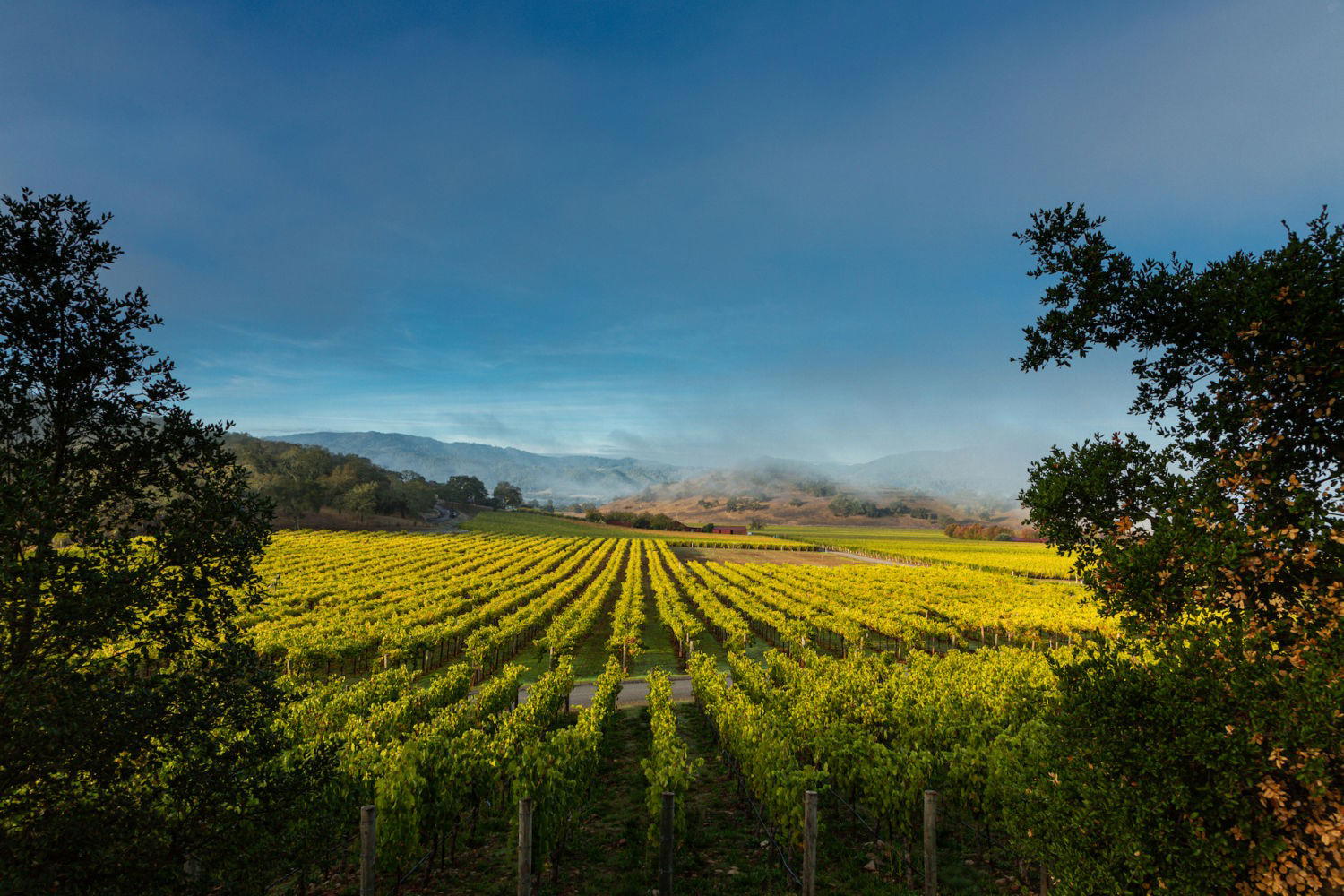
Napa's hill-country producers occupy a specific critical position that differs from the valley floor's famous addresses. The Oakville Grade in particular has produced wines that critics and collectors treat as benchmark Cabernets, owing to the combination of elevation-driven diurnal shift, well-drained rocky soils, and western-facing exposures that can extend hang time while maintaining acidity. These are not abstract claims; they are the conditions that produce structurally different wines from those made a thousand feet lower on the same appellation's floor.
For collectors building California verticals, the Oakville Grade's producers, including Promontory, function as a distinct reference point within the Napa canon. The comparison set reaches beyond California in some cases: Clos Selene Winery operates with a different stylistic orientation, while international producers like Adelsheim Vineyard in Newberg and Alexander Valley Vineyards in Geyserville illustrate how the small-allocation, site-specific model translates across different American wine regions.
Planning a Visit or Securing an Allocation
Promontory's address at 1601 Oakville Grade Road places it on one of Napa's more demanding approach roads, a two-lane route that climbs from the valley floor with limited turnouts and significant gradient. Visitors should plan approach and departure carefully, particularly in wet season when the Grade can be unpredictable. The most reliable route to securing an allocation or arranging a visit is through the winery's direct contact channels, which typically require prior relationship or referral at this tier of the market.
Those researching comparable properties in Napa and beyond can consult our guides to Artesa Vineyards and Winery, Blackbird Vineyards, and producers further afield including Aberlour in Aberlour and Achaia Clauss in Patras for a sense of how single-site conviction plays out across radically different wine traditions.
Cost Snapshot
Comparable venues nearby, for context on price, style, and recognition.
| Venue | Cuisine | Price | Awards | Notes |
|---|---|---|---|---|
| Promontory WineryThis venue — the venue you are viewing | Oakville, Cabernet Sauvignon | $200–300 | Falstaff Winery - Listed | Not listed |
| The Mascot | Napa Valley, Cabernet Sauvignon, Merlot | Not listed | Not listed | Not listed |
| Heitz Cellar Estate | Not listed | $50–100 | Falstaff Winery - Listed | St. Helena, Cabernet Sauvignon, Chardonnay |
| Seven Apart | Not listed | $150–200 | Not listed | Atlas Peak, Cabernet Sauvignon, Cabernet Franc |
| Domaine Carneros | Carneros, Pinot Noir, Chardonnay | $50–100 | Falstaff Winery - Listed | Not listed |
| Harlan Estate | Oakville, Cabernet Sauvignon, Merlot | $200–300 | Falstaff Winery - Listed | Not listed |
Recognition history
Dated appearances from independent guides and award organizations, with the underlying list record or original source where available.
Falstaff Winery - Listed
Falstaff
Continue exploring
More in Napa
Wineries in Napa
Browse all →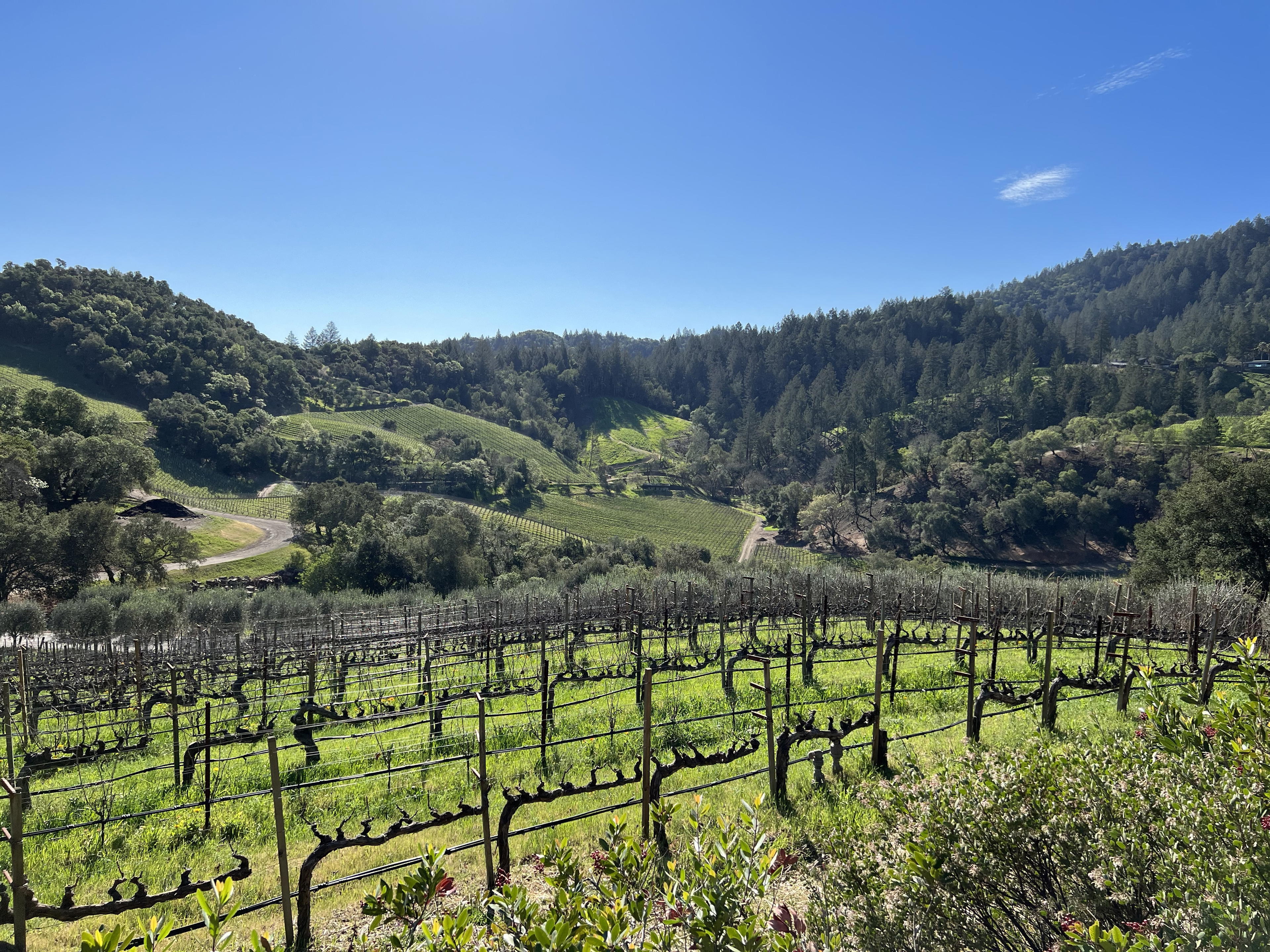
Bars in Napa
Browse all →

Restaurants in Napa
Browse all →
Details
- Elegant
- Scenic
- Sophisticated
- Rustic
- Intimate
- Special Occasion
- Romantic Getaway
- Celebration
- Cave Tasting
- Barrel Room
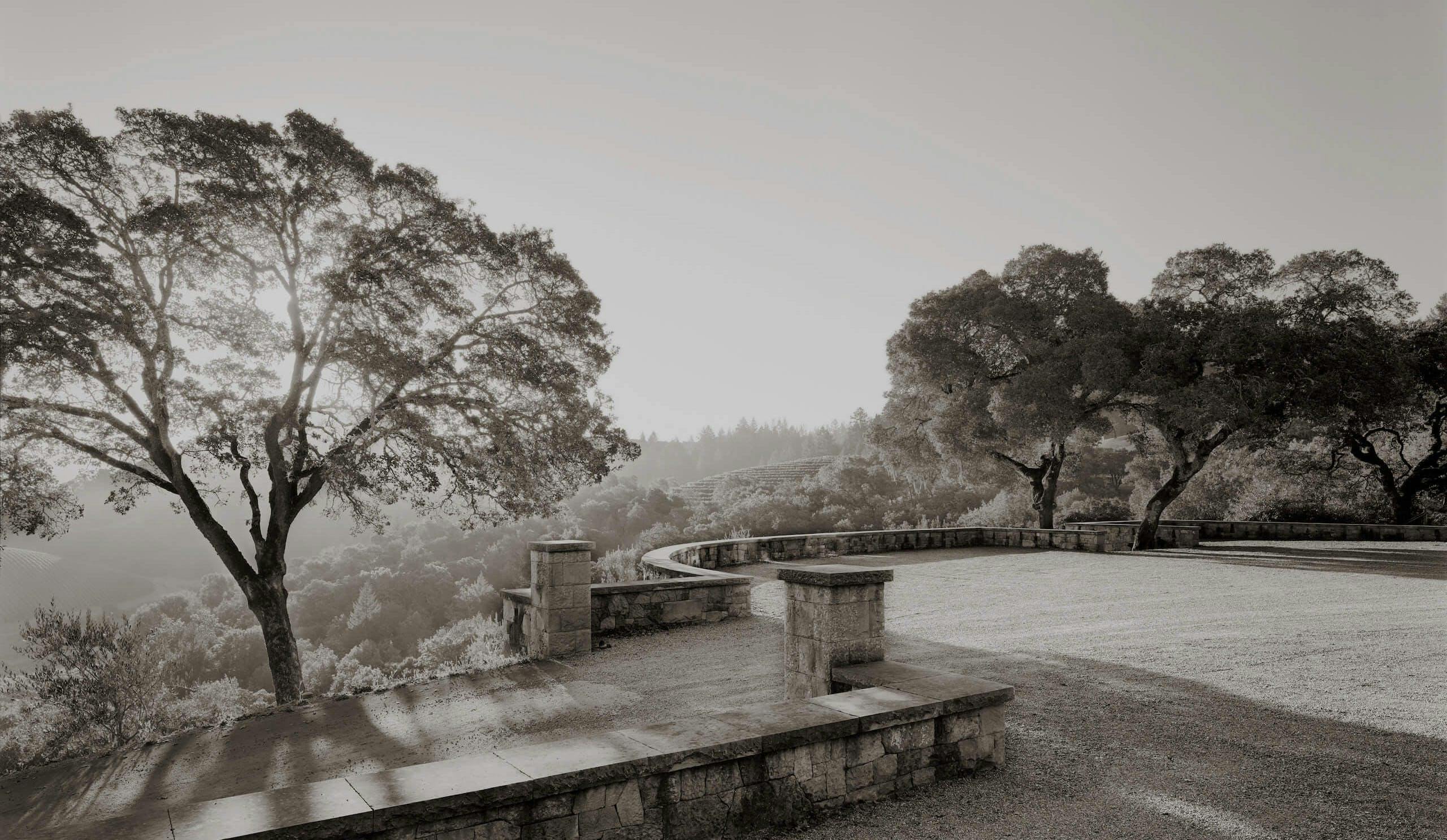
- Estate Grounds
- Panoramic View
- Sustainable
- Vineyard
- Mountain
- Garden
- Cabernet Sauvignon
- Still Red
- Barrel Tasting
- Vintage Tasting
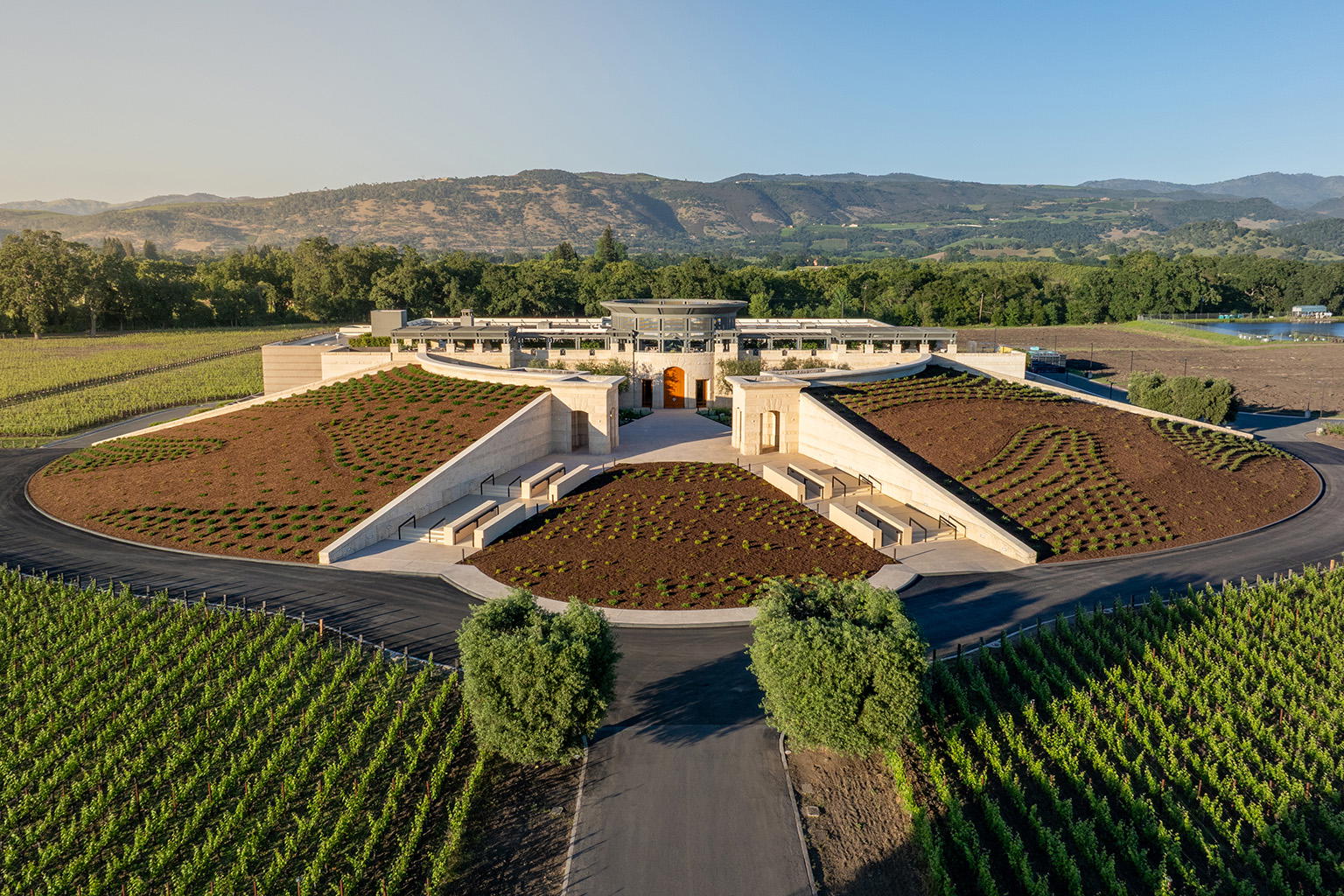
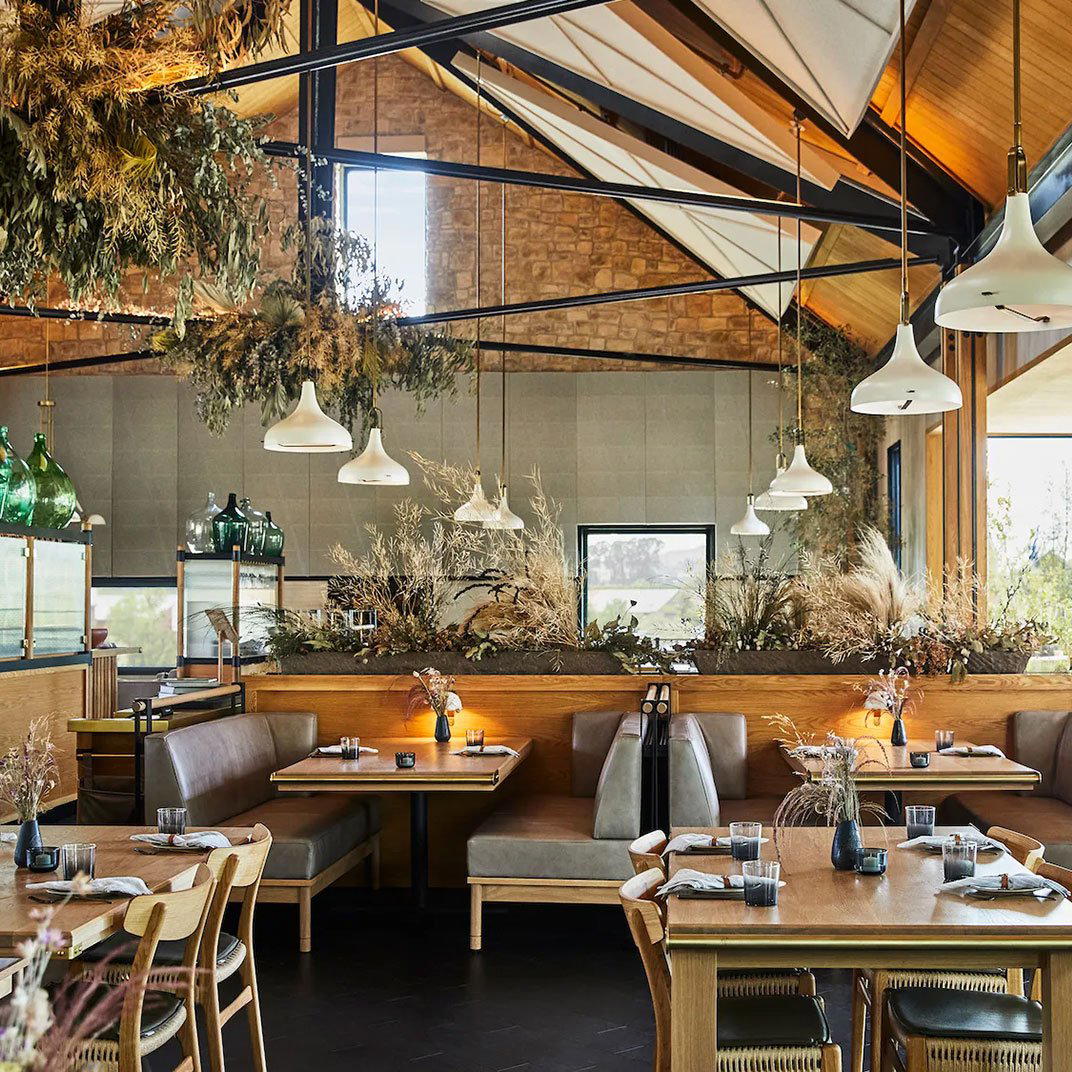
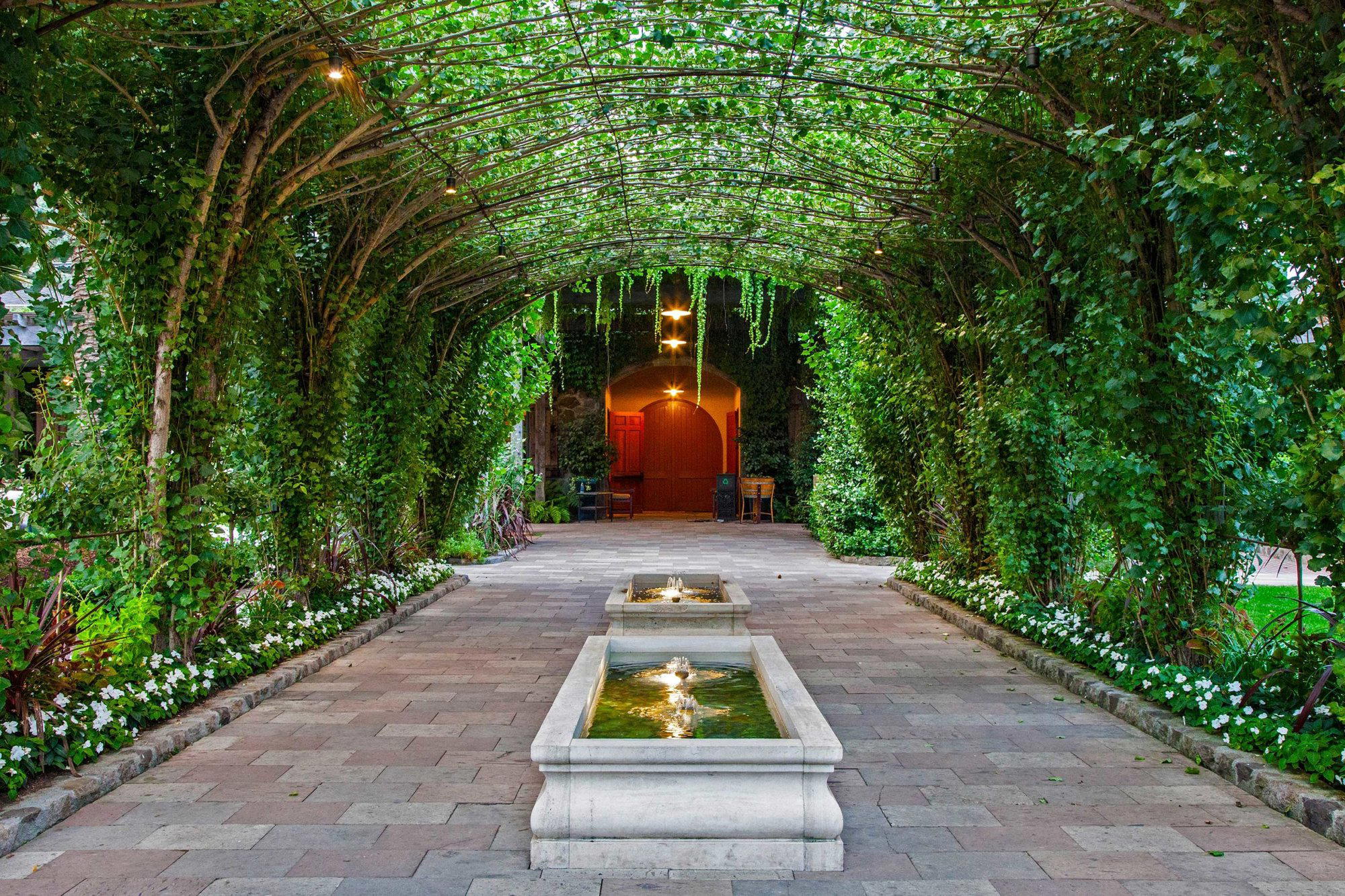
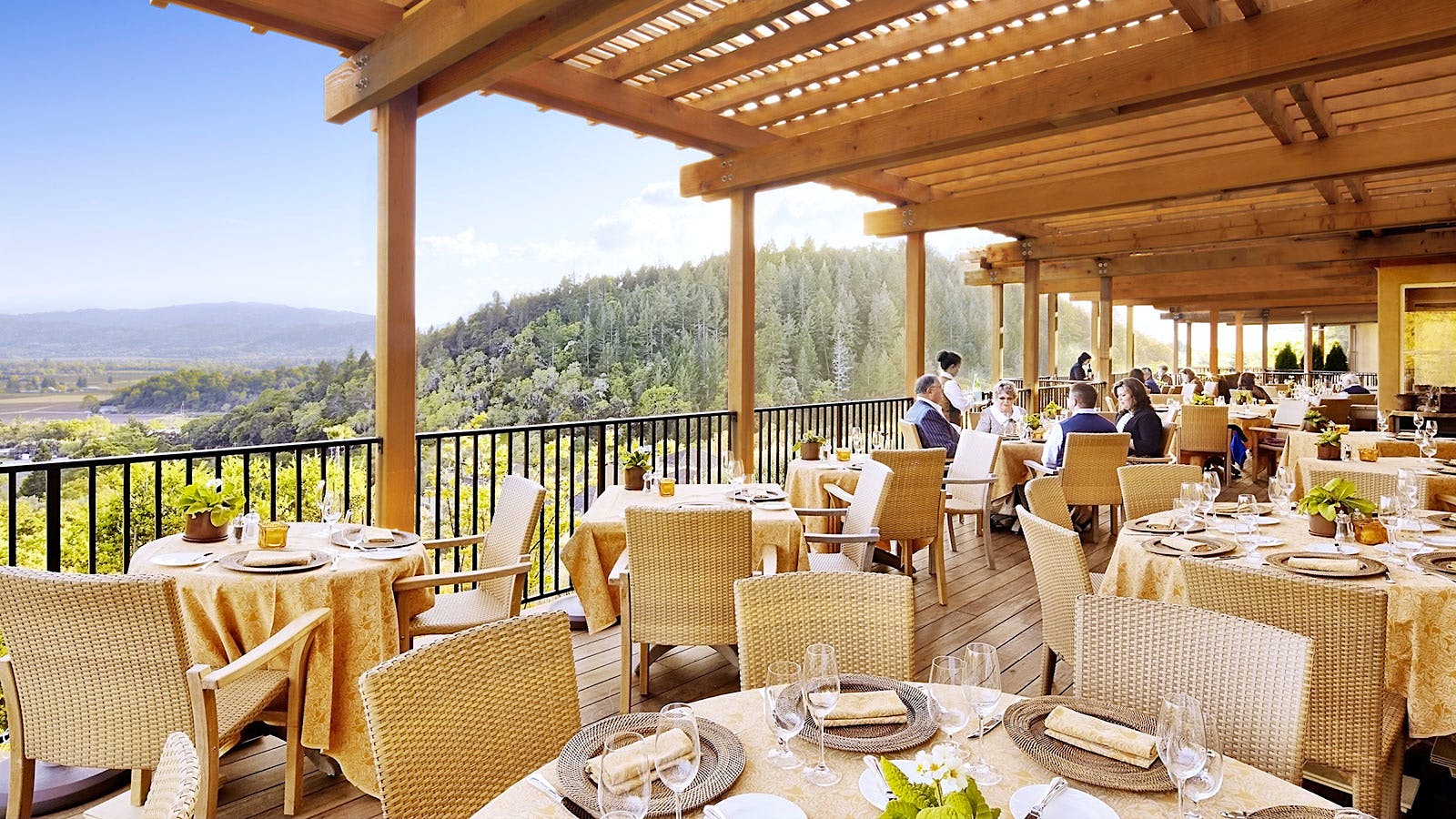
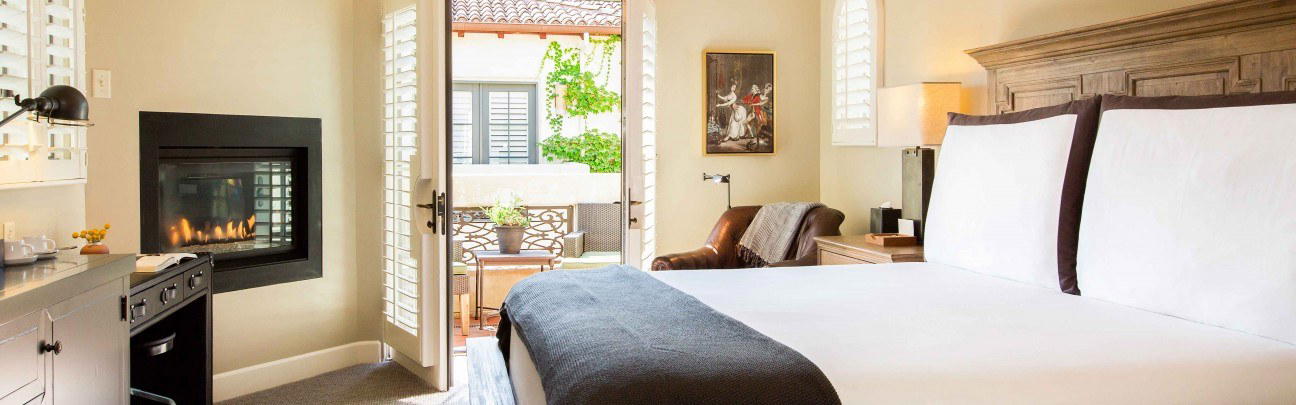
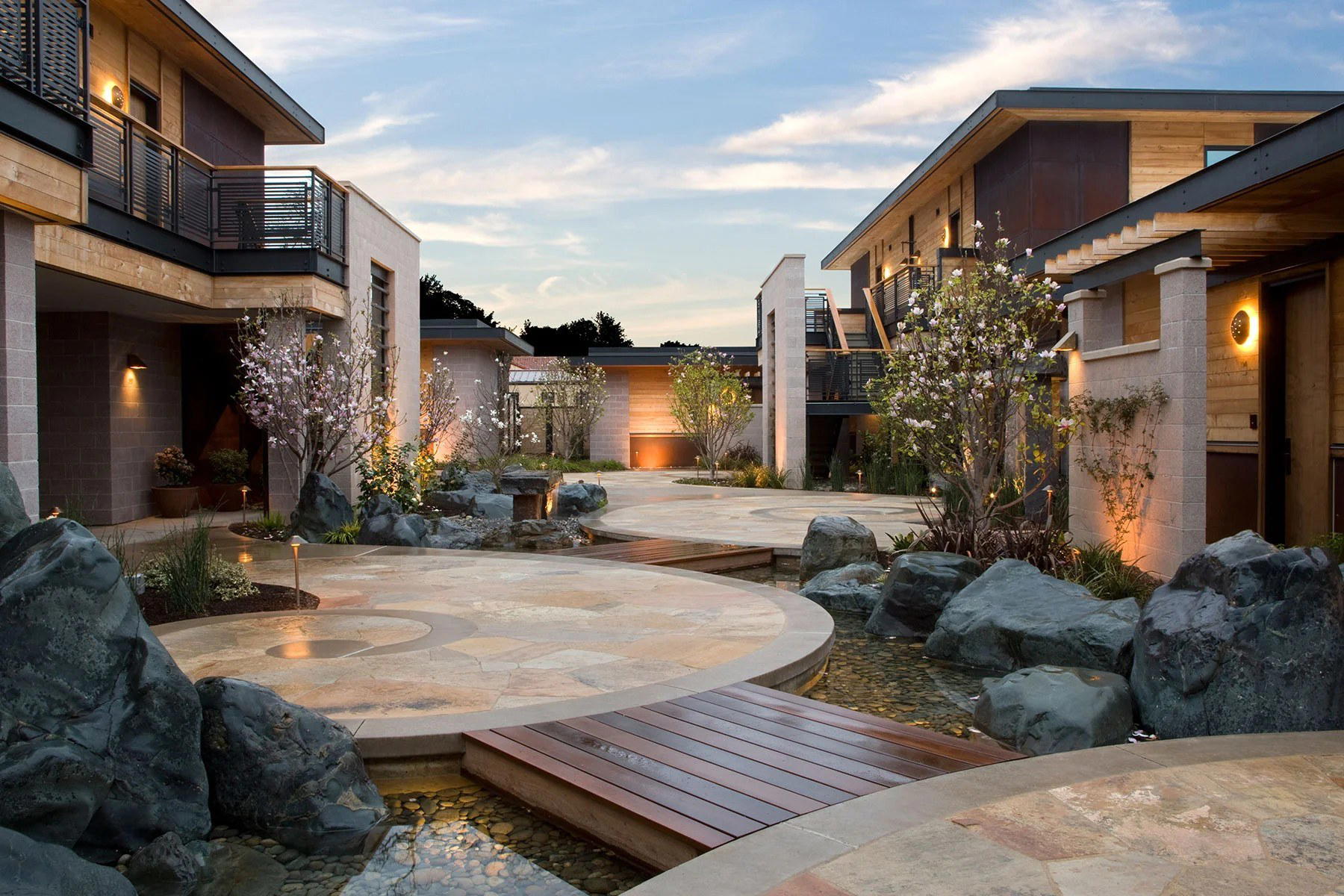
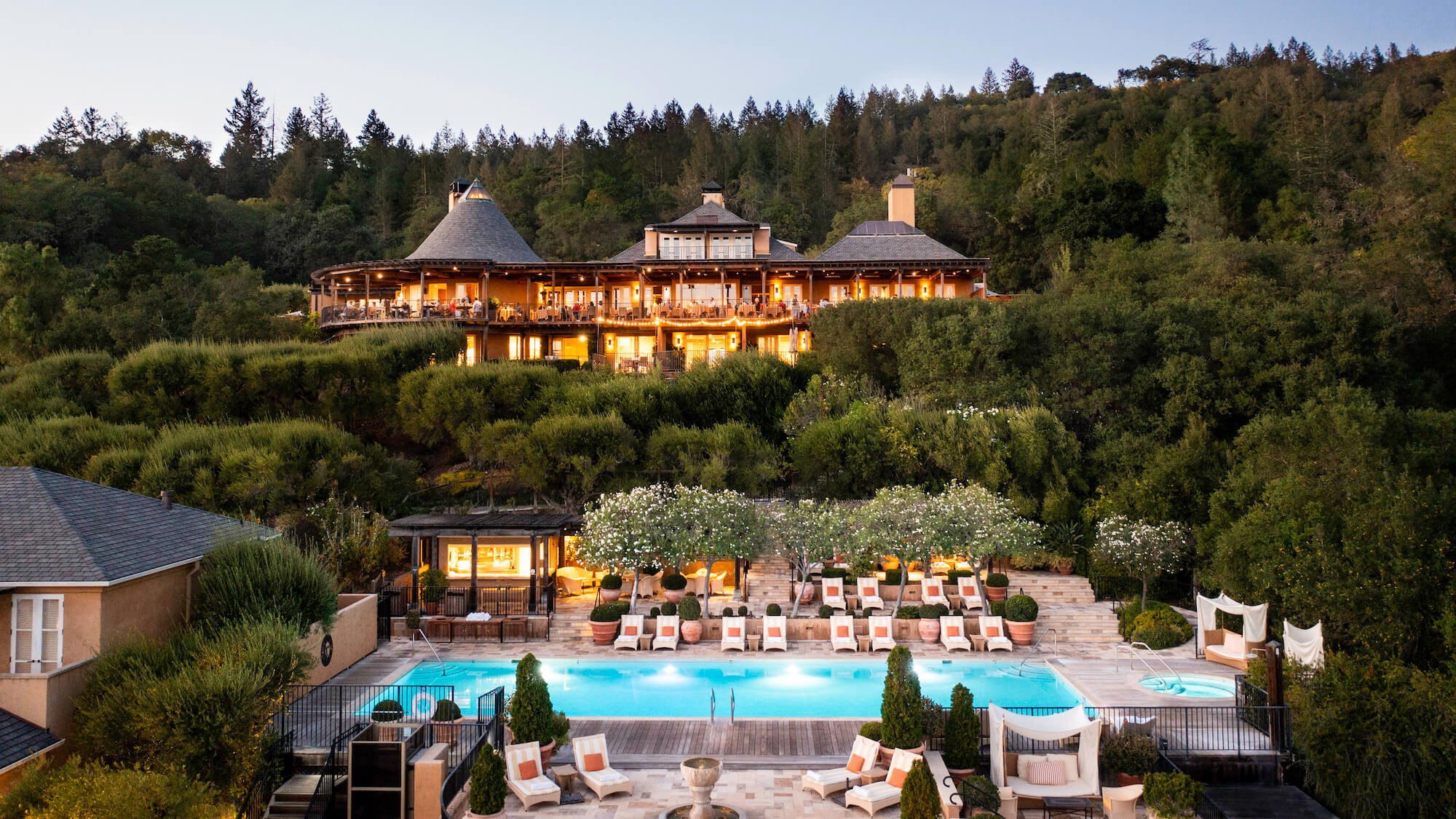
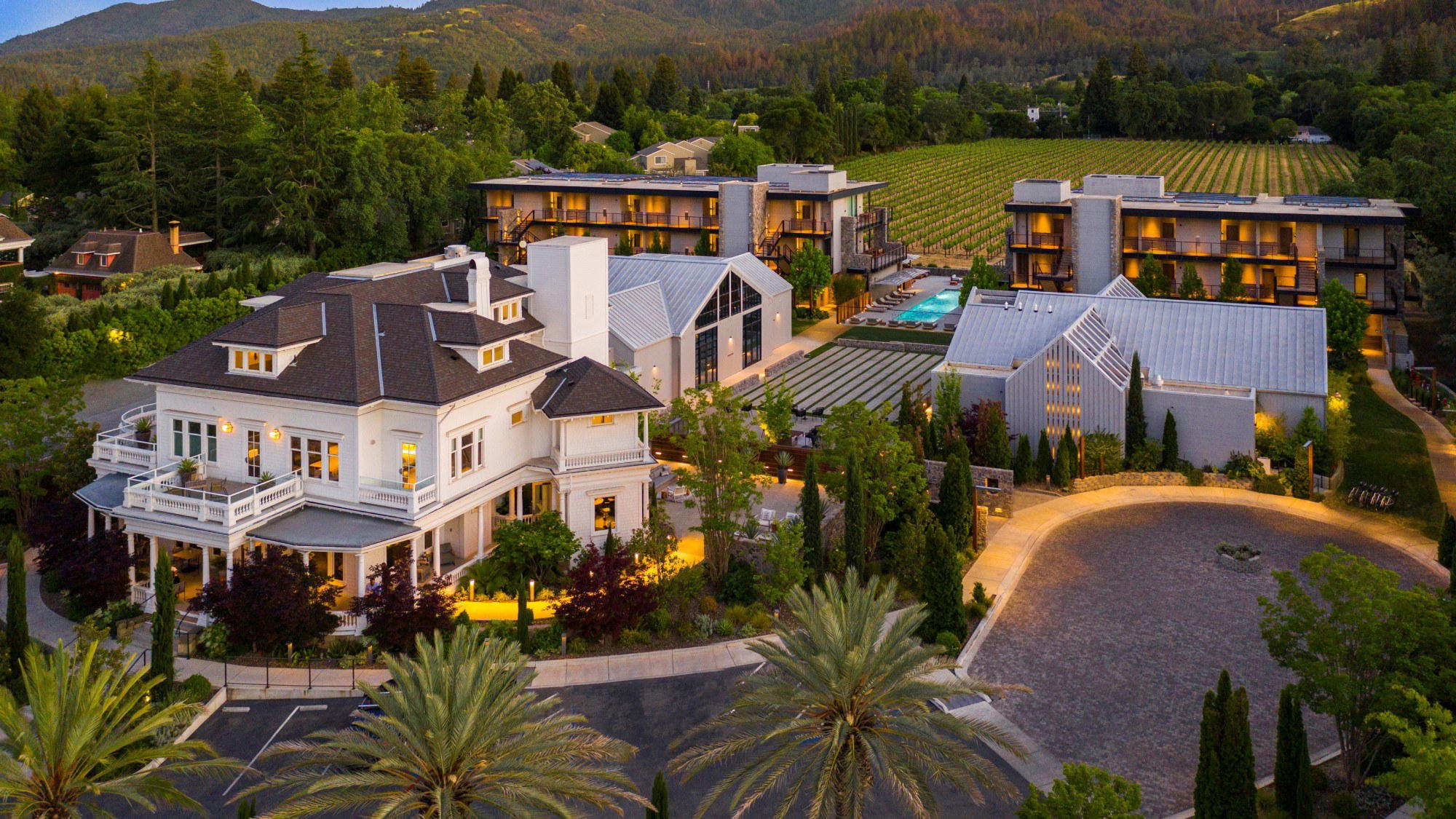
Pristine, elegant spaces with high ceilings, water features, fireside seating, and far-reaching valley views create a sophisticated yet relaxed atmosphere.