Press Restaurant






1 Michelin Star · Star Wine List · Wine Spectator Grand Award
Our verdict
Press Restaurant holds a Michelin star and ranks among Napa Valley's most serious wine destinations, with a cellar of 2,700 selections and 10,000 bottles weighted heavily toward California. Chef Philip Tessier brings fine-dining credentials to a modern American menu that reads as distinctly Napa: produce-forward, technically precise, and calibrated to complement the valley's wines rather than compete with them.

Pearl is the En Primeur Club membership app — saves, bookings, and concierge access live there. Same editors, same standards.
- Address
- 587 St Helena Hwy, St Helena, CA 94574
- Phone
- (707) 967-0550
- Website
- pressnapavalley.com
- Directions
- Get directions
- Booking
- Book on OpenTable
The menu
What to order
- Caviar pretzel
- Ricotta gnudi
- Black truffle-glazed chicken
- 21-day tomahawk
Where the Wine Country Dining Equation Gets Serious
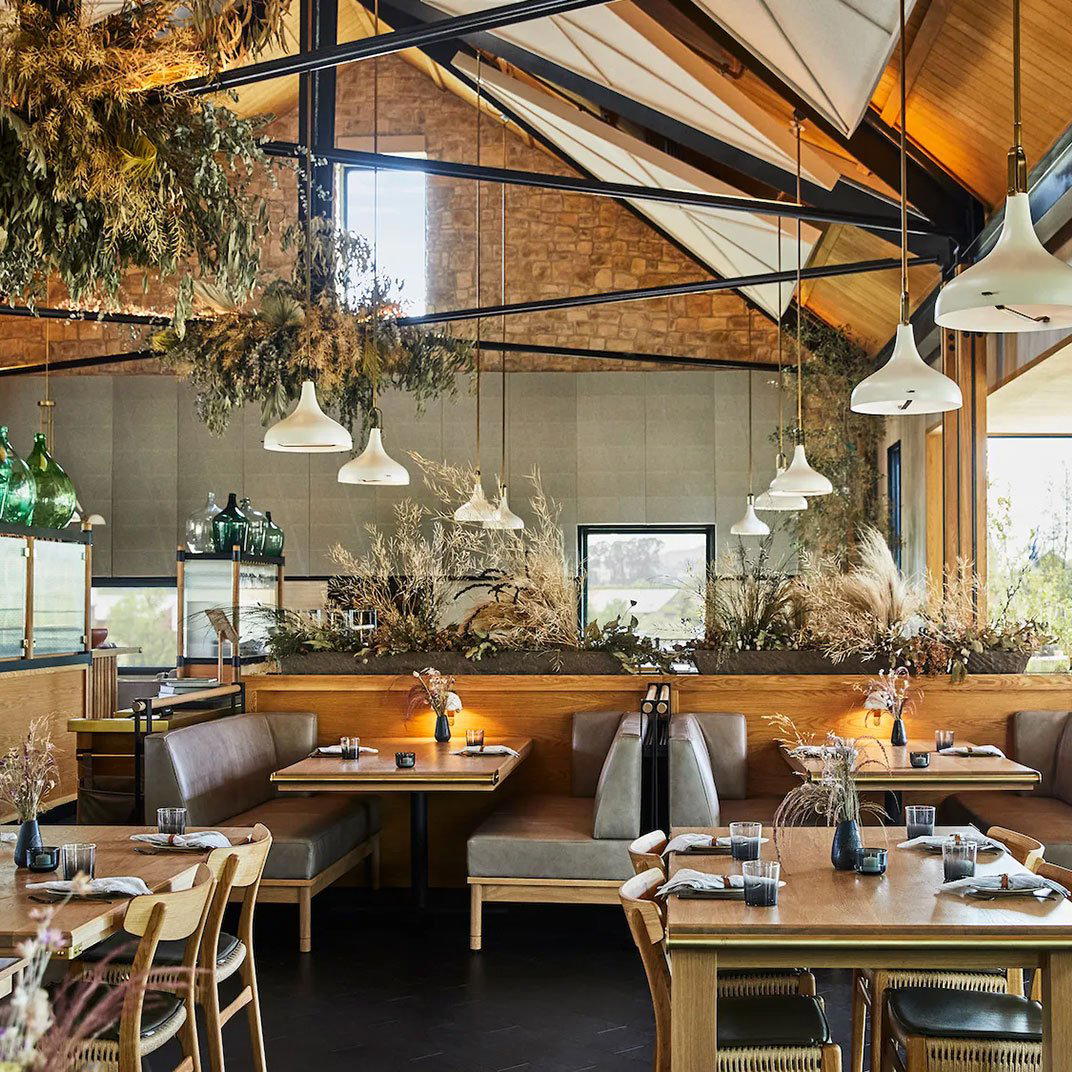
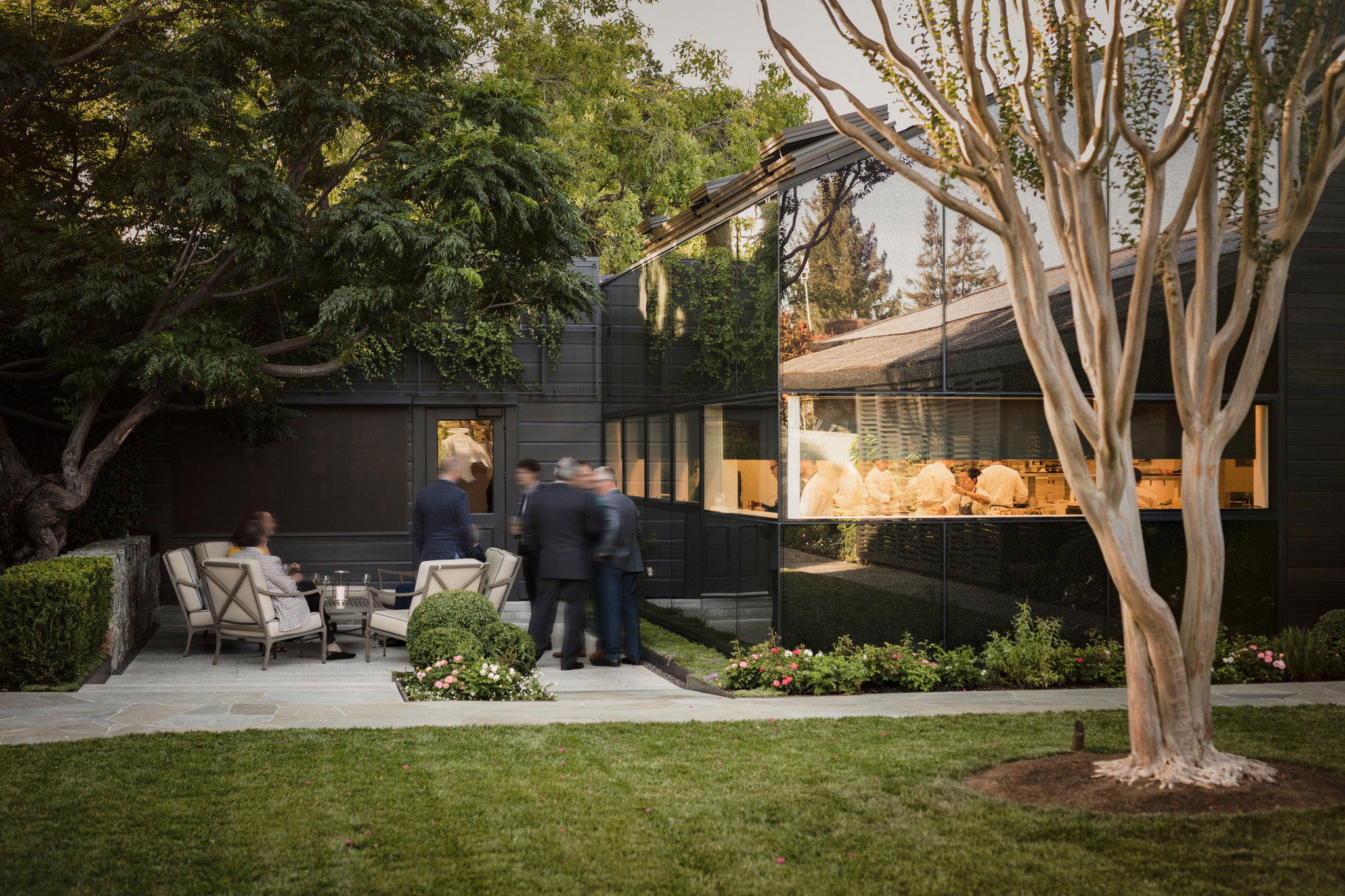
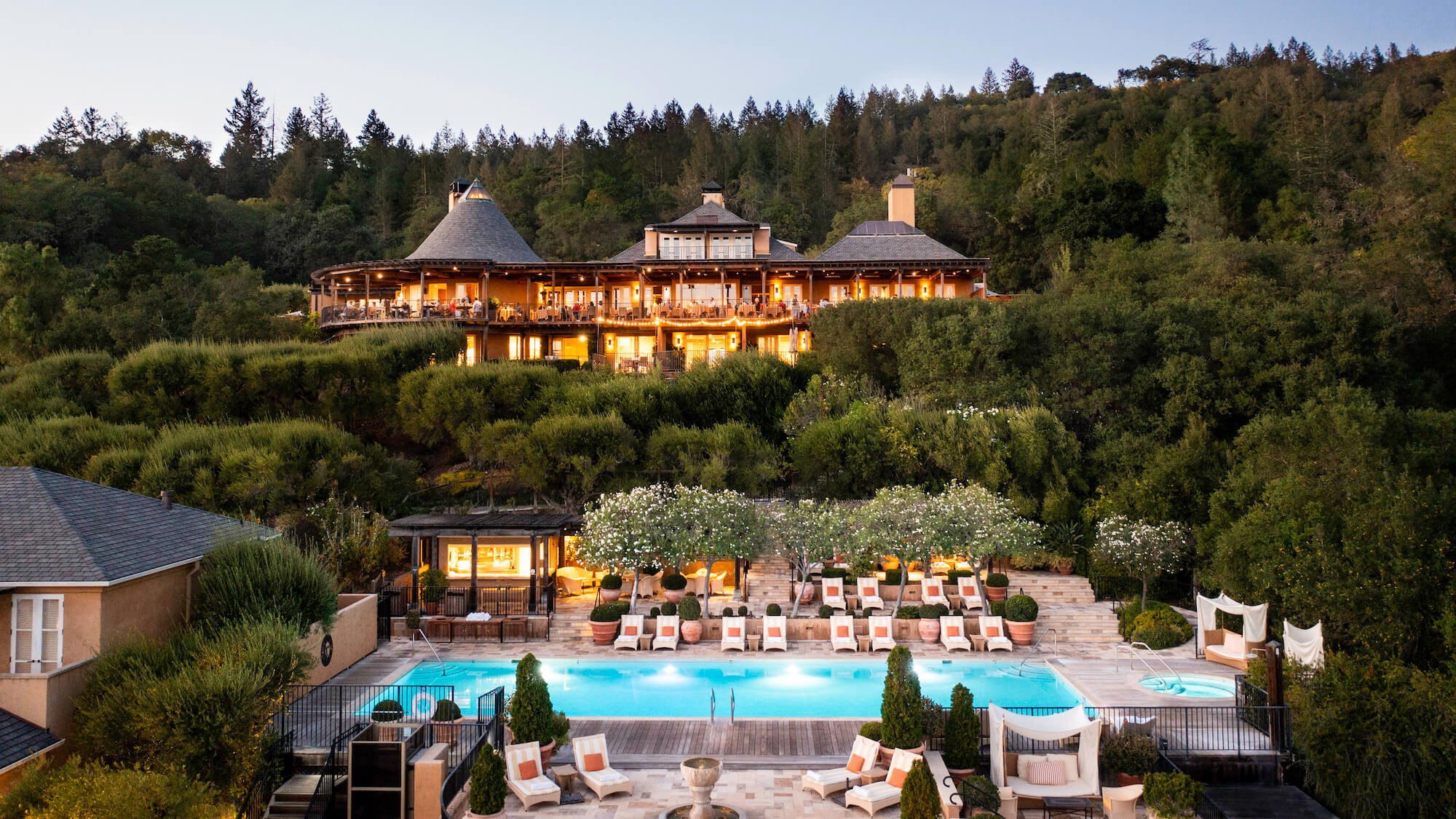
Off Highway 29 in St. Helena, the physical setting of Press does a lot of editorial work before a dish arrives. Lofty ceilings, a working fireplace, and a decorative ceramic clock salvaged from a New York train station give the room a particular weight — the atmosphere of a place that has been here long enough to develop its own mythology. Wine Country dining rooms often chase rusticity or gallery-white minimalism; Press reads differently, closer to a well-worn private club than a hospitality concept. The crowd skews established rather than aspirational, and the energy is unhurried in a way that evening dining in the valley's more performance-oriented rooms rarely allows.
That setting matters because Press has always positioned itself around a specific thesis: that Napa Valley wine deserves a restaurant built to showcase it on its home turf, with food that matches rather than distracts. When Leslie Rudd — founder of the Dean & DeLuca luxury grocer franchise and proprietor of Rudd Winery in Oakville, opened Press, it was widely credited as the first Napa restaurant to take Napa wine as its primary subject rather than a supporting element. That framing has shaped everything since, including the scale of the cellar and the calibration of the kitchen.
Chef Philip Tessier and the Shift in Register
Fine-dining kitchens in California's wine country have long navigated a tension between precision-driven technique and the relaxed, produce-centric ethos the region sells to visitors. Chef Philip Tessier's arrival at Press is a useful lens for understanding where that tension currently sits. Tessier's professional history runs through Le Bernardin in New York City, one of the most technically exacting kitchens in American fine dining, a room where classical French discipline and exceptional sourcing are treated as non-negotiable standards rather than aesthetic choices.
The arrival of a chef with that lineage raises a specific question that the food world is watching: whether rigorous classical technique and the valley's vegetable-forward, terroir-focused cooking can be synthesized rather than traded off against each other. Opinionated About Dining, which ranked Press at #212 in its 2025 Casual North America list (up from #280 in 2024), flagged exactly this curiosity, noting anticipation around whether Tessier would extend the kitchen's attention to vegetables, lean into creativity, and push beyond the comfort zone the restaurant had occupied. The Michelin star, awarded in 2024, signals that the kitchen is operating at a level that rewards the comparison.
Dishes that appear on the menu reflect that positioning: Kusshi oysters with whipped horseradish, citrus-cured snapper with yuzu curd, white truffle risotto, and a chestnut-cognac ice cream over coconut whipped cream. These are not the loose, improvisational plates of a farmer-chef relationship, they are composed, technically deliberate, and priced to match. The yuzu curd detail on the snapper, for instance, is the kind of move you see in kitchens where the cook has spent time inside a classical French framework while assimilating Pacific Rim influences, a trajectory consistent with serious California fine dining. For a broader view of how California chefs at this level approach the format, Lazy Bear in San Francisco and Single Thread Farm in Healdsburg represent adjacent reference points, though their formats differ significantly.
The Wine Program: Depth as a Structural Commitment
No honest account of Press skips the wine list, and not because of marketing positioning. The cellar holds approximately 2,700 selections and an inventory of 10,000 bottles, with Napa Valley and California as the dominant categories. Wine pricing sits at the top tier of the Opinionated About Dining scale, meaning the list carries significant depth in bottles above $100, and the corkage fee runs $120.
Wine Director Tyler Potts and Sommelier Ryanna Kramer manage a list that is, by any measurable standard, among the most substantive Napa-focused collections in a restaurant setting. In a valley where producers at the level of Harlan, Screaming Eagle, and Colgin rarely appear outside of private cellars and auction houses, a restaurant with this scale of inventory and curatorial intent occupies a different category from properties that treat the wine list as an amenity rather than a program. The Rudd family ownership provides obvious context, Rudd Winery's Oakville estate is itself a serious California producer, but the breadth of the list extends well beyond house allegiances.
For comparison, The French Laundry in Napa operates at the top of the valley's fine dining hierarchy with its own deep cellar, but at a higher price point and in a more formal register. Press occupies a different position: Michelin-starred but more accessible in atmosphere, with a wine program that arguably makes it the more direct expression of what Napa's restaurant scene has historically aspired to be.
Within the broader American fine dining conversation, the $$$$-tier Michelin-starred restaurant with a serious wine program is well-populated. Addison in San Diego, Providence in Los Angeles, and nationally, rooms like Alinea in Chicago and Atomix in New York City all hold starred status at comparable price points. What distinguishes Press is the wine-first identity, in most of those rooms, the sommelier program is a complement to the kitchen's vision. At Press, the relationship is inverted, or at minimum, genuinely equal.
That structural inversion matters for how you approach a meal here. Diners who arrive focused purely on the food will find a Michelin-starred kitchen operating at a high level, but the full argument Press makes requires engaging with the list. The $$$$ cuisine pricing reflects a two-course meal above $66, placing it in the tier where expectations around composition and sourcing are appropriately high.
Planning a Visit
Press operates dinner service seven days a week, with service running from 5 PM to 8:30 PM Sunday through Thursday, and 5 PM to 9 PM on Fridays and Saturdays. The restaurant is located at 587 St. Helena Highway, directly on Highway 29, which is the main artery through the valley and accessible without navigating secondary roads. St. Helena's position in the mid-valley means visitors based in Yountville or Calistoga are within a short drive, and the highway location makes it a practical anchor for an evening after winery visits further north or south.
Reservations are advisable rather than optional at this level. The combination of Michelin recognition, a wine list of this depth, and a dining room that draws Napa's established wine community means tables fill on predictable patterns. Evening timing in the earlier windows allows access to the fireplace ambiance at its most atmospheric, particularly in the cooler months when valley temperatures drop after sunset.
For more on what St. Helena offers beyond a single restaurant, see our full St. Helena restaurants guide, our full St. Helena hotels guide, our full St. Helena bars guide, our full St. Helena wineries guide, and our full St. Helena experiences guide. Broader California comparisons worth considering include Single Thread Farm in Healdsburg and Lazy Bear in San Francisco. For those building a multi-city American fine dining itinerary, Blue Hill at Stone Barns in Tarrytown, The Inn at Little Washington, Emeril's in New Orleans, and Albi in Washington, D.C. represent reference points at comparable ambition levels. International diners tracking starred kitchens may also reference 8 1/2 Otto e Mezzo Bombana in Hong Kong.
Frequently asked questions
What price level is Press Restaurant?
Pricing at Press Restaurant is listed as $$$$.
| Venue | Cuisine | Price | Awards | Notes |
|---|---|---|---|---|
| Press RestaurantThis venue — the venue you are viewing | Modern Napa Valley Fine Dining | $300–500 | 1 Michelin Star · Star Wine List | Not listed |
| Le Bernardin | French Seafood Fine Dining | $300–500 | 3 Michelin Stars · World's 50 Best #13 | French, Seafood |
| Atomix | Modern Korean Tasting Menu | $300–500 | 2 Michelin Stars · World's 50 Best #7 | Modern Korean, Korean |
| Lazy Bear | Modern American Tasting Menu | Not listed | 2 Michelin Stars · World's 50 Best #25 | Progressive American, Contemporary |
| Alinea | Avant-Garde Molecular Gastronomy | $300–500 | 2 Michelin Stars · World's 50 Best #37 | Progressive American, Creative |
| Masa | Seasonal Hokkaido Tempura Omakase | $150–200 | Tabelog 100 #34 | Sushi, Japanese |
Recognition history
Dated appearances from independent guides and award organizations, with the underlying list record or original source where available.
Michelin 1 Star
Michelin
Star Wine List
Star Wine List
Opinionated About Dining Casual in North America Recommended
Opinionated About Dining
Wine Spectator Grand Award
Wine Spectator
We're Smart World 1 Radish
We're Smart World
Full recognition history (15 entries)
Michelin 1 Star
Michelin
Opinionated About Dining Casual in North America Ranked #212
Opinionated About Dining
Wine Spectator Grand Award
Wine Spectator
Michelin 1 Star
Michelin
Opinionated About Dining Casual in North America Ranked #280
Opinionated About Dining
World's Best Wine Lists Awards WBWL Category Winner
World's Best Wine Lists Awards
Opinionated About Dining Casual in North America Recommended
Opinionated About Dining
World's Best Wine Lists Awards WBWL 3-Star
World's Best Wine Lists Awards
World's Best Wine Lists Awards WBWL Category Winner
World's Best Wine Lists Awards
World's Best Wine Lists Awards WBWL 3-Star
World's Best Wine Lists Awards
Continue exploring
More in St. Helena
Restaurants in St. Helena
Browse all →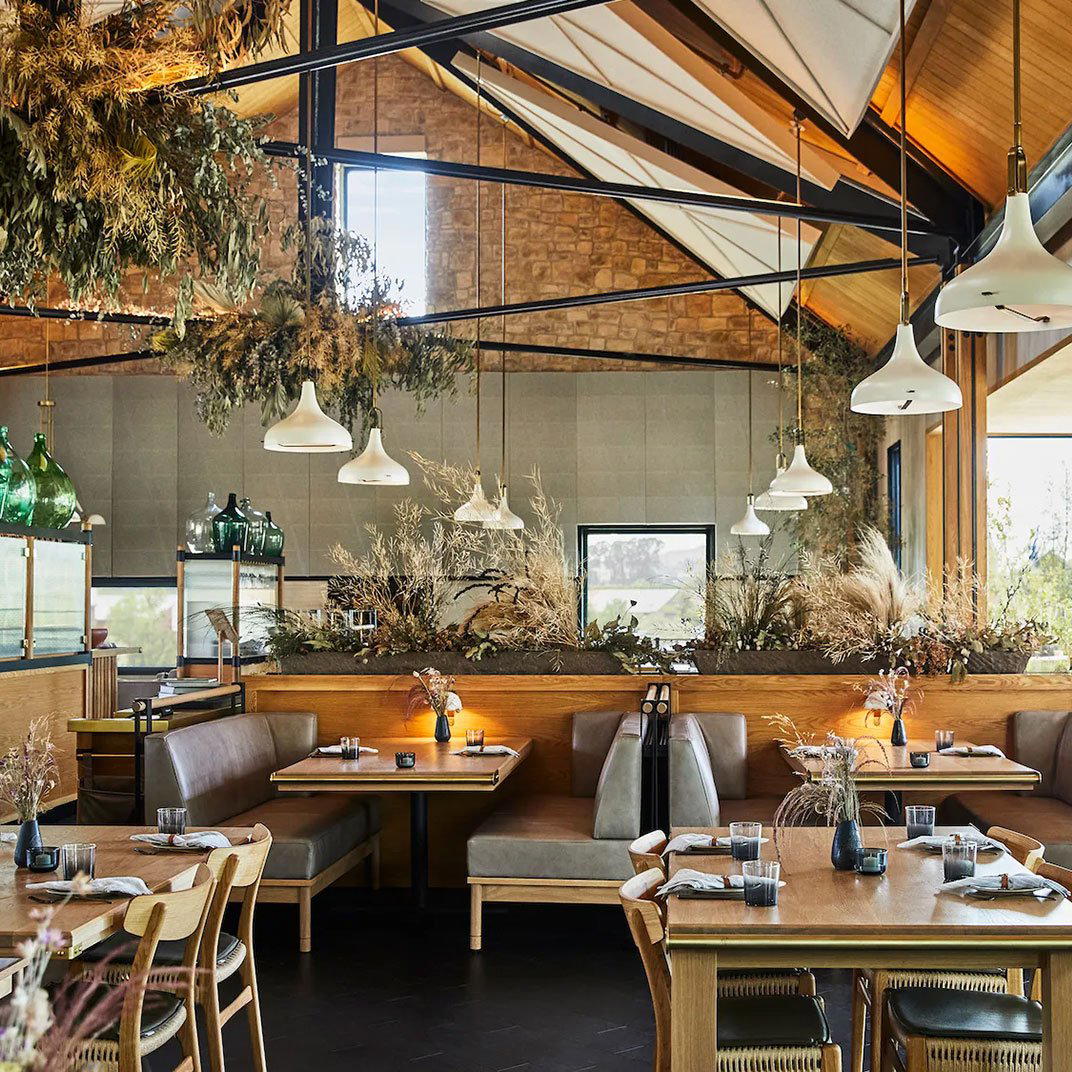
Bars in St. Helena
Browse all →
Hotels in St. Helena
Browse all →
Details
- Elegant
- Sophisticated
- Cozy
- Modern
- Date Night
- Special Occasion
- Celebration
- Open Kitchen
- Private Dining
- Wine Cellar
- Extensive Wine List
- Sommelier Led
- Farm To Table
- Local Sourcing
- Mountain
- Vineyard
- Tasting Menu
- Vegetarian Friendly
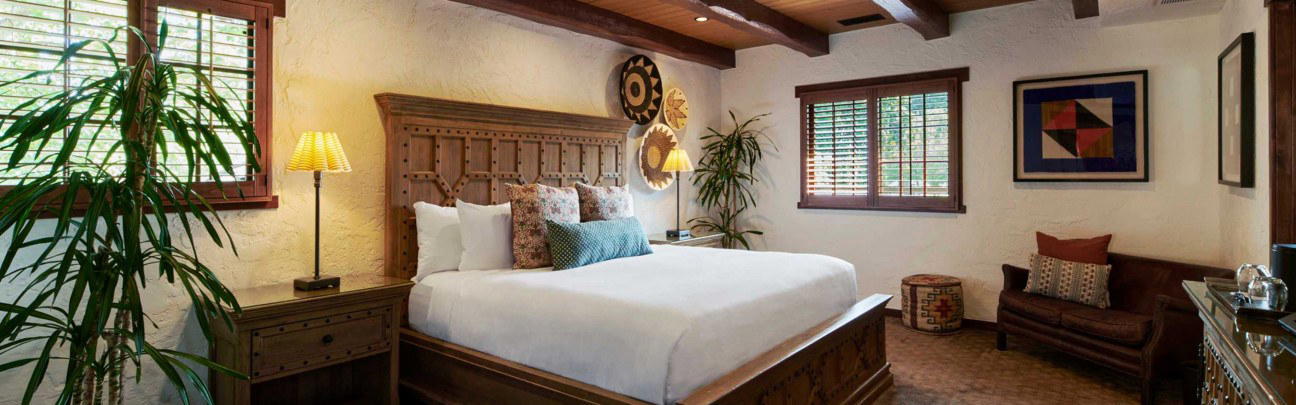
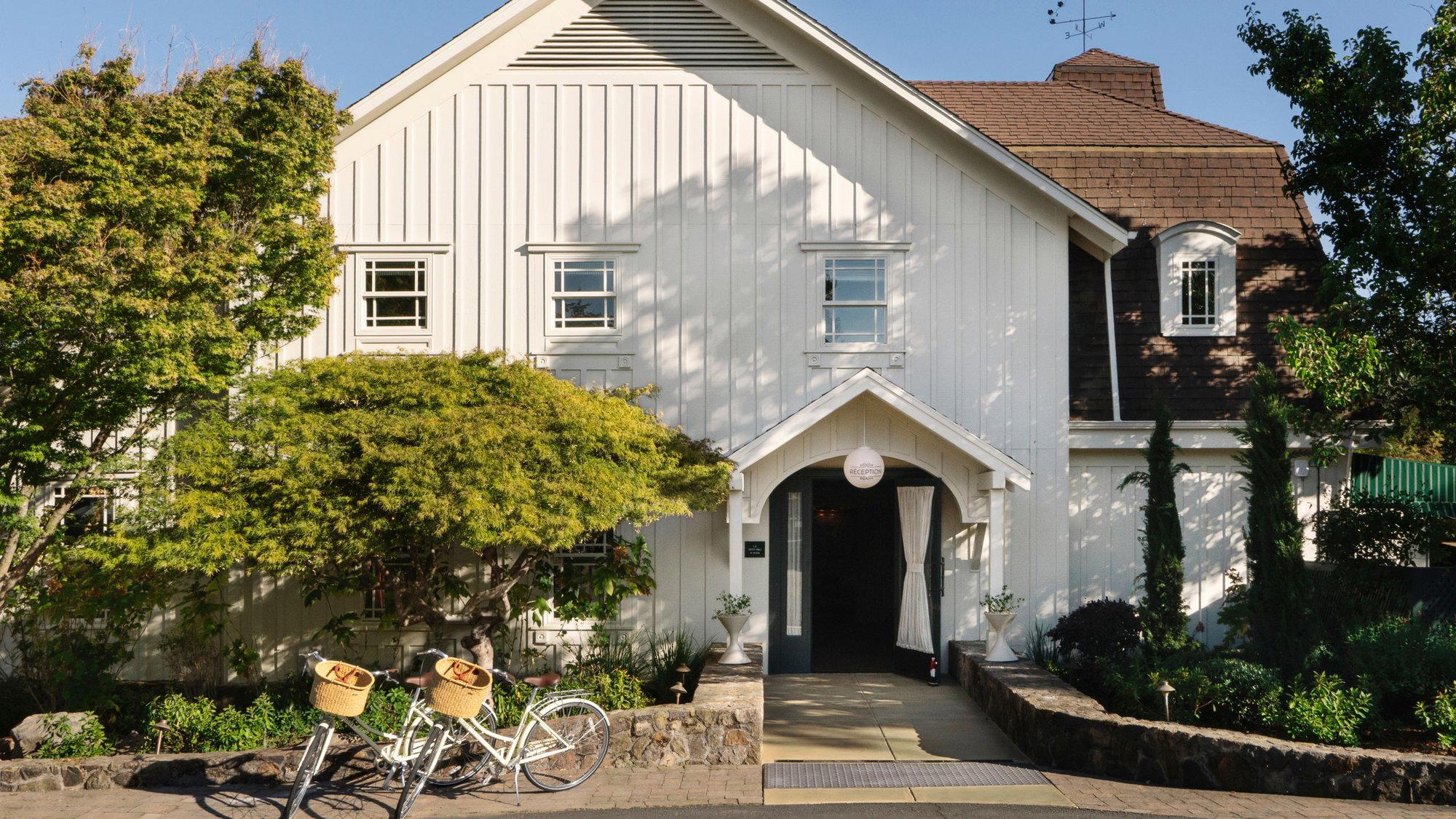
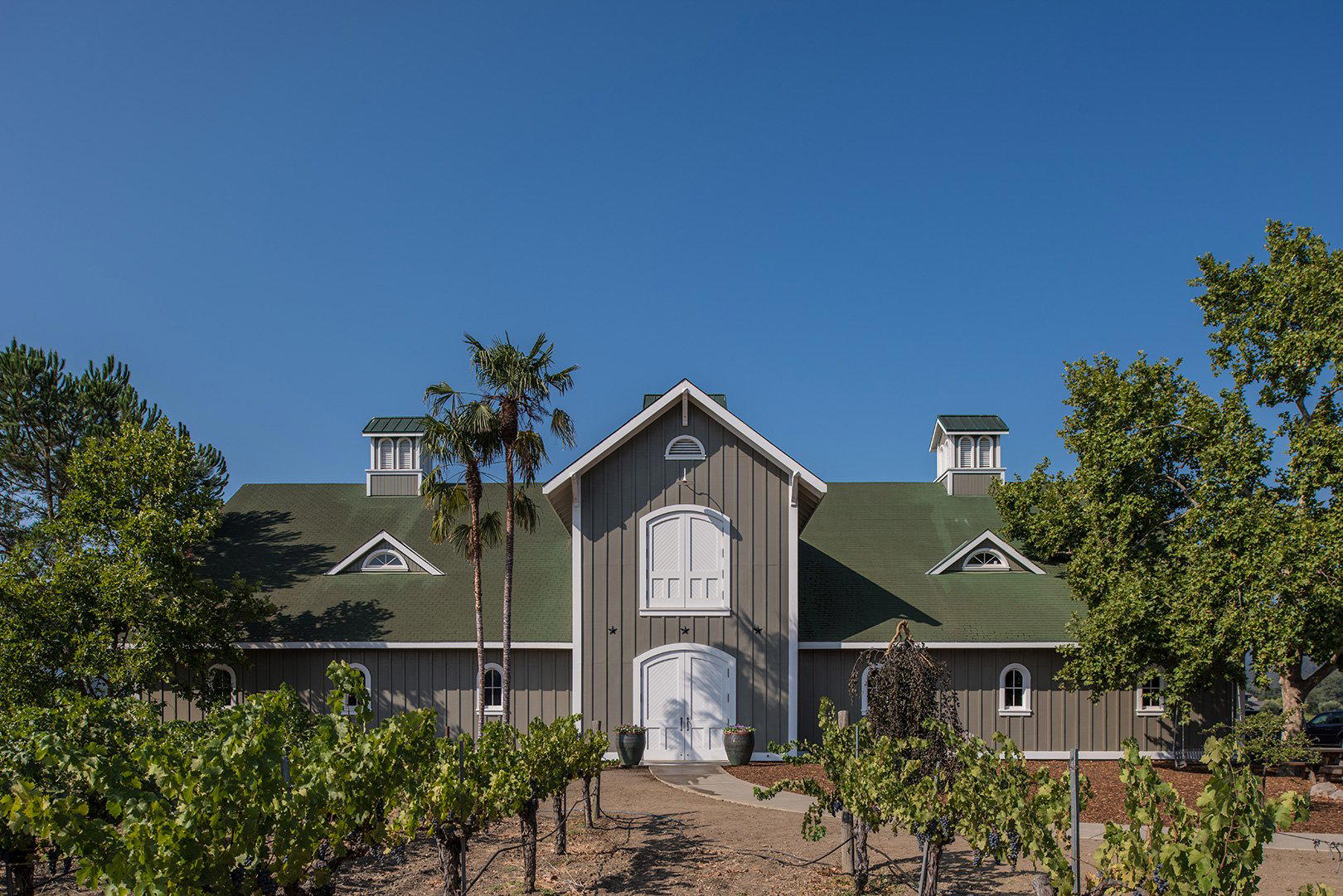
Light, airy refined modern farmhouse atmosphere with fireplaces, warm and inviting, transforming beautifully at sunset.