Palmaz Vineyards
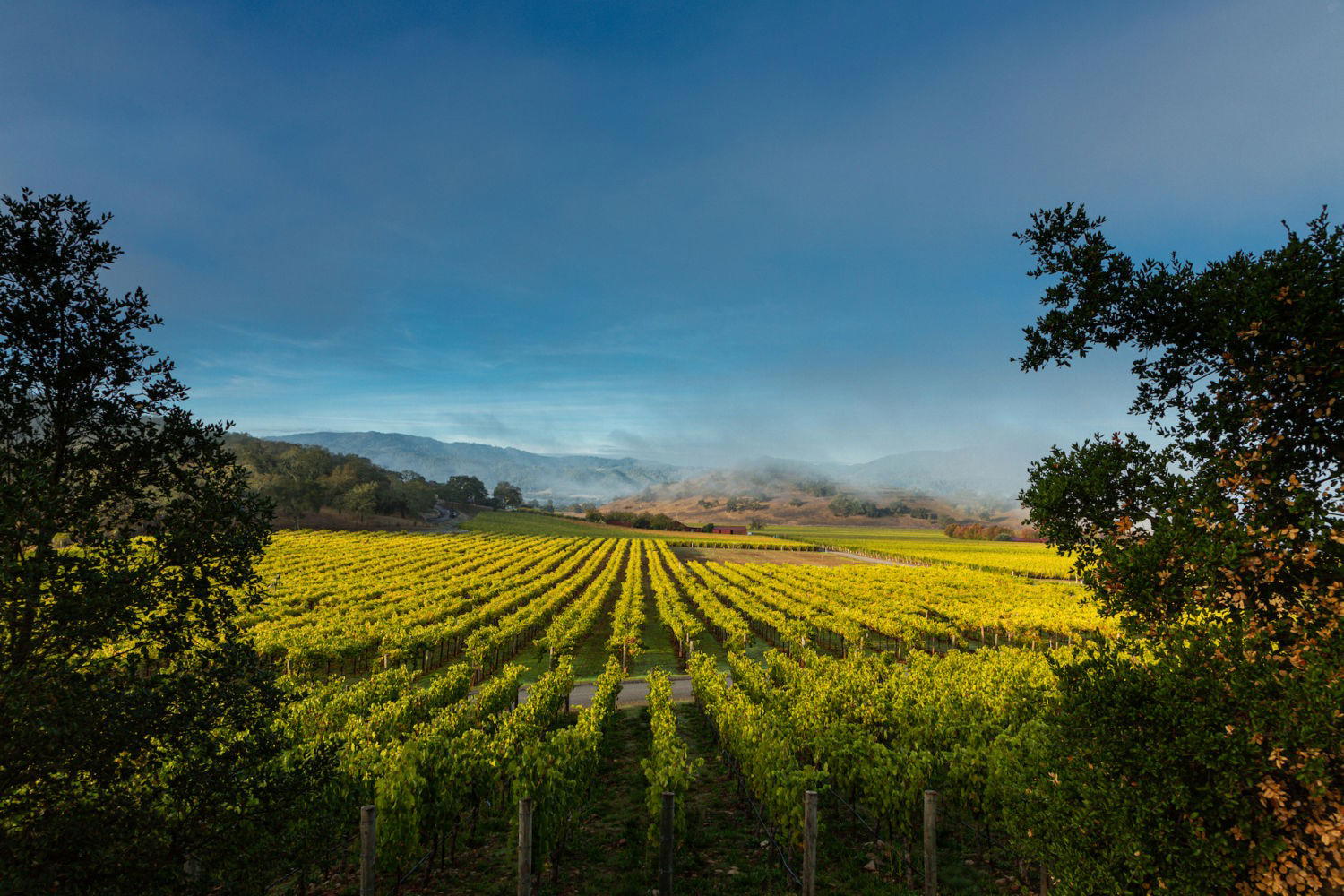
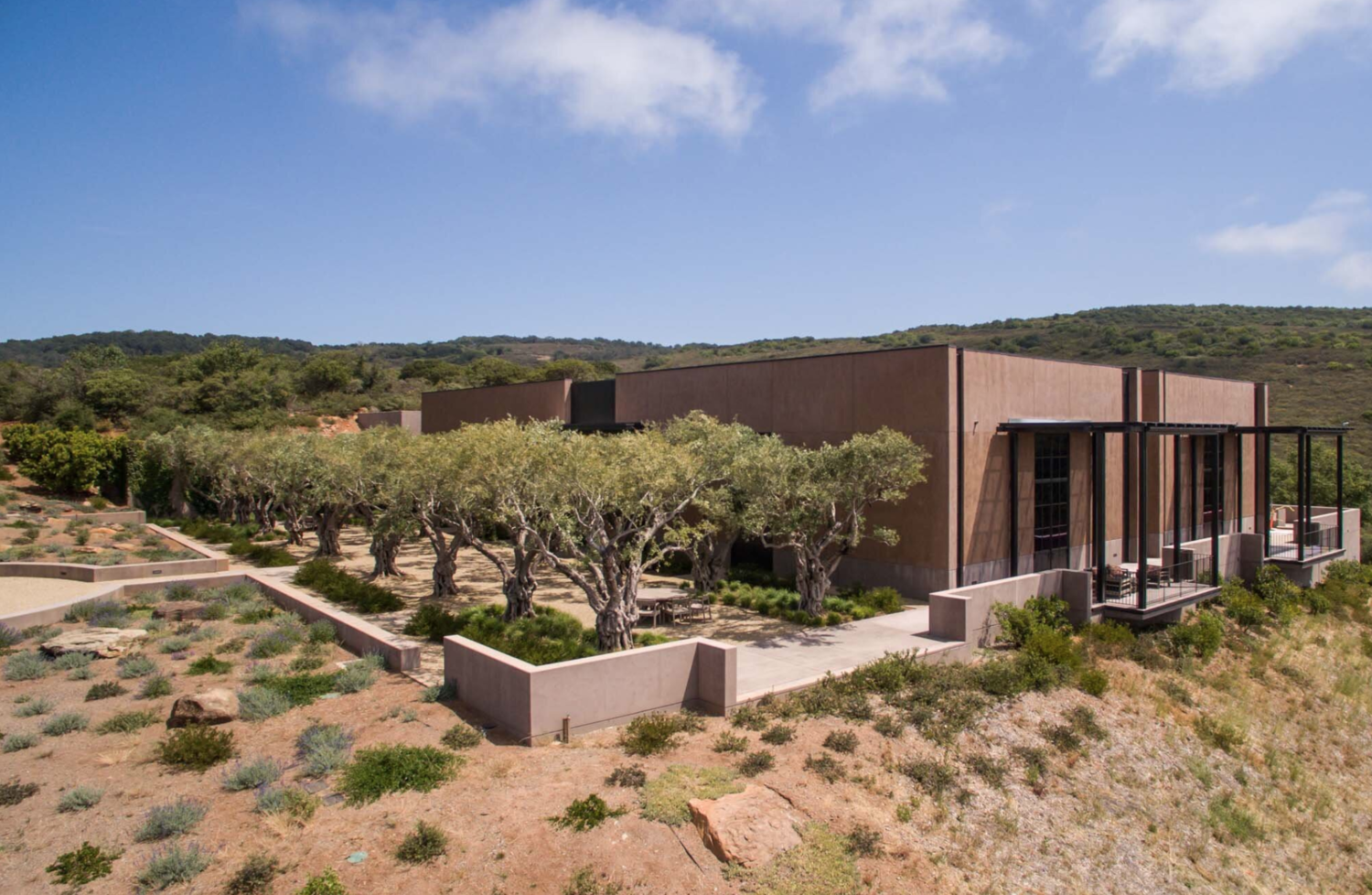
Palmaz Vineyards sits on the eastern slopes of Napa's Atlas Peak appellation. Access is by appointment only, placing it firmly in the allocation-and-relationship tier of Napa producers. Plan well in advance: this is not a drop-in tasting room but a destination that rewards those who arrange visits deliberately.
Pearl is the En Primeur Club membership app — saves, bookings, and concierge access live there. Same editors, same standards.
- Address
- 4029 Hagen Rd, Napa, CA 94558
- Phone
- +1 707-226-5587
- Website
- palmazvineyards.com
- Directions
- Get directions
 Saves & bookings on Pearl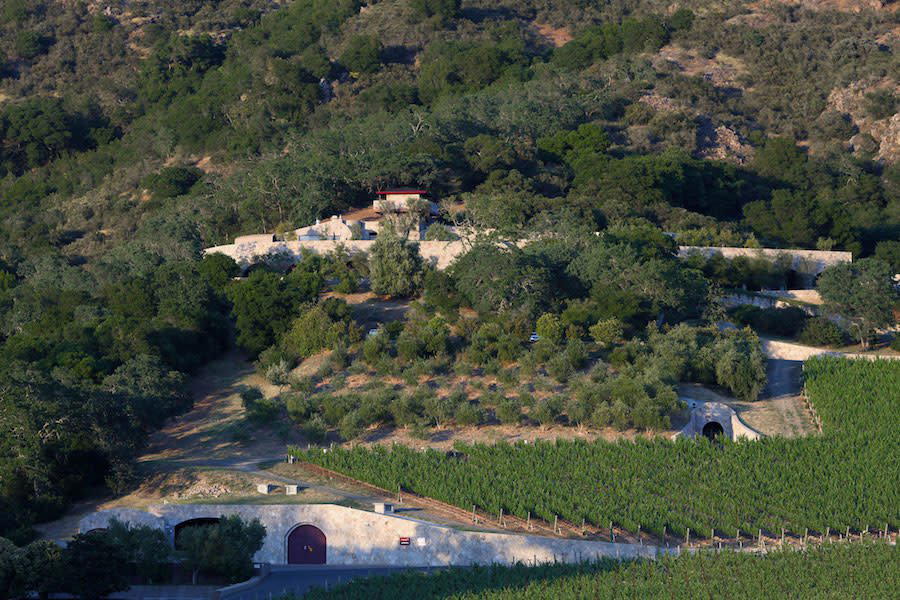
Arriving at the Eastern Edge of Napa
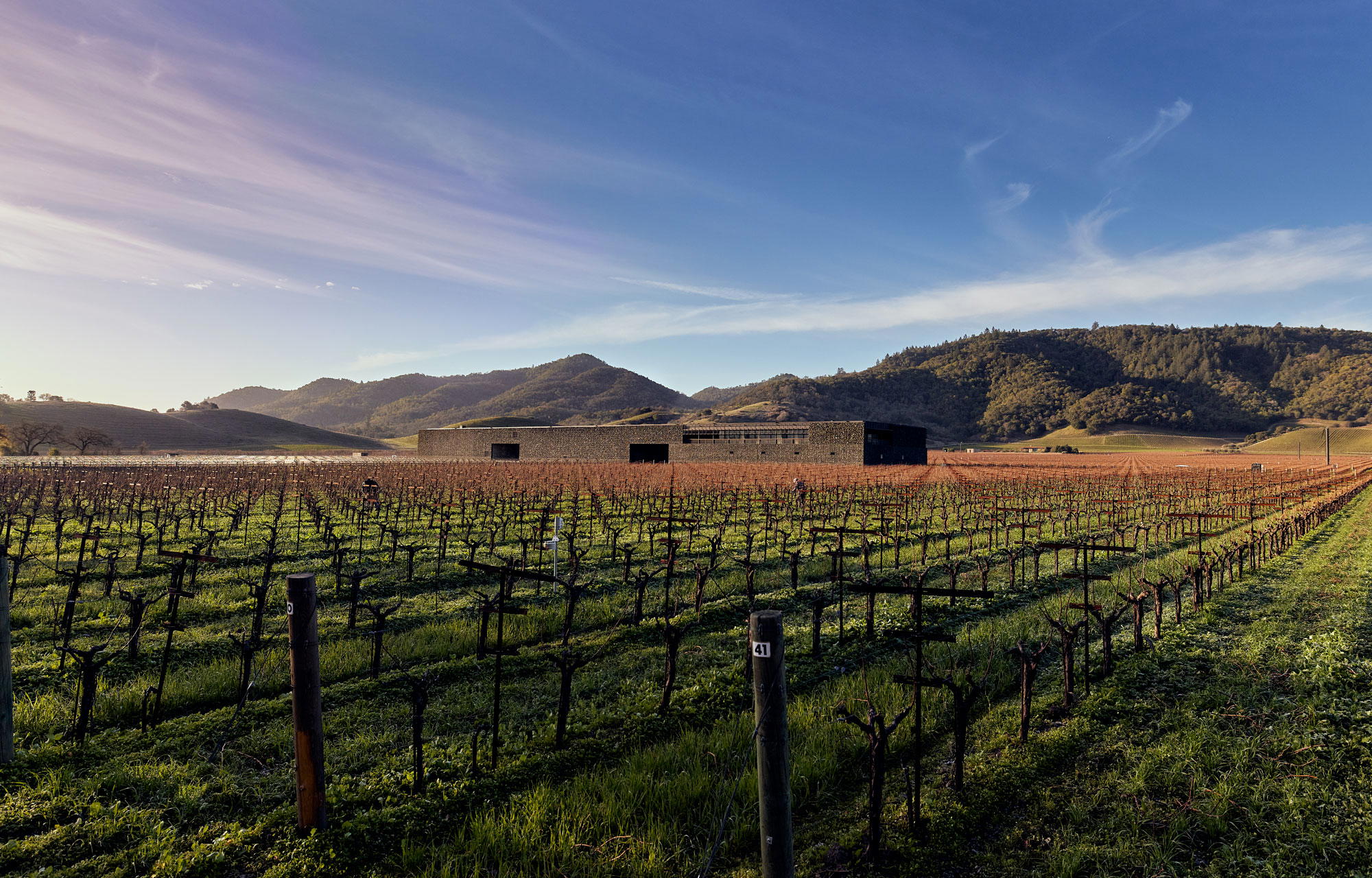
The drive east from downtown Napa on Hagen Road signals a shift in register before you reach the property. Atlas Peak's elevation separates Palmaz Vineyards from the valley-floor corridor where most Napa tasting rooms cluster, and the approach reflects that separation. You are not heading toward a hospitality campus designed for high-volume foot traffic. The terrain here, cooler and steeper than the Oakville or Rutherford benchlands, has historically attracted producers who treat the appellation boundary itself as a statement of intent. In that respect, Palmaz belongs to a cohort of estate producers that use geography as a filtering mechanism: if you made it here, you came deliberately.
The Appointment Economy
Napa's upper tier has largely migrated away from walk-in formats. The shift accelerated through the 2010s as allocation-based producers recognised that selective access was itself a quality signal, not merely a capacity constraint. Palmaz Vineyards operates within this model. Visiting requires advance coordination rather than a spontaneous arrival, and that changes the calculus of planning a Napa trip significantly if this property is on your list.
If you are building a Napa itinerary around multiple estate visits, Palmaz should be your first booking. Lead times at comparable estate-access properties in the valley can extend several weeks during peak harvest season in October and through the spring release window. Demand tracks awards closely in this segment of the market.
Producers at this appointment-only tier in Napa tend to structure visits around the winemaking facility and cellar as much as the tasting room. Darioush Winery and Blackbird Vineyards represent adjacent positions in Napa's by-appointment cohort, each with distinct architectural and hospitality formats that reward the same advance-planning approach.
Seasonal Timing and the Case for Visiting Outside Harvest
Harvest season in Napa draws the largest volume of visitors and the greatest competition for appointment slots at prestige producers. The window from late August through October fills fastest. For Palmaz specifically, the eastern hillside position means the property experiences harvest timing that can differ slightly from valley-floor estates, though the broader visitor demand follows the same calendar compression as the rest of the valley.
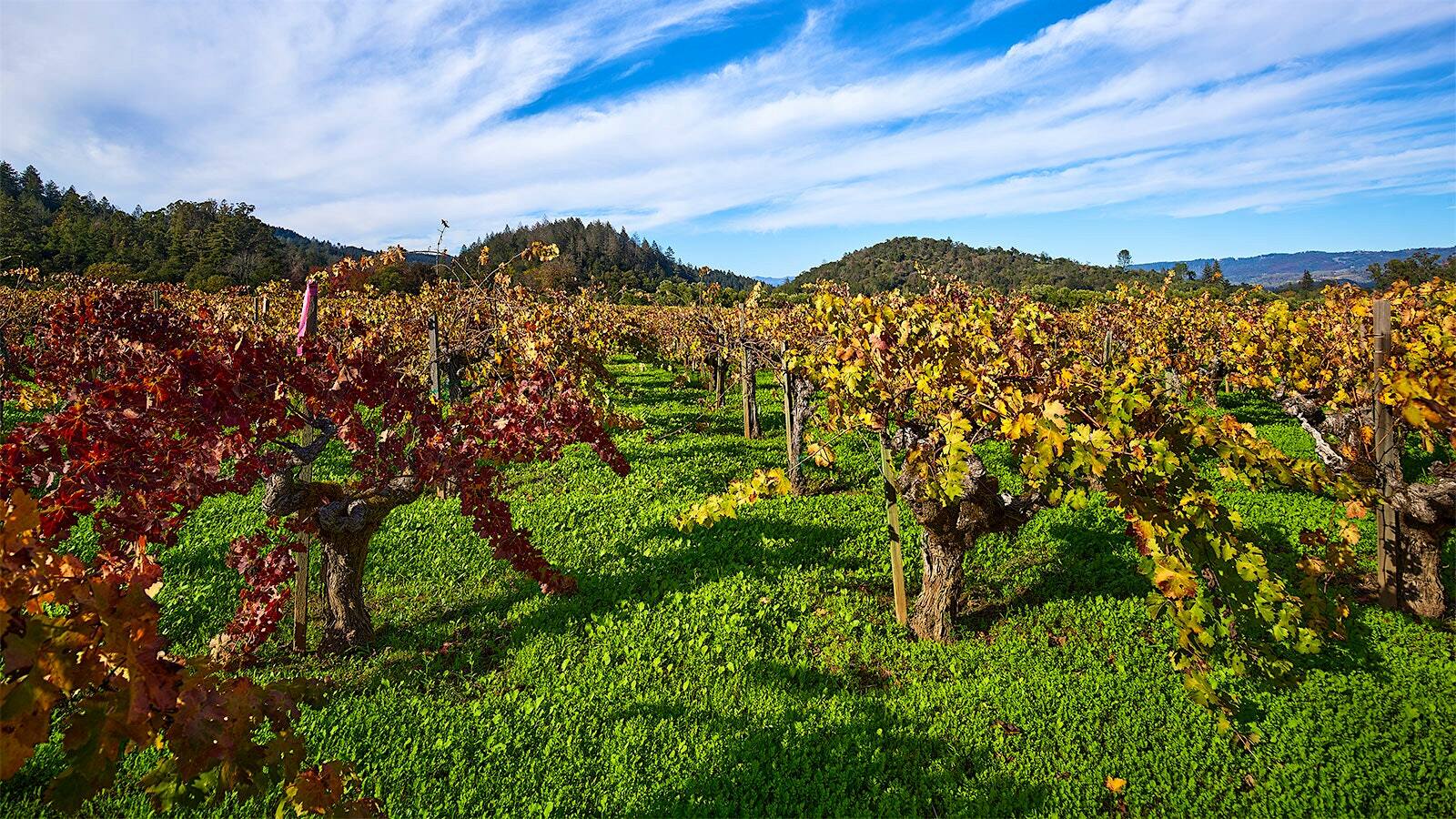
The argument for visiting in late winter or early spring is direct. January through March sees fewer competing visitors, and producers at the prestige tier are often more available for extended conversations about recent vintages and upcoming releases. Spring, particularly April through early June before summer tourism accelerates, offers a second window with fully leafed vines and moderate temperatures. Both periods allow the kind of unhurried visit that the appointment-only format is designed to produce.
Other estate producers in the broader California premium tier manage similar seasonal dynamics. Adelaida Vineyards in Paso Robles and Alban Vineyards in Arroyo Grande both operate with comparable access structures in their respective appellations, and both reward off-peak timing in similar ways.
Where Palmaz Sits in the Napa Prestige Tier
This is not the allocation-by-mailing-list-only tier where bottles never appear on secondary markets, but it is well above the direct-to-consumer tasting room model that dominates the valley's tourist economy. The closest peer comparisons are estate producers with strong appellation identity, hillside positioning, and a hospitality format built around education and access rather than volume throughput.
Within Napa, Artesa Vineyards and Winery and Ashes and Diamonds Winery occupy adjacent positions in the prestige tier, each with differentiated hospitality formats. Clos Selene Winery and Accendo Cellars in St. Helena complete a picture of the Napa prestige segment as a collection of distinct estate identities rather than a uniform category. Palmaz's Atlas Peak positioning separates it geographically from the Silverado Trail and Highway 29 corridors where most of that comparable set operates.
For comparative reference beyond Napa, the appointment-and-allocation model at this prestige level appears consistently across California's premium appellations. Alpha Omega Winery in Rutherford and Alexander Valley Vineyards in Geyserville each demonstrate how different Northern California sub-regions handle the same premium access format with local variation in hospitality structure.
Planning Your Visit: What to Know Before You Go
The address at 4029 Hagen Road places Palmaz on Napa's eastern hillside, away from the valley-floor infrastructure that makes spontaneous winery-hopping difficult. Allow additional travel time from downtown Napa; the road ascent to hillside properties in this area is not comparable to a flat-valley drive between tasting rooms. A private car or hired driver is the practical choice: rideshare availability becomes less reliable at these distances from central Napa.
Visiting requires advance booking, consistent with the appointment-only model. The appropriate approach is direct outreach via the winery's official channels, confirmed through their website. Given the 2025 prestige recognition, appointment availability should be treated as genuinely limited rather than as a pro forma requirement. Reaching out six to eight weeks ahead of a planned visit is a sensible baseline; more lead time is advisable during peak windows.
Expect a premium price tier, in line with the estate-access format.
Producers in comparable international prestige categories, whether in Bordeaux, Burgundy, or further afield in regions covered by the EP Club network such as Aberlour in Aberlour or Achaia Clauss in Patras, operate with broadly similar advance-booking expectations. The principle that distinguished producers prioritise depth of experience over volume of visitors is consistent across premium wine regions globally. Adelsheim Vineyard in Newberg and Andrew Murray Vineyards in Los Olivos represent the same format logic applied to Oregon and Santa Barbara County respectively.
Comparable Options
Comparable venues nearby, for context on price, style, and recognition.
| Venue | Cuisine | Price | Notes |
|---|---|---|---|
| Palmaz VineyardsThis venue — the venue you are viewing | Cabernet Sauvignon, Cabernet Franc | $$$$ | Not listed |
| Kongsgaard | Chardonnay, Syrah | $$$$ | Atlas Peak |
| Lewis Cellars | Cabernet Sauvignon, Chardonnay | $$$$ | Stags Leap District |
| Covert Estate | Cabernet Sauvignon, Cabernet Franc | $$$$ | Coombsville |
| Arietta | Cabernet Sauvignon, Cabernet Franc | $$$$ | Carneros |
| Heitz Cellar Estate | Cabernet Sauvignon, Chardonnay | $$$$ | St. Helena |

At a Glance
- Elegant
- Sophisticated
- Scenic
- Historic
- Romantic Getaway
- Special Occasion
- Wine Education
- Cave Tasting
- Vineyard Tour
- Panoramic View
- Historic Building
- Sustainable
- Mountain
- Vineyard
- Napa Valley AVA
- Cabernet Sauvignon
- Cabernet Franc
- Petit Verdot
- Riesling
- Chardonnay
- Grenache
- Malbec
- Merlot
- Muscat Canelli
- Still Red
- Still White
- Still Rosé
- Dessert
- Private Tasting
- Estate Tasting
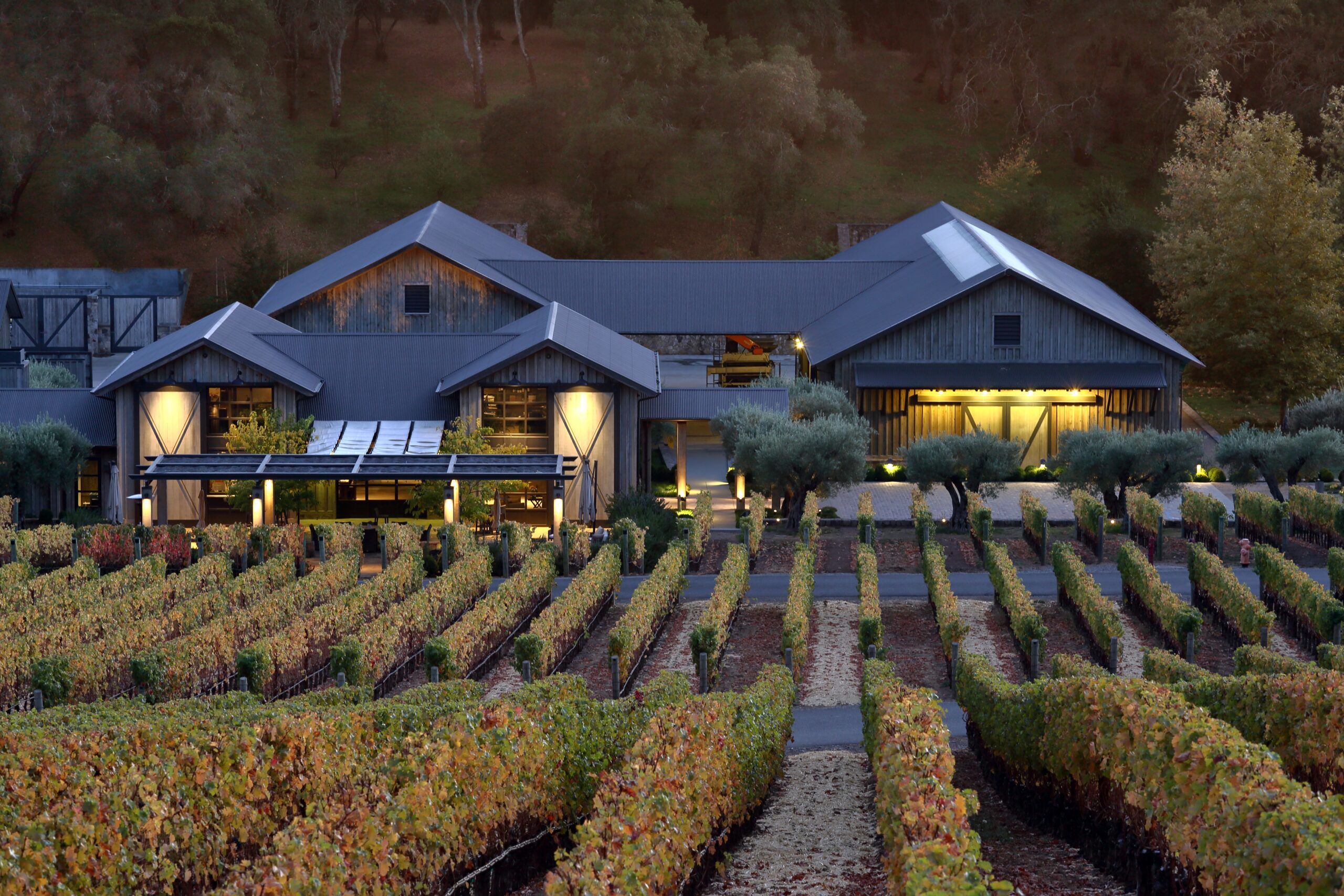
Sophisticated and innovative cave setting with historic elements, offering an elegant, high-tech atmosphere.