Google: 4.6 · 1,364 reviews
Carneros Resort and Spa
Carneros Resort and Spa occupies the southern edge of Napa Valley, where the appellation's cooler fog-laced mornings shape both the agriculture and the pace of a stay. The property operates as a self-contained compound of cottages and communal spaces, with FARM Restaurant and Bar and the adjacent Boon Fly Café serving as genuine gathering points for guests and local regulars alike. It is a useful base for exploring the Carneros AVA and the broader county wine circuit.
 Discover on Pearl
Pearl is the En Primeur Club membership app — saves, bookings, and concierge access live there. Same editors, same standards.
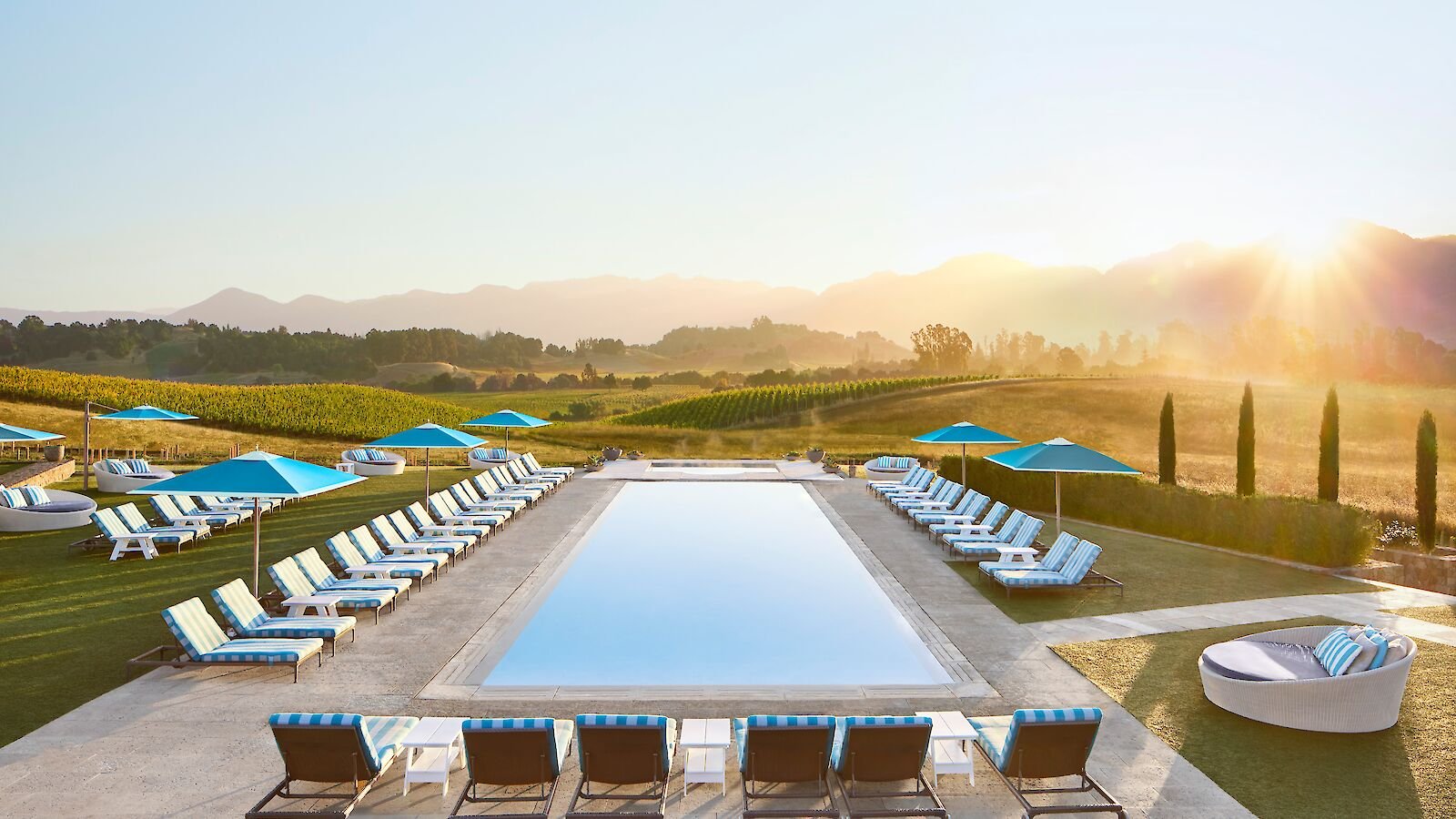
Where Napa's Southern Edge Sets a Different Tempo
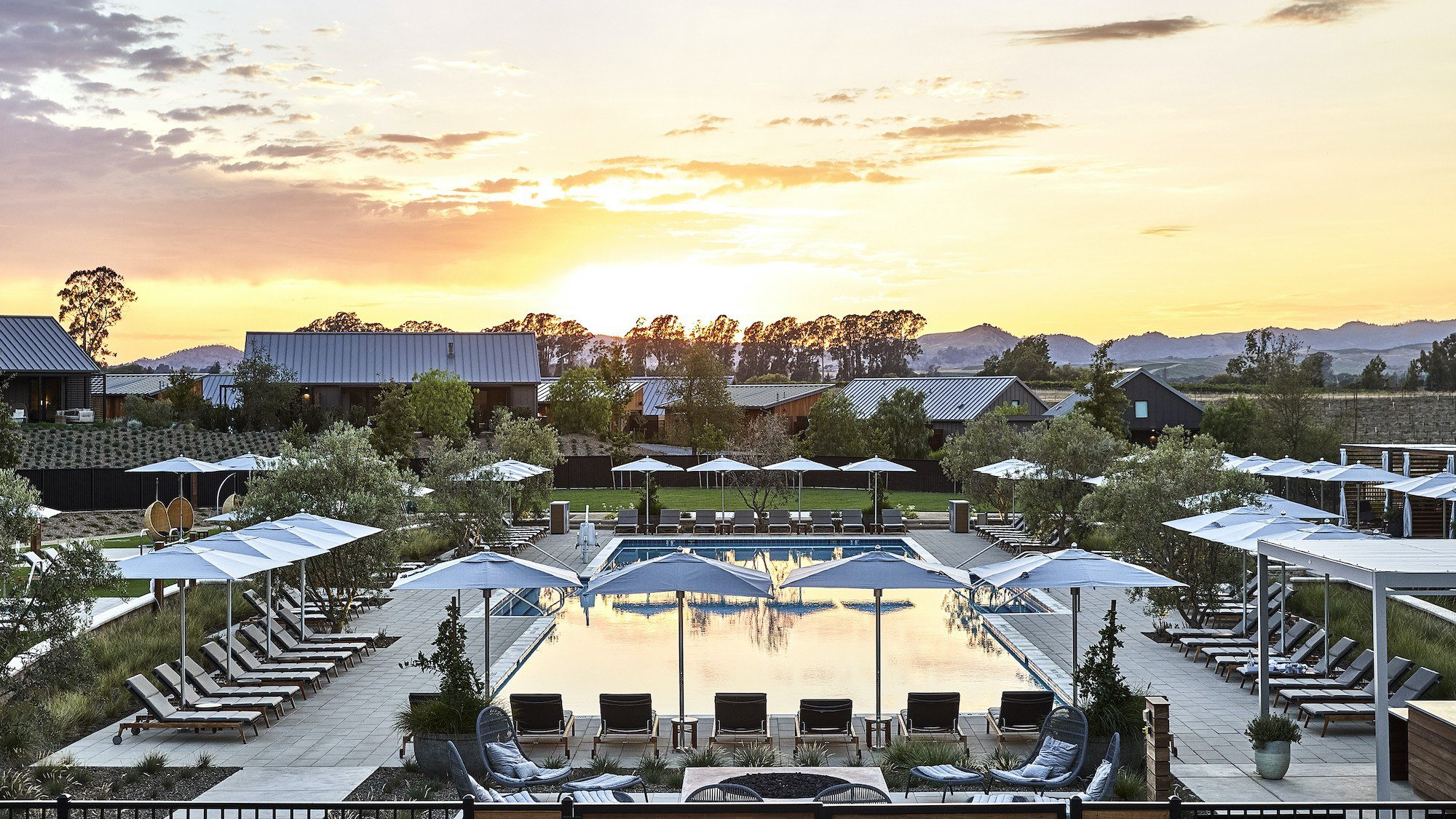
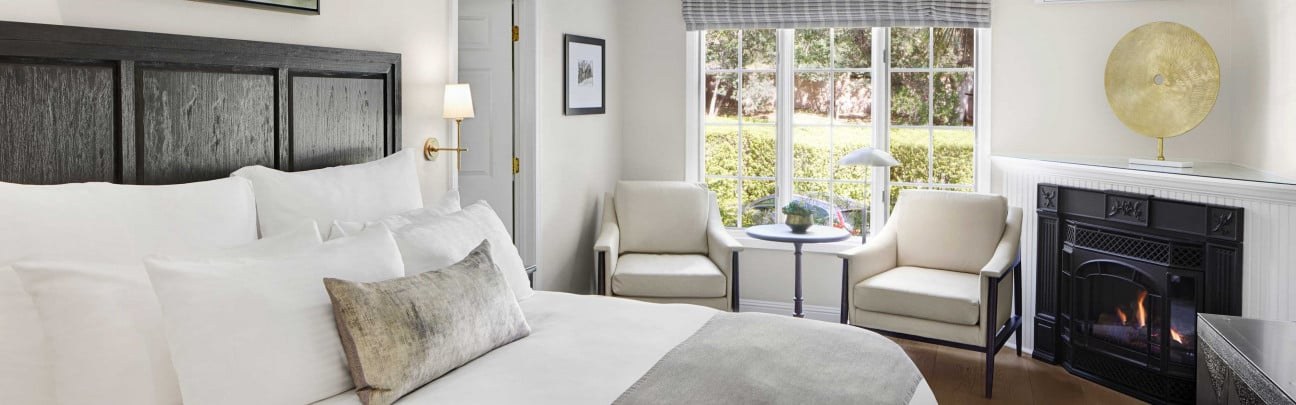
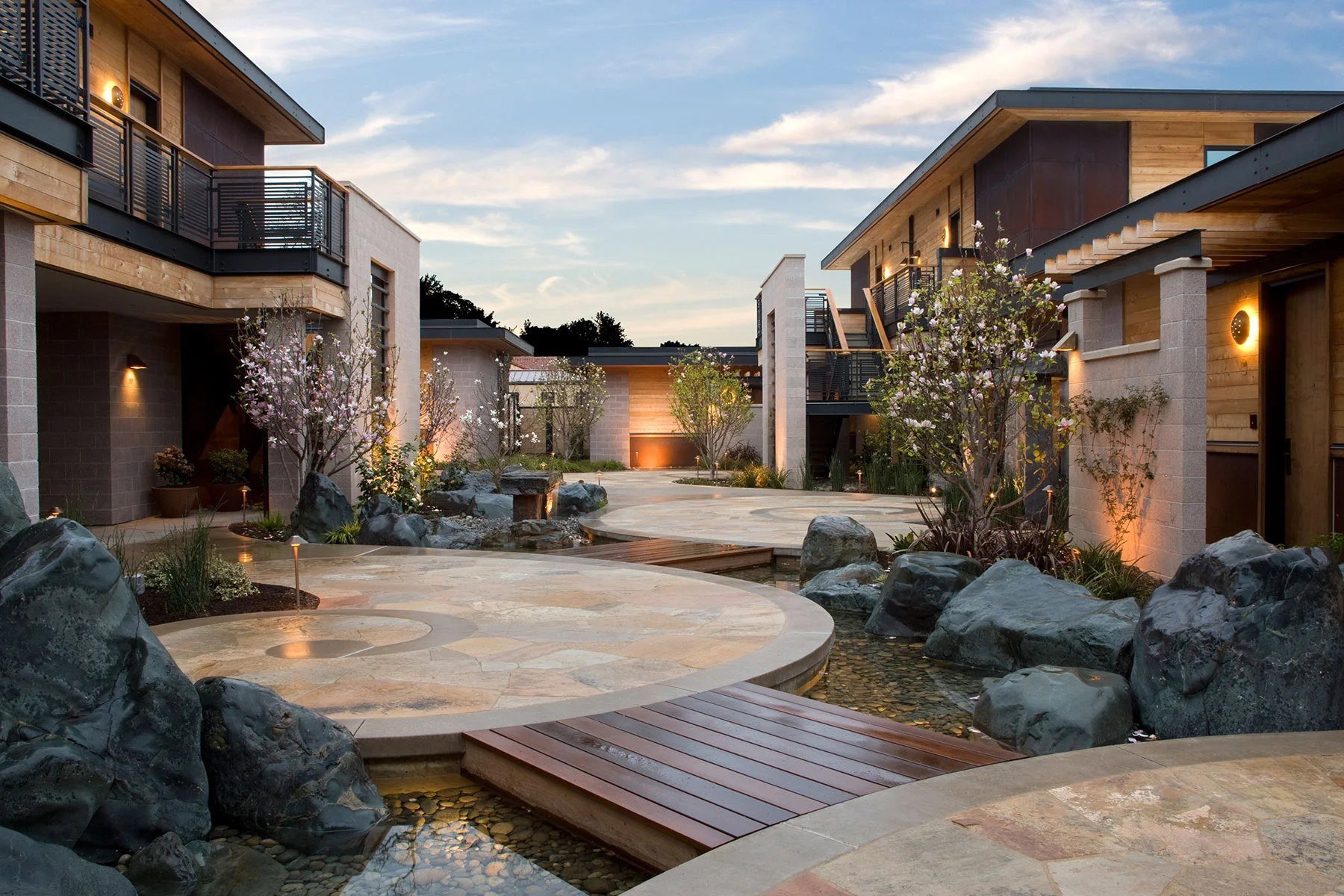
The stretch of Sonoma Highway that runs through the Carneros appellation does not announce itself with the grand estate architecture that defines the valley's northern reaches. The fog rolls in from San Pablo Bay most mornings, moderating temperatures in ways that affect both the Chardonnay and Pinot plantings out here and the general rhythm of the properties along the road. Carneros Resort and Spa, at 4048 Sonoma Hwy, sits squarely in that atmospheric register: a low-profile compound of board-and-batten cottages arranged across rolling hills, positioned to feel more like a working agricultural community than a resort in the traditional sense.
That distinction matters when you think about how Napa's accommodation tier has split over the past decade. Large hotel brands have moved into the valley's core, building conference-capable properties near downtown Napa and Yountville. Meanwhile, a separate cohort of properties has doubled down on acreage, seclusion, and a specific sense of place. Carneros Resort belongs to the latter category, and the Carneros AVA's own identity, cooler, more maritime, historically less celebrated than Rutherford or Stags Leap, reinforces that positioning. You are not here for proximity to the Michelin-dense restaurant corridor of Yountville. You are here because the southern end of the valley operates at a pace that the northern end no longer can.
The Compound as Community: FARM, Boon Fly, and the Local Pull
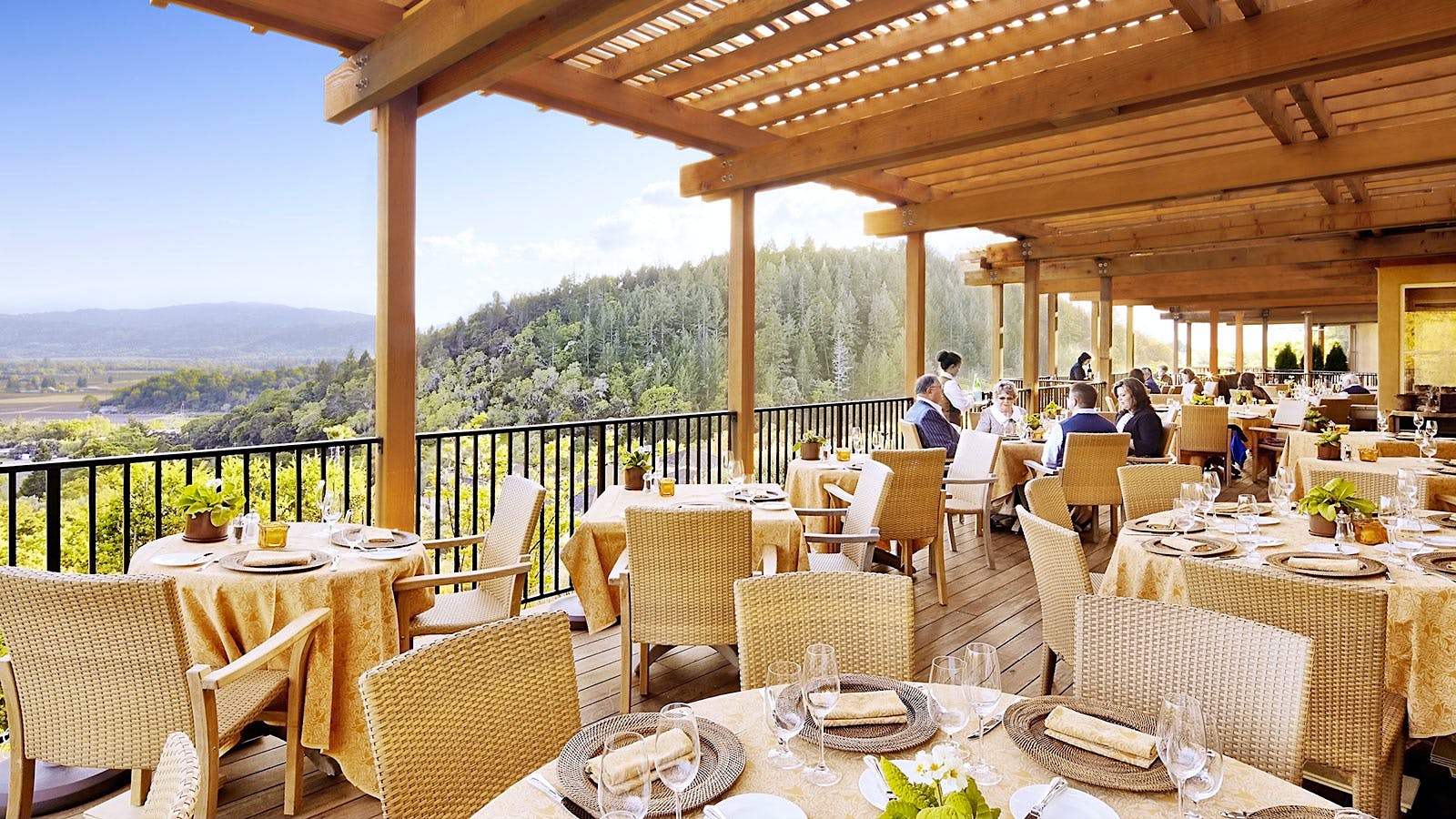
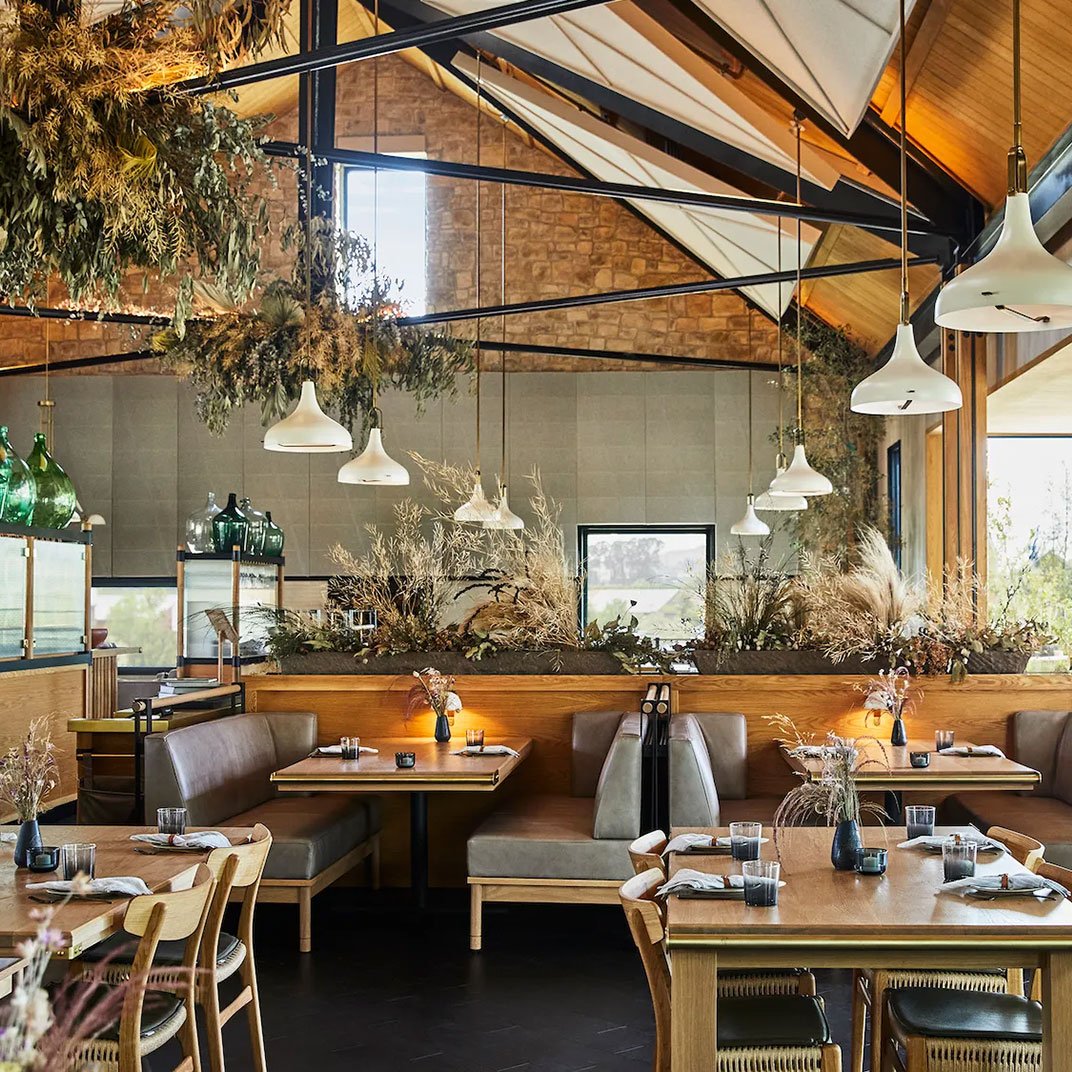
Any serious reading of Carneros Resort has to begin with the way its food and drink spaces function as genuine anchors rather than hotel amenities. FARM Restaurant + Bar operates inside the main resort building and draws from the surrounding agricultural context in its sourcing approach, working within the California farm-to-table framework that has been the region's default mode since the 1990s but that feels less performative here given the physical setting. Tables on the terrace look out over the resort's own garden plots and the Carneros hills beyond.
More telling as a social signal is Boon Fly Café, the roadside diner-format operation that sits at the resort's entrance facing Sonoma Highway. In a valley where almost every food experience requires a reservation made weeks in advance, Boon Fly runs on a more casual, drop-in logic. Winery workers finishing morning punch-downs, cyclists on the Carneros route, locals who want coffee and something substantial before heading up to the valley floor, they all cycle through in a way that gives the café a texture that purely resort-facing dining rarely achieves. That daily traffic is what separates a property with good restaurants from a property that functions as a neighbourhood institution.
This dynamic, where a resort's hospitality infrastructure bleeds into the local community's daily routine, has equivalents in urban bar culture across the country. ABV in San Francisco and Kumiko in Chicago both occupy that middle ground where serious craft credentials meet genuine neighbourhood regularity. Internationally, The Parlour in Frankfurt operates in a similar register. The geography and format differ, but the social logic is the same: a place earns its status not from awards alone but from the frequency and range of the people who make it part of their routine.
The Carneros AVA and the Property's Wine Context
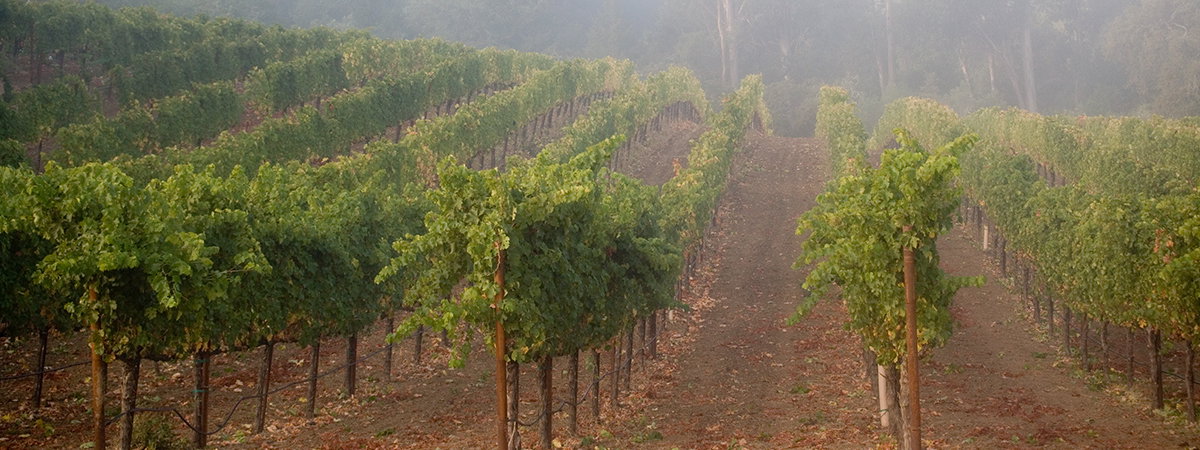
Positioning at the Carneros end of Napa County places the resort in immediate proximity to a wine region that has always been somewhat apart from the valley's Cabernet-heavy identity. Carneros earned its own AVA designation in 1983, one of California's earlier appellation recognitions, on the basis of its cooler mesoclimate and its particular suitability for Burgundian varieties. Clos Pegase Winery and Tasting Room is among the estates in easy range, and the broader circuit of Carneros and lower Napa producers gives guests a tasting route that reads very differently from the Cabernet-dominant experiences concentrated around Oakville and Rutherford.
For guests using the resort as a base, the wine circuit logic runs both south into Sonoma Carneros and north up the valley toward the benchland appellations. Mustards Grill, the long-running American bistro on Highway 29, is a reasonable midpoint stop in that northward direction, functioning as a practical and social landmark in the county's dining geography. See our full Napa County restaurants guide for a broader map of where the valley's dining energy concentrates by neighbourhood and price tier.
Planning a Stay: Practical Orientation
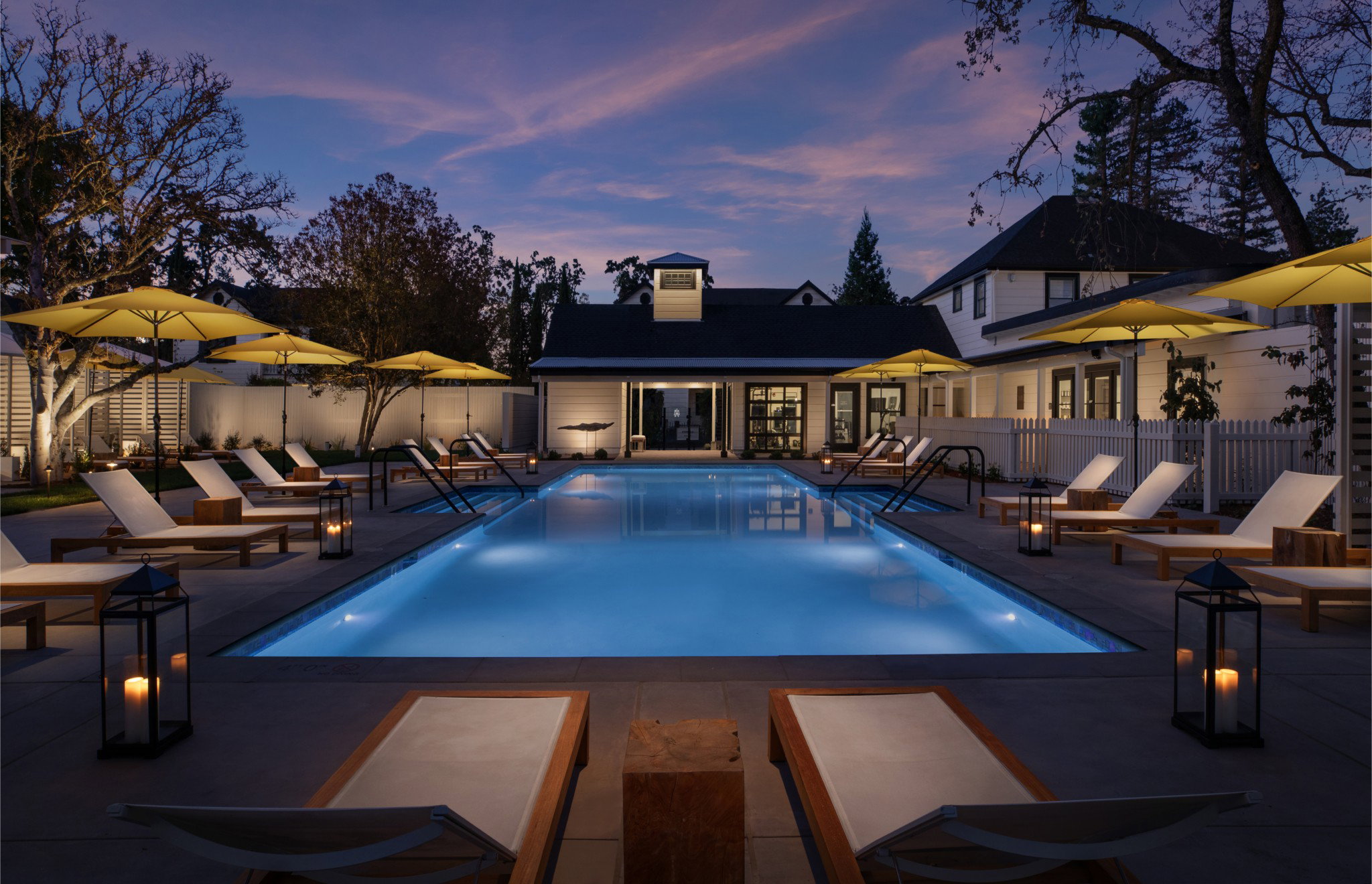
The resort's address on Sonoma Highway puts it roughly equidistant from the Napa city core and the Sonoma town square, which makes it an efficient base for visitors who want to move across both appellations without committing to either county's centre. The Carneros location also means morning fog is a real seasonal variable, particularly from late spring through early autumn, which affects both the character of outdoor time on the property and the general light quality. That maritime influence is part of the region's appeal, not a drawback, but it is worth factoring into expectations if you are planning around pool or terrace time.
Given the self-contained nature of the compound, with cottages rather than stacked hotel rooms, the property suits longer stays more naturally than a single overnight. Two or three nights allows the pace of the place to register properly and gives adequate time to work through the surrounding wine geography without feeling rushed against a departure deadline.
For context on how properties at this latitude and format compare to the broader premium hospitality cohort, the cocktail and dining programs at Jewel of the South in New Orleans, Julep in Houston, Superbueno in New York City, and Bar Leather Apron in Honolulu illustrate how destination-calibre hospitality can operate outside major urban cores without sacrificing program depth. The common thread is that community rootedness, the property or venue as a place people return to habitually, not just for a single occasion.
Where the Accolades Land
A compact peer snapshot based on similar venues we track.
| Venue | Awards | Cuisine | Notes |
|---|---|---|---|
| Carneros Resort and Spa | This venue | ||
| FARM Restaurant + Bar | |||
| V. Sattui Winery | |||
| Mustards Grill | |||
| Boon Fly Café | |||
| Clos Pegase Winery & Tasting Room |
Continue exploring
More in Napa
Bars in Napa
Browse all →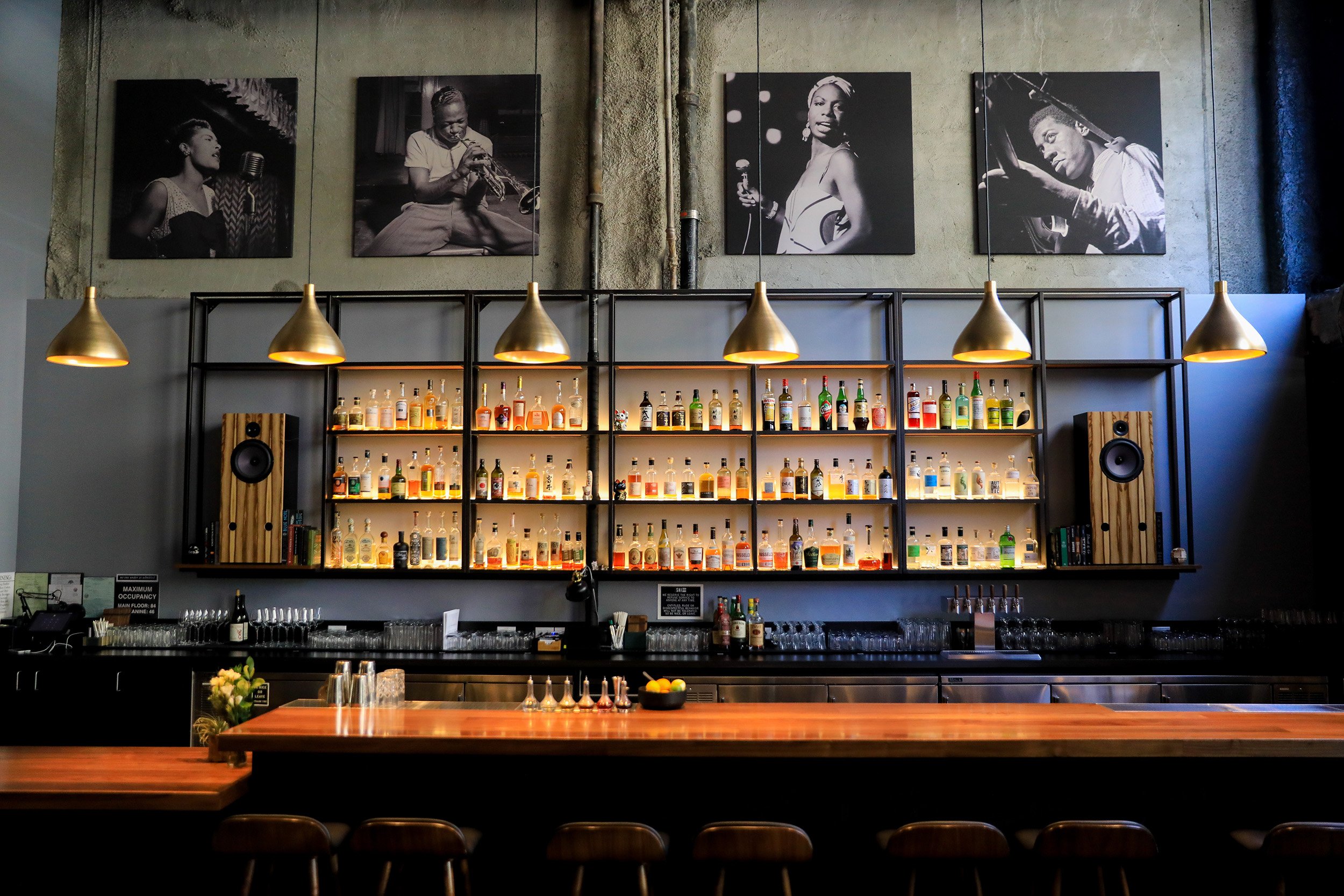
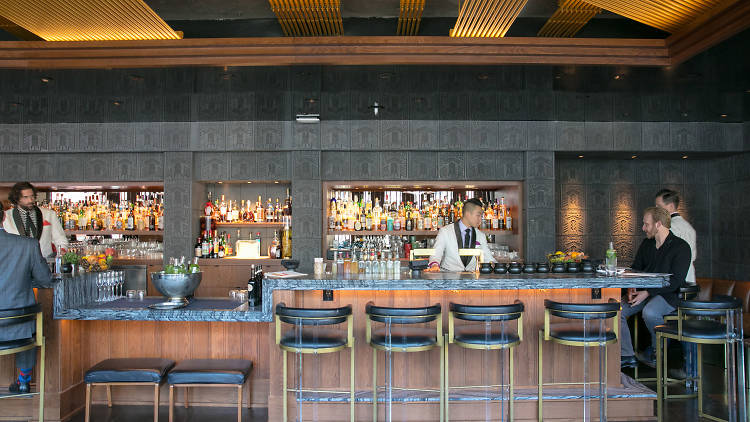
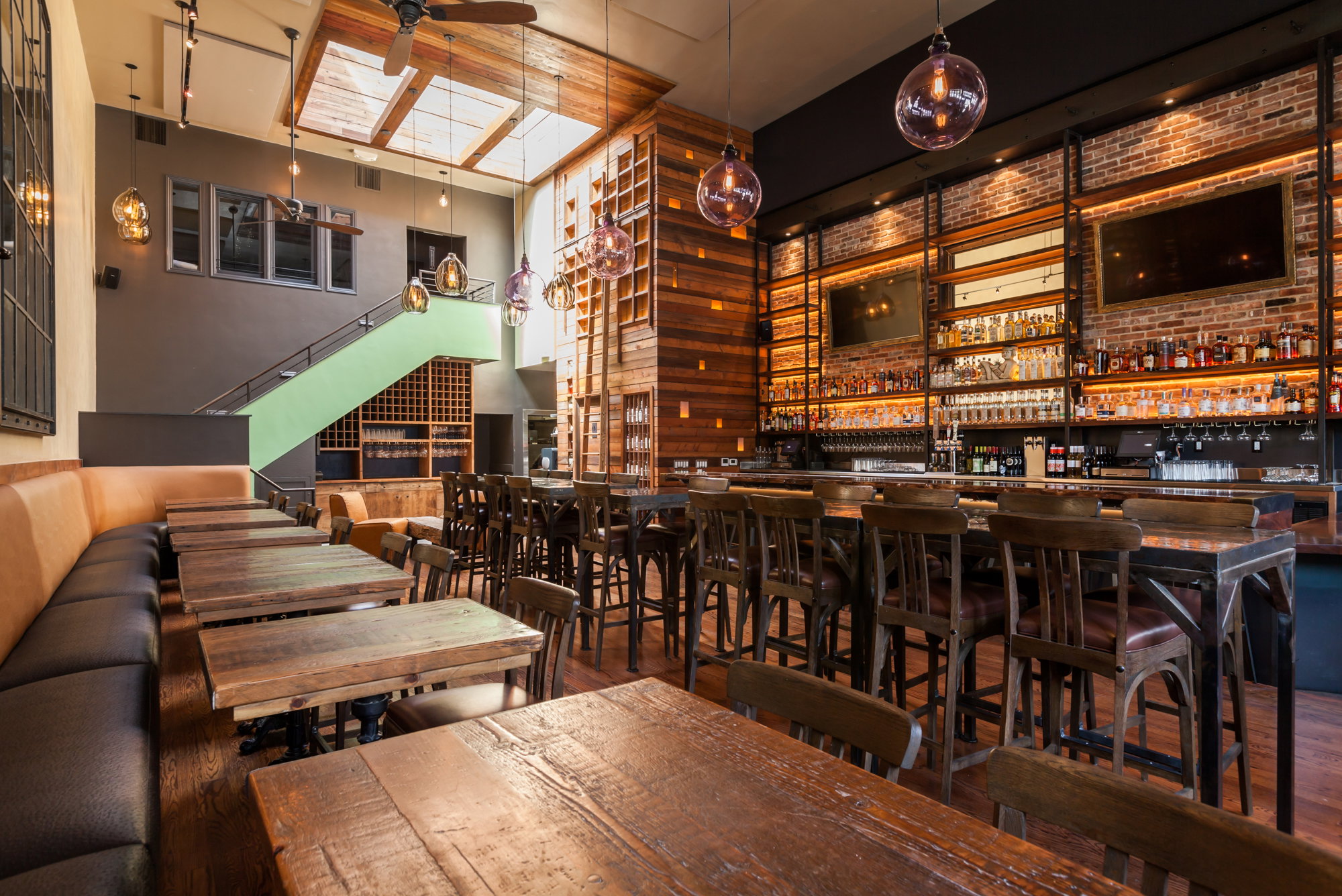
Restaurants in Napa
Browse all →
Hotels in Napa
Browse all →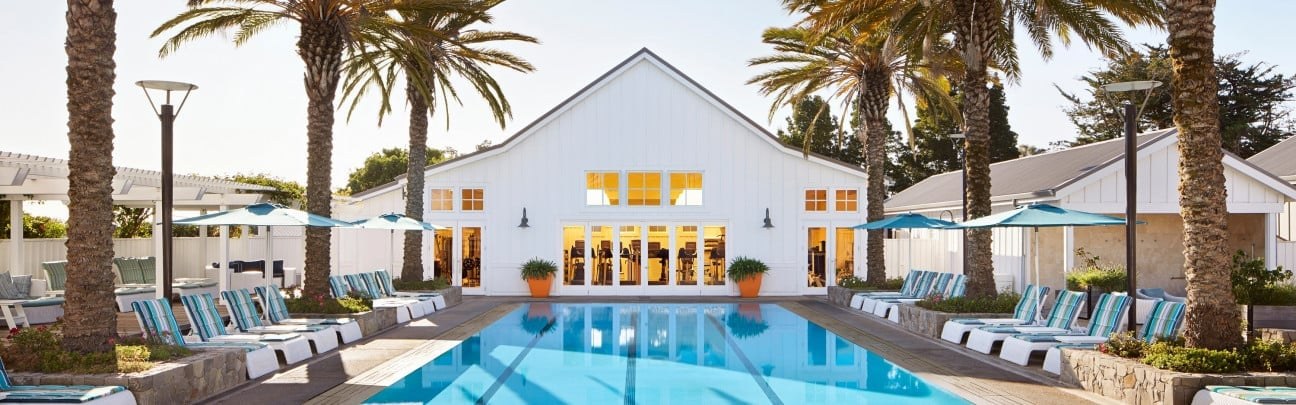
At a Glance
- Elegant
- Rustic
- Scenic
- Sophisticated
- Date Night
- Special Occasion
- Garden
- Live Music
- Hotel Bar
- Lounge Seating
- Outdoor Terrace
- Craft Cocktails
- Conventional Wine
- Vineyard
- Garden
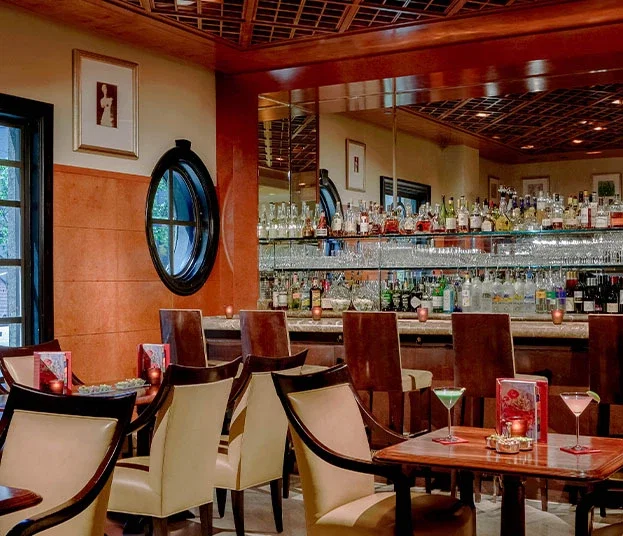
Warm and inviting with fireside patios, scenic gardens, and a stylish bar blending rustic elegance and Napa Valley tranquility.