
Falstaff Winery - Listed
Nino Negri is one of Valtellina's reference producers, operating from Chiuro in the heart of a granite-soiled Alpine wine corridor that has shaped Nebbiolo into something categorically different from its Piedmontese cousins.

Pearl is the En Primeur Club membership app — saves, bookings, and concierge access live there. Same editors, same standards.
- Address
- Via Ghibellini, 3, 23030 Chiuro SO
- Phone
- +39 0342 485211
- Website
- ninonegri.it
- Directions
- Get directions
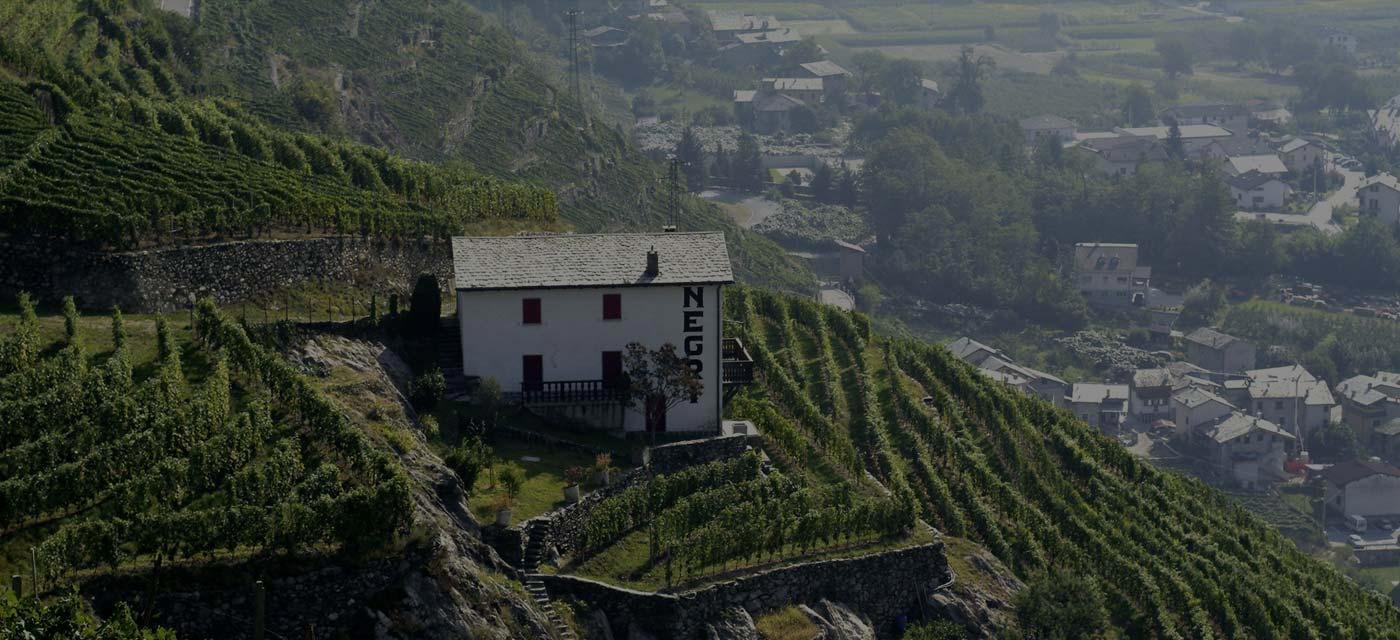
Where the Alps Rewrite Nebbiolo
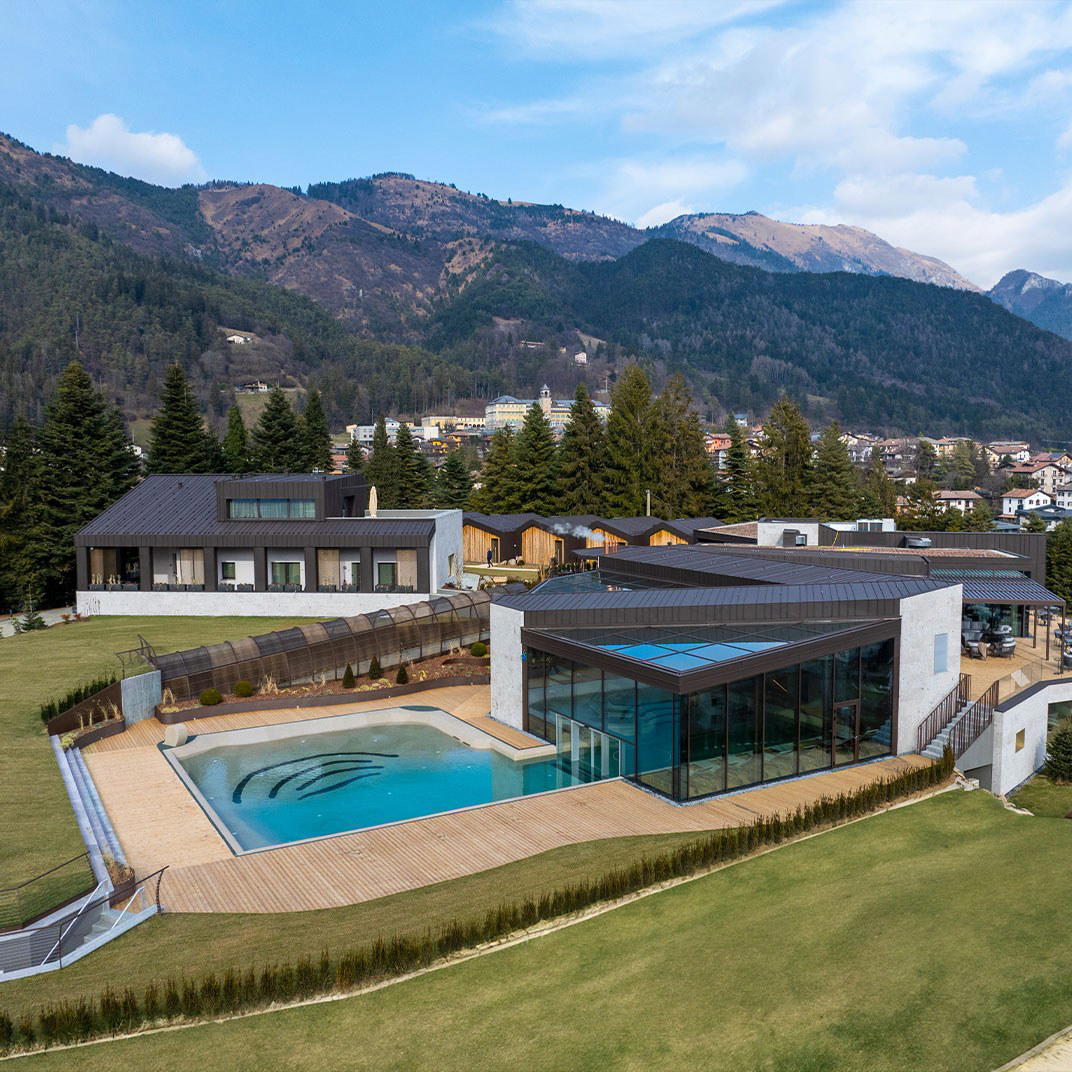
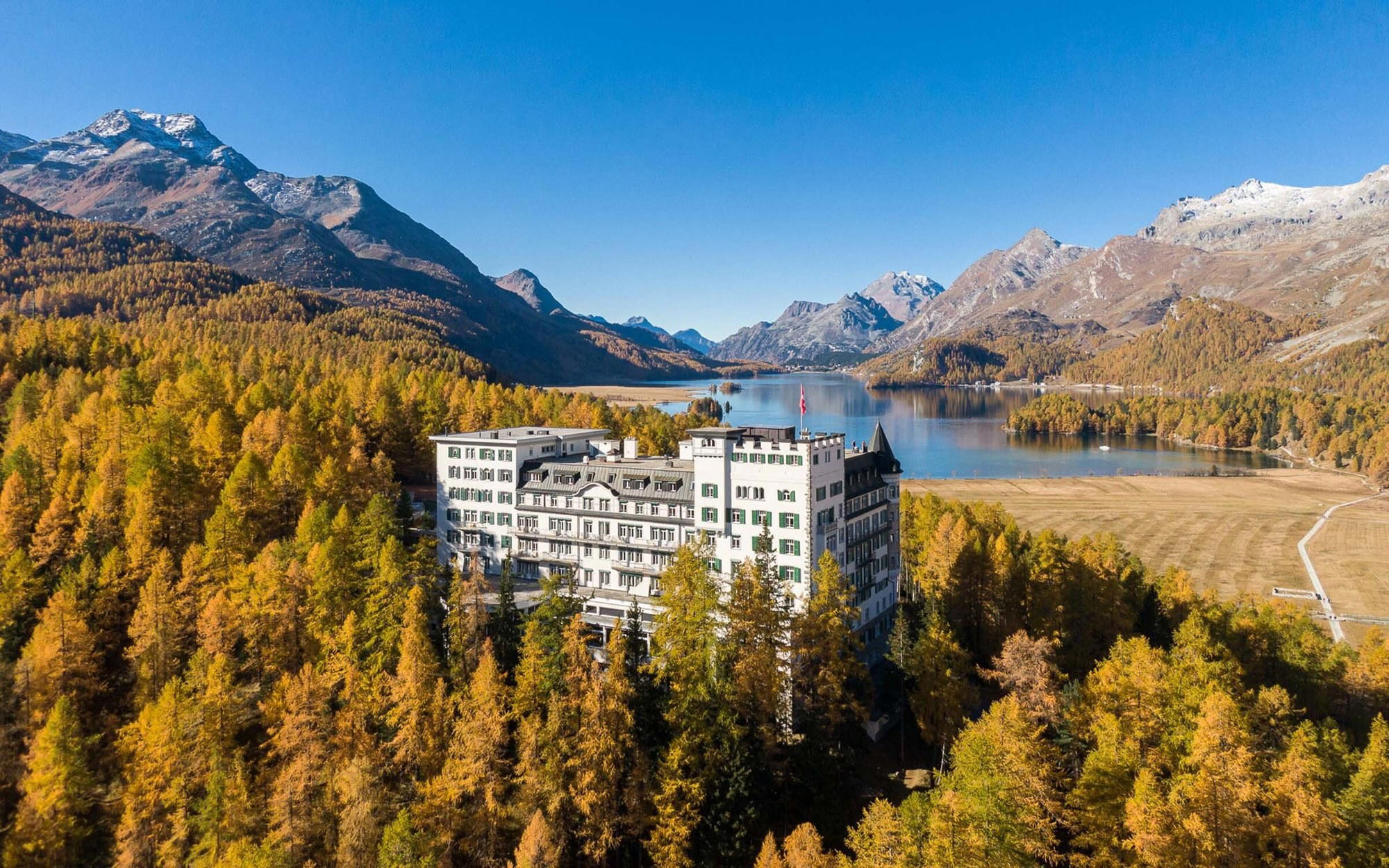
The road into Chiuro runs along the Adda River, with terraced vineyards rising sharply on the south-facing slopes of the Rhaetian Alps above. This is Valtellina, a narrow east-west valley in Lombardy where the growing conditions bear almost no resemblance to any other Italian wine zone. The altitude ranges from roughly 300 to 700 metres across the classified crus, the soils are predominantly granitic and schistose rather than clay-heavy, and the diurnal temperature swings during the growing season are wide enough to preserve acidity in grapes that, elsewhere, would surrender it. Nino Negri, based in Chiuro, operates squarely within this context. Understanding the producer means understanding the valley first.
Nebbiolo is the dominant variety here, locally called Chiavennasca, and it performs differently at this latitude and on this geology than it does in Barolo or Barbaresco. The granitic soils contribute minerality and a kind of structural tension that clay-dominated sites don't produce. The slope angles, often exceeding 30 degrees, require hand harvesting and make mechanisation impossible across much of the classified terroir. These are not incidental details. They determine what ends up in the glass: wines with a lighter colour register than Langhe Nebbiolo, higher perfume, tighter phenolics, and an acid spine that makes them notably age-worthy. Producers across the valley, from Sassella to Grumello to Inferno, express the same grape across subtly different geological and microclimate conditions, and the differences between crus reward the kind of attentive tasting that Valtellina still doesn't get enough of internationally.
The Valtellina Cru System and Where Nino Negri Sits Within It
Valtellina Superiore DOCG recognises five subzones: Sassella, Grumello, Inferno, Valgella, and Maroggia. Each sits on a distinct section of the valley's north-facing flank (the vineyards face south, catching maximum sun), with soil composition and drainage characteristics that shift enough from zone to zone to produce discernibly different wines. This is a cru system with genuine terroir differentiation, not a marketing construct. Nino Negri holds vineyard access across multiple subzones and has been one of the producers most associated with articulating those distinctions to a wider audience, particularly through its Sfursat programme.
Sforzato di Valtellina DOCG, or Sfursat, is the valley's prestige format: Chiavennasca grapes partially dried for roughly two months before pressing, producing a wine with refined alcohol, concentrated fruit, and a richness that sits apart from the standard Superiore wines. It is Valtellina's answer to Amarone, though the granite soils and the grape variety produce a different flavour register entirely. The drying process, traditionally conducted in the cold Alpine air, concentrates sugars and compounds while the cool temperatures slow oxidation. The resulting wines age considerably, with serious examples holding 15 to 20 years or more. This format is the clearest expression of how Valtellina's producers have historically managed the valley's short, intense growing season.
Among Italian wine producers earning recognition at the 2 Star Prestige tier in 2025, Nino Negri occupies the category alongside estates that have demonstrated consistent quality across multiple vintages and formats rather than single-release acclaim. For comparison, other Italian producers operating at recognised prestige tiers include Ca' del Bosco in Erbusco in Franciacorta and Aldo Conterno in Monforte d'Alba in Piedmont, though their respective categories and terroir arguments are entirely different.
The Terroir Case in Concrete Terms
The argument for Valtellina as a serious fine wine region rests on a few specific conditions that distinguish it structurally from other Italian appellations. First, the aspect: the vineyards face south across the full length of the valley, which in the Alps means maximum solar accumulation despite the latitude. Second, the geology: granitic and gneissic soils drain quickly, stress the vines, and produce small berries with concentrated juice and thick skins relative to their size. Third, the altitude gradient: the upper-slope sites produce wines with noticeably higher acidity and floral register than the lower terraces, where more warmth accumulates during the day. These are conditions that reward patience in the cellar and attentiveness in tasting.
The comparison to other terroir-expressive Italian producers is instructive. Castello di Volpaia in Radda in Chianti makes a similar argument through altitude and galestro soils in Chianti Classico. Lungarotti in Torgiano anchors its identity in a specific Umbrian terroir that distinguishes it from the broader Sagrantino corridor. Planeta in Menfi built a reputation by mapping Sicily's soil variation systematically. Valtellina's case, made through producers like Nino Negri, is that granite plus altitude plus Chiavennasca produces a category of wine that does not exist anywhere else in Italy. The international recognition has been slow but is accelerating among sommeliers working in fine dining contexts who are looking for structured, age-worthy reds that don't follow the Barolo pricing curve.
Planning a Visit to Chiuro
Chiuro sits in the central section of Valtellina, between Sondrio to the west and Tirano to the east, along the SS38 that runs the length of the valley. The nearest rail connection is Sondrio, roughly 10 kilometres away, with regular services from Milan's Centrale station taking around two hours. Driving from Milan takes approximately 90 minutes via the A9 and SS36, with the final stretch into the valley running through Colico and along the eastern arm of Lake Como before climbing into the gorge at Morbegno. The valley is most accessible between April and November, with winter road conditions making some of the upper-slope access routes difficult. The harvest period, typically September into October for Chiavennasca, is when the drying lofts for Sfursat production become active, and a visit timed to this window gives the most direct insight into the production process. For broader context on eating and drinking in the area, see our full Chiuro restaurants guide.
Other Italian producers worth visiting in proximity to a Valtellina trip include Distilleria Marzadro in Nogaredo in Trentino to the east, and those making the longer circuit through northern Italy might also consider Distilleria Romano Levi in Neive, Nonino Distillery in Pavia di Udine, or Poli Distillerie in Schiavon (Vicenza) as part of a broader northern Italian producers itinerary. For those extending south, Poggio Antico in Monte San Vito and L'Enoteca Banfi in Montalcino represent Tuscany's Brunello corridor, while Campari in Milan and Aberlour in Aberlour and Accendo Cellars in St. Helena cover different categories entirely.
Side-by-Side Snapshot
Comparable venues nearby, for context on price, style, and recognition.
| Venue | Cuisine | Price | Awards | Notes |
|---|---|---|---|---|
| Nino NegriThis venue — the venue you are viewing | Nebbiolo, Chiavennasca | $10–20 | Falstaff Winery - Listed | Not listed |
| Gruppo Campari | Winery | Not listed | Not listed | Milan |
| Bruno Giacosa | Nebbiolo, Arneis | Not listed | Falstaff Winery - Listed | Neive |
| Giuseppe Quintarelli | Corvina, Corvinone | $50–100 | Falstaff Winery - Listed | Cerè di Negrar |
| Aldo Conterno | Nebbiolo, Barbera | Not listed | Falstaff Winery - 5 Stars | Bussia Soprana |
| Masi Agricola S.p.A. | Corvina, Rondinella | Not listed | World's 50 Best #83 · Falstaff Winery - Listed | Valpolicella Classica |
Recognition history
Dated appearances from independent guides and award organizations, with the underlying list record or original source where available.
Falstaff Winery - Listed
Falstaff
Continue exploring
More in Chiuro
Wineries in Chiuro
Browse all →
Bars in Chiuro
Browse all →
Restaurants in Chiuro
Browse all →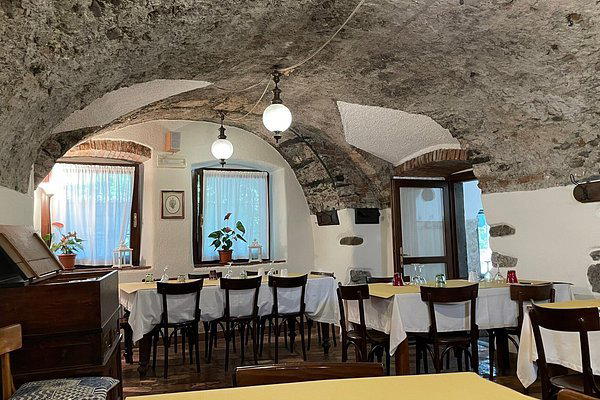
Details
- Classic
- Elegant
- Scenic
- Well Known
- Rustic
- Wine Education
- Romantic Getaway
- Group Outing
- Special Occasion
- Cave Tasting
- Barrel Room
- Vineyard Tour
- Historic Building
- Panoramic View
- Estate Grounds
- Sustainable
- Dry Farmed
- Vineyard
- Mountain
- Nebbiolo
- Chiavennasca
- Still Red
- Classic Cellar Tasting
- Special Barrel Tasting
- Exclusive Vineyard Tasting
- Italian
- English
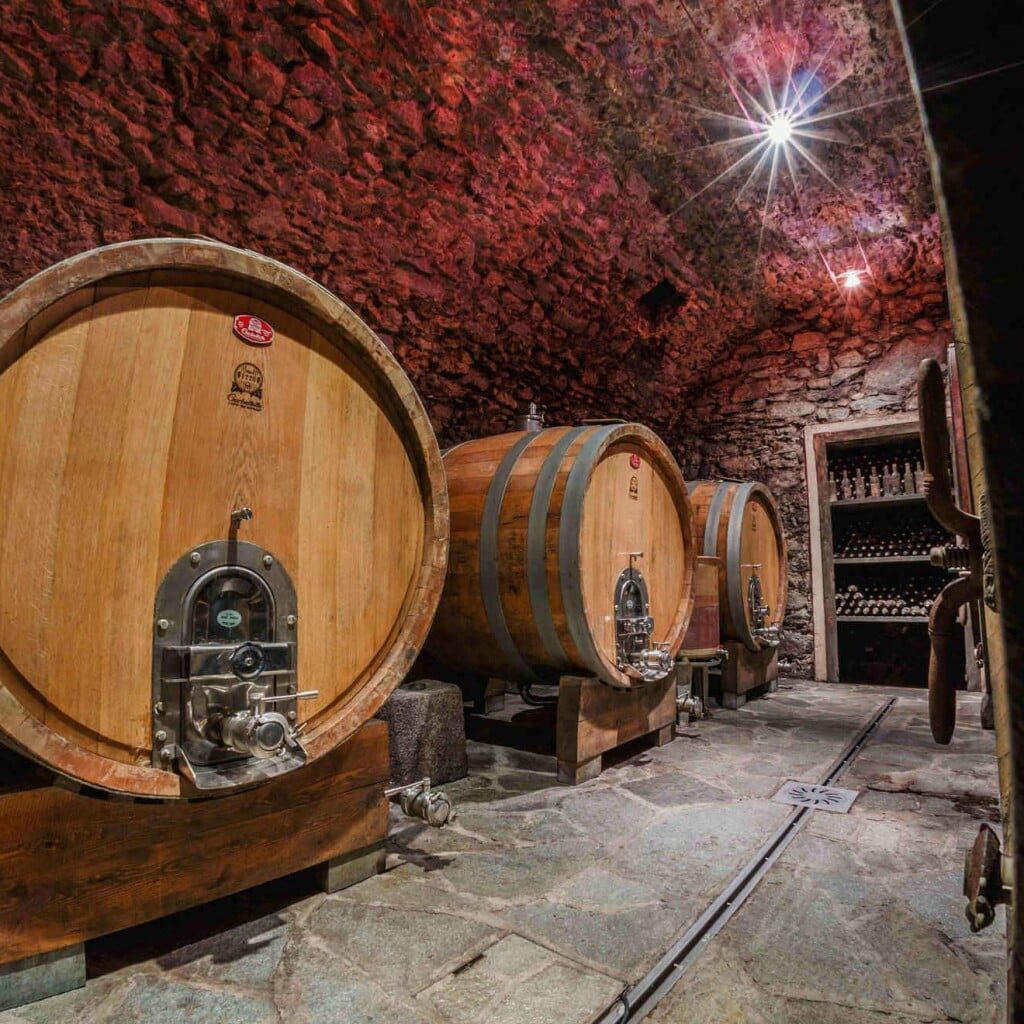
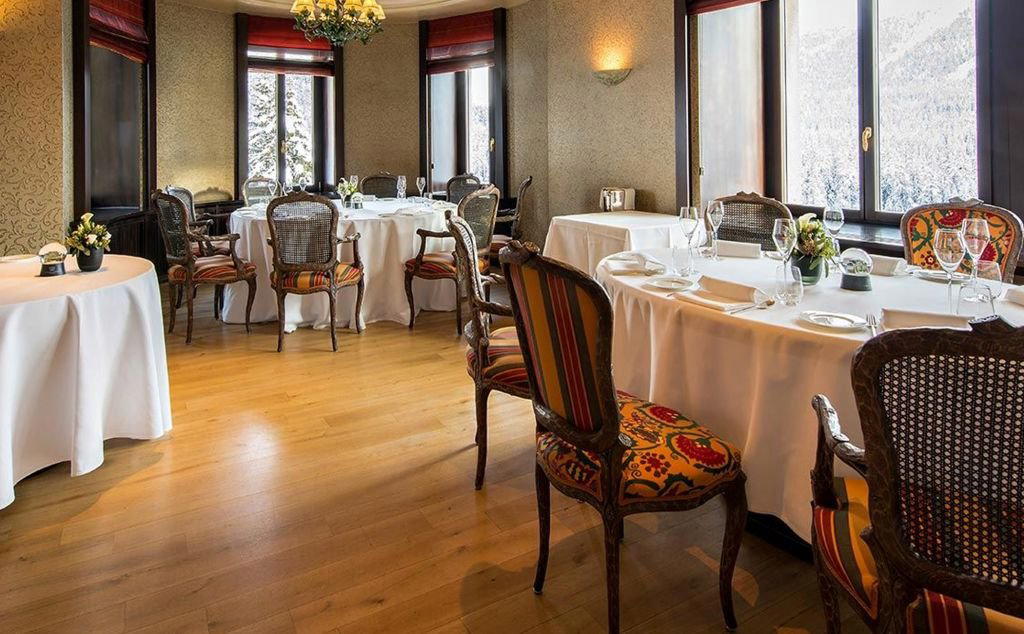
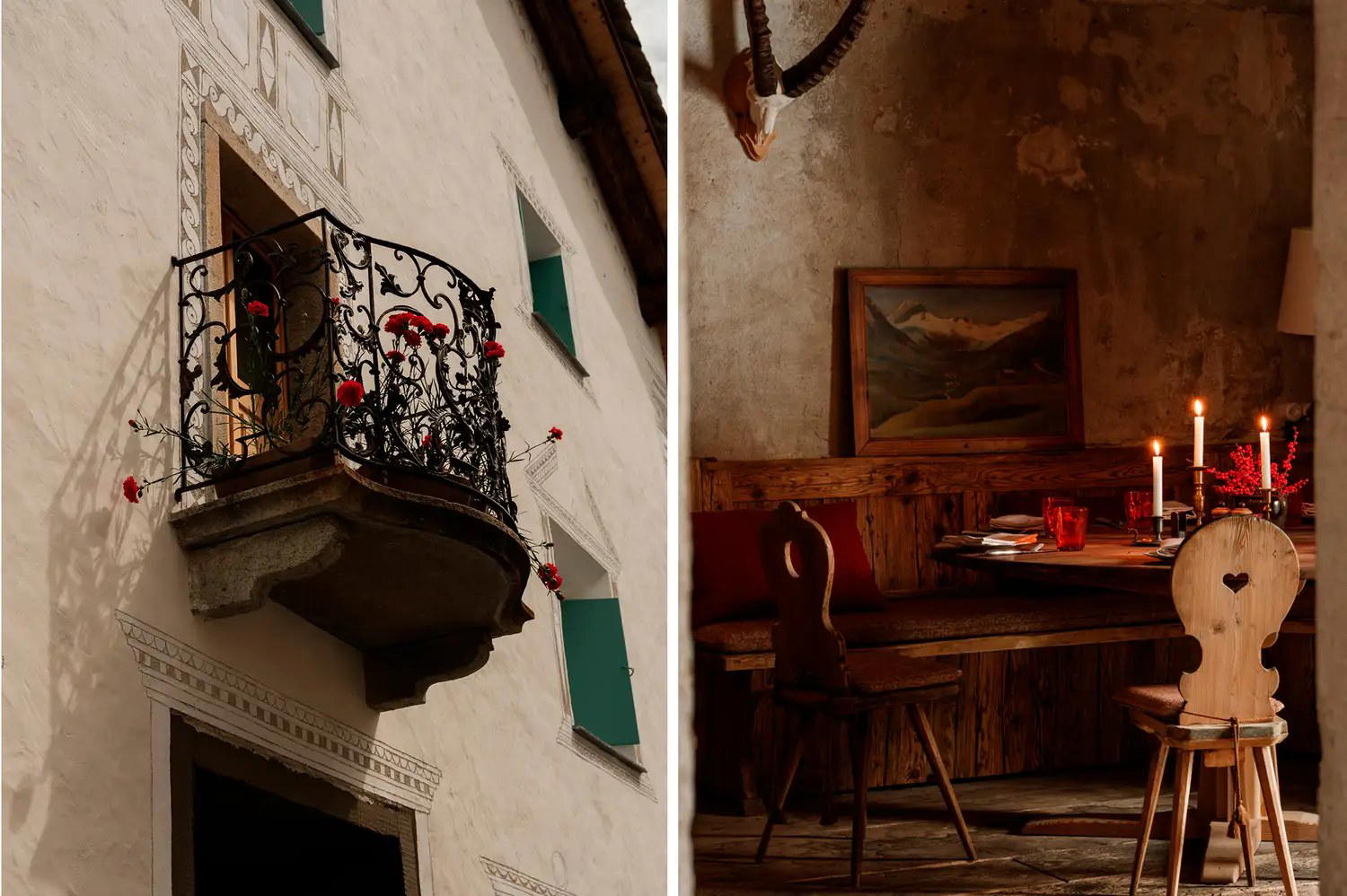
Historic and atmospheric with stone cellars, dim lighting in underground aging rooms, and a sense of heritage throughout the 15th-century castle setting.