
Falstaff Winery - Listed
Mauro Sebaste gives Alba a medium-scale, family-run reading of Piedmont wine: Barolo at the center, with Barbera, Dolcetto, Alta Langa sparkling wine, whites, grappa, and bitters widening the lens. The estate works about 30 hectares across more than ten communes in Langhe, Roero, and Monferrato, making terroir education a stronger draw than cellar theatrics.

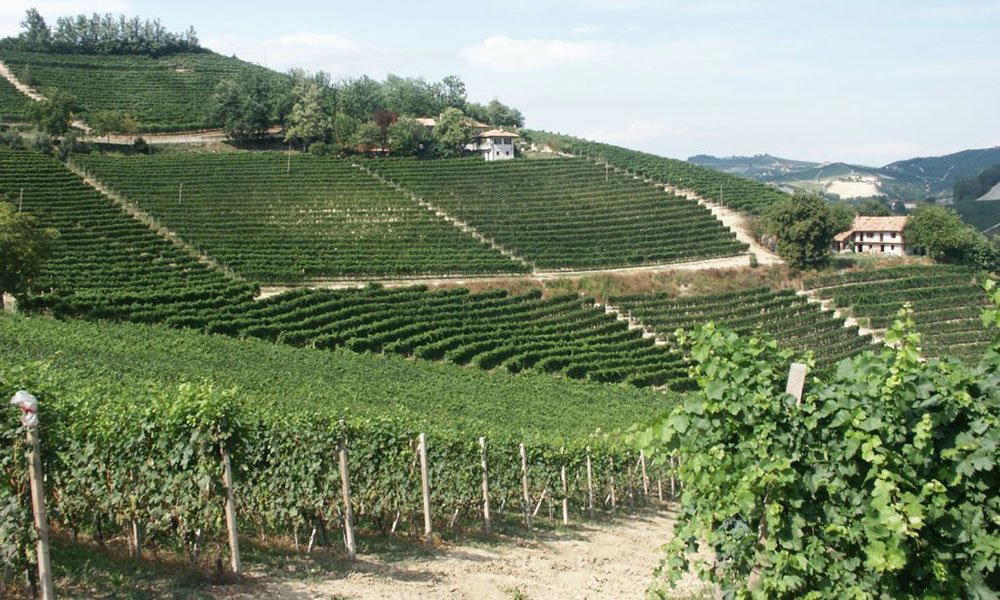
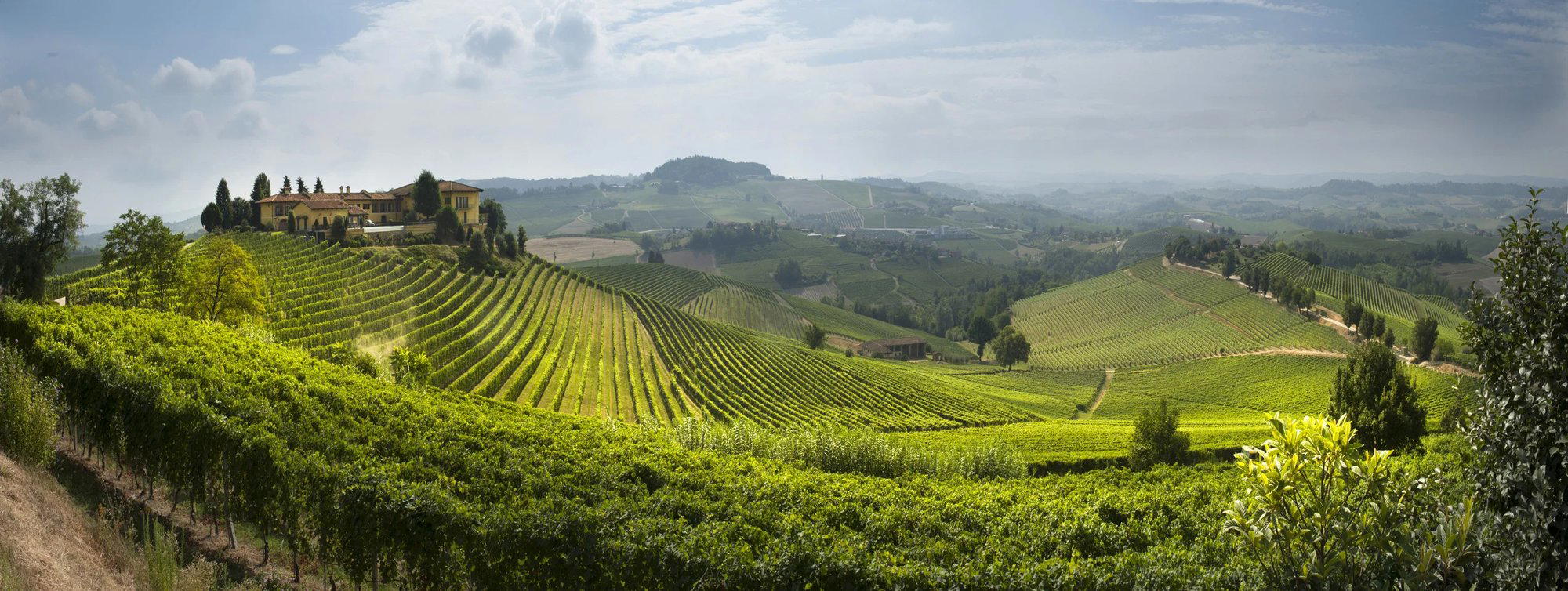
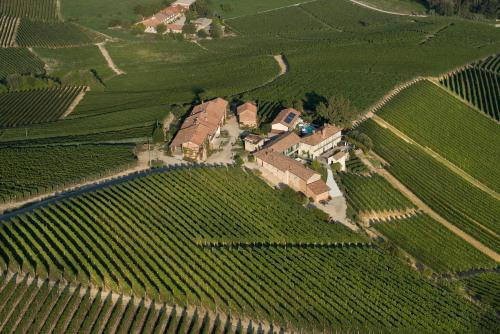
The approach to a Langhe winery sets expectations before a glass is poured: vineyard rows, working-cellar practicality, and a quieter rhythm than the tasting-room circuits built around spectacle. In Alba, that distinction matters. The region can feel split between grand-label Barolo tourism and smaller educational visits where the point is not polish, but the ability to explain why Nebbiolo changes character from one village to the next.
Mauro Sebaste belongs to the latter camp. The estate’s appeal lies in a format built around small-group, guided tasting and cellar context rather than architectural drama. That makes it useful for travelers who want Piedmont explained through grape, commune, and family continuity, not simply poured as a sequence of labels.
Barolo seriousness, but not a single-wine estate
Piedmont’s international reputation often reduces the region to Barolo, yet the stronger estates around Alba rarely function as one-note producers. Here, the organizing principle is Nebbiolo, with Barolo as the prestige anchor, but the portfolio stretches across the regional grammar: Dolcetto, Barbera, Nebbiolo d’Alba, Arneis, Moscato, Viognier, traditional-method sparkling wine, grappa, and bitters. That breadth gives the visit a broader educational arc than a tasting built only around trophy reds.
The estate farms about 30 hectares across more than ten communes in Langhe, Roero, and Monferrato, a scale large enough to show range but still legible as a family winery. The Barolo program draws on villages including Serralunga d’Alba, La Morra, Verduno, and Monforte d’Alba, which matters because Barolo is increasingly understood through commune and site expression rather than generic appellation prestige. Serralunga is typically associated with structure and ageing potential; La Morra with perfume and a more graceful register. A tasting that places those ideas beside Barbera, Dolcetto, or Alta Langa sparkling wine gives visitors a clearer map of Piedmont than a narrow luxury flight.
Production sits in the roughly 120,000 to 150,000 bottle range, with grappa forming a small but meaningful extension. That is not artisan micro-production, and it is not industrial anonymity. It is the middle tier that often defines serious Langhe hospitality: enough volume to maintain a broad portfolio, enough family identity to keep the tasting personal.
A family line used to explain place, not just heritage
Family history can become empty decoration in wine tourism, but in Piedmont it often carries practical meaning. Mauro Sebaste was founded in 1991 after Mauro left the family business, and the estate’s narrative reaches back to Sylla Dogliani, remembered as “La Dama di Langa” for her role in Barolo culture. The later involvement of Maria Teresa, daughters Sylla and Angelica, and the next generation gives the winery a continuity story that matches the region’s long-view farming logic.
The more interesting point is how that history is used. The estate frames wine as both project and experience, which is a fitting description for a property whose identity depends on several territories rather than one enclosed vineyard block. Langhe, Roero, Monferrato, and Alta Langa each bring different assumptions to the glass: Nebbiolo’s tannic architecture, Barbera’s acidity, Dolcetto’s local directness, Arneis and Moscato’s white-wine counterpoint, and sparkling wine from cooler, higher-altitude sites. The visitor takeaway is not merely that the family has roots here, but that Piedmont’s native varieties require a more precise reading than the usual red-wine hierarchy suggests.
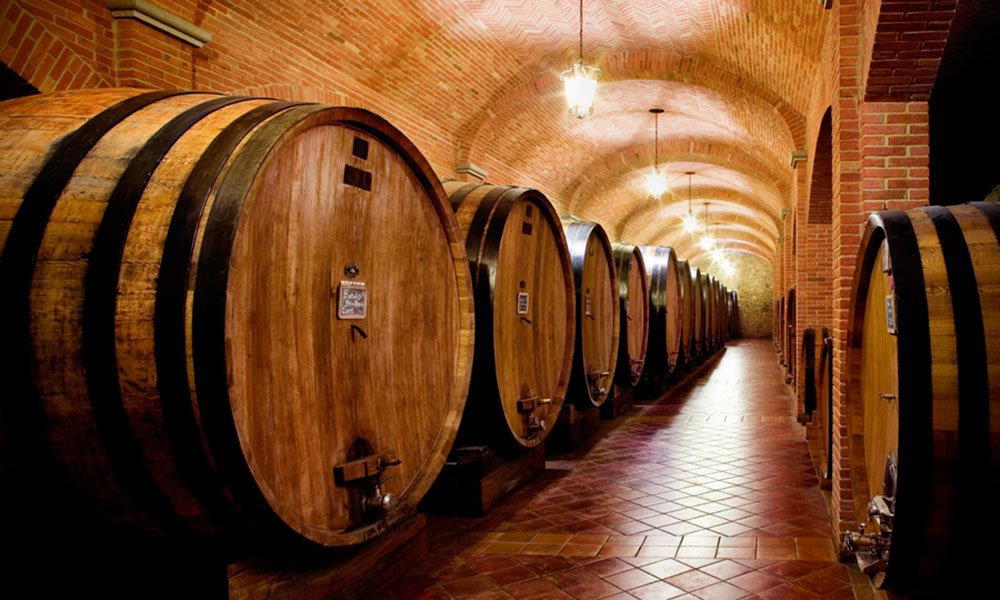
Cellar language around the estate points to low yields, careful selection, and modern technique used with restraint. Those are broad claims, but they align with a contemporary Langhe preference for cleaner precision without erasing appellation character. The absence of a flashy hospitality concept is part of the argument: the wines are meant to carry the explanation, supported by guided context rather than design as theatre.
How to read the visit in an Alba itinerary
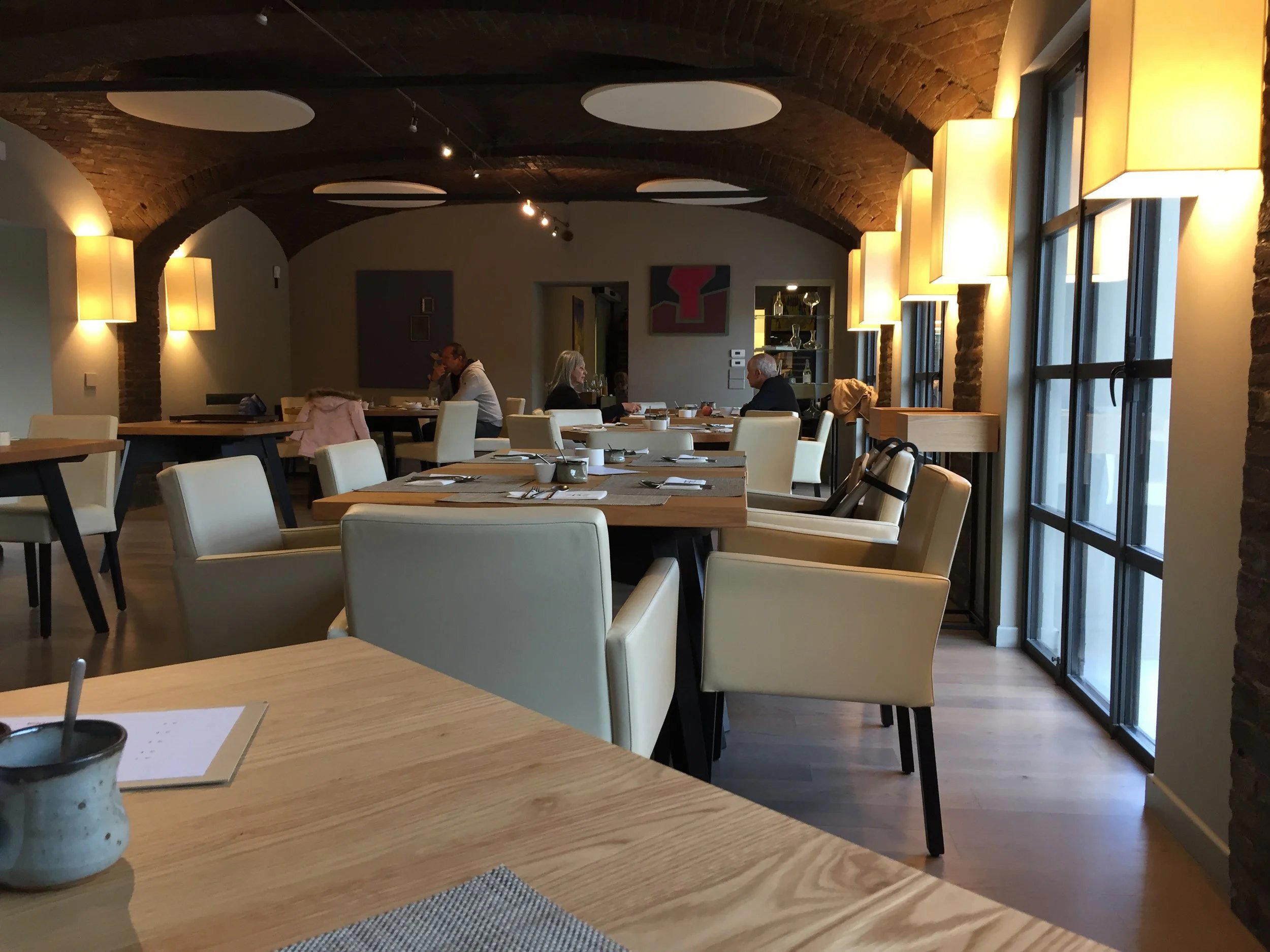
For travelers building a wine-focused stay in Alba, Mauro Sebaste works as an interpretive stop rather than a trophy stop. The room is quiet, the dress code is casual, and the experience is aimed at education, cellar context, and family-led storytelling. Tastings are by appointment, with formats that can include seated tasting, cellar tour, small-group tasting, or private booking. Languages listed for visits include English, French, and Italian, which makes the estate easier to fit into an international itinerary than smaller producers operating only in Italian.
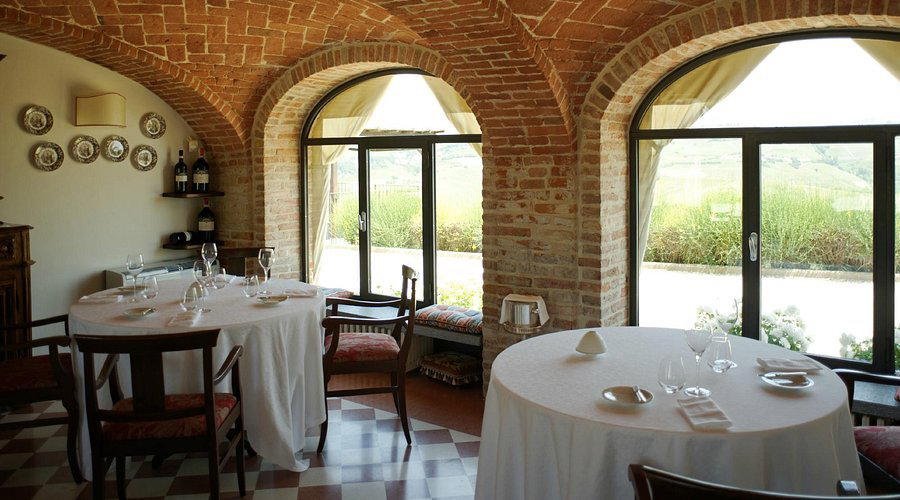
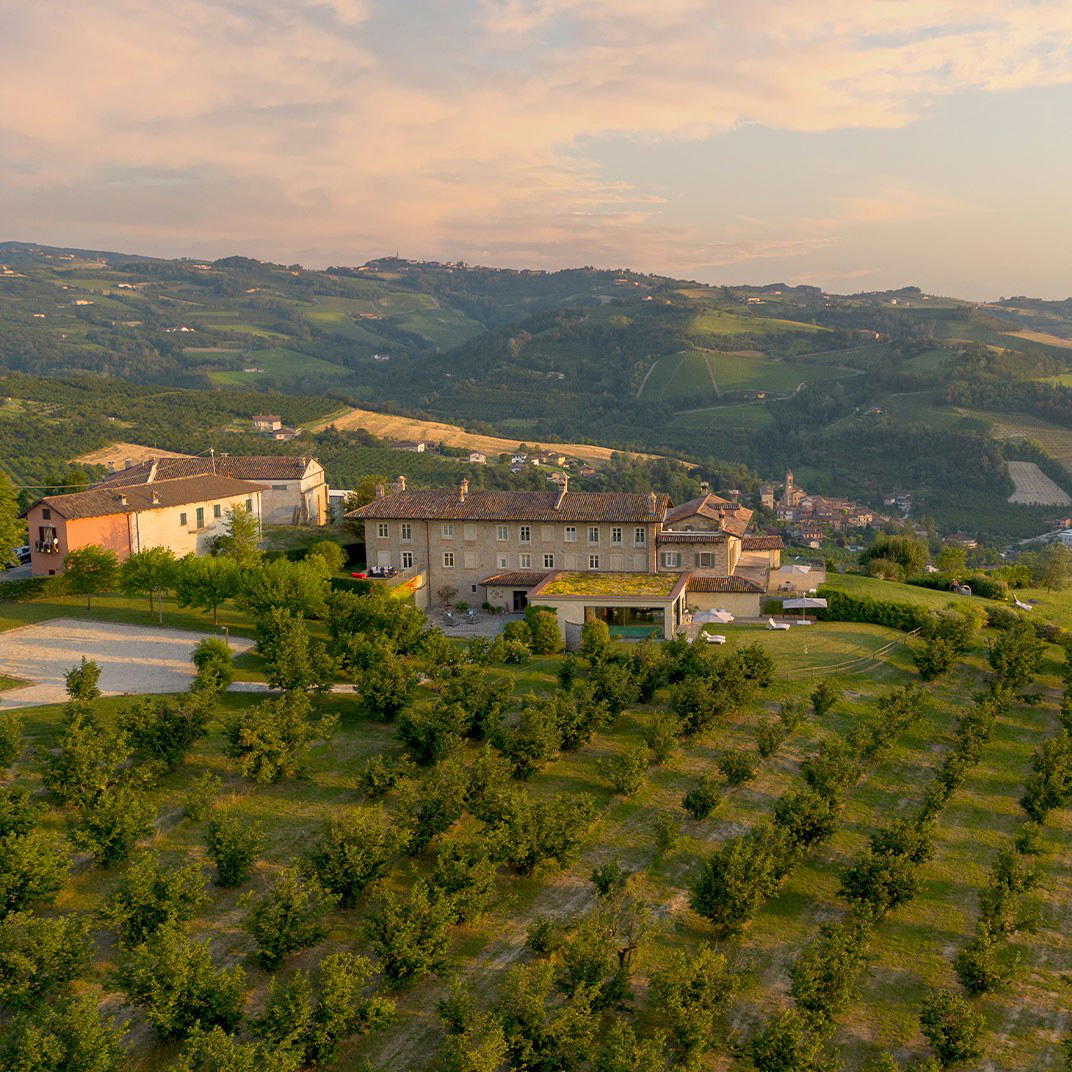
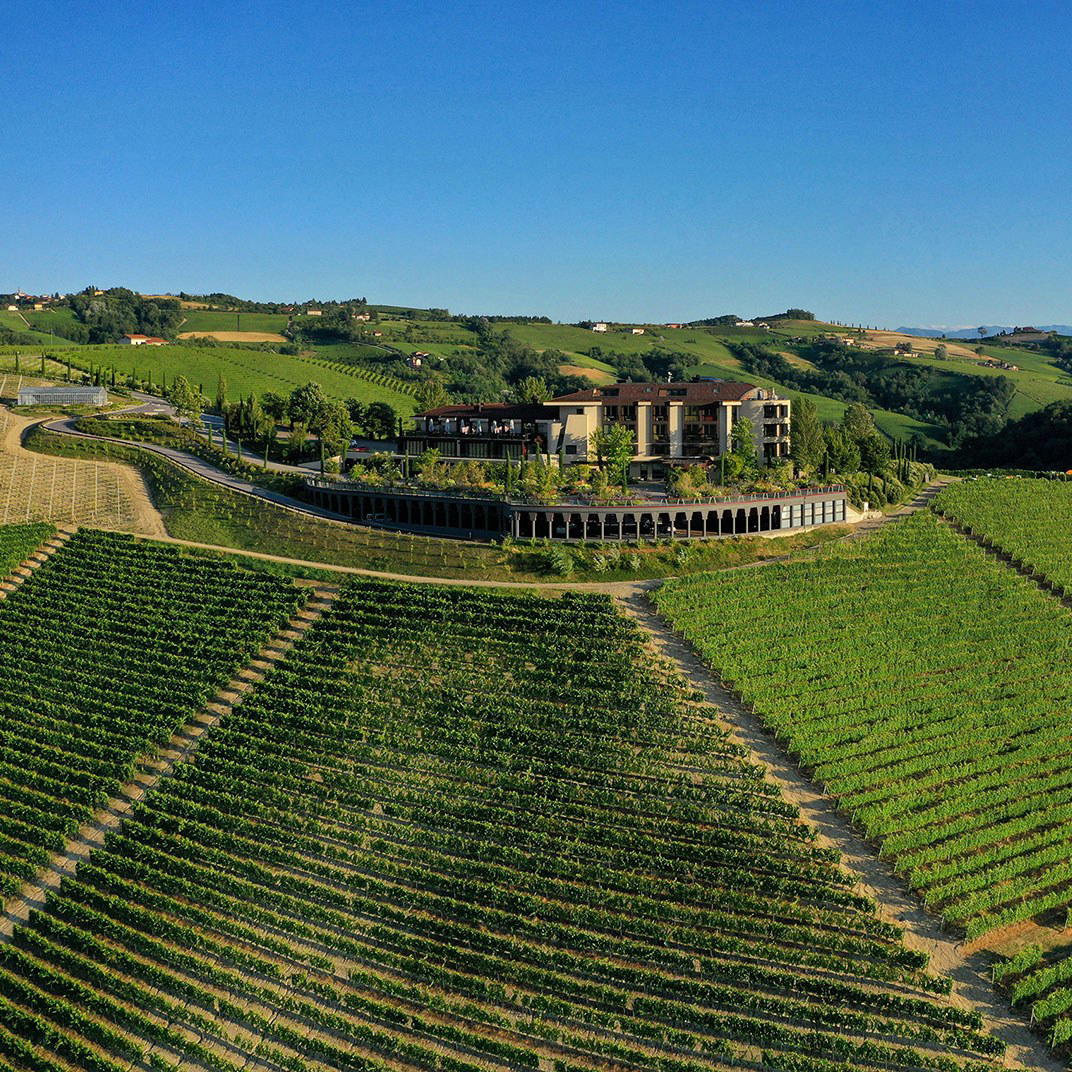
The estate’s practical strengths are clear: on-site parking, accessible parking, wheelchair access, and a setting among vineyards in the Langhe foothills near Alba. The tasting format suits couples, small groups, solo wine travelers, and visitors who prefer conversation to high-volume cellar traffic. It is less suited to children or anyone looking for a bar-like tasting-room atmosphere. The value is in slowing the region down: Barolo in relation to its villages, Barbera in relation to Alba and Nizza, and Alta Langa as Piedmont’s sparkling counterweight.
Use it as one piece of a wider Alba plan. For more winery context in the city, EP Club also covers Our full Alba wineries guide, alongside local entries such as Adriano Marco & Vittorio, Azienda Agricola Lano Gianluigi, Azienda Agricola Pietro Rinaldi, Azienda Vitivinicola Cascina Casanova, and Ceretto. For the rest of a Langhe trip, pair cellar visits with Our full Alba restaurants guide, Our full Alba hotels guide, Our full Alba bars guide, and Our full Alba experiences guide.
Readers mapping wine travel beyond Piedmont can also compare regional formats through 3GP SRL in Treviso, 47 Anno Domini in Trebaseleghe, A Mano Wine in Noci, »der Steiner« Hans Steiner in Podersdorf am See, and & Handwein in Mannheim. The useful distinction is not ranking, but format: Mauro Sebaste is strongest when the goal is to understand Piedmont through site, grape variety, and a working family cellar.
Frequently asked questions
Is Mauro Sebaste more low-key or high-energy?
It reads as low-key: the setting is quiet, the format is by reservation, and tastings are seated and guided. The price point is about $35 per person, which fits a focused winery visit rather than a social drop-in scene.
What's the pricing like at Mauro Sebaste?
Pricing at Mauro Sebaste is listed as $35 per person.
Where can I find Mauro Sebaste?
Mauro Sebaste is located at Alba, Piedmont, Italien, Alba.
What is Mauro Sebaste known for?
Mauro Sebaste is known for its family-run estate in Alba, founded in 1991, and for tastings built around the Langhe hills and estate vineyards. The lineup includes Nebbiolo, Barbera, Dolcetto, Arneis, Moscato, and Viognier, with cellar tours and guided seated tastings as the main draw.
Do they take walk-ins at Mauro Sebaste?
The visit format is appointment-only, so walk-ins are not the standard way in. That applies to its guided seated tastings and cellar tour with tasting in Alba, where bookings are the norm.
Recognition history
Dated appearances from independent guides and award organizations, with the underlying list record or original source where available.
Falstaff Winery - Listed
Falstaff
Request a visit to Mauro Sebaste
Tell us when you would like to go and how many people, and we put the request to the estate and reply to you by email.
Continue exploring
More in Alba
Wineries in Alba
All wineries in Alba →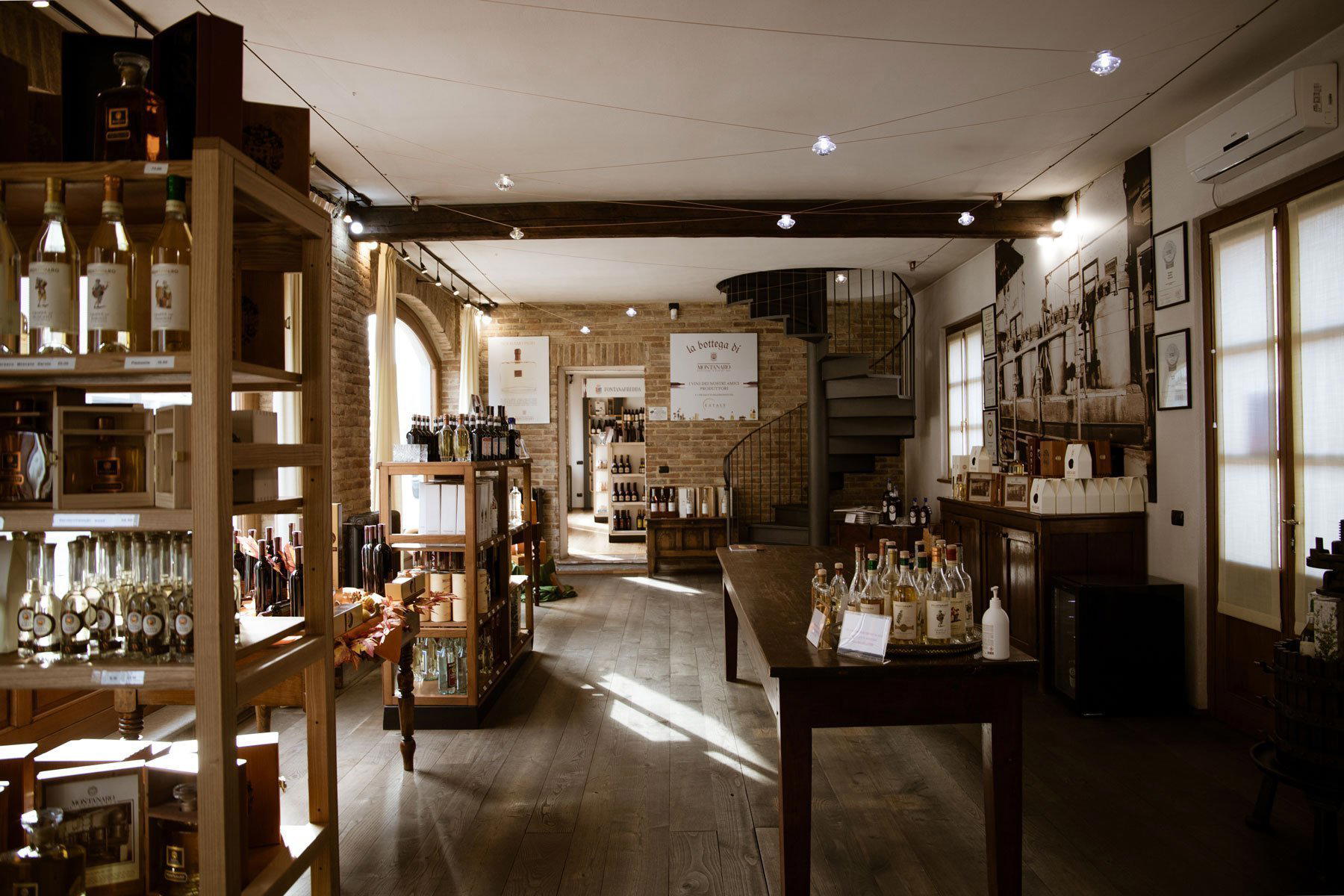
Bars in Alba
All bars in Alba →

Details
- Scenic
- Rustic
- Cozy
- Intimate
- Romantic
- Group Outing
- Wine Education
- Romantic Getaway
- Solo Exploration
- Special Occasion
- Family
- Vineyard Tour
- Estate Grounds
- Private Tasting
- Sustainable
- Vineyard
- Mountain
- Nebbiolo
- Barbera
- Dolcetto
- Arneis
- Moscato
- Viognier
- Still Red
- Still White
- Sparkling
- Dessert
- Guided Seated Tasting
- Cellar Tour With Tasting
- Small Group Tasting
- Private Booking
- English
- French
- Italian
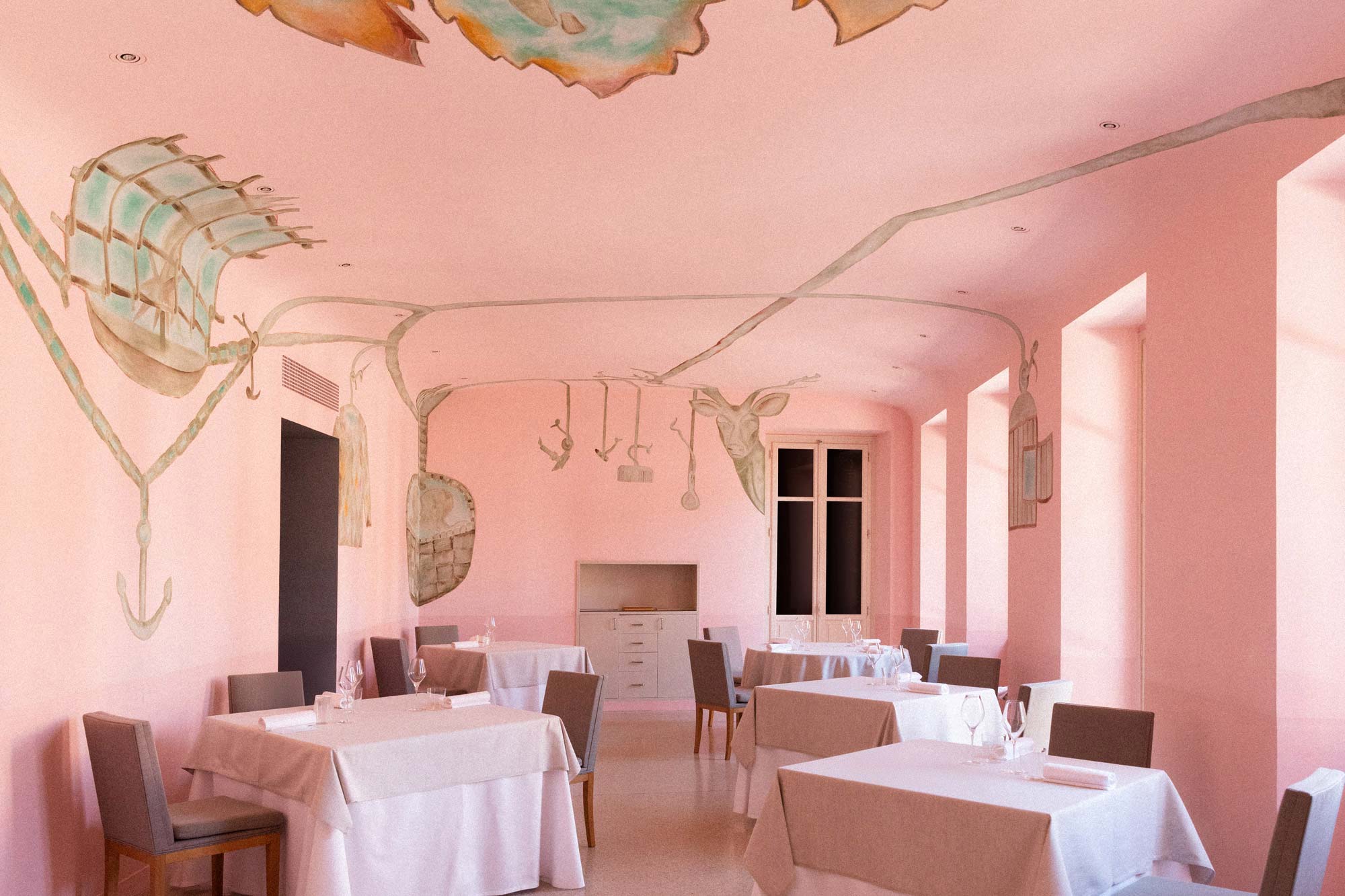
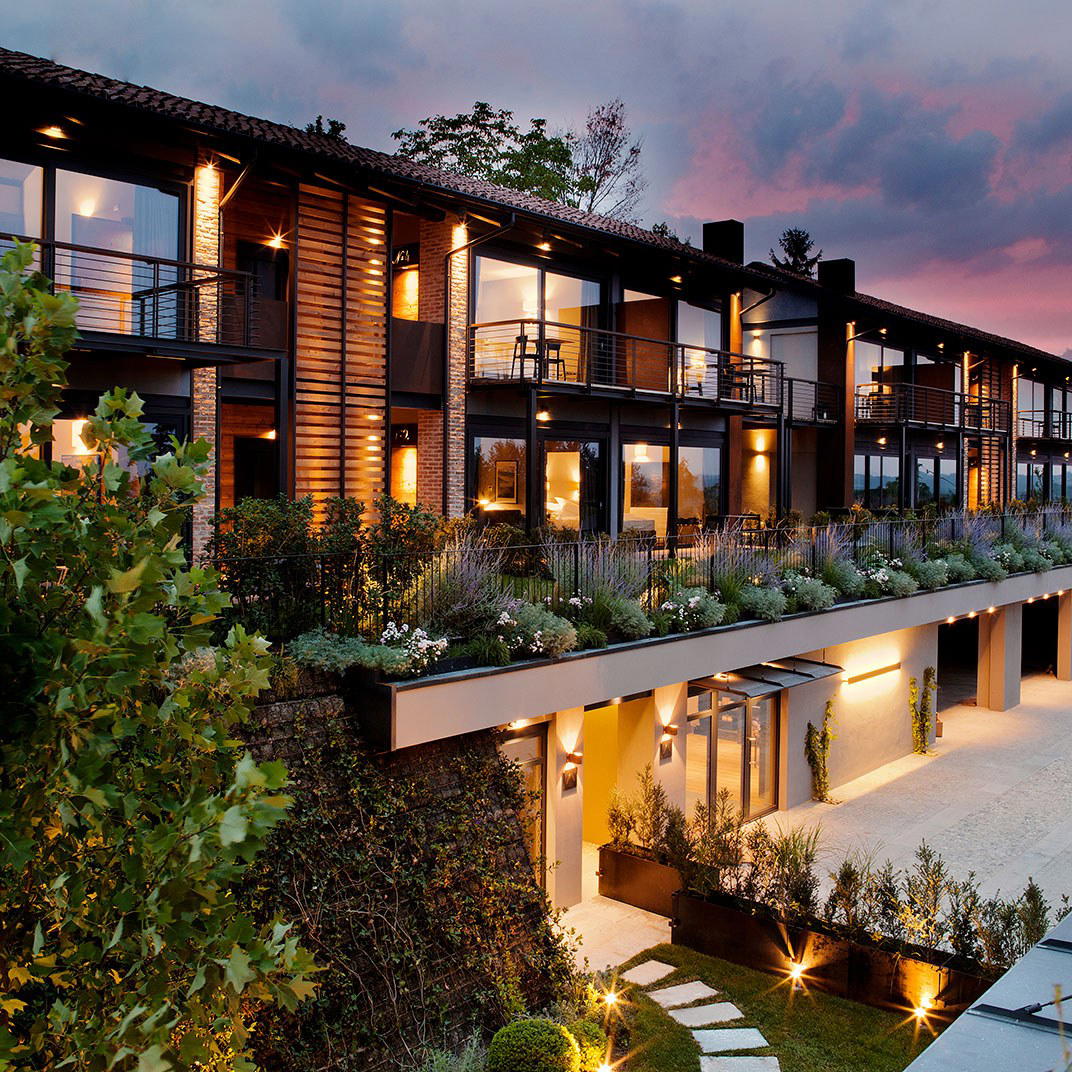
Family-run, welcoming winery in the Langhe hills with a relaxed, intimate tasting room atmosphere focused on storytelling, tradition, and education rather than design spectacle.