Macdonald
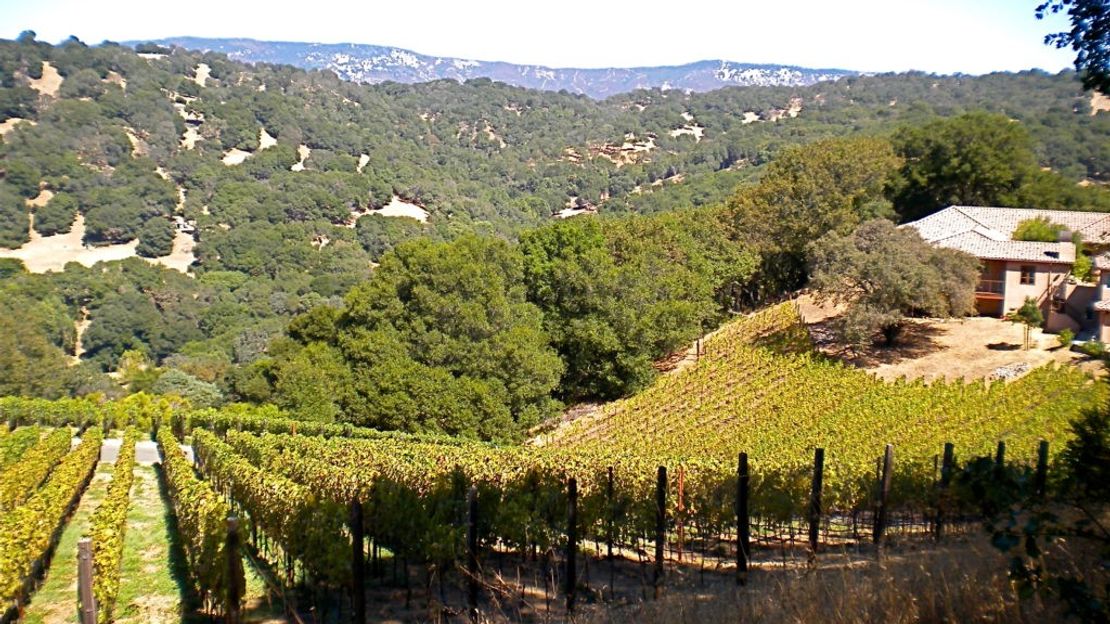
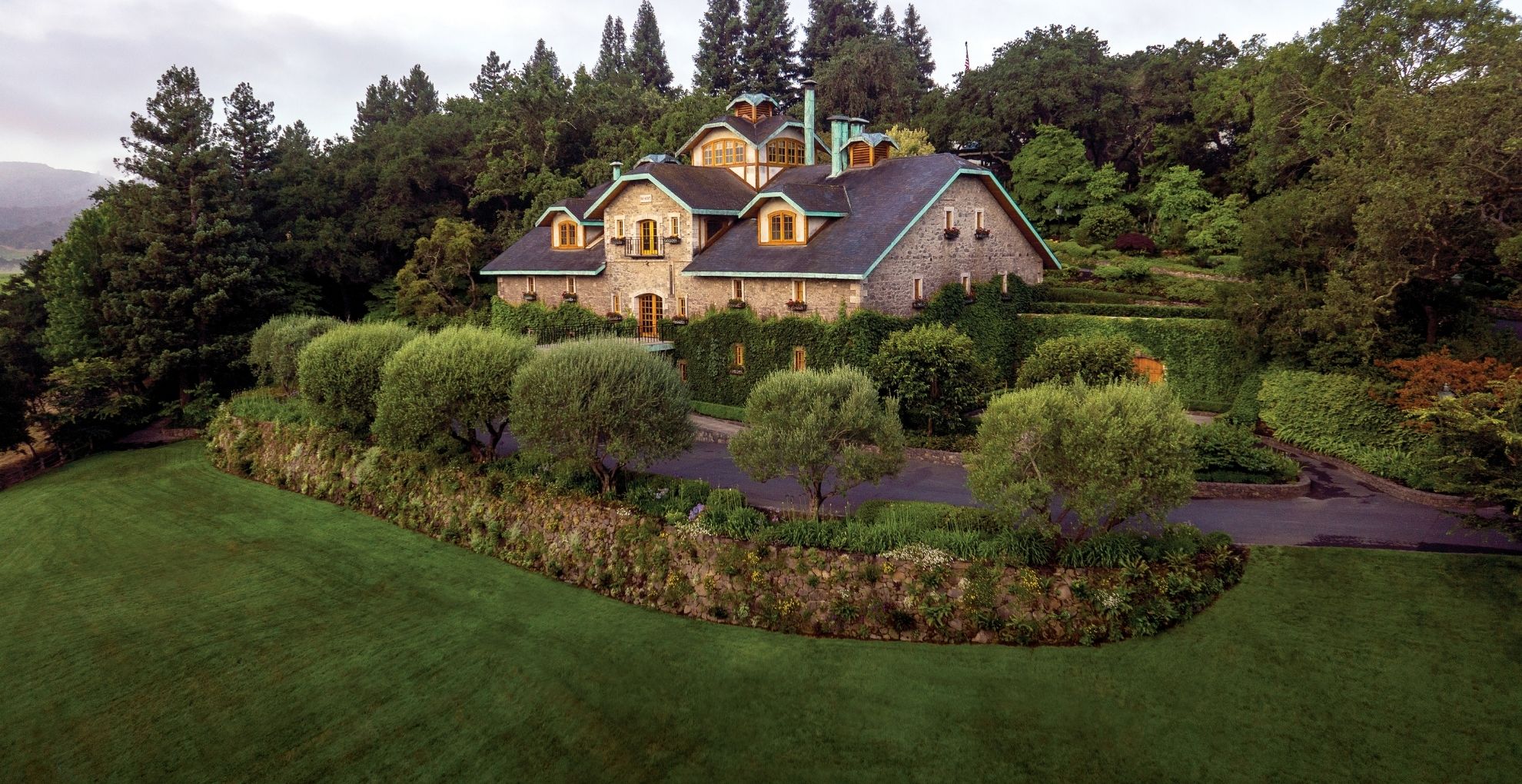
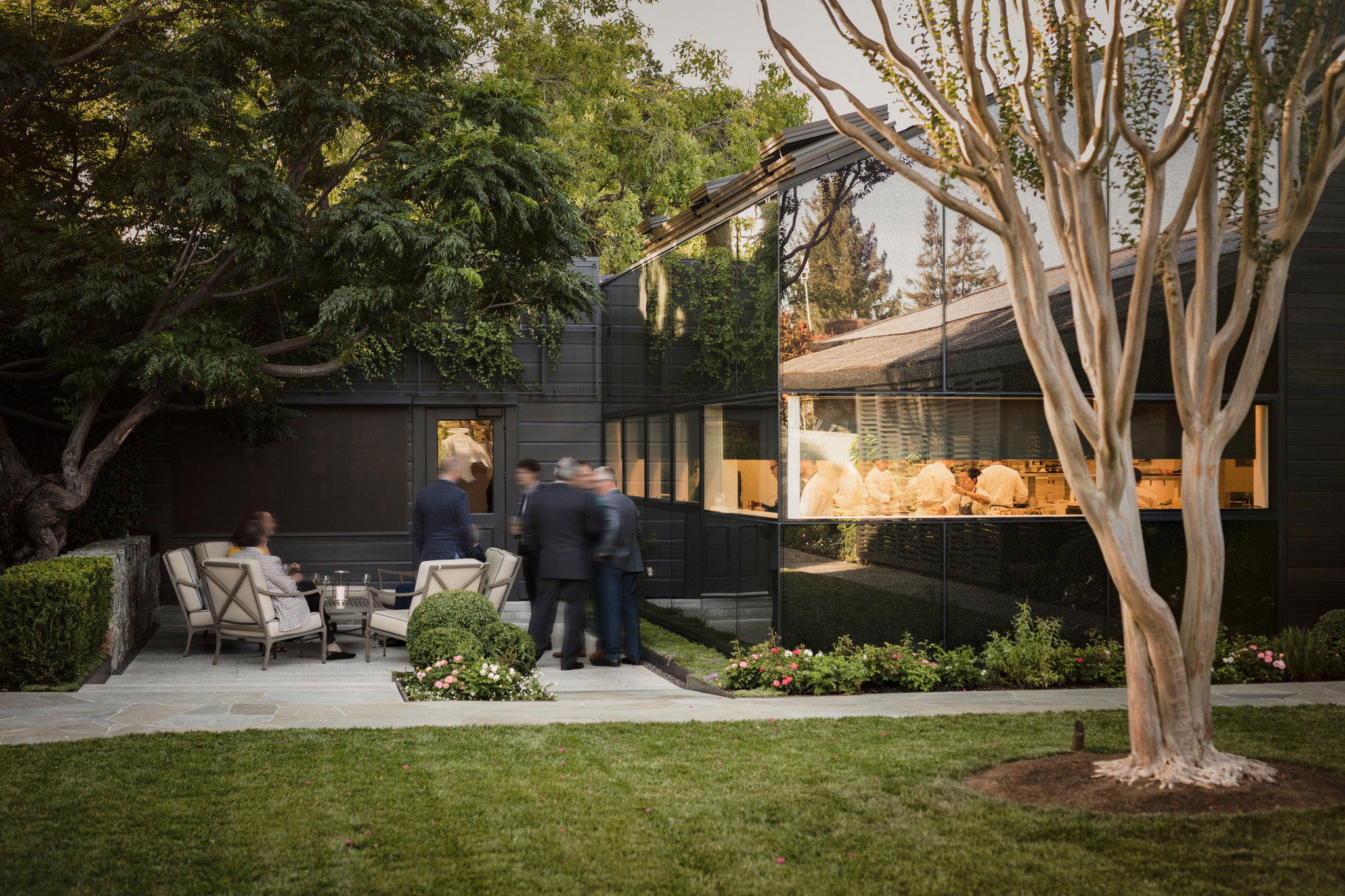
Macdonald is a Napa winery producing estate wines under the direction of Alex MacDonald and Graeme MacDonald, with the first vintage released in 2010.. Visitors approaching the property encounter the considered, low-intervention aesthetic that defines this corner of Napa's premium independent scene.

Pearl is the En Primeur Club membership app — saves, bookings, and concierge access live there. Same editors, same standards.
- Address
- MacDonald St, Napa, CA 94558
- Phone
- (707) 225-7264
- Website
- macdonaldvineyards.com
- Directions
- Get directions
Where Small-Production Napa Earns Its Credentials
Napa's premium wine tier has fractured in interesting ways over the past decade. On one side sit the established estates with deep tourist infrastructure, tasting pavilions, and production volumes measured in tens of thousands of cases. On the other, a smaller cohort of independent producers has quietly built reputations on allocation lists rather than walk-in traffic, first vintages rather than century-old cellars, and recognizable family names rather than corporate ownership structures. Macdonald belongs to this latter group. Founded by Alex MacDonald and Graeme MacDonald, with the debut vintage arriving in 2010, the winery operates in a tier where credentials are established bottle by bottle rather than through hospitality investment.
The Sourcing Question at the Heart of Napa's Identity
What distinguishes one Napa producer from another at this level almost always comes down to sourcing. In a valley where the same appellations — Oakville, Stags Leap, Rutherford, Howell Mountain, carry enormous price and reputation signals, the decision of where to source fruit is as consequential as any winemaking choice. For small producers operating without the use of large estate holdings, this means establishing long-term relationships with specific growers, negotiating access to particular blocks, and building a house style around the character of those sources year after year. That discipline of origin is what separates the allocation-worthy small producer from the generically positioned label. Macdonald's approach, under Alex and Graeme MacDonald, follows this logic: the winery has been building its sourcing identity since 2010, which means nearly fifteen vintages of accumulated knowledge about how specific Napa sites behave across different growing conditions. For the wine buyer, that kind of continuity is exactly the signal worth tracking.
This focus on source integrity places Macdonald in a conversation with other Napa producers who have chosen depth over breadth. Peers like Ashes and Diamonds Winery and Blackbird Vineyards have taken similarly deliberate positions in the Napa market, building their identities around restrained production and specific sourcing philosophies rather than volume. The contrast with larger institutional players is stark: where Artesa Vineyards and Winery operates across a broader visitor-facing model, producers at Macdonald's scale can afford the selectivity that allocation-list buyers reward. Further afield, Accendo Cellars in St. Helena represents another iteration of this small-production, high-attention model operating within the same premium valley framework.
Fifteen Vintages and What They Signal
A 2010 first vintage matters in context. Napa's establishment, the estates that appear on international auction records and anchor the valley's premium reputation, typically traces its origins back decades further. The producers who began releasing in the 2010s entered a market with an established hierarchy but also found themselves with a specific advantage: they could build house style without inheriting legacy decisions about grape varieties, site selection, or winemaking approach. The MacDonald family, in launching under their own name at that point, made a statement about conviction in a particular direction.
The timing also means the winery has now navigated the full range of Napa's recent growing conditions, the drought years, the smoke-affected harvests, the seasons that tested sorting decisions and pushed producers to articulate their actual priorities. A winery that holds its critical standing across those years is doing something more consistent than luck. For the collector building a cellar around small-production Napa, that vintage continuity is the argument for attention. Comparable producers in California's wider premium tier, from Adelaida Vineyards in Paso Robles to Alban Vineyards in Arroyo Grande, have similarly built reputations through decade-long consistency rather than single-vintage acclaim.
Napa's Independent Tier: Where Macdonald Sits
The Napa Valley wine market operates across at least three distinct commercial tiers. At the leading end, ultra-premium cult producers command four-figure bottle prices and multi-year waitlists. Below that, a mid-premium tier of established estate wineries produces at volumes that allow national and international distribution. Then there is the tier Macdonald occupies: serious independent producers with limited production, allocation-driven distribution, and reputations built primarily through critical recognition and collector word-of-mouth rather than marketing infrastructure.
Other California producers operating in adjacent market positions include Alpha Omega Winery in Rutherford, which has built its own premium recognition through focused production, and Darioush Winery, which represents a different version of small-producer ambition in the valley. The broader California picture extends to Andrew Murray Vineyards in Los Olivos and Alexander Valley Vineyards in Geyserville, producers that demonstrate how the small-production premium model plays out across different California appellations. For international context, the discipline of origin-focused, family-run production connects Macdonald to producers as varied as Adelsheim Vineyard in Newberg and Clos Selene Winery, each building reputations through a consistent sourcing commitment over many seasons. Even further afield, established family producers like Achaia Clauss in Patras and Aberlour in Aberlour demonstrate that multi-generational name-driven production carries its own kind of authority regardless of appellation.
Planning a Visit and Finding the Wine
Macdonald's address on MacDonald St in Napa places it within reach of the valley's main touring corridor, though producers at this production level typically prioritize direct allocation over drop-in hospitality. Visitors planning time in Napa would do well to research current contact and booking details directly, as small producers frequently update their tasting arrangements. Phone and website details were not available at the time of publication. The winery's current release information and any allocation list access are leading sought through direct inquiry or through EP Club's full Napa guide, which covers the valley's independent tier in depth.
Awards and Standing
Comparable venues nearby, for context on price, style, and recognition.
| Venue | Cuisine | Price | Awards | Notes |
|---|---|---|---|---|
| MacdonaldThis venue — the venue you are viewing | Cabernet Sauvignon, Cabernet Franc | $150–200 | Not listed | Not listed |
| Chimney Rock Winery | Cabernet Sauvignon, Merlot | $50–100 | Falstaff Winery - Listed | Stags Leap District |
| The Setting Wines | Cabernet Sauvignon | Not listed | Not listed | Oakville |
| Donum Estate | Pinot Noir, Chardonnay | Not listed | Not listed | Carneros |
| Vice Versa Wines | Cabernet Sauvignon, Cabernet Franc | $150–200 | Not listed | Napa Valley |
| The Mascot | Cabernet Sauvignon, Merlot | Not listed | Not listed | Napa Valley |
Details
- Elegant
- Romantic
- Sophisticated
- Scenic
- Wine Education
- Romantic Getaway
- Special Occasion
- Vineyard Tour
- Estate Grounds
- Private Tasting
- Organic
- Dry Farmed
- Vineyard
- Mountain
- Cabernet Sauvignon
- Cabernet Franc
- Still Red
- Private Tasting
- English
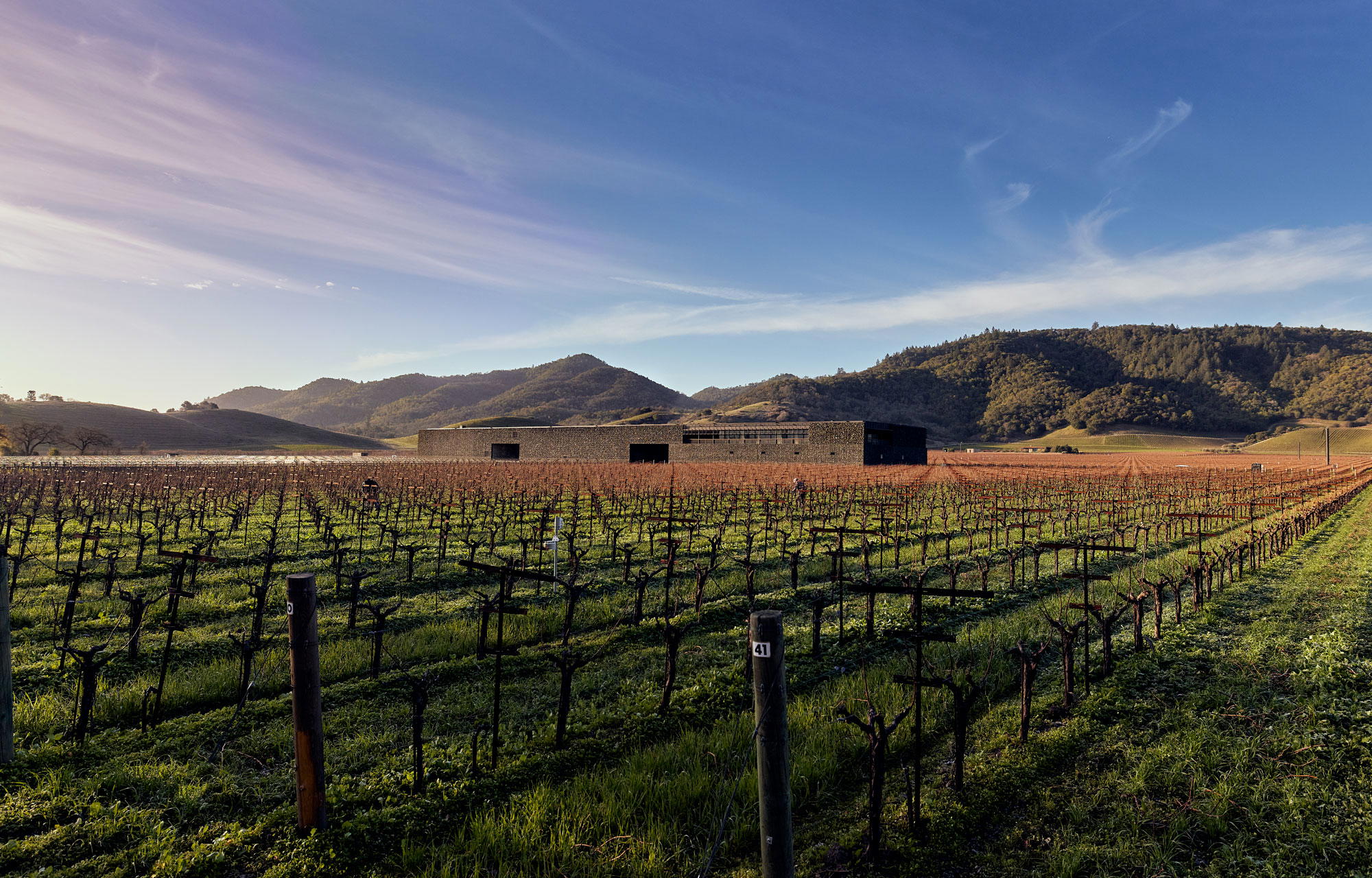
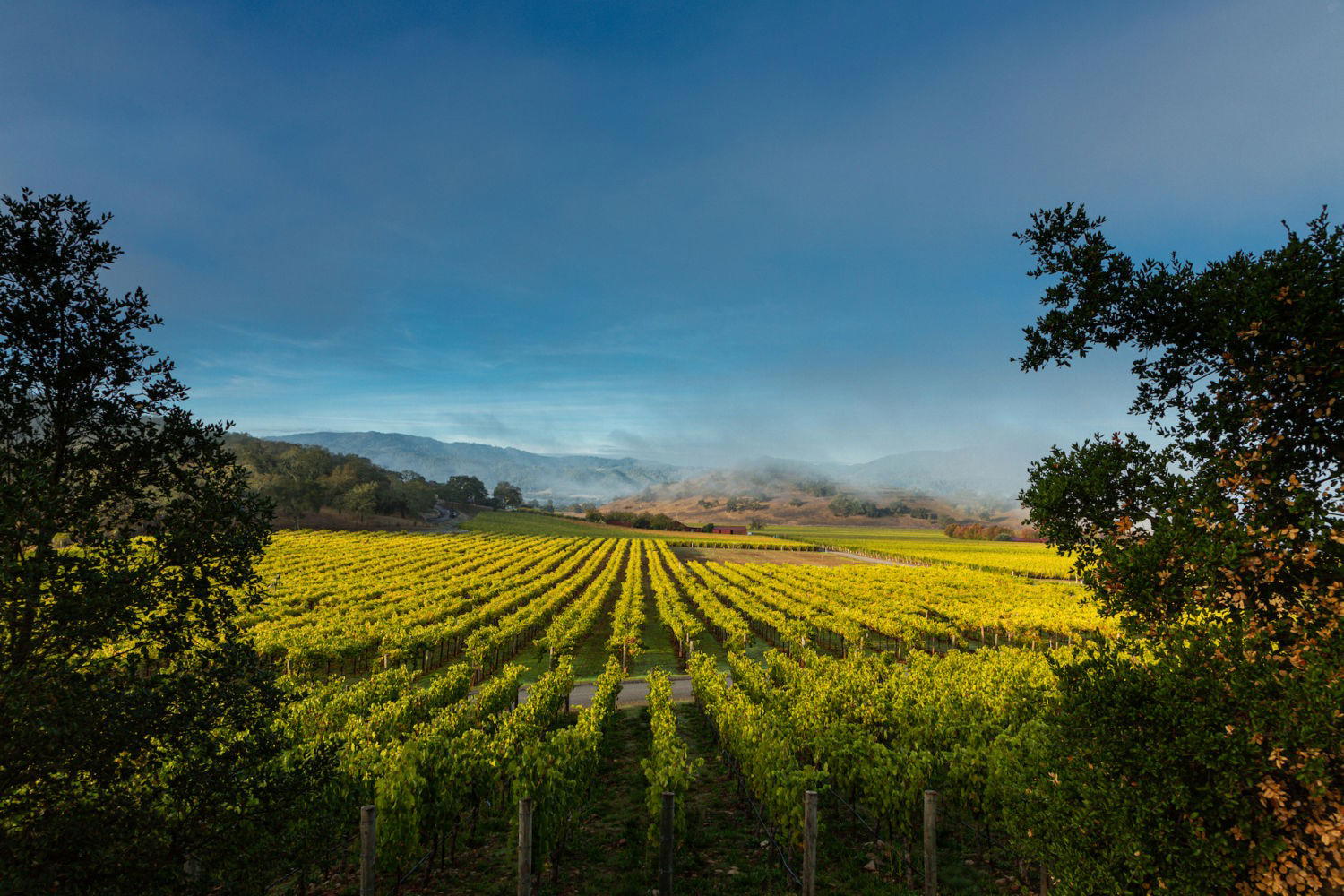
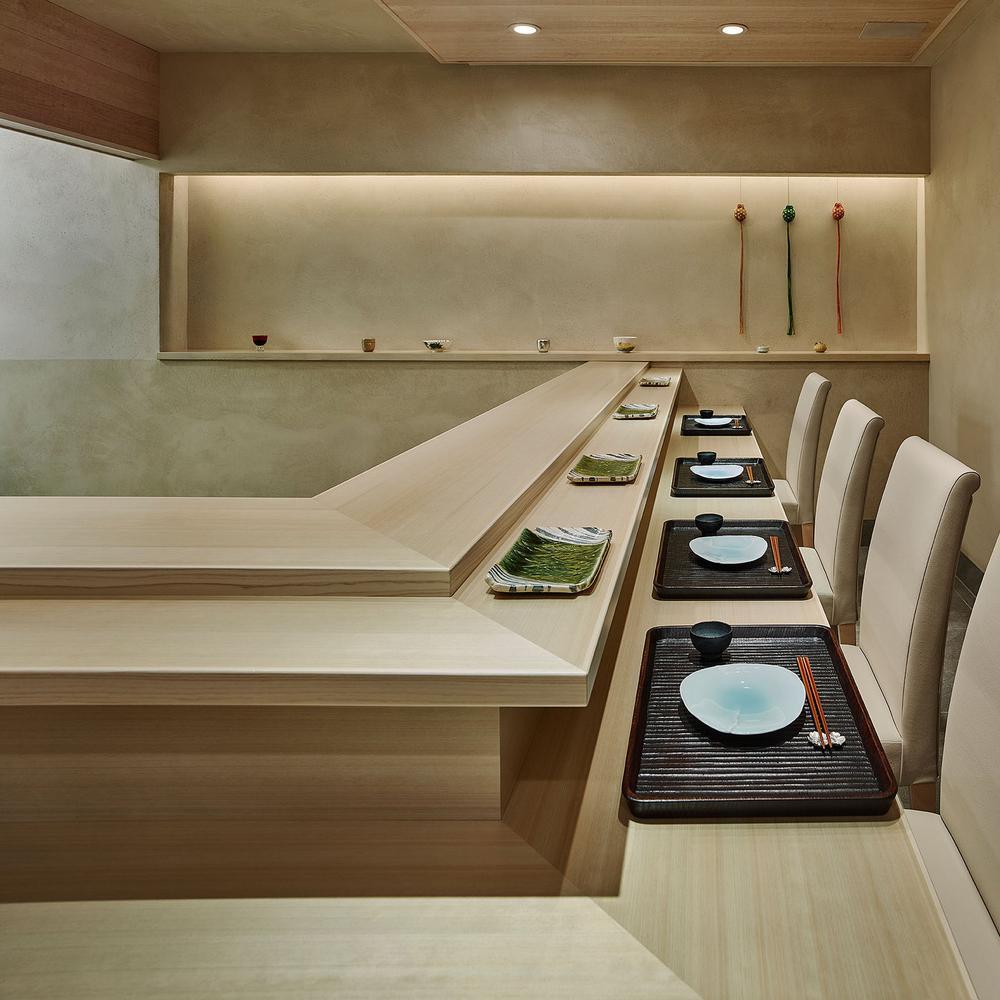
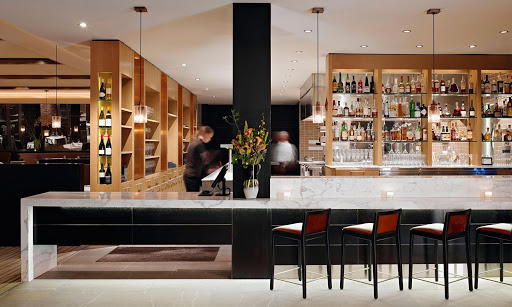
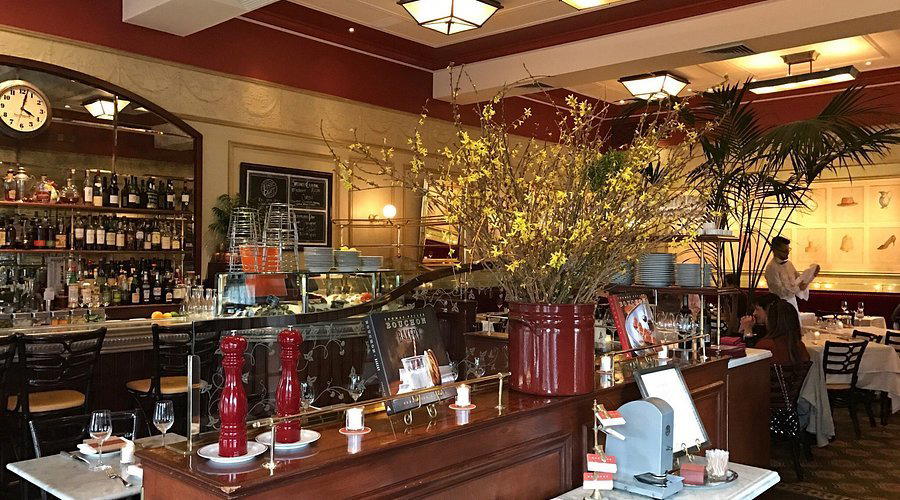
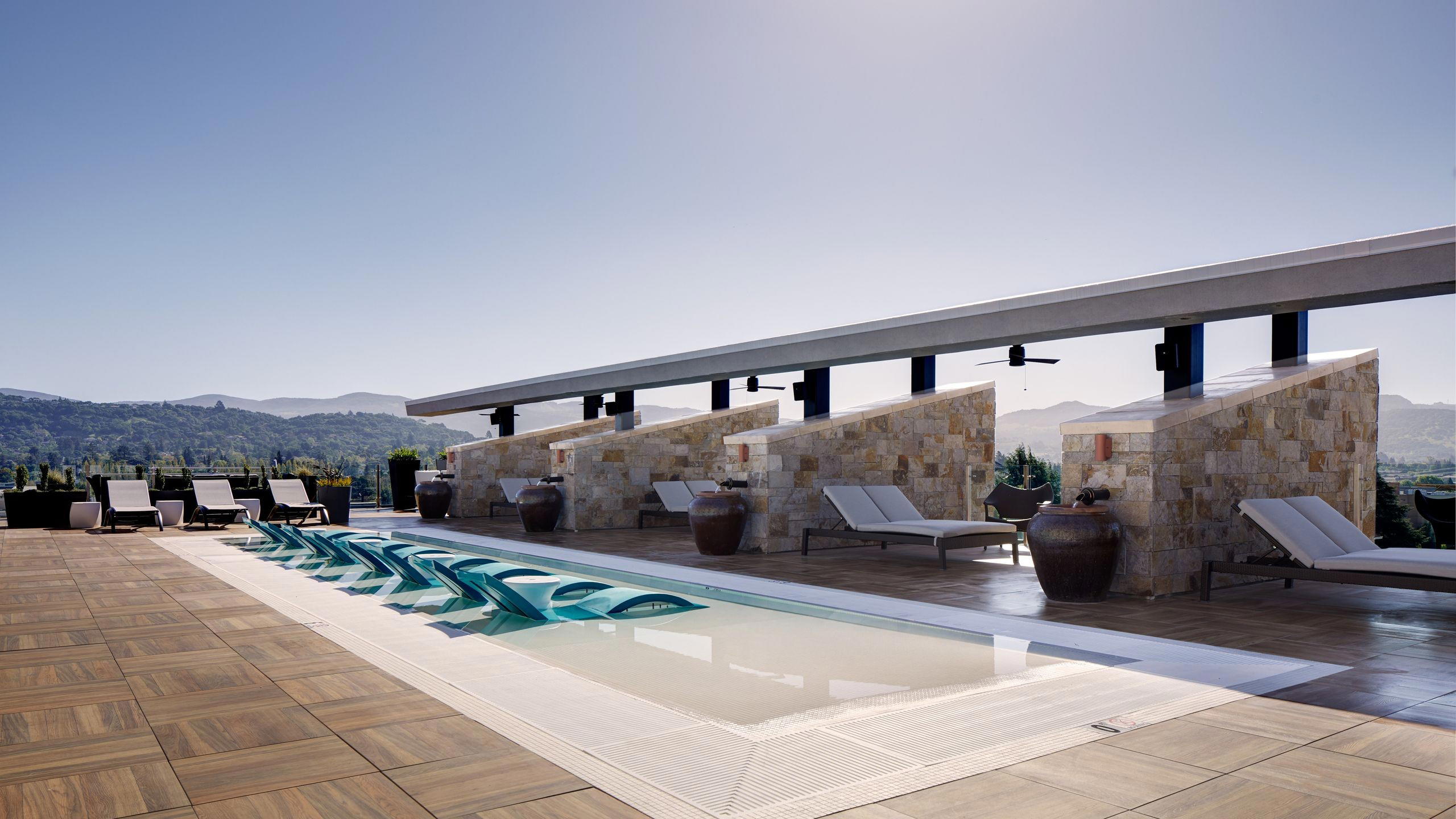
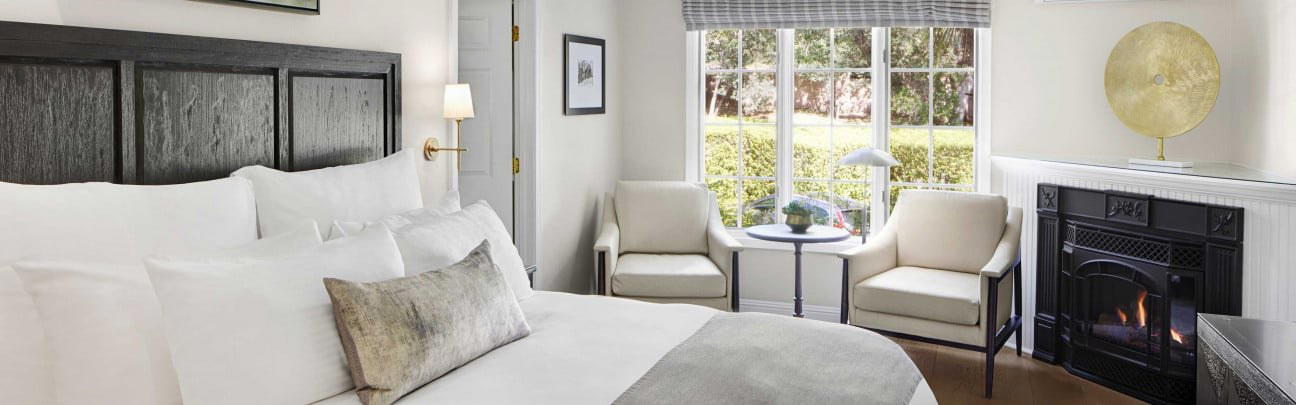
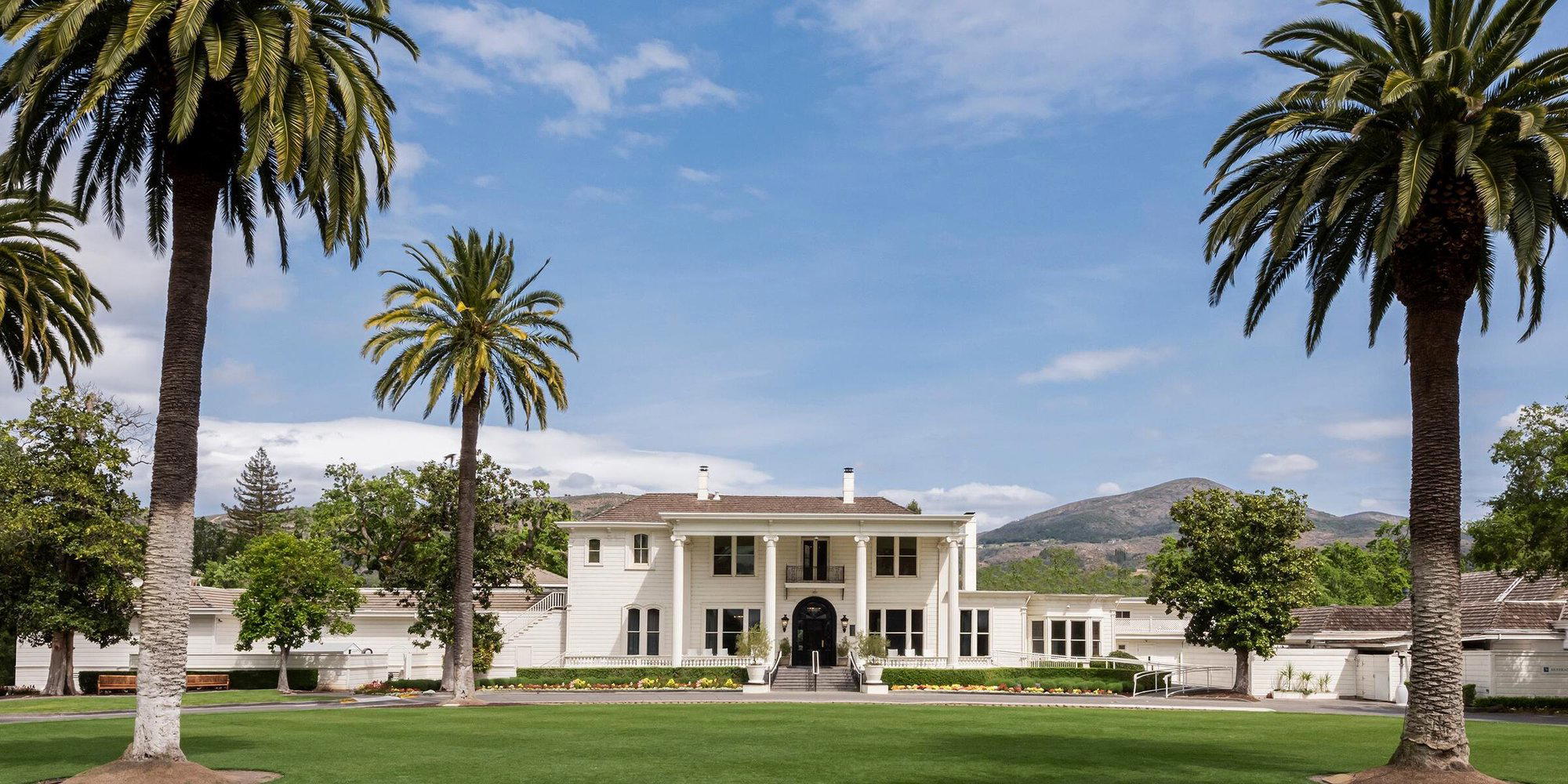
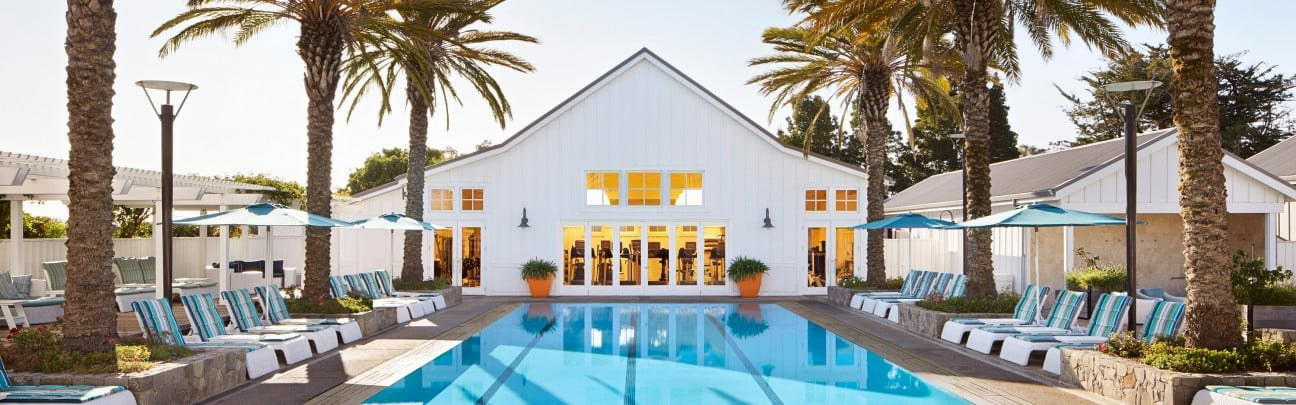
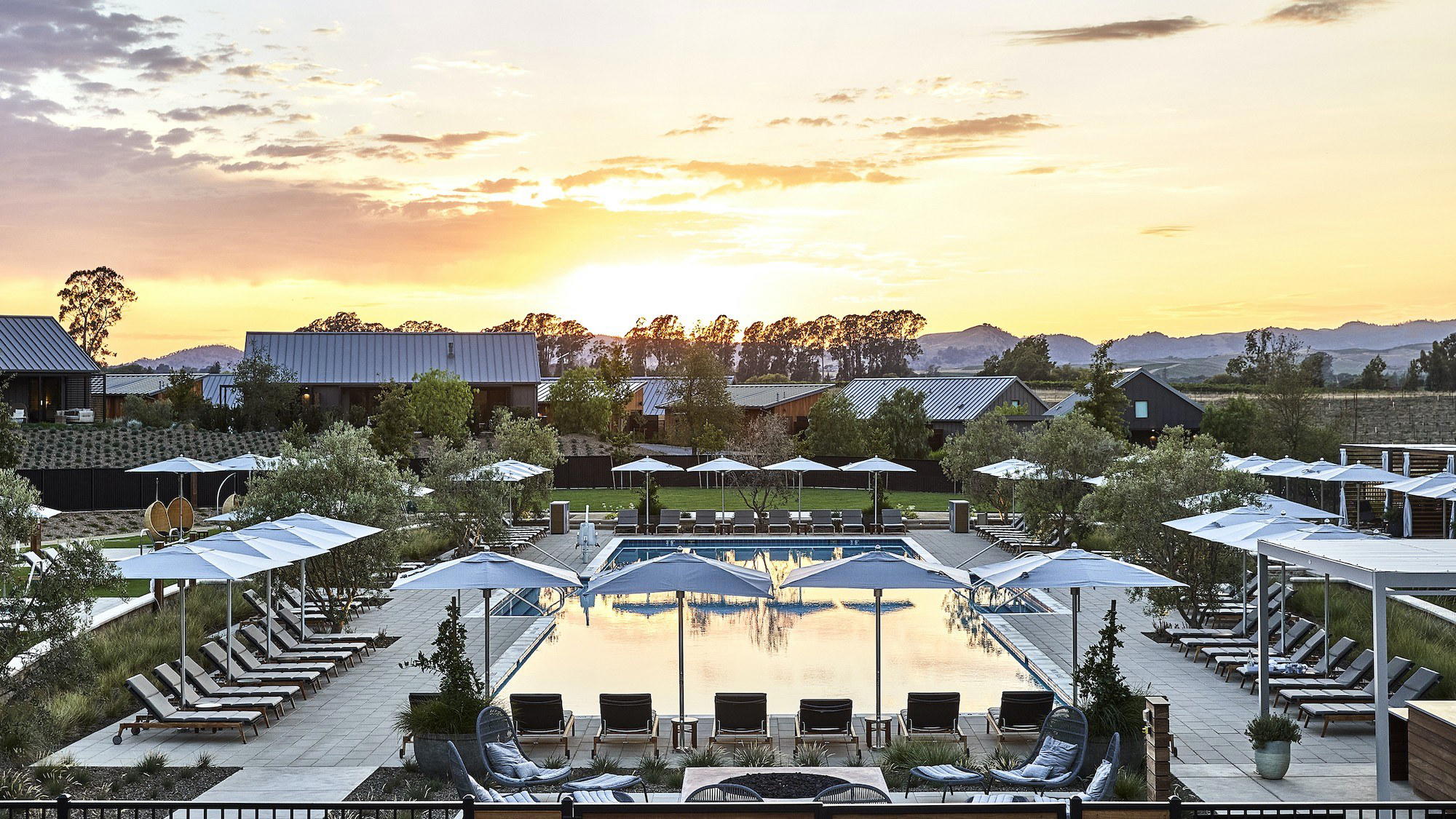
Intimate and refined atmosphere reflecting the winery's commitment to quality and heritage, with a focus on the purity and energy of the site.