Maude and the Bear




James Beard Award Semi Finalist · Esquire Best New Restaurants · New York Times America's Best Restaurants
Our verdict
A 1926 Montgomery Ward kit house on North Augusta Street is now one of the Shenandoah Valley's most serious tasting-menu destinations. Chef Ian Boden runs four-to-eight course dinners Thursday through Saturday by reservation only, pairing Virginia's seasonal larder with technically considered cooking. The adjoining inn means the whole evening, from first course to last sleep, unfolds under one roof.

Pearl is the En Primeur Club membership app — saves, bookings, and concierge access live there. Same editors, same standards.
- Address
- 1106 N Augusta St, Staunton, VA 24401
- Phone
- (540) 688-1660
- Website
- maudeandthebear.com
- Directions
- Get directions
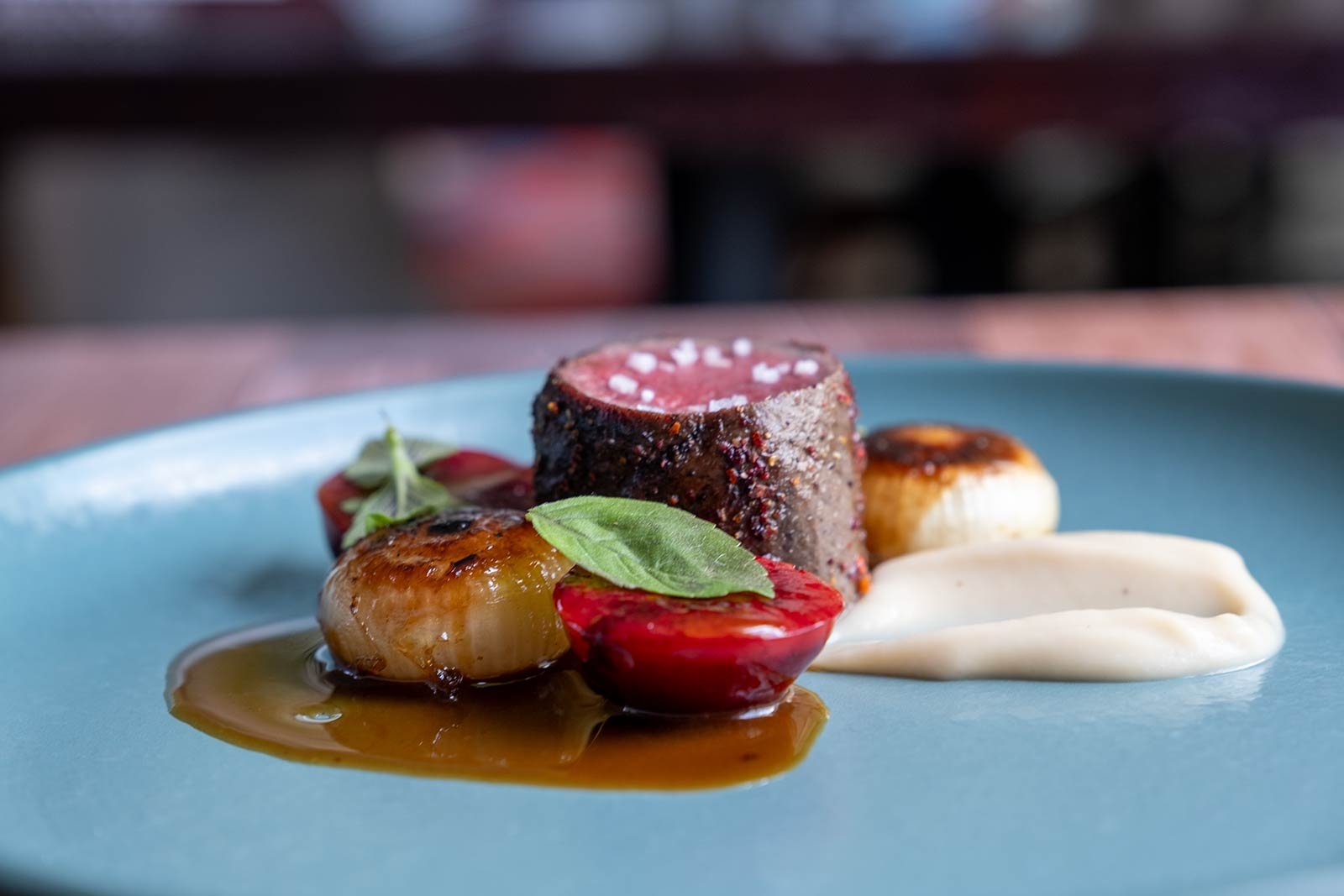
A Century-Old House and a Very Current Kitchen
On North Augusta Street in Staunton, Virginia, a modest kit house built from a Montgomery Ward catalog in 1926 now signals something the Shenandoah Valley has been building toward for a generation: a serious, reservation-only tasting menu rooted in local sourcing rather than borrowed coastal prestige. Maude and the Bear opened in April 2024, occupying a structure whose spare, domestic architecture is nothing like the sleek dining rooms associated with American fine dining's urban tier. That contrast is part of the point. The room's century-old bones set up a certain expectation of simplicity, and the kitchen then works against it.
The farm-to-table movement in America passed through several phases before arriving at what Maude and the Bear represents. The first wave, which crested in California in the 1970s and 1980s, foregrounded the ingredient itself, sometimes at the expense of technique. A second wave professionalized the sourcing relationship but occasionally let it become marketing copy. What the better practitioners now do is something quieter: they let seasonal Virginia produce set the calendar, then apply enough technique that the dish reads as composed rather than foraged. None of those dishes announces its sourcing provenance with the self-congratulatory headers common to a certain style of farm-driven menu. The ingredients simply appear in configurations of genuine complexity.
Where Maude and the Bear Sits in the Tasting-Menu Tier
The American tasting-menu conversation is disproportionately concentrated in a handful of cities. Alinea in Chicago, Lazy Bear in San Francisco, and Atomix in New York City operate within dense urban ecosystems of press attention, expense-account clientele, and peer competition that drive a particular kind of ambition and a particular price ceiling. The same format in a small Virginia city operates differently. Staunton has roughly 25,000 residents and sits in Augusta County, a region whose agricultural calendar is defined by Appalachian growing seasons: ramps in early spring, stone fruits in summer, root vegetables and preserved goods through the colder months. A tasting-menu kitchen here does not have the luxury of sourcing globally to fill gaps in the local harvest. It adapts.
That constraint is, in practice, a creative condition. Blue Hill at Stone Barns in Tarrytown built its entire identity around exactly this kind of seasonal obligation. Single Thread Farm in Healdsburg takes a comparable approach, using the farm cycle to dictate the menu rather than accommodate it. Maude and the Bear fits within that lineage of American restaurants where the farm-to-table ethos is structural rather than decorative, even if its scale is considerably more modest. Ian Boden, the chef and owner, operates a format of four to eight courses across a Thursday-through-Saturday service window, reservation only. That three-day week is a deliberate constraint that keeps the sourcing tight and the kitchen staffed at a level the format demands.
Staunton itself has developed a dining identity that punches above its scale. The Shack, another serious New American address in the city, reflects the same instinct: technically precise cooking drawing on Virginia's seasonal larder, in a room that makes no concessions to the visual grammar of metropolitan fine dining. Together, these two restaurants place Staunton on a short list of small American cities sustaining chef-driven tasting menus without the support infrastructure of a major urban market. For the broader picture of where to eat and stay in the city, our full Staunton restaurants guide covers the range.
The Inn as an Extension of the Meal
The decision to attach an inn to the restaurant is not a novelty gesture. The Inn at Little Washington, Patrick O'Connell's long-running Virginia institution, built its reputation partly on the idea that a serious meal deserves an equally considered place to sleep. The logic is sound: a multi-course tasting menu at a destination restaurant in a small city asks a guest to commit to travel, to a specific evening, and to a pace of dining that resists a quick departure. An adjoining inn resolves the driving question and extends the experience into the following morning.
The physical structure itself carries meaning here. A 1926 Montgomery Ward kit house was not a luxury object; it was a catalog-ordered middle-class home, built from standardized parts and assembled on-site. That history layers the space with an American domesticity that a purpose-built restaurant room cannot replicate. Dining in a room like this, where the architectural bones predate the restaurant concept by nearly a century, produces a different relationship to the food than dining in a purpose-designed space. The cooking lands differently when the room is this quiet and this old.
Planning Your Visit
Maude and the Bear operates Thursday through Saturday, tasting menu only, by reservation. Given the three-day service window and the small scale of the operation, booking ahead is the only reliable approach; walk-in availability at this format and this level of advance interest is not something to count on. The address is 1106 N Augusta St, Staunton, VA 24401. For those extending the trip into the wider city, our Staunton hotels guide, bars guide, wineries guide, and experiences guide map the broader visit. The Shenandoah Valley's wine trail and the city's performing-arts calendar, anchored by the American Shakespeare Center, give the trip enough structure to justify a two-night stay.
The broader reference class for what Maude and the Bear is attempting includes addresses operating at a similar register elsewhere in the country: Providence in Los Angeles, The French Laundry in Napa, and Addison in San Diego all work at a level of finish and intention that places serious cooking inside a specific sense of place. Staunton is not Napa or Yountville, and Maude and the Bear does not operate at the staffing levels or price points of those California addresses. But the ambition is recognizably the same: to make a case that where you are is precisely where you should be eating. In a century-old kit house in the Shenandoah Valley, that case is made with ramps, schmaltz, dry-aged toro, and hickory nuts. It holds up. For a wider view of American tasting-menu cooking at the highest price tier, see our coverage of Le Bernardin in New York City and Emeril's in New Orleans, and for farm-driven formats elsewhere, 8½ Otto e Mezzo Bombana in Hong Kong shows how the sourcing-first argument translates across very different culinary contexts.
Frequently asked questions
Where exactly is Maude and the Bear?
Maude and the Bear is located at 1106 N Augusta St, Staunton, VA 24401, Staunton.
Can I walk in to Maude and the Bear?
No. Maude and the Bear runs a reservation-only tasting menu on a three-day weekly schedule, and the small scale of the operation leaves no practical room for walk-ins. Book in advance; if you are travelling from outside Staunton, the adjoining inn removes any logistical pressure around timing.
Comparable Spots, Quickly
| Venue | Cuisine | Price | Awards | Notes |
|---|---|---|---|---|
| Maude and the BearThis venue — the venue you are viewing | Modern Appalachian Fine Dining | $100–150 | James Beard Award Semi Finalist · Esquire Best New Restaurants | Not listed |
| Le Bernardin | French Seafood Fine Dining | $300–500 | 3 Michelin Stars · World's 50 Best #13 | French, Seafood |
| Atomix | Modern Korean Tasting Menu | $300–500 | 2 Michelin Stars · World's 50 Best #7 | Modern Korean, Korean |
| Lazy Bear | Modern American Tasting Menu | Not listed | 2 Michelin Stars · World's 50 Best #25 | Progressive American, Contemporary |
| Alinea | Avant-Garde Molecular Gastronomy | $300–500 | 2 Michelin Stars · World's 50 Best #37 | Progressive American, Creative |
| Masa | Seasonal Hokkaido Tempura Omakase | $150–200 | Tabelog 100 #34 | Sushi, Japanese |
Recognition history
Dated appearances from independent guides and award organizations, with the underlying list record or original source where available.
James Beard Award Semi Finalist
James Beard Award
Esquire Best New Restaurants
Esquire
New York Times America's Best Restaurants
New York Times
Wine Enthusiast Best Wine Restaurants
Wine Enthusiast
Continue exploring
More in Staunton
Restaurants in Staunton
Browse all →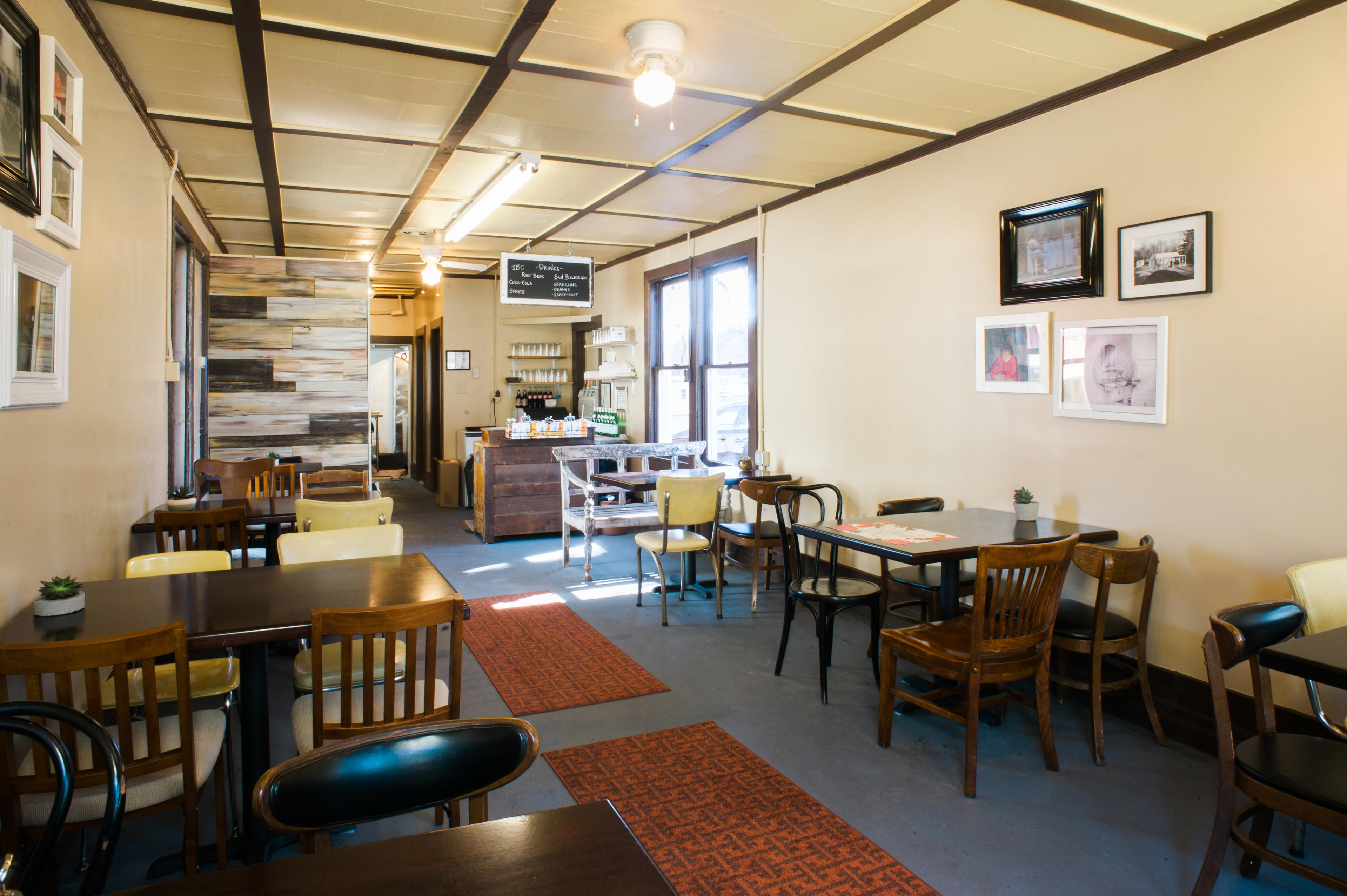
Bars in Staunton
Browse all →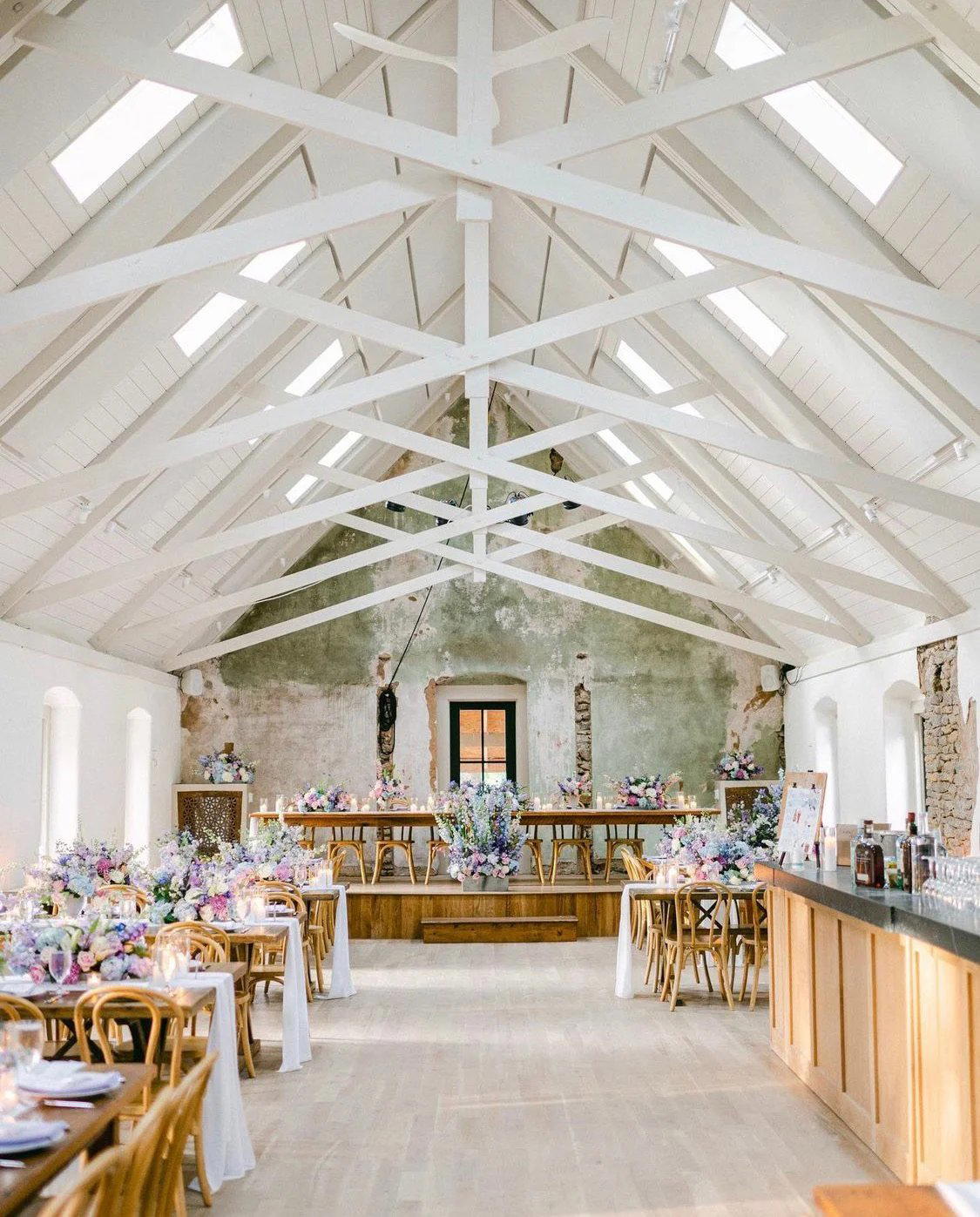
Hotels in Staunton
Browse all →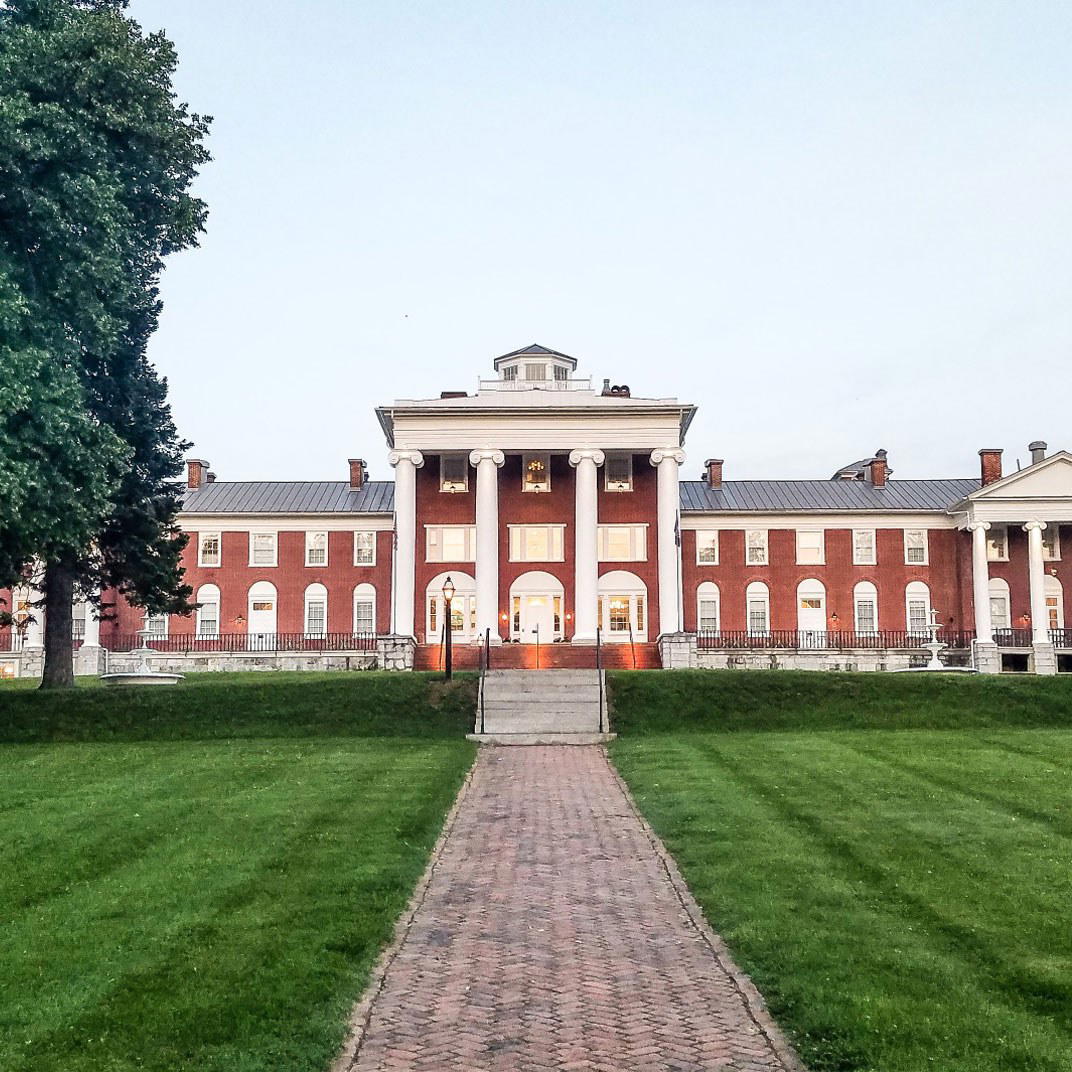
Details
- Cozy
- Elegant
- Intimate
- Whimsical
- Rustic
- Date Night
- Special Occasion
- Open Kitchen
- Extensive Wine List
- Local Sourcing
- Tasting Menu
- Allergy Accommodating
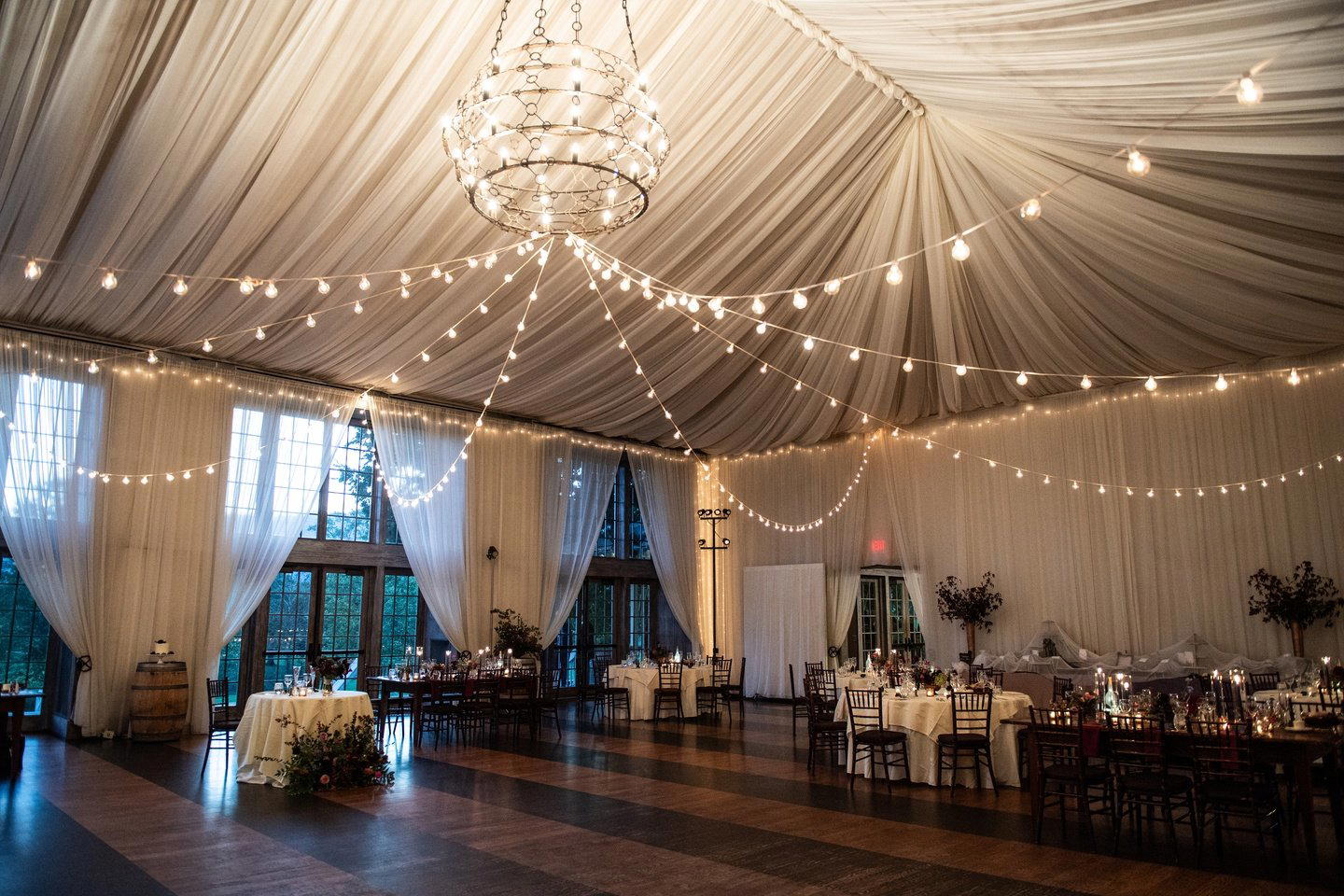
Contemporary and airy sunroom with open kitchen, wood oven, and attention to detail in a cozy, historic setting.