Vintage Restaurant


Set within the Forbes Travel Guide Four-Star Inn at Willow Grove, a restored 1778 plantation house in Orange, Virginia, Vintage Restaurant frames American farmhouse cooking inside one of the Mid-Atlantic's most historically layered resort properties. Chef Kevin Hoofnagle's seasonally driven menu draws on regional producers, spanning casual pub fare to refined dinner service, with a 200-label wine list overseen by Wine Director Charlie Rizzo.
Pearl is the En Primeur Club membership app — saves, bookings, and concierge access live there. Same editors, same standards.
- Address
- 14079 Stones Throw Dr, Orange, VA 22960
- Phone
- (540) 317-1206
- Website
- innatwillowgrove.com
- Directions
- Get directions
 Saves & bookings on Pearl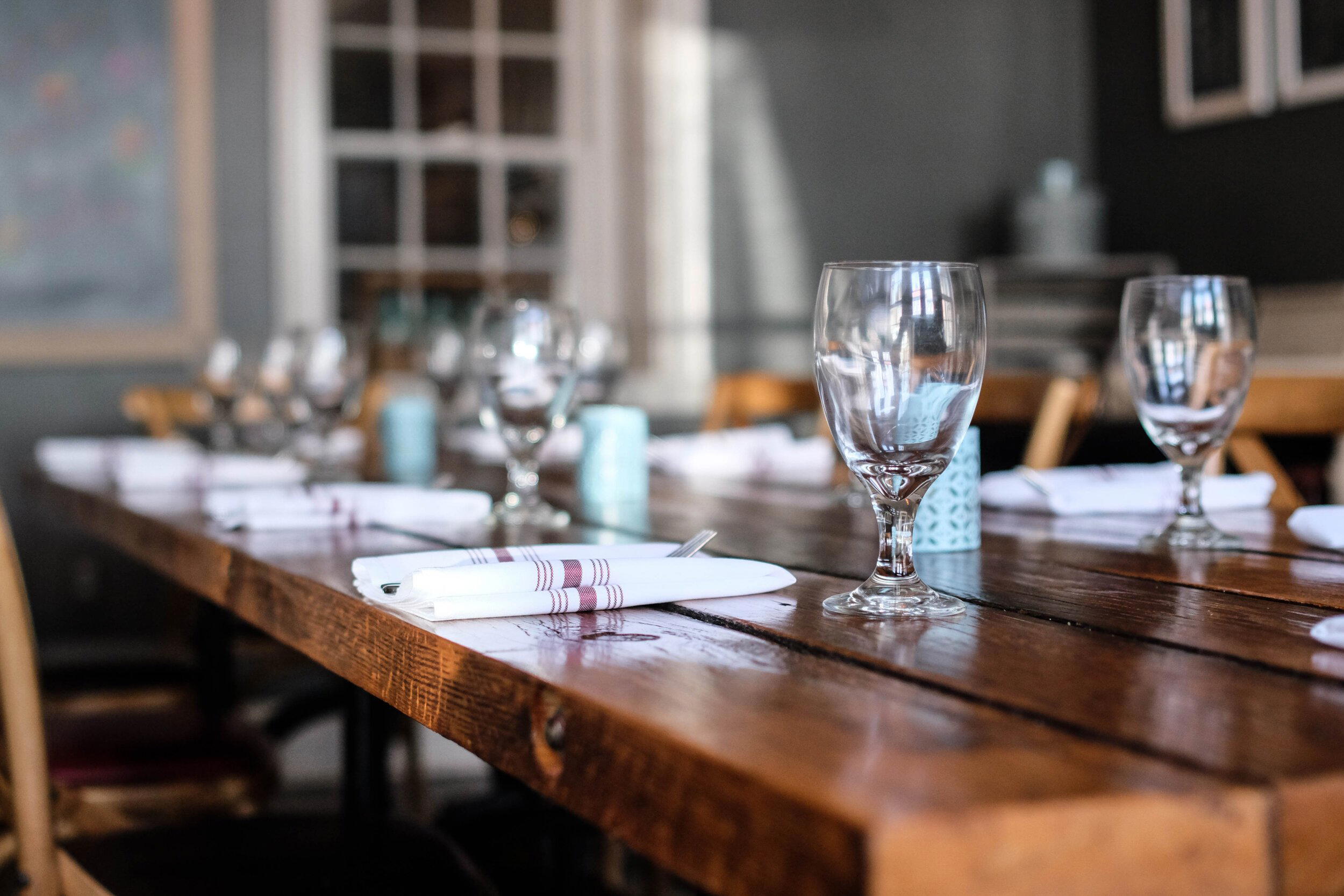
Where Virginia's Farm-to-Table Tradition Meets Historic Architecture
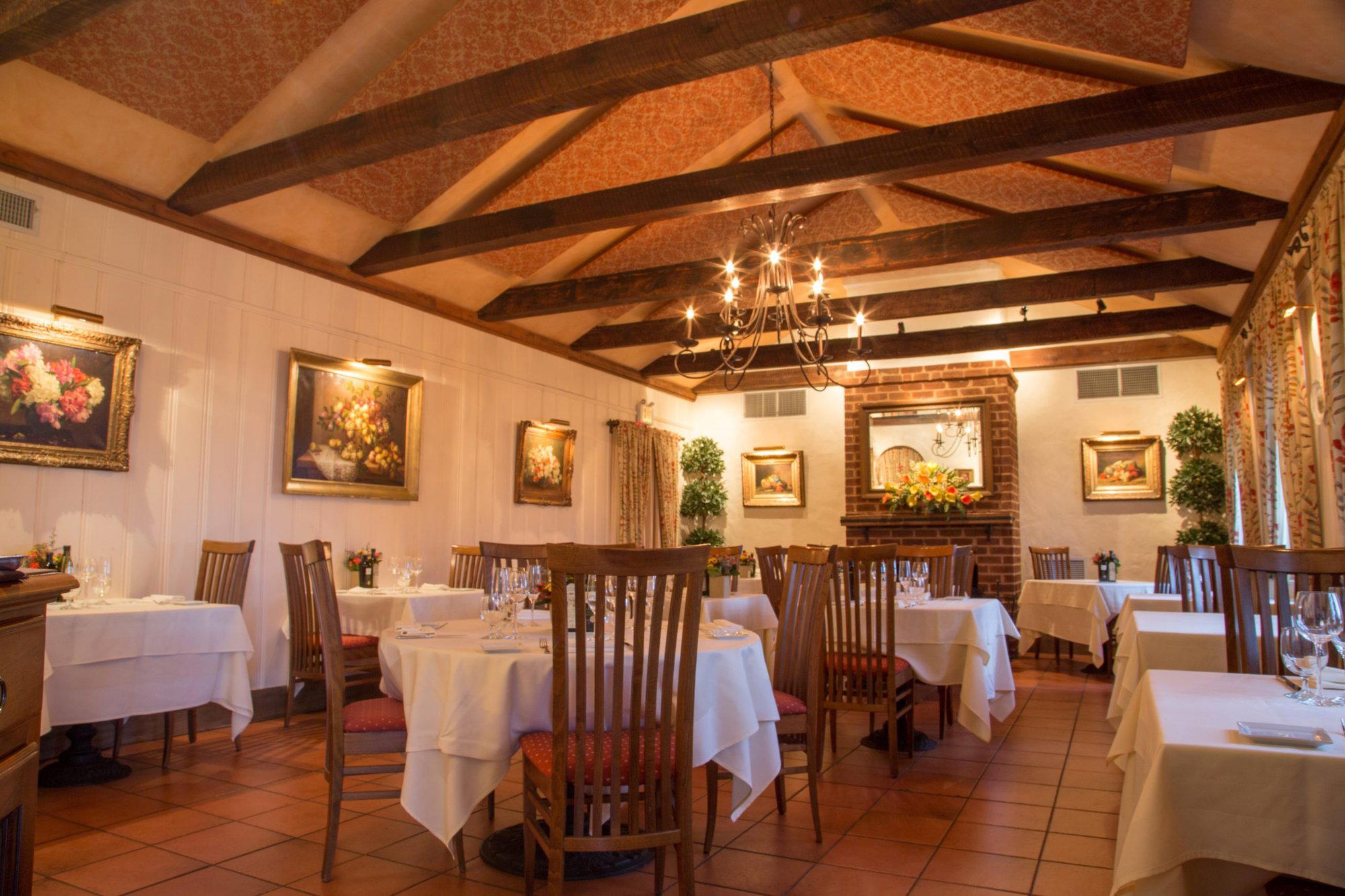
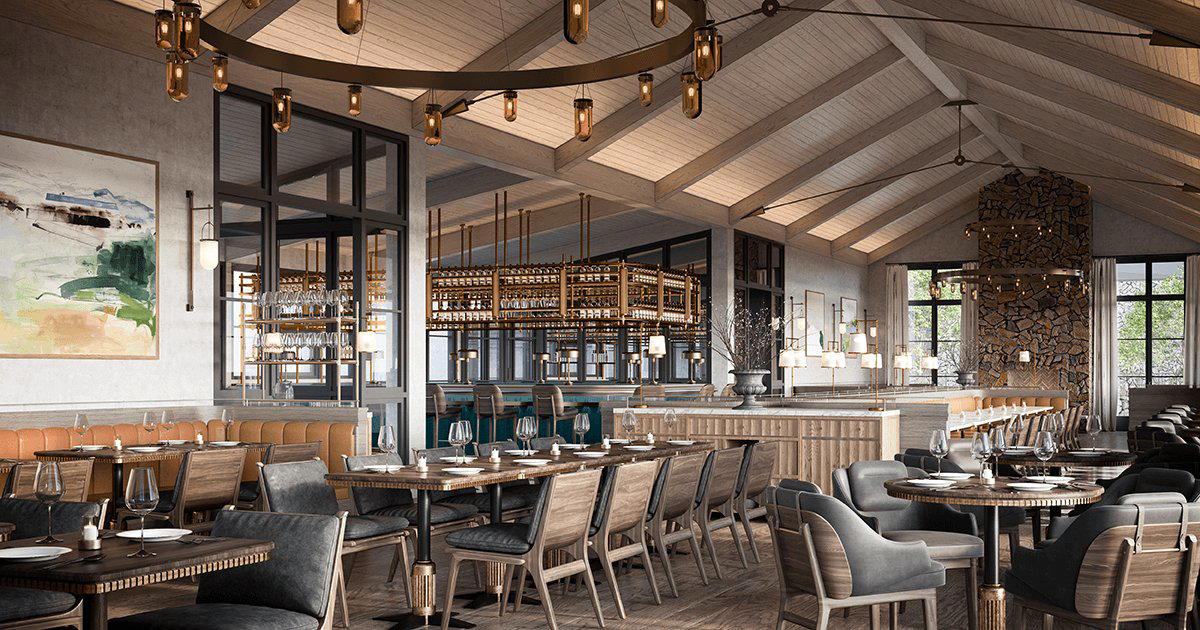
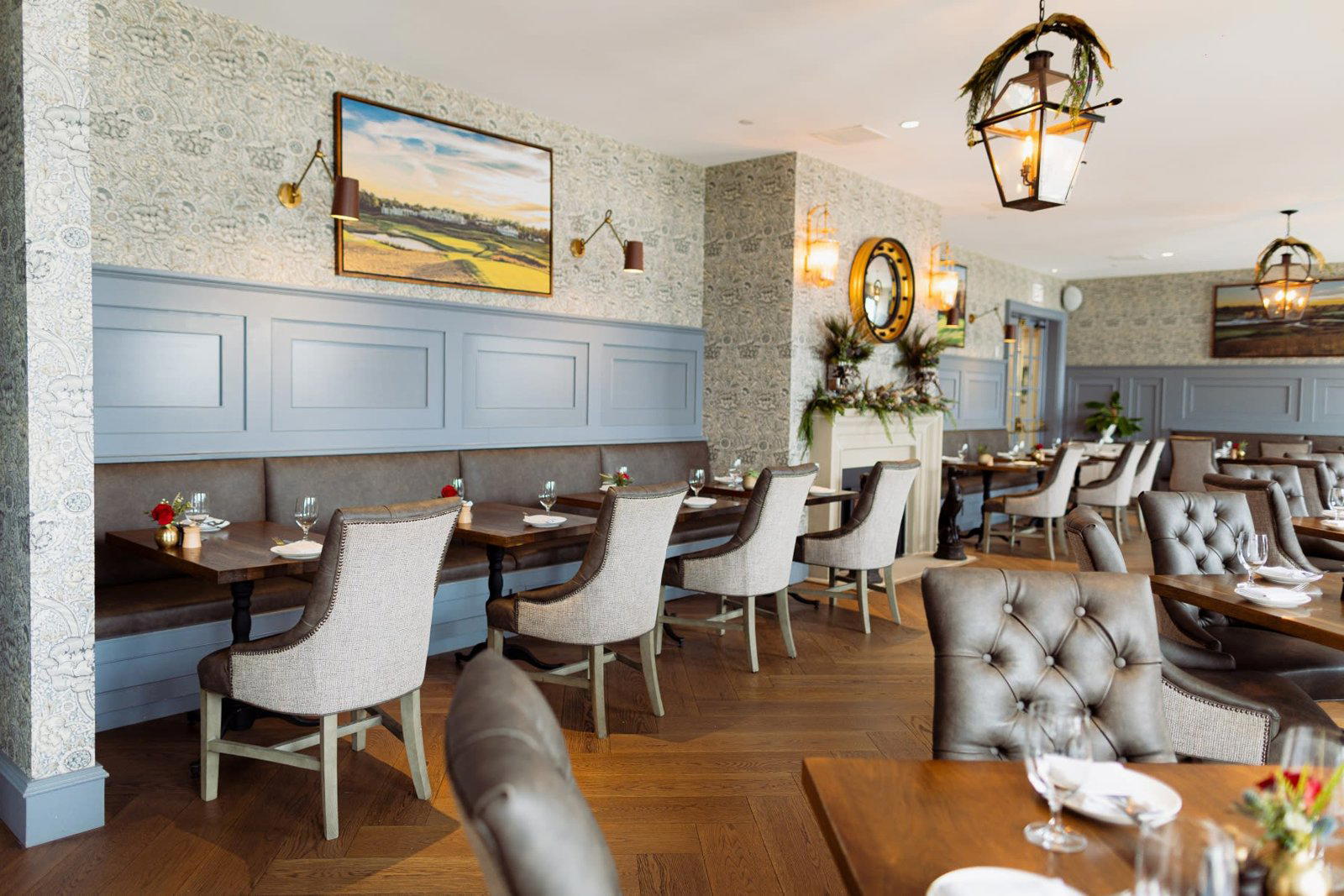
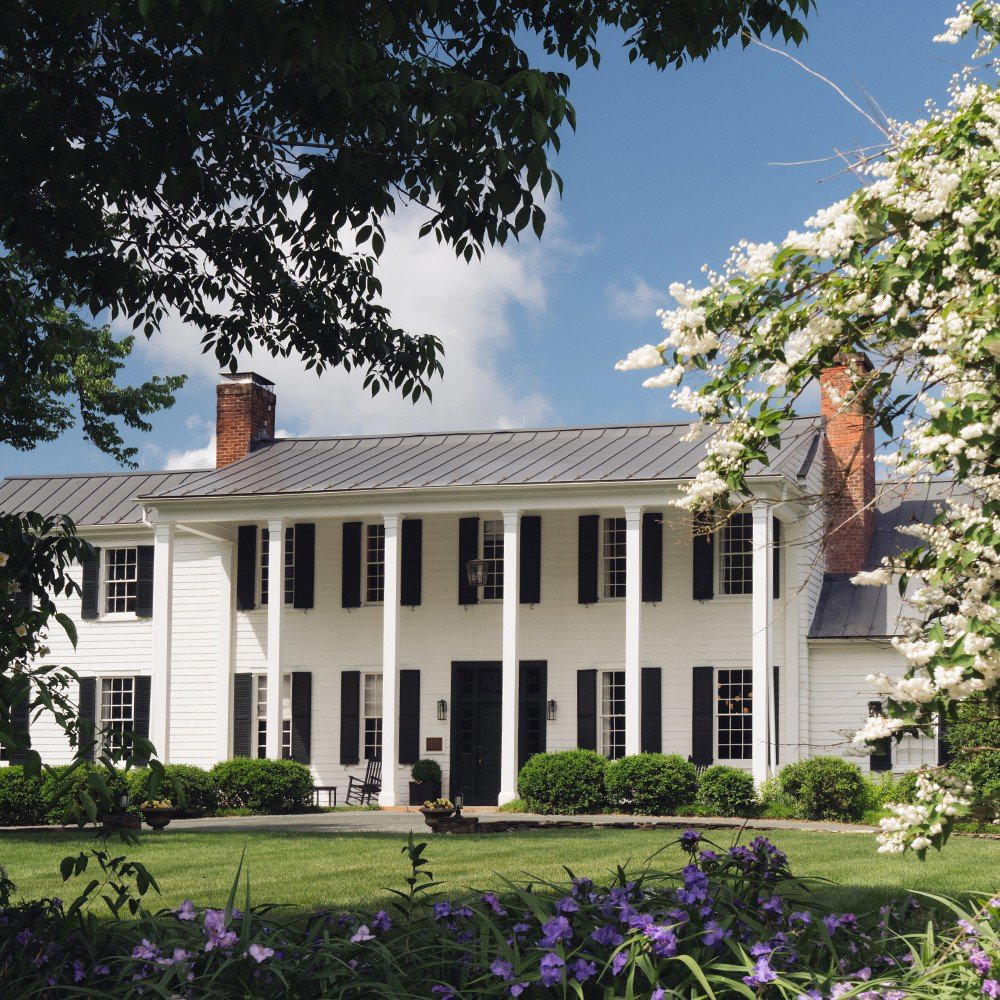
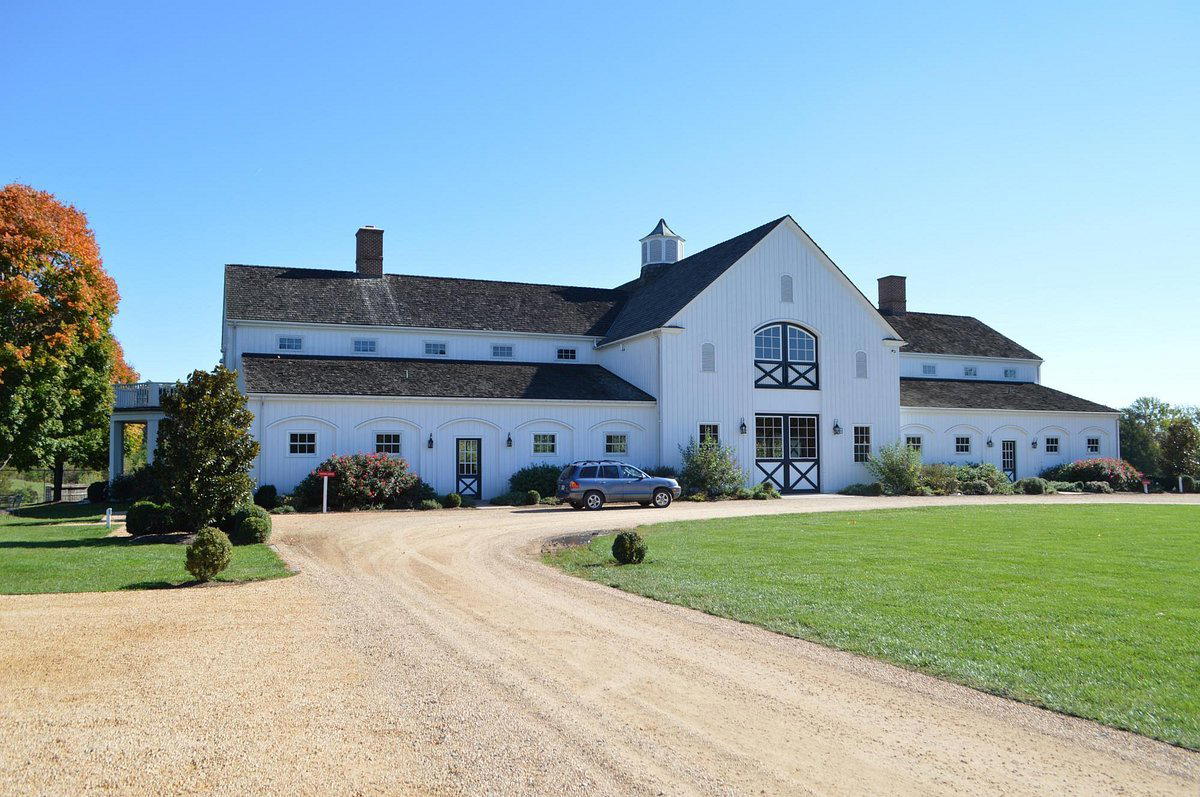
The approach to the Inn at Willow Grove sets a specific expectation: white columns, boxwood gardens, and a 1778 plantation house that has been absorbing American history for nearly 250 years. Vintage Restaurant sits inside that structure, and the architecture does real work before a single dish arrives. Recent renovations carved the centuries-old building into a half-dozen distinct dining areas, so the same evening can feel intimate for two or convivial for a wedding party, depending on where you're seated. That physical range is unusual in Virginia's country dining scene, where most comparable properties commit to one register. For context on how the broader Charlottesville and Central Virginia dining circuit fits together, see our full Charlottesville restaurants guide.
The Farm-to-Table Framework in Central Virginia
Farm-to-table rhetoric is easy to find in American restaurant menus; the substance behind it varies considerably. In Virginia's Piedmont region, the sourcing infrastructure is genuine: the state has spent the past two decades building a network of small farms, artisan producers, and regional cheesemakers that gives kitchen teams real raw material to work with. Vintage operates within that network, with Chef Kevin Hoofnagle shaping menus around seasonal, regional ingredients in a way that tracks the actual growing calendar rather than gesturing at it.
The spring menu's carrot-focused salad, with carrot pesto, roasted carrots, and shaved carrots over arugula, is a useful illustration. That kind of single-vegetable study is a technique associated with farms-as-collaborators rather than farms-as-suppliers: it signals that the kitchen is working around what's abundant rather than sourcing to a fixed template. The roasted asparagus and semolina fettuccine with almond pesto and tomato concasse follows a similar logic. This approach places Vintage in a regional tier of American farmhouse dining that includes properties like The Barn at Blackberry Farm in Walland and Restaurant at Winvian Farm in Morris, where the inn or estate context provides both the sourcing relationship and the occasion framing.
The difference between Vintage and the nationally recognized farm-to-table benchmarks, such as Blue Hill at Stone Barns in Tarrytown or Single Thread Farm in Healdsburg, is one of format and ambition rather than philosophy. Those properties have built vertically integrated operations with dedicated farm land and a tasting menu architecture that centers the sourcing story. Vintage presents the same orientation through a more accessible à la carte structure that accommodates the range of guests an inn naturally attracts.
Reading the Menu
Dinner menu at Vintage works across two registers. The first is Southern-rooted: coffee-covered filet of beef with pomme frites, sautéed spinach, and smoked blue cheese with shallot and port wine butter; grilled double-cut pork chop with Yukon potatoes, cabbage, kale, and candied bacon. These are dishes that position themselves firmly in the Virginia country tradition, rich and unambiguous in their intentions.
Second register pulls in broader influences without abandoning the seasonal framework. Sesame-crusted ahi tuna with avocado, artichoke orzo, snap peas, orange soy glaze, and wasabi oil sits alongside chicken saltimbocca with buttermilk whipped potatoes, braised chard, and sage pan sauce. Pan-seared halibut with warm tomato, basil, cured olive compote, and herb-infused couscous reflects the same Mediterranean-adjacent current visible in other contemporary American kitchens. Neither register dominates; the menu uses both as tools depending on what the season supplies.
Pub and lunch menus operate at a lower pitch: grilled fish tacos, chicken Parmesan on brioche, a burger with aged cheddar and housemade steak sauce. This tiering, where the same property runs a formal dinner program and a casual daytime service, is common at American inn restaurants and serves a practical function, keeping the property useful to guests across the full arc of a stay. Wednesday's Gourmet Tapas format introduces a third mode, smaller portions of dinner-menu dishes that allow a broader exploration of the kitchen's range without committing to a full entrée structure. Comparable regional American programs at properties like The Inn at Little Washington operate at a higher price tier and with tasting menu formality; Vintage's approach is deliberately more flexible.
The Wine Program
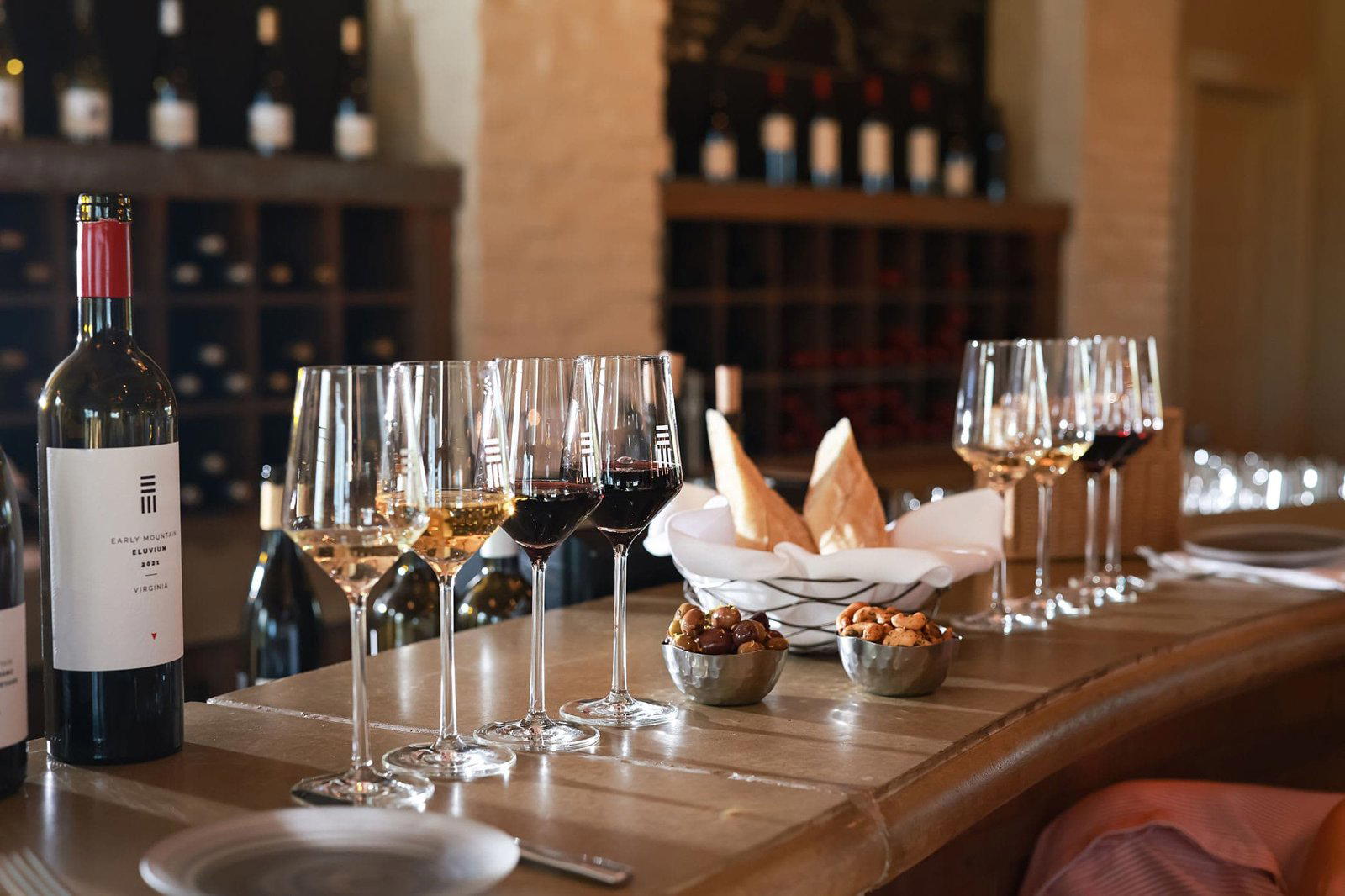
Wine Director Charlie Rizzo oversees a list of approximately 200 selections drawn from around 1,000 bottles of inventory. The program's strengths sit in California, Oregon, and France, which positions it well for the range of American farmhouse cooking on the menu. California and Oregon bottles pair naturally with the Southern and contemporary American preparations; the French selections cover classical pairings for the more European-inflected dishes.
At a $$ pricing tier, the list offers a range that accommodates both accessible and more considered choices, with a corkage fee of $35 for guests bringing their own bottles. That fee is on the lower end of what comparable resort properties charge, which is relevant for guests arriving from Richmond, D.C. or further afield who may want to bring a specific bottle to pair with the occasion. For a broader view of the region's wine culture, our full Charlottesville wineries guide covers the Virginia Piedmont's growing producer scene.
The Inn at Willow Grove as Context
The Forbes Travel Guide Four-Star rating applies to the Inn at Willow Grove as a whole, not to Vintage specifically, but the restaurant benefits from that infrastructure directly. The overnight cottages, spa treatments, and grounds mean that a dinner reservation exists inside a larger occasion architecture. Guests arriving from Richmond or Washington, D.C. are not simply dining out; they are using the restaurant as the anchor of a longer stay. That context shapes the dress code range you'll encounter at the table: the inspector's note about the spectrum from crisp linen shorts to starched pocket squares is accurate, and it reflects the mixed guest profile of a property that draws both weekend leisure travelers and more formally dressed occasion visitors.
The morning pastry basket, flagged in the Forbes inspector's highlights, signals something about the property's hospitality register: it is calibrated to feel generous rather than transactional, which is the operating mode of the better American inn restaurants. That sensibility runs through the dining experience as well.
Restaurant is closed Mondays and Tuesdays, with weekends, particularly Sunday brunch, drawing the highest demand. Guests planning a first visit would do well to arrive on a weekend and consider the full inn stay to understand the property's rhythm properly. The address is 14079 Plantation Way, Orange, Virginia 22960, which places it within the broader Charlottesville-area circuit but outside the city itself.
For travelers planning a fuller Central Virginia itinerary, our full Charlottesville hotels guide, our full Charlottesville bars guide, and our full Charlottesville experiences guide cover the surrounding options. Other American farmhouse programs worth benchmarking against include Lazy Bear in San Francisco, Addison in San Diego, and Albi in Washington, D.C., each operating at a different price tier and format but sharing a commitment to American produce as the primary editorial subject of their menus.
How It Stacks Up
| Venue | Cuisine | Price | Awards |
|---|---|---|---|
| Vintage RestaurantThis venue — the venue you are viewing | American Farmhouse | Travelers hailing from Richmond, Virginia; D.C.; or furtherafield seek out Forbes Travel Guide Four-Star Innat Willow Grove. This restored 1778 plantation house with overnightcottages and spa treatments turns a simple country excursion into a specialoccasion.; WINE: Wine Strengths: California, Oregon, France Pricing: $$ i Wine pricing: Based on the list\'s general markup and high and low price points:$ has many bottles < $50;$$ has a range of pricing;$$$ has many $100+ bottles Corkage Fee: $35 Selections: 200 Inventory: 1,000 CUISINE: Cuisine Types: American Pricing: $$ i Cuisine pricing: The cost of a typical two-course meal, not including tip or beverages.$ is < $40;$$ is $40–$65;$$$ is $66+. Meals: Dinner STAFF: People Charlie Rizzo:Wine Director Wine Director: Charlie Rizzo Chef: Kevin Hoofnagle General Manager: Colby Cook Owner: Randy Pack, Brian Pack, Ken Dodd; Travelers hailing from Richmond, Virginia; D.C.; or further afield seek out Forbes Travel Guide Four-Star Inn at Willow Grove. This restored 1778 plantation house with overnight cottages and spa treatments turns a simple... **Our Inspector's Highlights The inn’s imposing white columns and boxwood gardens provide the aura of a historic plantation while the menus speak to a contemporary era. On a recent visit, we were greeted with a basket of fresh-from-the-oven pastries and encouraged to take more than one. It’s just the way to start the morning. Vintage specializes in farm-to-table cuisine using seasonal, regional ingredients. Meals include a dollop of whipped butter with a dot of local honey. Recent renovations of the centuries-old building created a half-dozen different dining areas, meaning that dining can be an intimate or social experience, accommodating couples or larger groups, including wedding parties. Sample smaller helpings of Vintage’s dishes, like pumpkin-seed-crusted fried oysters with remoulade, and pan-seared halibut with warm tomato, basil and cured olive compote and herb-infused couscous during Gourmet Tapas Wednesdays.** **Things to Know Restaurant hours vary by day. Weekends, especially Sunday brunch, are typically the most popular. Since the Vintage Restaurant resides in The Inn at Willow Grove, you’ll see the full spectrum of resort wear, from crisp linen shorts and espadrilles to starched pocket squares tucked inside club jackets. The Virginia restaurant closes on Monday and Tuesday.** **Treatments:** The Food The pub and lunch menu has more casual fare, including grilled fish tacos, chicken Parmesan on brioche and a burger with aged cheddar and housemade steak sauce. At dinner, expect choices like coffee-covered filet of beef with pomme frites, sautéed spinach and smoked blue cheese, shallot and port wine butter, or grilled double cut pork chop with Yukon potatoes, cabbage, parsley, kale and candied bacon. While the menu skews Southern, it does include more global offerings, including sesame-crusted ahi tuna with avocado and artichoke orzo, snap peas, orange soy glaze and wasabi oil, or chicken saltimbocca with buttermilk whipped potatoes, braised chard and sage pan sauce. With an emphasis on seasonal produce, the menu is easy to navigate for vegetarians. The spring edition featured a “three way salad” with a spotlight on carrots (carrot pesto, roasted carrots and shaved carrots with arugula) as well as a hearty roasted asparagus and semolina fettuccine with almond pesto and tomato concasse. **Amenities:** 14079 Plantation Way, Orange, Virginia 22960 | This venue |
| Le Bernardin | French, Seafood | $$$$ | Michelin 3 Star |
| Atomix | Modern Korean, Korean | $$$$ | Michelin 2 Star |
| Lazy Bear | Progressive American, Contemporary | $$$$ | Michelin 2 Star |
| Alinea | Progressive American, Creative | $$$$ | Michelin 3 Star |
| Masa | Sushi, Japanese | $$$$ | Michelin 3 Star |
Recognition history
Dated appearances from independent guides and award organizations, with the underlying list record or original source where available.
Forbes 4-Star
Forbes
Wine Spectator Award of Excellence
Wine Spectator
Forbes 4-Star
Forbes
Wine Spectator Award of Excellence
Wine Spectator
Continue exploring
More in Charlottesville
Restaurants in Charlottesville
Browse all →
Bars in Charlottesville
Browse all →
Hotels in Charlottesville
Browse all →
At a Glance
- Romantic
- Elegant
- Sophisticated
- Classic
- Date Night
- Special Occasion
- Celebration
- Business Dinner
- Private Dining
- Historic Building
- Garden
- Hotel Restaurant
- Craft Cocktails
- Farm To Table
- Local Sourcing
- Garden
Current opening hours
- Monday
- Closed
- Tuesday
- Closed
- Wednesday
- 5–9 PM
- Thursday
- 5–9 PM
- Friday
- 11 AM–2 PM, 5–10 PM
- Saturday
- 11 AM–2 PM, 5–10 PM
- Sunday
- 11 AM–2 PM, 5:30–8 PM
Hours can change for holidays and private events. Last verified .
Warm exposed-brick dining spaces with intimate settings including a Chef's Table and Sun Room; garden-level location in historic manor house creates an upscale yet welcoming atmosphere.
Know Before You Go
- Getting there
- 14079 Stones Throw Dr, Orange, VA 22960