1799 at The Clifton

Wine Spectator Award of Excellence
Our verdict
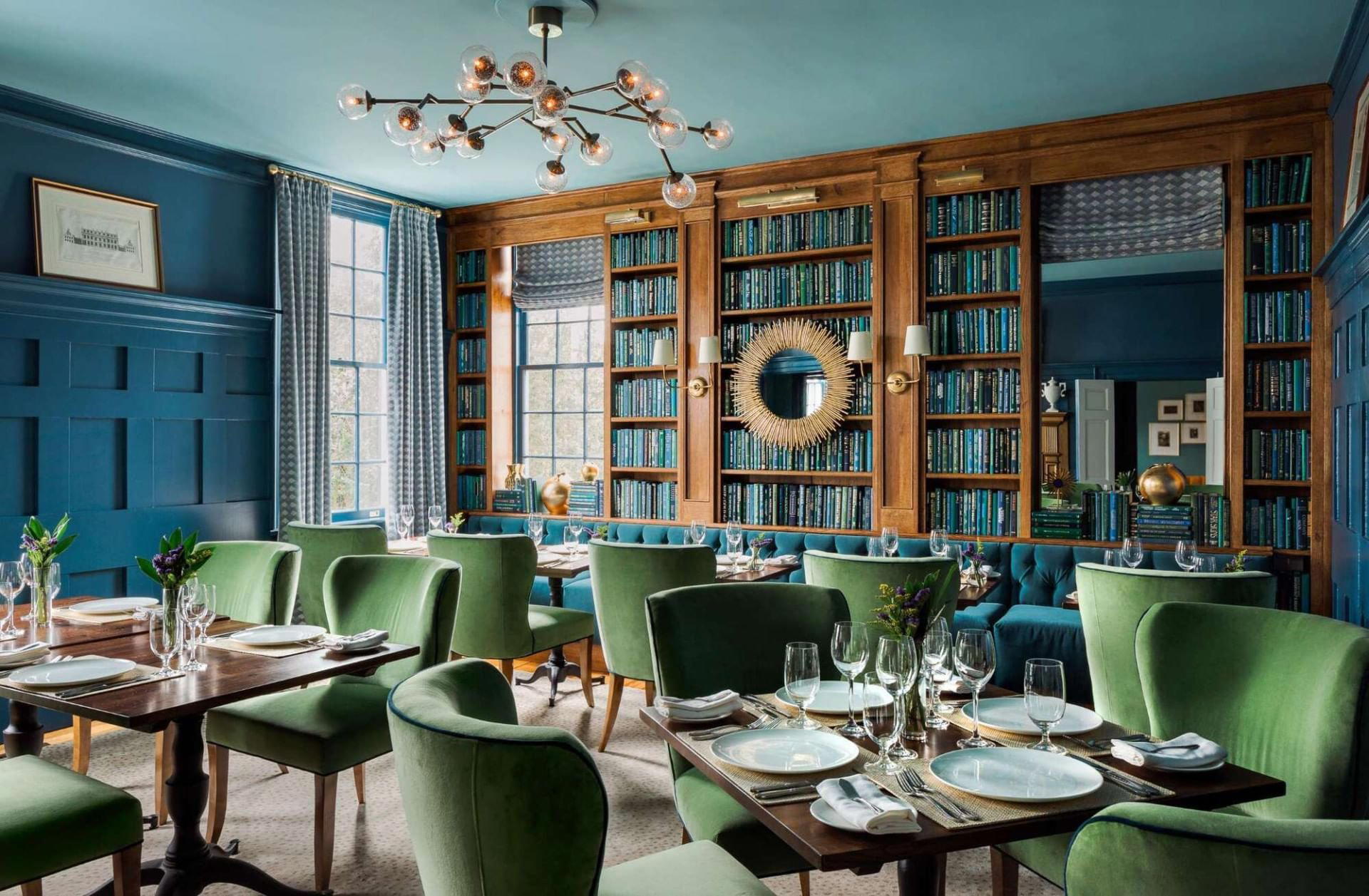
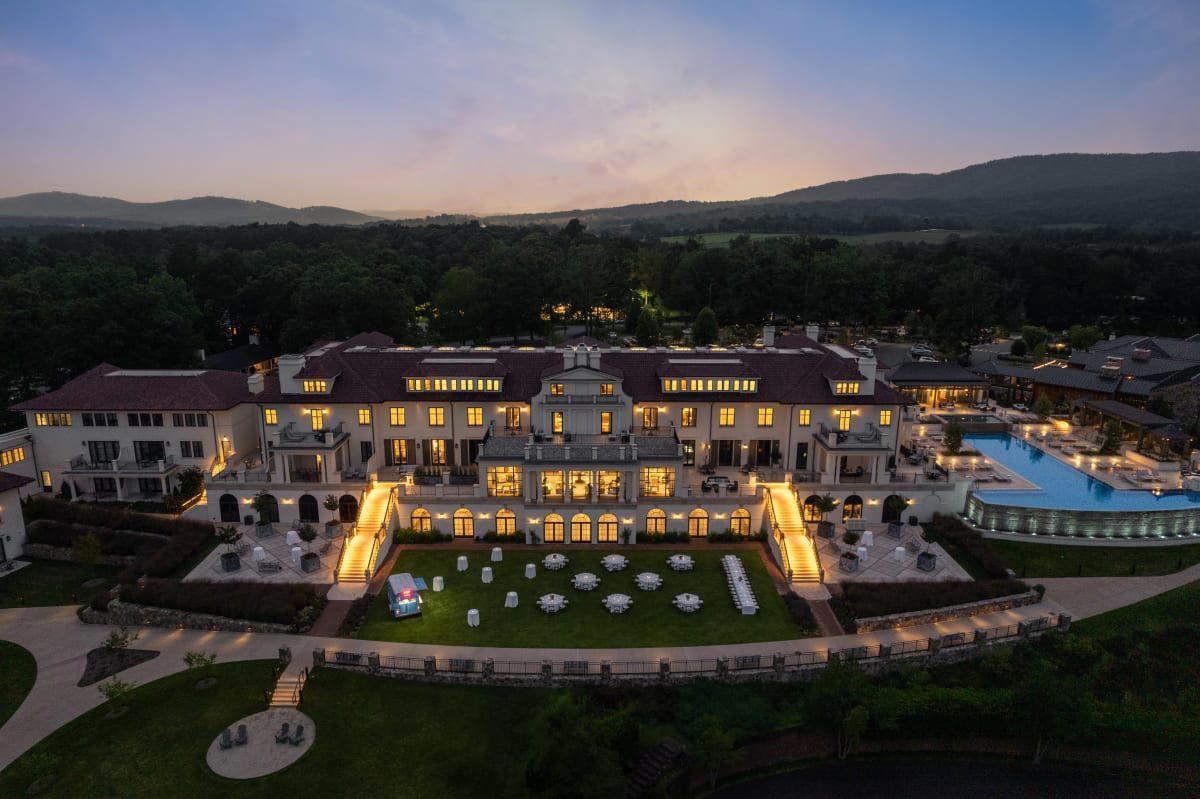
Set within the historic Clifton estate east of Charlottesville, 1799 at The Clifton anchors its menu in the agricultural traditions of Virginia's Piedmont region. The dining room occupies a property with roots dating to the late eighteenth century, placing it in a category of estate restaurants where provenance — of both the building and the ingredients — does much of the editorial work. For travelers moving through wine country between Richmond and the Blue Ridge, it represents a specific kind of place: formal enough to anchor a special evening, grounded enough to feel genuinely regional.

Pearl is the En Primeur Club membership app — saves, bookings, and concierge access live there. Same editors, same standards.
- Address
- 1296 Clifton Inn Dr, Charlottesville, VA 22911
- Phone
- (434) 971-1800
- Hours
- Daily 7–10:30 AM, 11:30 AM–2 PM, 5–8 PM
- Website
- the-clifton.com
- Directions
- Get directions
- Booking
- Book on OpenTable
Where the Piedmont Comes to the Table
Virginia's farm-to-table conversation is older than most people assume. Long before the phrase became a marketing fixture at urban restaurants across the country, the Piedmont's planters were building menus around what grew within sight of the house. The estate restaurant tradition that produces places like 1799 at The Clifton draws on that history — not as nostalgia, but as a functional argument about proximity. When a kitchen sits on or adjacent to land that still produces food, the gap between harvest and plate compresses in ways that alter what the kitchen can reasonably attempt. Delicate herbs, hyper-seasonal vegetables, and estate-grown proteins arrive at a different level of integrity than their distributed-supply equivalents.
The Clifton Inn property on Clifton Inn Drive, roughly six miles east of Charlottesville's downtown core, belongs to a cohort of Virginia inns where the building itself carries weight. The address — and the name 1799, signals a structure that predates the Civil War by generations, placing it in the same temporal register as Monticello, which sits within a short drive to the west. Jefferson's own approach to food at Monticello was unusually sophisticated for the era: he cultivated over 330 vegetable varieties and introduced several European crops to the region. That context isn't decorative. It explains why ingredient sourcing at serious Charlottesville restaurants reads as an extension of a long local tradition rather than an imported coastal trend.
The Estate Restaurant Format and What It Demands
Estate dining in Virginia operates differently from standalone urban restaurants. The physical setting creates expectations that a kitchen on a commercial street doesn't face: guests arrive having absorbed the grounds, the architecture, the sense of remove from daily routine. That atmospheric load means the food either matches the frame or deflates it. Across the American estate restaurant category, from Blue Hill at Stone Barns in Tarrytown to Single Thread Farm in Healdsburg, the kitchens that work leading treat the property as a sourcing infrastructure rather than a backdrop. The farm feeds the menu; the menu reflects the season; the season changes the room's character across the year.
1799 at The Clifton operates within that logic. The inn format means the restaurant draws from a guest population that has already committed to the property for a night or more, which changes the pacing assumptions a chef can make. Long tasting formats, wine pairings, and multi-course structures work more naturally in this context than they do in restaurants competing for a two-hour table turn on a Friday night. For comparison, the approach shares structural DNA with The Inn at Little Washington in Washington, Virginia, where the hotel-restaurant integration allows a kitchen to operate at a deliberateness that standalone urban formats rarely permit.
Charlottesville's Dining Context
Charlottesville's restaurant scene has matured considerably over the past decade, moving from a university town with reliable casual options to a city with genuine fine dining ambition. The concentration of small vineyards in Albemarle County and the surrounding Monticello AVA has pulled serious wine lists into the market, and the proximity to productive farmland has given kitchens access to supply chains that larger cities often struggle to replicate at the same cost basis.
The Mill Room and Fleurie Restaurant both represent the more formal end of Charlottesville dining, while C & O Restaurant has held a long-term position in the city's dining memory. Vintage Restaurant works an American farmhouse format that shares some sourcing philosophy with 1799. For visitors building a longer stay around Charlottesville's food and wine offer, The Counter Café handles the daytime provision, coffee, pastries, locally sourced quick bites, while 1799 holds the evening anchor position on the property itself. For a broader map of where the city's dining is moving, the EP Club Charlottesville restaurants guide tracks the full range.
Ingredient Sourcing as Editorial Argument
The strongest estate restaurants in the American mid-Atlantic treat sourcing as an editorial position rather than a talking point. At Providence in Los Angeles or Addison in San Diego, ingredient sourcing operates at a different scale, large urban kitchens managing complex supply relationships across dozens of purveyors. The estate format compresses that complexity. When the property has its own kitchen garden or works within a five-mile sourcing radius, the menu becomes a more direct document of place and season.
Virginia's Piedmont offers substantial raw material for that argument. Albemarle County produces heritage pork, pastured poultry, orchard fruit, and a range of specialty vegetables across a growing season that runs roughly April through October. The wine corridor along Route 29 and east toward the Rivanna adds a local cellar option that few comparable American regions can match at the same price point. A serious estate kitchen in this geography has access to inputs that restaurants in Philadelphia or Washington would consider premium sourcing, available at shorter logistics chains and stronger seasonal alignment.
Planning a Visit
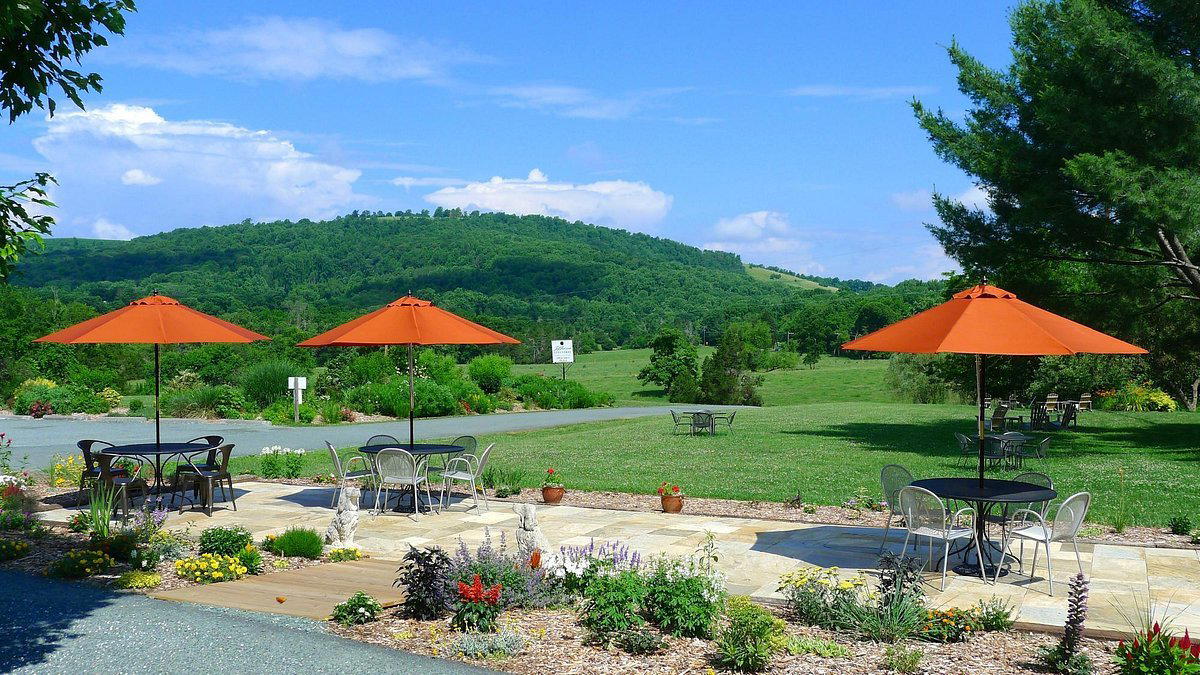
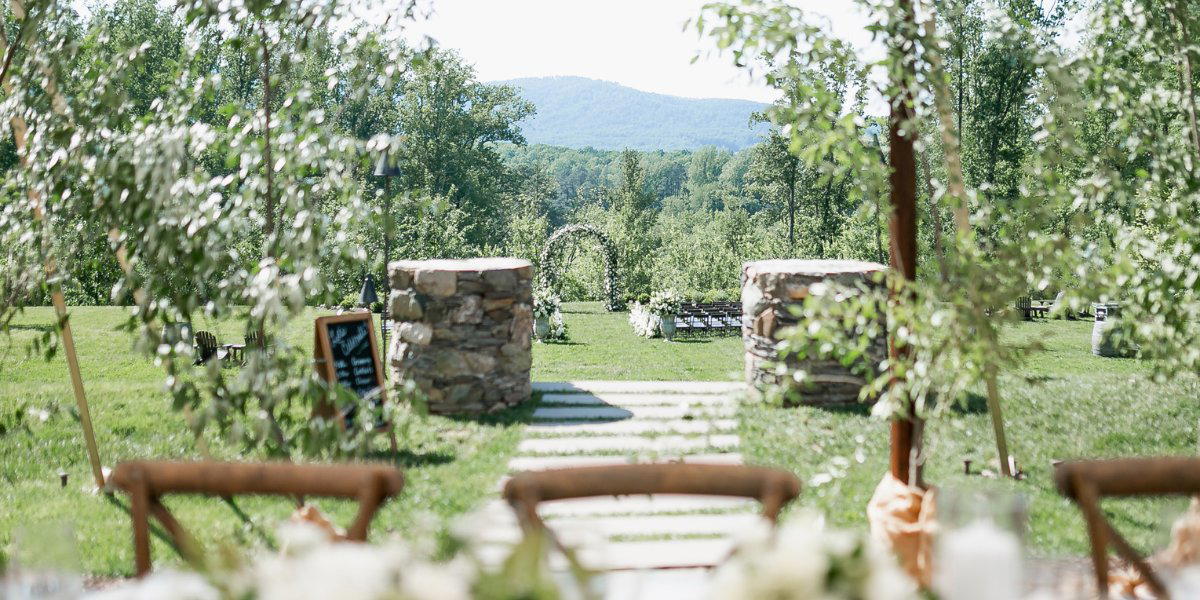
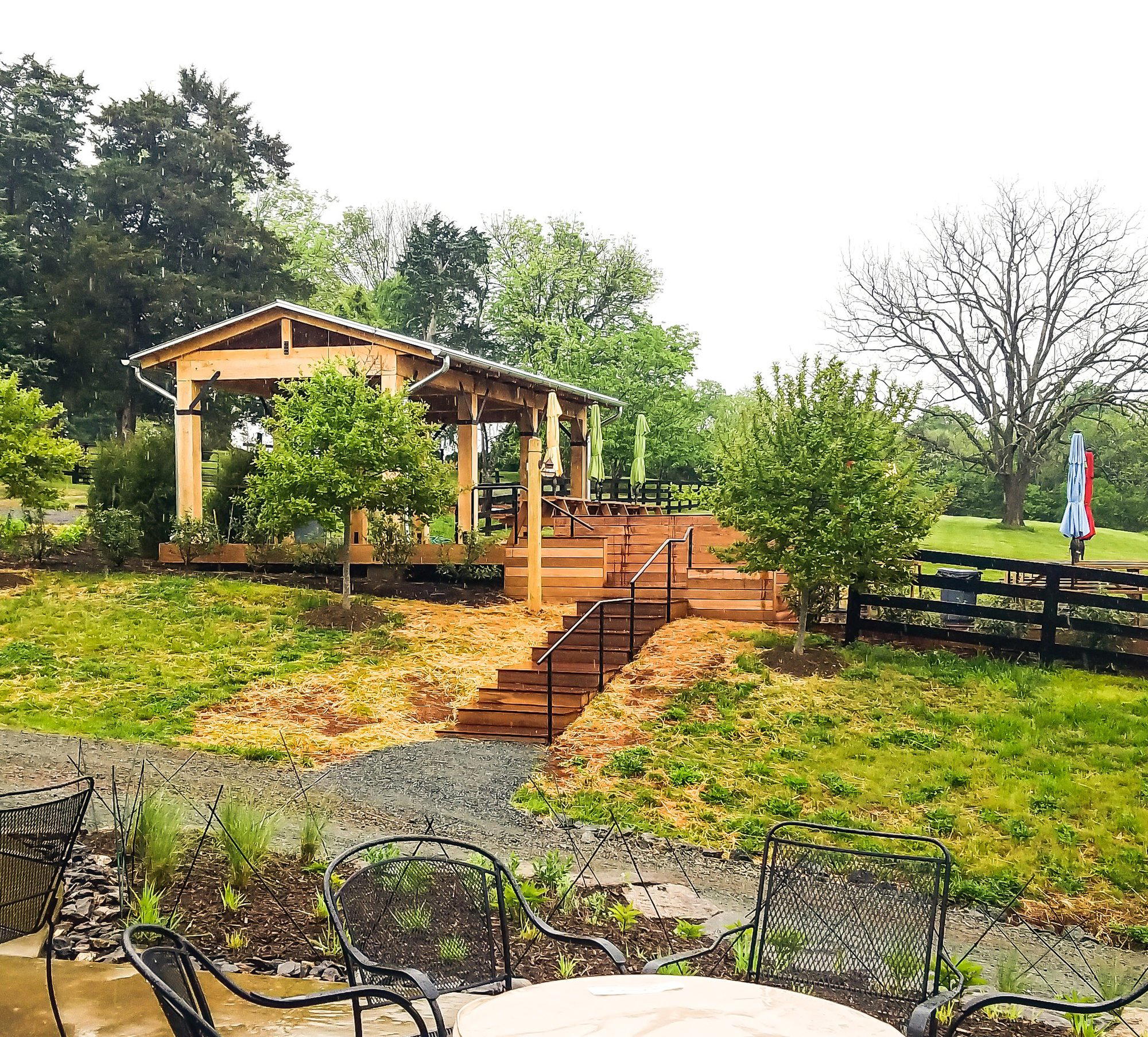
The Clifton Inn sits outside Charlottesville's downtown, which means arrival by car is the practical standard. The estate setting rewards arriving with enough time to walk the grounds before dinner, the transition from road to property does meaningful work on a guest's frame of mind, and that transition is part of what justifies the estate format over a city-center alternative. Reservations for the restaurant are advisable regardless of season; inn guests hold an inherent advantage in access during peak periods, particularly fall, when the Monticello wine country draws its heaviest visitation.
Frequently asked questions
Where exactly is 1799 at The Clifton?
1799 at The Clifton is located at 1296 Clifton Inn Dr, Charlottesville, VA 22911, Charlottesville.
How does 1799 at The Clifton differ from other historic inn restaurants in Virginia?
Virginia has a concentrated cluster of inn-based restaurants operating in antebellum and colonial-era properties, but The Clifton Inn sits close enough to Charlottesville to draw both hotel guests and destination diners from the city's established restaurant scene. The 1799 name anchors the restaurant to the property's own history rather than to a chef's reputation or a cuisine category, which positions provenance and place as the primary organizing idea. That framing is less common than chef-driven estate restaurants and puts the Piedmont setting itself at the center of the dining argument.
What's the best thing to order at 1799 at The Clifton?
Ask the restaurant directly what is sourced from the property or from nearby Piedmont farms at the time of your visit — that answer will tell you more than any fixed recommendation. Estate kitchens at properties like The Clifton Inn tend to anchor their strongest dishes around whatever is arriving from the land that week. The address at 1296 Clifton Inn Dr places the kitchen within the estate itself, which means some ingredients travel a very short distance from source to plate.
How hard is it to get a table at 1799 at The Clifton?
Hotel guests at The Clifton Inn hold a practical advantage during high-demand periods, particularly autumn when Virginia wine country draws peak visitor traffic to the Charlottesville area. Walk-in access for non-staying guests is harder to predict during these windows. Contacting the inn directly about dinner reservations before booking any separate accommodation is the sensible sequence.
What's 1799 at The Clifton best at?
The format is best understood as an estate dining experience where the physical setting and regional sourcing carry as much weight as any single dish. Located on the grounds of The Clifton Inn outside Charlottesville, the restaurant operates within a tradition of Virginia inn dining that uses provenance as its editorial argument. That combination of historic property and Piedmont-sourced cooking is the core of what the kitchen does.
Can 1799 at The Clifton accommodate dietary restrictions?
Estate kitchens working with seasonal, regionally sourced menus typically have more flexibility on dietary accommodations than fixed-format tasting menus at high-volume city restaurants. The sensible approach is to contact The Clifton Inn at 1296 Clifton Inn Dr, Charlottesville directly when booking to discuss specific requirements. Estate-scale operations generally respond better to advance notice than to requests made at the table.
Is 1799 at The Clifton worth it?
The value calculation depends on what you're weighing. If historic setting, Virginia Piedmont sourcing, and the relative quiet of an estate property outside Charlottesville's downtown align with what you want from a dinner, the experience holds together as a coherent package. Guests already staying at The Clifton Inn will find the on-property dining convenient enough that the question of 'worth it' is largely answered by the stay itself.
Side-by-Side Snapshot
Comparable venues nearby, for context on price, style, and recognition.
| Venue | Cuisine | Price | Awards | Notes |
|---|---|---|---|---|
| 1799 at The CliftonThis venue — the venue you are viewing | Seasonal Mid-Atlantic Fine Dining | $100–150 | Wine Spectator Award of Excellence | Not listed |
| Vintage Restaurant | Seasonal Regional American | $50–100 | Wine Spectator Award of Excellence · Forbes 4-Star | Orange |
| The Mill Room | Contemporary Southern American | $50–100 | Not listed | Boars Head |
| C & O Restaurant | Country French Bistro | $50–100 | Not listed | Downtown Mall |
| The Counter Café | American Bakery Café | Not listed | Not listed | Keswick |
| Fleurie Restaurant | Contemporary French Fine Dining | $100–150 | Star Wine List | Downtown |
Recognition history
Dated appearances from independent guides and award organizations, with the underlying list record or original source where available.
Wine Spectator Award of Excellence
Wine Spectator
Continue exploring
More in Charlottesville
Restaurants in Charlottesville
Browse all →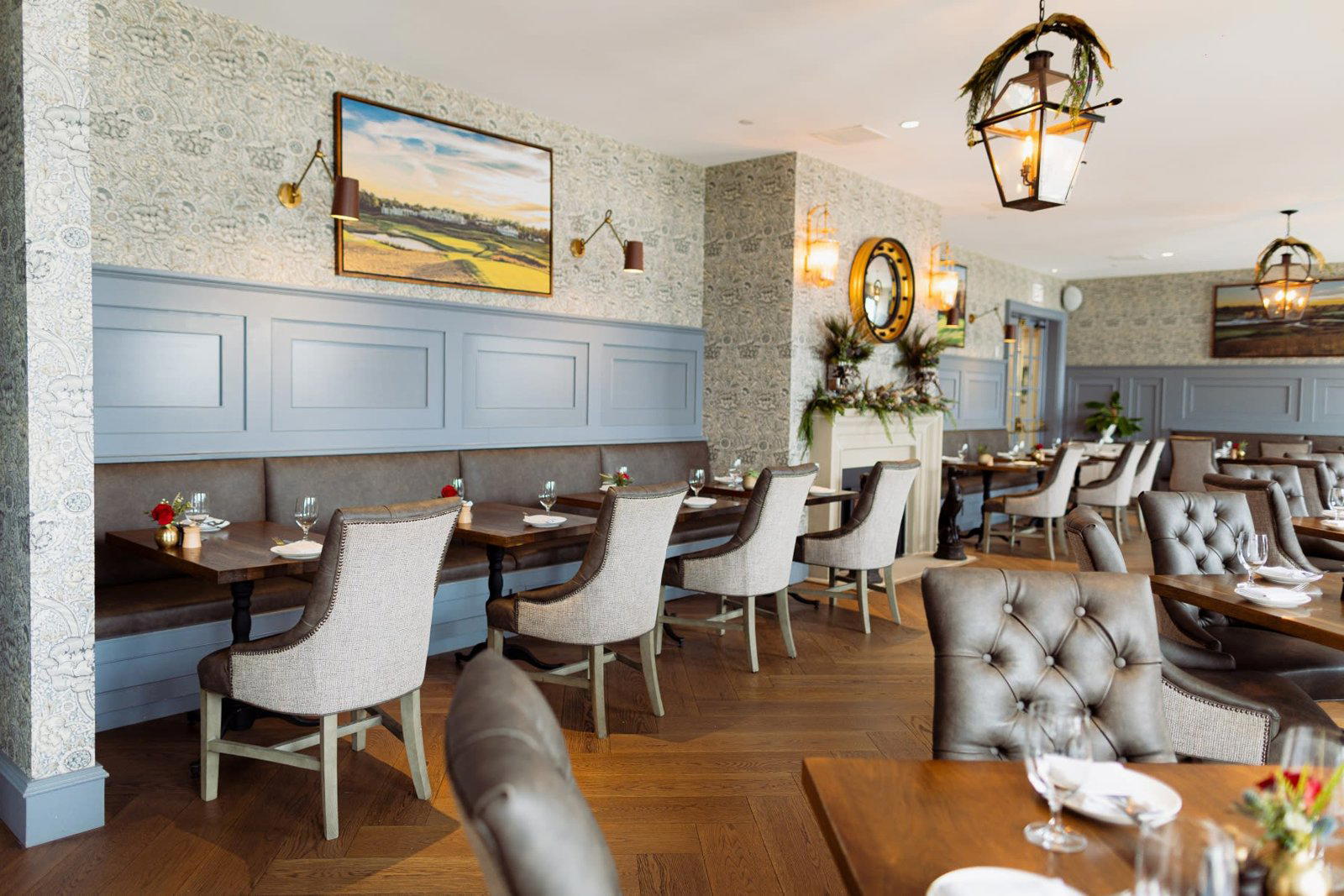
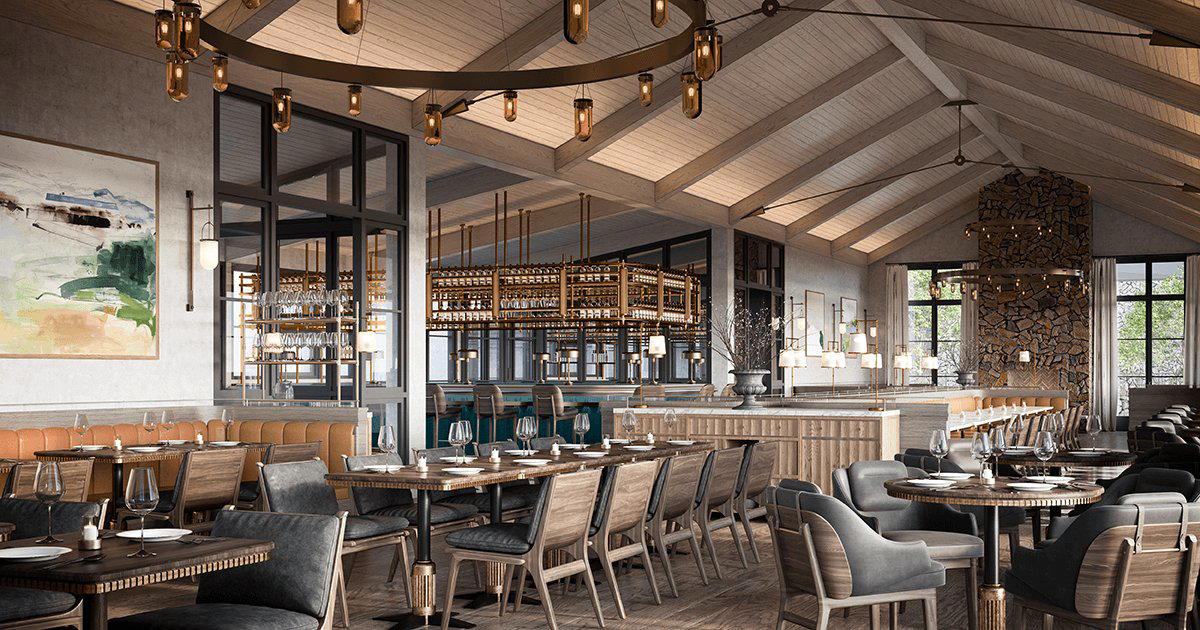
Bars in Charlottesville
Browse all →
Hotels in Charlottesville
Browse all →
Details
- Romantic
- Elegant
- Sophisticated
- Intimate
- Cozy
- Date Night
- Special Occasion
- Historic Building
- Hotel Restaurant
- Private Dining
- Open Kitchen
- Extensive Wine List
- Craft Cocktails
- Farm To Table
- Local Sourcing
- Mountain
- Garden
- A La Carte
Current opening hours
- Monday
- 7–10:30 AM, 11:30 AM–2 PM, 5–8 PM
- Tuesday
- 7–10:30 AM, 11:30 AM–2 PM, 5–8 PM
- Wednesday
- 7–10:30 AM, 11:30 AM–2 PM, 5–8 PM
- Thursday
- 7–10:30 AM, 11:30 AM–2 PM, 5–8 PM
- Friday
- 7–10:30 AM, 11:30 AM–2 PM, 5–8 PM
- Saturday
- 7–10:30 AM, 11:30 AM–2 PM, 5–8 PM
- Sunday
- 7–10:30 AM, 11:30 AM–2 PM, 5–8 PM
Hours can change for holidays and private events. Last verified .
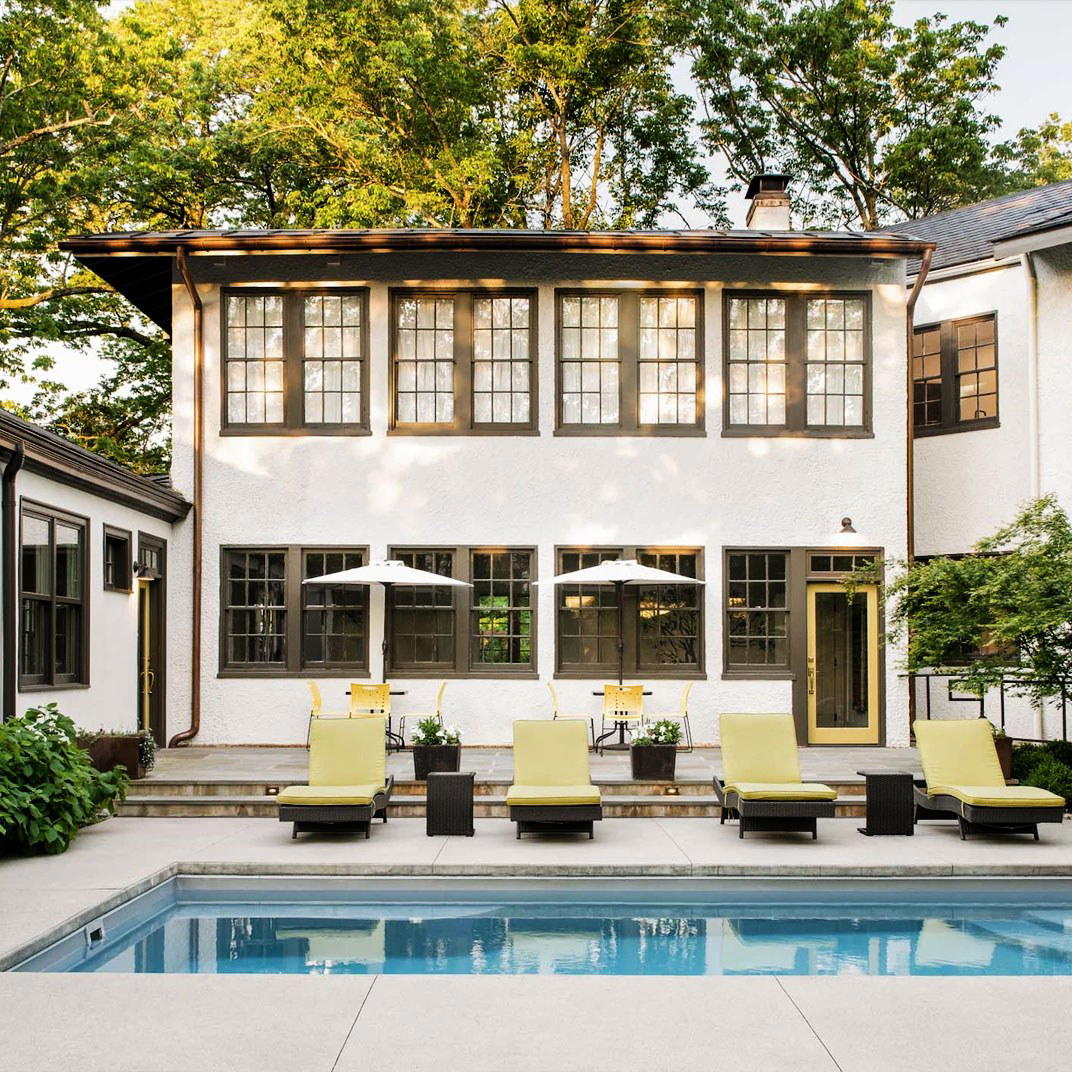
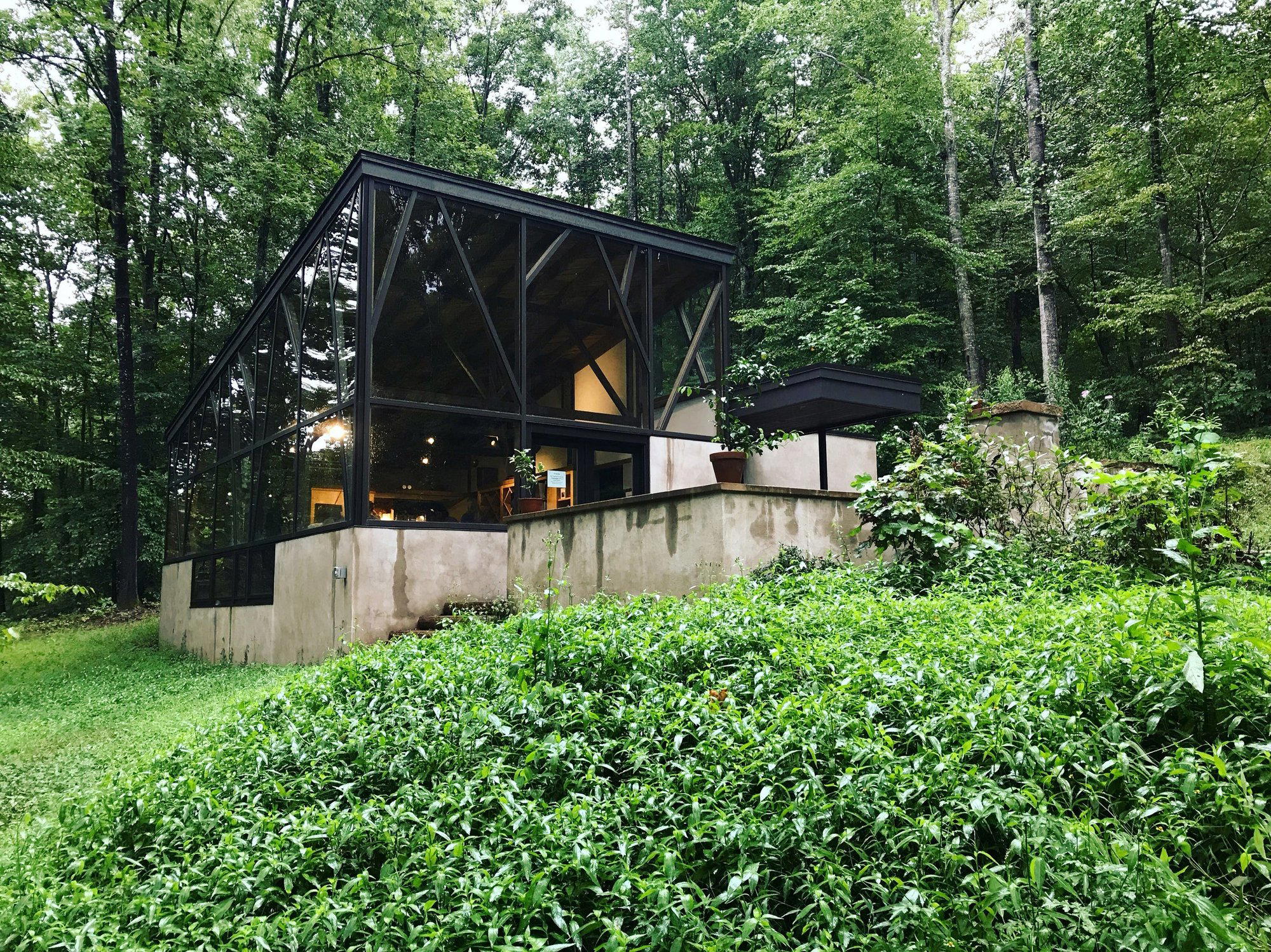
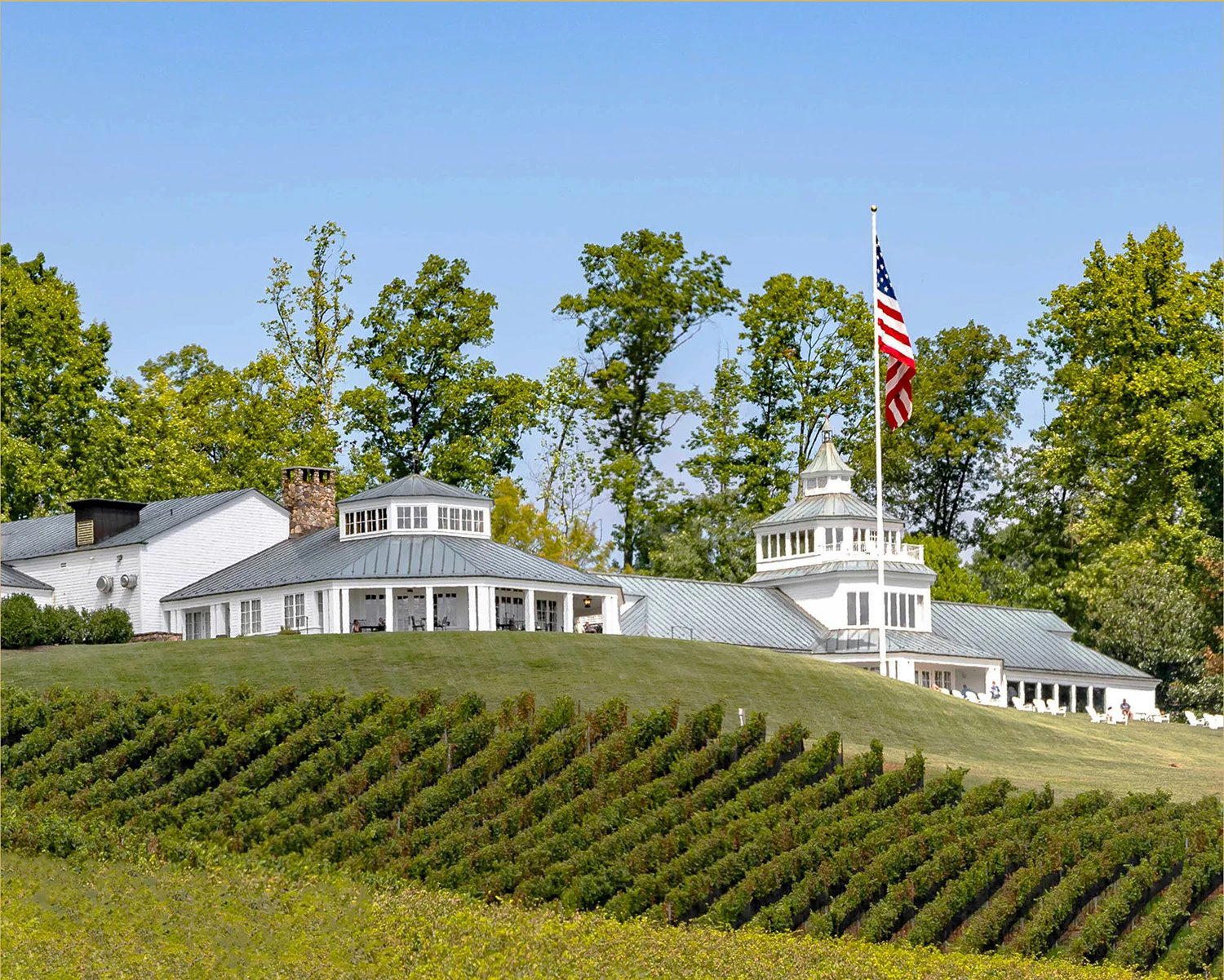
Sophisticated and intimate with dim lighting in the library, sun-drenched conservatory veranda with countryside views, and elegant historic charm.