The Blackburn Inn

Michelin Selected
A Michelin Selected property occupying a restored 19th-century asylum in Staunton, Virginia's Shenandoah Valley, The Blackburn Inn converts institutional Gothic architecture into considered hospitality. The building's history is legible in every corridor, and the property sits at the more characterful end of what Virginia's small-city hotel circuit offers travellers looking beyond chain accommodation.

Pearl is the En Primeur Club membership app — saves, bookings, and concierge access live there. Same editors, same standards.
- Address
- 301 Greenville Ave, Staunton, VA 24401
- Phone
- (540) 712-0601
- Website
- blackburn-inn.com
- Directions
- Get directions
Architecture as the Entire Argument
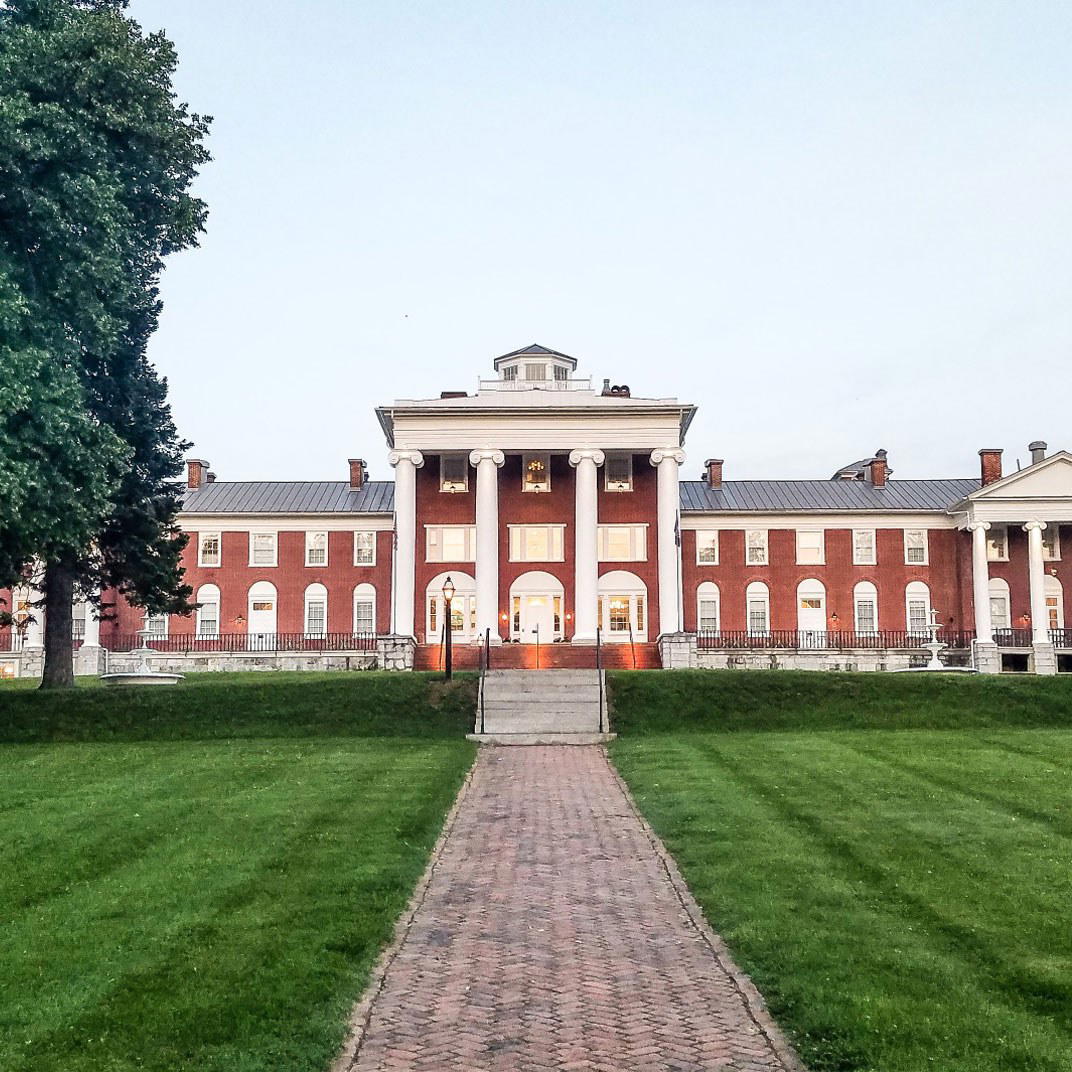
There is a particular category of American hotel conversion where the building's original purpose is not hidden but made the point. The Blackburn Inn belongs firmly in that group. The property occupies the former Western State Hospital, a mid-19th-century complex in Staunton, Virginia, designed in the Kirkbride Plan style. That architectural system, developed by Philadelphia physician Thomas Kirkbride in the 1850s, held that the built environment itself could be therapeutic: long wings fanning from a central block, high ceilings, large windows calibrated for maximum natural light, and grounds that functioned as an extension of the treatment programme. The theory was eventually abandoned, but the buildings it produced are among the most architecturally serious institutional structures in the American South.
Walking the approach on Greenville Avenue, the scale reads differently from the converted warehouses and colonial inns that make up most of the boutique hotel stock in Virginia's smaller cities. The central building commands its elevation with the kind of massed brick authority that was deliberate and symbolic in the 1820s and 1830s, when civic institutions built to broadcast permanence. That same mass now functions as arrival theatre for hotel guests, which is either a strange irony or an entirely apt one, depending on how you weigh architecture against history.
Where Staunton Sits in the Virginia Travel Circuit
Staunton occupies a specific and underappreciated position in the mid-Atlantic travel map. Located in the Shenandoah Valley roughly 35 miles northwest of Charlottesville and about 150 miles southwest of Washington D.C. it functions as a working small city rather than a resort destination, which gives it a different texture from the wine-country properties further east. The city's downtown core, centred on Beverley Street, has a late-19th-century commercial streetscape intact enough to read as genuine rather than preserved for tourism, and the American Shakespeare Center's Blackfriars Playhouse operates year-round as one of the few authentic Elizabethan indoor playhouse replicas in the world.
For a hotel like The Blackburn Inn, that context matters. Properties that convert historic institutional buildings work leading when the surrounding city has enough independent cultural weight to justify the stay as a base rather than a destination in itself. Staunton passes that test. The hotel sits about a mile from the downtown core, a walkable distance that positions it close enough to the restaurant and arts circuit without being absorbed into it. Visitors arriving from D.C. or Charlottesville for a long weekend have a programme available that extends well beyond the hotel property. See our full Staunton restaurants guide for a mapped overview of where to eat across the city's neighbourhoods.
The Michelin Selected Signal and What It Means Here
The Blackburn Inn's inclusion in the Michelin Selected Hotels list for 2025 places it in a specific competitive tier: properties that Michelin reviewers consider worth recommending without carrying formal star distinctions. In the context of Virginia's small-city hotel stock, that recognition is a meaningful data point. The Michelin hotel programme tends to reward character, craft, and coherence over raw amenity counts, which makes it a better fit for conversion properties like this one than a category that prioritises square footage and spa revenue.
Across the American hospitality market, the most credibly reviewed conversion hotels share a few traits: the original building's logic is preserved rather than masked, the room count stays low enough to maintain a house-like atmosphere, and the design choices reference the structure's history without becoming museum-like. Properties such as the Chicago Athletic Association in Chicago and the Washington School House Hotel in Park City demonstrate how institutional conversions can hold their architectural identity while functioning as credible contemporary hotels. The Blackburn Inn operates in that same tradition, in a smaller market and with a more specific building history than either.
For travellers whose reference points are larger design-led properties, the comparison set shifts slightly. The relationship between building heritage and contemporary guest experience at a place like Troutbeck in Amenia offers a useful analogue: both properties convert substantial historic structures in smaller American markets, and both make the architecture the primary reason to book. The difference is scale and pastoral setting; Troutbeck's Hudson Valley grounds give it a more resort-like logic, while The Blackburn Inn sits in an active small city.
The Design Logic Inside the Kirkbride Shell
Kirkbride buildings present a specific restoration challenge. The original layouts were functional in a 19th-century medical sense: long corridors, repetitive room sequences, and a hierarchy of spaces organised around the central administrative block. Converting that geometry into hotel rooms requires decisions about how much to retain and how much to reimagine. The most architecturally honest conversions preserve the corridor logic, the window proportions, and the ceiling heights while updating finishes and services to a contemporary hospitality standard.
High ceilings and deep-set windows are structural facts in these buildings, not design additions, and they produce rooms with a sense of volume that newer hotel construction rarely achieves at comparable price points. The natural light calibration built into Kirkbride's original brief means that, depending on the wing and floor, rooms at The Blackburn Inn receive light patterns that were architecturally intended rather than accidental. That is a specific and uncommon quality in American hotel design.
For travellers who weight design provenance heavily in their hotel decisions, comparable properties in the American context include the The Hornibrook Mansion Empress of Little Rock, which converts a Victorian-era residential structure in a similarly scaled Southern city. The category shares a common logic: the building carries history that no amount of new construction can replicate, and the hotel's task is to make that legible without turning the stay into a history lesson.
Planning the Stay
The Blackburn Inn is located at 301 Greenville Avenue in Staunton, placing it within walking distance of the downtown district and roughly equidistant between the Amtrak station, which serves the Charlottesville-to-Chicago Cardinal line with stops in Staunton, and the main cultural venues on Beverley Street. Charlottesville Albemarle Regional Airport is the nearest commercial airport with consistent service, approximately 35 miles to the east. Guests arriving by car from Washington D.C. will find the drive along Interstate 66 and then Interstate 81 direct, running around two and a half hours in normal traffic conditions.
Staunton's cultural calendar is anchored by the American Shakespeare Center, which runs performances year-round at the Blackfriars Playhouse, making autumn and winter viable travel windows rather than purely summer shoulder periods. The Shenandoah Valley's proximity also means the property serves as a workable base for visitors oriented toward the Blue Ridge Parkway, Skyline Drive, or the broader Appalachian outdoor circuit. Booking direct through the property is the standard approach for Michelin Selected hotels at this scale; the property does not sit within a large hotel group's loyalty infrastructure, which means direct contact typically yields the most accurate availability and rate information.
For travellers building a wider American itinerary that combines historic architecture with considered hospitality, the range is broad: from the landmark scale of The Fifth Avenue Hotel in New York City and Raffles Boston to the landscape-driven logic of Amangiri in Canyon Point or Post Ranch Inn in Big Sur. The Blackburn Inn sits in its own register: a mid-scale, architecturally specific property in a city that does not require a hotel to supply its entire reason for visiting.
Side-by-Side Snapshot
Comparable venues nearby, for context on price, style, and recognition.
| Venue | Cuisine | Price | Awards | Notes |
|---|---|---|---|---|
| The Blackburn InnThis venue — the venue you are viewing | Historic boutique inn with conference center | Not listed | Michelin Selected | Not listed |
| The Doyle Hotel | Contemporary boutique in historic downtown setting | Not listed | Not listed | downtown |
| The Ashby Inn & Restaurant | Historic country inn blending 19th-century charm with modern comfort | Not listed | Not listed | Paris |
| Gather Scott's Addition - Office Space and Coworking | warehouse-turned-creative office | Not listed | Not listed | Scott's Addition |
| Oakhurst Inn | Country house hotel with collegiate charm and Southern hospitality in reimagined Jazz Age residences | $200–300 | Michelin Selected | Near University of Virginia |
| Graduate by Hilton Charlottesville | Boutique collegiate-inspired hotel celebrating local UVA heritage with contemporary comfort and playful design elements. | $100–200 | Michelin Selected | Venable |
Recognition history
Dated appearances from independent guides and award organizations, with the underlying list record or original source where available.
Michelin Selected
Michelin
Details
- Classic
- Elegant
- Historic
- Cozy
- Romantic Getaway
- Weekend Escape
- Group Retreat
- Historic Building
- Garden
- Wi Fi
- Fitness Center
- Free Parking
- Spa
- Garden
- Wheelchair Accessible
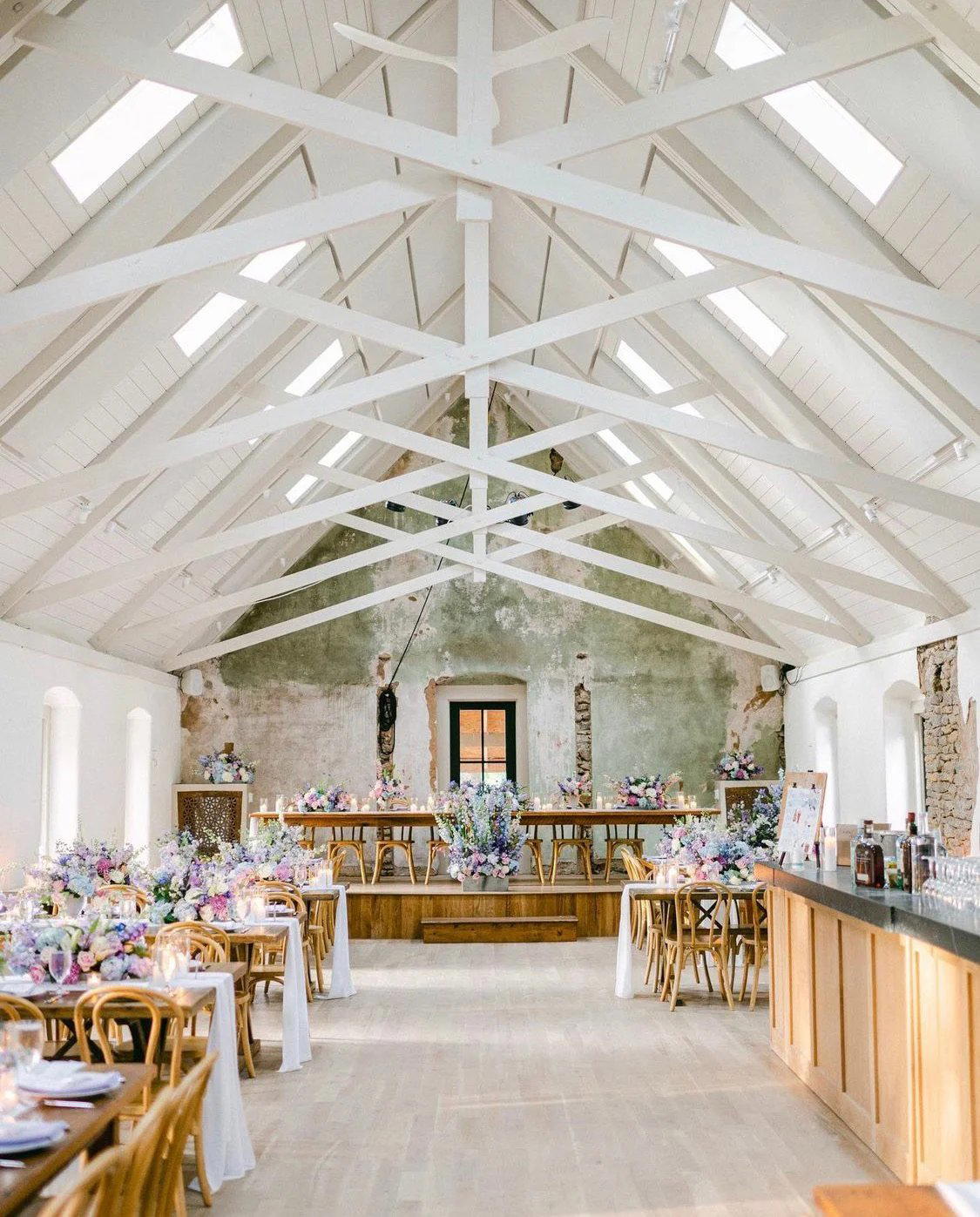
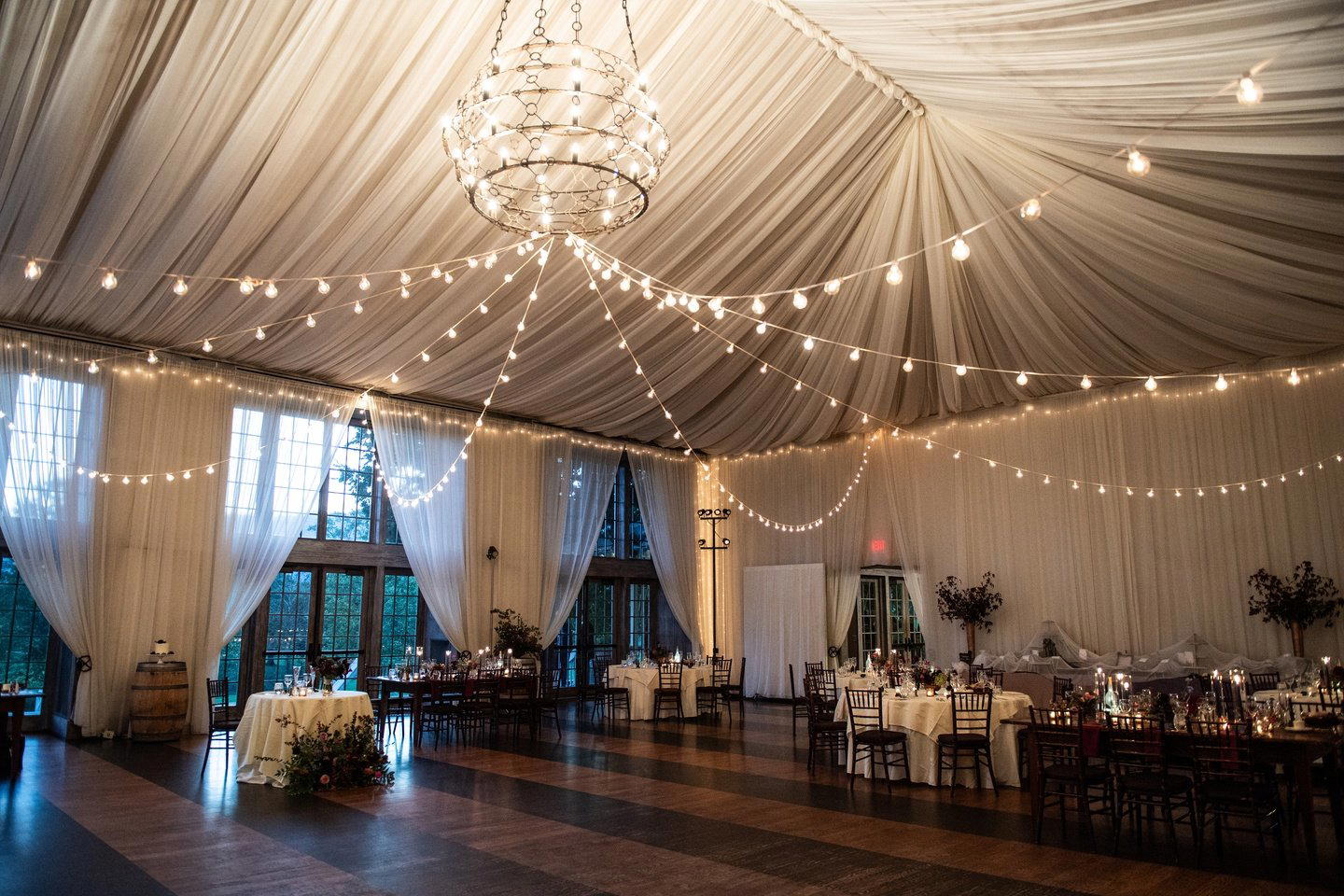
Blend of timeless historic charm with modern artsy décor, vaulted ceilings, light-filled hallways, and original heart pine floors.