Carter Mountain Orchard and Country Store
Carter Mountain Orchard sits above Charlottesville on a working apple farm that has supplied the region's kitchens and cider houses for generations. The country store and tasting operation draw visitors less for formal programming than for the raw material itself: pressed cider, seasonal fruit, and mountain views that frame the Blue Ridge in a way few agricultural stops in central Virginia can match. It is a productive farm first, destination second.
Pearl is the En Primeur Club membership app — saves, bookings, and concierge access live there. Same editors, same standards.
- Address
- 1435 Carters Mountain Trail, Charlottesville, VA 22902
- Phone
- +1 434 977 1833
- Website
- cartermountainorchard.com
- Directions
- Get directions
 Saves & bookings on Pearl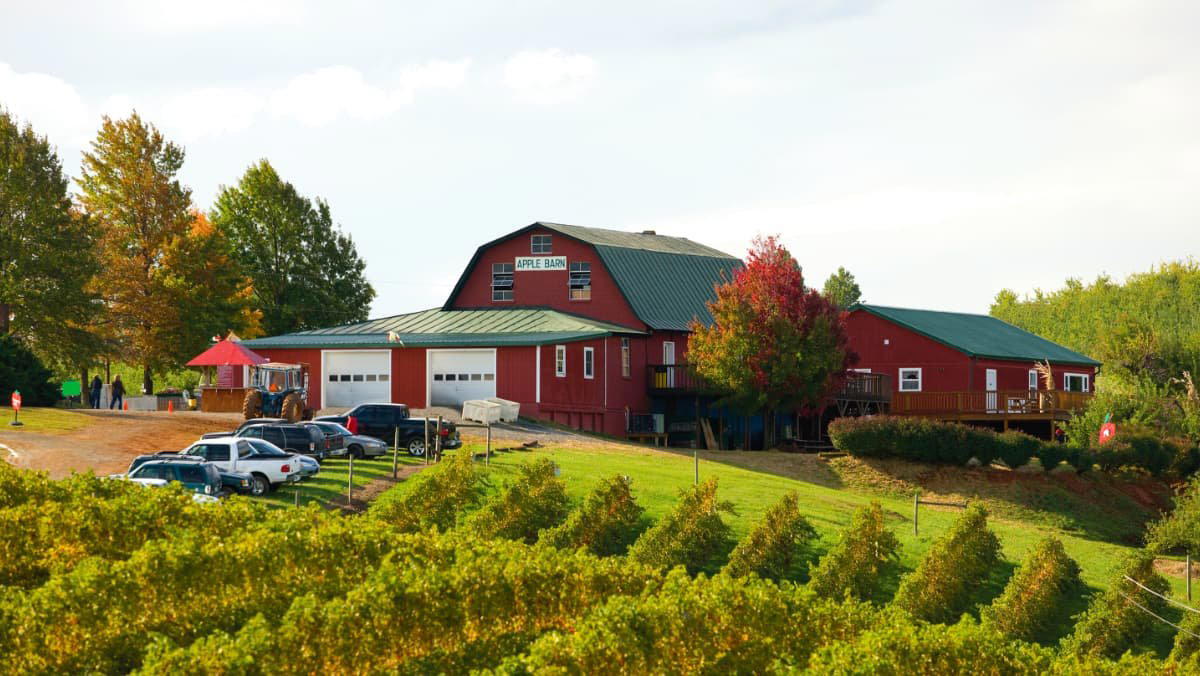
Above the Valley Floor
Drive up Carters Mountain Trail and the elevation change does the storytelling before you arrive. Charlottesville drops away beneath you, the Piedmont opens out to the west, and the apple orchards announce themselves in rows along the hillside. Virginia's agricultural identity runs deep through Albemarle County, and Carter Mountain Orchard sits at a particular intersection of that history: a working farm that has become, over time, a point of reference for the regional drinking culture taking shape around it. The country store at the summit of the ridge operates less like a curated retail concept and more like the farm's own front porch, which is precisely why it works.
Albemarle County's orchard tradition predates its wine and cider notoriety by more than a century. Apples were a commercial staple here long before Viognier or heritage cider varietals entered the conversation, and Carter Mountain's position on the mountain puts it in direct dialogue with that longer timeline. The farms that have survived as both agricultural operations and visitor destinations in this region share a common trait: they kept production primary and hospitality secondary. Carter Mountain belongs to that model.
Hard Cider and the Regional Drink Culture
Virginia's hard cider sector has grown faster than most regional observers predicted. Producers across the Shenandoah Valley and the Blue Ridge foothills have moved from farmgate novelty to nationally distributed labels within a decade, and Albemarle County has been part of that shift. Carter Mountain's orchard supply underpins some of that activity directly. Potter's Craft Cider, one of the county's most recognized producers, has worked with local orchard fruit to develop ciders that position Virginia in a serious conversation with established American cider regions in the Pacific Northwest and New England.
What Carter Mountain contributes to that conversation is raw material and context. The cider poured on the mountain reflects the orchard's own harvest rather than a bartender's creative brief, which places it in a different register from the technique-forward programs you find at urban bars. Compare that to the highly composed cocktail programs at venues like Kumiko in Chicago or Jewel of the South in New Orleans, where the drink is the product of deliberate craft layered over a sourcing decision. Here, the sourcing decision is the drink. The apple variety, the harvest timing, the fermentation approach: these are the creative choices, and they happen in the orchard before anything reaches a glass.
That distinction matters when you're orienting yourself within the broader American bar and cider scene. Cities like San Francisco, where ABV has built a reputation on considered sourcing and technical rigor, or Washington, D.C. where Allegory anchors a more theatrical cocktail format, represent one end of the spectrum. Agricultural producers like Carter Mountain represent the other: the place where the ingredient originates rather than the place where it is transformed.
Seasonal Logic and When to Go
The orchard operates on harvest logic, which means the experience changes significantly depending on when you visit. Apple season in central Virginia runs from late summer through autumn, and the peak weeks pull visitors from across the state and beyond. This is when the farm's seasonal output is most legible: pick-your-own access, pressed cider at its freshest, and the country store stocked with the full range of the harvest. The Blue Ridge autumn light on the hillside rows during this period is not incidental to the appeal.
Off-season visits are quieter and less programmatic, which suits a different kind of traveler. If you're mapping the county's agricultural and drinking culture as a whole, pairing a visit here with stops at local cider producers gives you a more complete picture of how Albemarle's beverage identity has assembled itself. The county's broader drinking scene, from craft cider to the Monticello Wine Trail, reflects a regional confidence that has been building for years.
The Country Store as Format
Farm stores that double as experience venues occupy a distinct niche in American food tourism. They are neither restaurant nor bar in any formal sense, but they function as one direct point of contact between producer and consumer. Carter Mountain's store fits that format: the register is stocked with preserves, baked goods, and orchard products, and the cider operation gives visitors something to drink while the view does its work. The lack of formal programming is, in this context, a feature rather than a gap.
Bars that have built reputations on hospitality craft, from Julep in Houston to Bar Leather Apron in Honolulu to Superbueno in New York City, operate with carefully constructed service frameworks and technique-led menus. Carter Mountain operates with neither, and that contrast clarifies what each model actually offers. The farm stop is not competing with the cocktail bar; it is filling a different function in a drinking itinerary that spans agricultural source and finished product.
For visitors building a day around Albemarle County's food and drink offer, the mountain works well as an anchor point rather than a destination in isolation. The drive up, the elevation, the physical encounter with the orchard itself: these establish a sense of place that no amount of curated programming in a city venue can replicate. From there, the county's bars, restaurants, and cider producers extend the story at ground level.
Planning Your Visit
Carter Mountain Orchard sits at 1435 Carters Mountain Trail, Charlottesville, Virginia. The property is accessible by car from downtown Charlottesville in under fifteen minutes, with the mountain road itself adding a few minutes to that estimate depending on traffic during peak season. Visitors planning a full Albemarle County itinerary should factor in autumn weekend crowds, when harvest season draws the largest volume of visitors to the mountain. If your interest is primarily the cider and store rather than the pick-your-own experience, arriving on a weekday during harvest season significantly changes the pace of the visit.
Fast Comparison
Comparable venues nearby, for context on price, style, and recognition.
| Venue | Cuisine | Price | Notes |
|---|---|---|---|
| Carter Mountain Orchard and Country StoreThis venue — the venue you are viewing | wine_bar | $$ | Not listed |
| Common House | cocktail_bar | $$ | Downtown Mall |
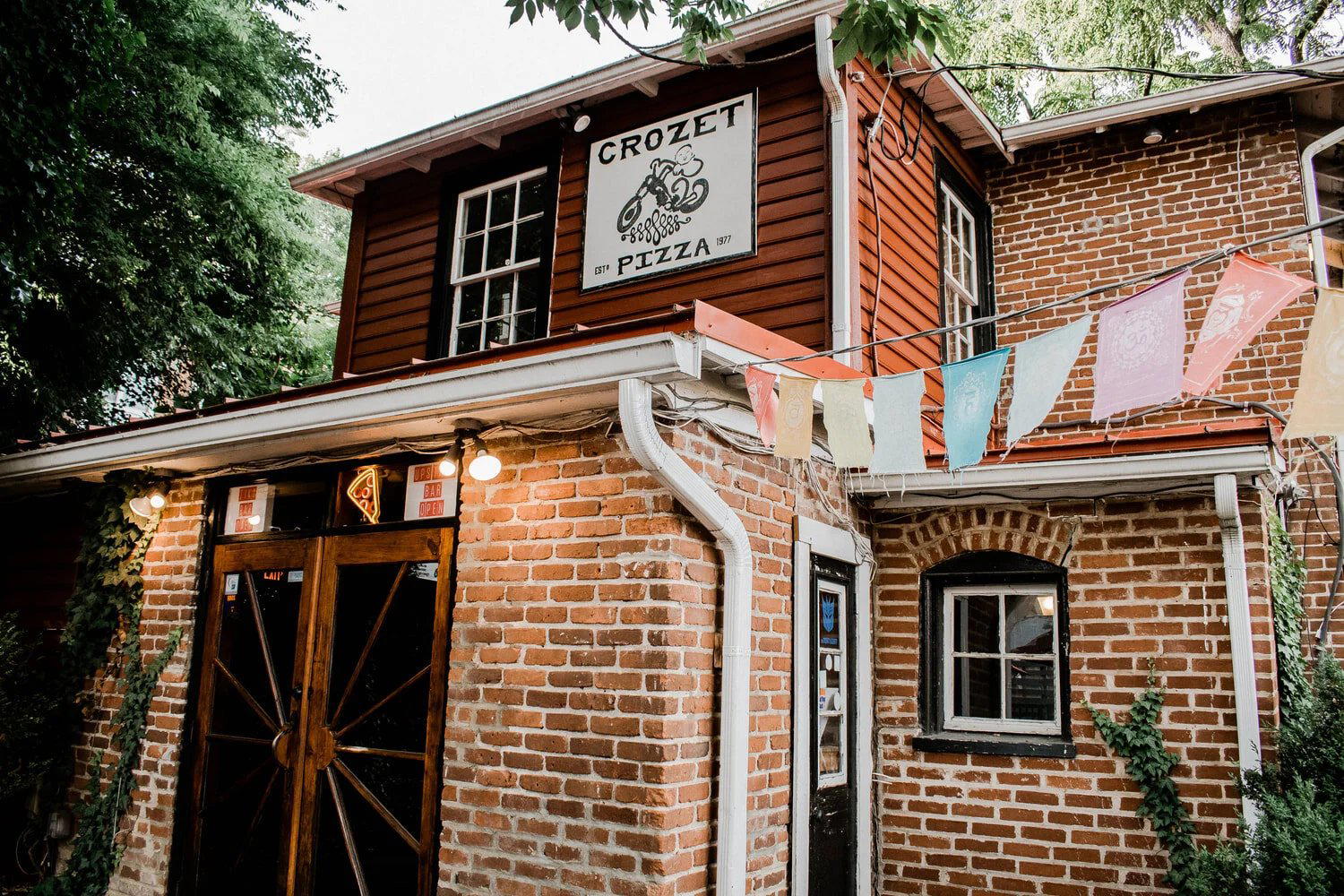
| Crozet Pizza at Buddhist Biker Bar | pub | $$ | The Corner |
| Oakhart Social | cocktail_bar | $$ | Midtown |
| Potter's Craft Cider | beer_bar | $$ | Southern Albemarle |
| The Alley Light | cocktail_bar | $$$ | Downtown Mall |
Continue exploring
More in Charlottesville
Bars in Charlottesville
Browse all →

Restaurants in Charlottesville
Browse all →
Hotels in Charlottesville
Browse all →

At a Glance
- Rustic
- Scenic
- Cozy
- Casual Hangout
- Group Outing
- Celebration
- Live Music
- Garden
- Panoramic View
- Outdoor Terrace
- Lounge Seating
- Conventional Wine
- Mountain
- Vineyard
Current opening hours
- Monday
- 10 AM–5 PM
- Tuesday
- 10 AM–5 PM
- Wednesday
- 10 AM–5 PM
- Thursday
- 10 AM–5 PM
- Friday
- 10 AM–5 PM
- Saturday
- 10 AM–5 PM
- Sunday
- 10 AM–5 PM
Hours can change for holidays and private events. Last verified .
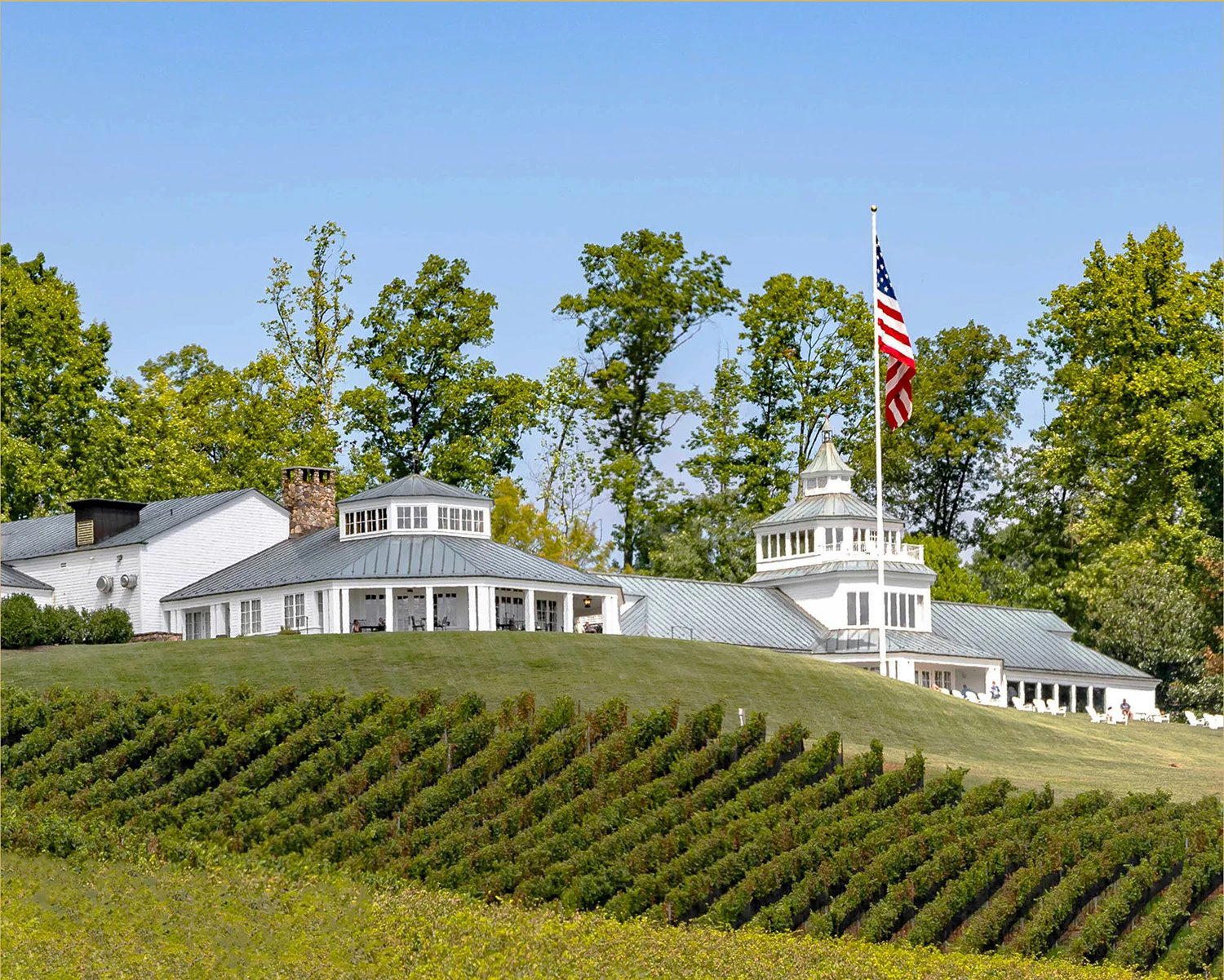
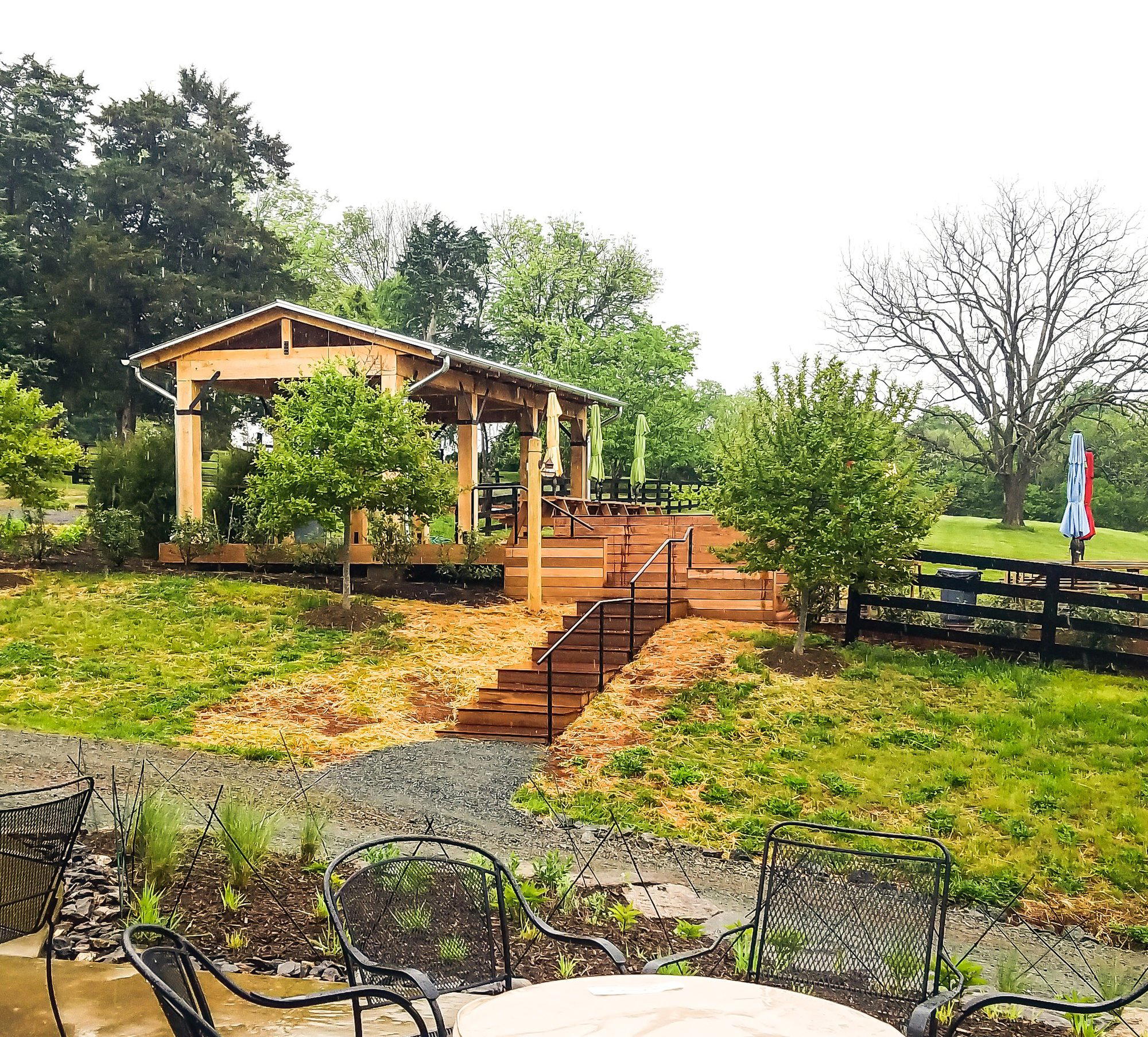
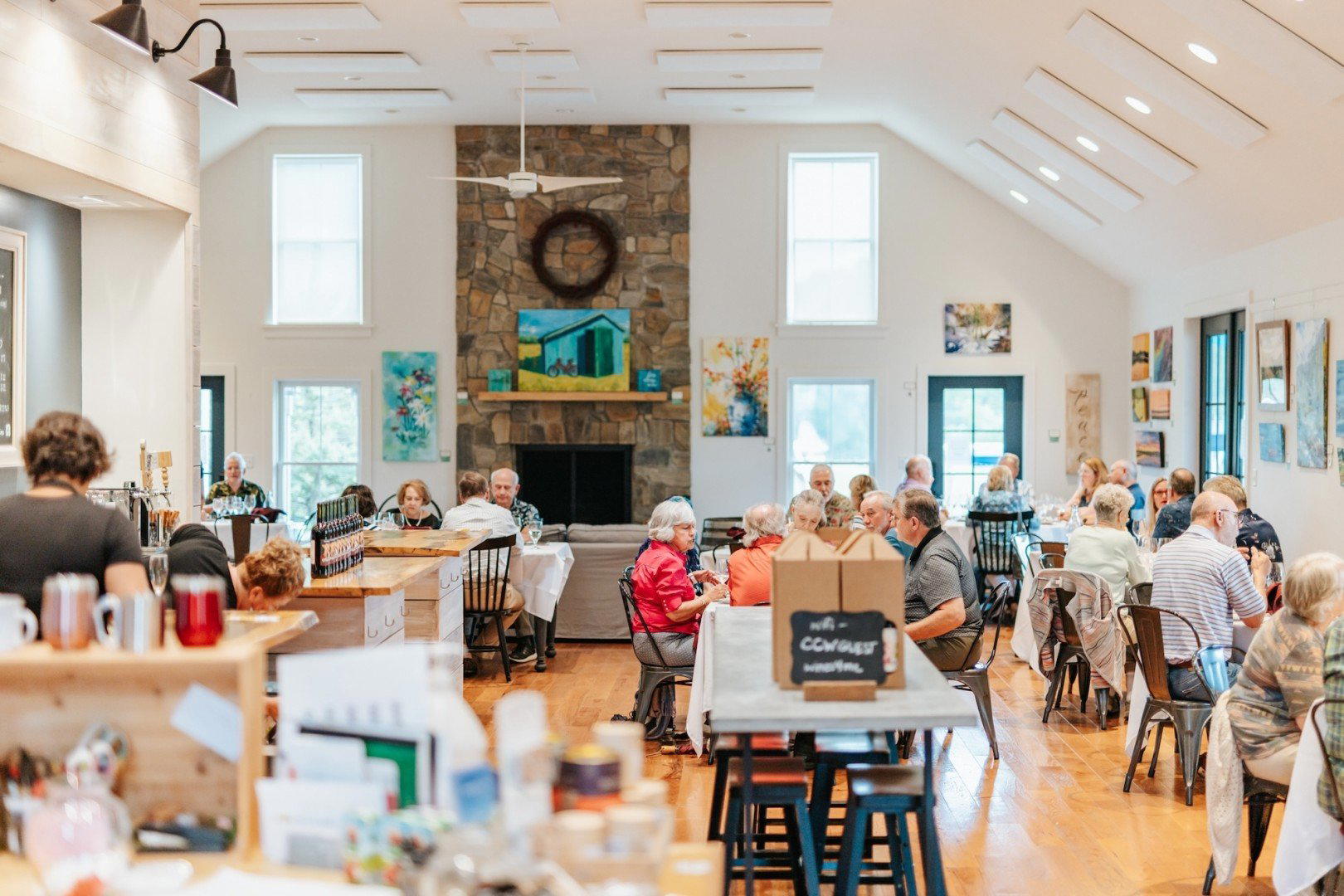
Rustic and charming with a lively outdoor terrace atmosphere, red barn setting, and dramatic sunset vistas.