Common House
Common House at 206 W Market St occupies a considered position in Charlottesville's social fabric, part members' club, part gathering place for the city's creative and professional community. The format places it in a category that has grown across mid-sized American cities: spaces that function less like traditional bars and more like civic infrastructure for regulars who want to eat, drink, and linger with purpose.
Pearl is the En Primeur Club membership app — saves, bookings, and concierge access live there. Same editors, same standards.
- Address
- 206 W Market St, Charlottesville, VA 22902
- Phone
- +1 434 566 0192
- Website
- commonhouse.com
- Directions
- Get directions
 Saves & bookings on Pearl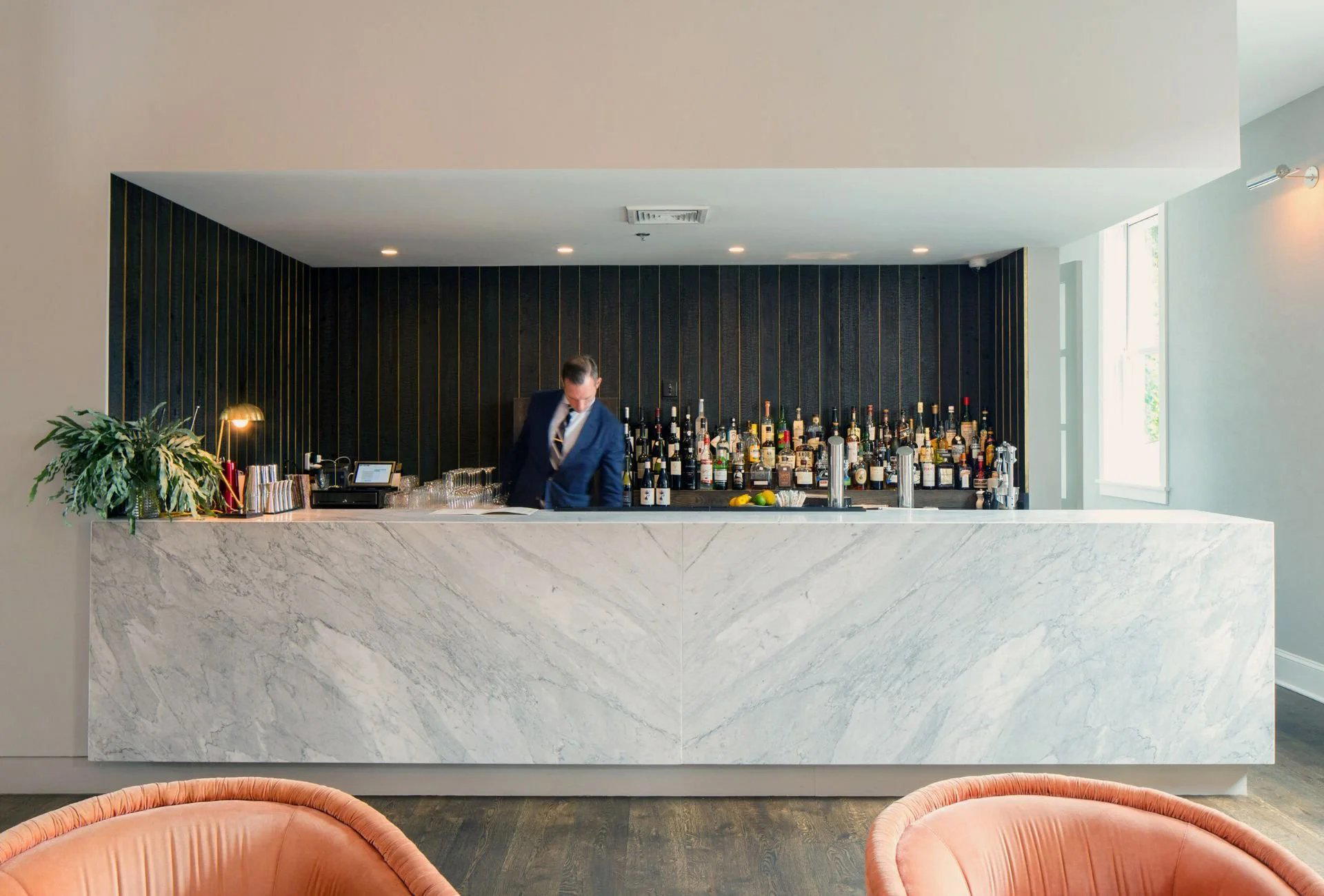
Where Charlottesville Gathers
Common House, at 206 W Market St in downtown Charlottesville, belongs to that category. It operates as a members' social club, which immediately separates it from the more open formats on the same streets, the neighborhood restaurants and wine bars that anyone can walk into on a Friday night.
The members' club model in American cities has often carried either a stuffy, old-money register or a coworking gloss. What has made a new cohort of clubs, Common House among them, more interesting is the degree to which they've positioned themselves as community infrastructure rather than status accessories.
The Character of the Space
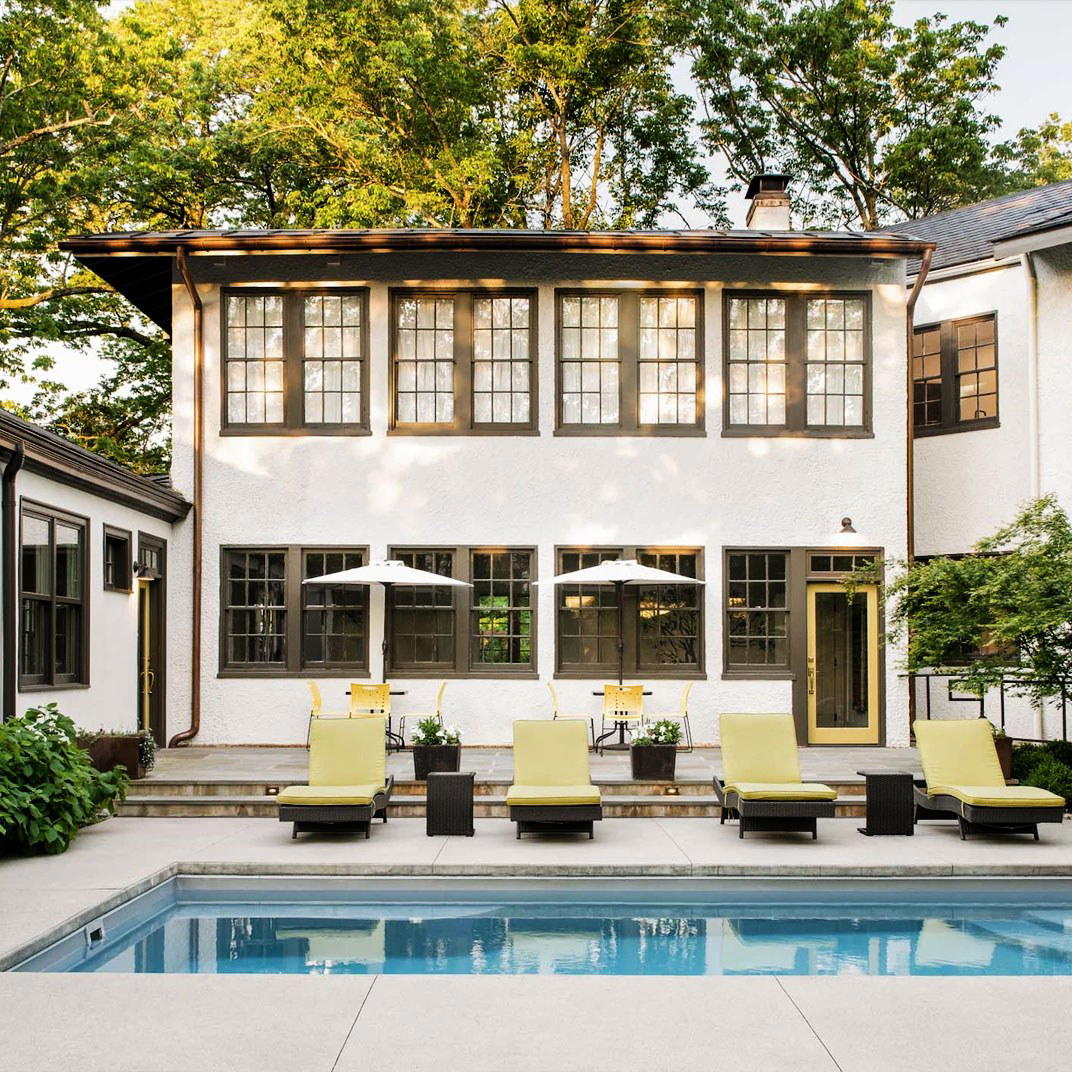
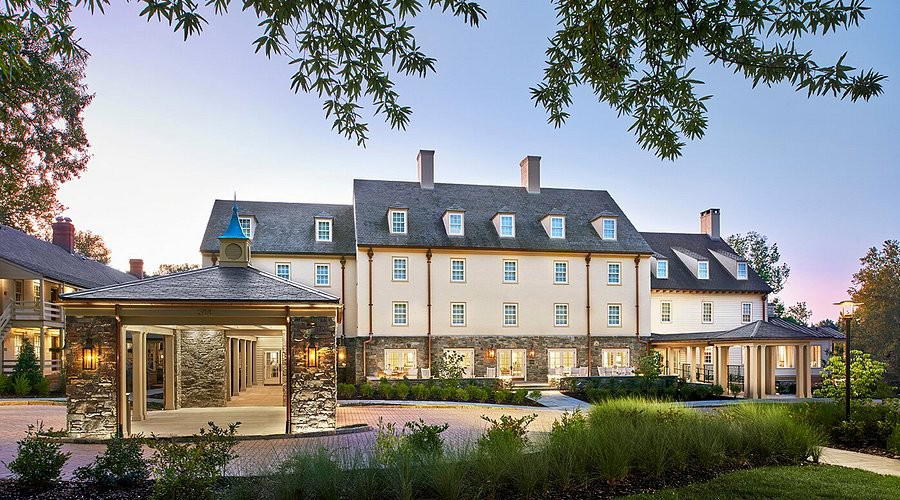
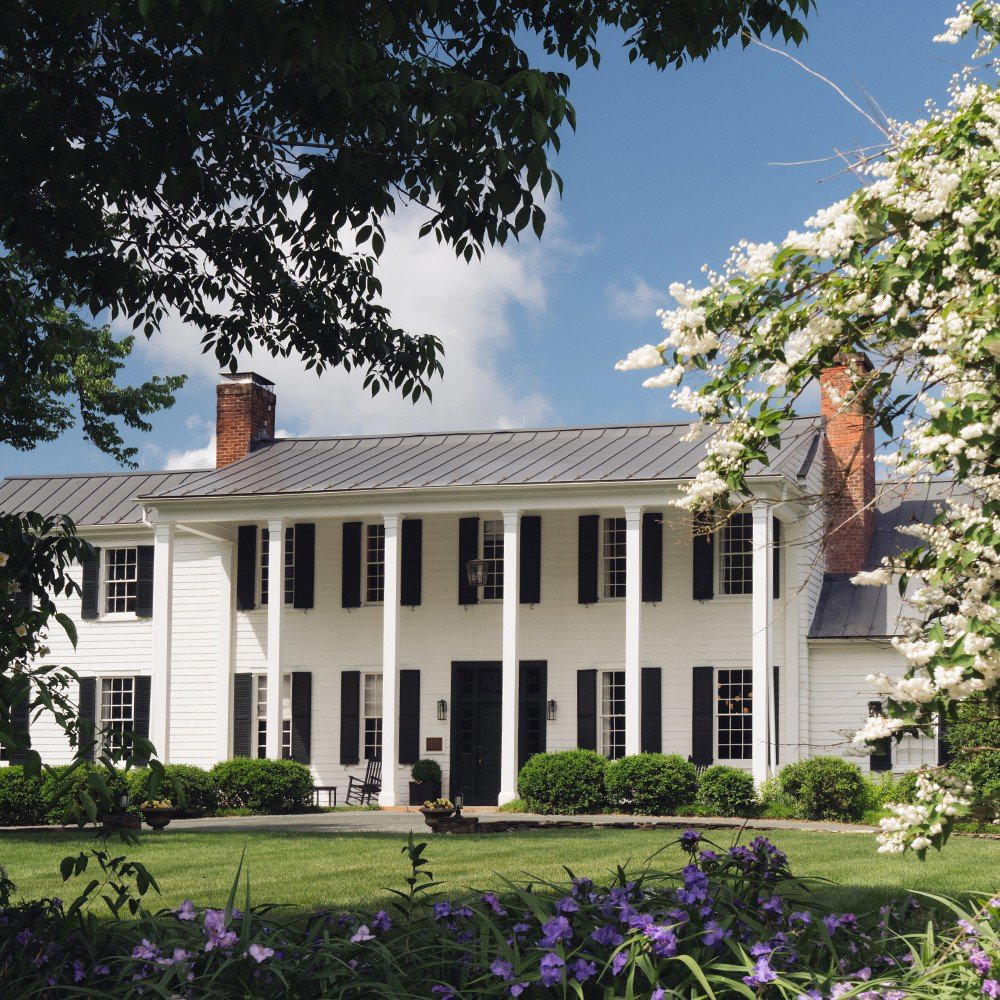
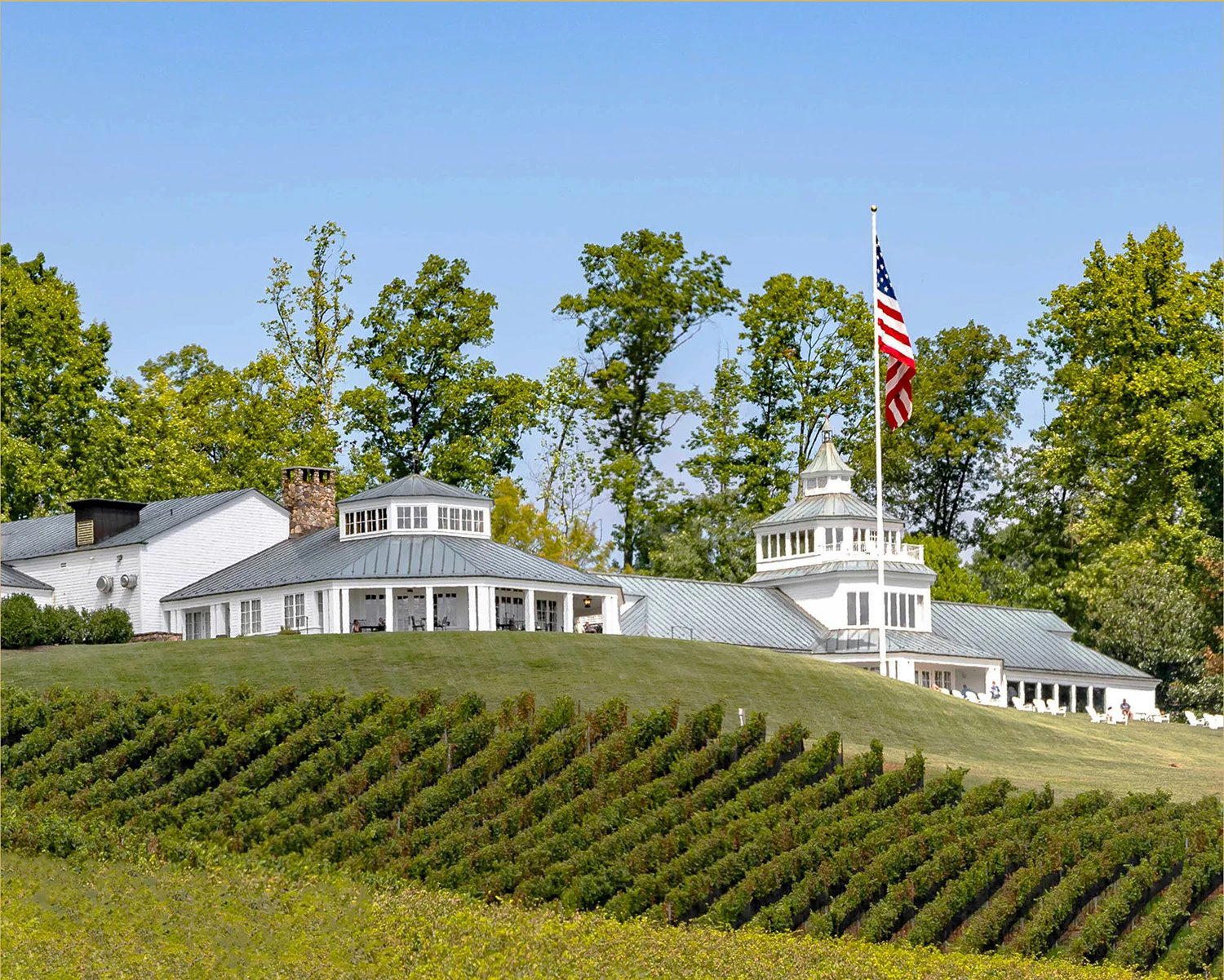
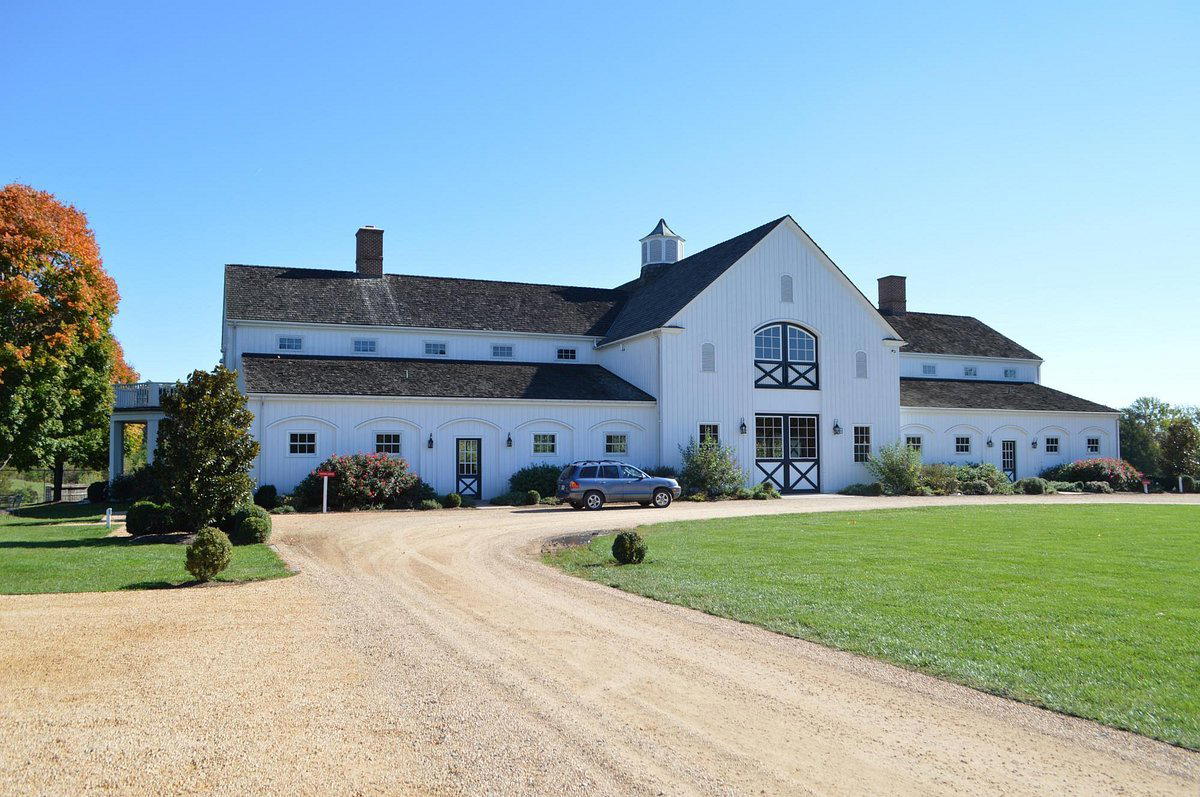
Common House sits in Charlottesville's downtown core, in a building on West Market Street that places it within walking distance of the Downtown Mall, the city's primary commercial and social corridor. The address is deliberate, this is not a destination that asks you to travel far or seek it out in an obscure pocket of the city. It is in the middle of things, which suits the neighbourhood watering hole function it performs for its members.
The club format is designed to sustain long visits rather than quick turnovers. Spaces of this type typically include multiple distinct areas, a bar, a restaurant section, event rooms, lounges, so that the same member can move through different registers of the day without leaving. That logic is part of what makes the bar function as a social anchor rather than just a drinking destination.
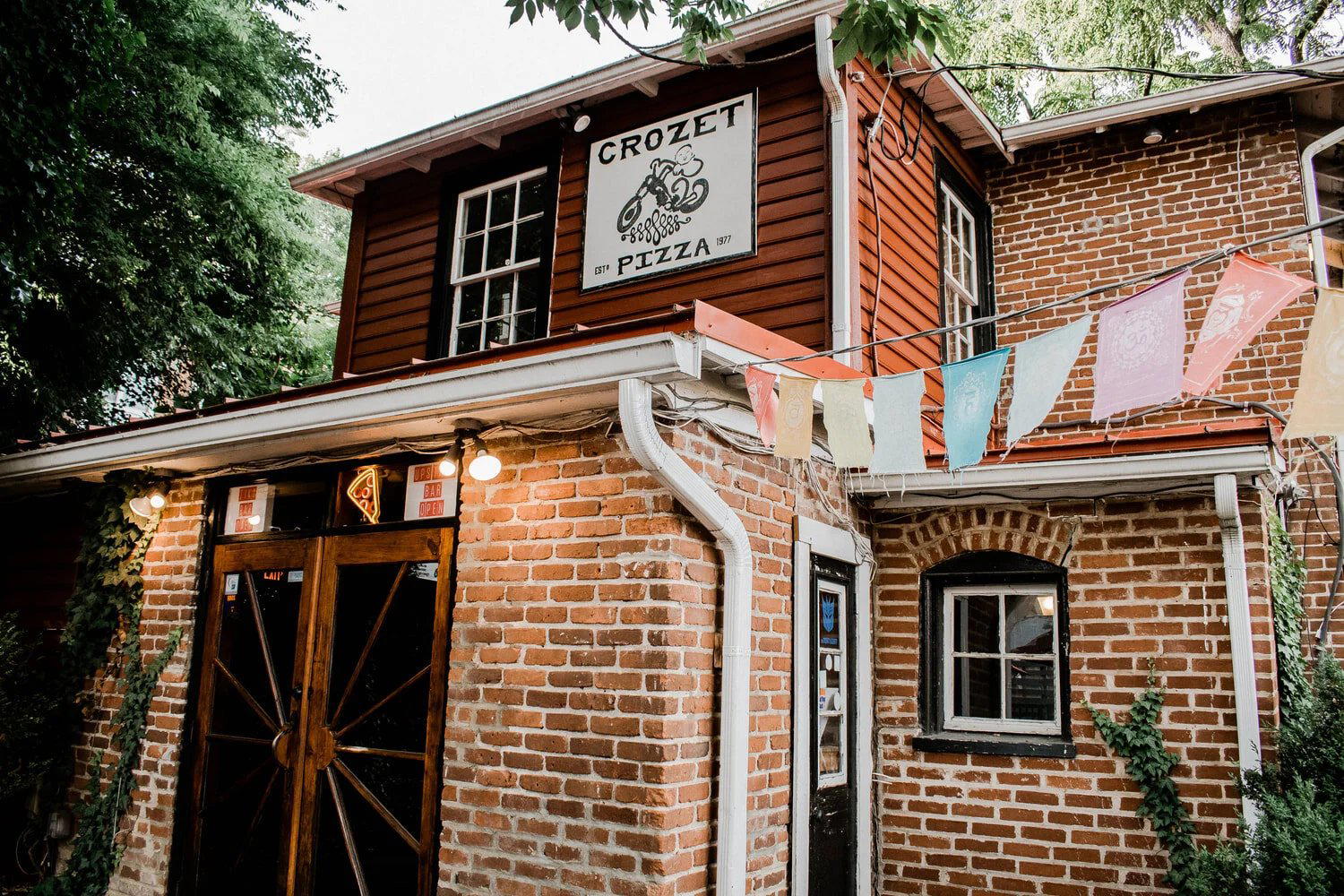
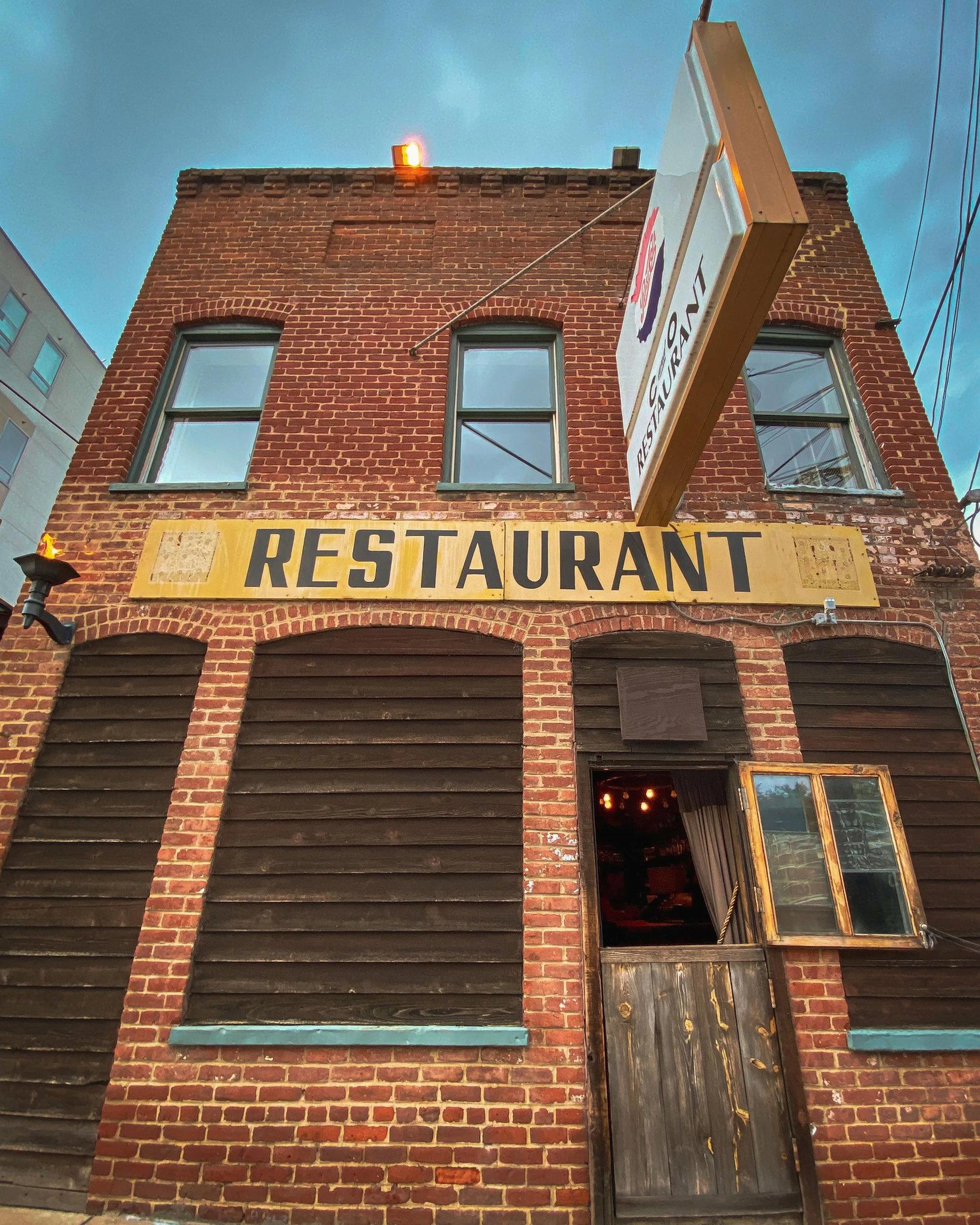
C & O Restaurant represents the city's older, more established fine-dining-adjacent tradition. Oakhart Social has carved a space in the neighbourhood dining-with-serious-drinks category. Petite MarieBette operates in the European-café register. Crozet Pizza at Buddhist Biker Bar occupies a more casual, counter-culture corner of the city's drinking life. The bar sits apart from all of them by virtue of its access model, not its atmosphere alone.
Common House in the Wider Members' Club Context
The members' social club has had a genuine resurgence across American cities in the past ten years, and Charlottesville is a logical city for one to take hold. The University of Virginia produces a consistent professional class with disposable income and an appetite for social environments that are curated without being cold. The city's wine country proximity, the Monticello AVA is the defining regional wine identity, adds a food-and-drink literacy to the local population that rewards venues willing to invest in their beverage program.
Nationally, the bar programs at members' clubs vary widely. The strongest ones function more like serious cocktail bars that happen to have a membership gate. Venues like Kumiko in Chicago and Jewel of the South in New Orleans set a standard for what a drinks program can achieve when it's given both resources and editorial intent. Bar Leather Apron in Honolulu and ABV in San Francisco similarly demonstrate that the bar-as-institution model rewards consistency and depth over novelty. Julep in Houston and Superbueno in New York City show how strong identity in the glass can anchor a room's entire social character. The Parlour in Frankfurt illustrates that the members' lounge format translates across Atlantic contexts when the programming is substantive.
The bar participates in this broader trend without being measured against it directly, the membership model creates a different set of expectations around the bar experience. Members arrive with accumulated familiarity rather than the first-visit curiosity that drives engagement at open bars. That dynamic rewards programs that evolve seasonally and give regulars something to return for, rather than menus that are designed primarily to impress on a single visit.
Planning Your Visit
The bar operates on a membership basis, which is the first practical question for any prospective visitor: access requires membership or a guest arrangement with an existing member. The address at 206 W Market St in downtown Charlottesville is direct to reach on foot from the Downtown Mall or by car with street parking or nearby garages.
Given the membership structure, advance planning is more a matter of securing access than securing a reservation in the traditional sense. The bar rewards those who engage with it as a regular fixture rather than a one-off stop.
Reputation First
Comparable venues nearby, for context on price, style, and recognition.
| Venue | Cuisine | Price | Notes |
|---|---|---|---|
| Common HouseThis venue — the venue you are viewing | cocktail_bar | $$ | Not listed |
| Oakhart Social | cocktail_bar | $$ | Midtown |
| Carter Mountain Orchard and Country Store | wine_bar | $$ | Crozet |
| The Alley Light | cocktail_bar | $$$ | Downtown Mall |
| Crozet Pizza at Buddhist Biker Bar | pub | $$ | The Corner |
| Potter's Craft Cider | beer_bar | $$ | Southern Albemarle |
Continue exploring
More in Charlottesville
Bars in Charlottesville
Browse all →
Restaurants in Charlottesville
Browse all →
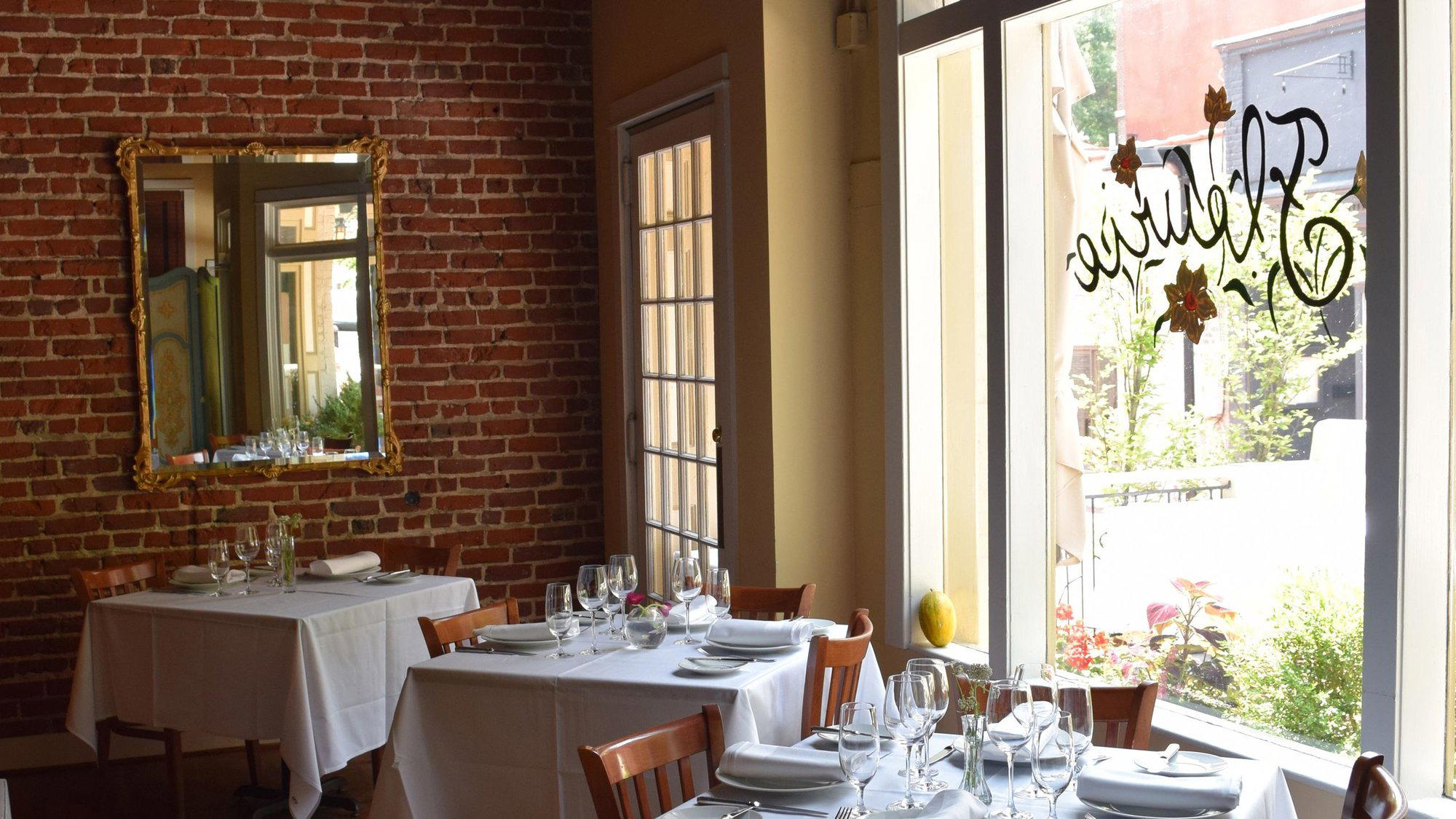

Hotels in Charlottesville
Browse all →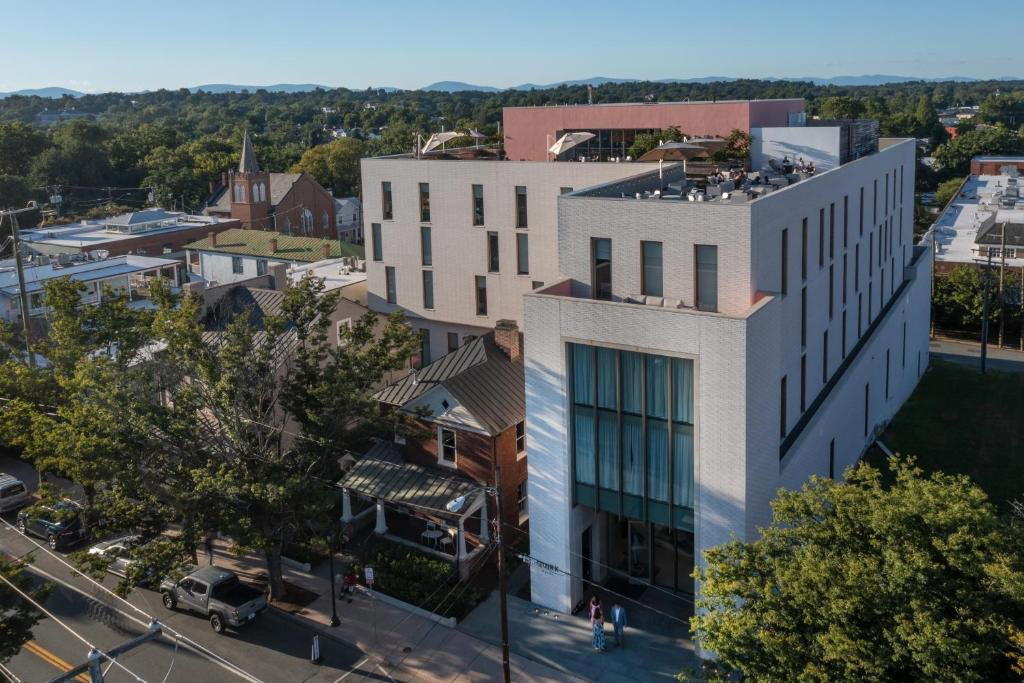
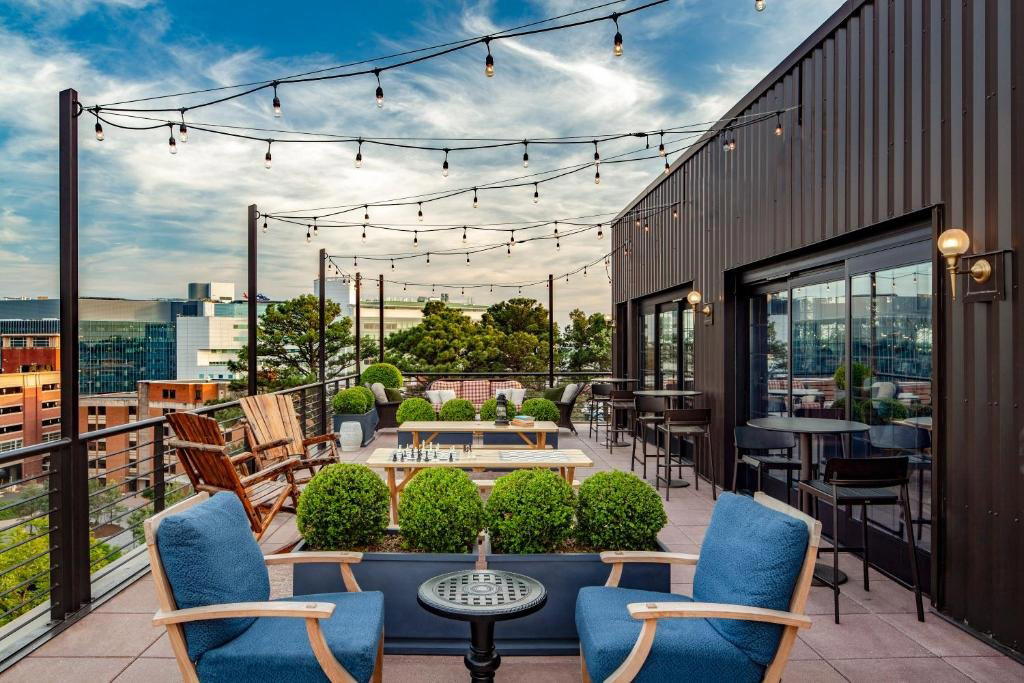
At a Glance
- Modern
- Cozy
- Trendy
- Sophisticated
- After Work
- Group Outing
- Casual Hangout
- Rooftop
- Historic Building
- Live Music
- Lounge Seating
- Communal Tables
- Craft Cocktails
Current opening hours
- Monday
- 8:30 AM–5:30 PM
- Tuesday
- 8:30 AM–5:30 PM
- Wednesday
- 8:30 AM–5:30 PM
- Thursday
- 8:30 AM–5:30 PM
- Friday
- 8:30 AM–5:30 PM
- Saturday
- Closed
- Sunday
- Closed
Hours can change for holidays and private events. Last verified .
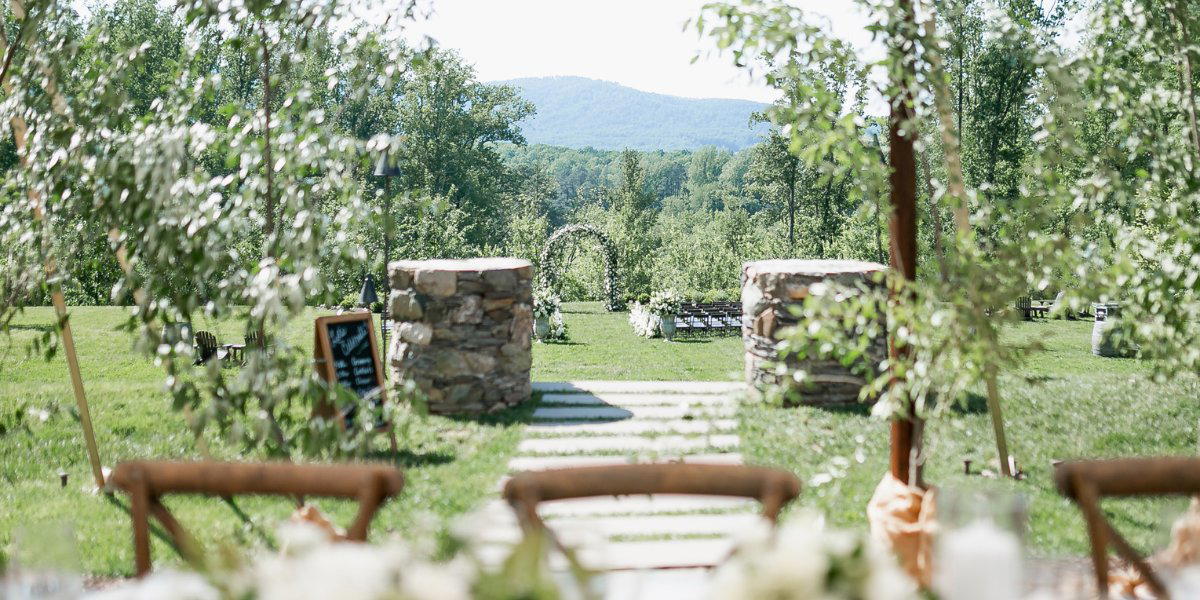
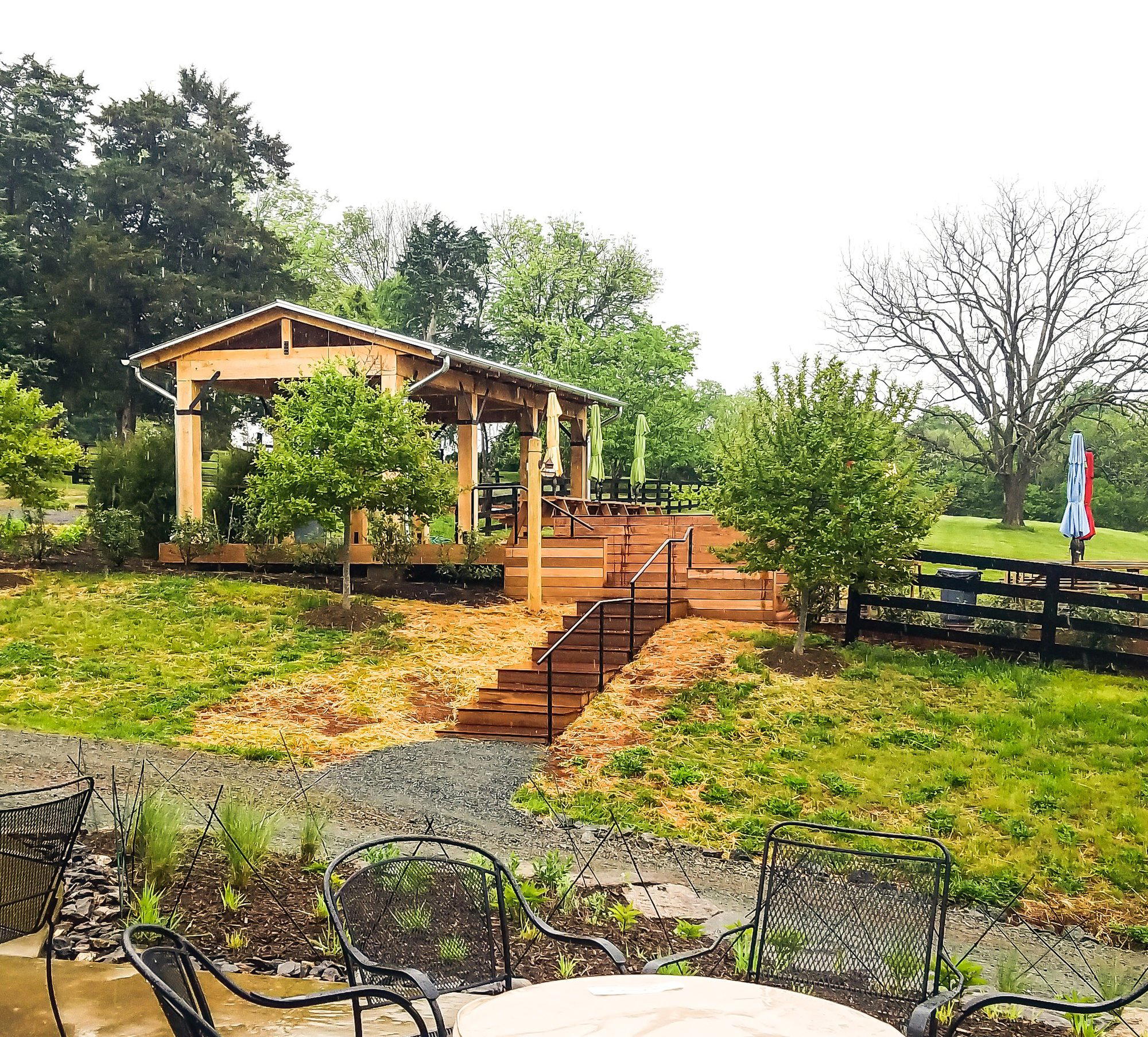
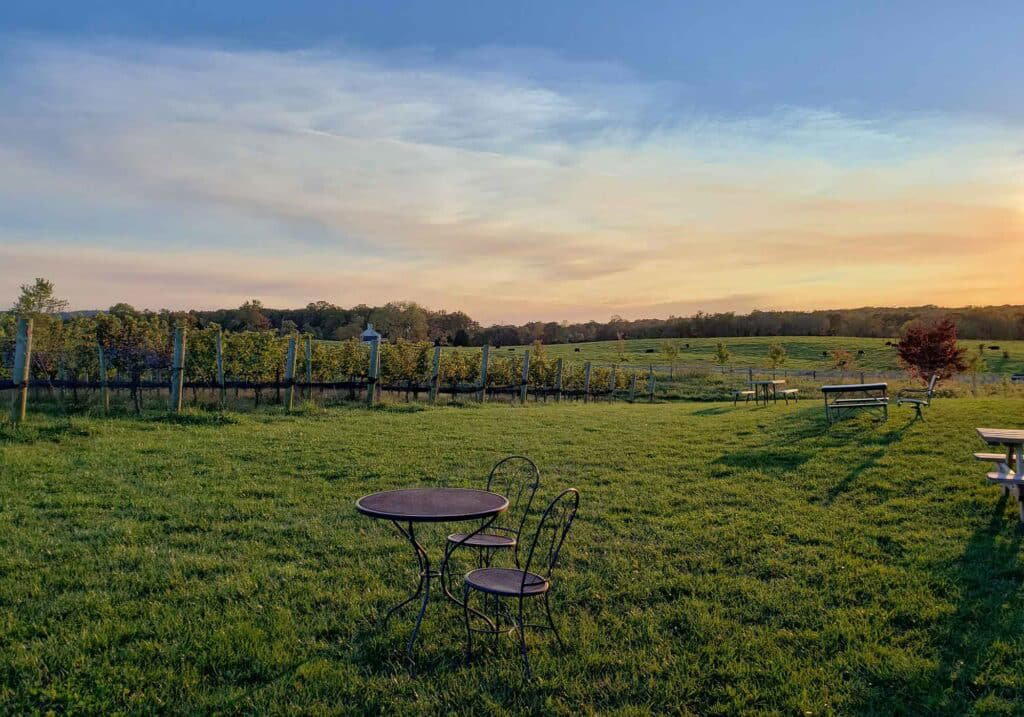
Colorful artistic design with artsy spaces, chic rooftop, and thoughtful lighting creating a modern, community-focused atmosphere.