Blenheim Vineyards
Set on a working farm south of the city, the estate puts Virginia's capacity for serious viticulture into clear relief. For visitors tracing the region's most credentialed addresses, Blenheim belongs on the itinerary alongside the county's other benchmark producers.

Pearl is the En Primeur Club membership app — saves, bookings, and concierge access live there. Same editors, same standards.
- Address
- 31 Blenheim Farm, Charlottesville, VA 22902
- Phone
- (434) 293-5366
- Website
- blenheimvineyards.com
- Directions
- Get directions
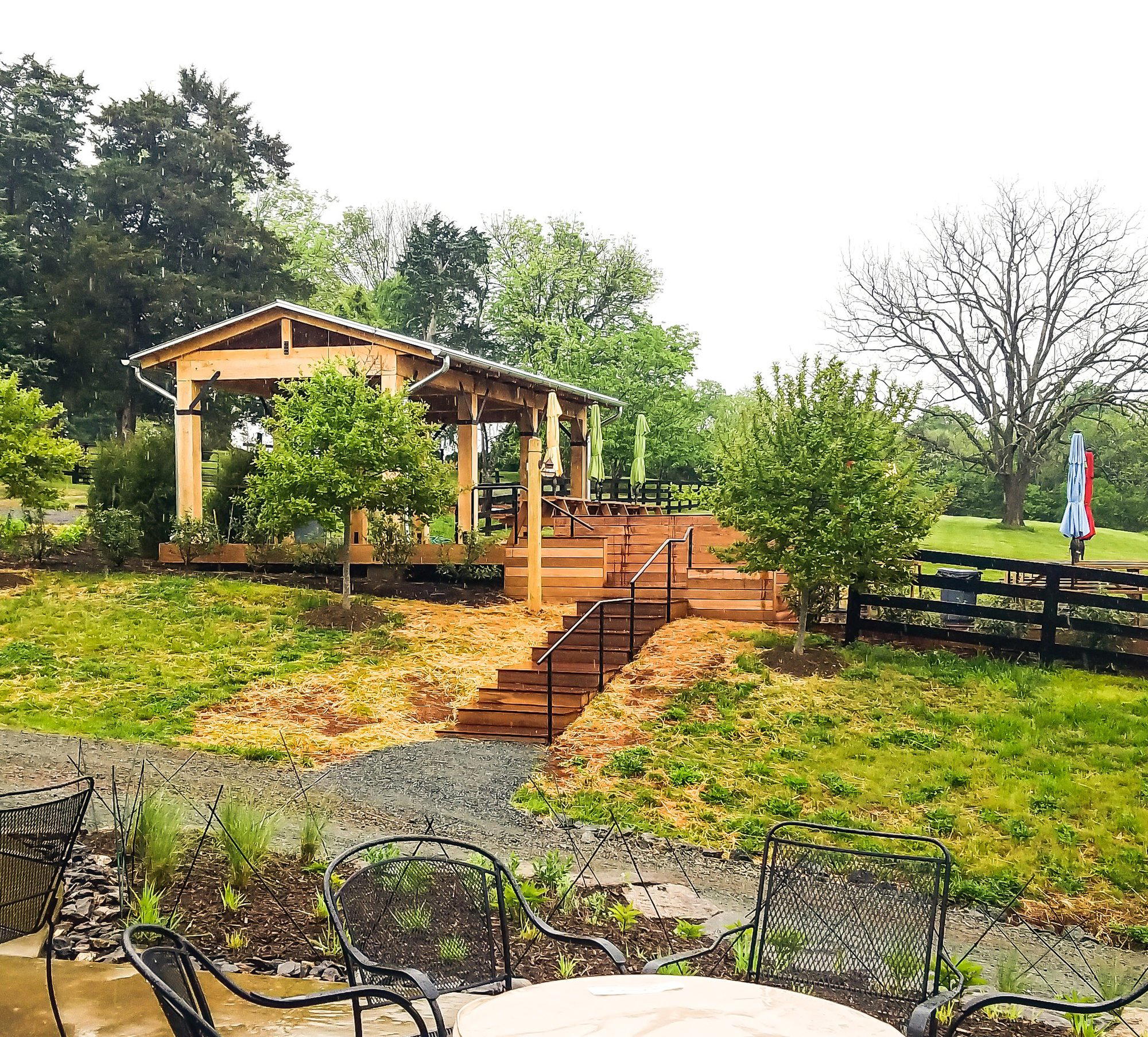
Where the Piedmont Speaks Through the Vine
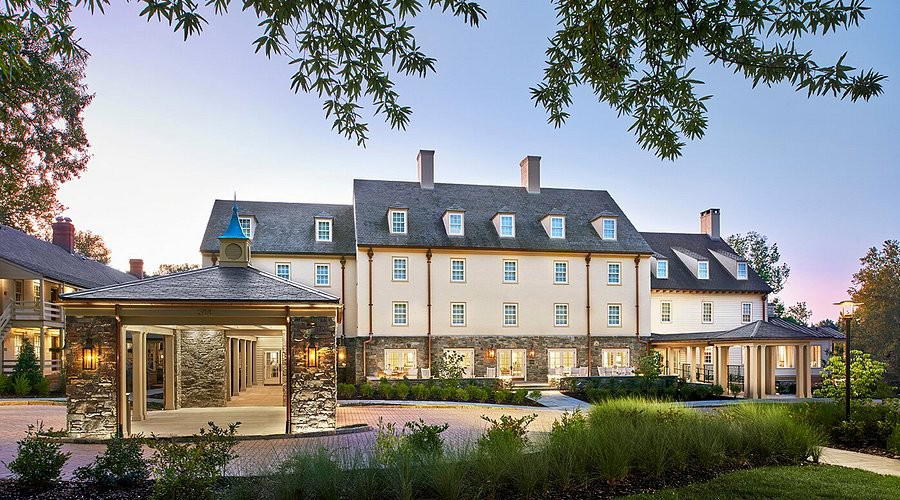
The drive south from Charlottesville along Route 20 is itself an argument for Virginia wine country. The Blue Ridge anchors the western horizon, the land opens into rolling farmland, and by the time you reach 31 Blenheim Farm the density of the urban grid has dissolved entirely. The property reads as a working agricultural estate first, a wine destination second — and that ordering matters. It shapes how the wines are made, how the land is managed, and what a visit here actually feels like compared to more visitor-optimized operations closer to town.
In a region that has spent two decades arguing for its right to be taken seriously, that kind of third-party recognition carries weight beyond the marketing. It signals consistency, production discipline, and a wine program that holds up against scrutiny.
Virginia Terroir and What It Actually Means Here
The broader argument for Virginia wine has always rested on terroir specificity — the claim that Albemarle County's combination of clay-loam soils, humid continental climate, and Blue Ridge elevation produces something that cannot be replicated in California or France. That argument is easier to make at some estates than others. At properties where the land is allowed to express itself without heavy manipulation, the case becomes tangible.
Charlottesville sits at the eastern foothills of the Blue Ridge, at an elevation range that moderates summer heat and extends the growing season relative to lower-lying Virginia appellations. The diurnal temperature swings during ripening are among the more significant in the state, and they tend to produce wines with the kind of acidity that allows for aging, a structural quality that distinguishes serious Virginia production from the bulk of the East Coast wine industry. Blenheim's farm setting, with its agricultural context intact, suggests a relationship with the land that prioritizes viticultural decision-making over tasting-room throughput.
Trump Winery commands scale and infrastructure that targets a broad visitor base. Jefferson Vineyards trades on historical association and long-standing regional identity. Gabriele Rausse Winery carries the authority of the winemaker who did more than perhaps anyone else to establish Albemarle County as a viable fine-wine address. Blenheim's 2025 prestige recognition places it in a tier defined by wine quality rather than narrative positioning or volume.
The Farm Estate Format in American Wine
The farm-estate model, where viticulture sits within a working agricultural property rather than a purpose-built wine campus, has become a useful differentiator in American wine regions trying to move beyond the tasting-room-and-gift-shop template. In Virginia, where the wine industry is young enough that most producers built their infrastructure with tourism in mind from the start, estates that retain genuine agricultural character occupy a distinct position.
That distinction is not purely aesthetic. Agricultural land management tends to produce more biologically active soils, and the relationship between vineyard and surrounding land affects canopy management decisions, water retention, and ultimately flavour concentration. Visitors who have spent time at comparable estate wineries in Burgundy or at smaller-format producers in California appellations like Accendo Cellars in St. Helena or Adelaida Vineyards in Paso Robles will recognize the register immediately: the wines carry a kind of specificity that reflects where they came from rather than where the winemaker went to school.
Smaller estate operations in the Pacific Northwest, such as Adelsheim Vineyard in Newberg, have long made this case for terroir-led production in emerging American appellations. The parallel with Virginia is instructive: both regions built their reputations slowly, through producers willing to prioritize wine quality over visitor volume during the years when neither region had much consumer recognition to fall back on.
Charlottesville in Regional Context
Charlottesville's wine scene has developed enough critical mass that it now functions as a genuine destination rather than an adjunct to the University of Virginia visit. The cluster of credentialed producers within a thirty-minute drive of the city centre is dense enough to support multi-day itineraries, and the quality variance across that cluster has narrowed considerably over the past decade. Producers at the lower end of the quality spectrum have either improved or stopped attracting serious visitors; the operations that remain on itineraries like this one have been filtered by time and scrutiny.
For context on the fuller picture of what Charlottesville wine country offers, the EP Club Charlottesville guide maps the region's producers, neighbourhoods, and dining options. Within that wider frame, Blenheim's combination of farm setting, agricultural land management, and 2025 prestige recognition places it in the upper segment of what the county produces.
Other producers worth placing in the same itinerary include Chiswell Farm and Winery and Eastwood Farm and Winery, both of which share the farm-estate format and represent the direction serious Charlottesville production has been moving. Visitors building a coherent regional tour will find that the farm-estate cluster south and east of the city provides a more consistent level of wine quality than the more tourism-heavy routes to the north.
Planning a Visit
Blenheim Vineyards is located at 31 Blenheim Farm, Charlottesville, VA 22902. Visitors travelling from the city centre should plan for a rural drive with limited signage in the final approach, this is farm country, not a wine-trail corridor with directional infrastructure. Given that the estate holds a prestige-tier rating, demand during peak season (late spring through early autumn) warrants checking ahead before arriving without a plan. Specific booking details, current hours, and tasting formats should be confirmed directly through the winery's current contact channels, as these details shift seasonally at farm estates of this type.
For visitors building a broader American wine itinerary beyond Virginia, the EP Club covers the full range of serious U.S. producers, from Alban Vineyards in Arroyo Grande and Alexander Valley Vineyards in Geyserville to Alpha Omega Winery in Rutherford and Andrew Murray Vineyards in Los Olivos. For context on how Virginia fits within the global wine map, producers like Aberlour in Aberlour and Achaia Clauss in Patras illustrate how older European regions built their prestige through decades of consistent production, a trajectory Virginia's serious estates are now following.
Side-by-Side Snapshot
Comparable venues nearby, for context on price, style, and recognition.
| Venue | Cuisine | Price | Notes |
|---|---|---|---|
| Blenheim VineyardsThis venue — the venue you are viewing | Viognier, Chardonnay | $20–30 | Not listed |
| Trump Winery | Viognier, Chardonnay | Not listed | Monticello Wine Trail |
| Jefferson Vineyards | Chardonnay, Cabernet Sauvignon | $20–30 | Albemarle County |
| Michael Shaps Wineworks | Cabernet Franc, Chardonnay | $20–30 | south of Charlottesville |
| Gabriele Rausse Winery | Nebbiolo, Grüner Veltliner | $10–20 | Carter's Mountain |
| Eastwood Farm & Winery | Chardonnay, Petit Verdot | $10–20 | Scottsville Road |
Continue exploring
More in Charlottesville
Wineries in Charlottesville
Browse all →
Bars in Charlottesville
Browse all →
Restaurants in Charlottesville
Browse all →
Details
- Rustic
- Scenic
- Classic
- Intimate
- Romantic Getaway
- Group Outing
- Wine Education
- Family
- Barrel Room
- Vineyard Tour
- Estate Grounds
- Historic Building
- Design Destination
- Panoramic View
- Sustainable
- Organic
- Vineyard
- Garden
- Viognier
- Chardonnay
- Cabernet Franc
- Cabernet Sauvignon
- Petit Verdot
- Sauvignon Blanc
- Roussanne
- Albariño
- Merlot
- Pinot Noir
- Still Red
- Still White
- Flight
- Glass
- Bottle
- Vertical Tasting
- English
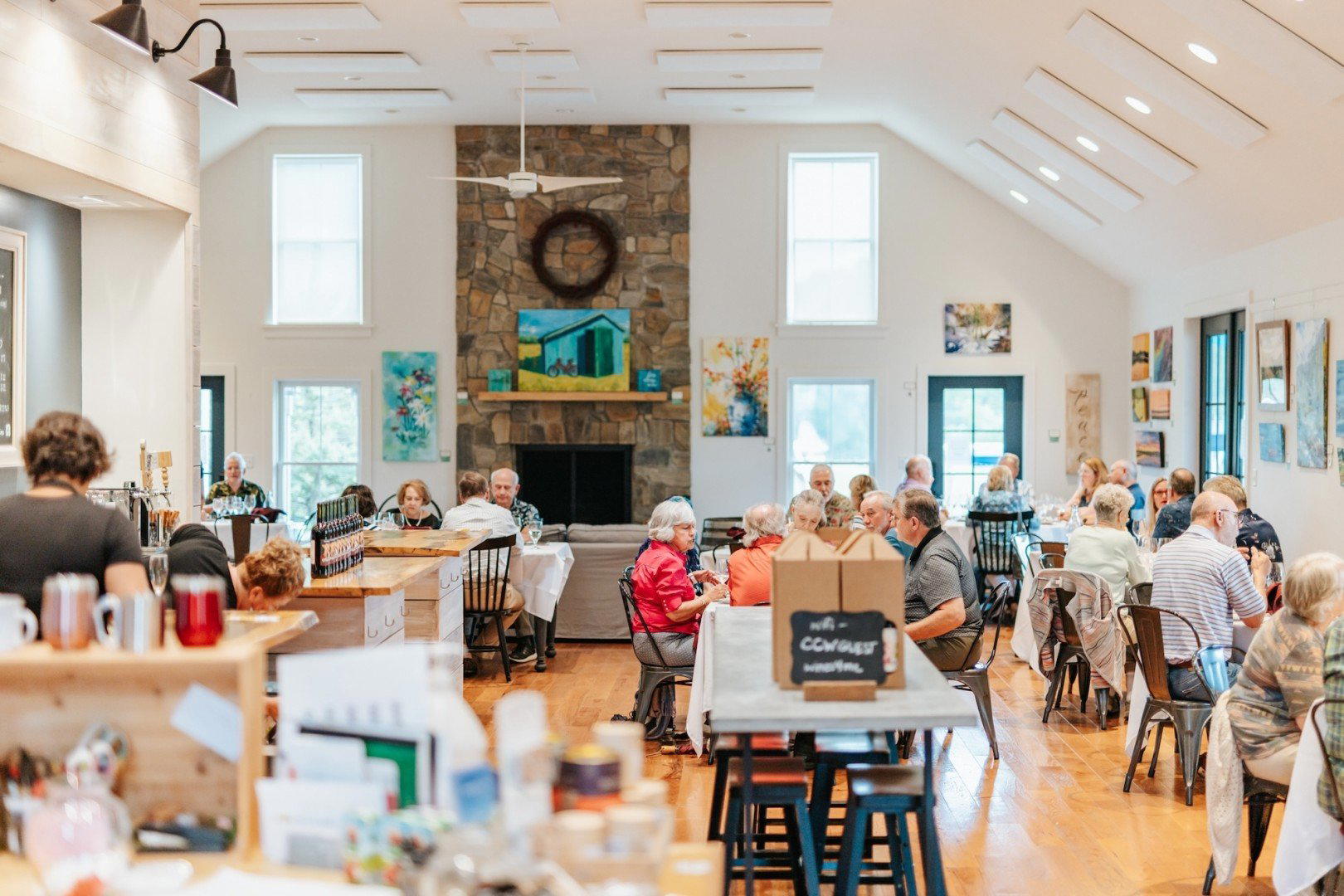
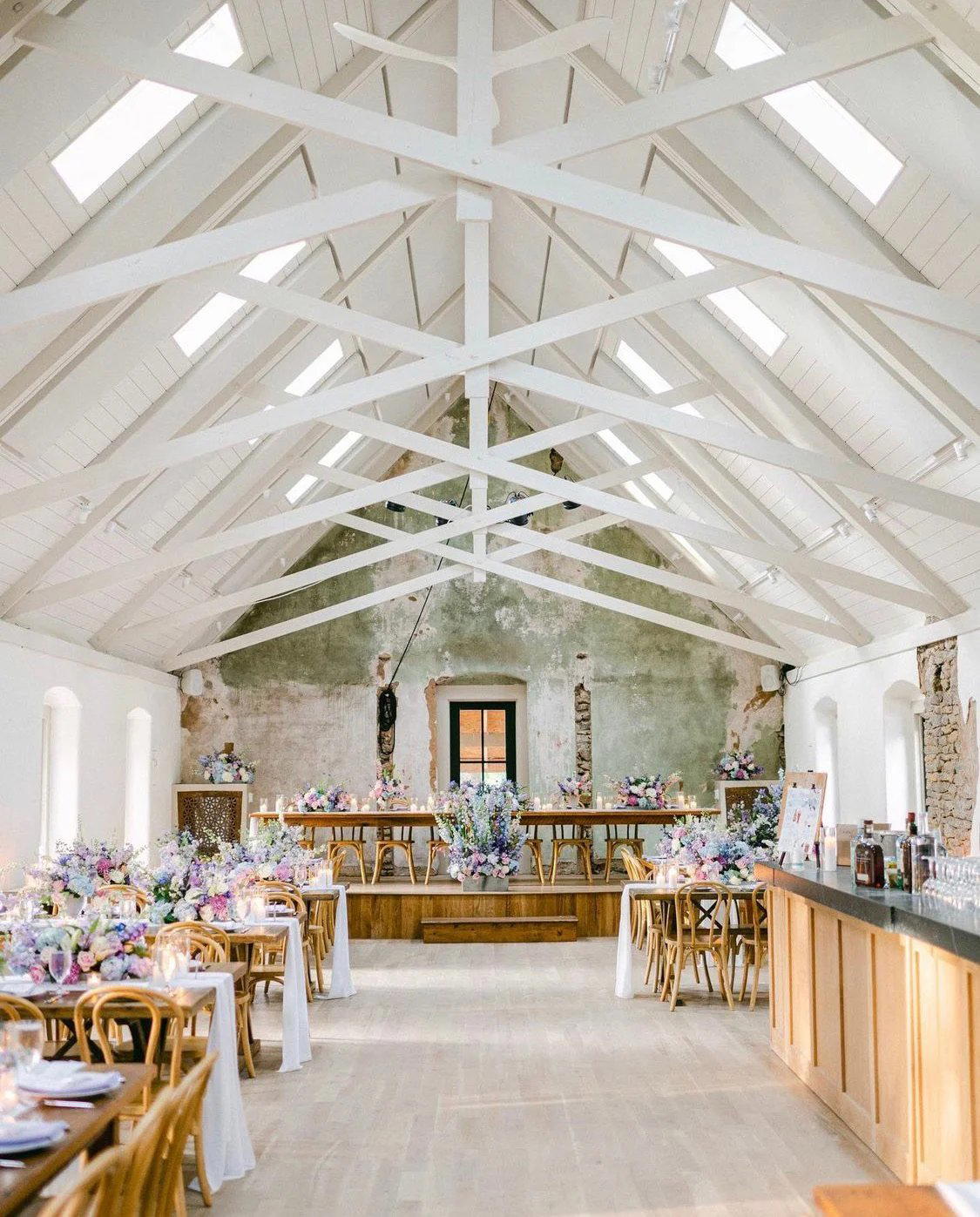
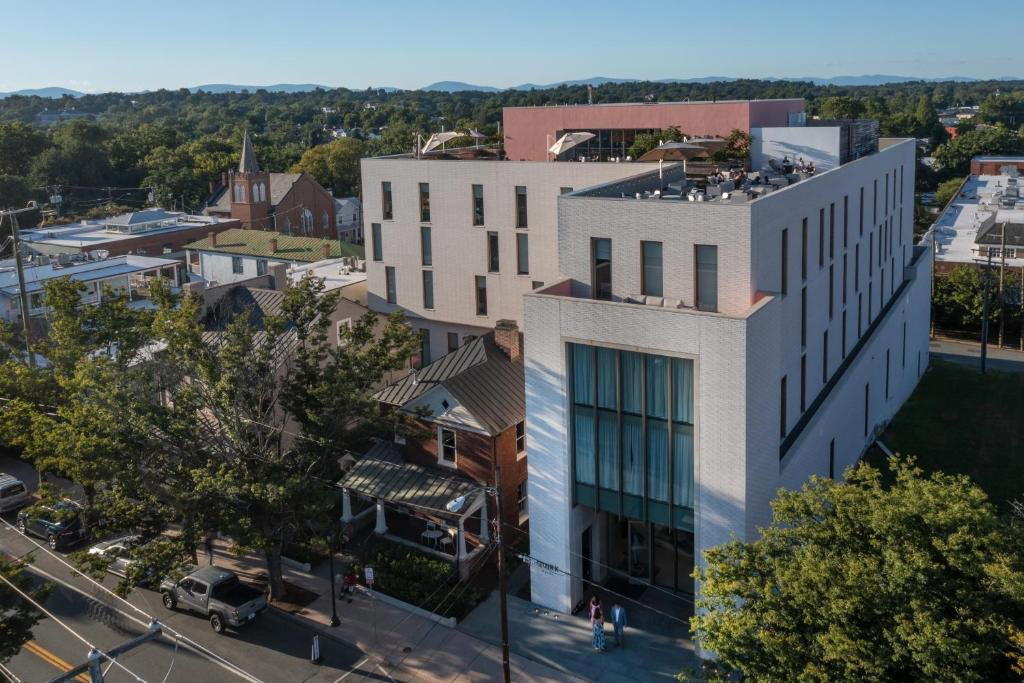
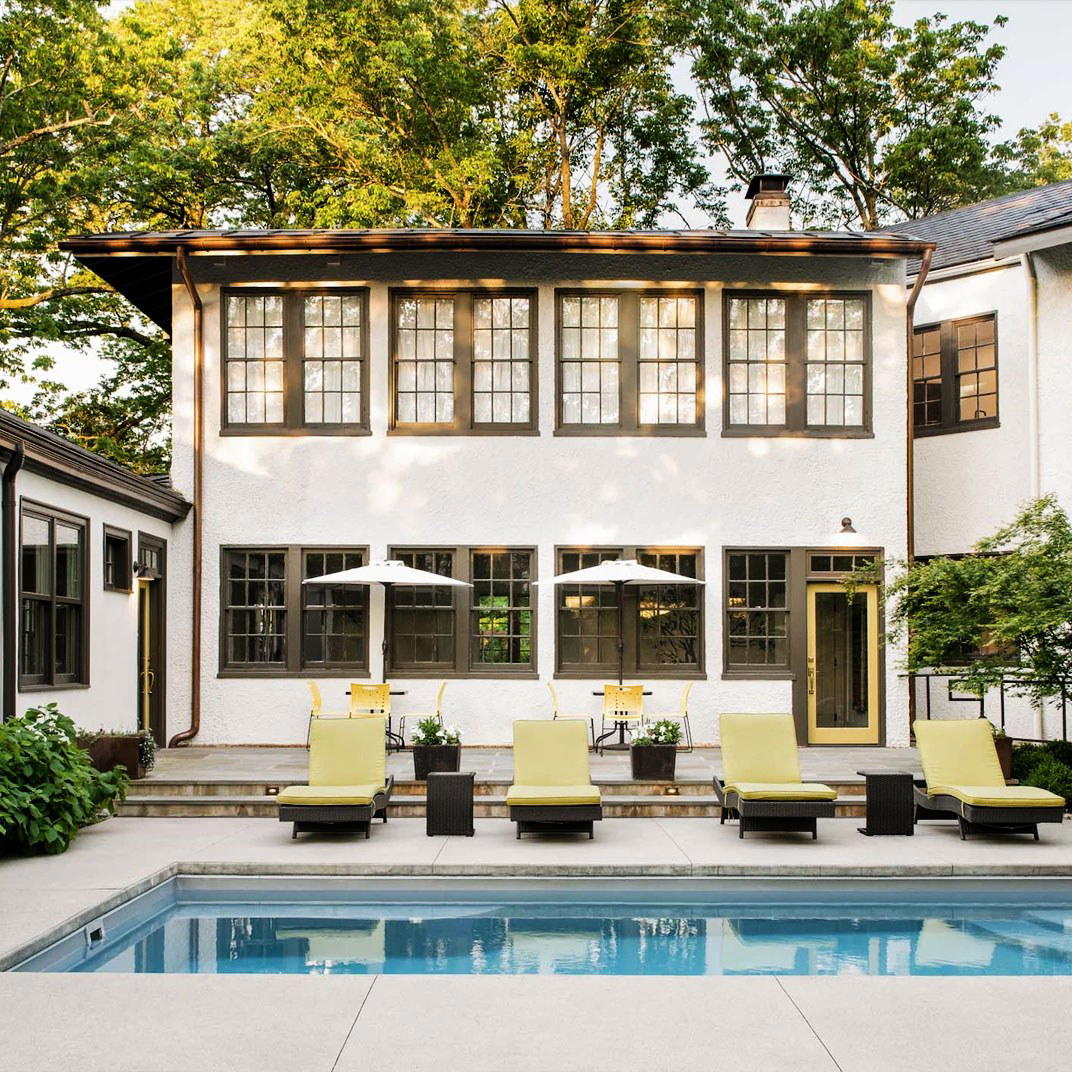
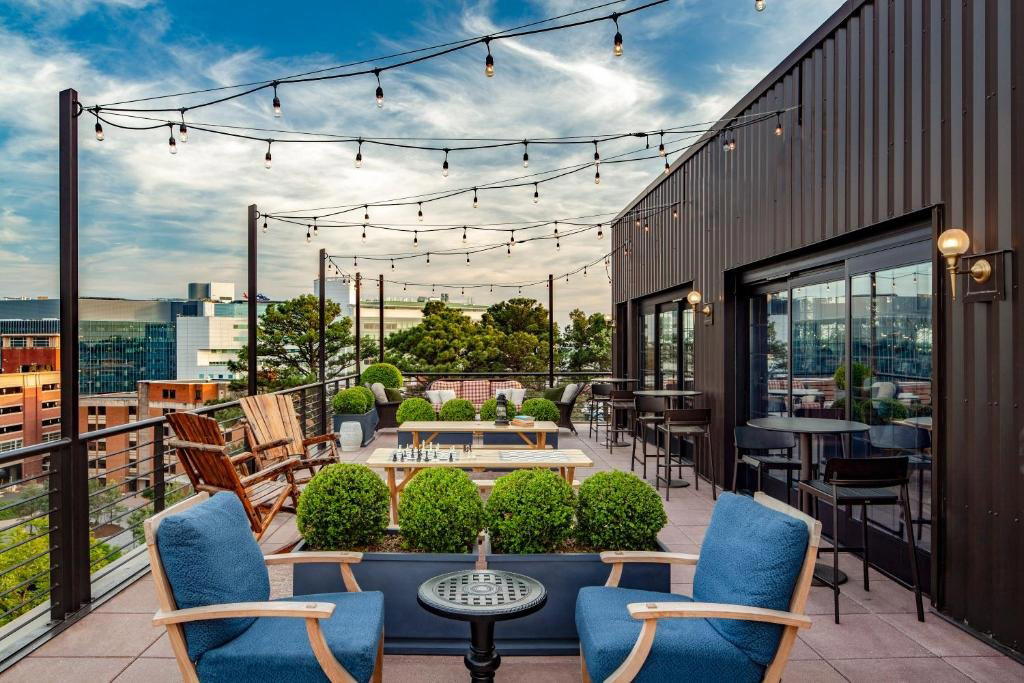
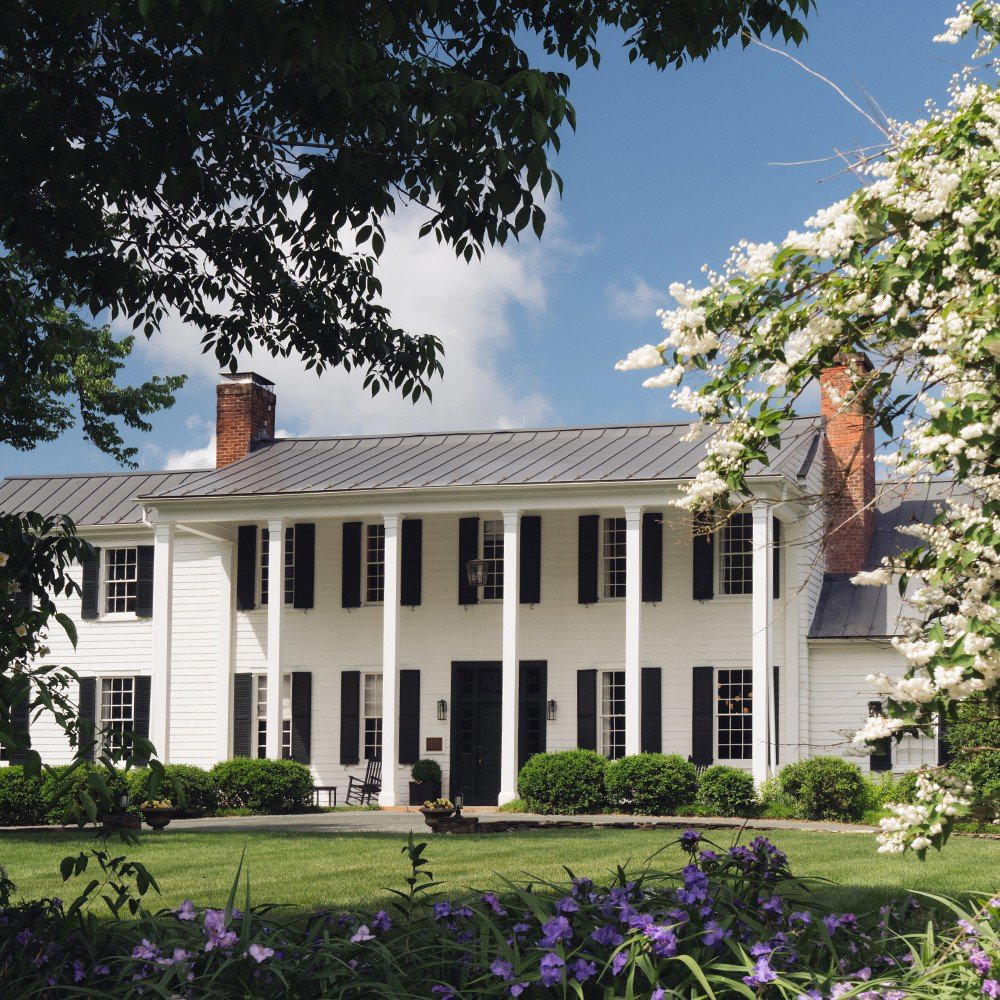
Bright, naturally lit timber-framed barn built into hillside with reclaimed wood; south-facing windows provide natural light in summer; views of vineyards and Jefferson's 'sea view' beyond.