Ankida Ridge Vineyards
Ankida Ridge Vineyards sits high in the Blue Ridge foothills outside Amherst, Virginia, where cool-climate elevation shapes wines with a precision rarely associated with this part of the American South. It is the kind of address that rewards the traveller who takes Virginia wine seriously.

Pearl is the En Primeur Club membership app — saves, bookings, and concierge access live there. Same editors, same standards.
- Address
- 1304 Franklin Creek Rd, Amherst, VA 24521
- Phone
- (434) 922-7678
- Website
- ankidaridge.com
- Directions
- Get directions
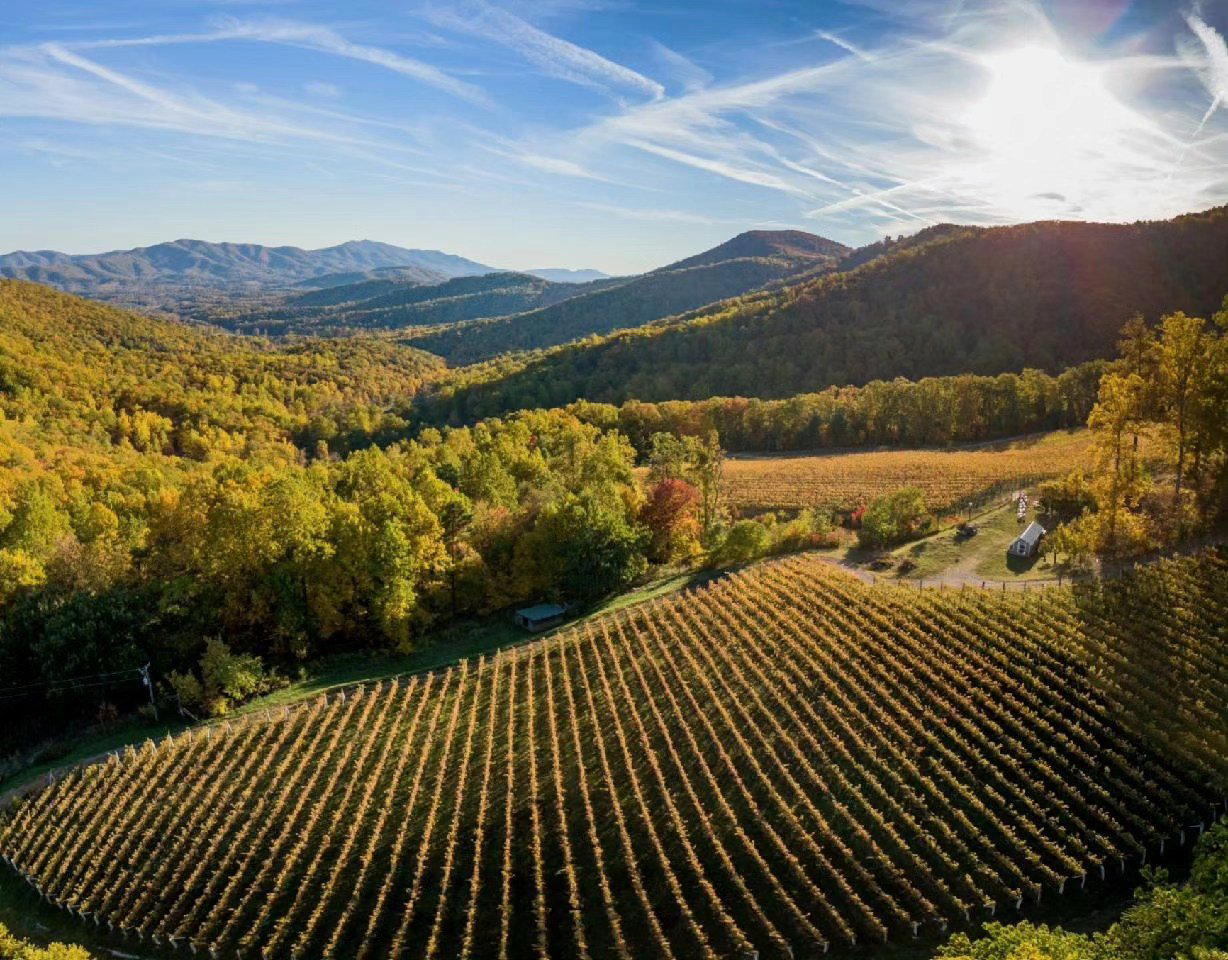
Blue Ridge at Altitude: Why Elevation Changes Everything in Amherst County
The Blue Ridge Mountains in central Virginia are not a wine region that announces itself loudly. There are no highway billboards or tour-bus clusters, and the roads into Amherst County narrow quickly once you leave the interstate. What you find instead, as the elevation climbs past 2,600 feet, is a microclimate that behaves more like the upper reaches of an Appalachian cool-climate zone than anything you would associate with Virginia's piedmont floor. The air is noticeably cooler. The diurnal temperature swings, the difference between the warmest afternoon and the coldest pre-dawn hour, can exceed 30 degrees Fahrenheit in the growing season. That thermal range is one of the primary mechanisms behind aromatic retention and natural acidity in premium wine grapes, and it is what makes this elevation band interesting to producers willing to farm remote terrain.
Ankida Ridge Vineyards occupies that elevation band on Franklin Creek Road, a working vineyard address that does not read like a destination until you understand what the altitude is doing to the fruit.
Terroir at the top of the Appalachian Foothills
Virginia wine's evolution over the last two decades tracks a familiar pattern seen in other emerging American regions: early production was dominated by heat-tolerant varieties on valley floors, then a second generation of producers moved upward in search of cooler growing conditions and more complex soil profiles. The Blue Ridge foothills delivered both. Granite-based parent rock, shallow topsoil, and the kind of well-drained slope that forces vine roots to work harder all contribute to wines with structure and tension rather than the soft, generous fruit profile that warmer sites produce.
At Ankida Ridge's elevation, the growing season is shorter than at lower Virginian addresses, which concentrates development into a tighter window and reduces the risk of late-summer heat spikes overripening the fruit. This is the same logic that drives premium Pinot Noir and Chardonnay production in high-elevation sites across Oregon and California's cooler coastal ranges. Producers like Adelsheim Vineyard in Newberg built their reputations on Willamette Valley elevation and drainage; the underlying terroir argument at Ankida Ridge follows a comparable framework, applied to a region with its own distinct geology and weather patterns.
Cool-climate Pinot Noir has become the reference point for serious Blue Ridge elevation producers, and it is the variety that makes the most compelling case for why altitude matters here. The grape is notoriously site-sensitive: it responds to soil drainage, temperature variation, and sunlight angles in ways that Cabernet Sauvignon or Merlot, with their thicker skins and higher sugar tolerance, largely do not. When Pinot Noir works at this elevation, it carries a combination of red fruit precision and structural grip that distinguishes it from the broader, more diffuse versions grown in warmer Virginia appellations. Comparable commitment to cool-climate Pinot as a primary expression can be found at producers like Au Bon Climat in Santa Barbara and Alban Vineyards in Arroyo Grande, both of which built their critical reputations on variety-site alignment in regions that were not always obvious choices.
Virginia's Small-Production Upper Tier
The state has more than 300 licensed wineries, but the critically recognized tier is considerably smaller. Within that group, the producers earning recognition for site-specific, low-intervention viticulture at altitude are a distinct subset operating with different priorities than the larger, more visitor-volume-oriented estates concentrated along the Charlottesville and Northern Virginia wine corridors.
That positioning matters for the traveller making a deliberate trip to Amherst County. This is not the same trip as a weekend tasting circuit through Loudoun County or a Charlottesville wine-and-hotel package. The drive to Franklin Creek Road is a different kind of commitment, and the wines that result from it reflect that seriousness of purpose. The comparison is less with Virginia's volume producers and more with the small, allocation-driven houses that operate in California's specialist tier, addresses like Aubert Wines in Calistoga or Accendo Cellars in St. Helena, where the primary audience is a buyer who has already decided that provenance and site specificity are worth seeking out.
Other American cool-climate producers offer useful reference points for understanding where Ankida Ridge sits in the wider domestic conversation. Adelaida Vineyards in Paso Robles works the calcareous soils of the westside highlands with a similar focus on site expression over stylistic adjustment. Andrew Murray Vineyards in Los Olivos and Alexander Valley Vineyards in Geyserville represent different American appellation contexts, but the underlying commitment to letting a specific place speak through the wine is a shared reference point across all of them.
Getting There and Planning the Visit
Ankida Ridge's address on Franklin Creek Road in Amherst, Virginia, is a working rural vineyard property. Amherst sits in central Virginia between Lynchburg and the Blue Ridge Parkway, accessible via US-29, which runs south from Charlottesville in roughly 45 minutes. The mountain roads above the valley floor require a vehicle comfortable on gravel, and the elevation gain from the town of Amherst to the vineyard is a meaningful part of the experience: the landscape shifts visibly as you climb, and the temperature drop in summer is noticeable enough to reframe how you think about the site before you arrive.
Because Ankida Ridge operates as a small, prestige-tier producer rather than a high-traffic visitor estate, contact ahead of any planned visit is advisable. No phone number or website was available at time of publication; the most reliable approach is to check directly with regional wine retailers or Amherst County tourism contacts for current visiting hours and tasting availability. For a broader orientation to what the area offers, our full Amherst restaurants guide covers the surrounding county in detail. Producers at this tier across American wine regions, from Artesa Vineyards and Winery in Napa to Babcock Winery and Vineyards in Lompoc, tend to operate with limited walk-in capacity, and the same assumption applies here. Visiting in the shoulder seasons of late spring or early autumn gives you the leading chance of seeing the vineyard at an interesting growth stage while avoiding summer peak-period congestion on the Blue Ridge Parkway routes nearby.
International wine travellers extending a broader American itinerary through Virginia might also note that producers at comparable prestige tiers in non-American contexts, such as Aberlour in Aberlour or Achaia Clauss in Patras, share the characteristic of being deeply site-bound addresses where the journey is part of the argument the producer is making about their product. At Ankida Ridge, the elevation is not incidental. It is the thesis. For B.R. Cohn Winery in Glen Ellen visitors accustomed to the polished Sonoma Valley tasting room format, the contrast in format and setting at Ankida Ridge will be considerable, and worth it for the right kind of traveller.
At-a-Glance Comparison
Comparable venues nearby, for context on price, style, and recognition.
| Venue | Cuisine | Price | Notes |
|---|---|---|---|
| Ankida Ridge VineyardsThis venue — the venue you are viewing | Pinot Noir, Chardonnay | $10–20 | Not listed |
| Trump Winery | Viognier, Chardonnay | Not listed | Monticello Wine Trail |
| DuCard Vineyards | Cabernet Franc, Viognier | Not listed | Etlan |
| Veritas Vineyard & Winery | Viognier, Rosé | $10–20 | Afton |
| Septenary Winery at Seven Oaks Farm | Chardonnay, Viognier | $50–100 | Greenwood |
| Bluestone Vineyard | Petit Verdot, Traminette | $10–20 | Bridgewater |
Continue exploring
More in Amherst
Wineries in Amherst
Browse all →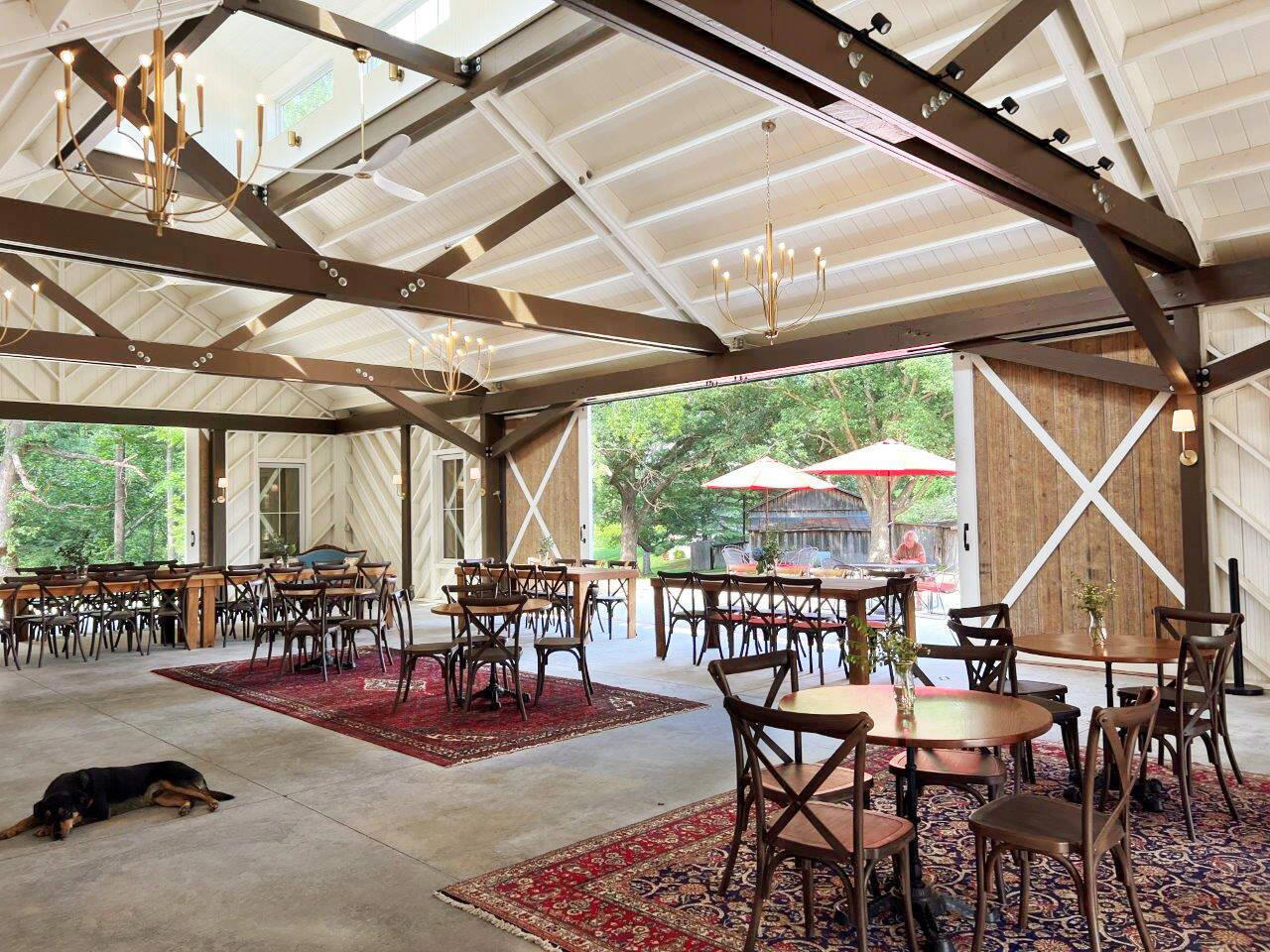
Restaurants in Amherst
Browse all →

Hotels in Amherst
Browse all →
Details
- Scenic
- Rustic
- Intimate
- Elegant
- Romantic Getaway
- Solo Exploration
- Wine Education
- Vineyard Tour
- Estate Grounds
- Panoramic View
- Terrace
- Organic
- Mountain
- Vineyard
- Pinot Noir
- Chardonnay
- Gamay Noir
- Cabernet Franc
- Still Red
- Still White
- Still Rosé
- Sparkling
- Outdoor Tasting
- Private Tasting
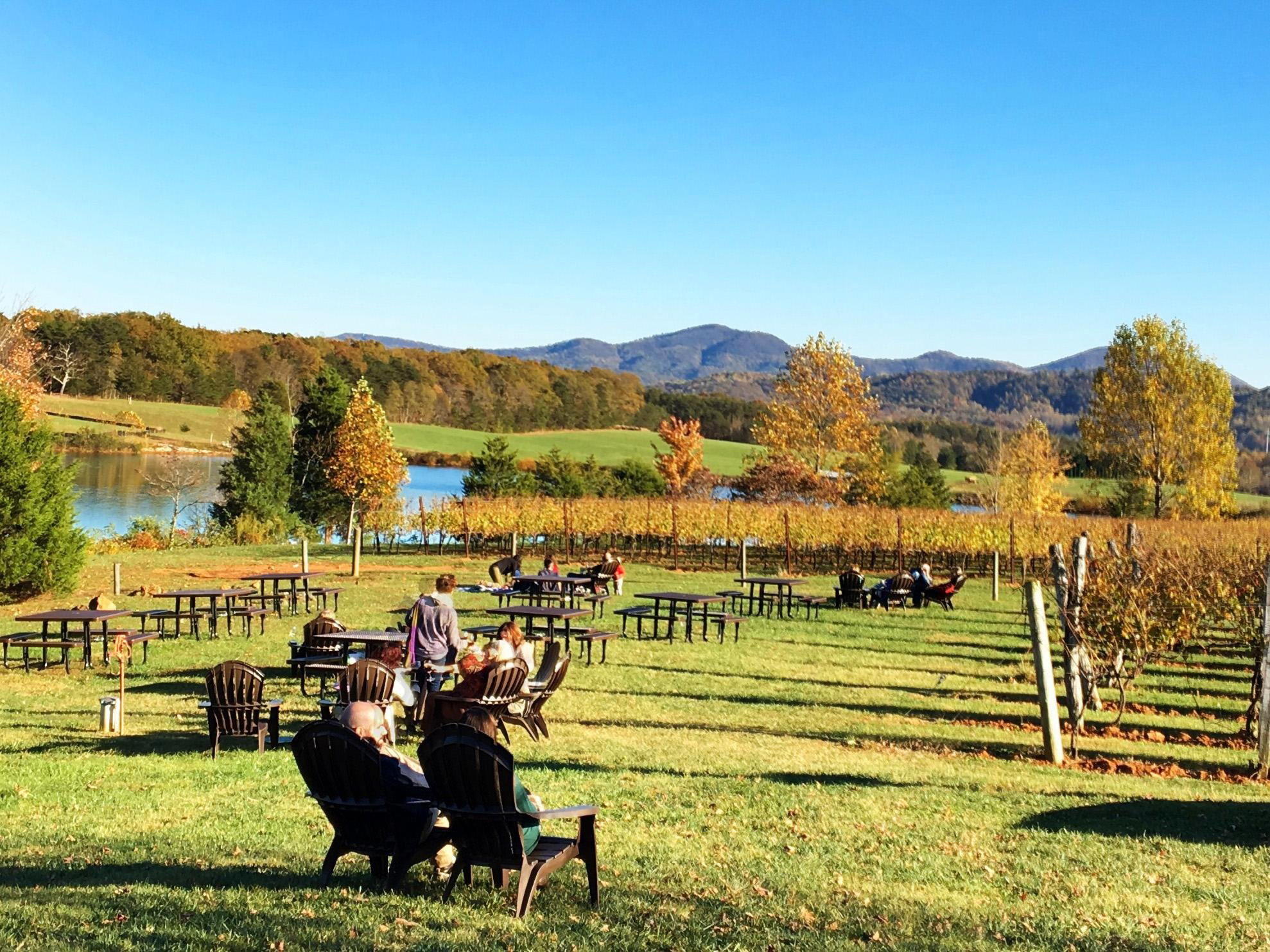
Serene and resort-like with modern tasting room interior, spacious shaded outdoor patio seating, and dramatic mountain vistas.