Hyde Vineyard Estate
Hyde Vineyard Estate sits in the cool southern reaches of Carneros, where marine influence from San Pablo Bay defines the growing season as much as the soil does. Located at 1044 Los Carneros Ave, Napa, CA 94559, it draws visitors serious about understanding what this fog-prone appellation does to Pinot Noir and Chardonnay at a high level.

Pearl is the En Primeur Club membership app — saves, bookings, and concierge access live there. Same editors, same standards.
- Address
- 1044 Los Carneros Ave, Napa, CA 94559
- Phone
- (707) 265-7626
- Hours
- Daily 10 AM–4 PM
- Website
- hydewines.com
- Directions
- Get directions
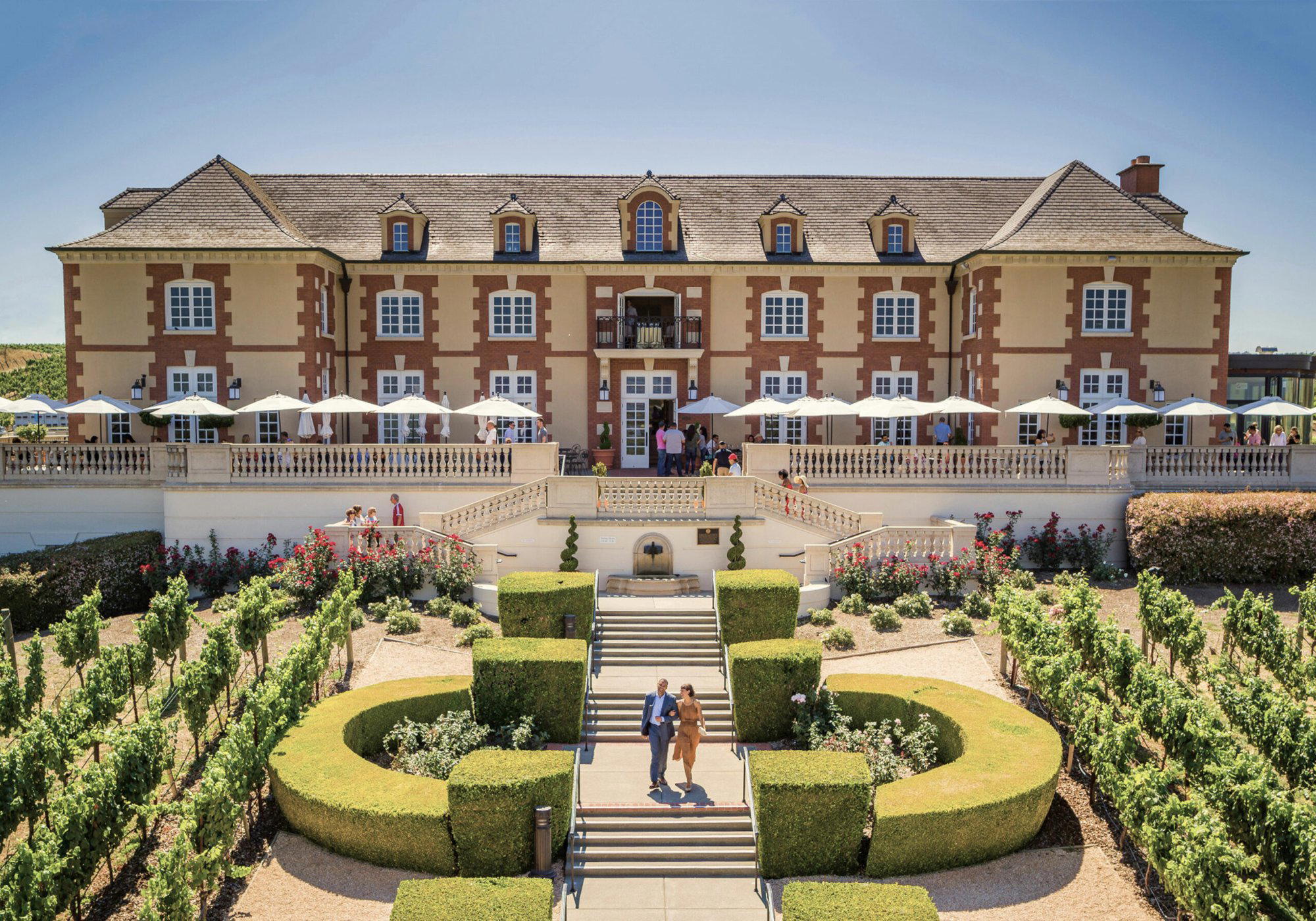
Where the Bay Fog Meets the Vine
Drive south along Los Carneros Avenue as the valley floor flattens and the air shifts, and you begin to understand why this corner of Napa has always operated differently from the hillside Cabernet estates to the north. The Carneros appellation sits at the convergence of two counties and one persistent climatic reality: cold morning fog from San Pablo Bay rolls in daily during the growing season, pushing average temperatures well below those of Rutherford or St. Helena and forcing vines to work harder, ripen more slowly, and concentrate their sugars over a longer arc. Hyde Vineyard Estate, at 1044 Los Carneros Ave, works within that reality rather than against it. Arriving here, the horizon is wide, the light is hazy before noon, and the land reads more like coastal farmland than the manicured grandeur that dominates wine country imagery. That is not incidental to the wine; it is the wine's origin story.
Carneros and the Case for Slow Viticulture
The Carneros appellation built its credibility on varietals that benefit from marginal ripening conditions: Pinot Noir and Chardonnay primarily, with Syrah and Merlot occupying smaller, site-specific roles. This is not Burgundy, and producers who have tried to import Burgundian frameworks wholesale have found the comparisons instructive but imperfect. The volcanic and clay-heavy soils of southern Carneros drain differently, retain heat differently, and interact with marine air in ways that produce wines with their own structural logic. Hyde Vineyard Estate sits within this tradition.
Domaine Carneros has long anchored the southern end of the appellation with a sparkling wine program shaped by Champagne house Taittinger, while Bouchaine Vineyards produces still Pinot and Chardonnay with an emphasis on certified sustainable farming. Truchard Vineyards tends one of the appellation's more diverse variety portfolios, while Hudson Napa Valley, as a major grower estate, supplies fruit to some of California's most closely watched labels. Hyde Vineyard Estate operates within this ecology, and understanding its position requires understanding how Carneros functions as an appellation rather than treating the estate in isolation.
The Vineyard as Primary Argument
In Carneros, grower estates have historically carried unusual weight. The appellation's combination of old-vine blocks, reliable fog patterns, and manageable yields has made its vineyard designate fruit among the most sought-after in California. Multiple top-tier California Chardonnay and Pinot Noir programs have built reputations partly on Carneros sourcing, which gives estate-grown properties like Hyde a structural advantage: they control the argument at its source. The farming decisions made in a site like this compound over vintages in ways that purchased fruit programs cannot replicate.
The editorial case for sustainable and regenerative viticulture here is not abstract. In a region where the growing window is short and the margin for error on harvest timing is narrow, soil health directly affects vine resilience. Cover crops that retain moisture during dry springs, reduced chemical inputs that preserve beneficial soil organisms, and minimal-intervention canopy management all have measurable effects on fruit quality in a cool-climate appellation. Producers who have invested in long-cycle land management in Carneros have found that the bay's natural cooling effect pairs leading with soils that are alive rather than chemically maintained. This is why the most credentialed Carneros estates, across the appellation, have moved consistently toward organic and sustainable certification over the past two decades.
Comparable commitments across the California wine belt reinforce the pattern. Adelaida Vineyards in Paso Robles has demonstrated what biodynamic certification looks like at scale in a warmer Central Coast climate, while Adelsheim Vineyard in Newberg has applied similar principles in Oregon's Willamette Valley, another cool-climate appellation where soil management and canopy decisions define vintage character. In Napa itself, Alpha Omega Winery in Rutherford and Accendo Cellars in St. Helena operate in a warmer part of the valley where different viticultural logic applies, illustrating just how much appellation conditions shape what sustainable farming means in practice. In Carneros, it means farming for a shorter season with less heat buffer, where the vine's own reserves matter more.
Appellation Neighbours and the Broader California Context
Carneros occupies a specific place in the California wine hierarchy: too cold and too fog-prone for the Cabernet Sauvignon dominance that defines Napa's global image, but with a quality ceiling for Pinot Noir and Chardonnay that has been repeatedly confirmed by independent critical assessment. Arietta, which has built its reputation on small-production blends drawing from across Napa, occupies a different stylistic and commercial tier but reflects how seriously the broader appellation community takes blending and site selection as tools rather than afterthoughts.
Beyond Napa and Sonoma, the California conversation about terroir-driven viticulture extends considerably. Alban Vineyards in Arroyo Grande pioneered Rhône-variety planting in the Central Coast under the logic that correct site matching matters more than chasing fashionable styles. Andrew Murray Vineyards in Los Olivos operates in the same Rhône-influenced register further north in Santa Barbara County. Alexander Valley Vineyards in Geyserville holds a different appellation context entirely, with warmer conditions that suit the red Bordeaux varieties Carneros cannot ripen. Each of these estates makes the case, in its own register, that California's wine identity is more geographically varied than its Napa-Cabernet headline suggests.
For completeness in a global context: Aberlour in Aberlour and Achaia Clauss in Patras represent entirely different production traditions, Scotch whisky and Greek wine respectively, where terroir logic operates under different climatic and regulatory frameworks entirely.
Planning a Visit to Hyde Vineyard Estate
Hyde Vineyard Estate is located at 1044 Los Carneros Ave, Napa, CA 94559, in the southern end of the Carneros appellation accessible from Highway 121/12, the main artery connecting Napa and Sonoma. The area rewards a considered itinerary: properties are spaced across a relatively flat agricultural zone, and combining a visit here with stops at Bouchaine Vineyards or Truchard Vineyards provides a useful comparative frame for understanding how neighbouring estates handle the same appellation conditions. For a broader orientation to what southern Napa offers, our full Carneros/Napa (Southern Napa) guide maps the appellation's key producers and tasting formats across price tiers.
A Credentials Check
Comparable venues nearby, for context on price, style, and recognition.
| Venue | Cuisine | Price | Notes |
|---|---|---|---|
| Hyde Vineyard EstateThis venue — the venue you are viewing | Pinot Noir, Chardonnay | Not listed | Not listed |
| Burgess Cellars | Cabernet Sauvignon, Chardonnay | Not listed | Howell Mountain |
| John Anthony Vineyards | Cabernet Sauvignon, Chardonnay | Not listed | downtown Napa |
| Bouchaine Vineyards | Pinot Noir, Chardonnay | Not listed | Carneros |
| Jarvis Estate | Cabernet Sauvignon, Chardonnay | Not listed | Vaca Mountains |
| Macdonald | Cabernet Sauvignon, Cabernet Franc | $150–200 | Oakville |
Continue exploring
More in Napa
Wineries in Napa
Browse all →
Bars in Napa
Browse all →
Restaurants in Napa
Browse all →
Details
- Elegant
- Scenic
- Intimate
- Rustic
- Romantic Getaway
- Wine Education
- Special Occasion
- Vineyard Tour
- Estate Grounds
- Private Tasting
- Organic
- Sustainable
- Vineyard
- Pinot Noir
- Chardonnay
- Merlot
- Cabernet Franc
- Sauvignon Blanc
- Syrah
- Viognier
- Zinfandel
- Still Red
- Still White
- Sparkling
- Seated Tasting
- Private Tasting
- English
Current opening hours
- Monday
- 10 AM–4 PM
- Tuesday
- 10 AM–4 PM
- Wednesday
- 10 AM–4 PM
- Thursday
- 10 AM–4 PM
- Friday
- 10 AM–4 PM
- Saturday
- 10 AM–4 PM
- Sunday
- 10 AM–4 PM
Hours can change for holidays and private events. Last verified .
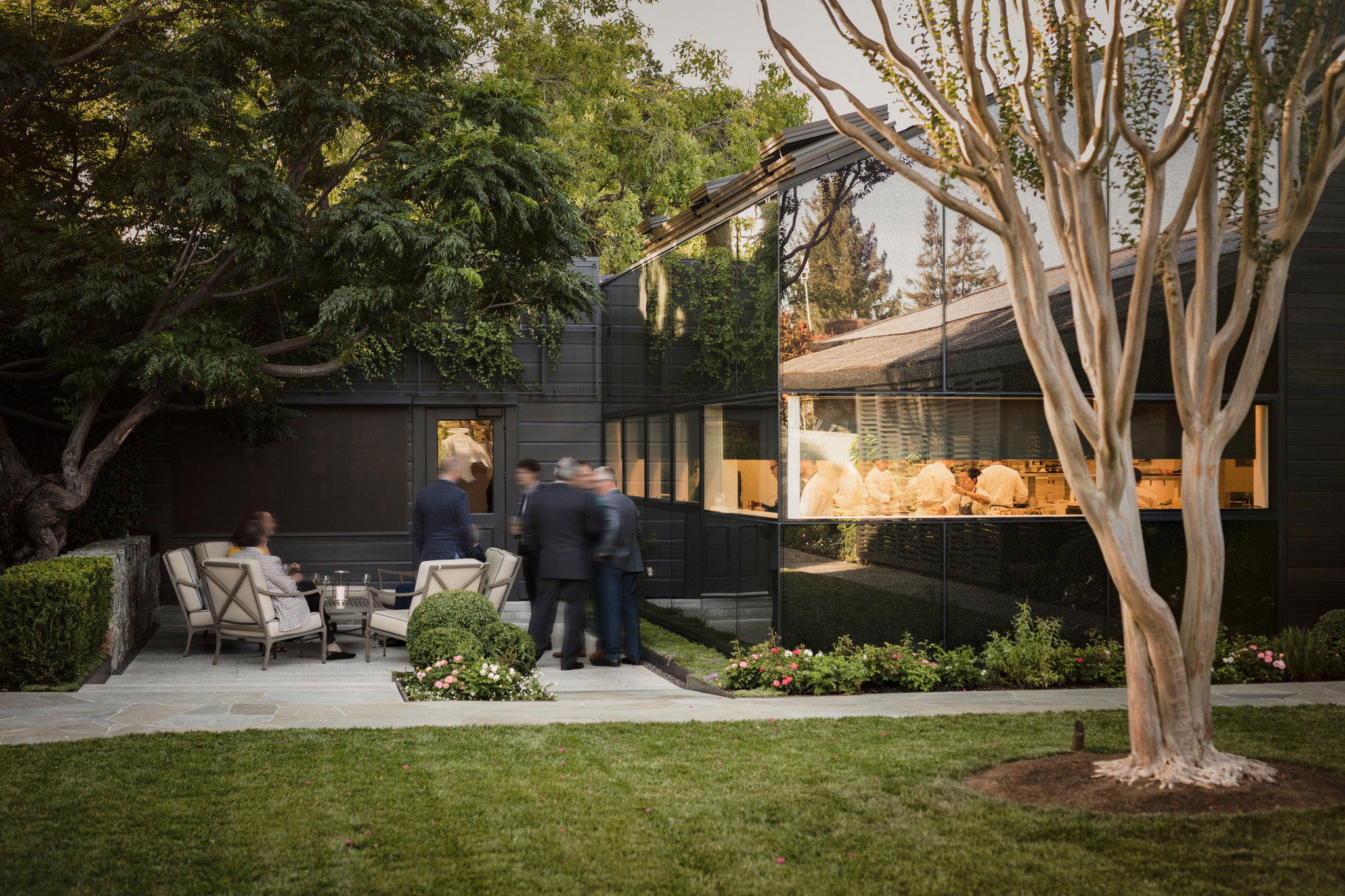
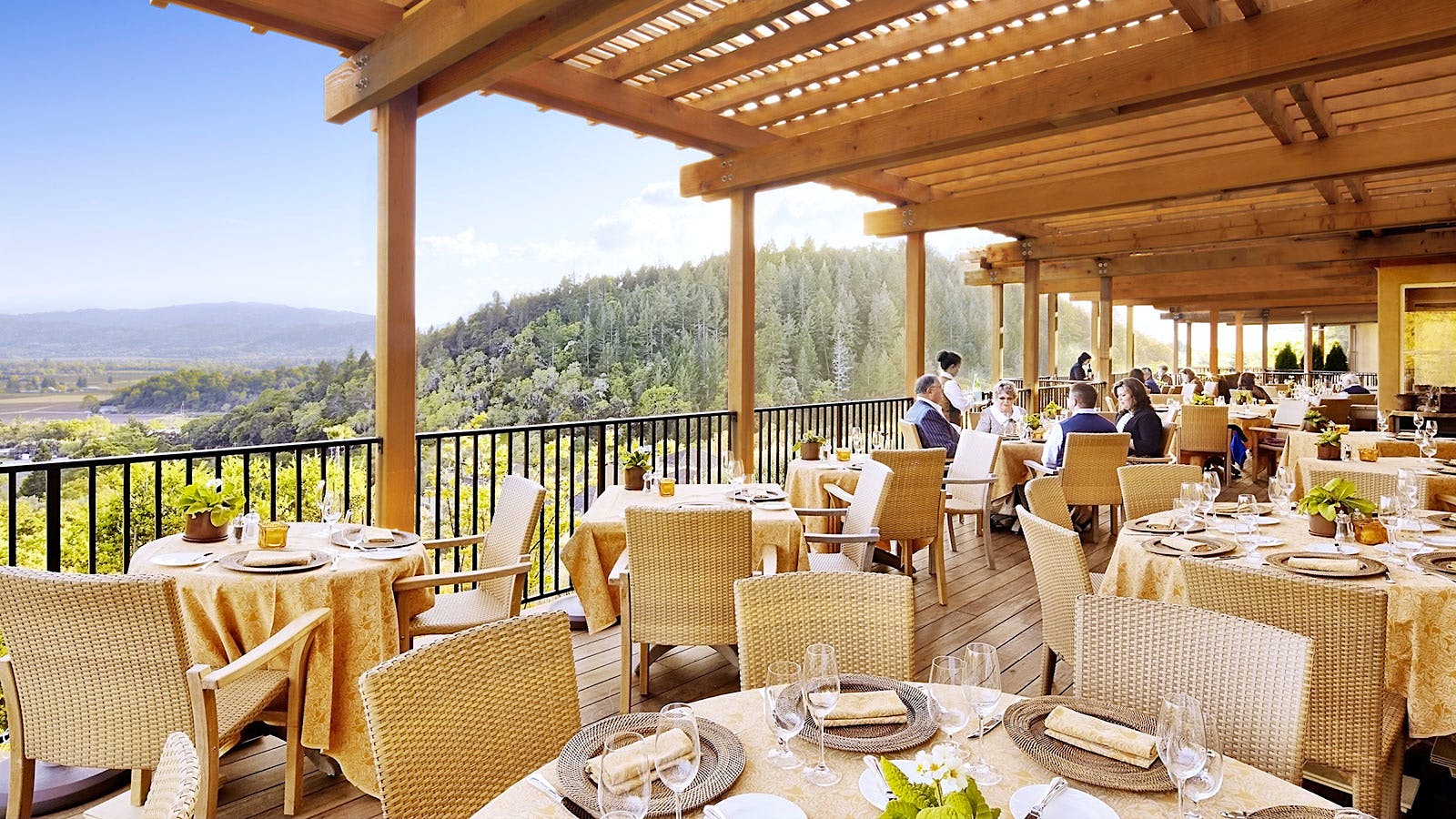
Elegant and calm with personalized private tastings in a state-of-the-art facility overlooking vineyards, featuring natural light, barrel stave decor, and a serene reservoir attracting wildlife.