Arietta
Arietta sits along Sonoma Highway at the cool southern edge of Napa Valley, where the Carneros appellation's marine-influenced climate produces wines of notable tension and precision.. For those tracing Carneros terroir, it belongs on the itinerary alongside the appellation's other benchmark producers.

Pearl is the En Primeur Club membership app — saves, bookings, and concierge access live there. Same editors, same standards.
- Address
- 5398 Sonoma Hwy, Napa, CA 94559
- Directions
- Get directions
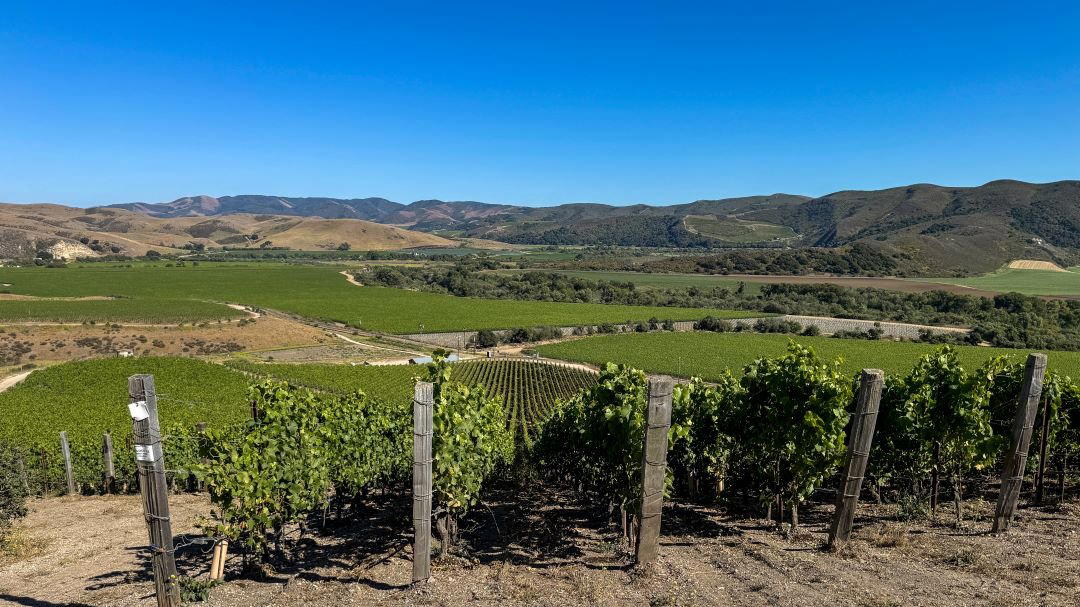
Where the Bay's Influence Becomes the Wine
The southern end of Napa Valley does not behave like the rest of it. The Carneros appellation sits closest to San Pablo Bay, and the gap in the coastal range that allows cold marine air to push inland each afternoon is not a subtle climatic footnote — it is the defining condition of everything grown here. Temperatures can run ten to fifteen degrees cooler than in Rutherford or St. Helena. The wind desiccates canopies, slows ripening, and forces vines to work for sugar accumulation rather than surrendering to the heat. The result, across the appellation, is a style of grape that carries more acid, more structural tension, and more of what growers call "lift" than their counterparts further north.
Arietta sits on Sonoma Highway, the artery that traces the appellation boundary between southern Napa and southern Sonoma counties. That address is not incidental. Properties along this corridor occupy some of Carneros's most consistently fog-influenced land, where marine mornings and afternoon thermal winds produce growing conditions closer to the cooler reaches of the Côte de Beaune than to the inland warmth of Oakville.
Carneros as Appellation: The Competitive Context
To understand where Arietta sits, it helps to read the Carneros appellation as a whole. The region stretches across both Napa and Sonoma counties, and its reputation has long been anchored in Pinot Noir and Chardonnay — the varieties that thrive in cool, wind-buffeted conditions. But the modern appellation is more differentiated than that single-variety association implies. A number of producers along the Napa side of Carneros have built serious programs that draw on specific hillside exposures, alluvial fan soils, and the particular interplay between fog clearance times and afternoon sun angles on individual parcels.
Domaine Carneros, a few miles west, operates at institutional scale with a sparkling wine program rooted in traditional-method Champagne techniques, demonstrating how the appellation's acid retention translates directly into base-wine quality for secondary fermentation. Bouchaine Vineyards, one of the older continuously operating estates in Carneros, has mapped its blocks against soil variation with methodical precision over decades. Truchard Vineyards works a broader variety portfolio on a large estate holding, evidence that the appellation's cooler terroir can accommodate Syrah and Merlot alongside the Burgundian varieties that define the appellation's public identity.
What unites producers at the prestige tier in Carneros is a shared reliance on site specificity rather than cellar intervention. The appellation's wines at this level tend to be made with the assumption that the land has already done most of the work; the winemaking is largely an exercise in not obscuring what the climate and soil have produced.
The Terroir Signal: Soil, Wind, and Site
Carneros soils on the Napa side are predominantly shallow, clay-heavy, and low in organic matter, conditions that stress vines and naturally limit yields without requiring green harvest interventions. The Haire and Diablo clay series that characterize much of the appellation drain poorly in wet winters but retain moisture through dry summers, creating a deficit-irrigation analog that slows berry development and concentrates flavor without concentrating sugar at the same rate.
The fog itself is worth examining as a viticultural tool. On most Carneros mornings from late spring through harvest, the marine layer burns off between ten in the morning and noon, delivering a compressed photosynthetic window that pushes vine metabolism into a narrower daily band than producers in the northern valley experience. Vines accumulate sugar across fewer productive hours per day, which extends the hang time required to reach flavor maturity and builds the phenolic structure that gives cool-climate Pinot Noir and Chardonnay from this area their characteristic texture: finer-grained tannin in the reds, a clean, almost mineral-edged richness in the whites.
Neighboring estate producers like Hyde Vineyard Estate and Hudson Napa Valley have built their reputations partly on supplying fruit to some of California's most closely watched labels, which itself speaks to how distinctive and sought-after Carneros terroir expression has become within the broader California fine wine conversation. Both estates sit within the same appellation band as Arietta, subject to the same fog schedule and clay-dominated soil profiles.
Visiting Arietta: What to Know Before You Go
Arietta is located at 5398 Sonoma Highway, placing it at the southern gateway into wine country as you travel north from the Bay Area. For visitors driving up from San Francisco, this address means Arietta comes early in the itinerary, before the valley narrows and the larger Napa floor properties take over the view. That sequence matters for how you read the wines: arriving at a cool-climate Carneros producer first and then moving north to the warmer appellations gives you a tasting arc that illustrates, in one day, the full spectrum of what Napa's climate variation produces.
Prestige-tier Carneros estates of this standing typically operate appointment-based tasting programs rather than open walk-in facilities, a format that allows for more considered engagement with individual wines and vineyard context.
If you are building a Carneros itinerary, our full Carneros/Napa (Southern Napa) guide maps the appellation's producer tier structure and suggests how to sequence visits across the region's distinct soil zones and exposure types.
Arietta in a Broader California Context
The prestige cool-climate niche that Arietta occupies in Carneros connects to a wider pattern across California's premium wine geography. Producers working restraint-led programs in fog-influenced coastal and bay-adjacent appellations form a coherent peer group that cuts across county and regional lines. Accendo Cellars in St. Helena operates at a comparable prestige tier in northern Napa, while across the state, producers like Adelaida Vineyards in Paso Robles, Alban Vineyards in Arroyo Grande, and Andrew Murray Vineyards in Los Olivos demonstrate that the California fine wine map has multiple climatic registers, each producing wines that read differently on the palate but share a commitment to site expression over style manufacture.
Further afield, the conversation about terroir fidelity at prestige tier extends through American wine country to producers like Adelsheim Vineyard in Newberg in Oregon's Willamette Valley, Alexander Valley Vineyards in Geyserville, and Alpha Omega Winery in Rutherford, each occupying a specific appellation position shaped by their own climate signatures. Even internationally, the principle of climate-driven site expression links California cool-climate producers to old-world traditions documented at estates like Achaia Clauss in Patras and Aberlour, where geography has defined production character across generations.
In an appellation that has spent decades defining itself against the warmer, more Cabernet-dominant floor of Napa Valley, that recognition places the estate squarely within the group of producers making the strongest case for what the bay wind, the clay soils, and the compressed photosynthetic season along Sonoma Highway can produce in a bottle.
A Quick Peer Check
Comparable venues nearby, for context on price, style, and recognition.
| Venue | Cuisine | Price | Awards | Notes |
|---|---|---|---|---|
| AriettaThis venue — the venue you are viewing | Cabernet Sauvignon, Cabernet Franc | Not listed | Not listed | Not listed |
| BOND Winery | Cabernet Sauvignon | Not listed | Falstaff Winery - Listed | Oakville |
| Kapcsandy Family Winery | Cabernet Sauvignon, Merlot | Not listed | Falstaff Winery - Listed | Yountville |
| Scarecrow | Cabernet Sauvignon, Merlot | Not listed | Falstaff Winery - Listed | Rutherford |
| Donum Estate | Pinot Noir, Chardonnay | Not listed | Not listed | Carneros |
| Darioush Winery | Cabernet Sauvignon, Chardonnay | $50–100 | Falstaff Winery - Listed | Napa |
Continue exploring
More in Napa
Wineries in Napa
Browse all →
Bars in Napa
Browse all →
Restaurants in Napa
Browse all →
Details
- Elegant
- Rustic
- Intimate
- Scenic
- Romantic Getaway
- Special Occasion
- Wine Education
- Vineyard Tour
- Estate Grounds
- Private Tasting
- Sustainable
- Vineyard
- Garden
- Cabernet Sauvignon
- Cabernet Franc
- Merlot
- Syrah
- Sauvignon Blanc
- Semillon
- Still Red
- Still White
- Seated Tasting
- Private Tasting
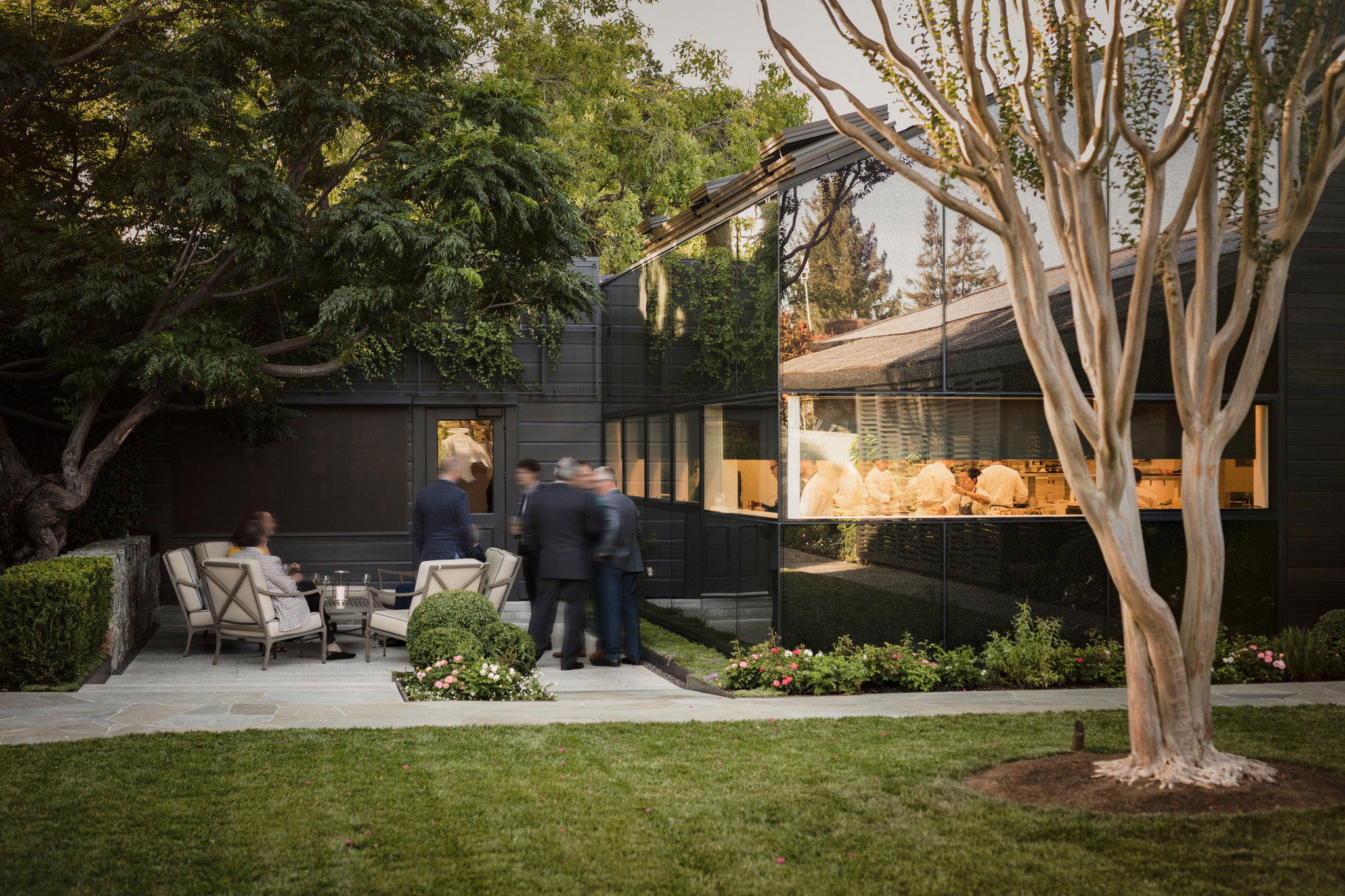
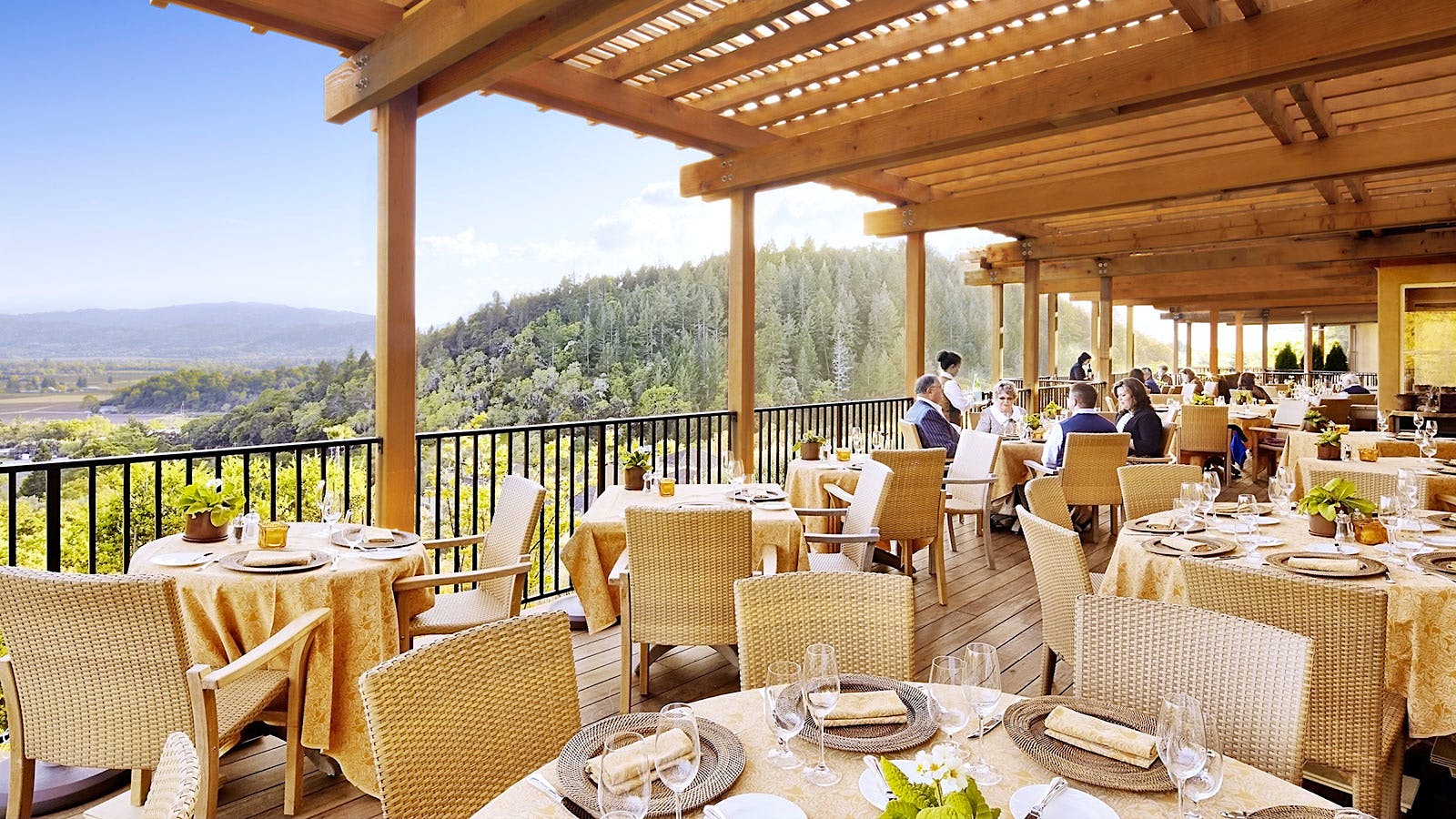
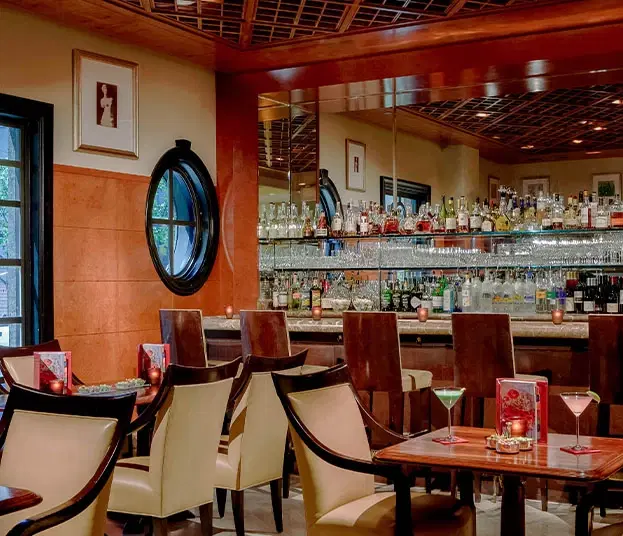
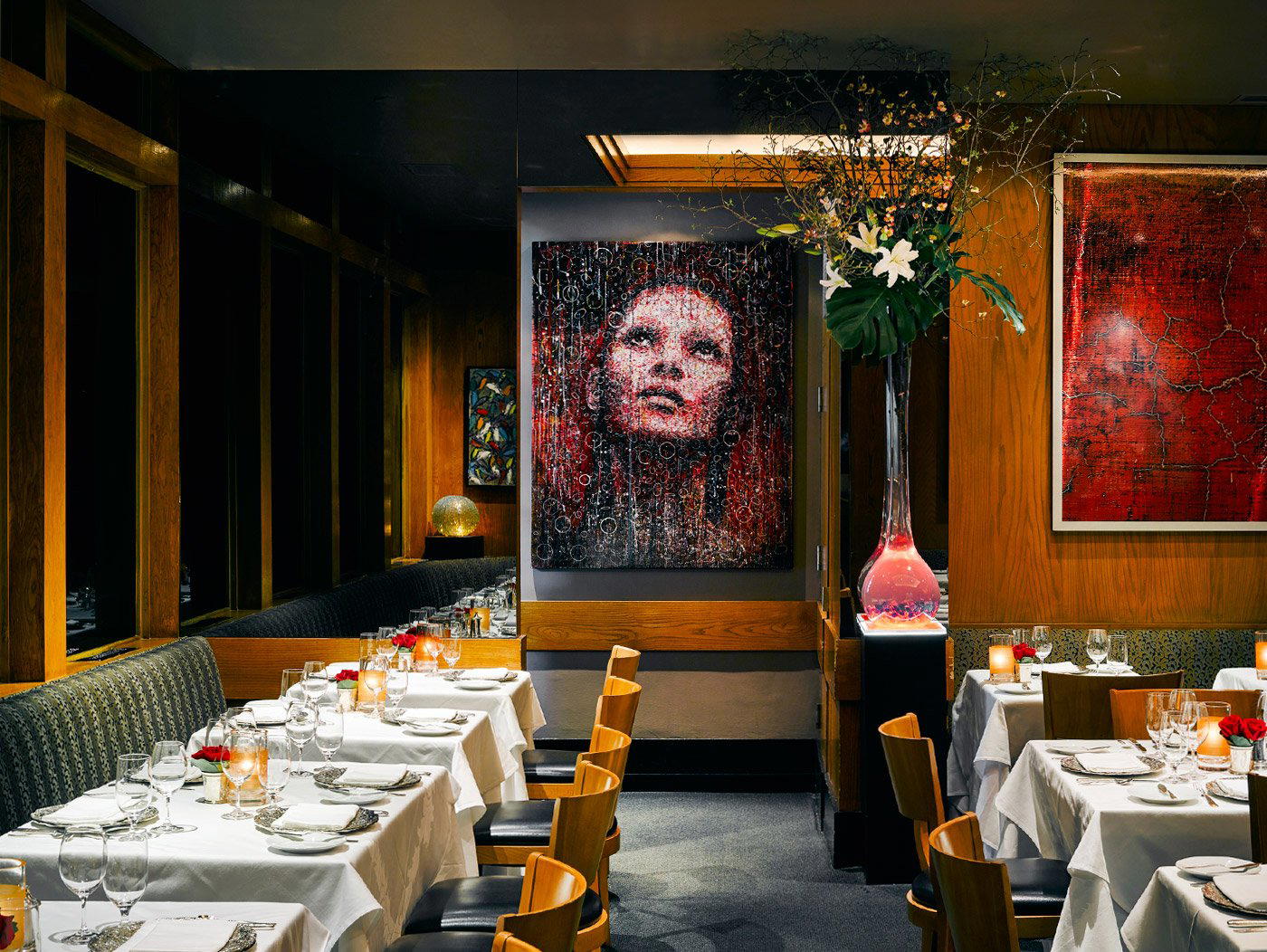
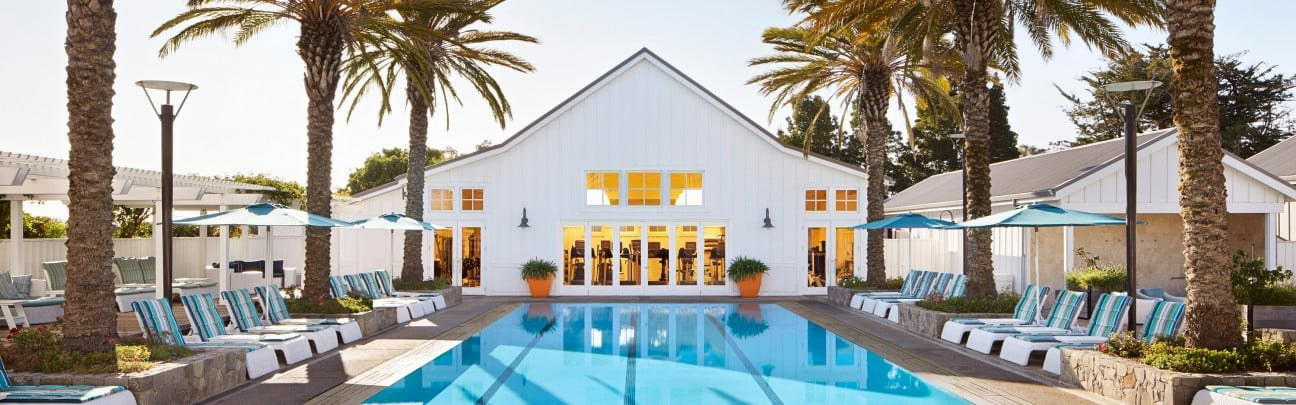
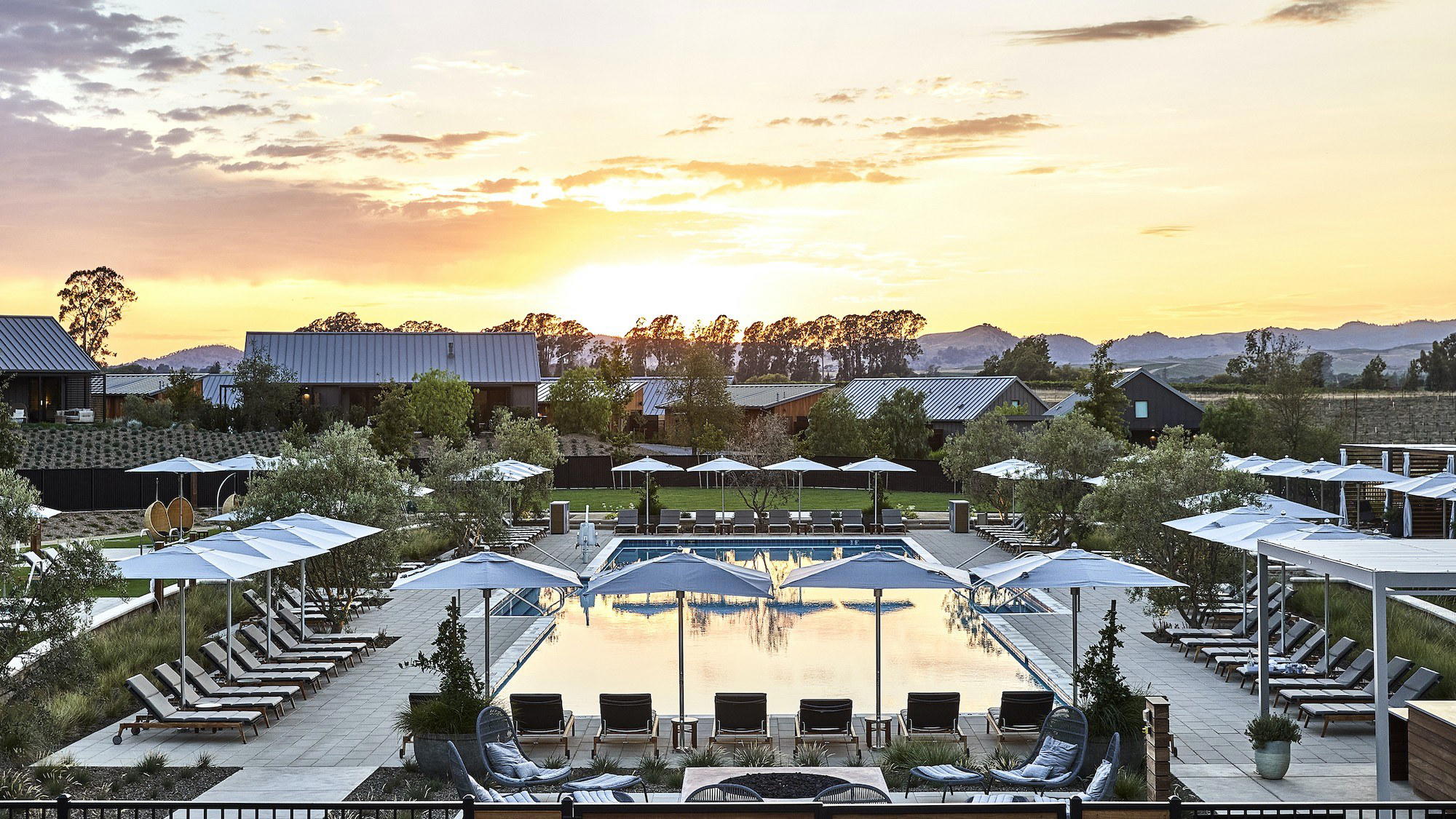
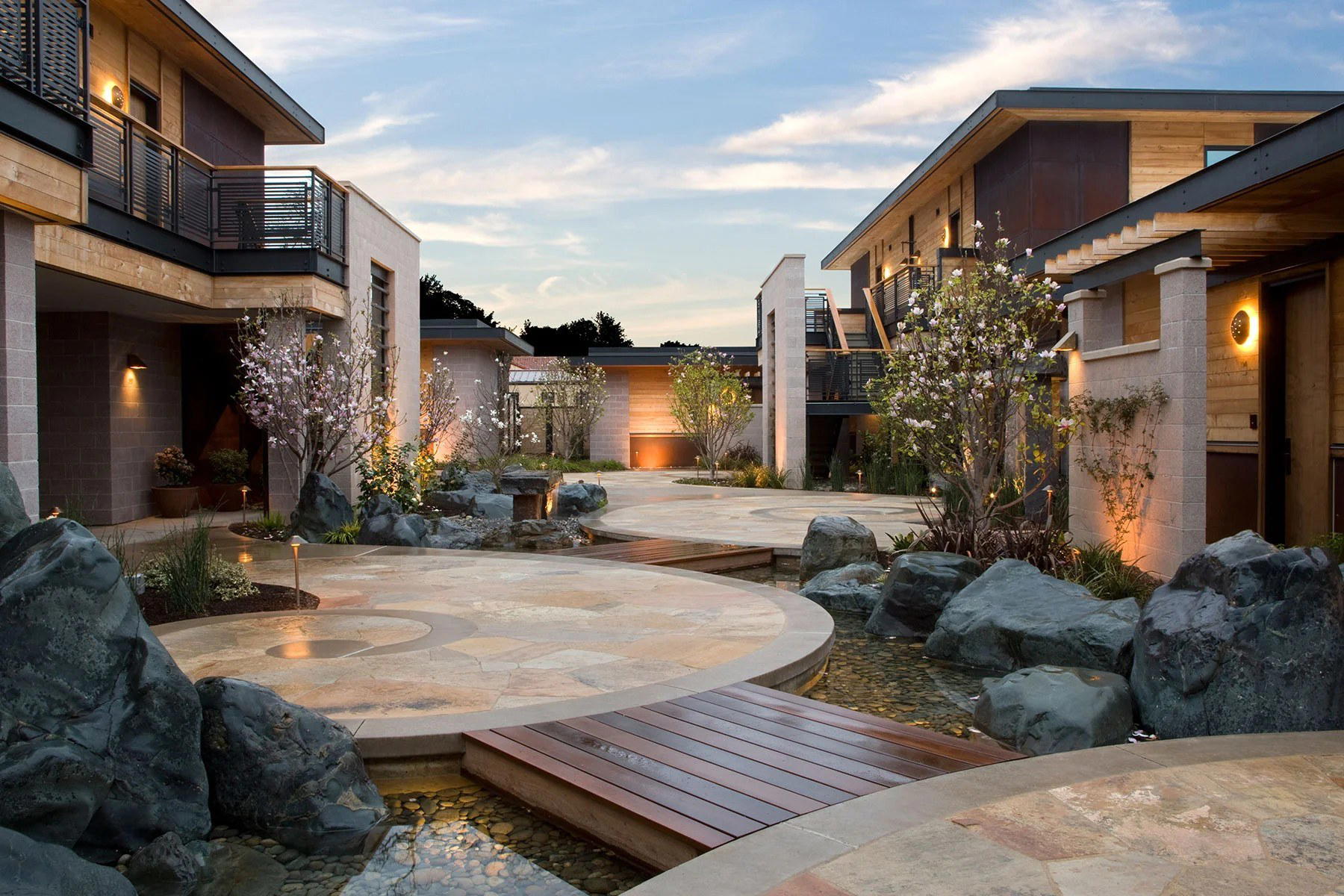
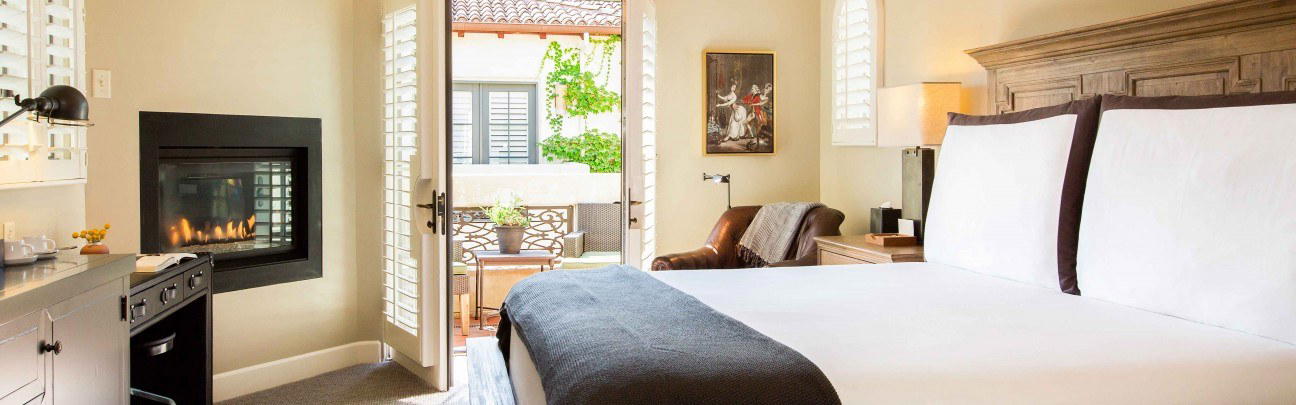
Casual yet elegant rustic-modern setting with indoor/outdoor tastings offering serene vineyard, garden, and lake views; quiet and intimate family-run experience.