Commis





2 Michelin Stars · La Liste Top Restaurants · Star Wine List
Our verdict
Two Michelin stars since 2010, Commis operates from Oakland's Piedmont Avenue as the East Bay's most decorated tasting counter. Chef James Syhabout draws on Laotian, Thai, and Chinese heritage alongside precise French technique to produce a menu rooted in local sourcing. Ranked 53rd in North America by Opinionated About Dining in 2025, it earns its place among the Bay Area's serious fine-dining tier.

Pearl is the En Primeur Club membership app, where members save venues, book tables and use the concierge.
The menu
What to order
- Slow-Poached Egg Yolk with Smoked Dates and Malt
- Donabe-Baked Scallion Rice with Chanterelles
- Carrot Tartare with Lime and Coconut
- Kaluga Caviar with Parsley Root
Oakland's Serious Counter, in Context
Piedmont Avenue sits far enough from San Francisco's fine-dining cluster that first-timers sometimes treat the BART ride to Oakland as an obstacle. It isn't. The East Bay has developed its own culinary identity over the past two decades, one that skews toward producer relationships, neighborhood scale, and cooking that doesn't perform for a tourist audience. Commis fits that pattern precisely.
Within the Bay Area's four-dollar-sign tasting tier, the dominant critical conversation tends to center on Atelier Crenn, Benu, and Quince, all three-star houses operating in San Francisco's established luxury corridors. Commis occupies a different register: two stars, Oakland address, no hotel affiliation, no celebrity-chef media circuit. That position is a feature, not a limitation. The room fills every service Tuesday through Saturday, and the cooking answers to the ingredients and the season rather than to a brand identity.
The Room Before the Food
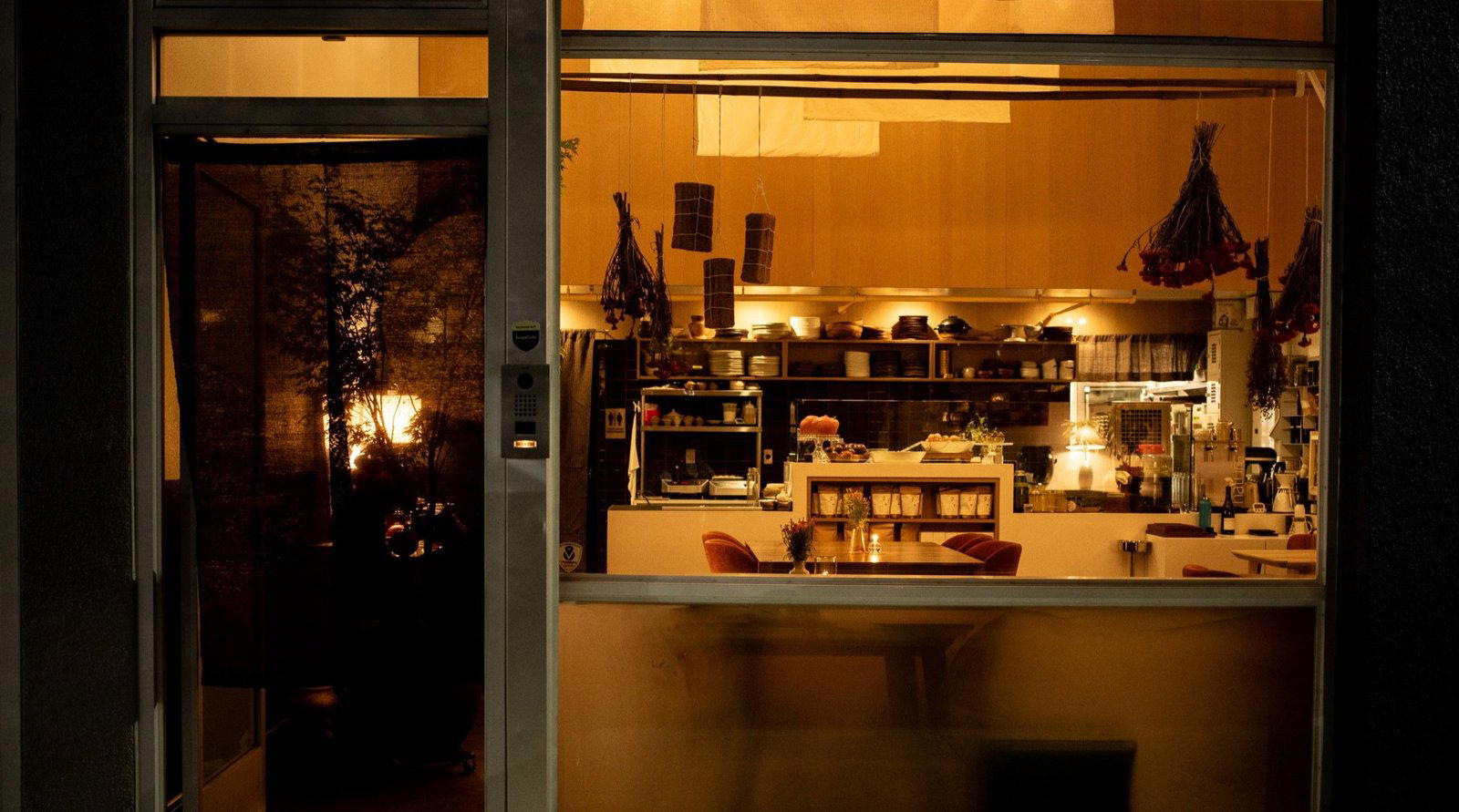
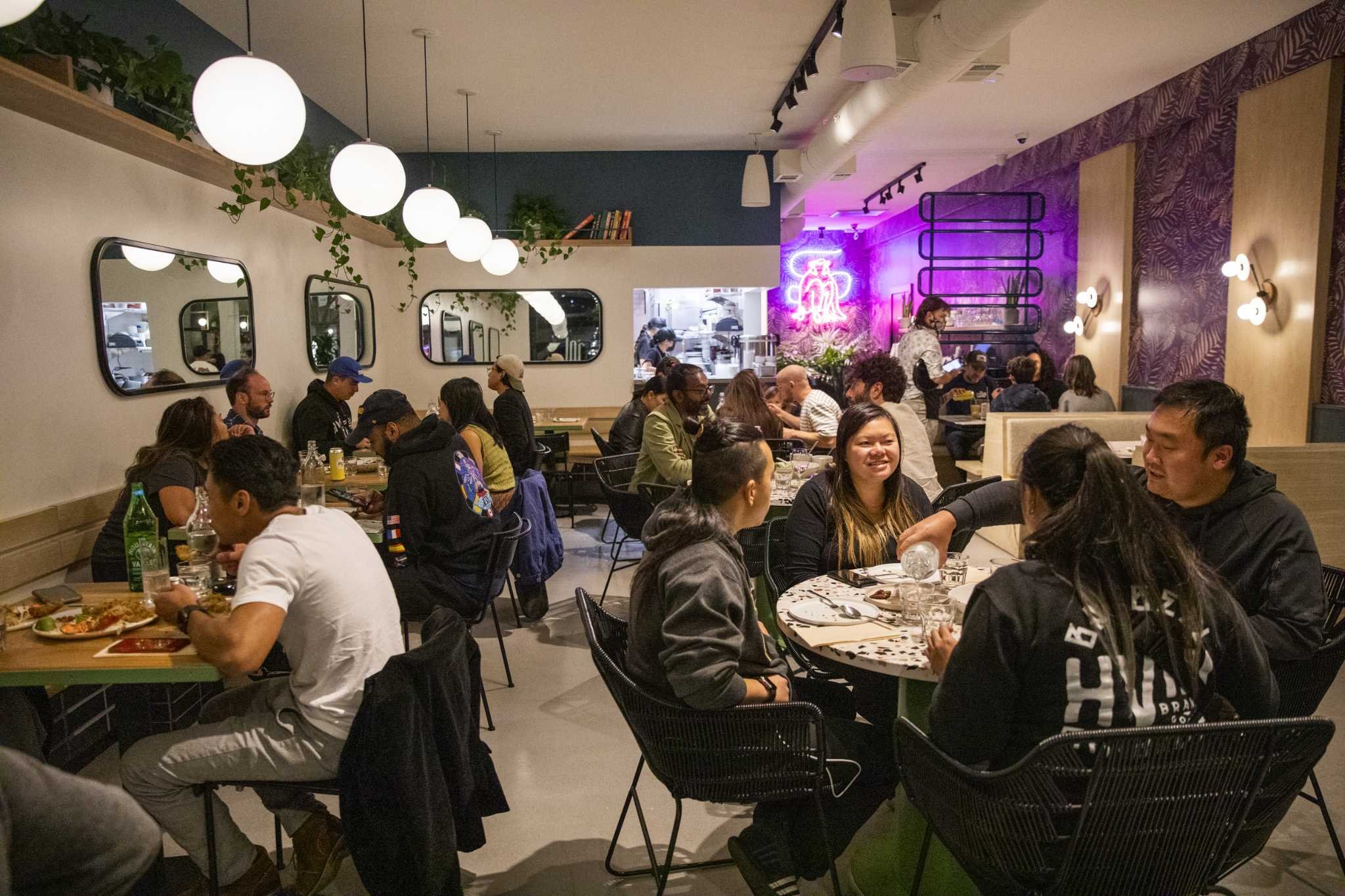
The dining room on Piedmont Avenue is long and composed, the kind of space that signals intention without announcing it. Soft music runs at a level that allows conversation rather than competing with it. The staff operate with a relaxed fluency that keeps the pace unhurried without letting it drift. Nothing about the physical environment pushes drama or spectacle. This is consistent with the broader direction tasting-menu dining has taken in Northern California: away from theatrics, toward rooms that place the plate at the center of the experience rather than the architecture or the performance.
The atmosphere reads as cool and controlled but not stiff. For a room in the four-dollar-sign bracket, that calibration matters. The pressure to perform for the room, to justify the spend through visible luxury signals, is deliberately absent. What remains is focus.
Sourcing as Structure, Not Marketing
Sustainability angle at serious tasting counters often gets communicated through language: menus that list farm names, servers who recite provenance. At Commis, the sourcing logic runs deeper into the cooking itself. Chef James Syhabout's use of local producers, including small-batch miso from a regional producer, shapes not just the ingredient list but the flavor architecture of the dishes. Fermented plum, aged soy, and miso are not garnishes applied for interest; they function as seasoning agents that reduce the need for conventional salt and fat loads while adding structural complexity.
This approach connects to a wider movement in Northern California fine dining, where chefs who trained through French technique have spent the last decade reconsidering that framework through the lens of what local farms and fermenters actually produce. The result is a cuisine that is simultaneously more sustainable in supply-chain terms and more distinctive in flavor terms. Syhabout's Thai and Chinese heritage adds a further dimension: fermentation traditions, dried ingredients, and aromatic frameworks that California's ingredient wealth supports particularly well.
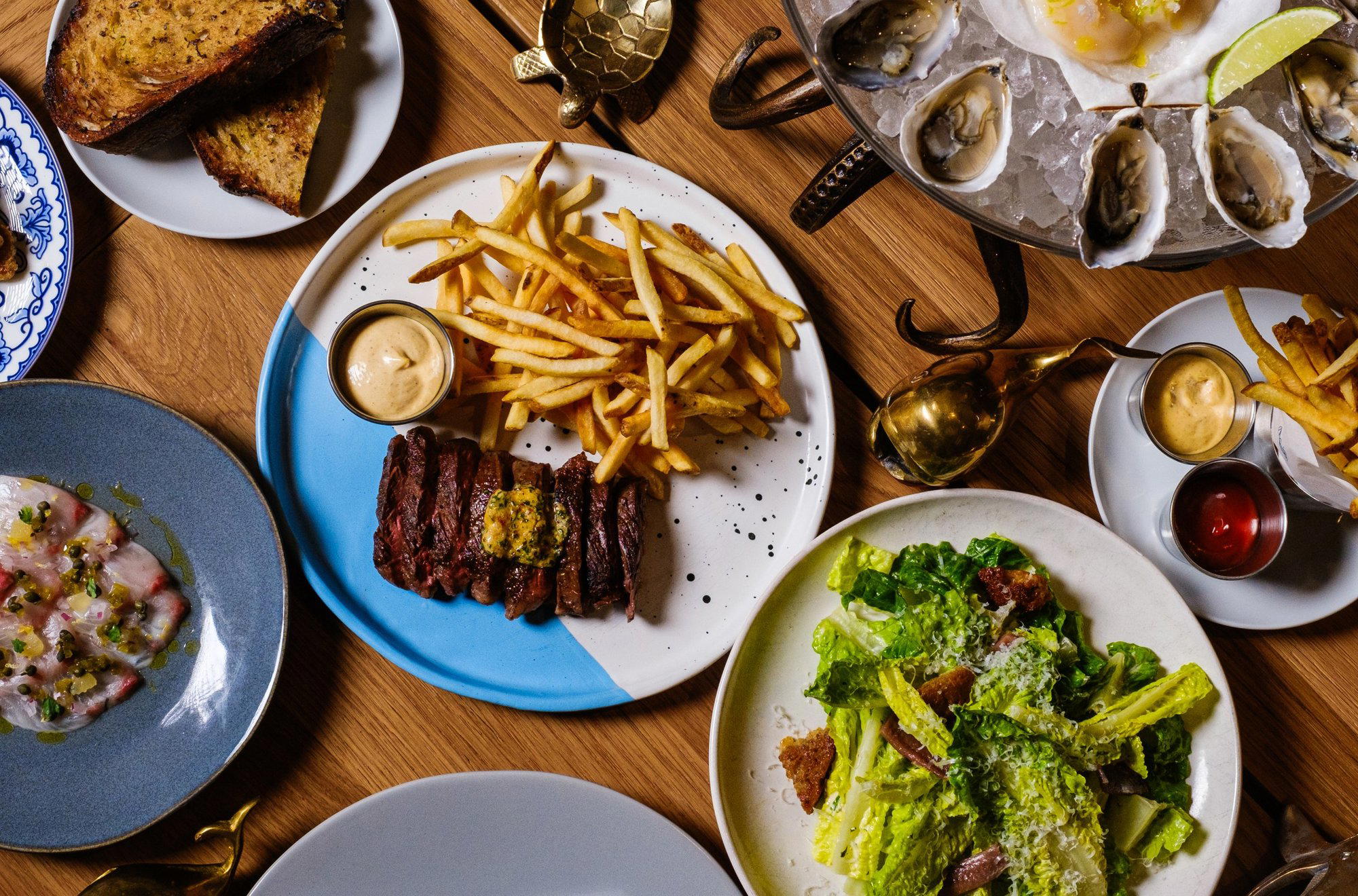
The slow-poached egg yolk sitting in onion- and malt-infused cream has remained a consistent reference point on the menu, a dish that demonstrates how restraint in technique can produce something more memorable than elaboration. Donabe-baked scallion rice topped with chanterelles dressed with that small-batch miso is another example: the cooking vessel, the fungi, the fermented condiment all point toward a sourcing philosophy that prefers depth over novelty. Raw Japanese sea bream dressed with aged soy, fermented plum, and mustard illustrates how the kitchen uses umami-forward preserved ingredients to season rather than to decorate.
For a comparison of how this sourcing-led philosophy operates at different price points and formats across Northern California, Single Thread Farm in Healdsburg and The French Laundry in Napa represent related commitments at different scales, while Smyth and Oriole in Chicago show how Progressive American kitchens in other cities have pursued the same sourcing logic under different agricultural conditions.
The Wine Program
Wine Director Andrew Browne and Sommelier Christian Garcia oversee a list of 1,035 selections backed by a cellar inventory of 3,500 bottles. The program's strengths sit in France, Germany, Burgundy, and California, a range that maps directly onto the kitchen's Franco-Californian reference points while leaving room for the Alsatian and Germanic whites that tend to work leading with fermented and umami-heavy cooking. Pricing sits in the three-dollar-sign tier, meaning a meaningful number of bottles exceed $100, though the range across the list is described as broad. Corkage is available at $75 per bottle for guests who bring their own.
The depth of the cellar, at 3,500 bottles for a room this size, suggests a commitment to aging stock rather than turning inventory quickly, which opens older vintages that younger, lighter programs can't offer.
Commis in the Wider Progressive American Context
Progressive American cuisine as a category now runs from casual-format experiential restaurants to counter-service omakase-style rooms to highly produced tasting theaters. Commis predates most of the format experimentation: it has held two Michelin stars since 2010, making it one of the longer-running high-recognition tasting operations in the country. That continuity, over fifteen years in a culinary culture that prizes novelty, is itself a data point. La Liste rated it 81 points in 2025 and 78 points in 2026, placing it inside that platform's recognized tier of North American fine dining alongside rooms like Alinea in Chicago and Emeril's in New Orleans.
What distinguishes Commis within its tier is the Oakland address and the refusal to migrate toward San Francisco's more visible luxury market. Restaurants at this award level in other American cities tend to cluster in established fine-dining districts: the West Loop in Chicago, Midtown Manhattan, Beverly Hills. Commis operates on a neighborhood commercial street in a city that the national food press spent years treating as secondary to its neighbor across the bay.
For readers building a Bay Area fine-dining sequence, the full San Francisco restaurants guide maps the cross-bay options in context. The San Francisco hotels guide, bars guide, wineries guide, and experiences guide cover the broader infrastructure for a longer visit.
Planning a Visit
Commis serves dinner Tuesday through Saturday, with seatings from 5 to 10 pm; the restaurant is closed Sunday and Monday. The address is 3859 Piedmont Ave, Oakland, CA 94611, accessible by BART to MacArthur Station followed by a short walk or rideshare to Piedmont Avenue. At the four-dollar-sign price tier with a tasting-menu format and consistent full houses, advance booking is the practical requirement rather than a suggestion.
Frequently asked questions
Can I bring kids to Commis?
Commis operates at the four-dollar-sign price tier with a fixed tasting menu format and two Michelin stars, a combination that shapes the room toward adults making a deliberate dining commitment. The format leaves no room for substitutions or abbreviated courses, which makes the experience a poor fit for young children. Most tables seat parties who have planned the evening around the full progression.
What should I expect atmosphere-wise at Commis?
The dining room on Piedmont Avenue in Oakland runs long and composed, with soft music calibrated so that conversation carries without effort. Two Michelin stars and a ranking of 53rd in North America by Opinionated About Dining (2025) place Commis among the most recognized tasting rooms on the West Coast, yet the room operates without ceremony or formality. The staff sets the tone: engaged and knowledgeable, not deferential.
Is Commis award-winning?
Commis has received recognition including: Chef James Syhabout's Laotian-inflected California cuisine offers a tasting experience like no other. Michelin-starred since 2009 and the star in the East Bay since 2010, two-starred Commis also boast...; La Liste Top Restaurants (2026): 78….
What's the best thing to order at Commis?
Commis serves a fixed tasting menu, so individual ordering is not part of the format. The slow-poached egg yolk set in onion- and malt-infused cream is the dish most consistently cited by critics and repeat diners, and it has remained on the menu long enough to function as a signature. Chef James Syhabout's approach draws from his Thai and Chinese heritage alongside California sourcing, so the progression shifts with the season.
What kind of cuisine does Commis serve?
How It Stacks Up
| Venue | Cuisine | Price | Awards | Notes |
|---|---|---|---|---|
| CommisThis venue (the venue you are viewing) | Modern California with Asian Influences | $200–300 | 2 Michelin Stars · La Liste Top Restaurants | Not listed |
| Lazy Bear | Modern American Tasting Menu | Not listed | 2 Michelin Stars · World's 50 Best #25 | Progressive American, Contemporary |
| Benu | Modern Asian Fusion Fine Dining | $150–200 | 3 Michelin Stars · World's 50 Best #33 | French - Chinese, Asian |
| Atelier Crenn | Contemporary French Fine Dining | $300–500 | 3 Michelin Stars · World's 50 Best #44 | Modern French, Contemporary |
| Quince | Modern French Fine Dining | $300–500 | 3 Michelin Stars · World's 50 Best #48 | Italian, Contemporary |
| Saison | Modern French-Italian | Not listed | Michelin Plate | Progressive American, Californian |
Recognition history
Dated appearances from independent guides and award organizations, with the underlying list record or original source where available.
Michelin 2 Stars
Michelin
La Liste Top Restaurants
La Liste
Star Wine List
Star Wine List
Opinionated About Dining Top Restaurants in North America Ranked #61
Opinionated About Dining
Wine Spectator Best of Award of Excellence
Wine Spectator
Full recognition history (11 entries)
La Liste Top Restaurants
La Liste
Michelin 2 Stars
Michelin
Opinionated About Dining Top Restaurants in North America Ranked #53
Opinionated About Dining
Michelin 2 Stars
Michelin
Opinionated About Dining Top Restaurants in North America Ranked #57
Opinionated About Dining
Opinionated About Dining Top Restaurants in North America Ranked #53
Opinionated About Dining