Our verdict
Tilbrook Estate sits on Lobethal Road in South Australia's Adelaide Hills, where the cool-climate geography shapes both the wine and the wider agricultural character of the region. The estate operates within a tradition of farm-linked hospitality that treats provenance as a practical fact rather than a marketing position. For visitors making the drive from Adelaide, it represents a considered stop in a wine region still finding its voice on the national stage.

Pearl is the En Primeur Club membership app — saves, bookings, and concierge access live there. Same editors, same standards.
- Address
- 1856 Lobethal Rd, Lobethal SA 5241, Australia
- Phone
- +61439007381
- Hours
- Mon–Thu ClosedFri 5:30–8:30 PMSat–Sun 12–5 PM
- Website
- tilbrookestate.com.au
- Directions
- Get directions
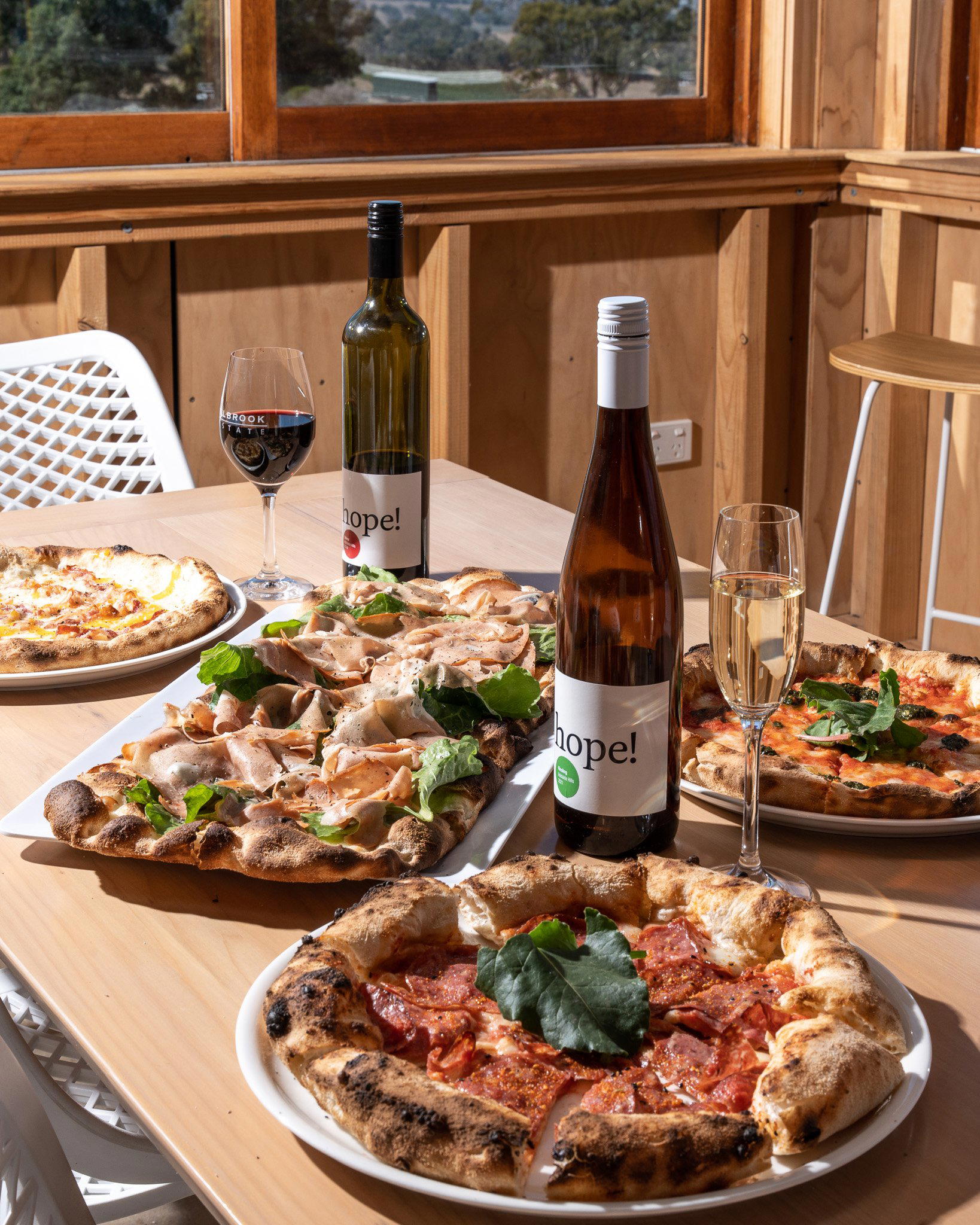
The menu
What to order
- Pinsa Pala Romana
- Cotto e Cacio e Pepe Pizza
- Homemade Gnocchi with Truffle Sauce
Adelaide Hills Wine Country and the Logic of Place
The Adelaide Hills occupy a distinct position in the Australian wine conversation. Sitting at elevations between 400 and 700 metres above sea level, the region runs cooler and wetter than the Barossa Valley to the north, producing conditions better suited to aromatic whites, Pinot Noir, and Chardonnay than the Shiraz-heavy identity of its more famous neighbour. Lobethal, a former wool-milling town in the eastern Hills, sits within this cooler band, and the land around it carries that agricultural layering that defines the leading estate experiences in regional Australia: vineyards alongside orchards, cellar doors alongside working farms.
Tilbrook Estate sits on Lobethal Road at address 1856, which places it within easy reach of the township itself and along a corridor that connects several of the Hills' more considered producers. The geography here is the first thing to understand. Cool-climate viticulture in the Adelaide Hills is not a recent trend — the region earned official GI status in 1998 — but the estate model, where visitors experience wine in direct relationship to its source landscape, has grown considerably in relevance as Australian dining culture has shifted toward provenance and legibility of ingredients.
Estate Hospitality and the Provenance Framework
Across regional Australia, the better estate experiences share a structural logic: the food and drink you consume should be traceable to the land you are standing on, or at minimum to the agricultural community immediately surrounding it. This is the framework that distinguishes places like Brae in Birregurra at the high end of the national conversation, where Dan Hunter's kitchen garden sits metres from the dining room, or Attica in Melbourne, where Ben Shewry's sourcing decisions carry explicit political weight. The estate model at a smaller, regional scale operates differently, it is less about culinary statement and more about honest relationship between visitor and landscape.
In the Adelaide Hills, that relationship is relatively uncomplicated. The region's farms produce stone fruit, apples, cherries, and cool-climate vegetables alongside grapes, and the better cellar-door experiences draw on this agricultural density. Tilbrook Estate's address on Lobethal Road places it within that tradition. What distinguishes this part of the Hills from, say, McLaren Vale or the Clare Valley is the sheer variety of what the land produces, the monoculture logic of some wine regions doesn't apply here, and that diversity tends to show up in how estates think about what they put on the table alongside the glass.
The Adelaide Hills in the National Context
When Australian food media discusses ingredient-led dining, the conversation tends to anchor in Melbourne and Sydney. Rockpool in Sydney built part of its reputation on sourcing discipline applied at scale. Places like Barry Cafe in Northcote or Bar Carolina in South Yarra operate within a Melbourne hospitality culture that treats producer relationships as table stakes rather than selling points. The regional estate, by contrast, removes the supply chain almost entirely. When a winery in the Adelaide Hills serves food that reflects the surrounding agricultural zone, the connection is immediate and physical rather than logistical.
This is worth noting because it reframes what a visit to somewhere like Tilbrook Estate actually is. It is not a pilgrimage to a chef-driven destination in the way that Le Bernardin in New York City or Atomix in New York City command destination travel. It is instead a regional immersion, where the value is cumulative, the drive through the Hills, the landscape, the glass poured in context, the food grounded in local production. That is a different proposition, and for travellers who understand it on those terms, the Adelaide Hills rewards accordingly.
Lobethal as a Base for Hills Exploration
Lobethal itself is a small town with a population under 3,000, and it functions less as a destination in its own right and more as a reference point for the eastern Hills corridor. The town retains some of its Germanic settlement character in its built fabric, Lobethal translates roughly as 'valley of praise' in German, a legacy of the Lutheran settlers who arrived in the 1840s. That history gives the eastern Hills a different cultural texture than the more touristic Hahndorf to the south, and the dining and wine experiences along this corridor tend to be quieter and less geared toward coach-tour volumes.
For visitors building an Adelaide Hills itinerary, the Lobethal area pairs well with producers further along the ridge toward Lenswood and Woodside. Our full Lobethal restaurants guide covers the broader range of options in the area. Those making the trip from Adelaide (roughly 35 kilometres from the city centre by road) should account for winding hill roads that extend travel times beyond what direct distance suggests, the drive is part of the experience, but it is not a quick errand. For context on South Australian dining beyond the Hills, Lenzerheide Restaurant in Adelaide represents the kind of European-influenced precision that has long anchored the city's more formal dining tier.
Planning a Visit
Estate properties in the Hills frequently adjust their cellar-door hours seasonally, winter hours are typically reduced, and harvest periods in late summer and early autumn can affect availability and programming. The property's address at 1856 Lobethal Road is direct to locate, and the broader corridor is navigable without particular difficulty if you are already oriented to Hills driving. For visitors combining the estate with a wider regional day, venues like Jaani Street Food in Ballarat or Kulcha Restaurant Wollongong demonstrate how regional Australia's food culture has diversified well beyond the cellar-door model, useful context for travellers building itineraries across multiple stops.
Frequently asked questions
Is Tilbrook Estate good for families?
Tilbrook Estate is set on a working property in Lobethal, which gives it the kind of open, unhurried character that suits families more naturally than a city restaurant counter would.
How would you describe the vibe at Tilbrook Estate?
The setting at 1856 Lobethal Road places you in the Adelaide Hills wine country, at elevations where the climate runs noticeably cooler than the city floor below. The character skews toward relaxed estate hospitality rather than formal dining — the kind of place where the land itself provides the context for what's on the table.
Is Tilbrook Estate worth visiting as a day trip from Adelaide?
Lobethal sits in the Adelaide Hills, a wine-producing region that runs at elevations between 400 and 700 metres above sea level — close enough to the city to function as a genuine day trip rather than an overnight stay. Tilbrook Estate at 1856 Lobethal Road sits within this corridor, meaning it pairs logically with other Hills cellar doors on the same route.
What should I order at Tilbrook Estate?
As an Adelaide Hills producer, the wine list is the natural starting point — the Hills region is known for cool-climate varieties including Sauvignon Blanc, Chardonnay, and Pinot Noir, which tend to anchor estate pours across the area.
How do I find Tilbrook Estate?
Tilbrook Estate is located at 1856 Lobethal Rd, Lobethal SA 5241, Australia, Lobethal.
What's the best way to book Tilbrook Estate?
The estate is located at 1856 Lobethal Road, Lobethal SA 5241, and contacting them directly via a web search for current contact details is the most reliable approach before making the drive out from Adelaide.
A Quick Peer Check
Comparable venues nearby, for context on price, style, and recognition.
| Venue | Cuisine | Price | Notes |
|---|---|---|---|
| Tilbrook EstateThis venue — the venue you are viewing | Authentic Italian Pizza & Tapas | Not listed | Not listed |
| Spaghetti Club | Southern Italian Trattoria | Not listed | Richmond |
| Bar Alto | Modern Italian | $50–100 | New Farm |
| Arno Deli | Italian Deli & Panini | $10–20 | Adamstown |
| Seoul Bakery | Korean Bakery | Not listed | Box Hill |
| Sama at Grandview Hotel | Modern Lebanese | $30–50 | Fairfield |
Continue exploring
More in Lobethal
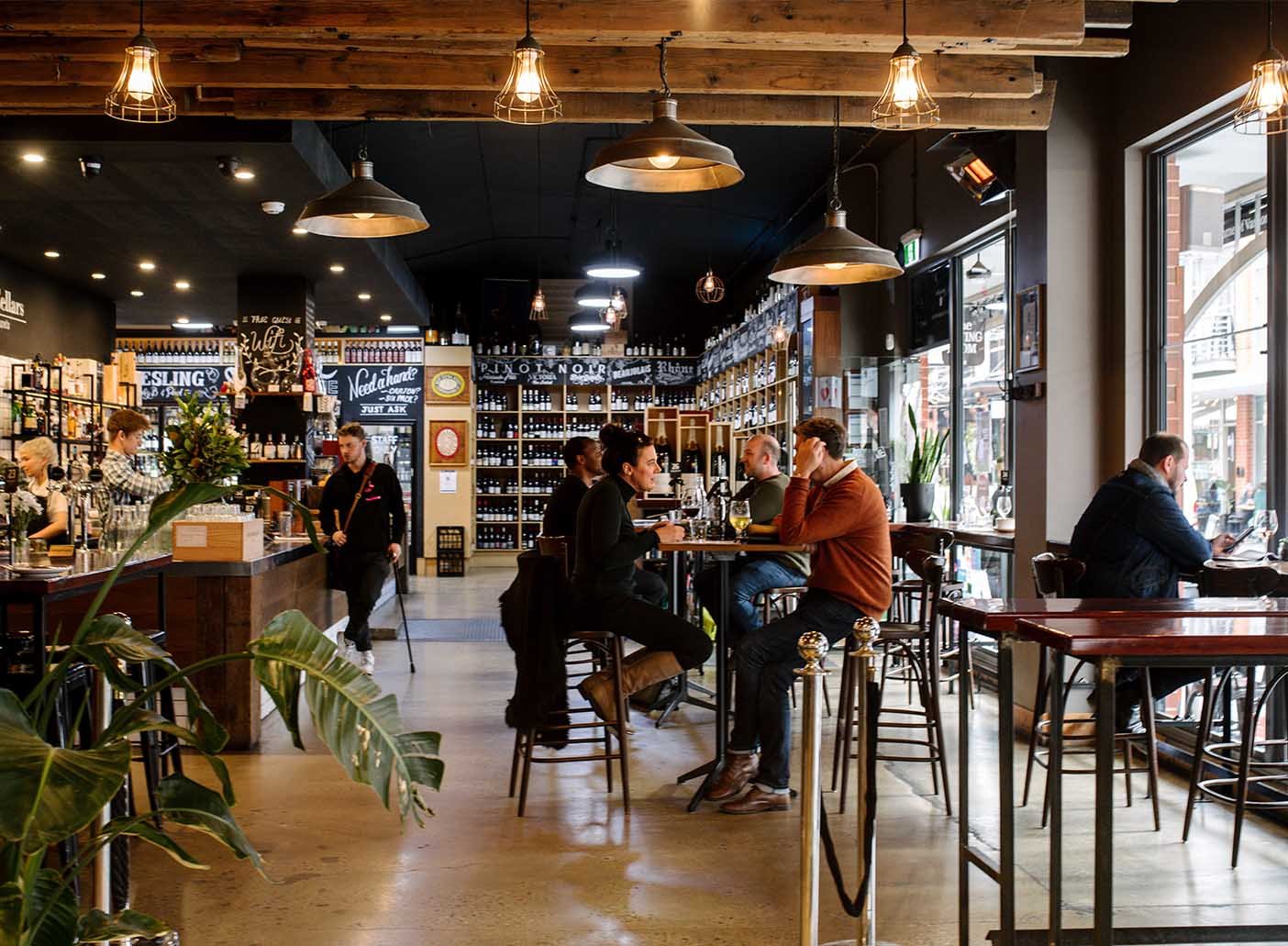
Restaurants in Lobethal
Browse all →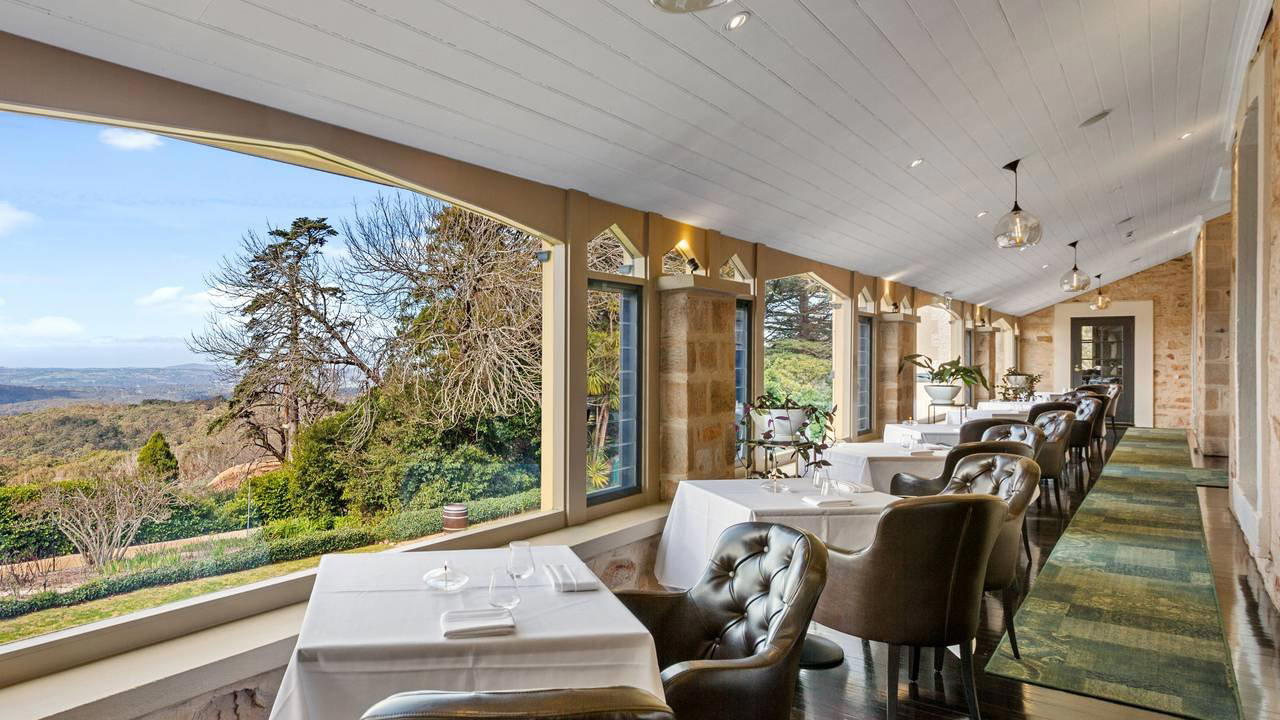
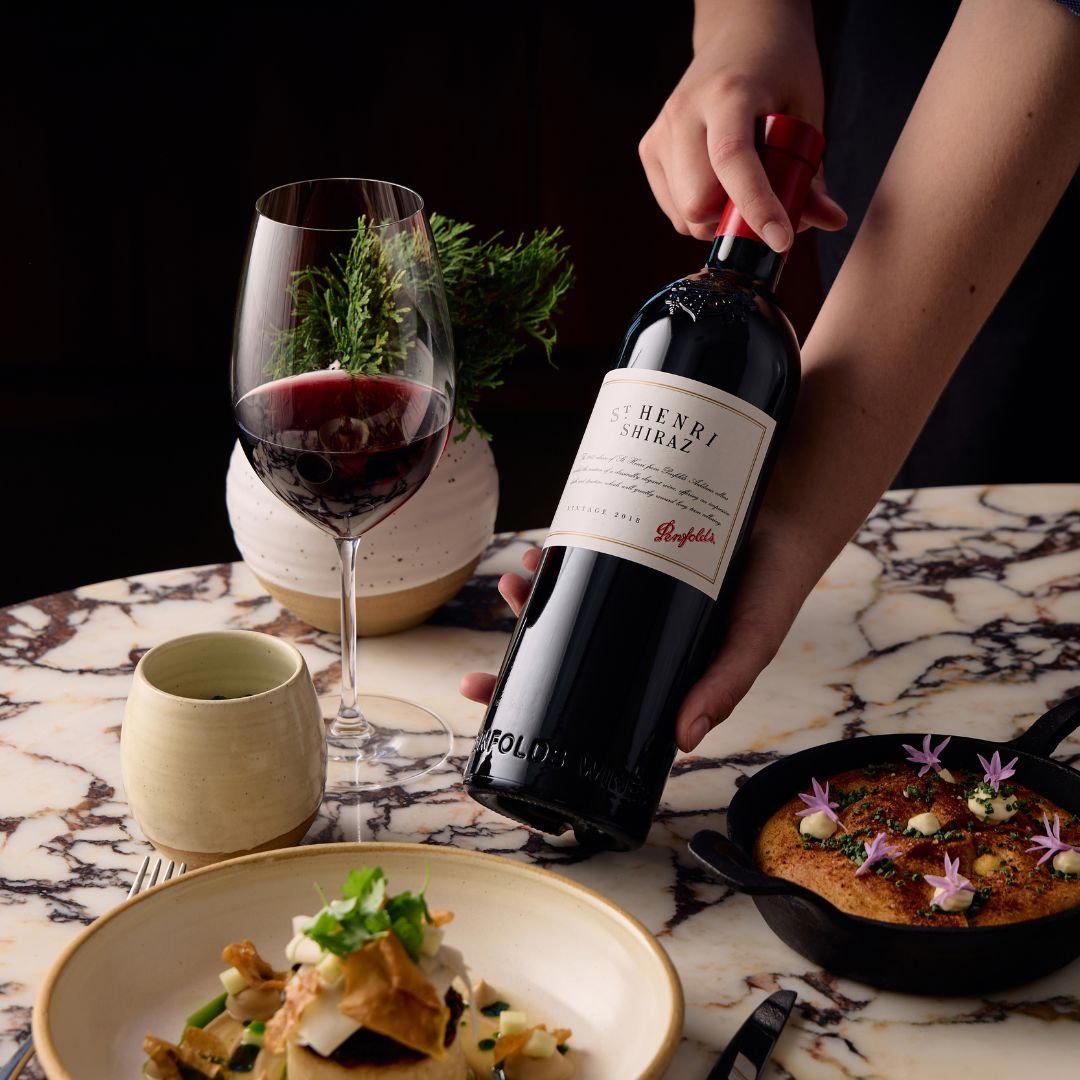
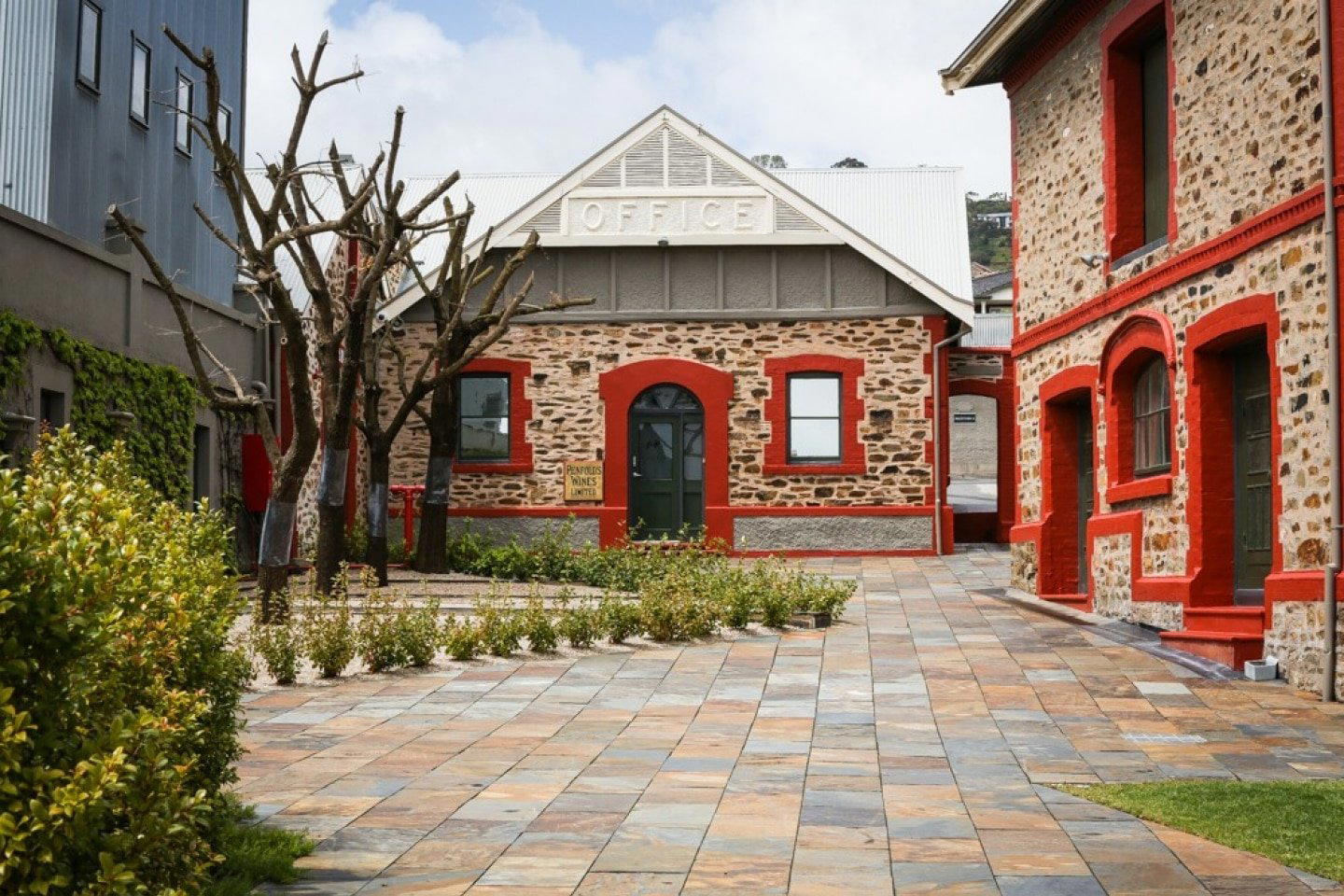
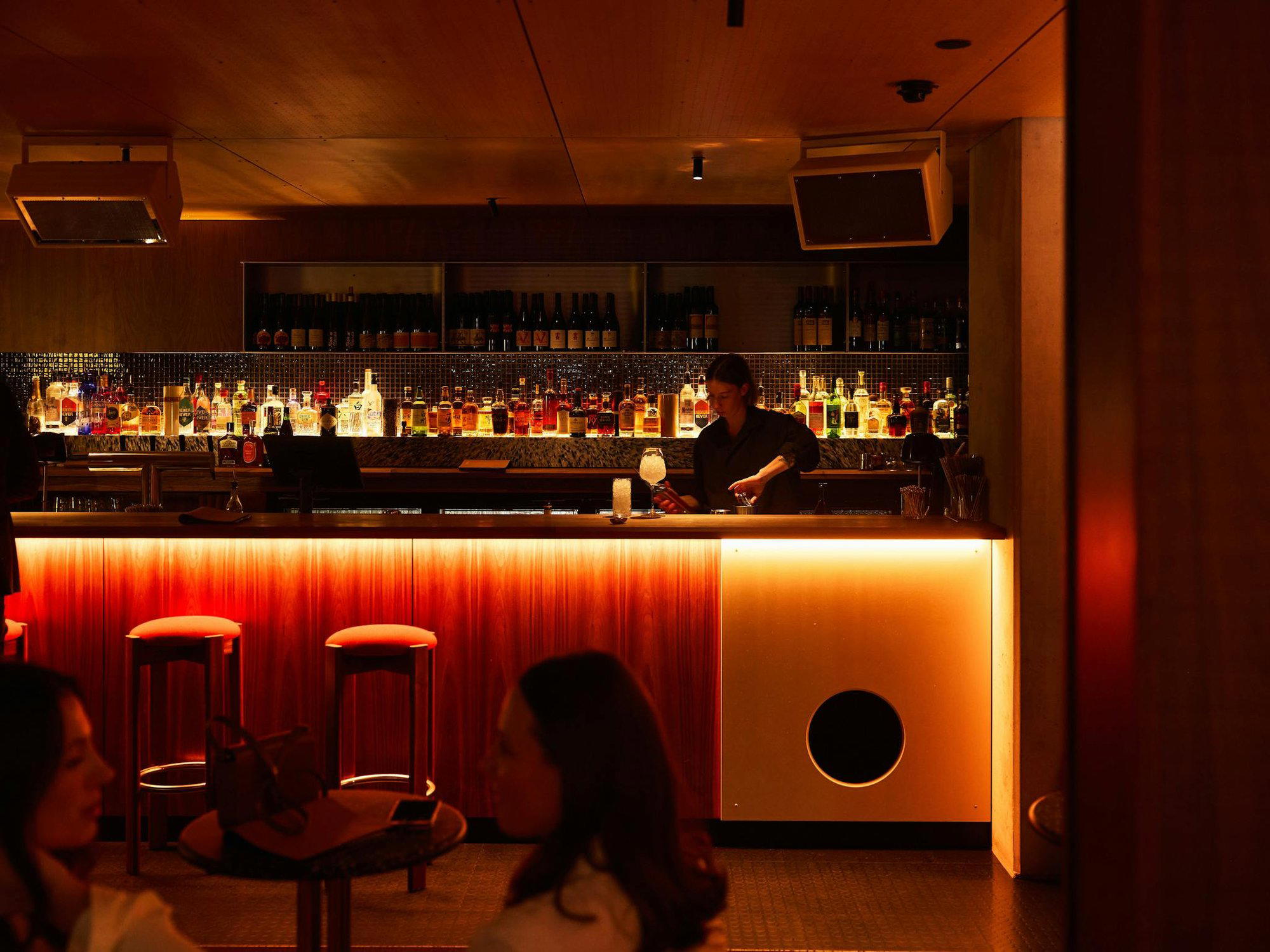
Bars in Lobethal
Browse all →
Hotels in Lobethal
Browse all →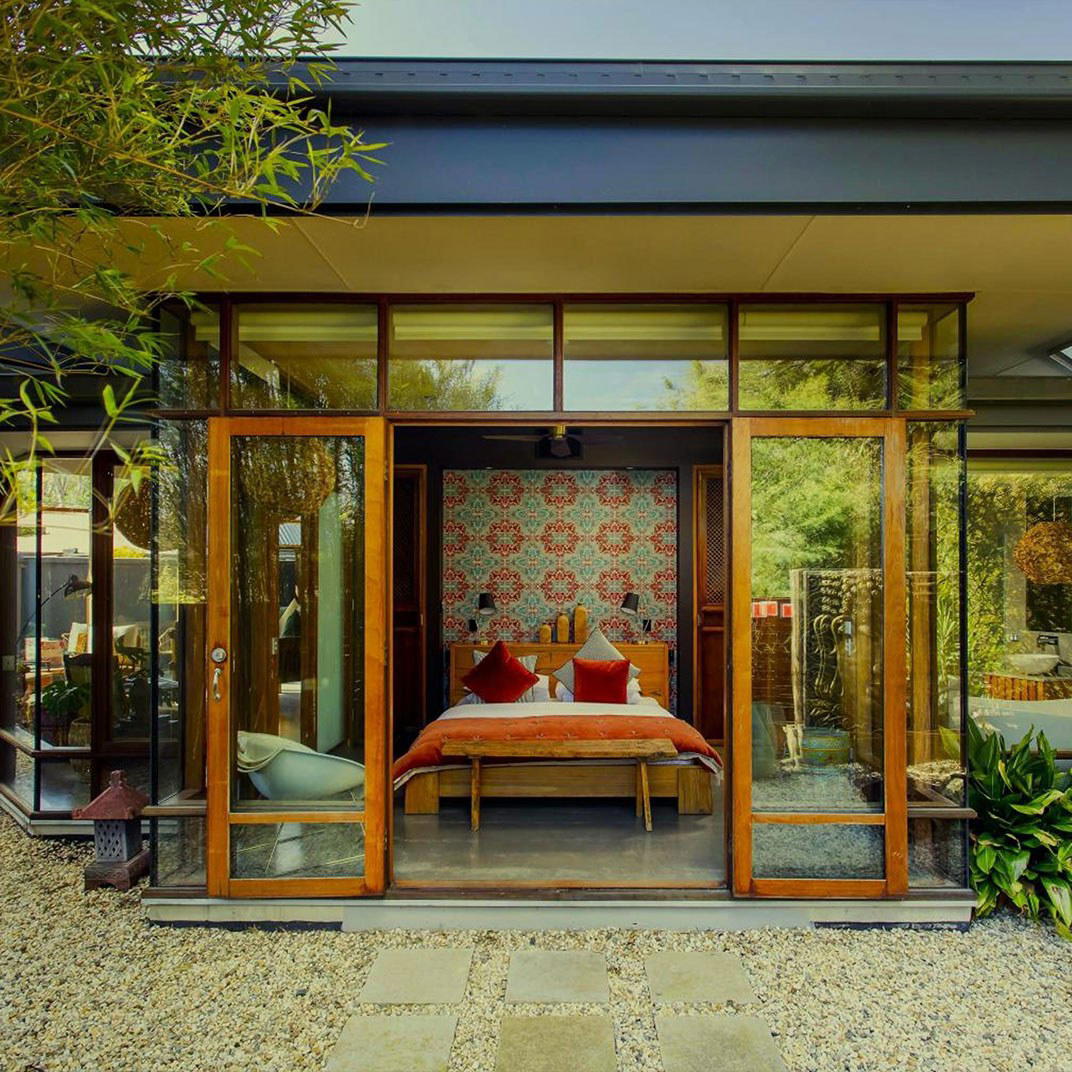
Details
- Scenic
- Rustic
- Cozy
- Group Dining
- Celebration
- Casual Hangout
- Private Event
- Wine Cellar
- Panoramic View
- Garden
- Private Dining
- Terrace
- Extensive Wine List
- Corkage Allowed
- Local Sourcing
- Organic
- Vineyard
- Mountain
- A La Carte
- Small Plates
- Wine
- Estate Wines
- Vegetarian Friendly
- Organic Focus
Current opening hours
- Monday
- Closed
- Tuesday
- Closed
- Wednesday
- Closed
- Thursday
- Closed
- Friday
- 5:30–8:30 PM
- Saturday
- 12–5 PM
- Sunday
- 12–5 PM
Hours can change for holidays and private events. Last verified .
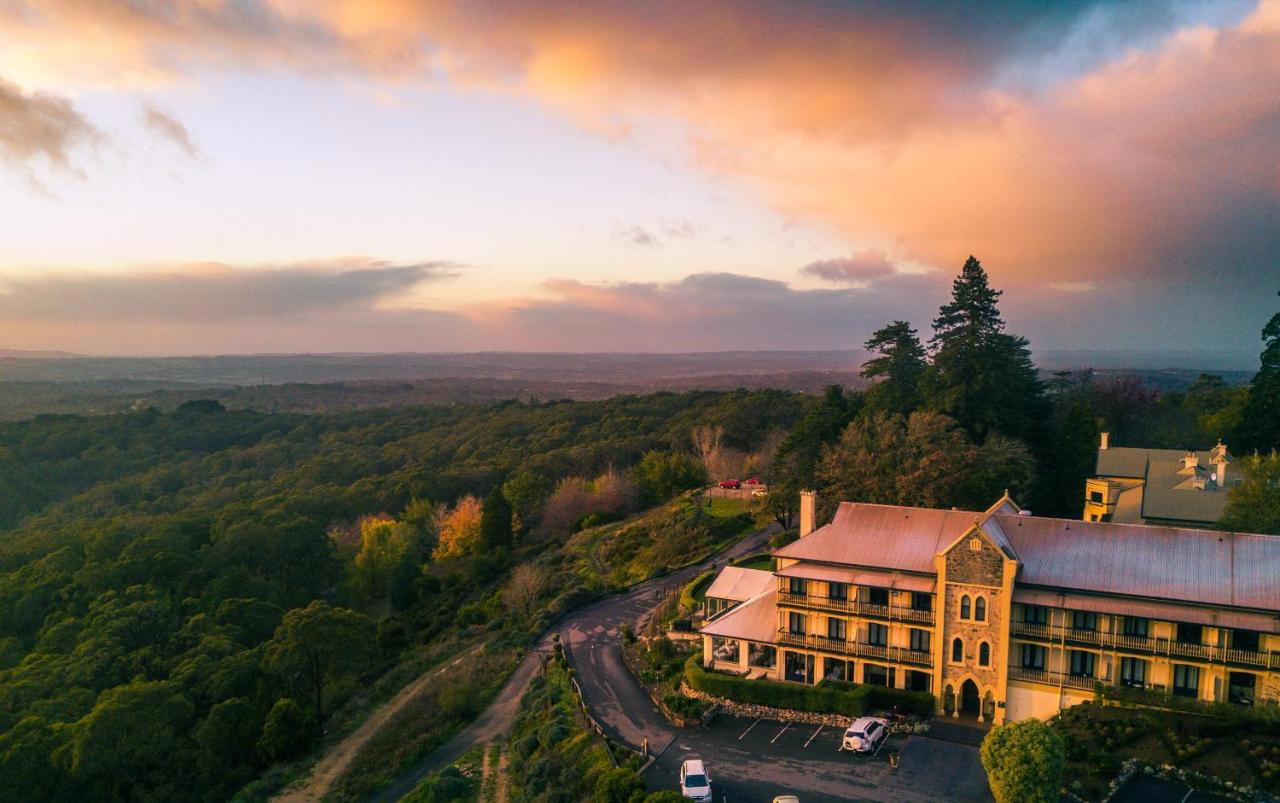
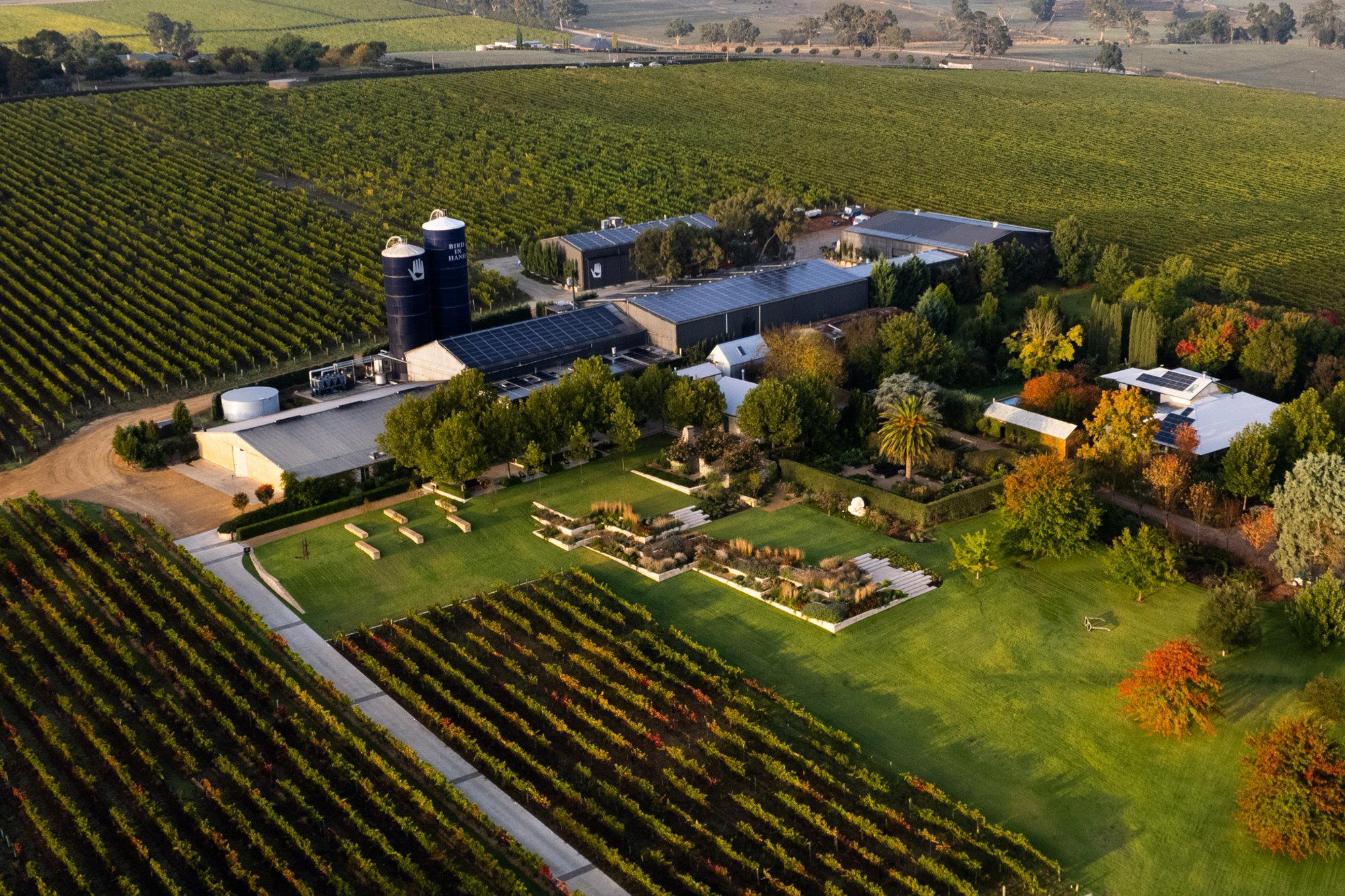
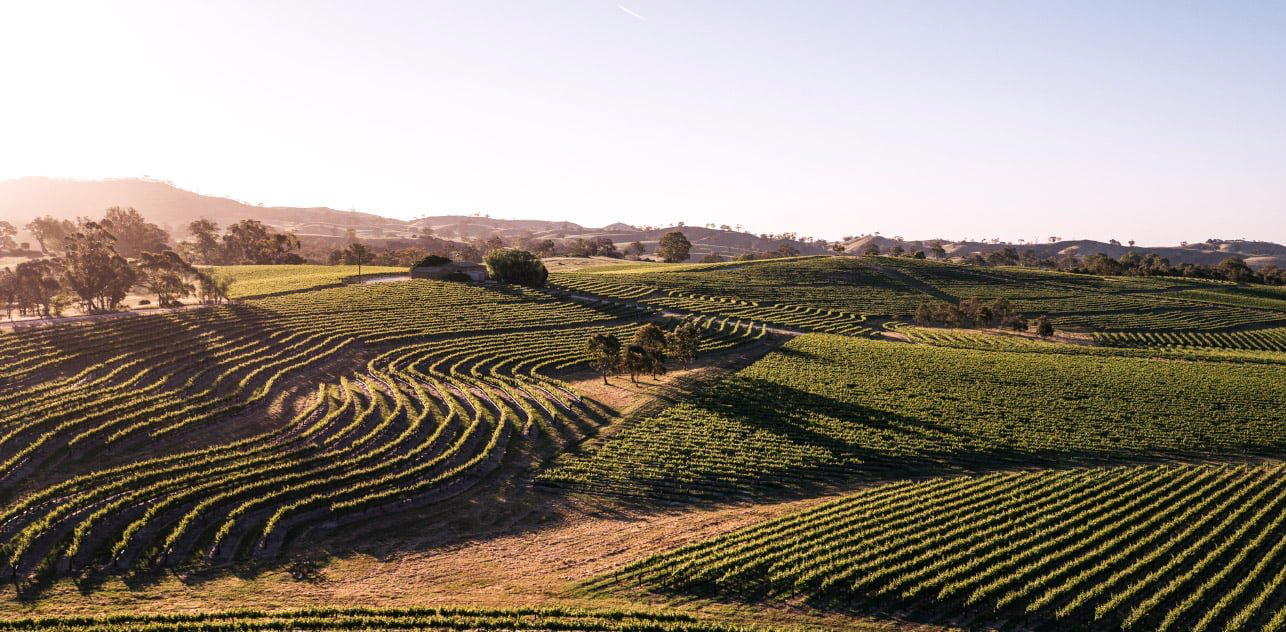
Industrial-meets-rustic cellar door atmosphere in a converted Old Woollen Mill setting, with warm fireplace ambiance in cooler months and open outdoor spaces overlooking rolling hills and vineyards.