Alkina Wine Estate
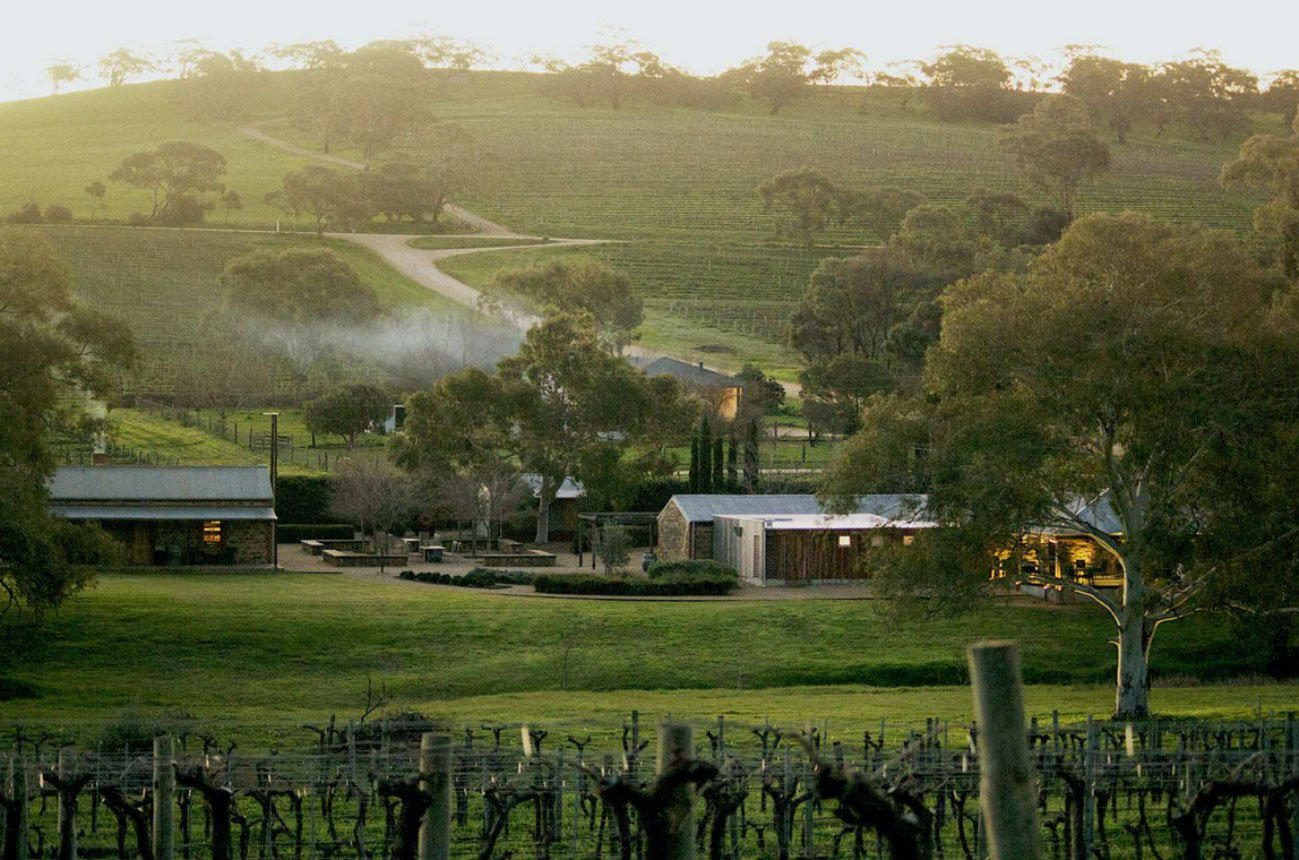
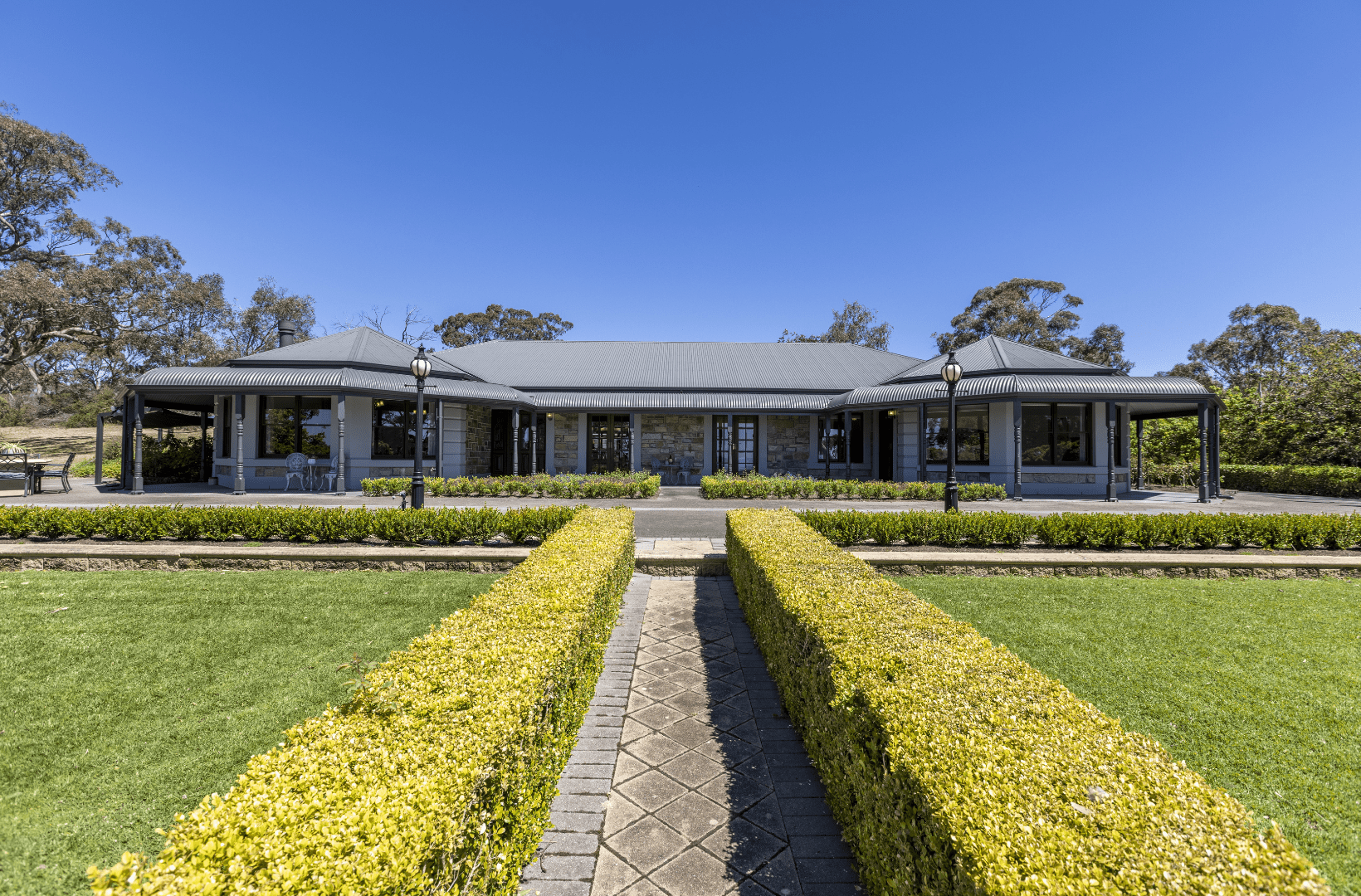
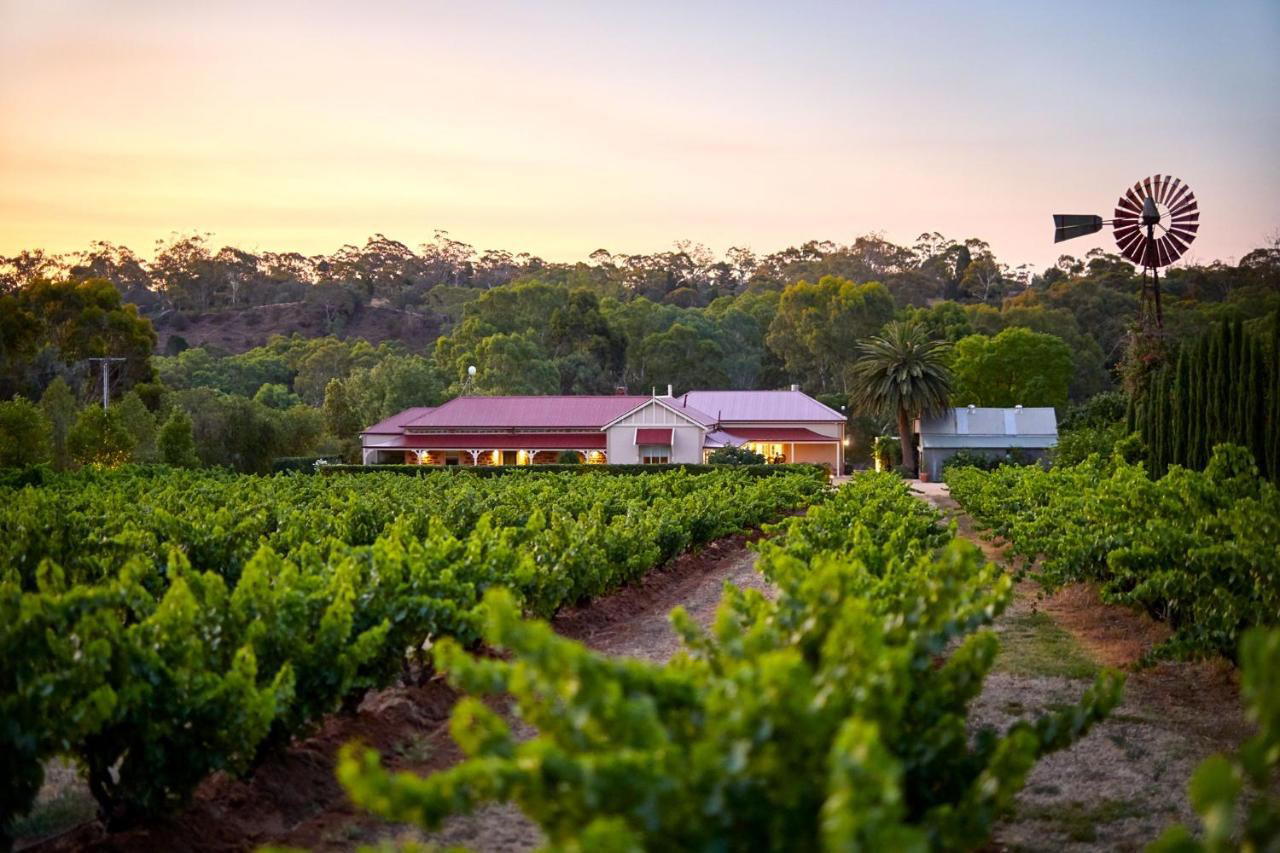
Alkina Wine Estate sits at 41 Victor Rd in Greenock, within the northern reaches of the Barossa Valley, where old vine concentrations and a cooler microclimate shape wines of notable structural depth. For visitors drawn to place-specific winemaking rather than volume output, Alkina represents the Barossa at a more considered scale.

Pearl is the En Primeur Club membership app — saves, bookings, and concierge access live there. Same editors, same standards.
- Address
- 41 Victor Rd, Greenock SA 5360
- Phone
- +61 8 8562 8246
- Website
- alkinawine.com
- Directions
- Get directions
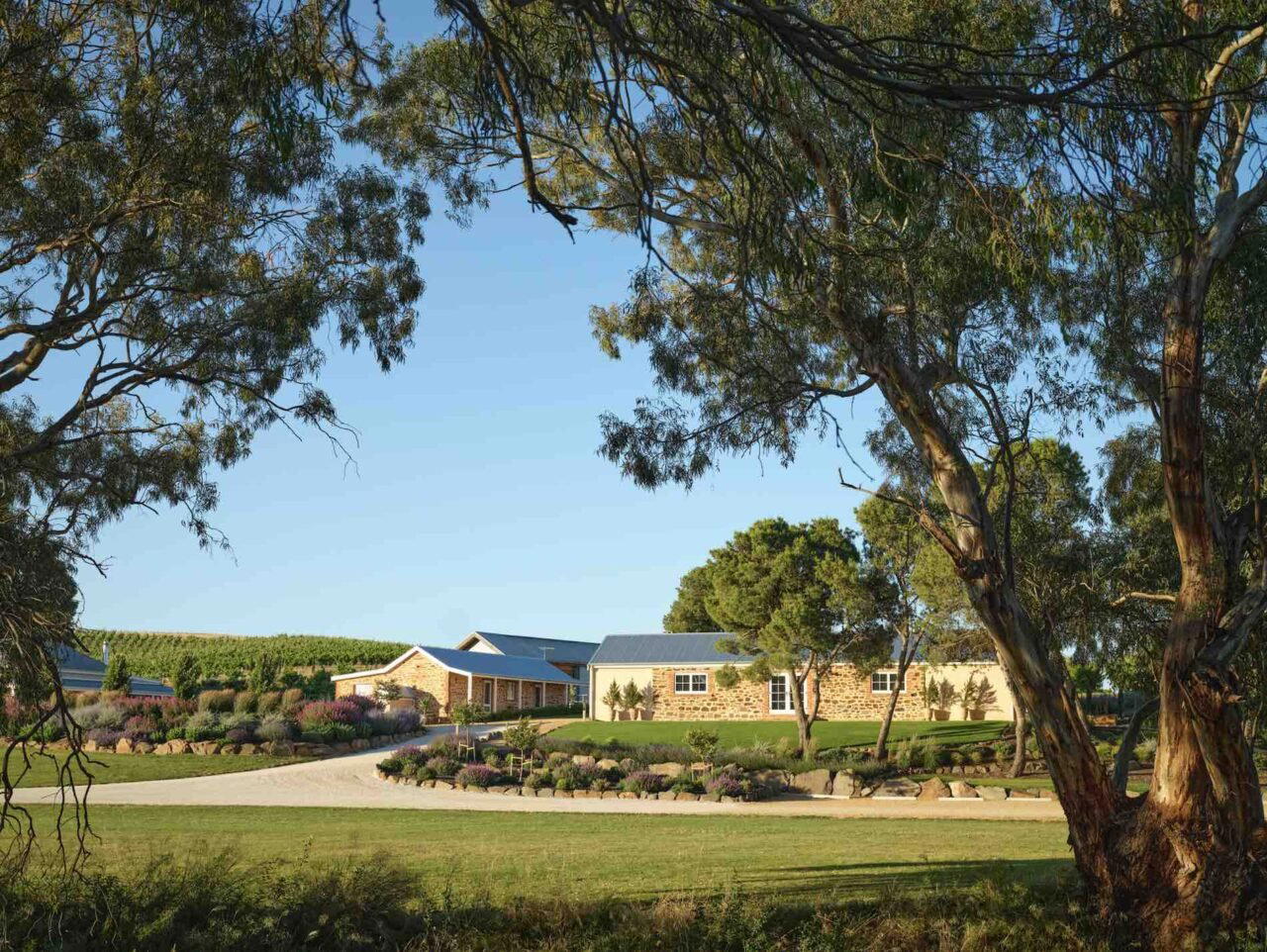
Where Greenock's Soils Do the Talking
The northern Barossa is a different proposition from the Valley floor that most visitors encounter first. Around Greenock, the elevation shifts slightly, the diurnal temperature range widens, and soils carry higher clay content in many plots. These are not marginal differences. They register in the glass as firmer acid retention, slower phenolic development, and a structural backbone that distinguishes the sub-region from the warmer, more immediately generous fruit profiles found further south. Alkina Wine Estate, at 41 Victor Rd in Greenock, operates from within this specific corner of the Valley, and the address is more than a postal detail: it is an editorial statement about where the wines come from and what they are trying to express.
Volume-focused estates with broad regional blends occupy a different competitive band.
The Barossa's Boutique Upper Tier
Understanding where Alkina sits requires a brief map of the Barossa's internal hierarchy. The Valley has always produced at scale. Names like Jacob's Creek and Grant Burge represent the category's broader commercial architecture, with wide distribution and accessible price points designed for reach. A tier above that, estates such as Charles Melton Wines and Château Tanunda have built reputations on heritage, old vines, and consistent critical recognition. At the tighter end of that upper bracket, a smaller cohort of estates prioritises site-specific expression over brand familiarity, and that is the tier where Alkina competes.
This stratification matters for visitors planning a serious tasting itinerary. The experience at a prestige-rated boutique estate differs from a high-volume cellar door in format, in the information density of the conversation, and in the ratio of site-specific wine to blended regional product. Producers in Alkina's tier tend to orient their offering around single-vineyard or sub-regional designations rather than broad varietal lines, and the tasting experience reflects that. For context on what the broader Barossa can offer across different styles and formats, our full Barossa Valley restaurants and wineries guide maps the full range.
Terroir as the Central Argument
The Barossa's identity in international markets has been built largely on Shiraz, and the sub-regional picture within that broad category is more textured than the export narrative usually suggests. Greenock sits at an elevation and latitude where Shiraz expresses itself with somewhat more contained fruit weight than the lower-lying Eden Valley or the sun-exposed western ridge sites. Clay-rich soils in this pocket retain moisture further into the growing season, slowing ripening and allowing phenolic development to proceed more gradually. The result, in well-managed vintages, tends toward wines with longer structural arcs rather than the front-loaded generosity that defines Barossa's most commercially famous style.
This is a meaningful distinction for the taster who already has a working model of what Barossa Shiraz can be. Greenock-sourced wines ask that model to expand. They are not warmer-climate approximations of cooler-region styles; they are their own category, shaped by soils, aspect, and the particular temperature rhythm of a Valley pocket that the broad regional designation does not capture. Alkina's positioning within this geography is the starting point for understanding what makes the wines worth the detour from the main Valley corridor.
The broader Australian boutique conversation involves similar terroir-specificity arguments playing out in very different soil and climate contexts. Leading's Wines in Great Western builds its reputation on volcanic soils and old vine Shiraz from a region most visitors overlook. Blue Pyrenees Estate in Pyrenees makes a similar case for granite-based sites at altitude. What connects these estates across geographies is the same argument Alkina makes from Greenock: that place is the primary source of interest, and the wine is evidence.
Positioning Within a Crowded Cellar Door Circuit
The Barossa receives significant visitor traffic, particularly from Adelaide, where the drive is under ninety minutes. The main touring routes concentrate traffic around Tanunda and Nuriootpa, with Greenock sitting just off the most-travelled path. That geographic position means Alkina is not the kind of estate a casual visitor stumbles into on the way between the town centre and a well-signed heritage cellar door. Visitors who arrive have generally made a deliberate routing decision, which tends to self-select for a more engaged audience and a different conversation at the tasting counter.
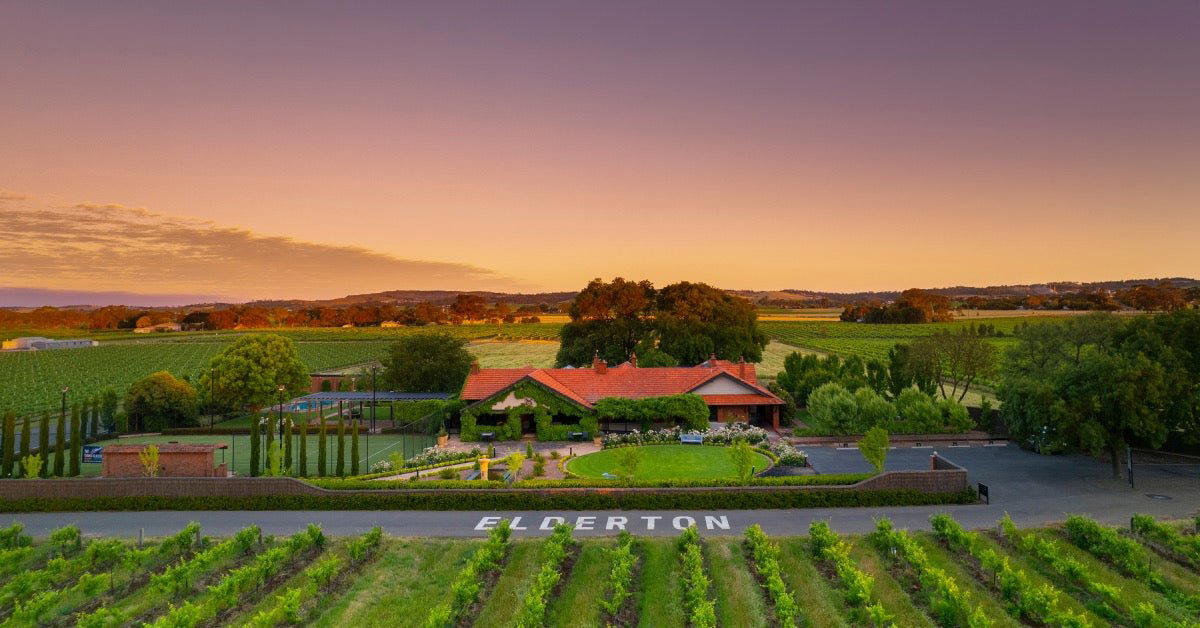
For planning purposes, the estate is at 41 Victor Rd, Greenock SA 5360. Given the limited public record available on hours and booking format, contacting the estate directly before visiting is the practical approach for anyone treating this as a confirmed stop rather than a speculative addition to an itinerary. Prestige-tier boutique producers in the Barossa and elsewhere, including Elderton and All Saints Estate in Rutherglen, often operate with appointment-based or limited-hour formats that reward advance contact.
Internationally, the boutique estate model that Alkina represents has direct analogues in places where small-scale production and terroir specificity have displaced volume as the primary credential. Accendo Cellars in St. Helena operates in Napa's smallest-production tier with a similar premium on site expression over brand volume. Angove Family Winemakers in Renmark and Archie Rose Distilling Co in Sydney represent adjacent Australian producers working at the intersection of place-identity and craft-scale production, each in their own category. Aberlour in Aberlour offers a Scotch whisky parallel: a producer whose address within a specific geographic pocket is itself the argument for visiting.
What the 2025 Rating Implies
It reflects current assessment rather than accumulated historical reputation, which makes it a more reliable navigation tool for near-term visits than decade-old medals or inherited critical consensus. For a visitor building a serious Barossa itinerary in 2025, the rating positions Alkina as a current-form producer worth prioritising alongside the Valley's more established prestige names.
The designation also implies a particular kind of expectation management. Prestige-rated boutique estates typically offer a narrower range at the tasting counter than larger estates, with wines priced and presented against their own quality argument rather than against the regional average. That context shapes the visit before a glass is poured.
Comparable Spots, Quickly
Comparable venues nearby, for context on price, style, and recognition.
| Venue | Cuisine | Price | Awards | Notes |
|---|---|---|---|---|
| Alkina Wine EstateThis venue — the venue you are viewing | Grenache, Shiraz | Not listed | Not listed | Not listed |
| The Standish Wine Co | shiraz, viognier | Not listed | Not listed | Light Pass |
| Charles Melton Wines | Grenache, Shiraz | Not listed | Falstaff Winery - Listed | Tanunda |
| Langmeil | Shiraz, Grenache | $30–50 | Not listed | Tanunda |
| Two Hands Wines | Shiraz, Grenache | $10–20 | Falstaff Winery - Listed | Marananga |
| Rockford | Shiraz, Cabernet Sauvignon | Not listed | Falstaff Winery - Listed | Tanunda |
Continue exploring
More in Barossa Valley
Wineries in Barossa Valley
Browse all →
Bars in Barossa Valley
Browse all →
Restaurants in Barossa Valley
Browse all →
Details
- Rustic
- Elegant
- Scenic
- Intimate
- Sophisticated
- Romantic Getaway
- Wine Education
- Special Occasion
- Vineyard Tour
- Estate Grounds
- Terrace
- Organic
- Biodynamic
- Vineyard
- Garden
- Grenache
- Shiraz
- Mataro
- Semillon
- Still Red
- Guided Wine Flight
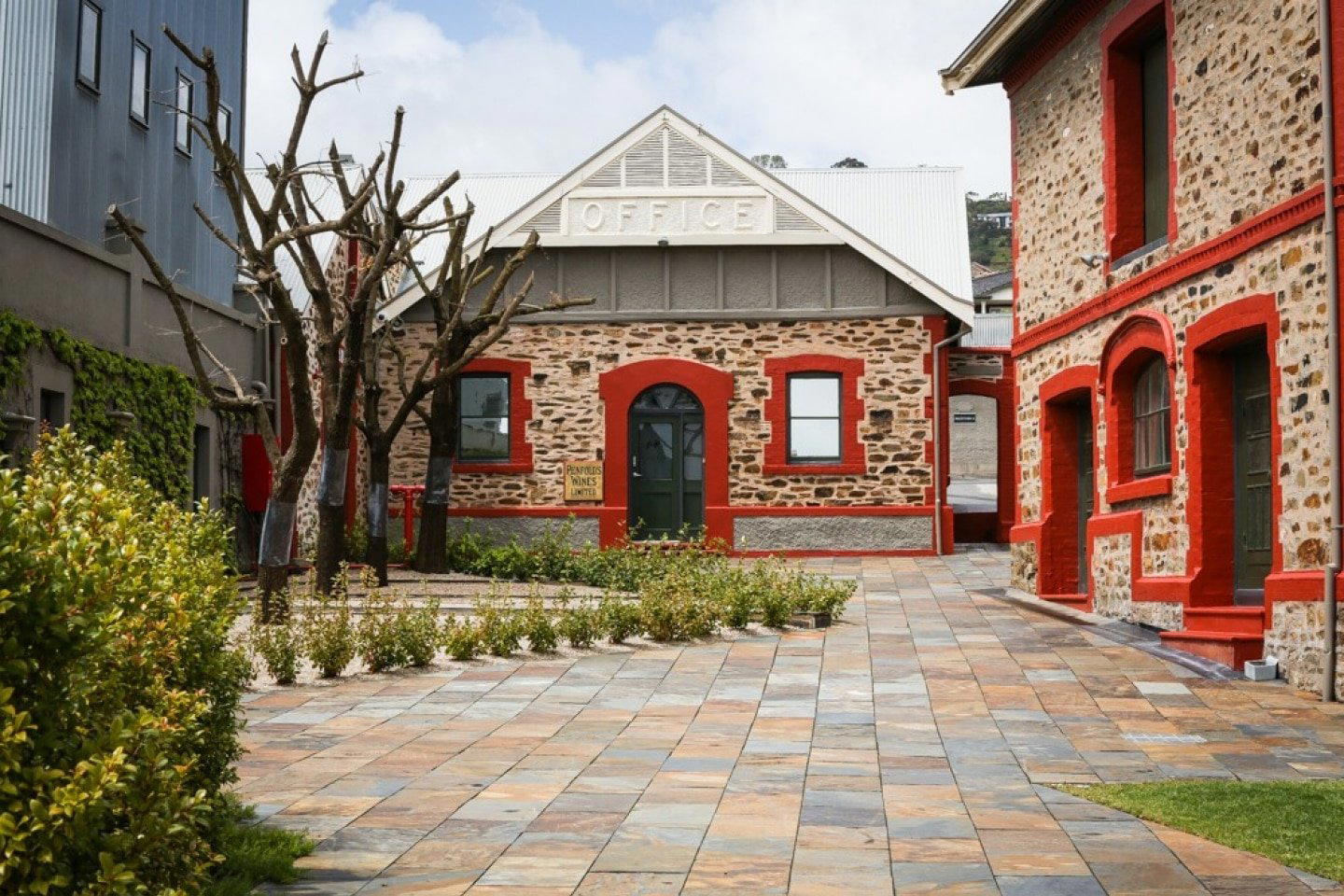
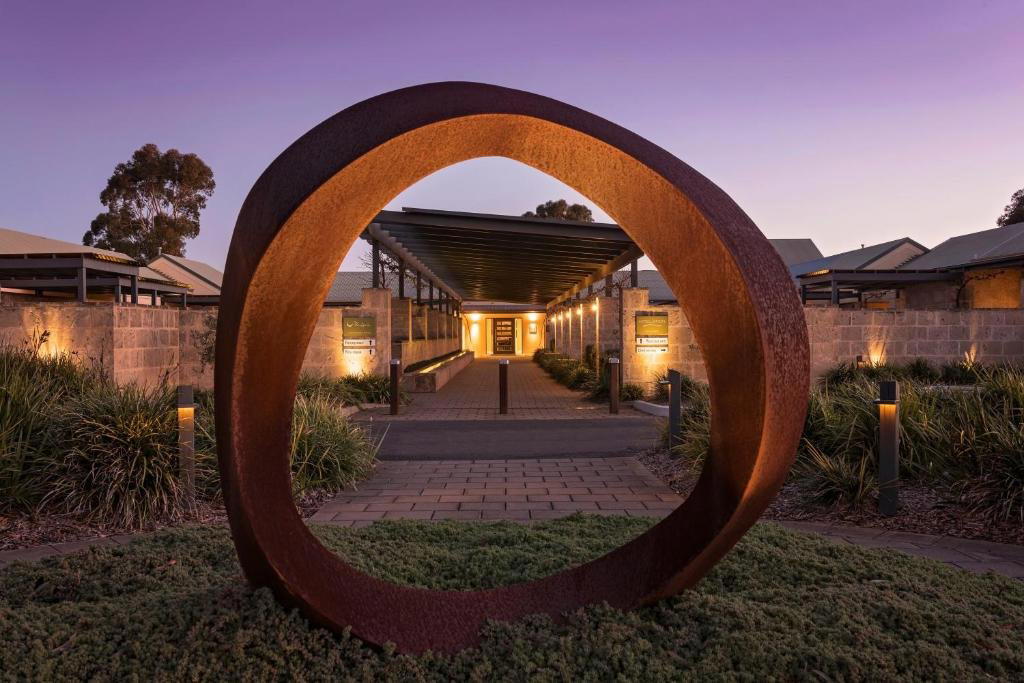
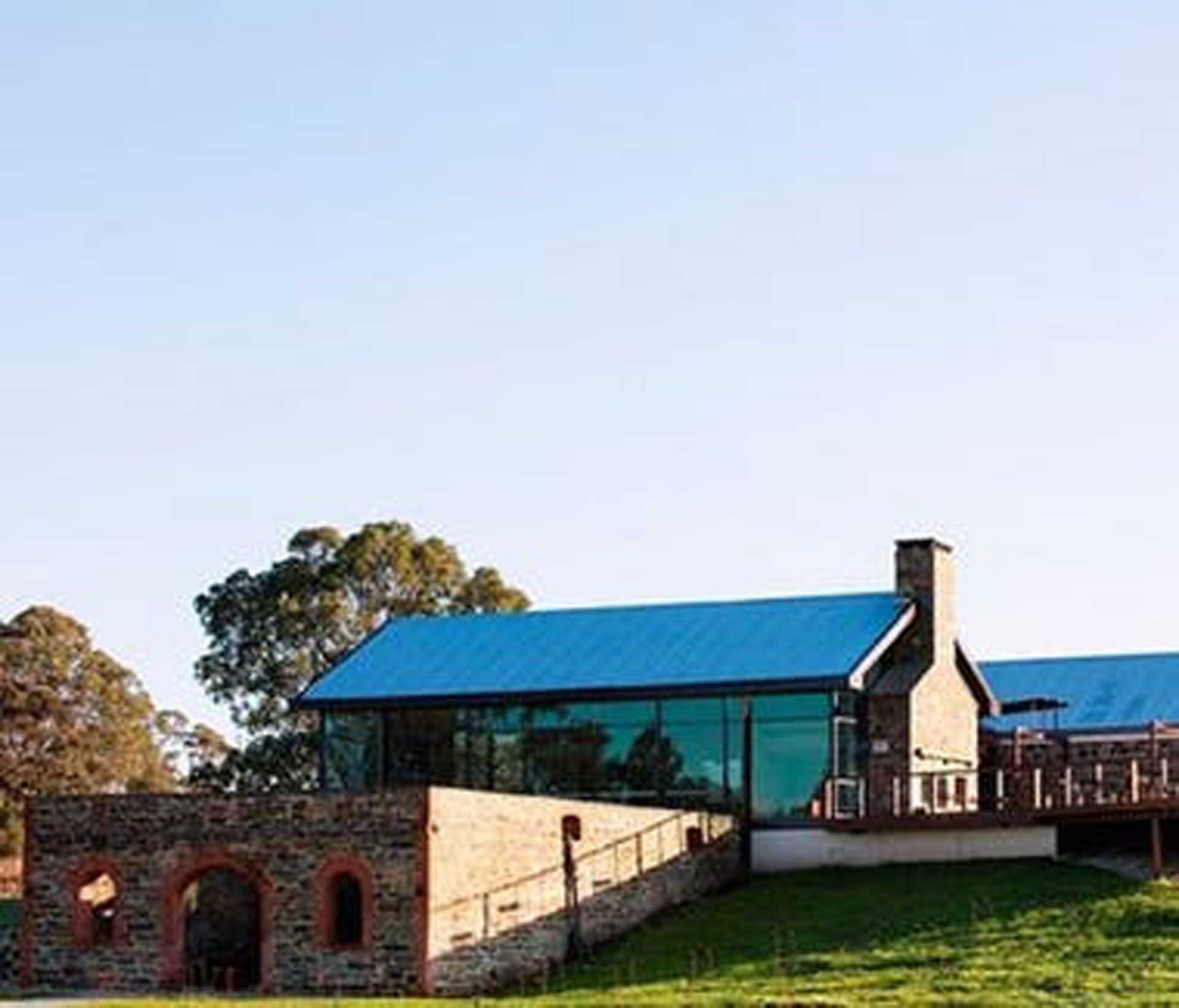
Warm and luxurious atmosphere in a beautifully renovated 1850s wool shed tasting room with fireside comfort, complemented by a relaxing outdoor courtyard.