Converso

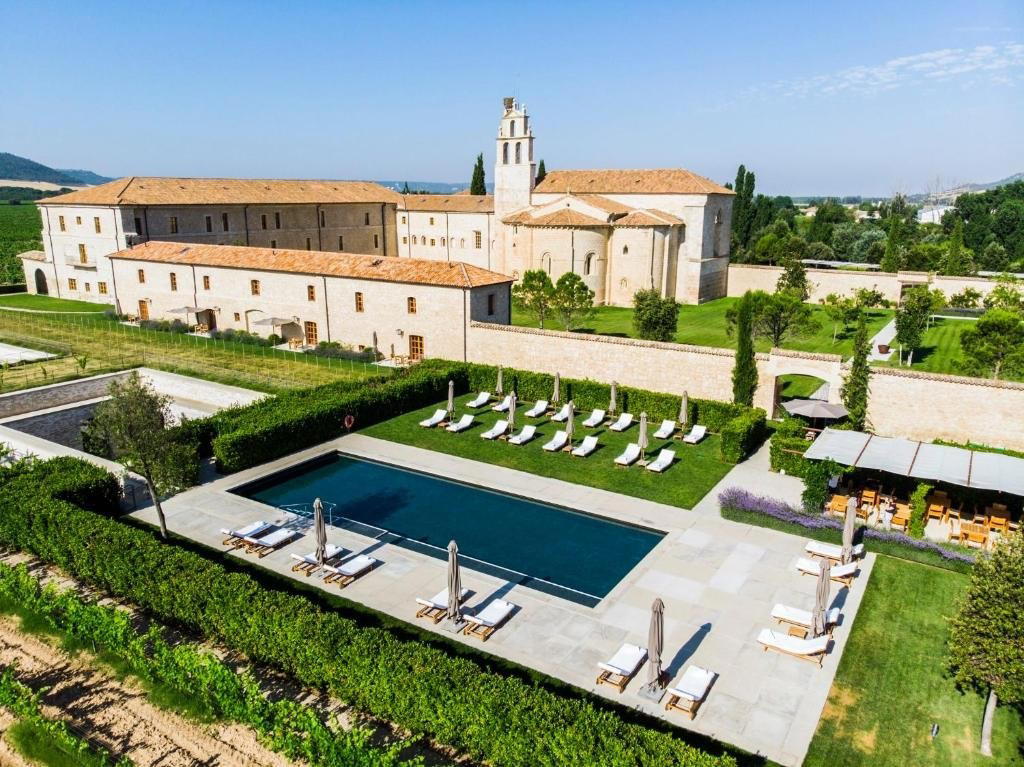
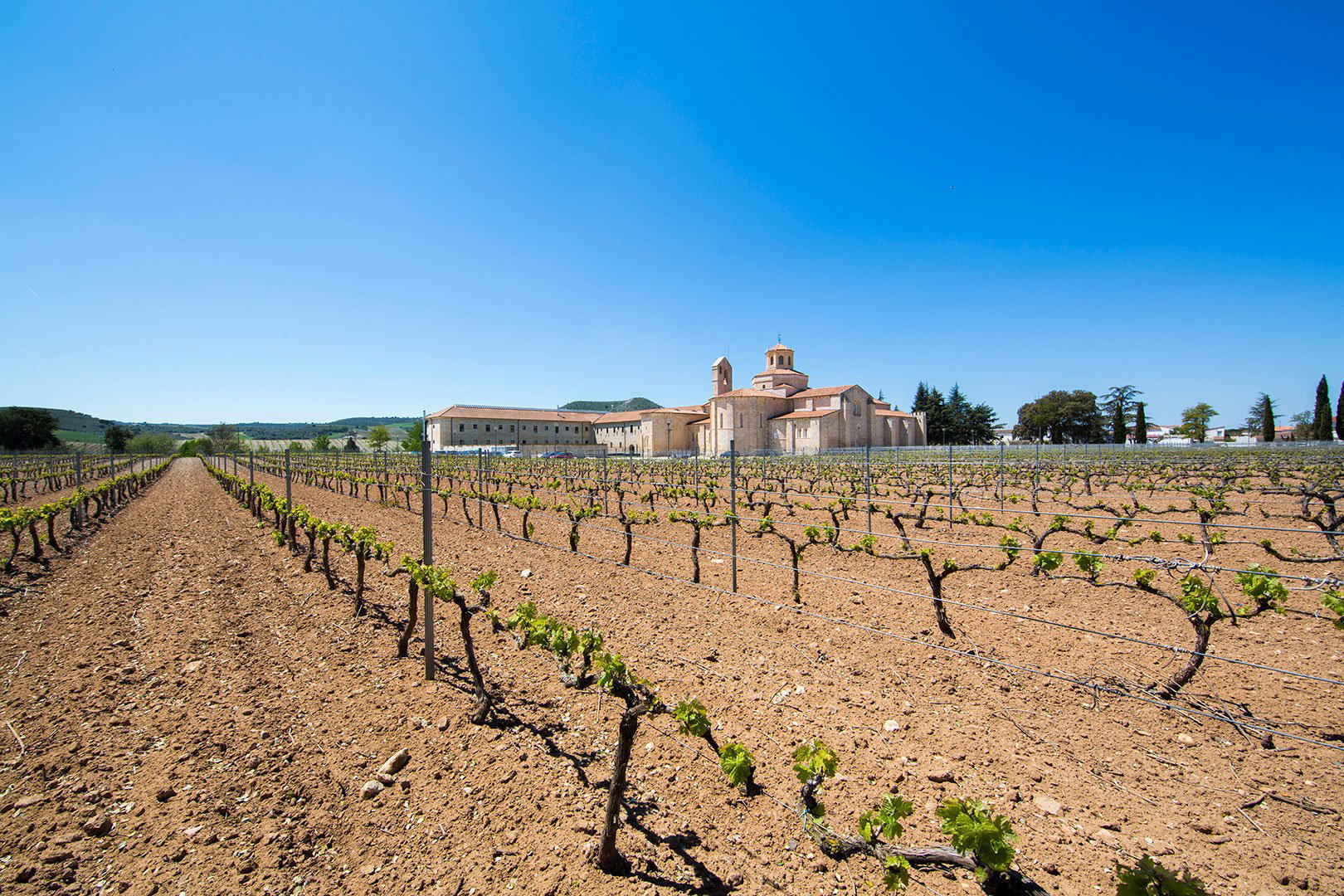
Converso occupies a vaulted dining room inside the 12th-century Cistercian walls of Castilla Termal Monasterio de Valbuena, one of Castilla y León's most architecturally compelling hotel conversions. Chef Miguel Ángel de la Cruz works across two tasting menus, Essentia and Centum, built almost entirely from ingredients sourced within the surrounding comarca: truffles from Canalejas de Peñafiel, honey from Olmedo, and sustainably farmed prawns from Medina del Campo.
Pearl is the En Primeur Club membership app — saves, bookings, and concierge access live there. Same editors, same standards.
- Address
- C. Murallas, s/n, 47359 San Bernardo, Valladolid, Spain
- Phone
- +34 682 85 54 46
- Website
- restauranteconverso.com
- Directions
- Get directions
 Saves & bookings on Pearl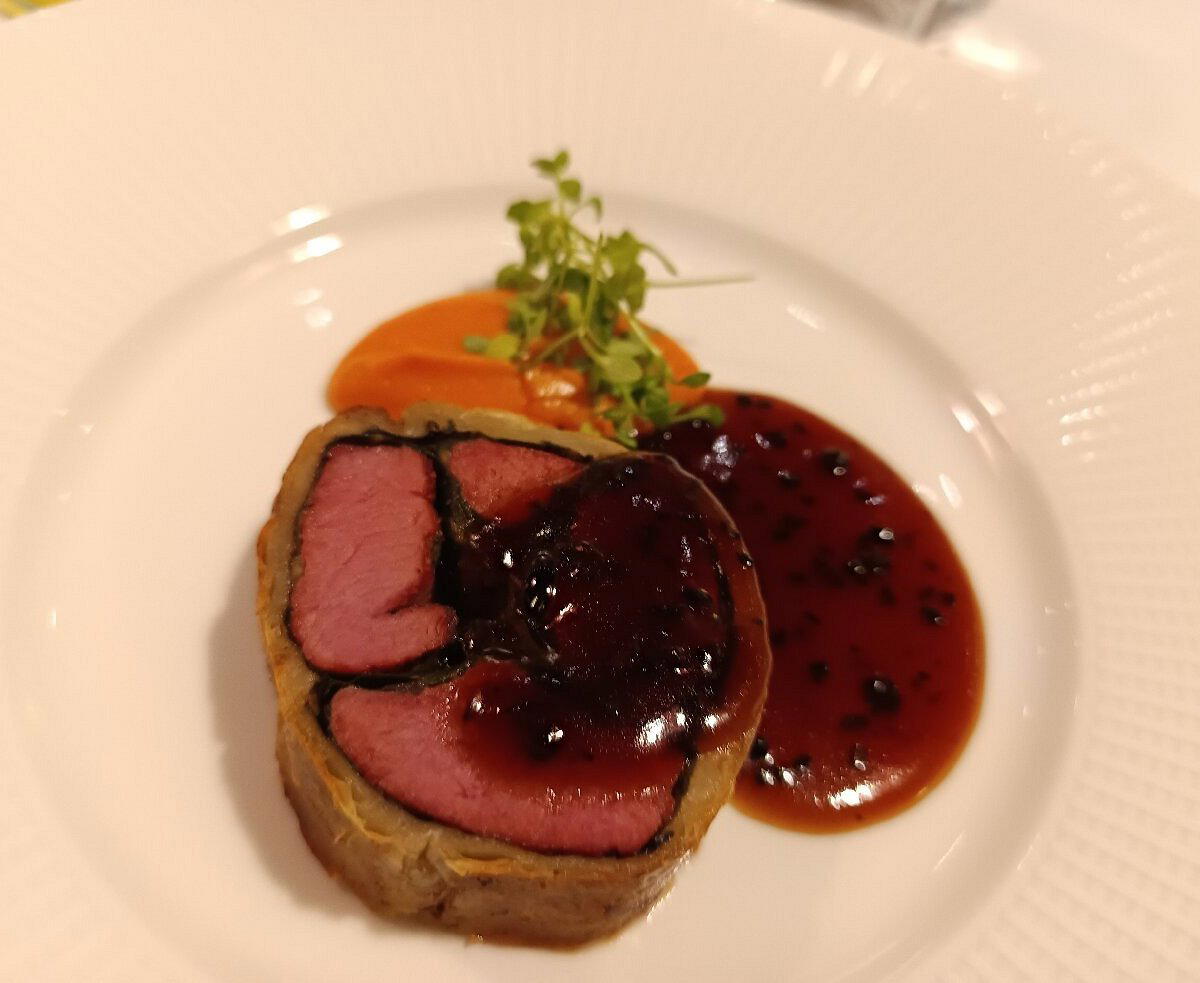
Stone, Vaults, and a Kitchen That Sources by Postcode
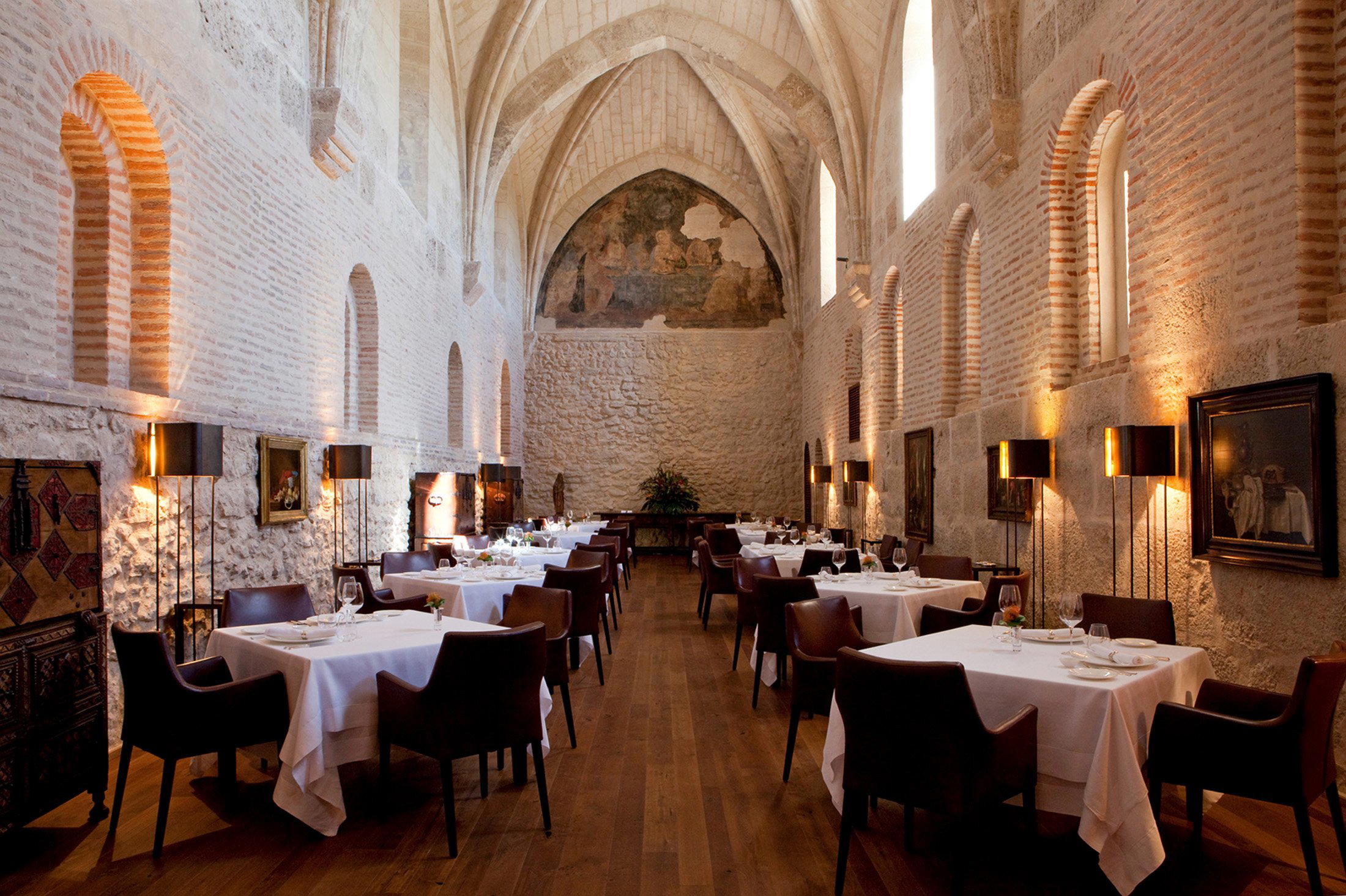
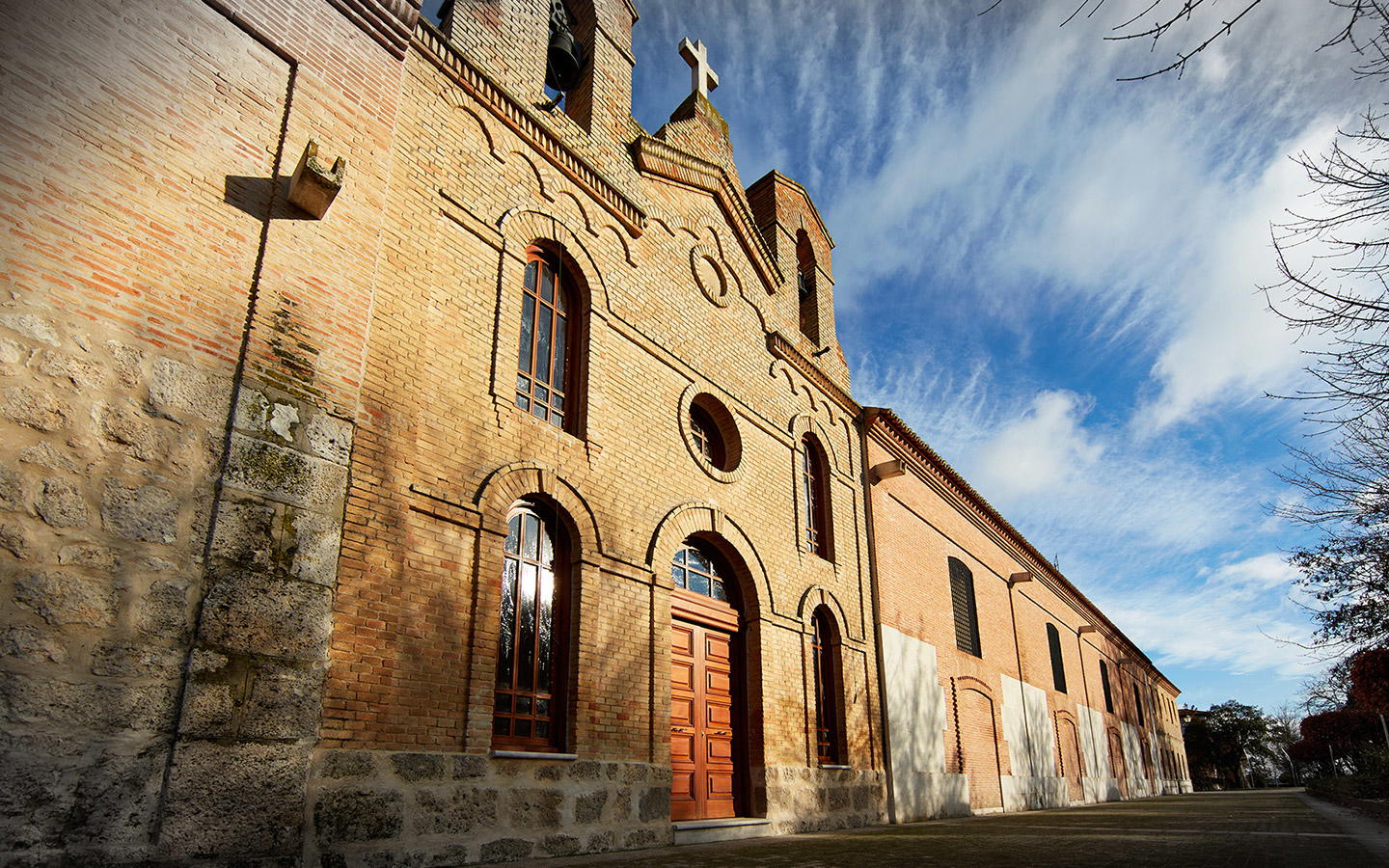
There is a particular kind of dining room that earns its atmosphere without effort: one where the architecture predates the concept of restaurants by eight centuries. The gourmet space inside Castilla Termal Monasterio de Valbuena, a 12th-century Cistercian monastery in the Valladolid countryside, belongs to that small category. Converso sits within the monastery's converted walls, accessed through the hotel's main restaurant and into a dining room whose stone and vaulting do the heavy lifting before a single plate arrives. The open-view kitchen sits at the room's heart, which means the contrast, medieval enclosure, contemporary kitchen discipline, is visible throughout the meal.
Castilla y León is not a region that typically draws the same international restaurant traffic as the Basque Country or Catalonia. Spain's avant-garde fine dining reputation has been built largely around venues like Arzak in San Sebastián, El Celler de Can Roca in Girona, or DiverXO in Madrid, all operating in cities or well-established gastronomic corridors. What makes Converso worth the detour into the Castilian interior is the cooking rooted in a specific patch of land, with a sourcing radius tight enough to be meaningful.
The Logic of the Larder
At Converso, ingredient provenance is applied with a level of specificity that separates genuine terroir-led cooking from the version that appears in press materials. Award-winning chef Miguel Ángel de la Cruz draws from a supply network that reads like a map of the Valladolid comarca: black truffles sourced from Canalejas de Peñafiel, honey brought in from Olmedo, sustainably produced prawns from the fish farm in Medina del Campo, artisanal bread from Quintanilla de Onésimo, and vegetables grown in the kitchen garden directly associated with the property. These ingredients represent a cooking philosophy built around what the land around the monastery actually produces.
That approach places Converso in a broader current running through Spanish fine dining, where particularly credible mid-tier and upper-tier restaurants are shifting away from generic premium imports toward hyper-local sourcing networks. Aponiente in El Puerto de Santa María built its three-star reputation on marine ingredients most suppliers ignored. Azurmendi in Larrabetzu maintains kitchen gardens and foraging programs tied directly to the surrounding Basque landscape. The pattern is consistent: particularly distinctive kitchens are the ones with a supply network that couldn't be transplanted to another city without losing its point. Converso belongs to that model, applying it to Castilian ingredients that rarely reach fine dining menus at all.
The black truffle from Canalejas de Peñafiel deserves particular mention as an ingredient. Peñafiel sits in the Ribera del Duero wine corridor, and the truffle production in the surrounding area remains less commercially visible than Périgord or Norcia equivalents, which makes its appearance on a tasting menu here carry genuine specificity. Similarly, the sustainably farmed prawns from Medina del Campo represent an inland aquaculture operation whose output is limited, placing them on a tasting menu reflects deliberate sourcing rather than a default to prestige seafood imports.
Two Menus, One Territory
Converso offers two tasting menu formats: Essentia and Centum. Both work across the same Castilian ingredient base and the same kitchen sensibility, traditional regional recipes interpreted through modern technique and creative application. The distinction between the two menus is one of scope and depth. Diners choosing between them are selecting how far into the kitchen's range they want to travel, not choosing between different cuisines or formats.
The cooking's reference point is Castilian tradition: a cuisine historically defined by roasted meats, legumes, game, and the agricultural produce of the Meseta. De la Cruz works within that frame rather than against it, applying contemporary technique to recipes and flavour combinations that have regional precedent. A dish centred on a truffled egg yolk from the property's own hens, served with crispy pork, is a good illustration of the method, the combination is simple and grounded in Castilian flavour logic, but the execution draws on the kind of precision that comes from serious kitchen training. That balance between familiarity and rigour is central to the menus here.
Where Converso Sits in Spain's Fine Dining Map
Spain's restaurant tier above a certain price and ambition level is dense with decorated addresses. Martin Berasategui in Lasarte-Oria, Mugaritz in Errenteria, Quique Dacosta in Dénia, and Cocina Hermanos Torres in Barcelona all represent versions of this tier at full international visibility. Converso operates in a different register: a serious kitchen with award-recognised leadership, but positioned inside a hotel in a region that receives a fraction of the gastronomic tourism of the north or east coast. That positioning is not a limitation, it is the condition that makes the sourcing story coherent. A kitchen this tightly tied to a specific comarca only makes sense when the restaurant itself is embedded in that territory.
For visitors staying at Castilla Termal Monasterio de Valbuena, access to Converso is built into the hotel experience. For those travelling specifically to dine here, the monastery sits in San Bernardo, in the Valladolid province, within the Ribera del Duero wine region. The surrounding area offers access to some of Castilla y León's most serious wine producers, which makes a visit to Converso a logical anchor for a broader regional itinerary.
Comparable Venues
Comparable venues nearby, for context on price, style, and recognition.
| Venue | Cuisine | Price | Awards | Notes |
|---|---|---|---|---|
| ConversoThis venue — the venue you are viewing | Contemporary Castilian | $$$ | Michelin Plate | Not listed |
| Caja de Cerillas | Quality Spanish Bistro | $$$ | Michelin Plate | Arapiles |
| ConSentido | Contemporary Castilian | $$$ | Michelin Plate | Plaza del Mercado |
| Ruge | Spanish Grill & Rice with Nikkei Influences | $$$ | Michelin Plate | Guadarrama |
| La Maruca - Velázquez | Modern Cantabrian Spanish Tapas | $$$ | Michelin Plate | Recoletos |
| Estrella del Bajo Carrión | Traditional Spanish with Castilian Heritage | $$$ | Michelin Plate | Frómista |
Recognition history
Dated appearances from independent guides and award organizations, with the underlying list record or original source where available.
Michelin Plate
Michelin
Continue exploring
More in San Bernardo
Restaurants in San Bernardo
Browse all →
Bars in San Bernardo
Browse all →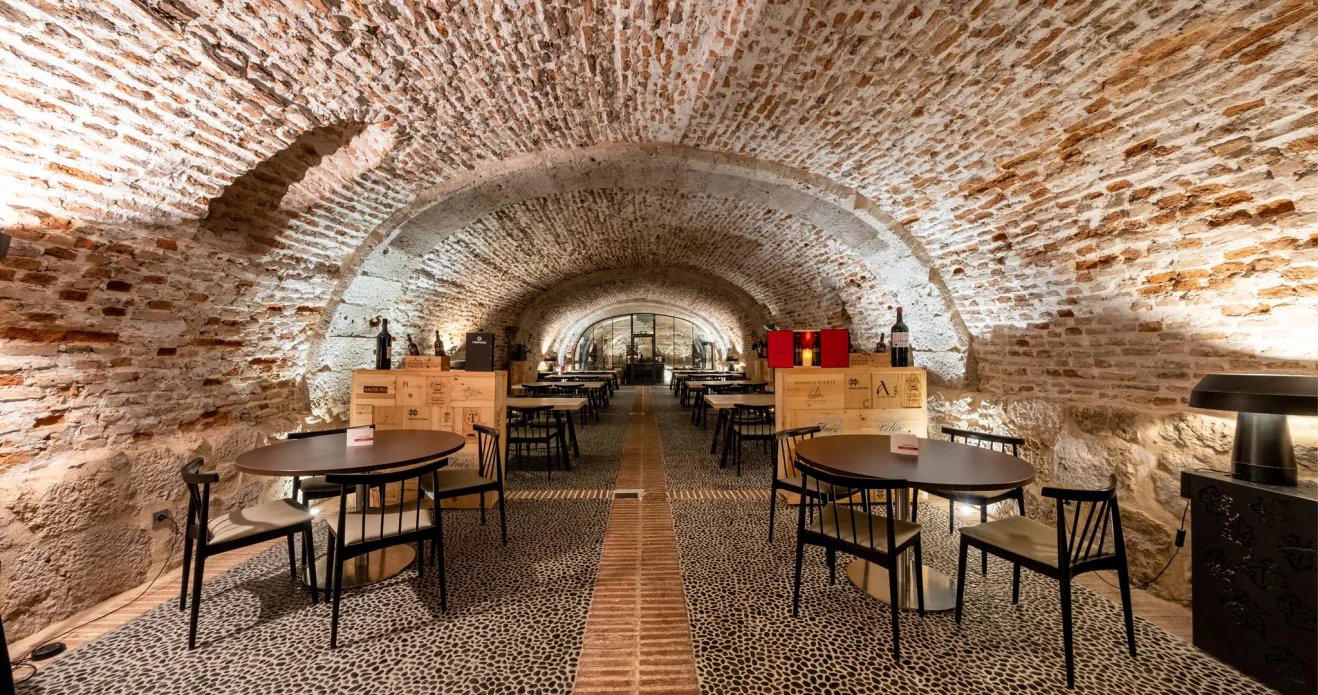
Hotels in San Bernardo
Browse all →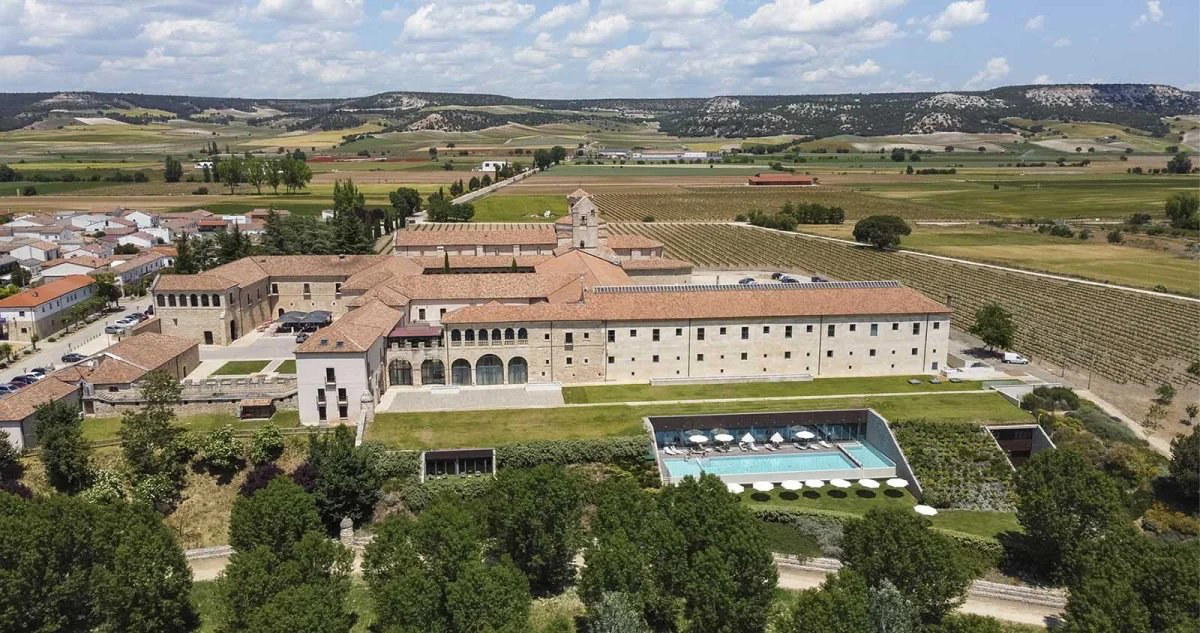

At a Glance
- Elegant
- Intimate
- Sophisticated
- Cozy
- Special Occasion
- Date Night
- Open Kitchen
- Historic Building
- Hotel Restaurant
- Extensive Wine List
- Sommelier Led
- Local Sourcing
- Farm To Table
Current opening hours
- Monday
- Closed
- Tuesday
- 8:20–9:45 PM
- Wednesday
- 8:20–9:45 PM
- Thursday
- 8:20–9:45 PM
- Friday
- 8:20–9:45 PM
- Saturday
- 1:30–2:45 PM, 8–9:45 PM
- Sunday
- Closed
Hours can change for holidays and private events. Last verified .
Calm, focused dining room with warm lighting, original stonework, and an open-view kitchen in a historic setting.