
Falstaff Winery - Listed
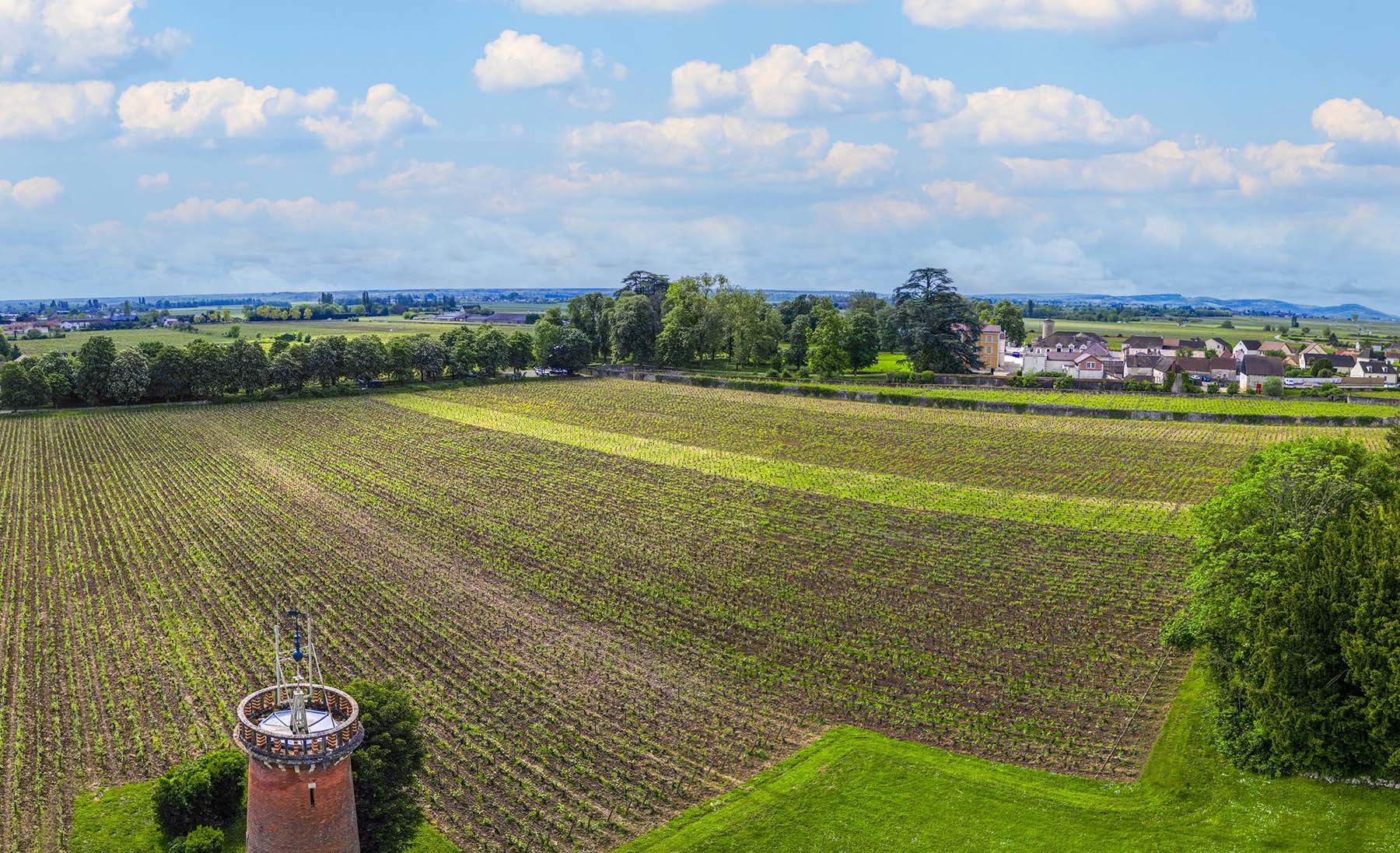
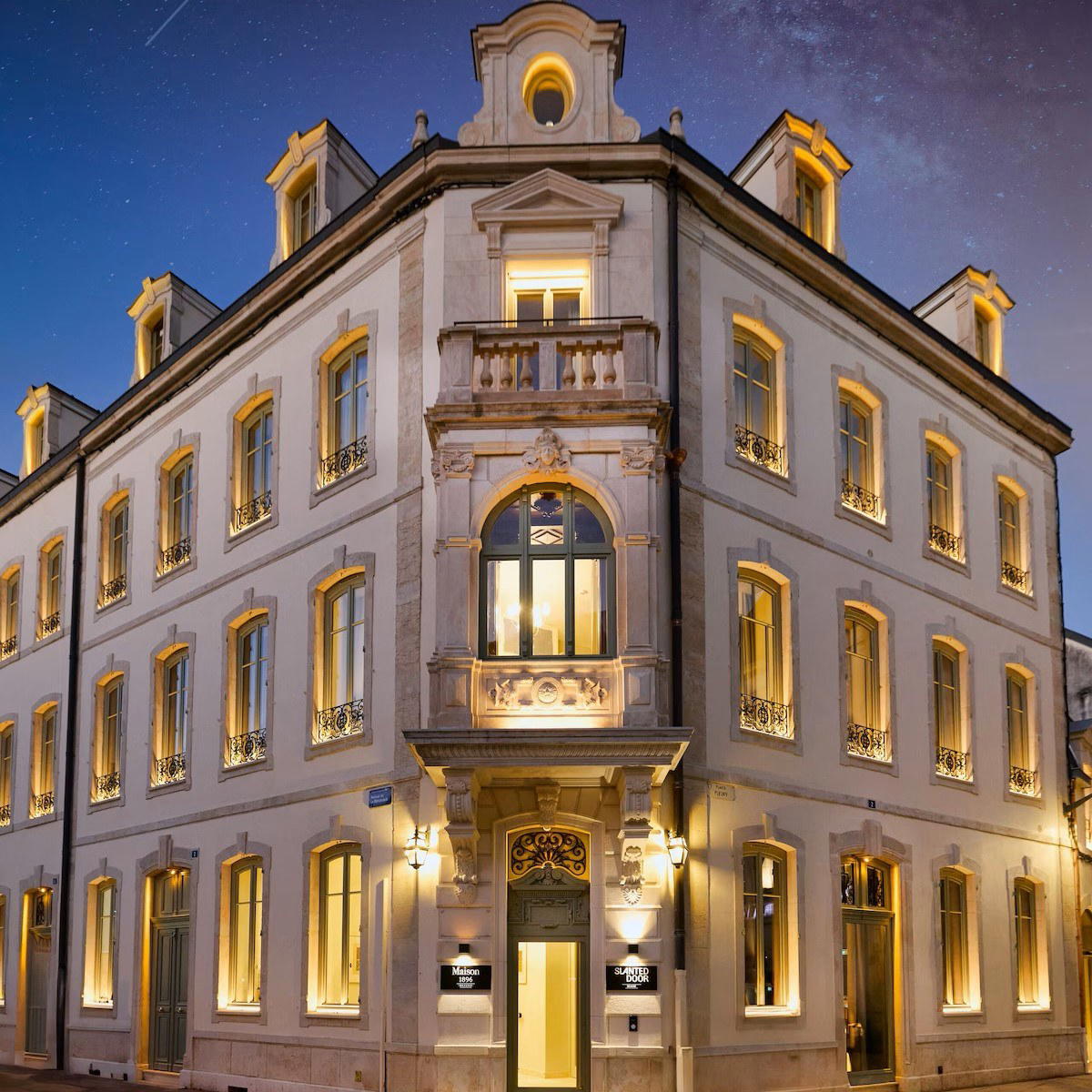
One of the Côte de Beaune's most storied domaines, Château de Meursault sits at the architectural and vinous centre of a village whose name is synonymous with Burgundy's greatest white wines..

Pearl is the En Primeur Club membership app — saves, bookings, and concierge access live there. Same editors, same standards.
- Address
- Rue Charles Giraud, 21190 Meursault
- Phone
- +33 3 80 26 22 75
- Website
- chateau-meursault.com
- Directions
- Get directions
Where Limestone Meets Cellar: The Terroir Case for Meursault
There is a particular quality of light in the village of Meursault on a still autumn morning, when the Côte d'Or's limestone escarpment catches the low sun and the smell of fermentation drifts from open cellar doors along Rue Charles Giraud. This is not a picturesque detail; it is an accurate description of how terroir functions at its most legible. The geology beneath Meursault — Bathonian and Oxfordian limestones, interlayered with clay in proportions that shift meaningfully from parcel to parcel — is directly responsible for the village's white wine character: that combination of nutty richness, mineral tension, and the slow-developing structure that separates premier cru Meursault from almost anything else Burgundy produces in Chardonnay.
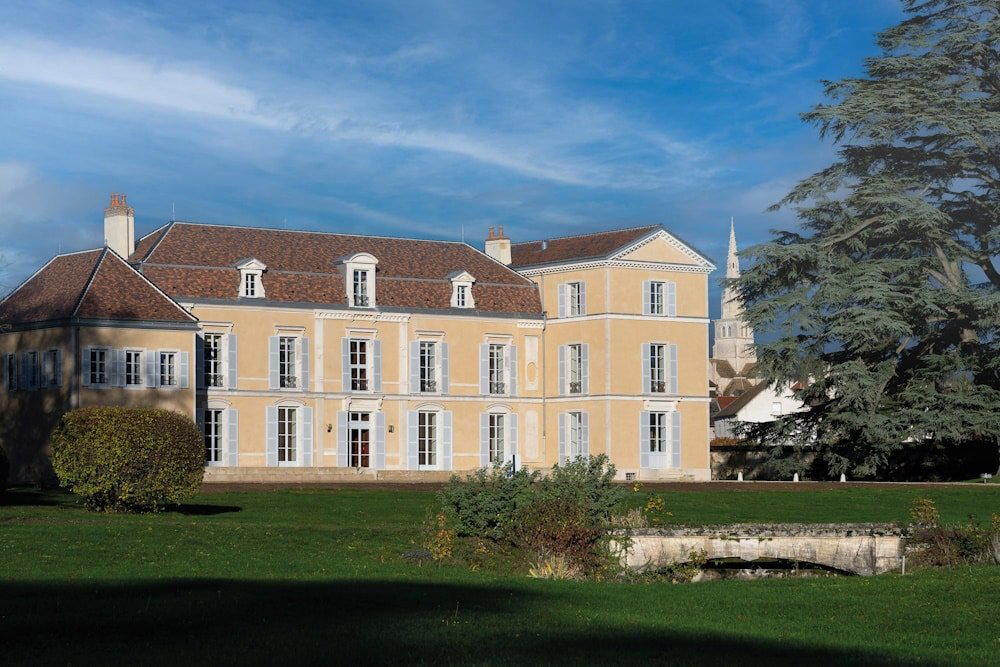
Château de Meursault, addressed on Rue Charles Giraud in the village centre, occupies one of the most architecturally complete domaine sites in the Côte de Beaune. Understanding where Château de Meursault sits requires understanding the competitive context it operates in, which is one of the most closely watched white wine appellations in the world.
The Geology Behind the Glass
Meursault's soils divide, broadly, into upper-slope vineyards with more exposed limestone and better drainage, and mid-slope parcels where clay content increases and the wines gain weight and texture. The premier crus that define the appellation's reputation, Les Perrières, Les Charmes, Les Genevrières, each occupy distinct bands within this geological gradient. Les Perrières, sitting highest with the most stone, consistently produces the most mineral, age-worthy expression. Les Charmes, richer in clay mid-slope, runs toward generosity. Les Genevrières occupies a middle register, often the most architecturally balanced of the three.
This is not abstract terroir theory. It is observable in how wines from these parcels behave across vintages. In warm years like 2020, the clay-inflected sites can tip toward heaviness without careful harvesting discipline; in cooler, later years like 2021, they build the acid frame that allows the wines to age. The limestone-dominant upper slopes are more consistent across vintage variation, which is why Les Perrières has the longest case for premier cru elevation to grand cru status, a debate that resurfaces periodically among producers and critics alike. Domaines working across multiple Meursault premiers crus, such as Domaine Antoine Jobard and Domaine Chavy-Chouet, offer useful cross-section readings of how these soil differences express themselves across a single producer's range.
Château de Meursault Within the Village's Producer Hierarchy
The Meursault producer landscape has two broad tiers: the allocation-controlled domaines, Domaine Henri Boillot, Domaine Coche-Dury, Domaine Roulot, Domaine des Comtes Lafon, Domaine Arnaud Ente, whose wines trade at significant premiums and are distributed through tight mailing lists or negociant channels; and a second tier of historically significant, larger-footprint producers whose accessibility is comparatively broader. Château de Meursault belongs to the latter category. Its scale and estate architecture suggest a production volume well above the micro-domaine level, and its positioning as a visitor-accessible estate reflects that broader commercial orientation.
This distinction matters for the informed visitor. The allocation-restricted producers, Coche-Dury most prominently, but also Roulot and Comtes Lafon, are effectively inaccessible to walk-in visitors, and even securing bottles through normal retail channels requires long-standing relationships with wine merchants. Château de Meursault offers something those domaines cannot: physical access to the estate, cellar visits, and wines available for purchase on-site. For a visitor arriving in Meursault without those established allocation relationships, the Château functions as the village's most substantial point of entry. Domaine Jacques Prieur, which holds parcels across multiple Côte d'Or appellations including Meursault, offers a comparable multi-appellation context for those building a broader Burgundy itinerary.
At that level, the expectation is not the micro-production, single-parcel intensity of the allocation-only domaines, but rather consistent expression of appellation character at scale, which, in a village as terroir-defined as Meursault, is itself a significant achievement.
Reading the Estate: What the Architecture Tells You
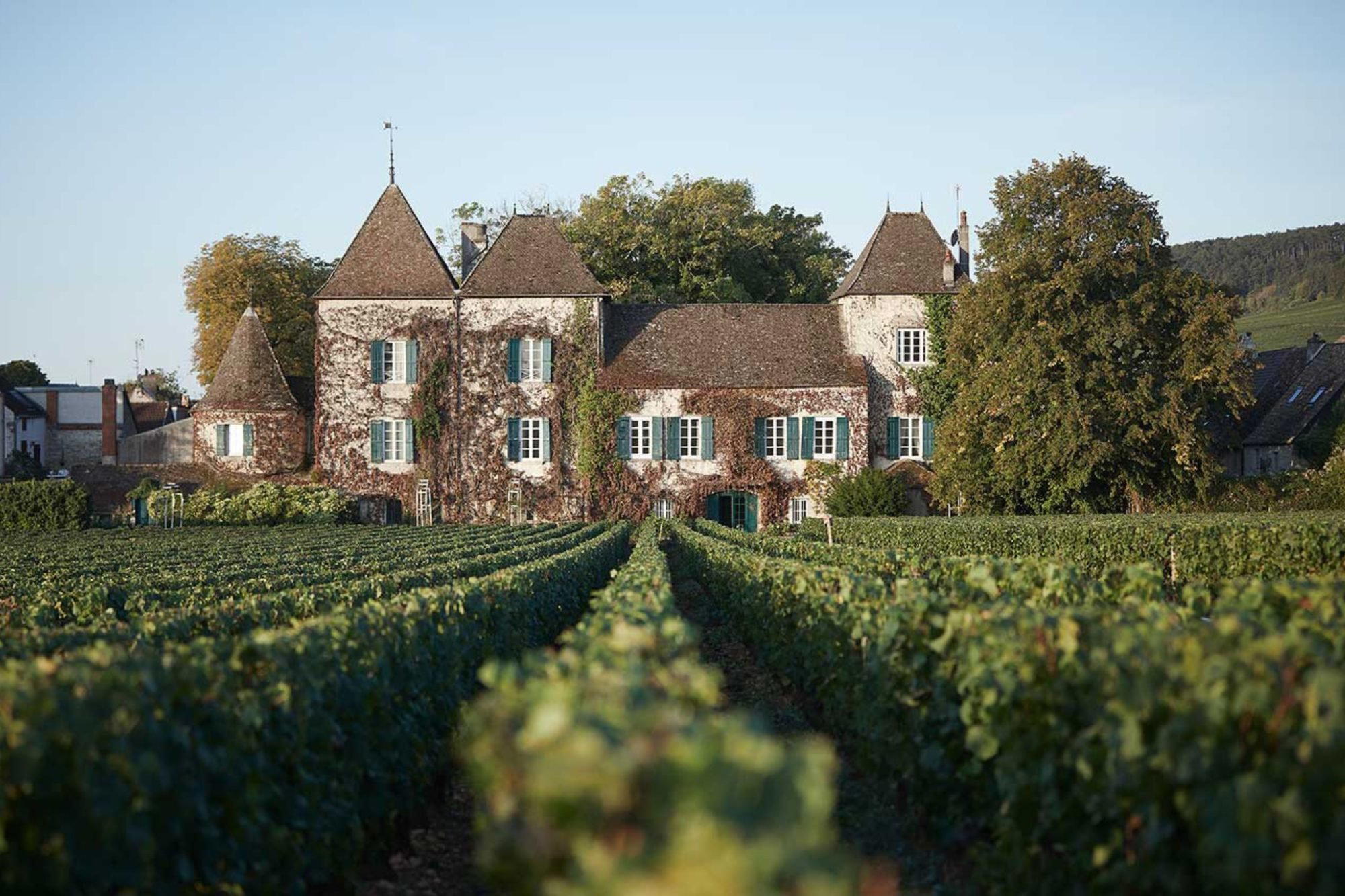
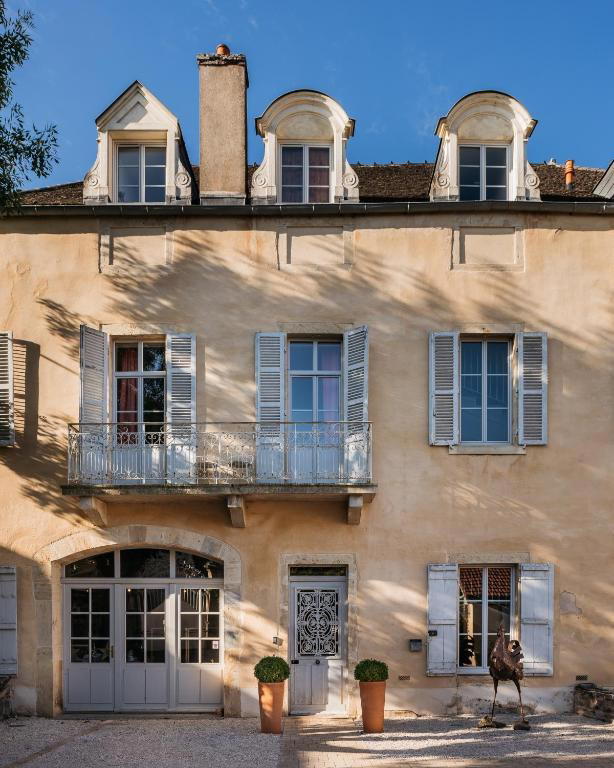
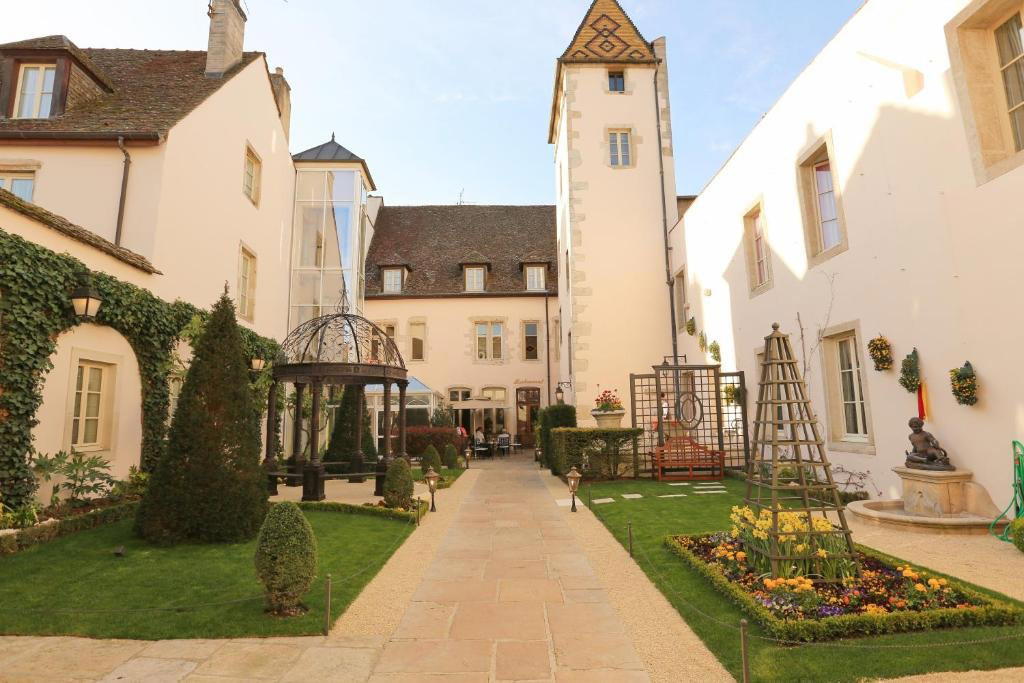
The château buildings and cellar complex on Rue Charles Giraud reflect the 19th-century investment patterns of Burgundian négociant wealth, the period when Beaune and its surrounding villages attracted capital from wine merchants who built the physical infrastructure of caves and château structures that still define the region's visitor experience. That architectural inheritance shapes what a visit to Château de Meursault actually involves: stone cellar corridors, substantial barrel ageing capacity, and the visual language of a domaine built for both production and reception. This is a different experience from visiting the farmhouse-scale operations of Domaine Bernard Bonin or other village-scale producers where the domestic and the viticultural are barely separated.
For broader Burgundy context, visitors building multi-domaine itineraries around the Côte de Beaune often use Meursault as an anchor stop given its density of producers per square kilometre. The village sits between Puligny-Montrachet to the south and Volnay to the north, placing it at the geographic centre of the Côte de Beaune's white wine identity. Access from Beaune is direct by car, approximately six kilometres south on the D973, making it a practical base for a day that might also cover Puligny or Chassagne-Montrachet premier cru producers. For visitors with a wider French wine agenda, comparable prestige-tier estate experiences are available at Château Bélair-Monange in Saint-Emilion, Château Batailley in Pauillac, or Château Branaire Ducru in St-Julien, each operating within the Bordeaux château visit format rather than the Burgundy domaine model.
Practical Considerations for a Visit
Château de Meursault operates as a functioning visitor estate, which places it in a distinct category from the appointment-only, relationship-dependent domaines that dominate Meursault's upper allocation tier. Visitors intending to visit during the harvest period (typically late September to mid-October depending on the vintage) should note that cellar activity during that window affects the character of any visit, as working harvest estates prioritise production over hospitality. The quieter spring and early summer months often allow more considered tastings. The estate's address on Rue Charles Giraud places it centrally within the village, walkable from the main square. For dining context around a visit, our full Meursault guide covers the village's broader options.
Those building a regional itinerary that extends beyond Burgundy might consider how Château de Meursault's prestige-tier positioning compares to similarly rated estates in other French appellations, Château Bastor-Lamontagne in Preignac for Sauternes, or Albert Boxler in Niedermorschwihr for Alsace's equivalent of single-parcel white wine complexity. The comparison is useful less for ranking than for understanding how different French wine regions have constructed their prestige tiers around terroir specificity. Meursault's version of that project remains, in 2025, among the most geologically coherent in France.
Comparable Spots, Quickly
Comparable venues nearby, for context on price, style, and recognition.
| Venue | Cuisine | Price | Awards | Notes |
|---|---|---|---|---|
| Château de MeursaultThis venue — the venue you are viewing | Chardonnay, Pinot Noir | $50–100 | Falstaff Winery - Listed | Not listed |
| Domaine Antoine Jobard | Chardonnay, Pinot Noir | Not listed | Falstaff Winery - Listed | Meursault |
| Domaine Pierre Morey | Chardonnay, Pinot Noir | Not listed | Michelin Main Selection · Falstaff Winery - Listed | Meursault |
| Domaine Jacques Prieur | Pinot Noir, Chardonnay | Not listed | Falstaff Winery - 4 Stars | Meursault |
| Domaine Marthe Henry | Chardonnay, Pinot Noir | Not listed | Not listed | Meursault |
| Domaine Pierre Matrot - Thierry et Pascale Matrot | Chardonnay, Pinot Noir | Not listed | Falstaff Winery - Listed | Meursault |
Recognition history
Dated appearances from independent guides and award organizations, with the underlying list record or original source where available.
Falstaff Winery - Listed
Falstaff
Continue exploring
More in Meursault
Wineries in Meursault
Browse all →
Bars in Meursault
Browse all →
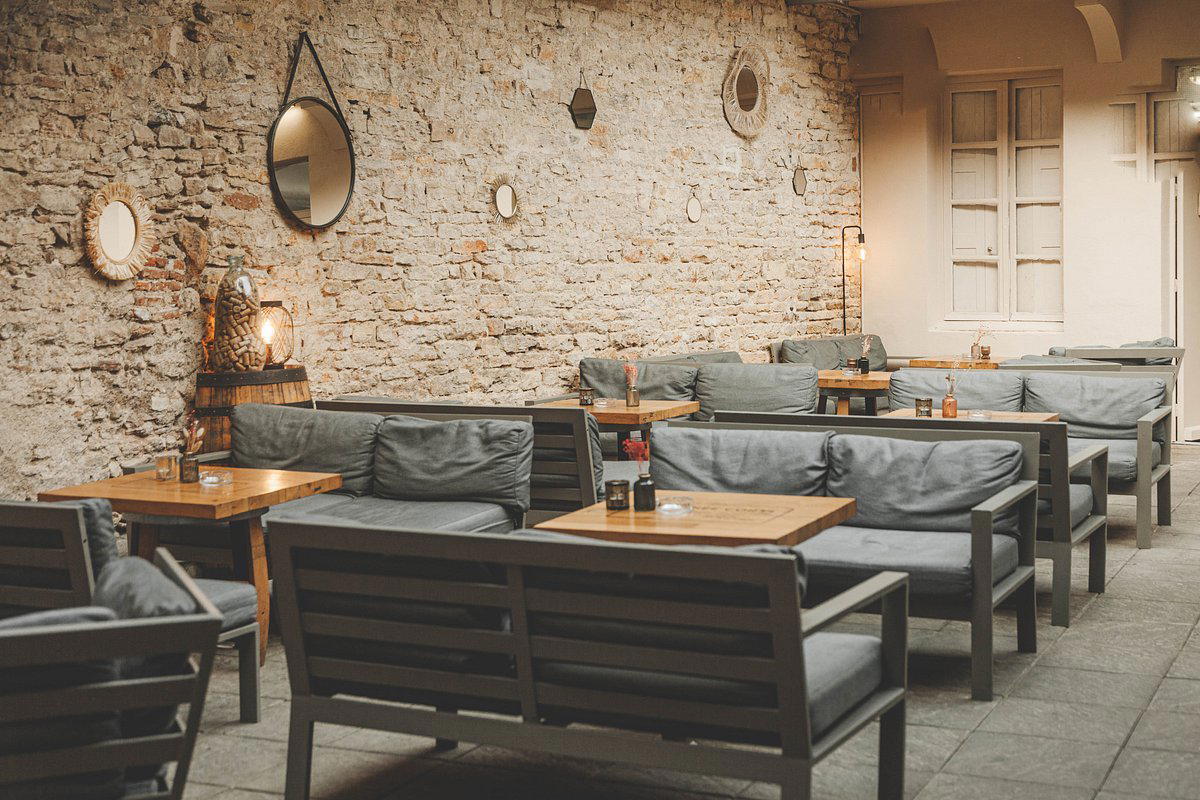
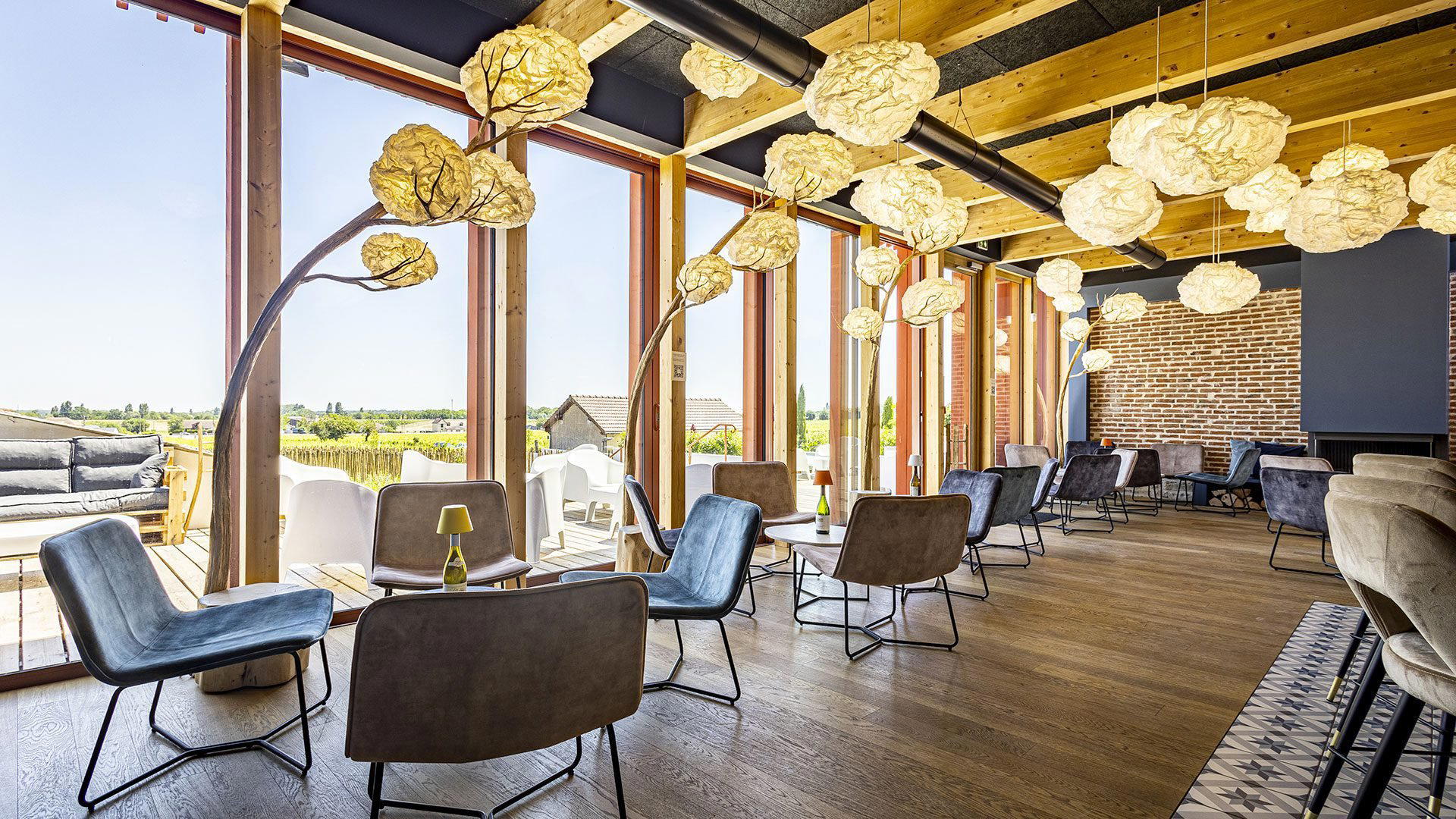
Restaurants in Meursault
Browse all →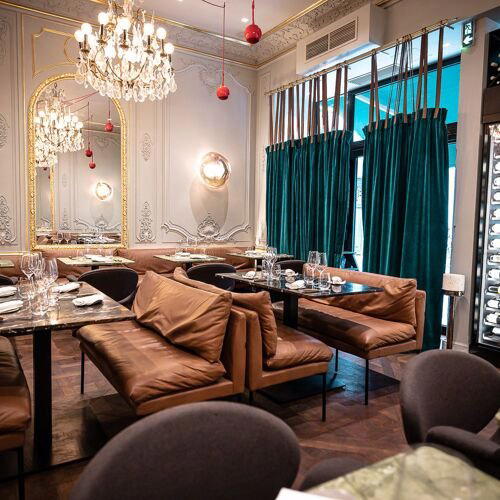
Details
- Elegant
- Classic
- Scenic
- Sophisticated
- Romantic
- Wine Education
- Romantic Getaway
- Group Outing
- Special Occasion
- Cave Tasting
- Estate Grounds
- Historic Building
- Terrace
- Panoramic View
- Vineyard Tour
- Organic
- Sustainable
- Vineyard
- Chardonnay
- Pinot Noir
- Still White
- Still Red
- Guided Cellar Tour With Tasting
- Private Tasting
- Grand Terroirs Tasting
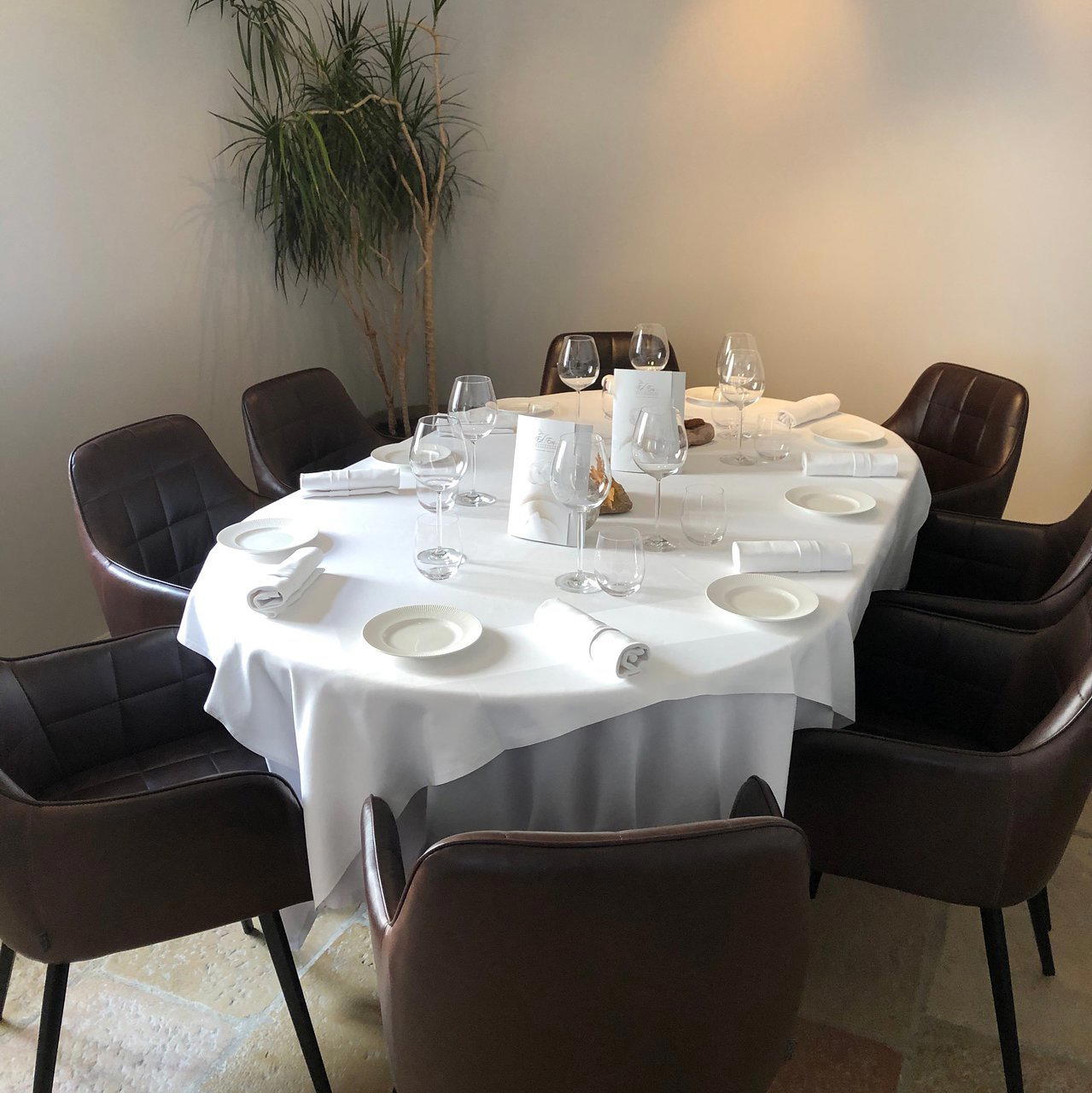
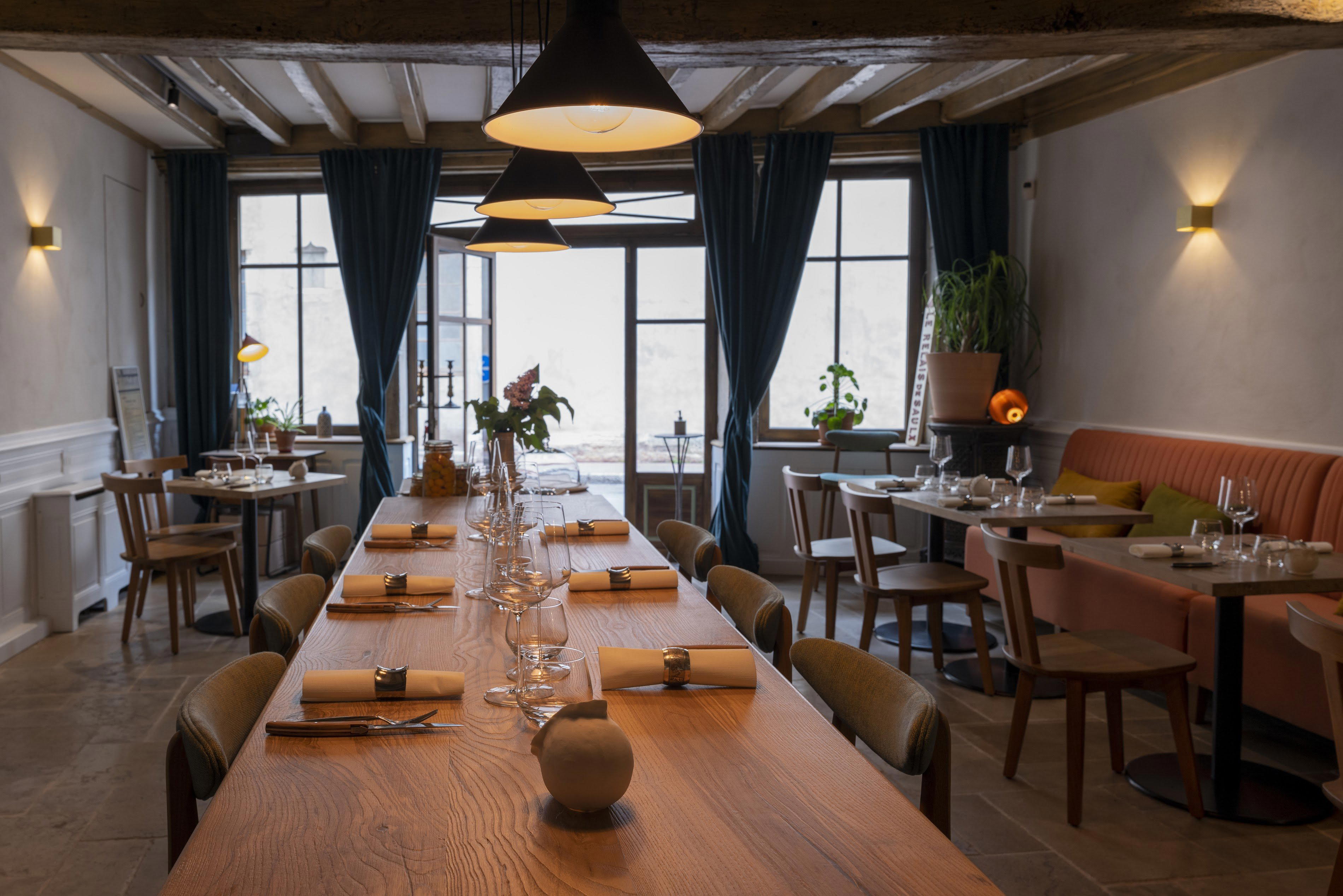
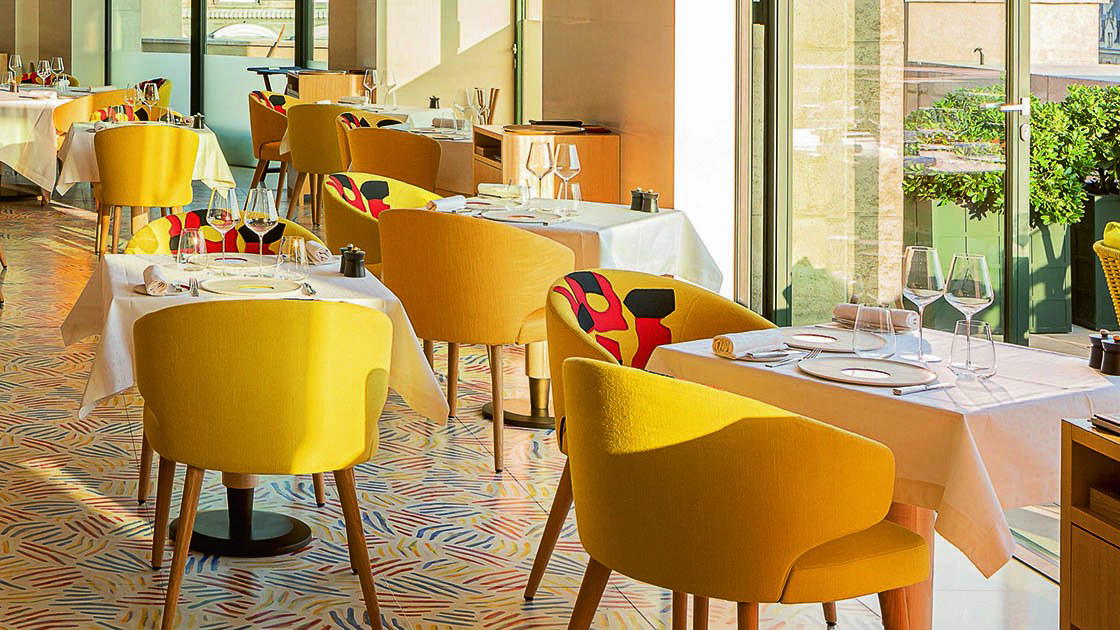
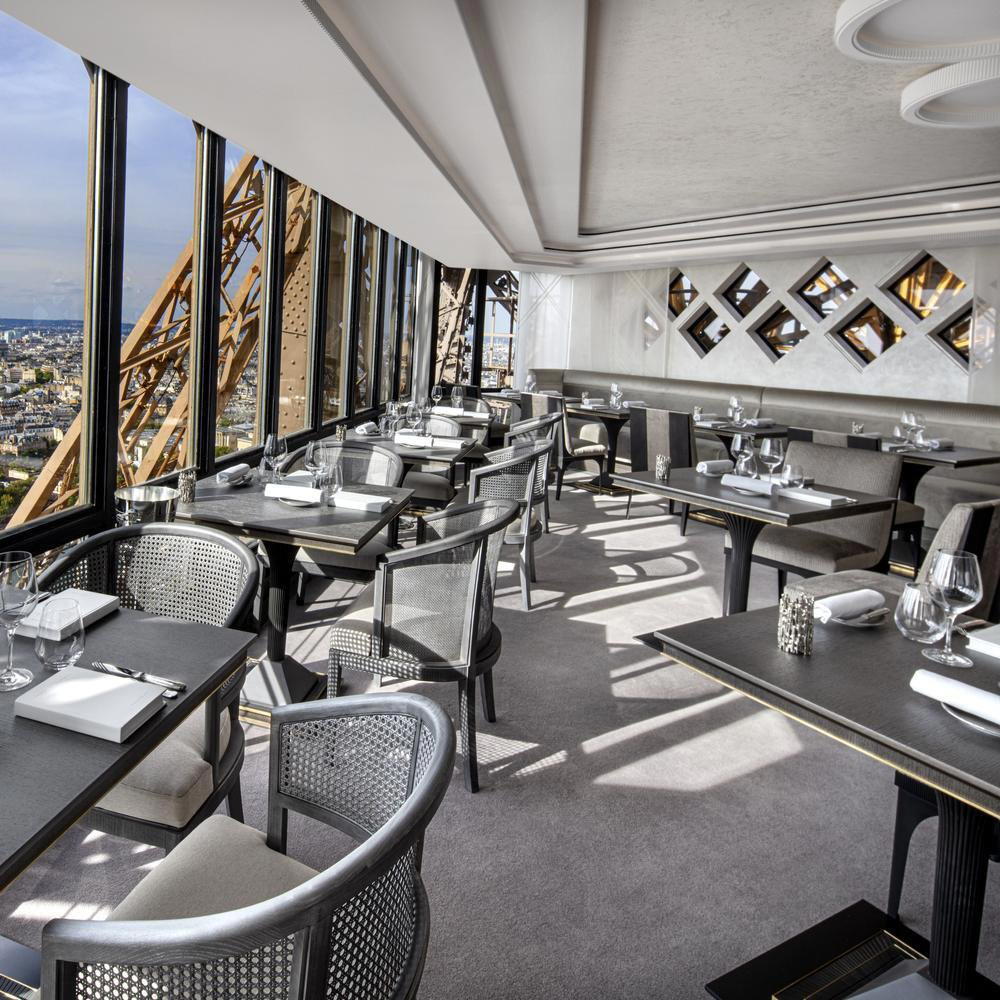
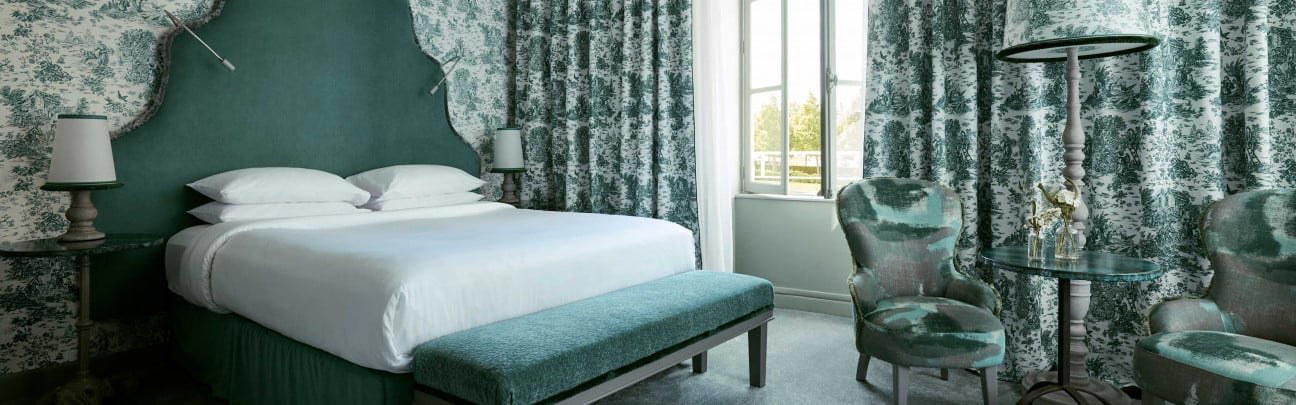
Elegant and refined atmosphere in renovated château lounges opening onto a terrace with far-reaching vineyard views; historic cistercian cellars with superb double arches create a distinctive, atmospheric setting.