

Under winemaker Dominique Befve, the property works with the appellation's characteristically fine-grained terroir to produce wines that compete directly against Margaux's most recognised Second Growths.
Pearl is the En Primeur Club membership app — saves, bookings, and concierge access live there. Same editors, same standards.
- Address
- 1 Cr de Verdun, 33460 Margaux-Cantenac
- Phone
- +33 5 57 88 70 66
- Website
- chateau-lascombes.com
- Directions
- Get directions
 Saves & bookings on Pearl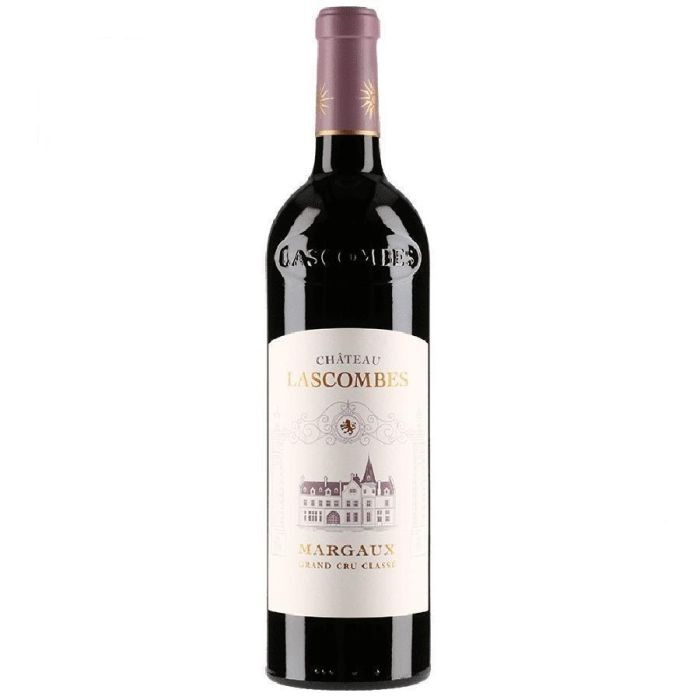
Gravel, Silence, and the Médoc Afternoon
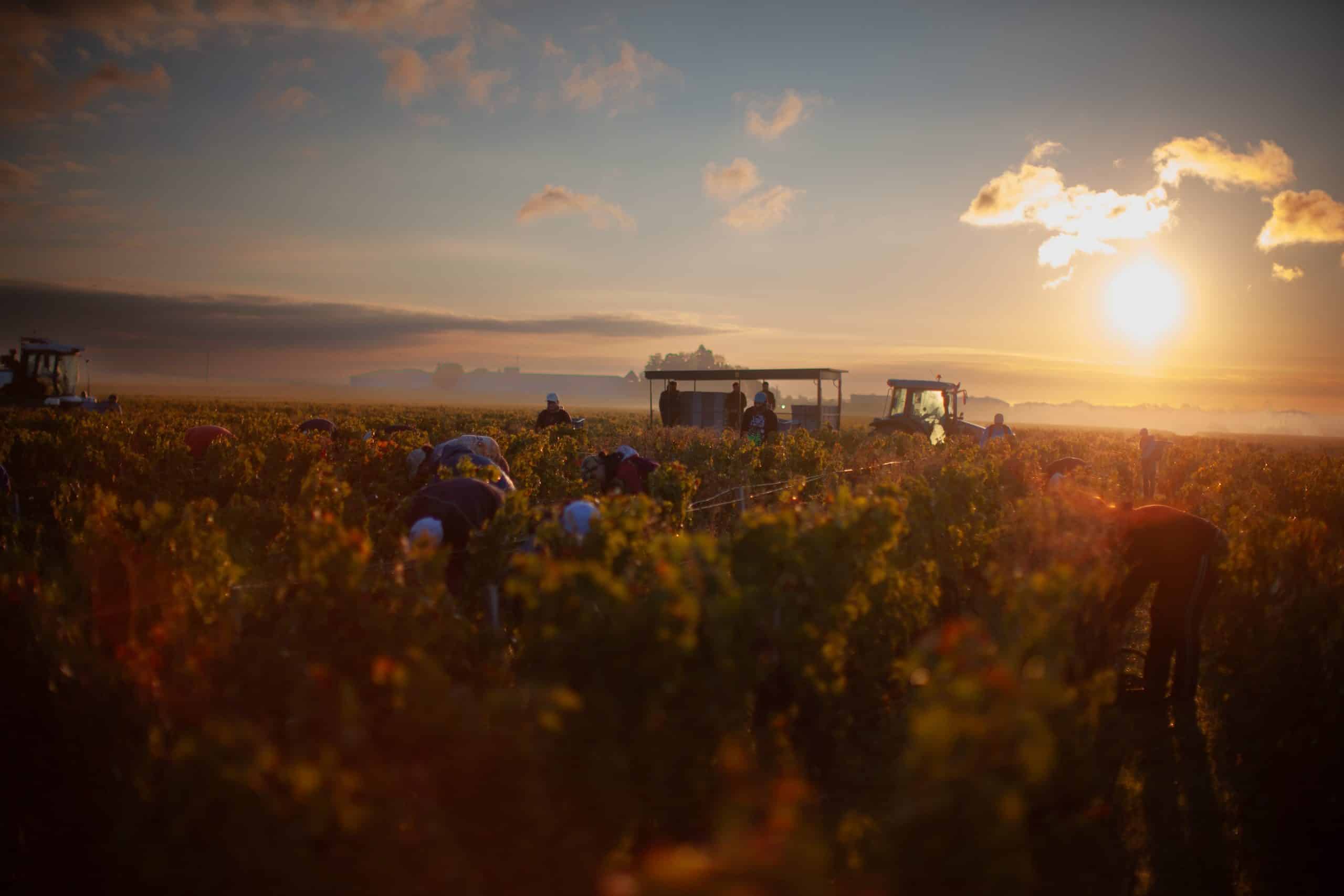
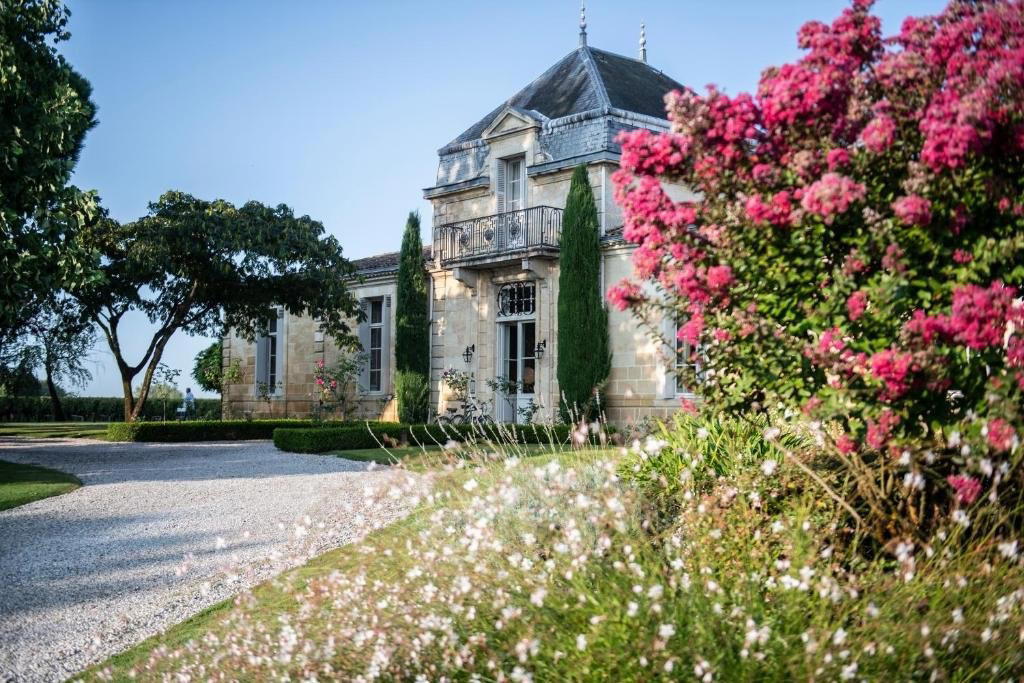
Approaching Château Lascombes along the Cours de Verdun, the Médoc's signature flatness works in the estate's favour. The vine rows run low and uninterrupted toward the horizon, the gravel soils pale in afternoon sun, and the château itself sits with a composure that belongs less to architectural ambition than to long occupation of productive land. This is what the Margaux commune looks like when it is not performing for visitors: orderly, agricultural, and grounded in the logic of the 1855 Classification that still organises the appellation's commercial life. Lascombes arrived in that classification as a Second Growth, and the estate has spent the better part of two centuries trying to live up to that original placing.
The physical setting matters to understanding the wine. Margaux's gravel-over-clay soils — particularly the deep Günzian gravel beds that concentrate heat and drain rapidly — produce fruit with a fineness that distinguishes appellation Margaux from its Pauillac and Saint-Julien neighbours. That terroir character shows in the glass as aromatic lift, a certain silkiness on the palate, and tannins that read more supple than the structured weight typical of northern Médoc. Lascombes draws on that shared appellation identity while managing a substantial estate footprint that puts it among the larger Second Growth holdings in the commune.
The Margaux appellation runs its classified estates from First to Fifth Growth, with the best of that hierarchy occupied by Château Margaux itself, a reference point against which every other producer in the commune is implicitly measured.
Margaux commune also sits in a wider Médoc comparison. Across the Gironde estuary's left bank, estates like Château Batailley in Pauillac and Château Branaire Ducru in St-Julien occupy equivalent classified tiers in their respective appellations. The stylistic contrasts between those communes, Pauillac's weight and structure, Saint-Julien's textural precision, Margaux's aromatic elegance, are among the defining reference points in Bordeaux literacy, and Lascombes, as one of the larger and more prominent Second Growths, contributes meaningfully to the Margaux argument in that broader conversation.
Dominique Befve and the Technical Framework
Winemaking at classified Médoc estates follows patterns that have been refined over generations: the management of Cabernet Sauvignon as the structural backbone, the role of Merlot in softening and adding mid-palate weight, the timing of harvest in the Médoc's often-compressed autumn window, and the decisions around oak ageing that shape the wine's trajectory over the decade-plus drinking windows typical of serious Bordeaux. Winemaker Dominique Befve operates within that framework at Lascombes.
It is worth noting what the Margaux classification demands of winemakers in practice. Cabernet Sauvignon in the appellation ripens with an aromatic profile, violets, blackcurrant, tobacco leaf, that differs from the bolder fruit tones of Pauillac Cabernet, and managing that character through fermentation and oak without losing the varietal delicacy is the central technical challenge. Estates that get this right produce wines capable of twenty-year evolution; those that over-extract or over-oak produce technically correct but charmless bottles. The consistent classified-growth track record across the Margaux commune, reinforced by recognition like the Pearl Prestige tier, suggests the calibration at properties like Lascombes sits closer to the former outcome.
The Estate in the En Primeur Context
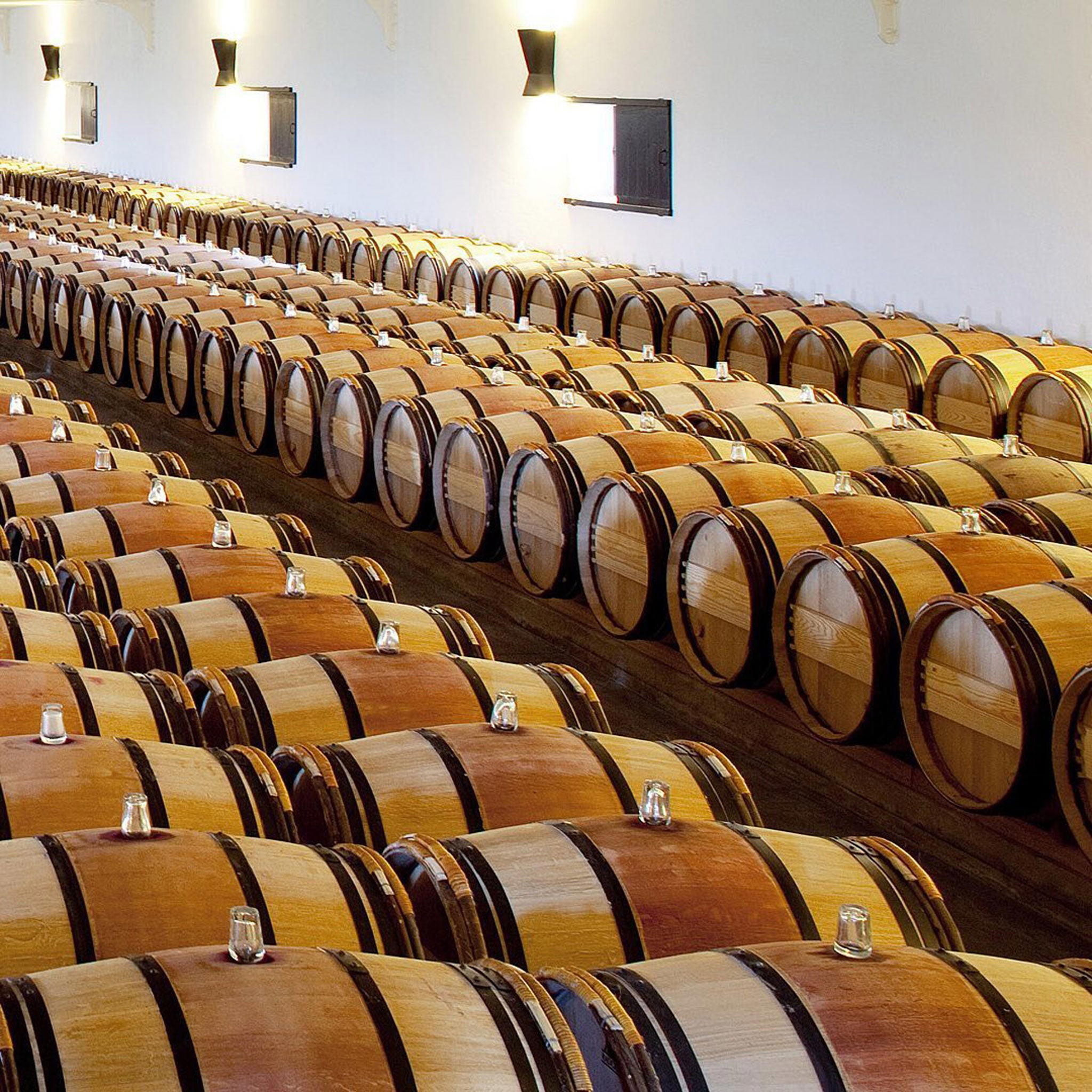
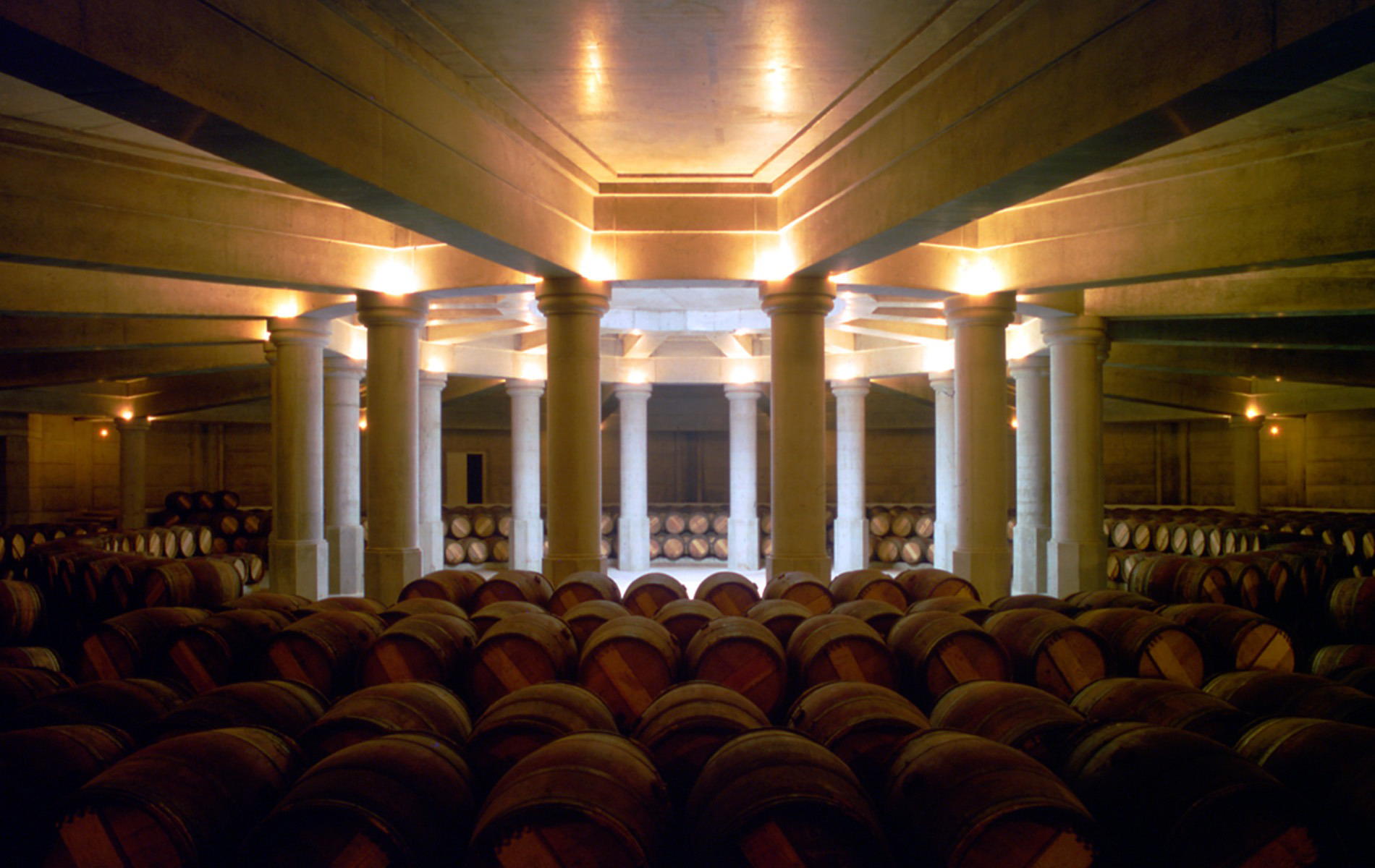
Château Lascombes is among the Médoc estates where the en primeur system has both commercial and experiential relevance for collectors. Bordeaux's en primeur campaign runs each spring, typically in late March and April, when the previous year's vintage is offered as barrel samples for purchase before bottling. For Second Growth Margaux, this means buyers are committing to wines that will not be released for two years and may not reach drinking maturity for five to fifteen years beyond that. The decision to buy en primeur versus waiting for back vintages involves assessments of vintage quality, release pricing against the secondary market, and the specific trajectory of each estate's style.
For visitors to the Médoc who want to understand the physical scale of classified-growth viticulture, the D2 route through Margaux-Cantenac that runs past the estate provides an unmediated view of how these properties operate in agricultural rather than purely commercial terms. The address at 1 Cours de Verdun places it within the commune's main estate corridor, accessible for those combining visits to multiple classified properties in a single day. Margaux itself is a compact commune, and pairing a visit with the broader appellation context available through our full Margaux restaurants and wine guide will help frame what you are seeing within the appellation's complete classified hierarchy.
Placing Lascombes in a Broader Collector Framework
Collectors who engage with Margaux through Lascombes often hold parallel positions in other classical French appellations. In Alsace, Albert Boxler in Niedermorschwihr represents a different scale of precision winemaking, while in Saint-Emilion, Château Bélair-Monange occupies the right bank equivalent of a classified-growth conversation. Beyond France, the comparative framework extends to Napa, where Accendo Cellars in St. Helena addresses a Cabernet-serious audience that overlaps significantly with Médoc buyers. The breadth of that collector community, which also tracks producers like Château Bastor-Lamontagne in Preignac and Château Boyd-Cantenac in Cantenac, reflects how classified Bordeaux functions less as a regional speciality and more as a reference currency against which wines from other regions are priced and evaluated. For those approaching Lascombes from outside the Bordeaux system, that currency context is the most useful frame: this is a Second Growth in the appellation that produced the most famous Cabernet Sauvignon in the world, rated at a level that places it above the classified median.
Recognition history
Dated appearances from independent guides and award organizations, with the underlying list record or original source where available.
Falstaff Winery - 3 Stars
Falstaff
Michelin Main Selection
Michelin
Continue exploring
More in Margaux
Wineries in Margaux
Browse all →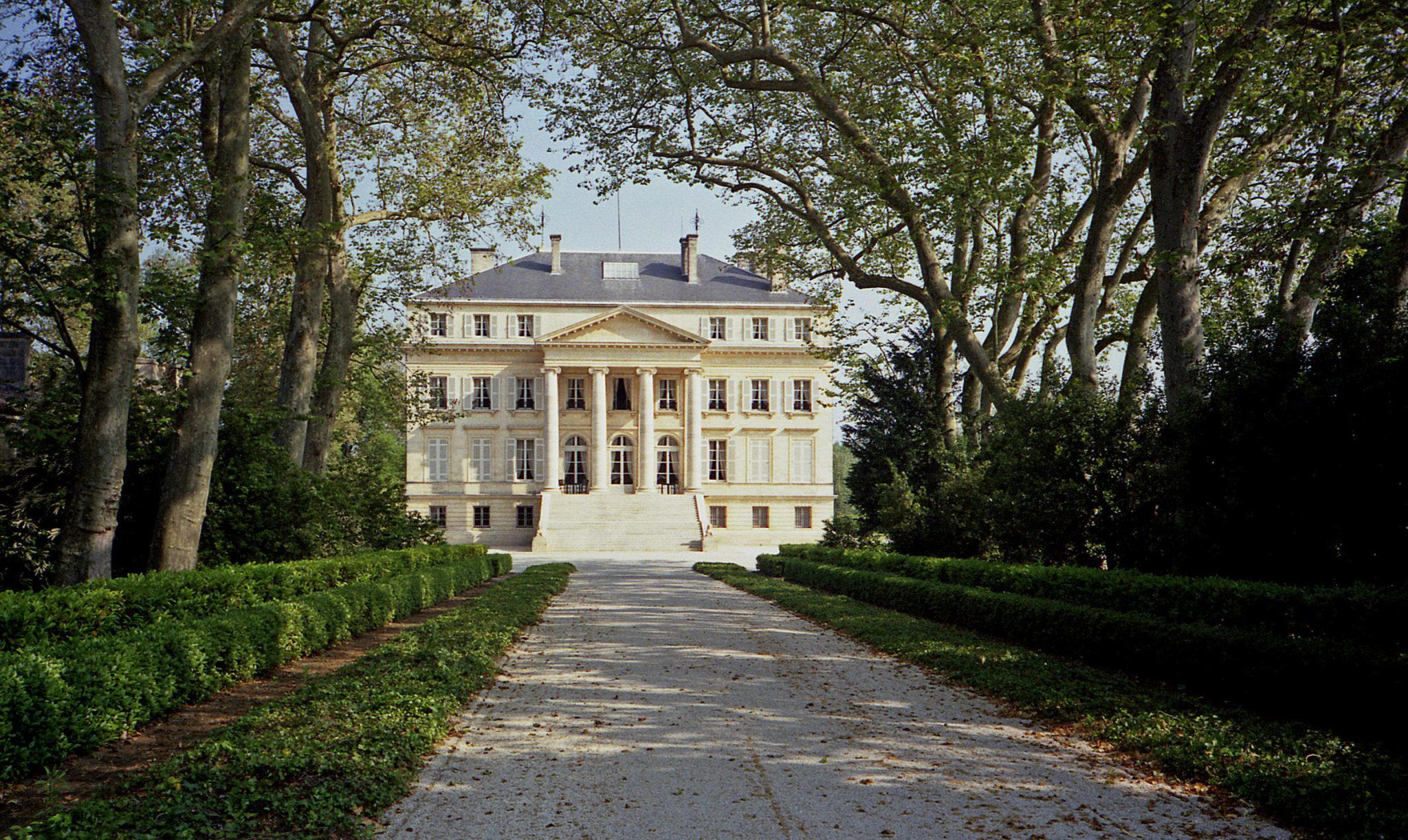
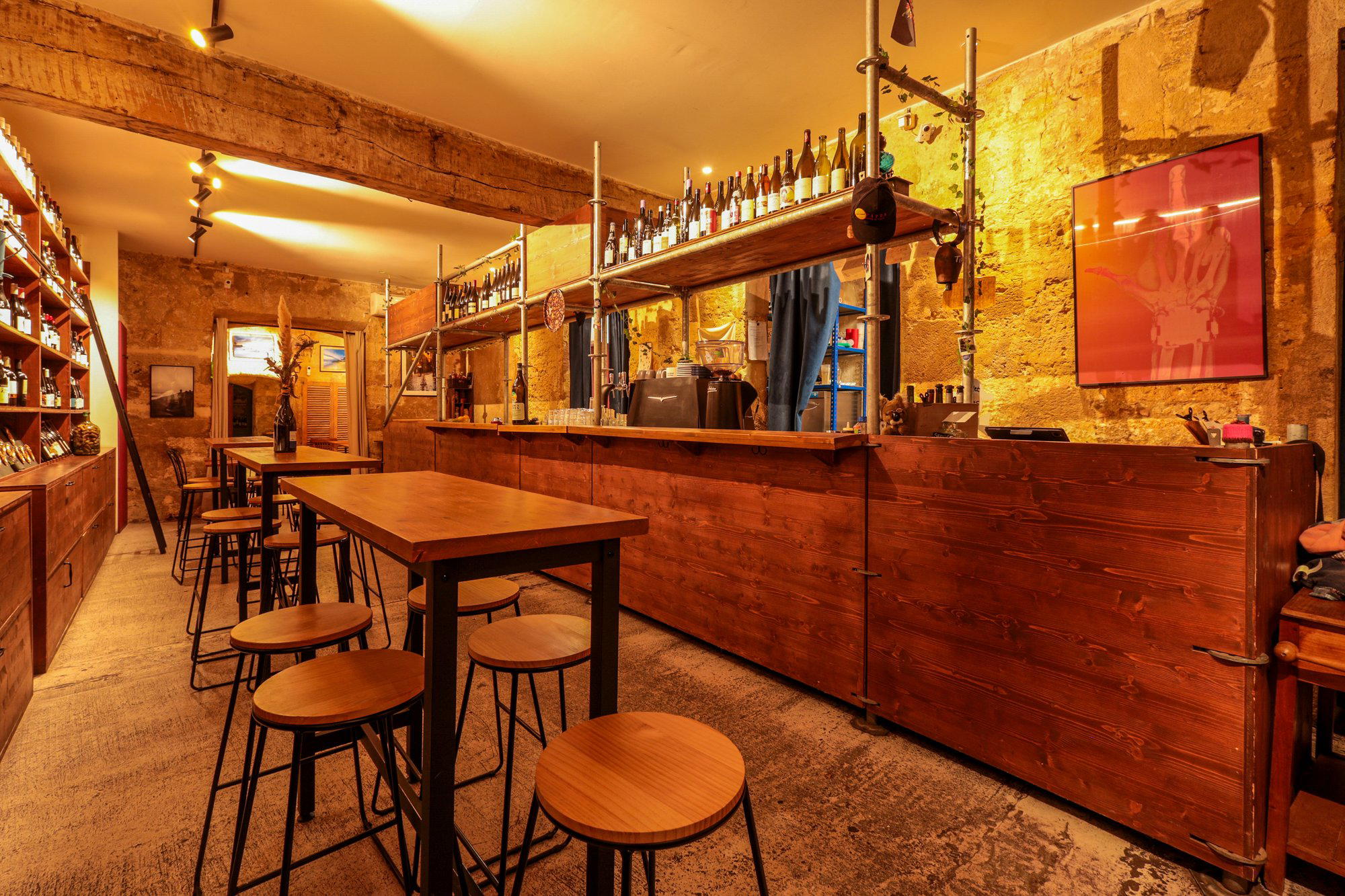
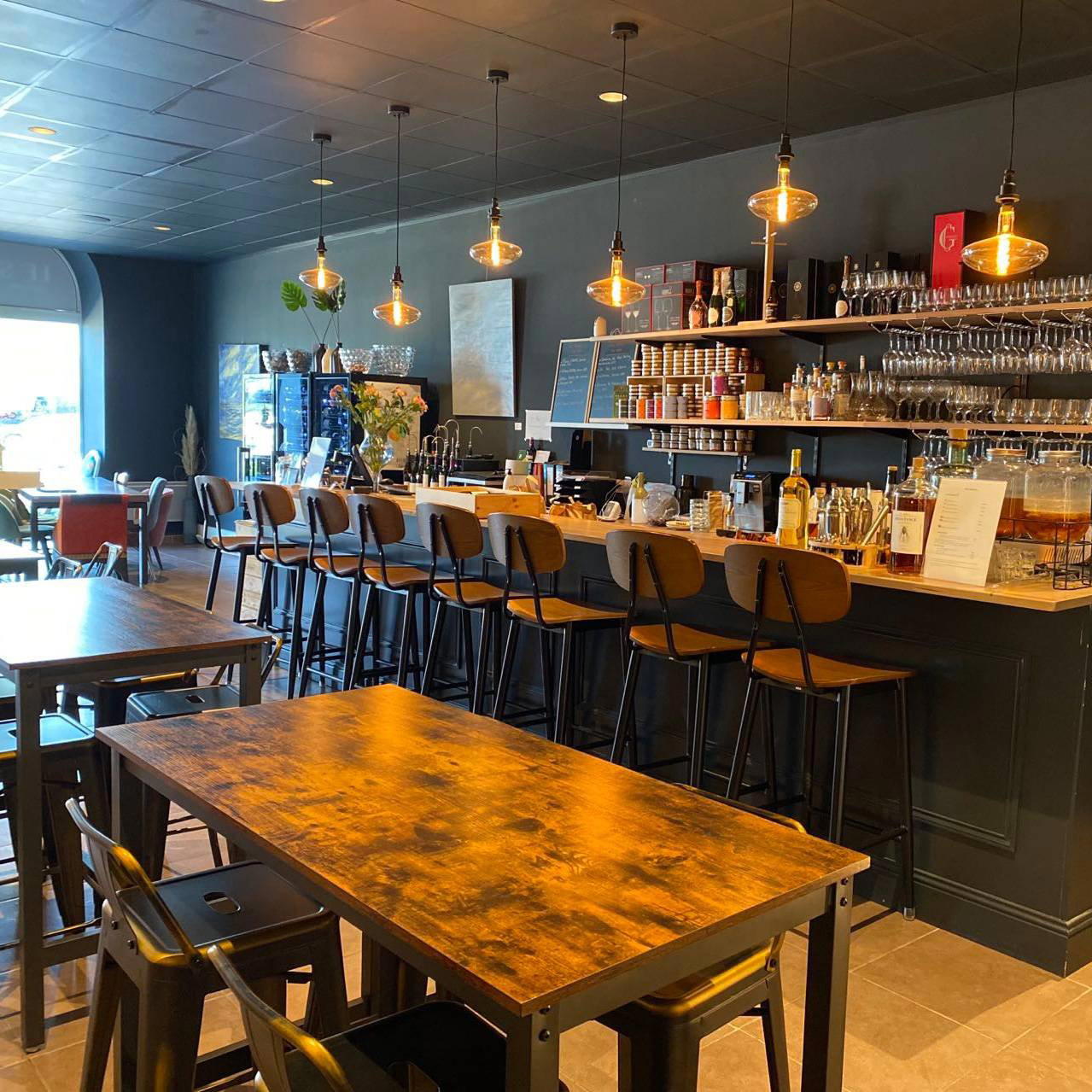
Bars in Margaux
Browse all →

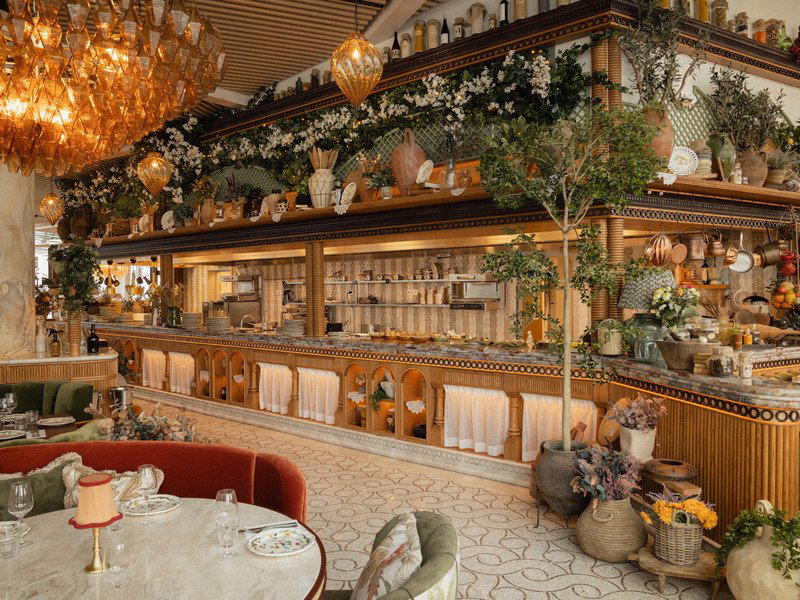
Restaurants in Margaux
Browse all →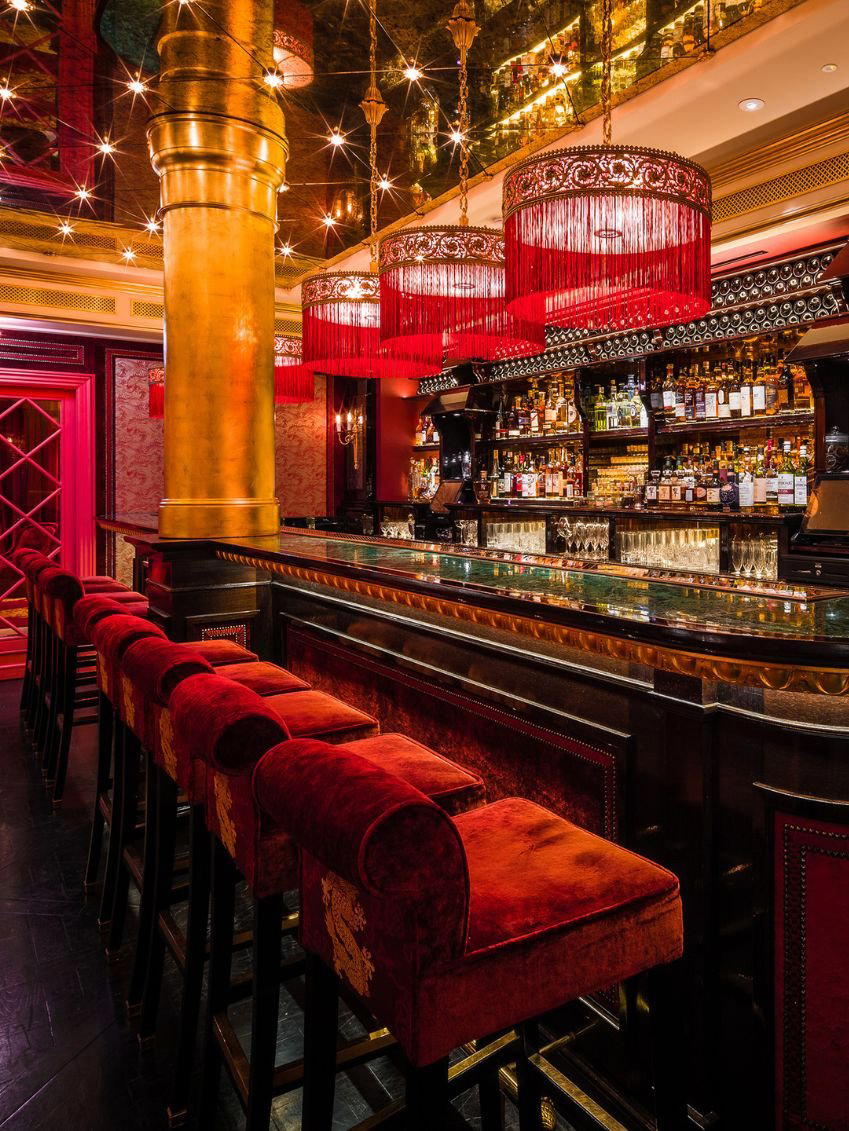
At a Glance
- Elegant
- Classic
- Sophisticated
- Well Known
- Wine Education
- Special Occasion
- Vineyard Tour
- Estate Grounds
- Historic Building
- Vineyard
- Margaux AOC
- Cabernet Sauvignon
- Merlot
- Petit Verdot
- Still Red
- Cave Tasting
- Private Tasting
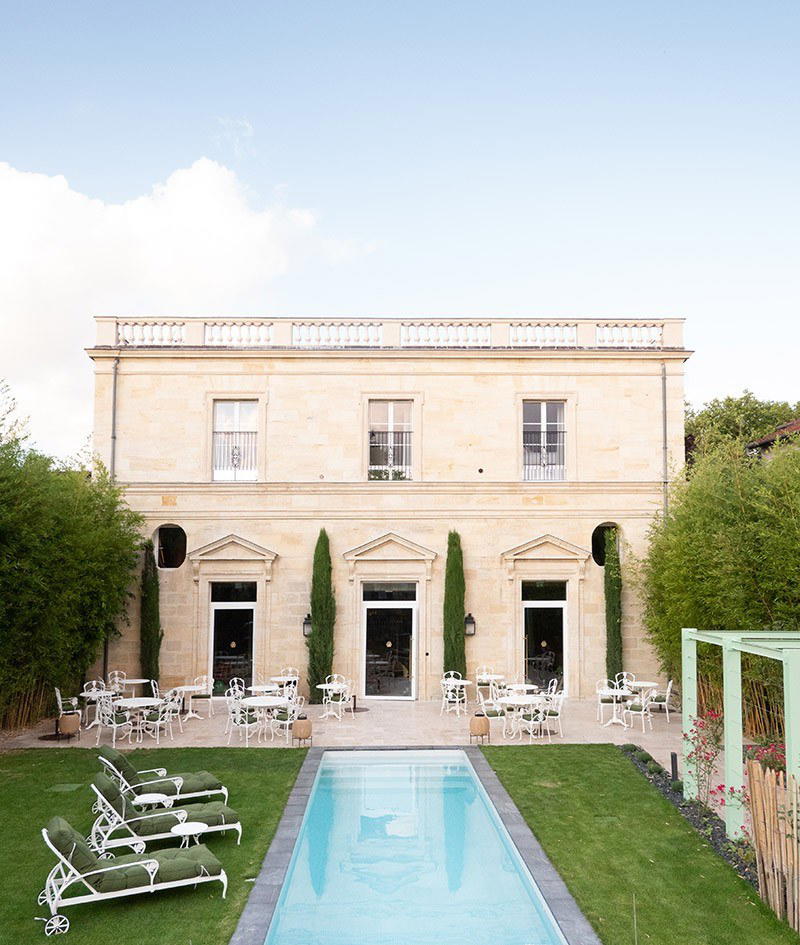
Elegant and classic with a sense of historic grandeur rooted in Bordeaux tradition.
Know Before You Go
- Getting there
- 1 Cr de Verdun, 33460 Margaux-Cantenac