
Falstaff Winery - Listed
Small in scale relative to its classified neighbours, Ferrière operates with the precision and focus that Margaux's gravelly soils reward. For those planning a Médoc circuit, it represents a counterpoint to the appellation's more theatrical grandes maisons.

Pearl is the En Primeur Club membership app — saves, bookings, and concierge access live there. Same editors, same standards.
- Address
- 33 bis Rue de la Tremoille, 33460 Margaux-Cantenac
- Phone
- +33 5 57 88 98 32
- Website
- gc-lurton-estates.com
- Directions
- Get directions
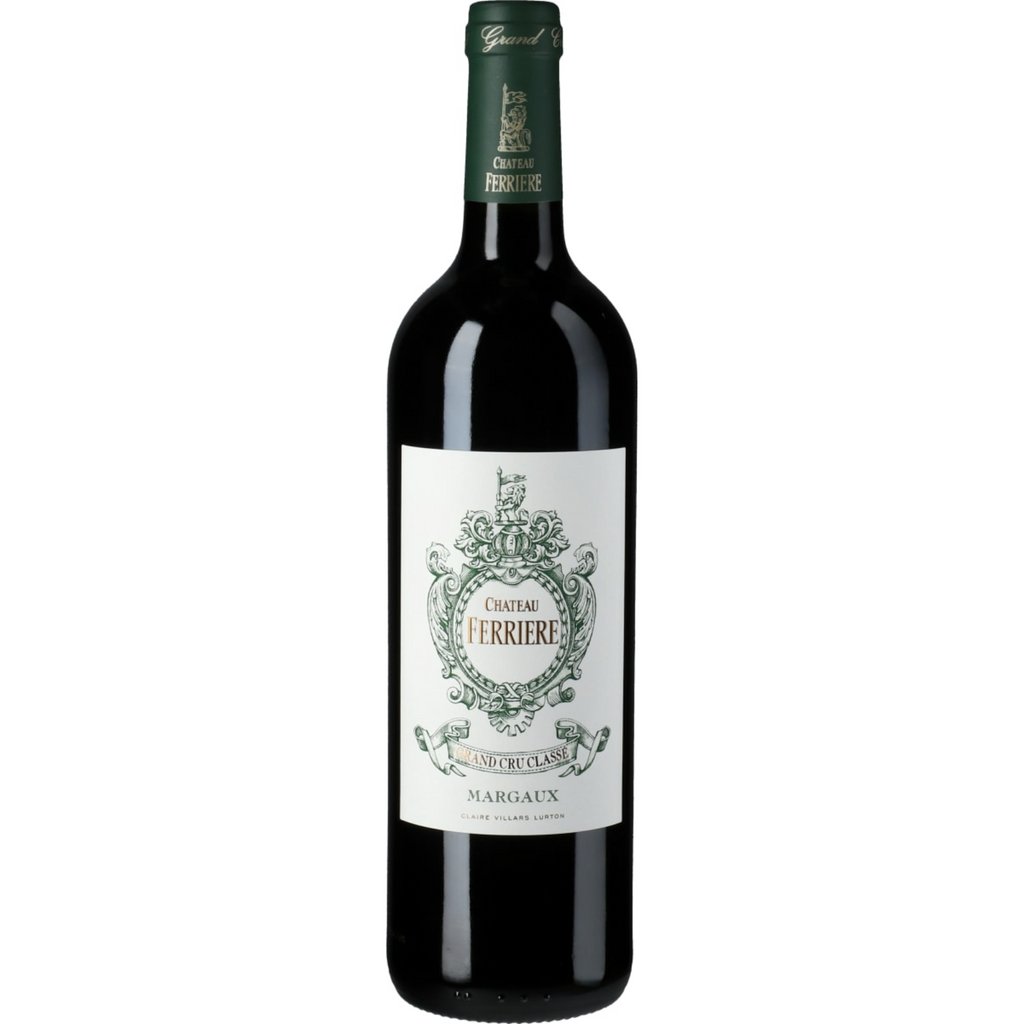
The Quiet Side of a Famous Appellation
The village of Margaux produces some of France's most recognisable wine names, and the road through the Médoc that connects them is well-worn by collectors and trade buyers. But not every classified estate here operates at the scale of its neighbours. Some of the appellation's most instructive visits happen at properties where the production is tight, the tasting room unhurried, and the wines speak to terroir rather than brand.
What the 1855 Classification Still Means Here
The Médoc's 1855 Classification is the most durable wine ranking in France, and Margaux holds more classified estates than any other commune. That concentration means the appellation is also one of the most competitive, with the full range from Premier to Cinquième Cru represented within a few kilometres. Third Growths occupy an interesting position in this hierarchy: they carry genuine prestige, they were selected on the basis of their soils and historical reputation, but they are rarely the loudest names in the room. Estates like Château Desmirail and Château Durfort-Vivens share this classified tier and, like Ferrière, tend to attract buyers who have moved past the headline names. That positioning creates space for genuine engagement, both with the wine and, for those who visit, with the estate itself.
1855 ranking was built on soil quality and drainage, and Margaux's gravel-over-clay subsoil profile is particularly well-suited to Cabernet Sauvignon. The commune's wines are often described in terms of finesse rather than power, a structural character that distinguishes them from the Pauillac style further north. Visiting Ferrière in this context, rather than in isolation, makes the differences legible.
The Experience of a Classified Estate Visit
Tasting rooms across the Médoc span a wide range of formats. The largest classified properties have invested heavily in visitor infrastructure, with architect-designed spaces, curated exhibition programmes, and hospitality operations closer in scope to a hotel than a working winery. Ferrière represents the other end of that spectrum. At this scale, visits tend to be more direct encounters with the production itself, shaped by the rhythm of the estate rather than a polished reception programme. For certain visitors, that is precisely the point.
The approach to a Médoc estate of this size typically involves advance communication rather than walk-in arrival. The Margaux appellation is not structured for spontaneous wine tourism the way a Burgundy village might be, and Third Growth properties in particular tend to reserve their tasting time for trade, press, and serious collectors who have arranged access in advance. Travellers planning a Médoc circuit should account for this when building an itinerary. Our full Margaux guide covers the practical logistics of visiting the appellation, including which estates operate dedicated visitor programmes and how to approach bookings during the busy spring en primeur season. The Médoc's classified estates are close enough to one another that a half-day circuit on foot or by bicycle is feasible for visitors based in the village. That geographical density is one of Margaux's advantages over more spread-out appellations, and it means that visiting Ferrière can sit naturally alongside calls at Château Lascombes or other properties with more developed visitor facilities.
In a commune where critical attention is distributed across dozens of classified and non-classified producers, a structured rating of this kind helps visitors and buyers calibrate expectations.
The rating also carries implications for the type of visitor experience on offer. Estates that earn this level of recognition tend to have made deliberate choices about how they manage their vineyards and how they approach the vintage-to-vintage decisions that shape the wine's character. Those choices are not always visible from outside, but they become apparent in the glass, and in the conversations that a serious visit tends to generate.
For comparative reference across the wider Bordeaux region, properties earning similar recognition include Château Bastor-Lamontagne in Preignac, Château Batailley in Pauillac, and Château Bélair-Monange in Saint-Emilion, each of which represents a distinct appellation expression at a comparable level of critical standing. Beyond Bordeaux entirely, the EP Club network covers estates from Albert Boxler in Niedermorschwihr to Accendo Cellars in St. Helena, providing a framework for understanding where any single property sits in a broader critical conversation.
The Margaux appellation's competitive dynamics are worth understanding before any visit. At the leading, Château Margaux sets the reference point for the entire commune, a Premier Cru whose production decisions and pricing are watched across the global market. Below that, a cluster of well-known Second and Third Growths compete for the attention of the collector market. Châteaux Branaire-Ducru in neighbouring Saint-Julien illustrate how classified status and consistent critical ratings shape market positioning across the Médoc's appellations. Ferrière, with its smaller production and mid-tier classification, operates with a lower public profile than some of its commune peers, which can work in the visitor's favour: access is less contingent on trade relationships, and the visit itself tends to be less managed.
That said, smaller classified estates are not interchangeable with artisanal producers. The wines that come from this soil, across multiple estates and multiple vintages, share a structural character that distinguishes Margaux from the broader Médoc, and visiting an estate at this scale is one of the more direct ways to understand why that distinction still matters.
Visitors with an interest in contrasting production philosophies across French wine regions might also find value in comparing Margaux's classified structure against the very different frameworks operating in Alsace, where producers like Chartreuse in Voiron represent entirely separate traditions. The Bordeaux classification system remains one of wine's most influential organisational frameworks, and Ferrière's place within it is a useful lens for reading the appellation as a whole. Given the estate's scale and the norms of Médoc wine tourism, advance contact is advisable rather than arriving unannounced. Phone and website details were not available at the time of publication; the estate should be approached through trade contacts or via the Maison du Tourisme et du Vin de Margaux, which coordinates visitor access across the appellation. The spring en primeur period, typically in April, is when Margaux sees the highest concentration of trade and press activity; independent visitors often find autumn harvest visits more accessible and the estate atmosphere less pressured.
Cuisine and Credentials
Comparable venues nearby, for context on price, style, and recognition.
| Venue | Cuisine | Price | Awards | Notes |
|---|---|---|---|---|
| Château FerrièreThis venue — the venue you are viewing | Cabernet Sauvignon, Merlot | $50–100 | Falstaff Winery - Listed | Not listed |
| Château Lascombes | Cabernet Sauvignon, Merlot | Not listed | Michelin Main Selection · Falstaff Winery - 3 Stars | Margaux |
| Château Marquis-d’Alesme | Cabernet Sauvignon, Merlot | Not listed | Not listed | Margaux |
| Château Rauzan Ségla | Cabernet Sauvignon, Merlot | Not listed | Michelin 1 Grape · Falstaff Winery - Listed | Margaux |
| Chateau Malescot St. Exupery | Cabernet Sauvignon, Merlot | Not listed | Michelin Main Selection | Margaux |
| Château Marquis-de-Terme | Cabernet Sauvignon, Merlot | $50–100 | Falstaff Winery - 1 Stars | Margaux |
Recognition history
Dated appearances from independent guides and award organizations, with the underlying list record or original source where available.
Falstaff Winery - Listed
Falstaff
Continue exploring
More in Margaux
Wineries in Margaux
Browse all →
Bars in Margaux
Browse all →
Restaurants in Margaux
Browse all →
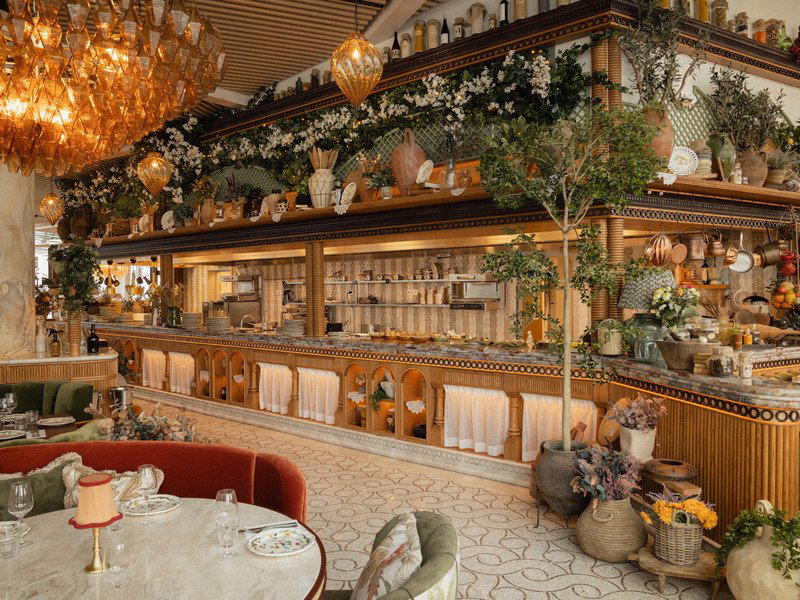
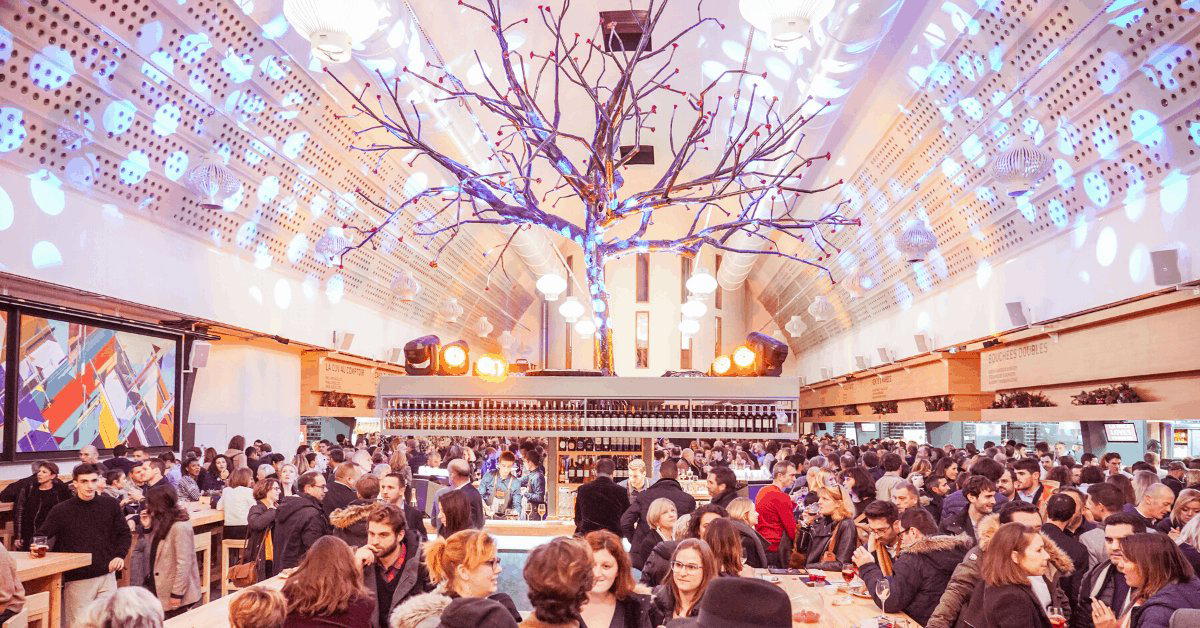
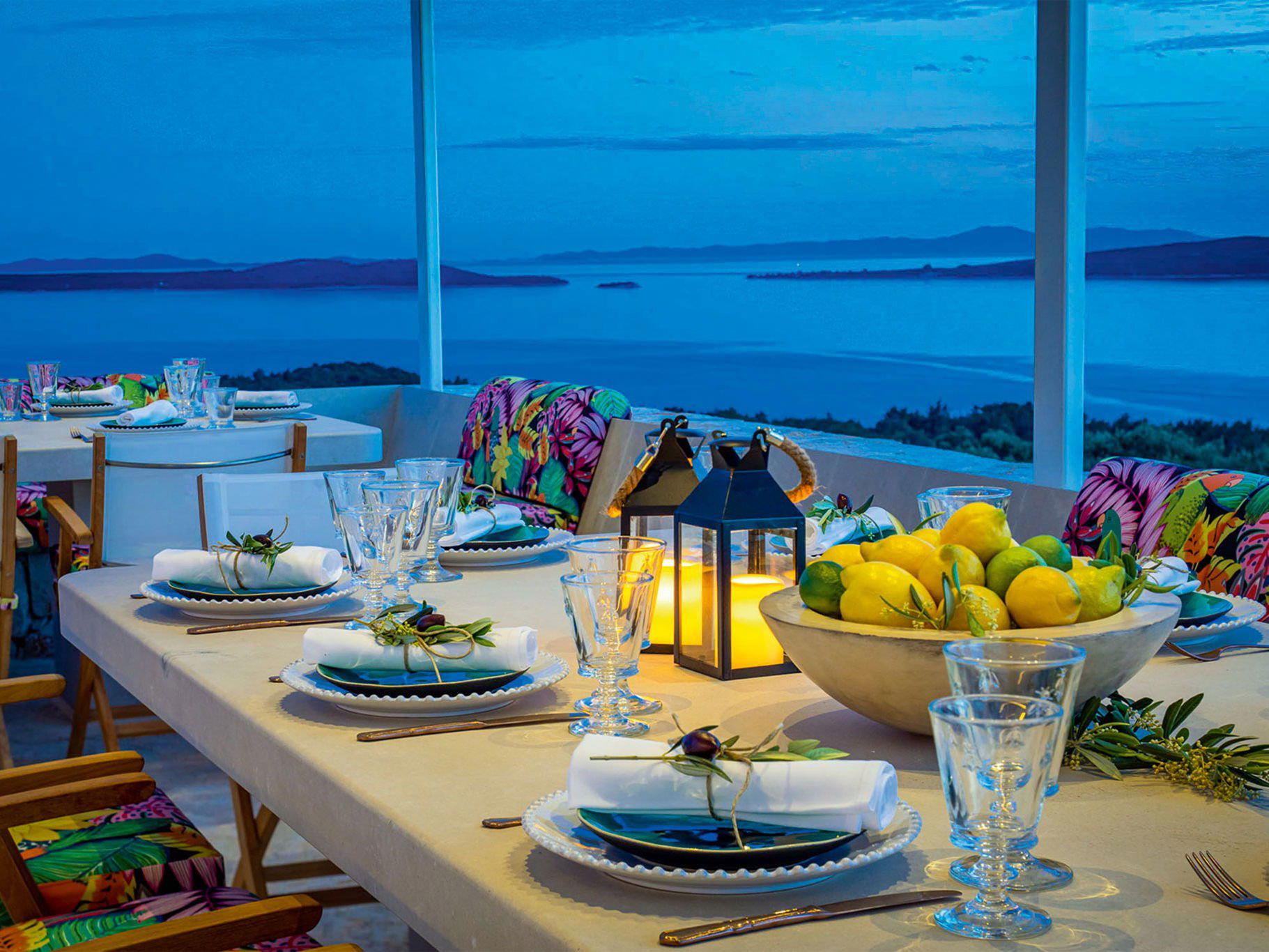
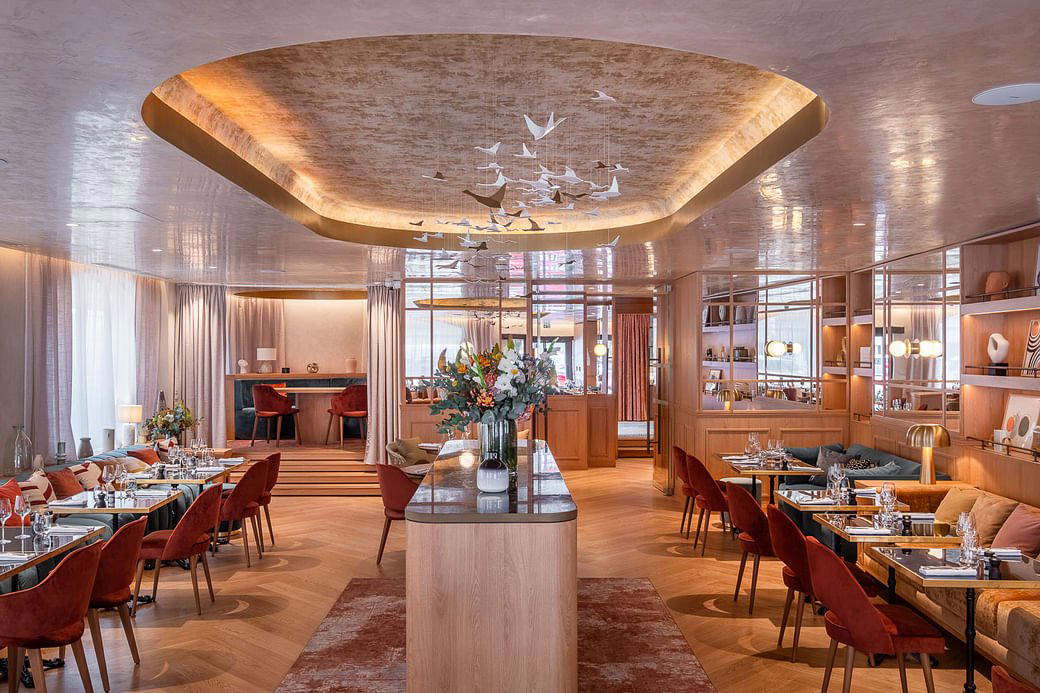
Details
- Elegant
- Classic
- Sophisticated
- Scenic
- Wine Education
- Romantic Getaway
- Special Occasion
- Celebration
- Vineyard Tour
- Estate Grounds
- Barrel Room
- Historic Building
- Terrace
- Organic
- Biodynamic
- Sustainable
- Vineyard
- Cabernet Sauvignon
- Merlot
- Cabernet Franc
- Petit Verdot
- Still Red
- Still White
- Still Rosé
- Amphora
- Guided Estate Tasting
- Vineyard Tour
- French
- English
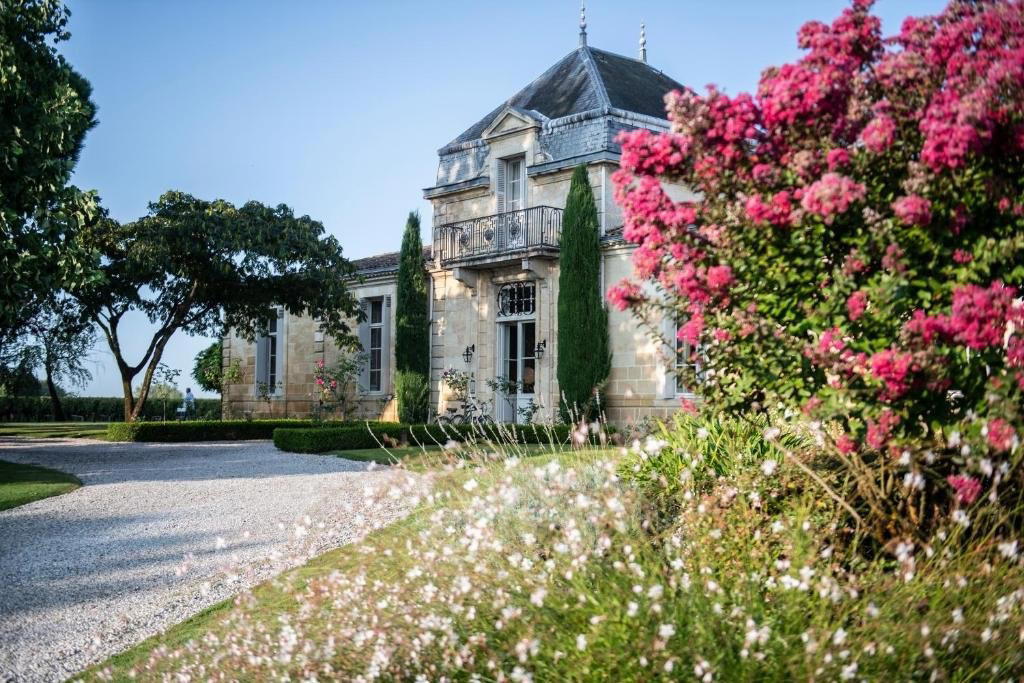
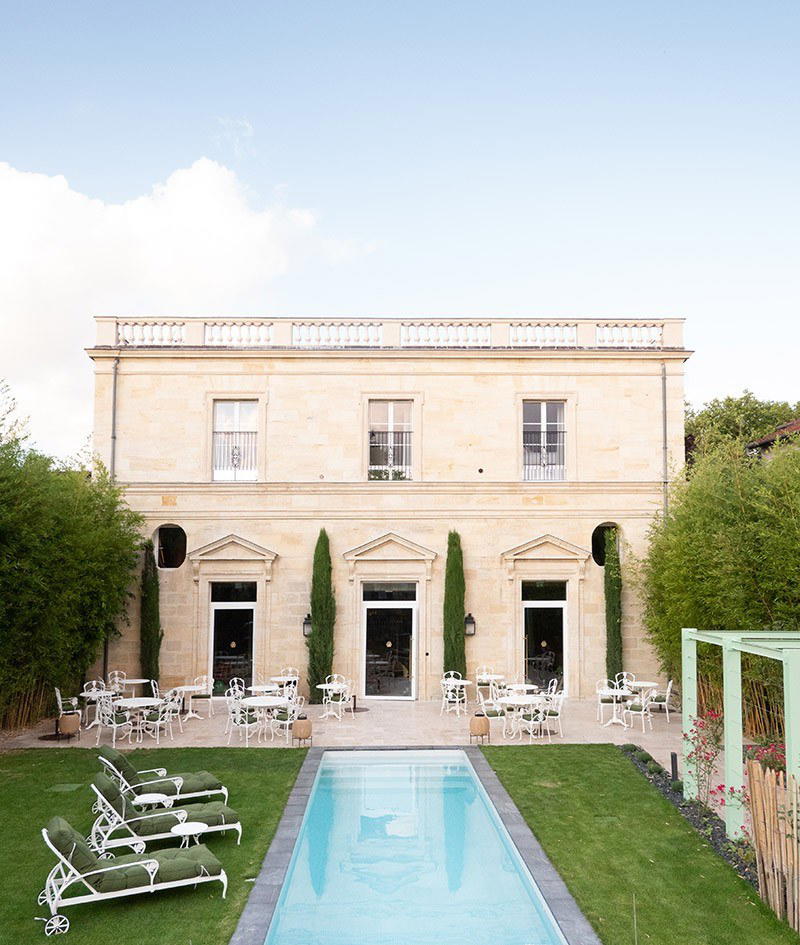
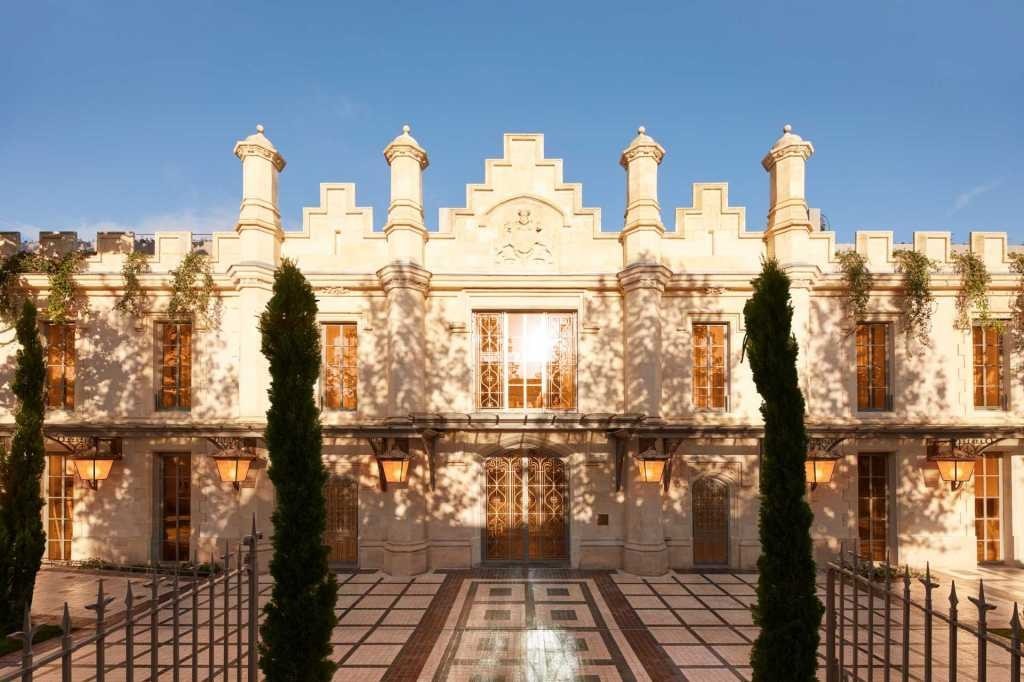
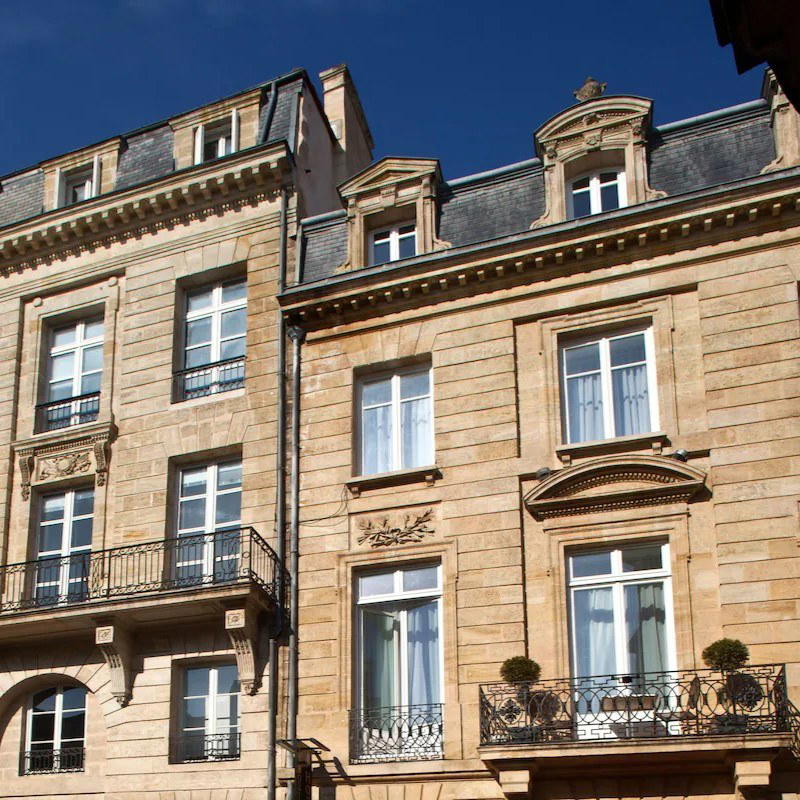
Historic estate with traditional winemaking in a restored château setting, combining old-world elegance with modern biodynamic practices in the heart of Margaux vineyards.