A Third Growth Margaux estate. The property addresses the Margaux tradition of Cabernet Sauvignon-led blends with the precision that its peer tier demands. For visitors oriented around cellar visits and wine hospitality, it belongs on any serious itinerary through the appellation.
- Address
- 7 rue de la Trémoille, 33460 Margaux, France
- Phone
- +33557811320
- Website
- marquis.wine
- Directions
- Get directions
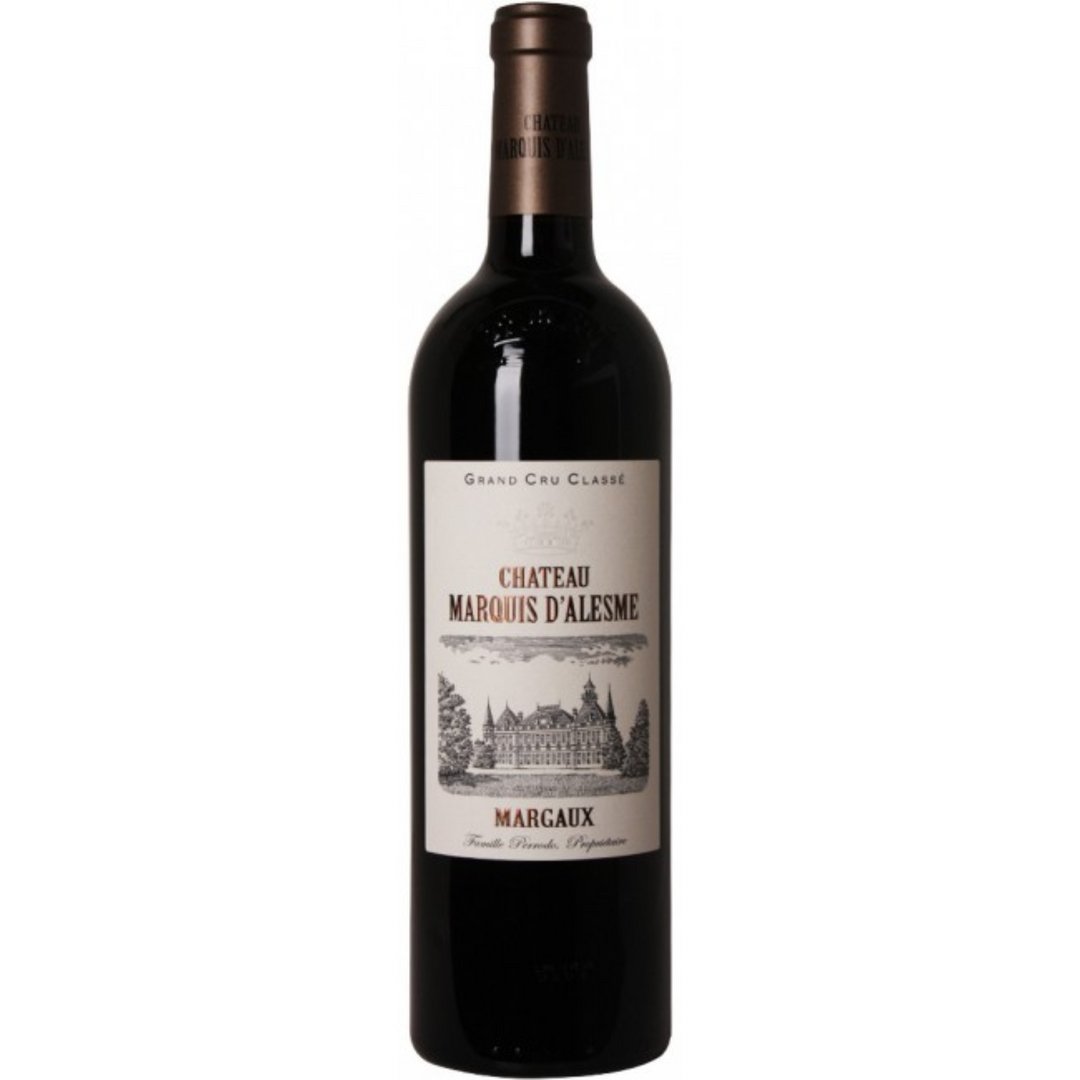
Arriving in Margaux: The Weight of Classification
The D2 road through the Médoc is one of the more instructive drives in French wine country. For roughly forty kilometres north of Bordeaux, classified châteaux appear at intervals close enough that the distinctions between them become the point of the exercise. By the time you reach the village of Margaux, the density of Grand Cru Classé estates along a single appellation has few equivalents in the wine world.
The Margaux appellation earns its reputation not from volume but from a specific combination of gravelly soils, maritime climate moderation, and a tradition of Cabernet Sauvignon-dominant blending that produces wines with a distinctive aromatic finesse. Among the five Médoc communes entitled to classified status under the 1855 classification, Margaux contains the largest number of Classed Growths. That means the competitive frame for any estate here is unusually tight. Châteaux Margaux, Palmer, and Rauzan-Ségla anchor the appellation's upper tier; the Third and Fourth Growths, including Marquis-d'Alesme, operate in a middle band where quality signalling through awards and critical attention matters considerably.
1855 classification is a historical document, not a live performance ranking, but its framework continues to shape how buyers and visitors orient themselves. Third Growth Margaux estates share a competitive set that includes properties with varying investment histories, ownership changes, and stylistic evolutions over the past three decades. Some have pulled upward in critical estimation; others have consolidated their position.
For context within the immediate appellation, Château Desmirail and Château Durfort-Vivens operate as fellow Third Growth estates, each with distinct ownership histories and stylistic approaches. Château Ferrière, another Third Growth, illustrates how smaller classified properties have pursued quality-driven repositioning. Château Marquis-de-Terme, a Fourth Growth, and Château Lascombes, a Second Growth, bracket the classification tier above and below, providing useful reference points for visitors building a structured tasting itinerary through the appellation. Understanding where Marquis-d'Alesme sits within that framework is more useful than approaching it in isolation.
The Hospitality Frame: Classified Château Visits in the Médoc
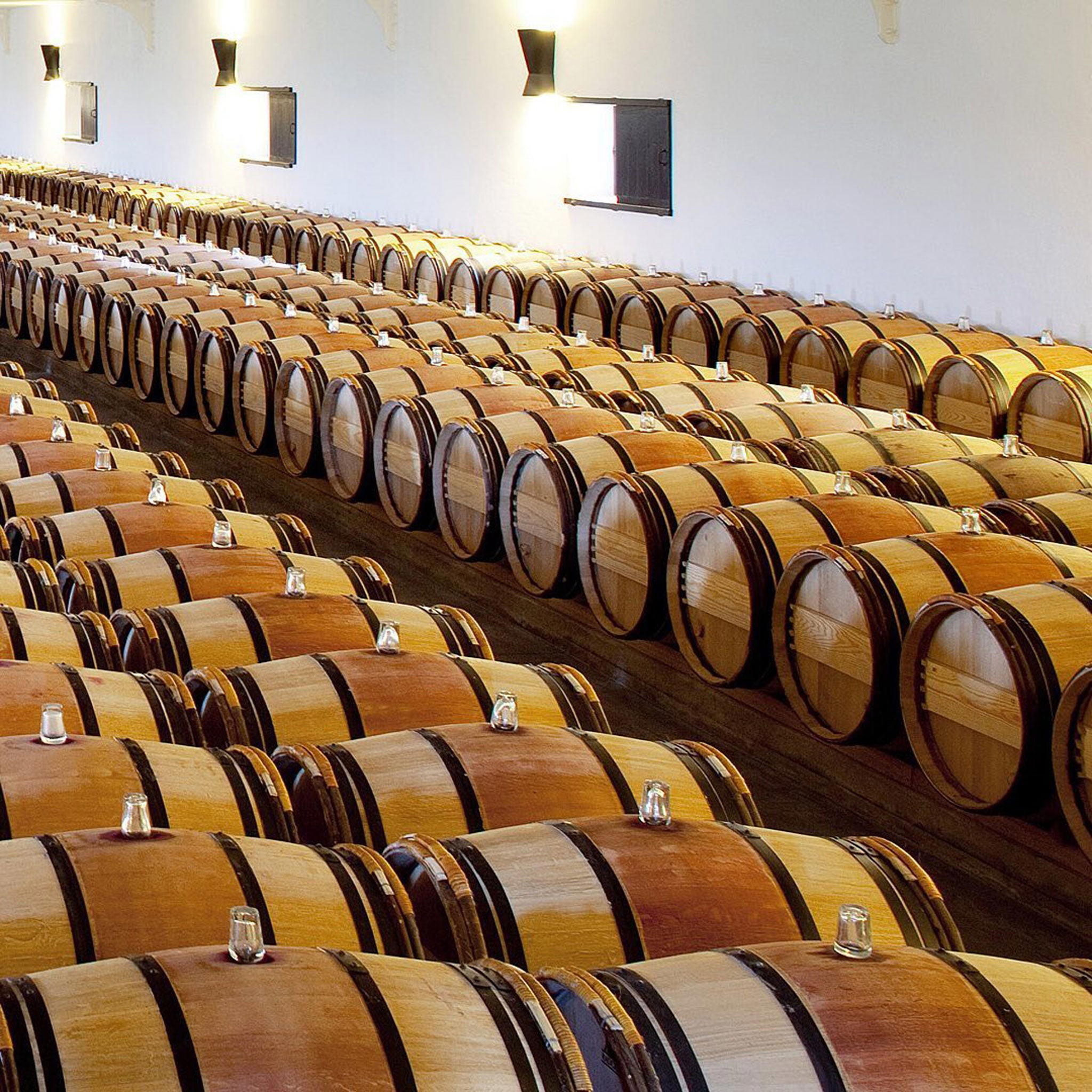
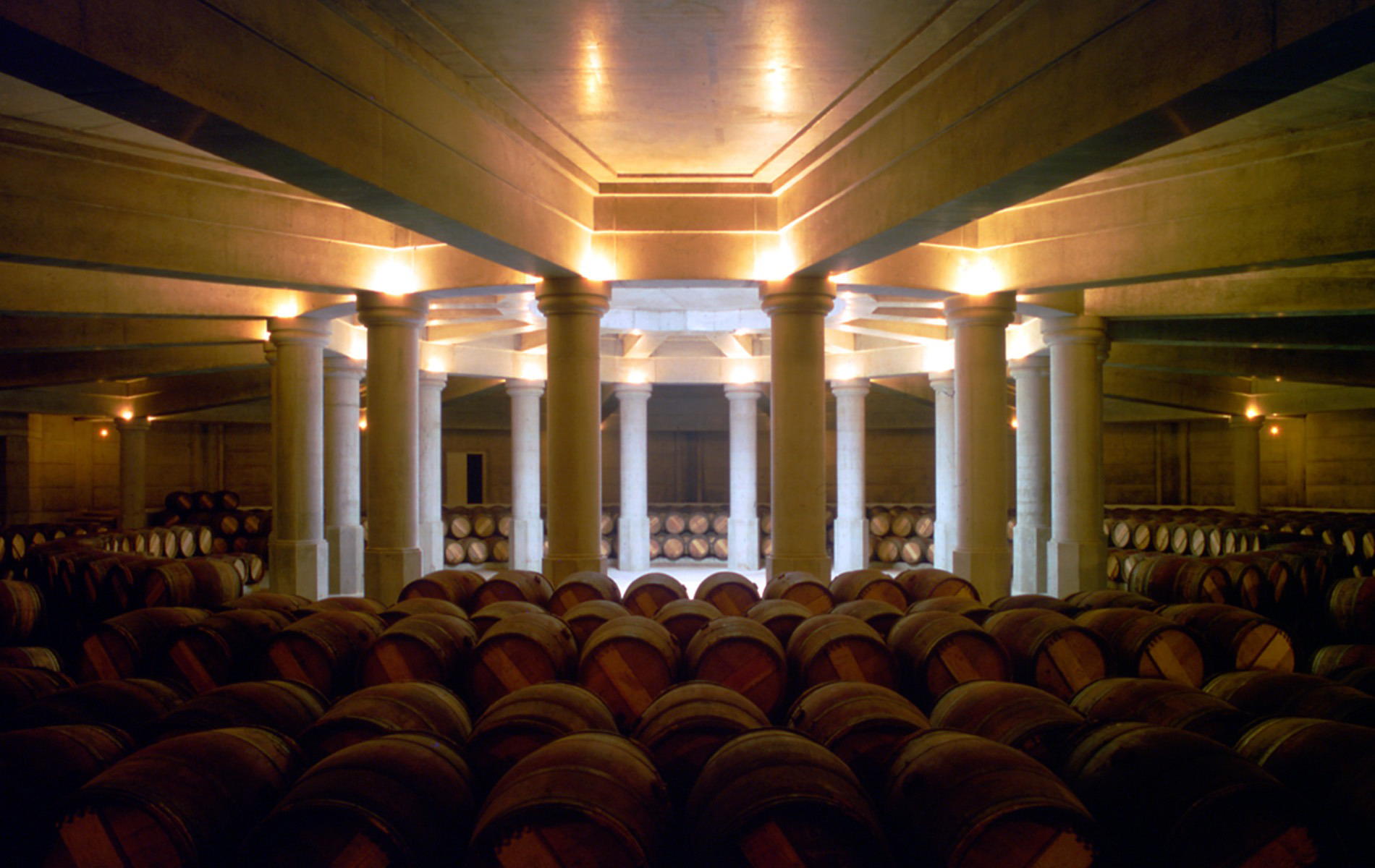
Classified Bordeaux estates have shifted their visitor hospitality programmes meaningfully over the past fifteen years. What was once largely restricted to trade buyers and allocated private clients has opened, at many properties, into structured cellar visits, tasting programmes, and, at some châteaux, food and wine pairing events that reflect the estate's stylistic ambitions. The better Médoc hospitality programmes share a common logic: they use the physical environment of the chai and barrel hall to anchor the wine experience in place, rather than conducting tastings in generic tasting rooms detached from production.
Margaux's wine character makes it particularly suited to food pairing exploration. The appellation's wines, when made at classified level, tend toward elegance over density, with floral leading notes and a mid-palate structure that responds differently to food than the more tannic, extracted styles produced in Pauillac or Saint-Estèphe to the north. That stylistic character gives hospitality programmes at Margaux properties a specific culinary angle to work with: the wines sit comfortably alongside lamb, mushroom preparations, and aged soft cheeses in ways that heavier Médoc styles do not. Visitors coming to Marquis-d'Alesme with food and wine pairing as a primary interest should contact the estate directly to understand what formal programming is currently available, as classified château hospitality formats vary by appointment and season.
Broader Margaux dining and accommodation context is covered in our full Margaux restaurants guide and our full Margaux hotels guide. Visitors building a multi-day itinerary will find that the appellation's hospitality infrastructure, while more modest than Bordeaux city, supports serious wine-focused stays.
Placing Marquis-d'Alesme in a Wider Awards Context
Awards at this tier function as signals within a peer comparison, not as absolute verdicts on quality. What they indicate is that the estate has passed a formal assessment at a level that distinguishes it from unrecognised properties in the same classification tier. For visiting buyers or collectors encountering the estate for the first time, that signal matters as a starting point for their own tasting assessment.
For reference, estates at a comparable recognition level in other regions, such as Albert Boxler in Niedermorschwihr in Alsace or Château Bastor-Lamontagne in Preignac in Sauternes, demonstrate how award recognition translates differently depending on regional context and wine style. Further afield, properties such as Abadía Retuerta in Sardón de Duero illustrate how estate-scale wine hospitality operates in non-classified European contexts, which can be useful comparative framing for visitors assessing what classified Bordeaux hospitality does and does not offer by contrast.
Planning a Visit: Practical Orientation
Margaux is accessible from Bordeaux in under an hour by road, making day visits from the city viable. The village itself is small, and the major classified estates are distributed across the commune rather than clustered in a single easily walkable area, so transport with flexibility matters. Château Marquis-d'Alesme is addressed at 7 rue de la Trémoille in the village of Margaux. For visit appointments, booking and current opening arrangements, direct contact with the estate is necessary, as the venue data does not currently include published hours or booking details.
Visitors planning a broader Margaux itinerary can reference our full Margaux wineries guide for appellation-wide context, and our full Margaux experiences guide for non-winery programming in the area. The Margaux bars guide covers the more limited but relevant informal drinking options in the commune. For those extending the Bordeaux wine region trip beyond Médoc, estates such as Chartreuse in Voiron and Aberlour in Aberlour represent different traditions in fermented and distilled production that provide useful contrast for visitors building a broader understanding of European producer hospitality formats.
The Editorial Assessment
Within an appellation where the distance between properties is sometimes measured in hundreds of metres but the quality differential can be considerably wider, that kind of verified recognition provides a useful orientation point for visitors and buyers approaching the estate for the first time.
The Margaux appellation does not require a great deal of advocacy. Its position within Bordeaux's premium identity is structurally established. What matters for a property like Marquis-d'Alesme is how it performs within that frame, and current award data suggests it is performing at a level worth the visit for anyone building a serious Margaux itinerary.
At-a-Glance Comparison
Comparable options at a glance, pulled from our tracked venues.
| Venue | Cuisine |
|---|---|
| Château Marquis-d’Alesme | This venue |
Continue exploring
More in Margaux
Wineries in Margaux
Browse all →
Bars in Margaux
Browse all →
Restaurants in Margaux
Browse all →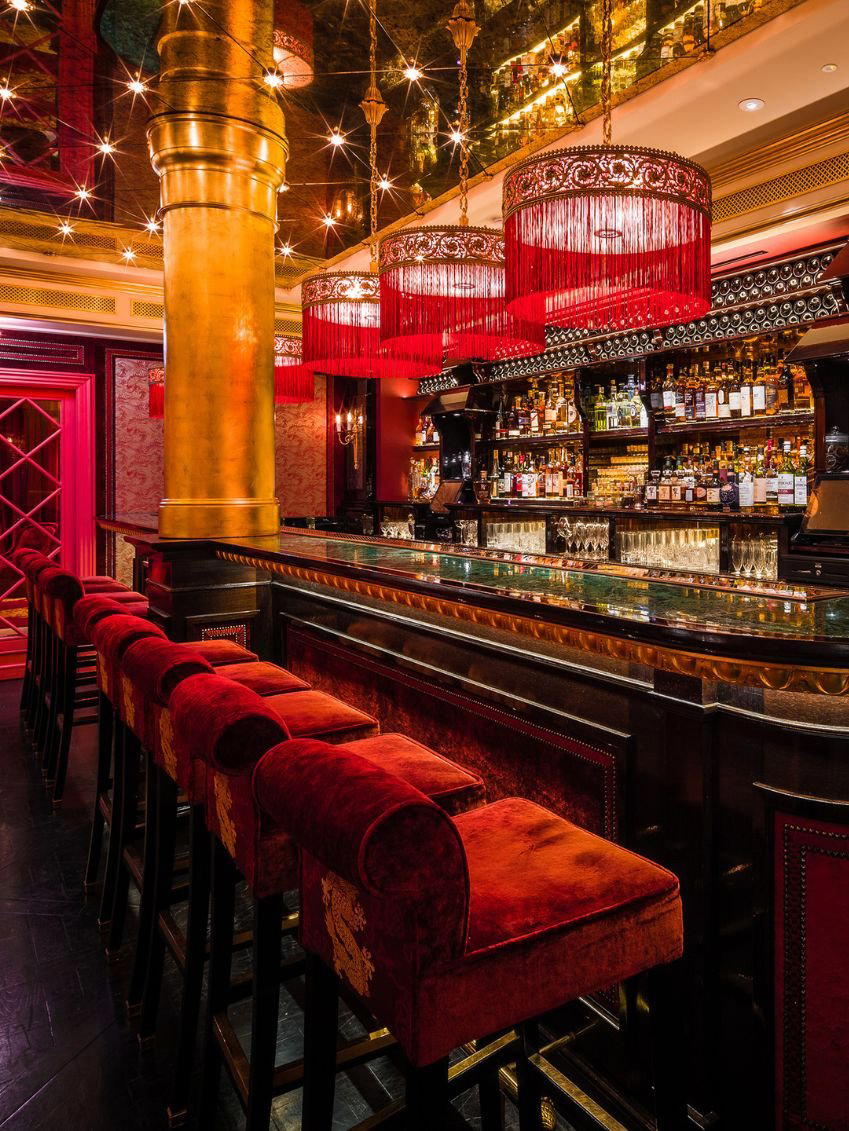
At a Glance
- Elegant
- Sophisticated
- Classic
- Ornate
- Special Occasion
- Wine Education
- Historic Building
- Vineyard Tour
- Barrel Room
- Organic
- Vineyard
- Margaux AOC
- Cabernet Sauvignon
- Merlot
- Petit Verdot
- Cabernet Franc
- Still Red
- Cave Tasting
- Private Tasting
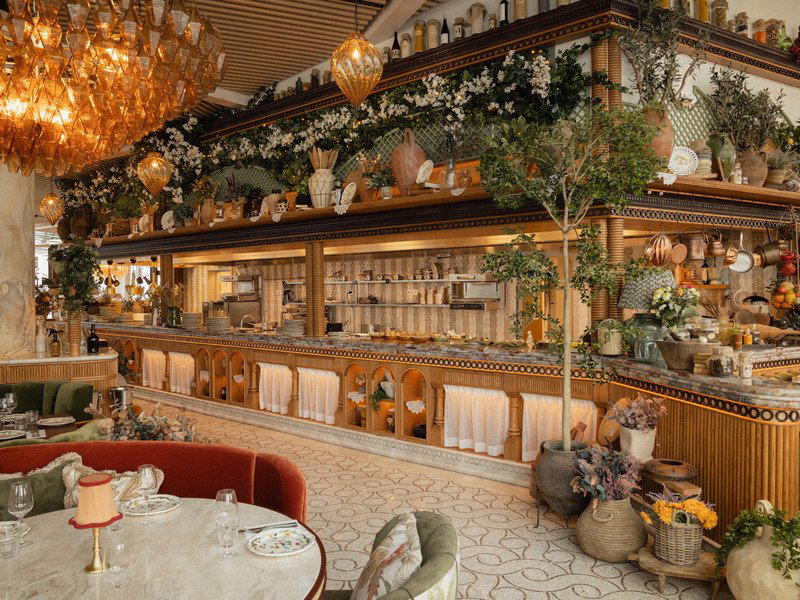
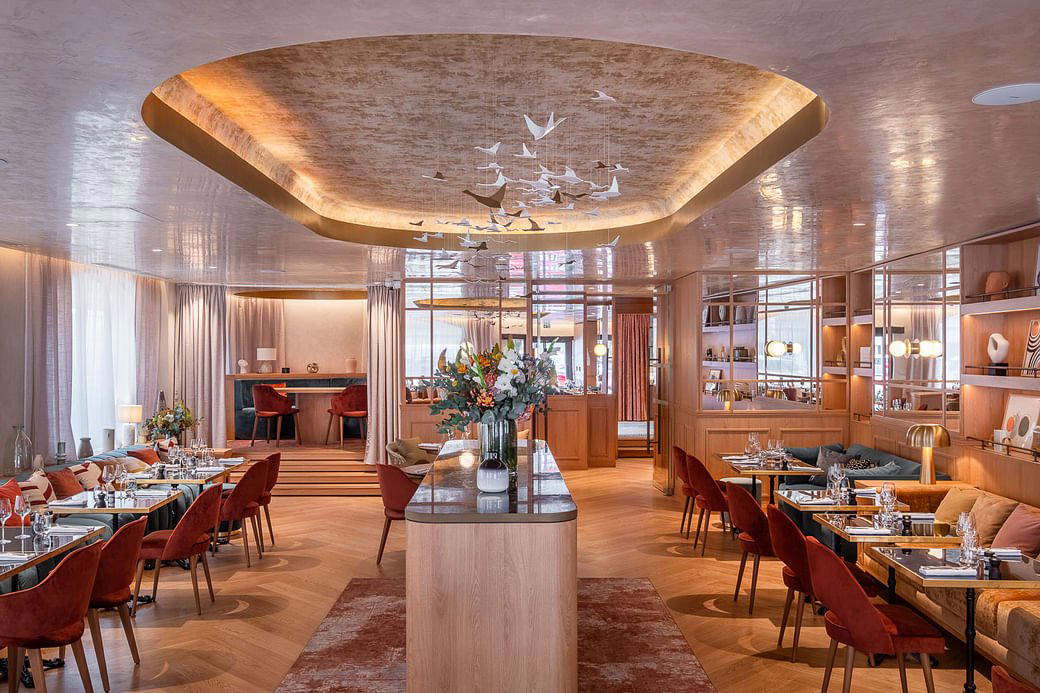
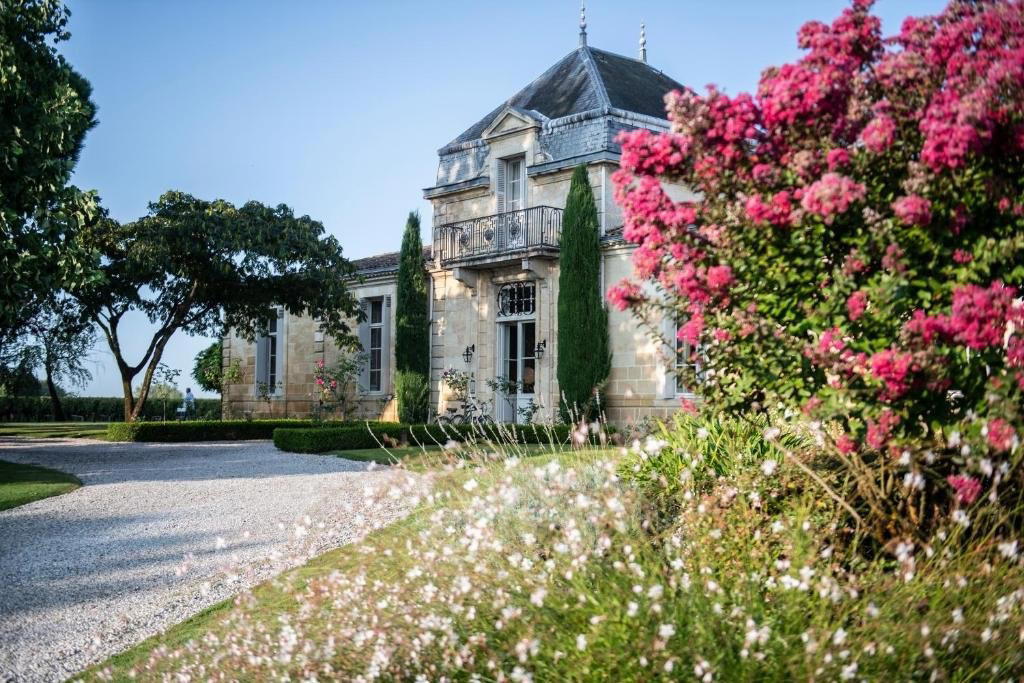
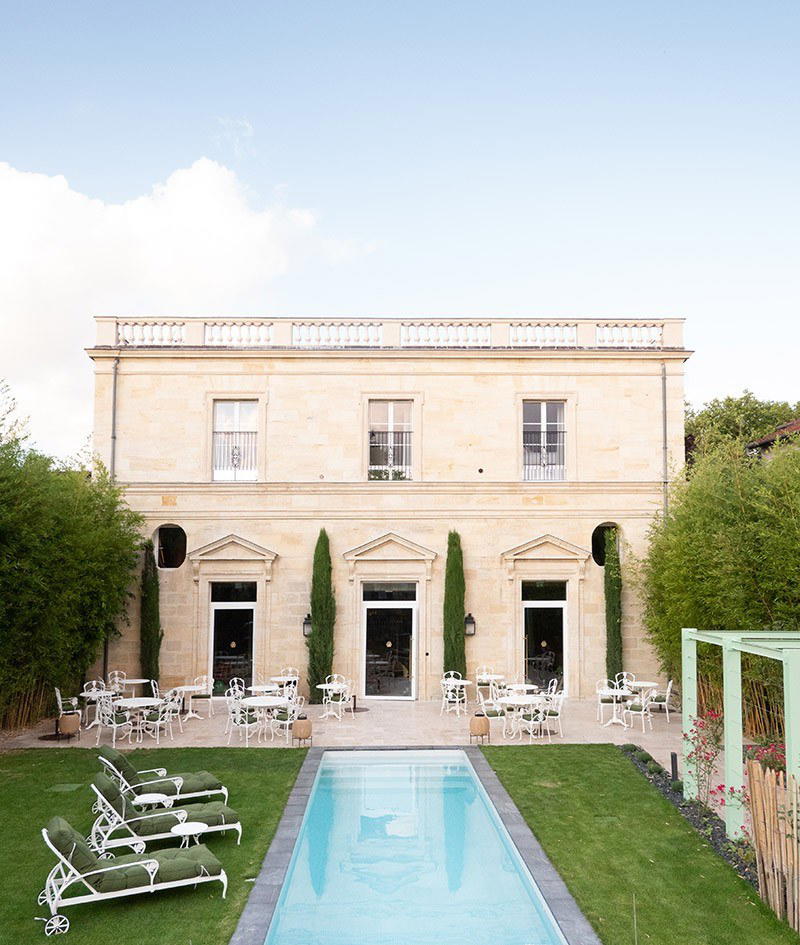
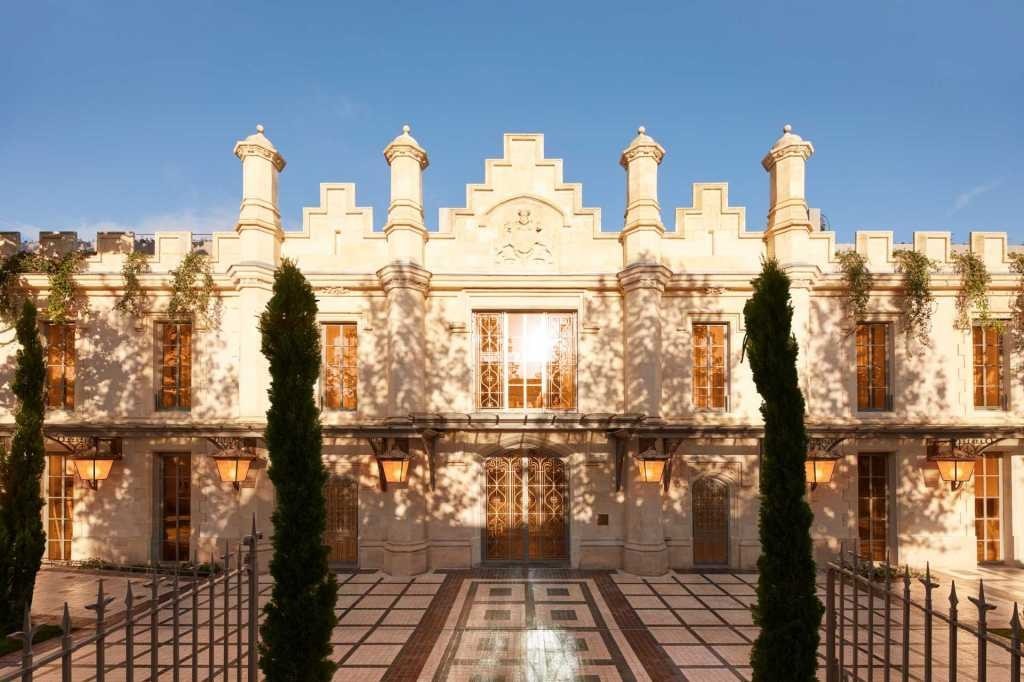
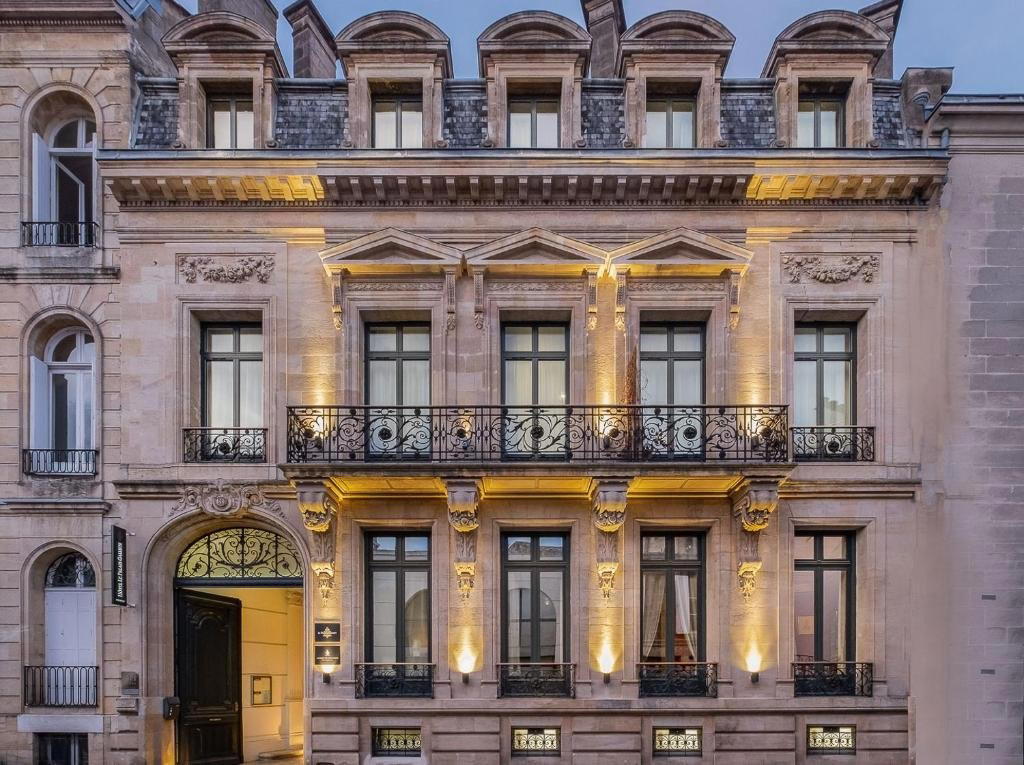
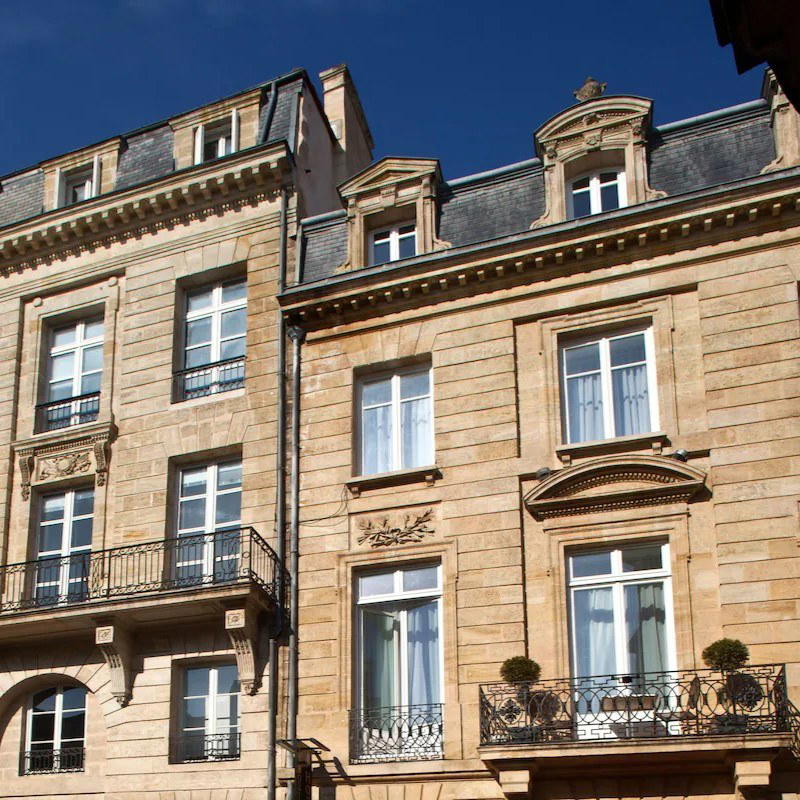
Elegant and sophisticated atmosphere blending classic French grandeur with exotic Chinese influences, creating a serene and culturally rich setting.
Know Before You Go
- Getting there
- 7 rue de la Trémoille, 33460 Margaux, France