
Falstaff Winery - Listed
The wines follow classic Margaux structure: Cabernet Sauvignon-led blends shaped by deep gravel soils and the moderating influence of the Gironde estuary.

Pearl is the En Primeur Club membership app — saves, bookings, and concierge access live there. Same editors, same standards.
- Address
- 28 Av. de la 5ème République, 33460 Margaux-Cantenac
- Phone
- +33 5 57 88 34 33
- Website
- desmirail.com
- Directions
- Get directions
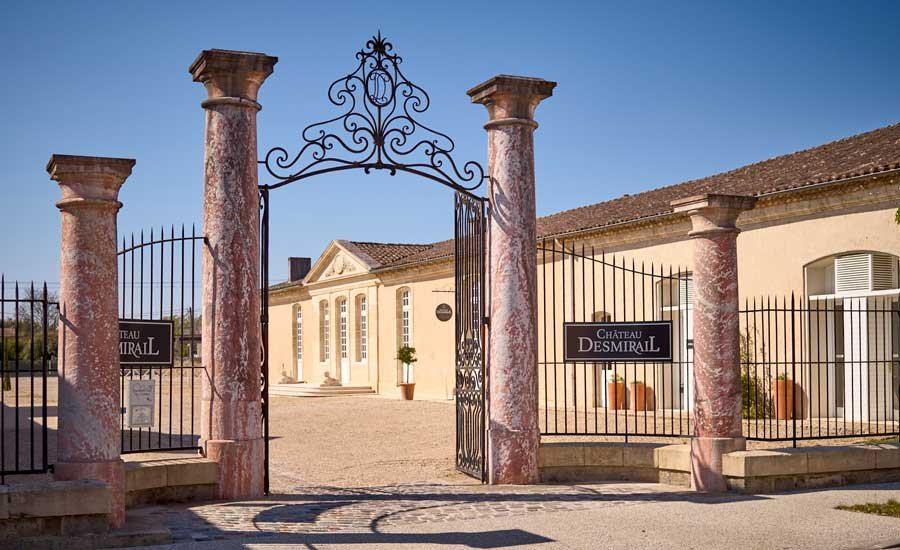
Gravel, Estuary Wind, and the Margaux Third-Growth Tier
The village of Margaux sits on a gently refined gravel terrace above the Gironde estuary, and on a still morning the air carries a mineral coolness that never quite leaves even when the season turns warm. The estates along Avenue de la 5ème République are not dramatic in scale. The architecture is restrained, the vineyard rows close to the road, and the distance between one classified cru and the next sometimes amounts to little more than a stone wall. That proximity is the point: Margaux's 1855 Classification mapped one of the densest concentrations of ranked estates in the Médoc, and Château Desmirail, classified as a third growth in that original list, belongs to a tier that sits just beneath the appellation's most discussed names while sharing the same underlying geology.
Gravel is the operative word across this stretch of the left bank. The deep, free-draining beds of Garonne gravel that dominate the Margaux plateau force vine roots downward rather than outward, restricting yields and concentrating what the plant draws from the soil. Where neighbouring appellations such as Pauillac tend toward a heavier, more structured expression, Margaux's lighter topsoils and the estuary's moderating humidity pull wines toward aromatic finesse and a comparatively silkier tannic frame. Third-growth estates on this plateau operate within that same climatic envelope, competing on the quality of their vine age, the precision of their cellar work, and the consistency of their releases across difficult vintages.
The Third-Growth Position in Context
Understanding where Château Desmirail sits in the Margaux hierarchy requires some sense of how the third-growth classification functions in practice. The 1855 system was never intended as a precise technical ranking; it reflected the commercial prices estates commanded at the time. Château Lascombes, a second growth, and Château Rauzan-Gassies, another second growth, occupy the rank above Desmirail, while third-growth peers such as Château Ferrière and Château Marquis-de-Terme share the same classification level. Further along the same stretch of the appellation, Château Durfort-Vivens offers another data point for how second-growth Margaux estates are positioning themselves in the current market.
The competitive reference set for a property like Desmirail is therefore quite specific: Margaux classified growths at the third, fourth, and fifth levels, where the pricing gap relative to first and second growths creates an opportunity for producers who can demonstrate consistent appellation typicity. Across the Médoc more broadly, third-growth estates in Saint-Julien — including Château Branaire Ducru — and fifth growths in Pauillac such as Château Batailley define how buyers calibrate value within the classification.
Terroir Expression: What the Margaux Plateau Produces
The editorial argument for following Desmirail closely is ultimately a terroir argument. The gravel-over-clay subsoils of the Margaux plateau are among the most studied in the Médoc, and their behaviour in warm, dry vintages versus cooler, wetter years creates a long-running conversation among critics and buyers. Cabernet Sauvignon dominates most Margaux blends, but it is a particular expression of Cabernet shaped by drainage that can be extreme in dry years, bringing earlier ripeness without the heat-stress tannins that appear in warmer sub-regions. Merlot plays a secondary role in most classified Margaux estates, filling mid-palate weight when the growing season allows.
What distinguishes terroir-focused estates in this appellation from technically competent but site-neutral producers is a willingness to let vintage variation show rather than smoothing it into a house style. The leading Margaux thirds and fourths tend to express the estuary's cooling influence in their freshness through the ripest years, and they show a structural precision in moderate years that overripe vintages can obscure. Comparing Desmirail across a sequence of releases, particularly straddling a difficult vintage like 2017 against a celebrated one like 2018 or 2022, gives a clearer picture of how consistently the estate's parcels express that character than any single bottle can.
For broader reference on how Bordeaux's classified producers compare to prestige estates operating in entirely different regional frameworks, EP Club also profiles Château Bélair-Monange on the right bank and Château Bastor-Lamontagne in Sauternes, both of which illustrate how different soils and meso-climates within the Gironde produce radically different wine personalities from overlapping grape varieties.
Planning a Visit to the Margaux Appellation
Margaux is approximately 30 kilometres north of Bordeaux city, reachable by road in under 40 minutes from the centre. The village has limited public transport, and a car or organised wine tour is the practical choice for anyone planning to visit multiple estates in the same day. Most Médoc châteaux operate on a combination of pre-arranged appointments and scheduled tasting sessions, and the classified growths almost universally require advance booking rather than walk-in access. Desmirail is addressed at 28 Avenue de la 5ème République in Margaux-Cantenac, a stretch of road that passes several neighbouring classified estates and gives a useful sense of the appellation's compact geography.
Spring and early autumn are the preferred visiting windows for the Médoc: harvest season from mid-September through October brings the estates to life, though it also means shorter availability for tastings as teams focus on the fruit. The en primeur tasting week in early April, when the trade descends on Bordeaux to assess barrel samples of the most recent vintage, is the most concentrated period for serious buyers, though it requires professional accreditation. For leisure visitors, May through early September offers the most reliable combination of open cellar doors, manageable Bordeaux summer temperatures, and the visual pleasure of seeing the vines in leaf.
For a broader map of the appellation's dining and hospitality scene, see our full Margaux restaurants guide. Visitors with interests extending beyond Bordeaux varietals might also find value in EP Club's coverage of Albert Boxler in Alsace, Accendo Cellars in Napa's St. Helena, or Aberlour in Speyside for a counterpoint to Bordeaux's structured red wine tradition. Chartreuse in Voiron and Château Boyd-Cantenac round out a diverse picture of French producers at work across very different categories.
Side-by-Side Snapshot
Comparable venues nearby, for context on price, style, and recognition.
| Venue | Cuisine | Price | Awards | Notes |
|---|---|---|---|---|
| Château DesmirailThis venue — the venue you are viewing | Cabernet Sauvignon, Merlot | Not listed | Falstaff Winery - Listed | Not listed |
| Château Marquis-d’Alesme | Cabernet Sauvignon, Merlot | Not listed | Not listed | Margaux |
| Château Ferrière | Cabernet Sauvignon, Merlot | $50–100 | Falstaff Winery - Listed | Margaux |
| Château Palmer | Cabernet Sauvignon, Merlot | Not listed | Michelin 2 Grapes · Falstaff Winery - 4 Stars | Margaux |
| Château Marquis-de-Terme | Cabernet Sauvignon, Merlot | $50–100 | Falstaff Winery - 1 Stars | Margaux |
| Chateau Malescot St. Exupery | Cabernet Sauvignon, Merlot | Not listed | Michelin Main Selection | Margaux |
Recognition history
Dated appearances from independent guides and award organizations, with the underlying list record or original source where available.
Falstaff Winery - Listed
Falstaff
Continue exploring
More in Margaux
Wineries in Margaux
Browse all →
Bars in Margaux
Browse all →
Restaurants in Margaux
Browse all →
Details
- Elegant
- Classic
- Sophisticated
- Scenic
- Wine Education
- Special Occasion
- Vineyard Tour
- Historic Building
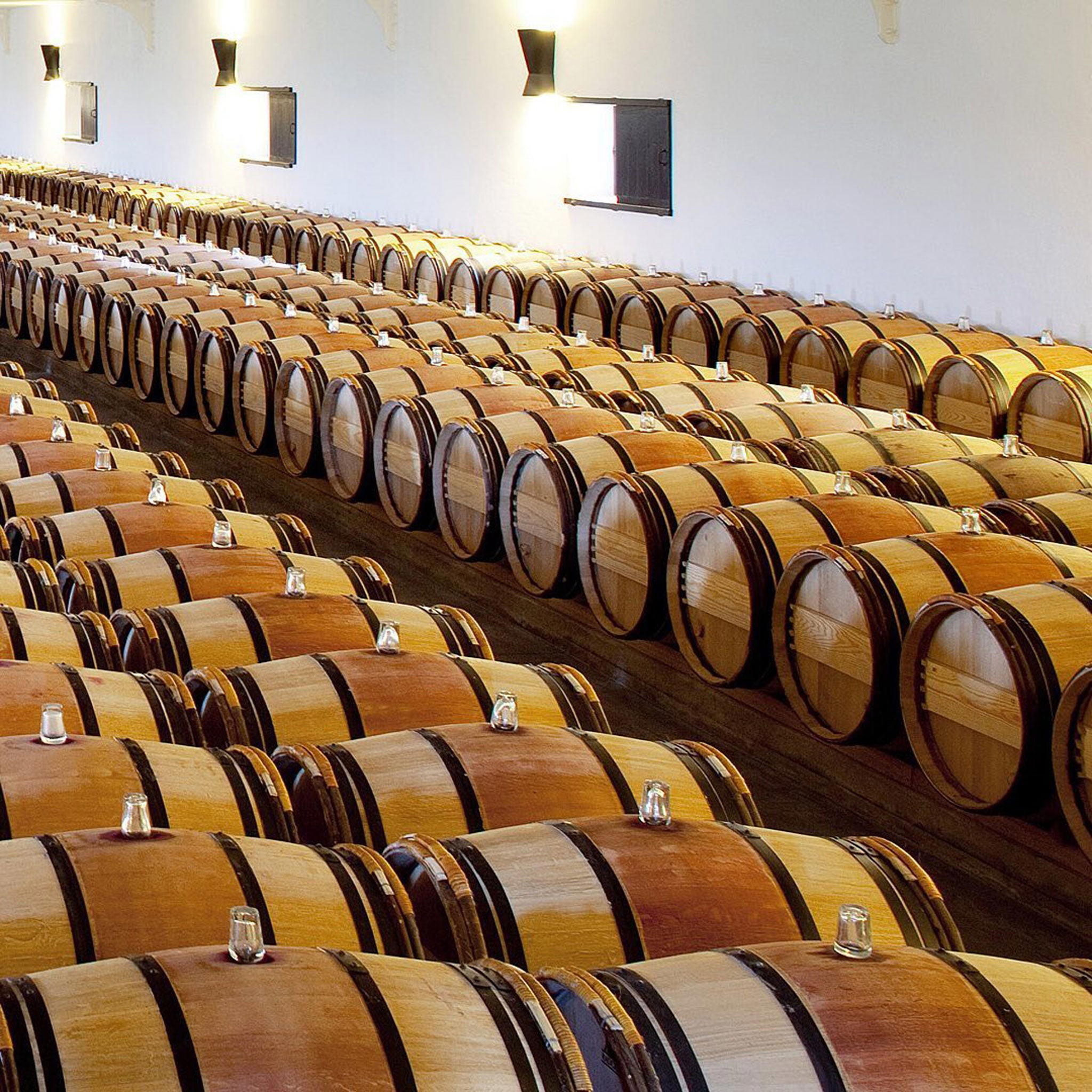
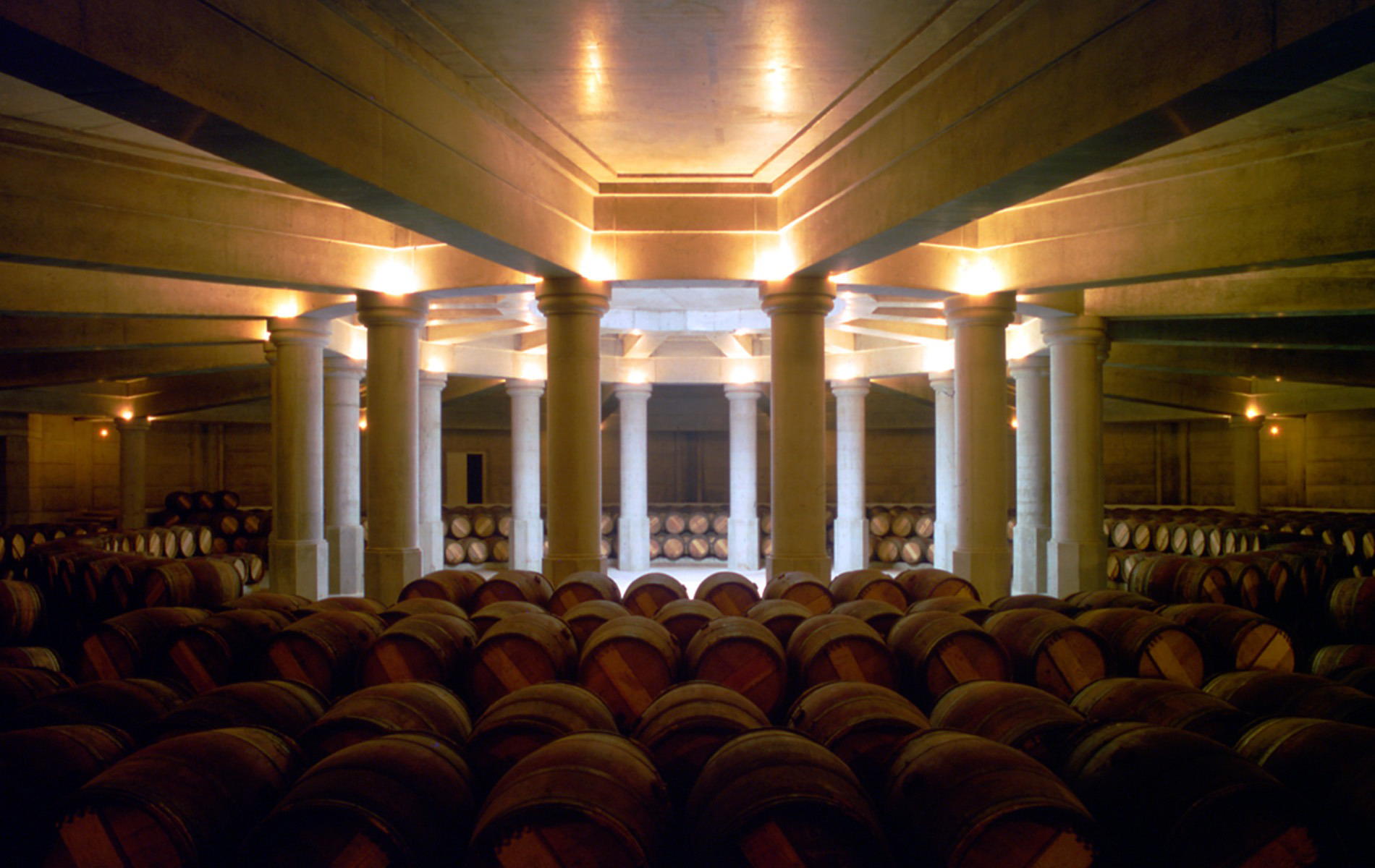
- Barrel Room
- Sustainable
- Vineyard
- Cabernet Sauvignon
- Merlot
- Petit Verdot
- Cabernet Franc
- Still Red
- Cave Tasting
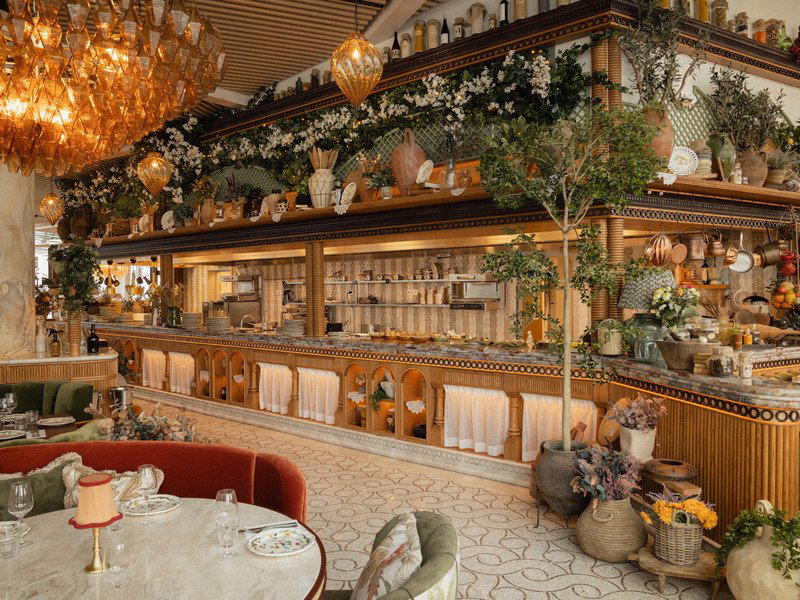
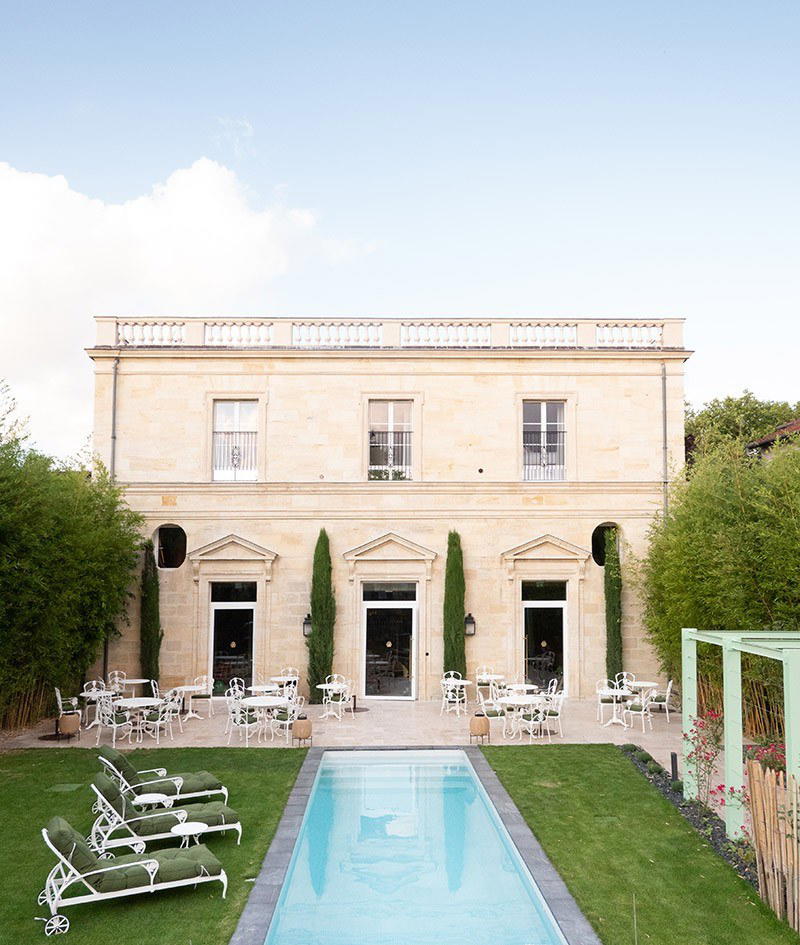
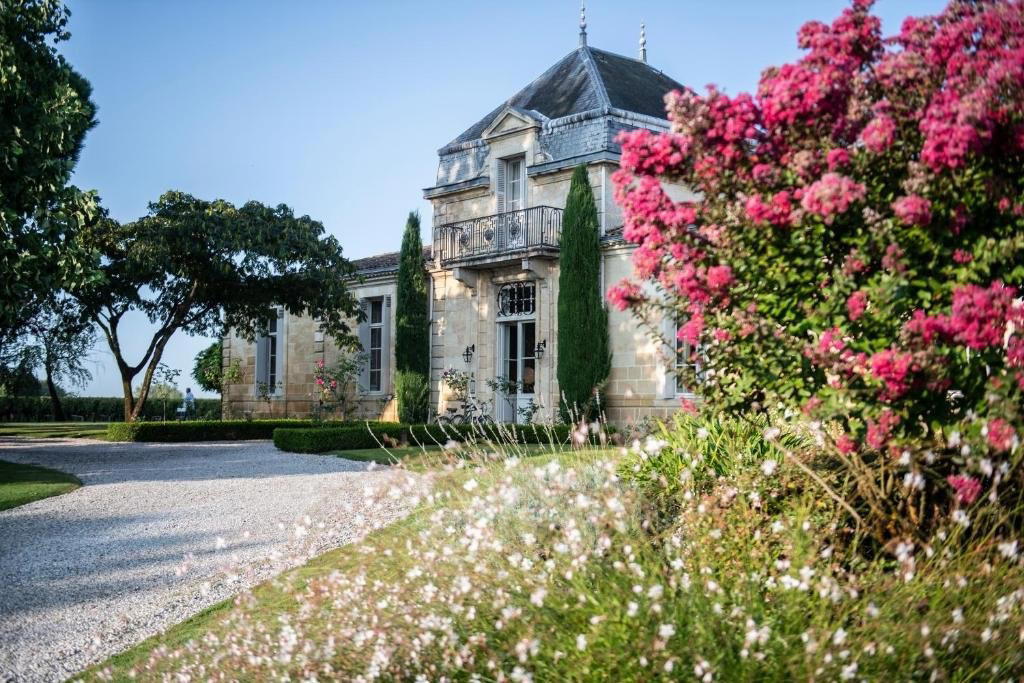
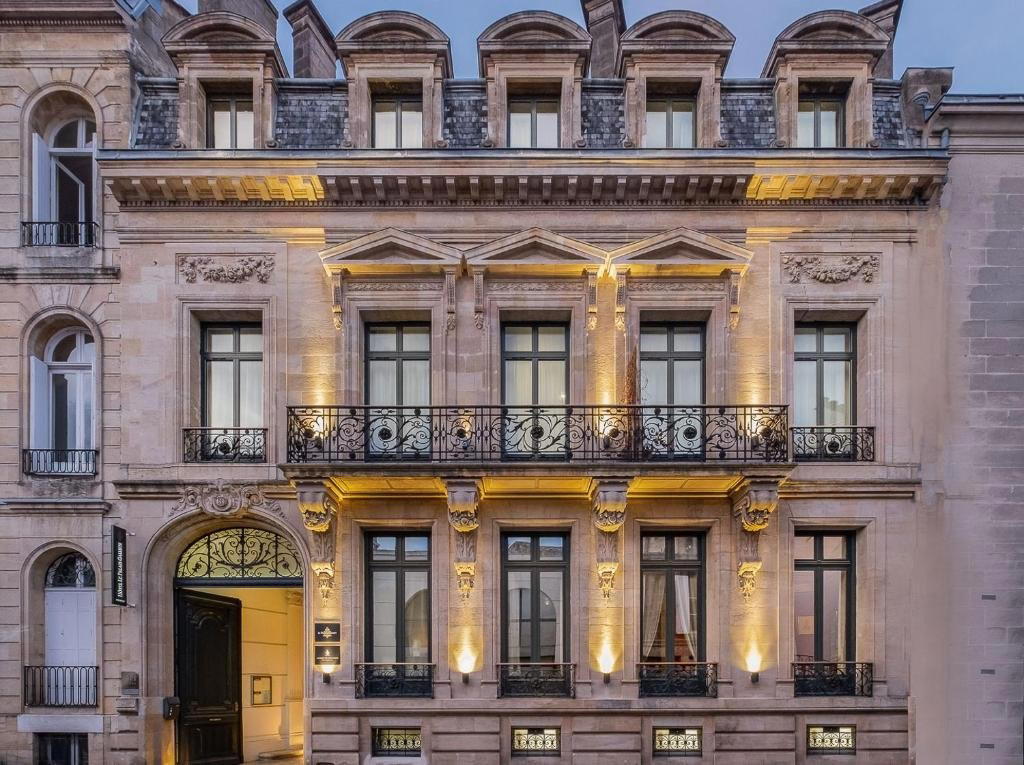
Classic and elegant with a historic, refined atmosphere evoking timeless Bordeaux grandeur.