
A third-growth Margaux estate in Cantenac, Château d'Issan earned a Pearl 3 Star Prestige rating in 2025, placing it among the Médoc's most closely watched producers. The estate sits within a classified peer group that includes Château Kirwan, Château Boyd-Cantenac, and Château Brane Cantenac, and its wines are allocated through established négociant and direct channels.
Pearl is the En Primeur Club membership app — saves, bookings, and concierge access live there. Same editors, same standards.
- Address
- Château d'Issan, Chem. de la Ménagerie, 33460 Margaux-Cantenac
- Phone
- +33 5 57 88 35 91
- Website
- chateau-issan.com
 Saves & bookings on Pearl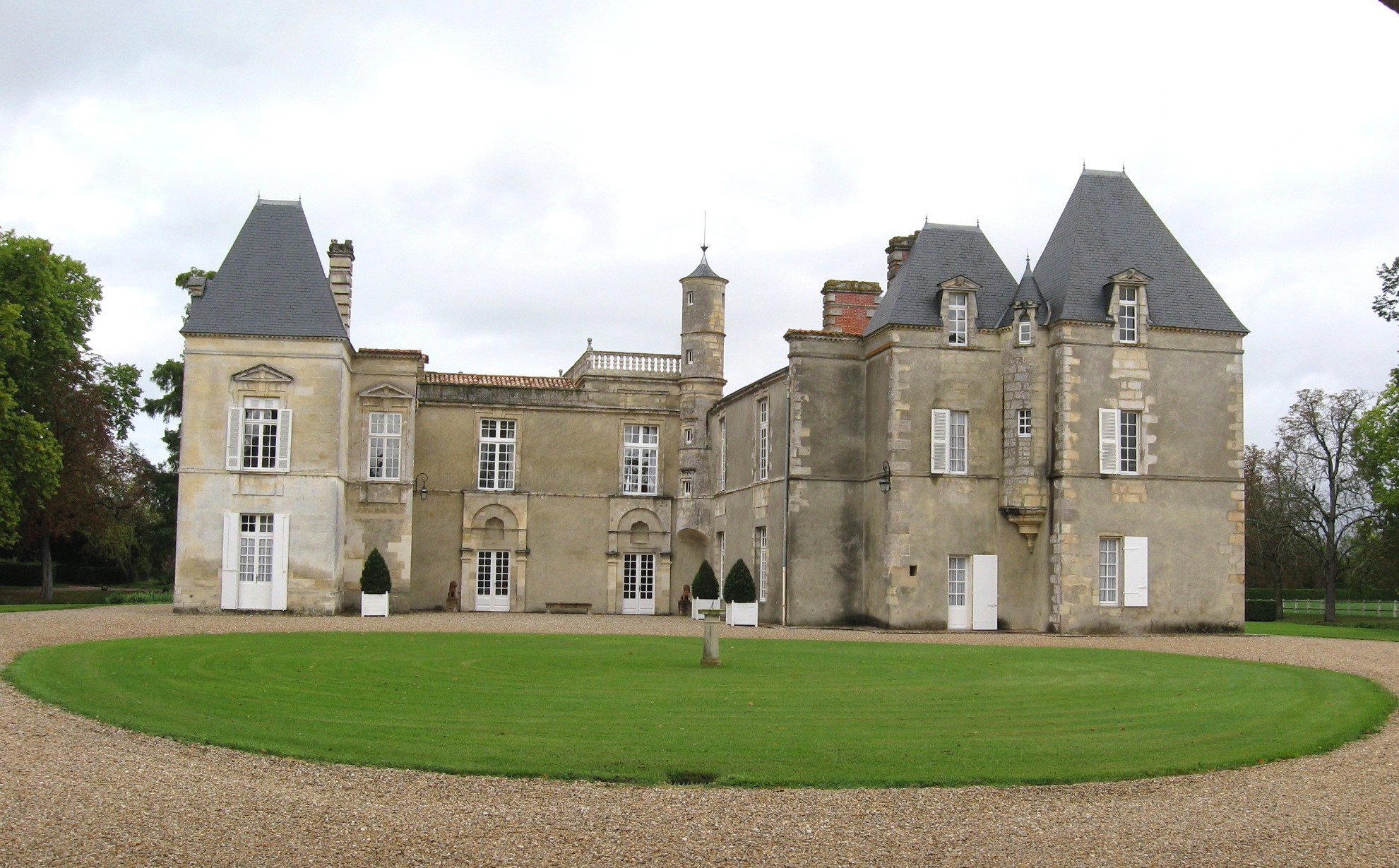
Where the Médoc's Architecture Meets Its Appellation
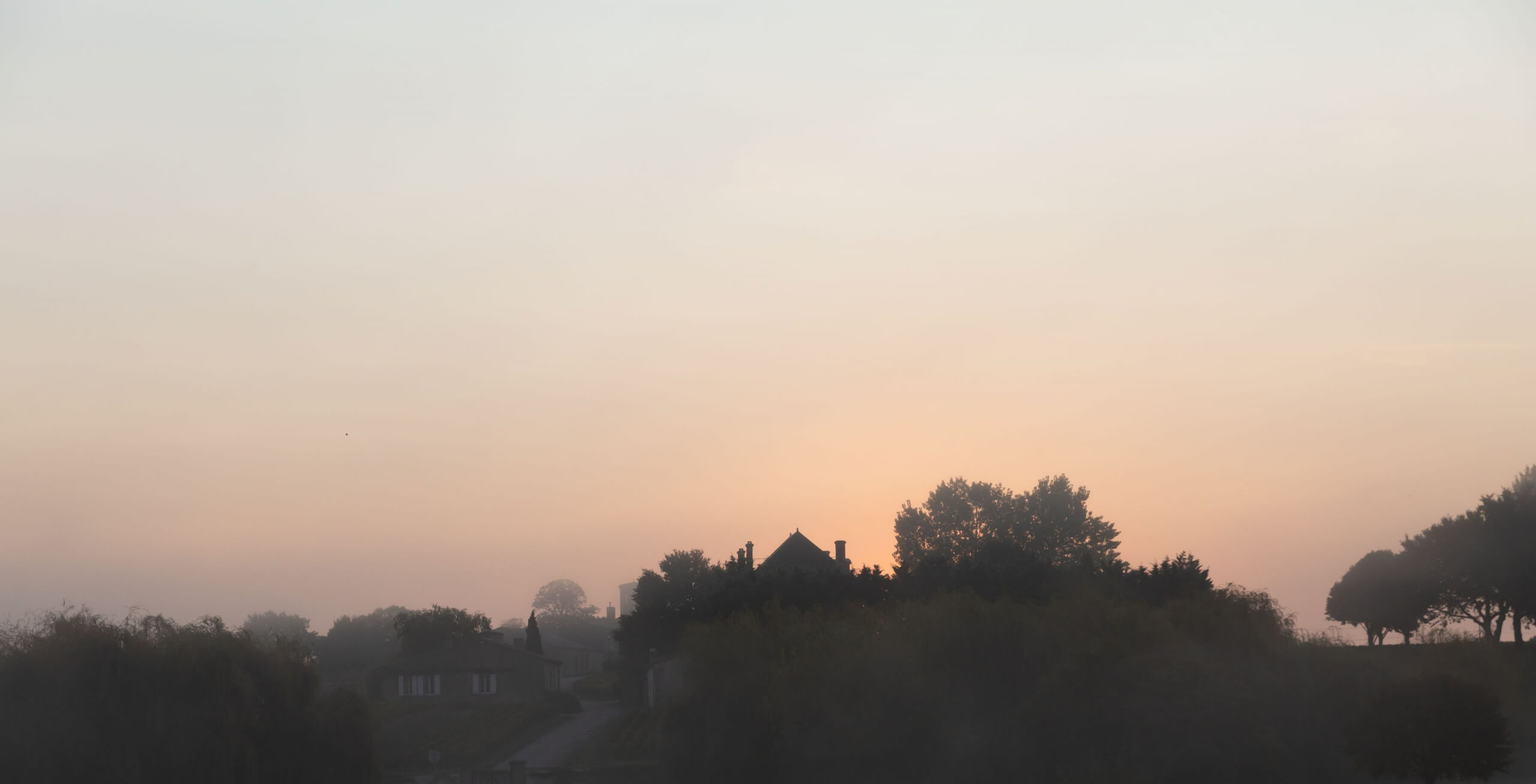
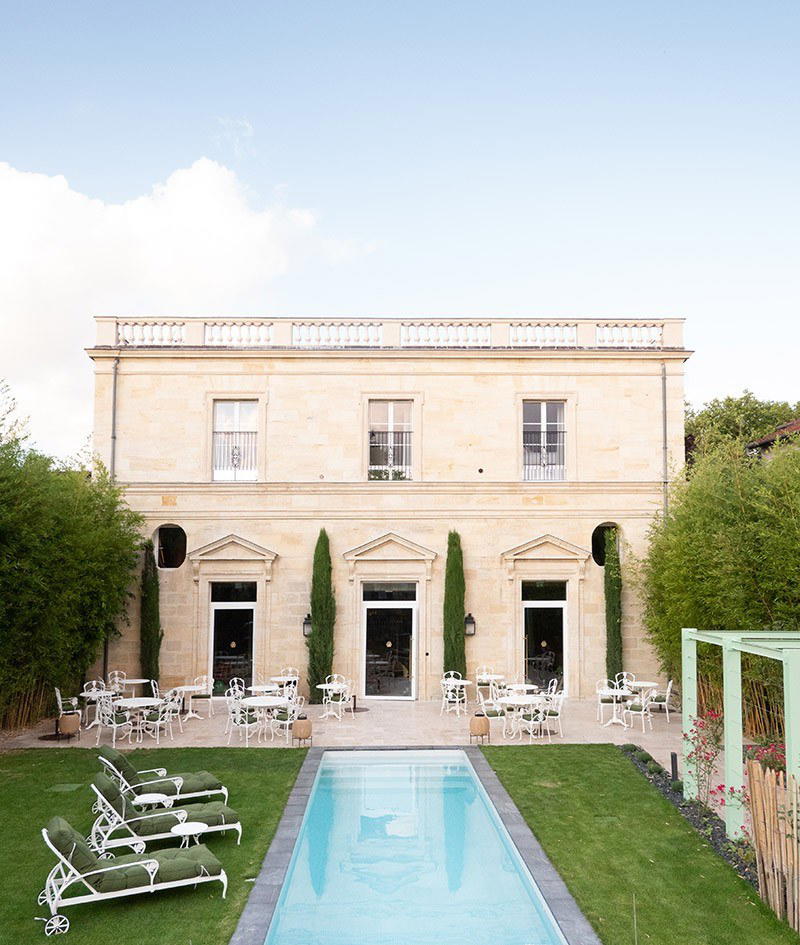
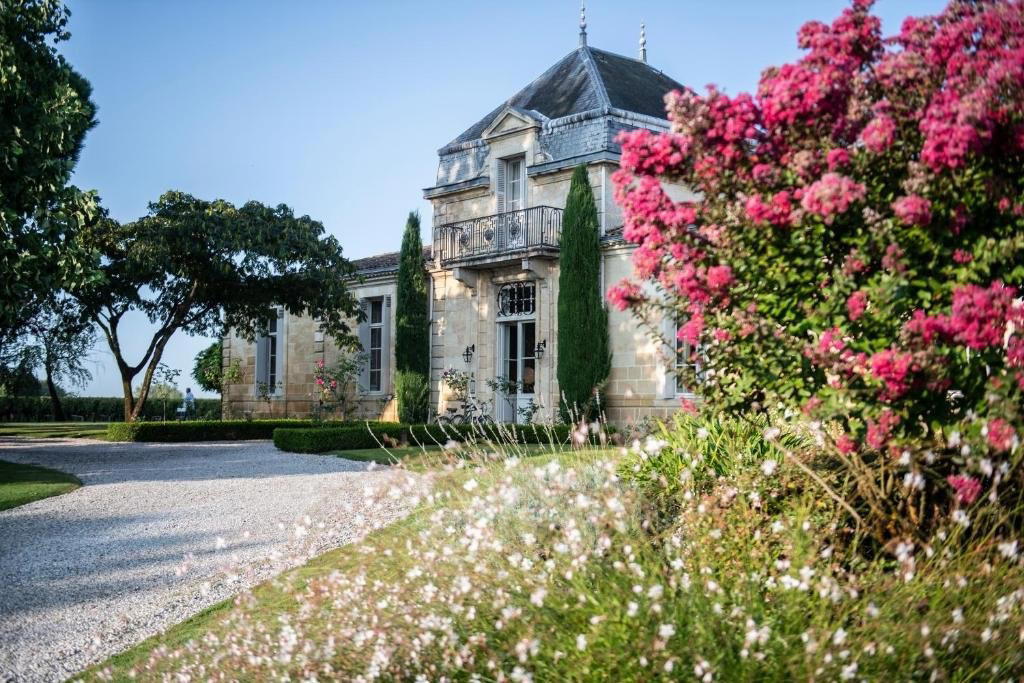
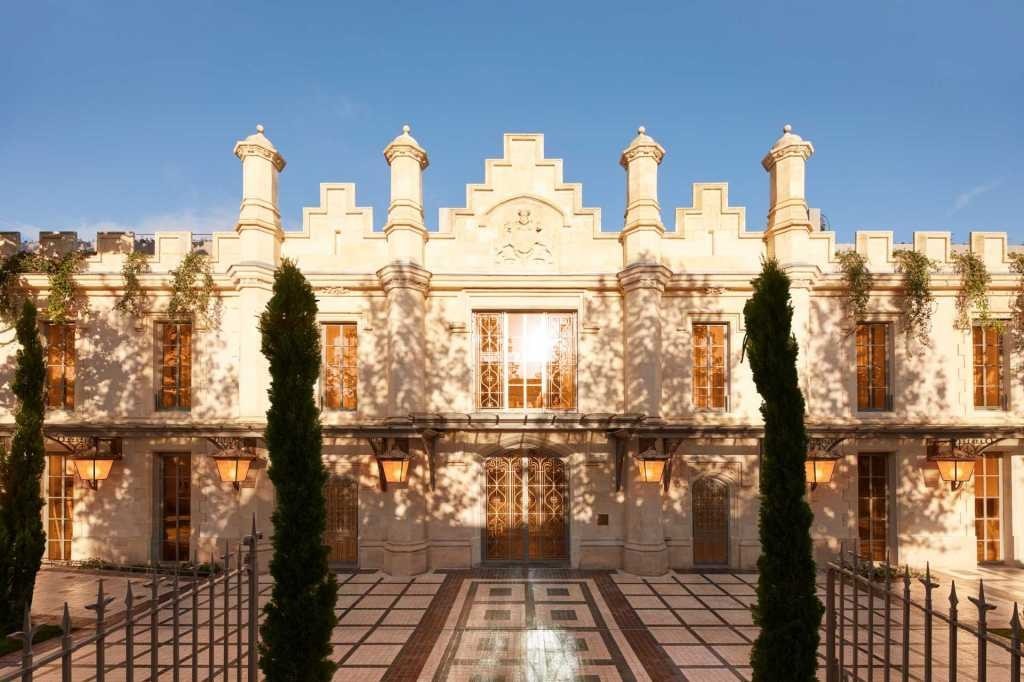
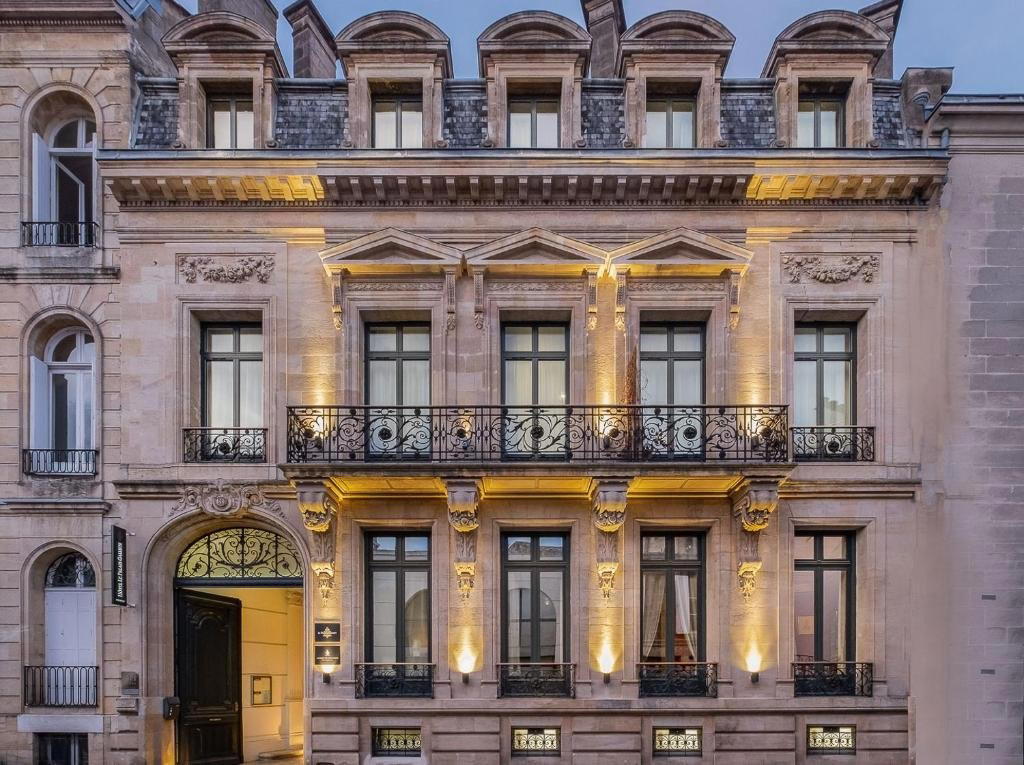
Approaching Château d'Issan along the Chemin de la Ménagerie in Cantenac, the moated château announces itself before the vines do. The 17th-century fortified structure is one of the more complete medieval-derived buildings in the Médoc, and the physical drama of arrival sets an expectation that the wine program then has to justify. In a region where many classified estates present behind anonymous cellar doors, the estate's architecture functions as a legible signal of what tier you are entering. This is Grand Cru Classé territory, third growth in the 1855 classification, and the visit format reflects that positioning.
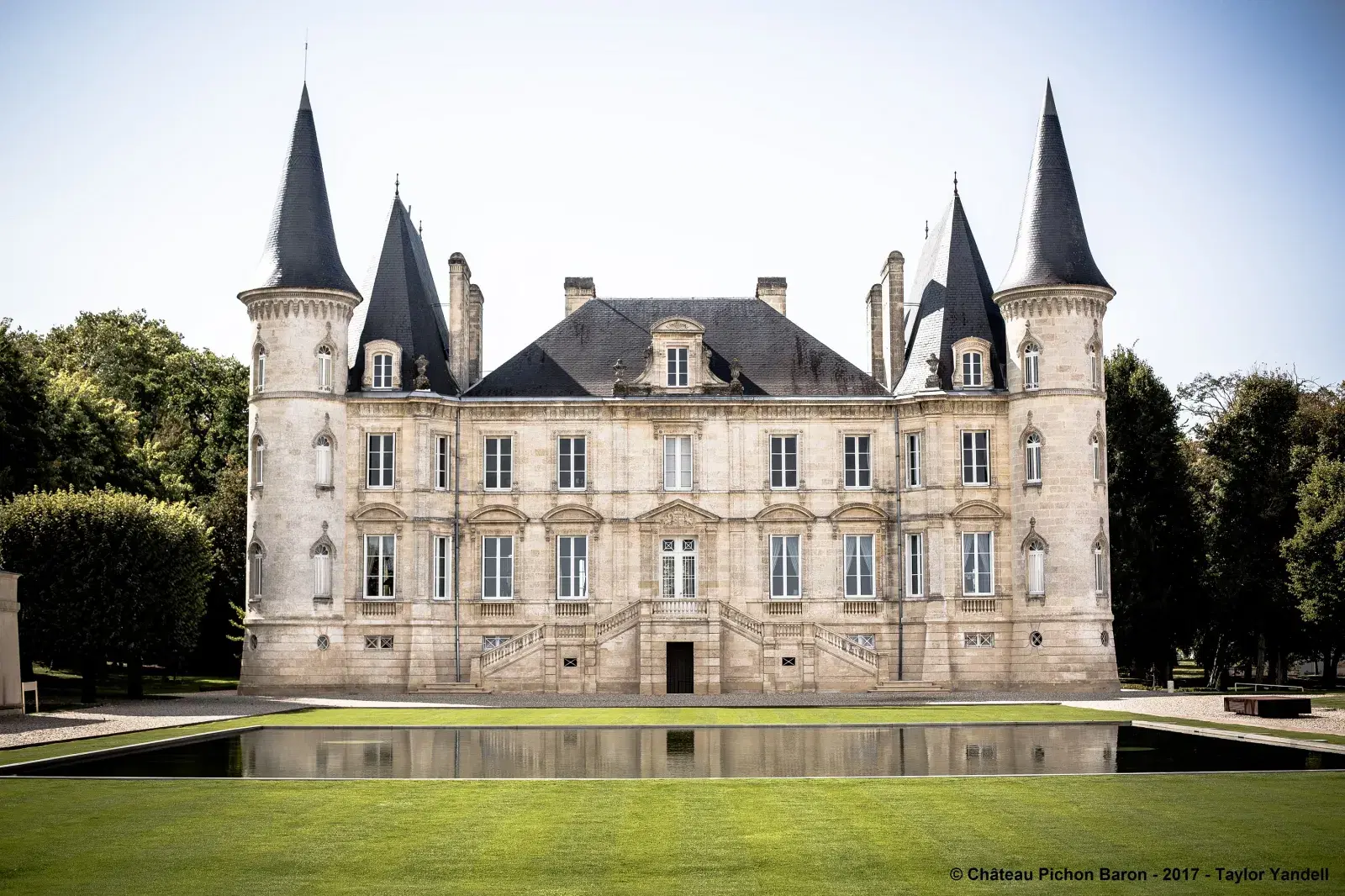
Cantenac itself occupies a specific position within the Margaux appellation. The commune sits directly south of the village of Margaux, and its gravel-rich soils on the Médoc's plateau produce wines that carry the Margaux AC designation while expressing slightly different textural character from the parcels immediately surrounding the village. The clustering of classified growths here is dense: Château Kirwan, Château Boyd-Cantenac, Château Pouget, and Château Prieuré-Lichine are all classified estates within the same commune. That density matters to the visitor: Cantenac rewards a structured day of tastings rather than a single-stop visit, and d'Issan occupies a central position in any serious itinerary of the area.
The 2025 Pearl 3 Star Prestige Rating and What It Signals
In 2025, Château d'Issan received a Pearl 3 Star Prestige designation, the highest tier in EP Club's recognition framework. In the Médoc context, Pearl 3 Star status is a meaningful filter: it narrows the field from the dozens of classified growths to the smaller cohort that consistently delivers against both the appellation's standards and the expectations of informed visitors.
The 1855 Classification provides the estate's foundational credential as a third growth, but that hierarchy is nearly 170 years old and tells you relatively little about current-vintage quality or visit experience. Among the Cantenac estates, the classification tier alone spans from second growth down to fourth, with Château Brane Cantenac holding second-growth status and representing the commune's highest-classified producer. D'Issan's third-growth position and current prestige rating together suggest a property operating at the upper range of the commune's output.
The Tasting Format in a Classified Médoc Estate
Tasting at a classified Médoc growth follows conventions that differ significantly from the appointment-light, walk-in culture of, say, Alsace's village producers or Napa's hospitality-forward tasting rooms. Estates at this level generally require advance contact, offer guided visits that combine cellar access with structured tasting, and price their visits to reflect the overhead of maintaining historic infrastructure alongside a precision winemaking operation. That format is not incidental: it screens visitors and ensures that the cellar team is presenting to an audience that has made a deliberate choice rather than a passing detour.
The physical environment at d'Issan adds a dimension that few Médoc estates can match. The moat, the fortified façade, and the interior courtyard create a tasting context that operates on two registers simultaneously: you are tasting appellation wine and doing so inside a structure with genuine historical weight. That combination distinguishes it within the Cantenac peer group, where the visitor experience at otherwise comparable estates is more functionally focused. For visitors comparing d'Issan against nearby classified estates, the architectural component is a differentiating factor that affects the overall memory of the visit more than any single pour.
Those looking to build a wider picture of how Margaux-appellation tastings compare across the Médoc's communes can reference comparable operations at Château Batailley in Pauillac or Château Branaire Ducru in St-Julien, where similarly classified estates offer their own visit formats and serve as useful benchmarks for what a classified-growth tasting visit should deliver in logistical terms.
Cabernet Sauvignon in the Margaux Appellation
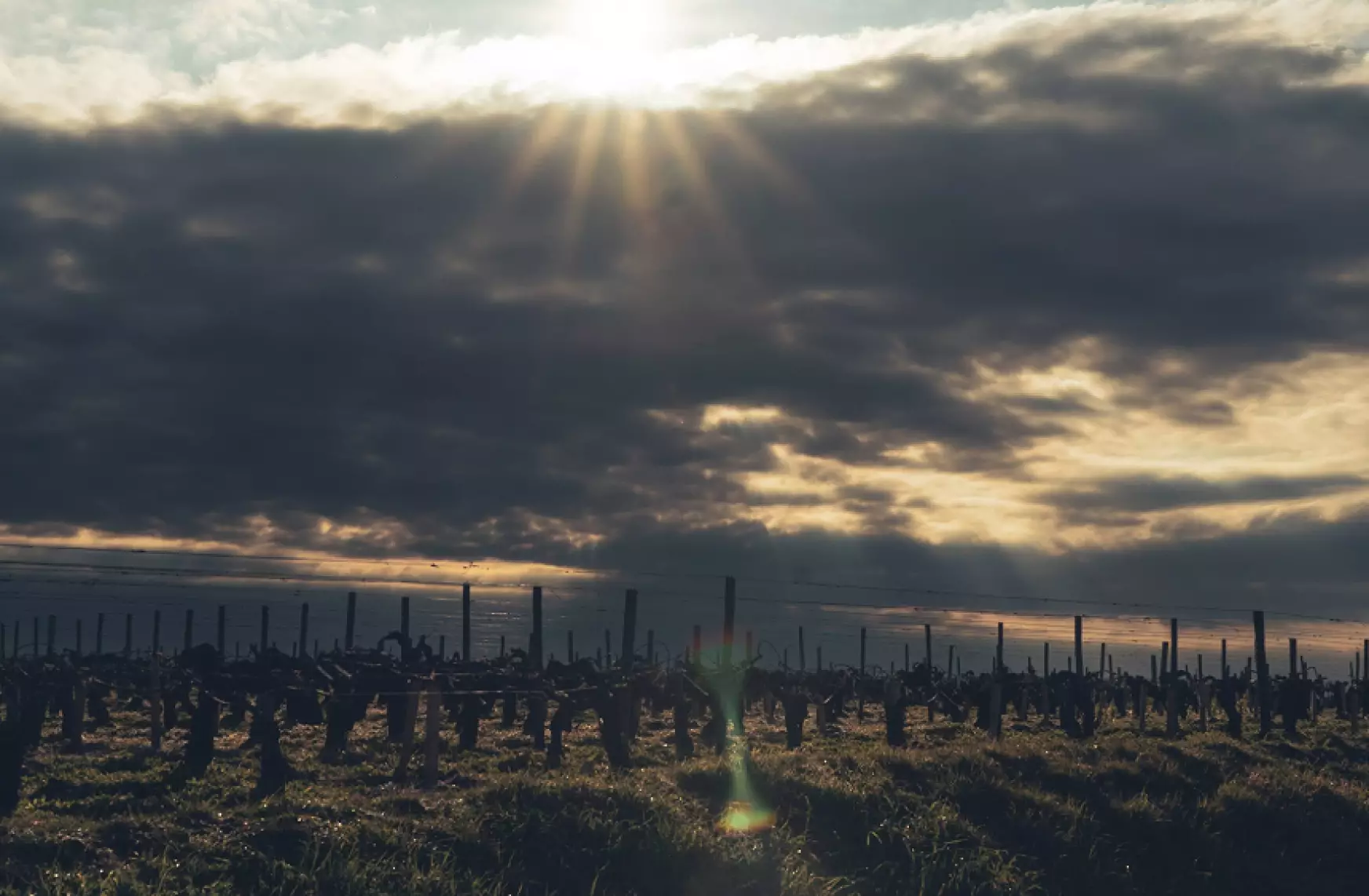
The wines of the Margaux appellation are built on Cabernet Sauvignon grown on deep gravel banks that provide exceptional drainage. The resulting wines tend toward finesse over power: lighter in body than a Pauillac, more floral in character than a St-Estèphe, and defined by a particular silkiness in tannin structure that the appellation's advocates consider its signature. That profile is consistent across Cantenac's classified estates, though parcel location, vine age, and cellar approach create meaningful variation within the commune.
D'Issan's position in the 1855 Classification as a third growth places its wine in a tier where the expectation is appellation typicity at reliable quality across vintages, not the extreme concentration of the first growths. That is a reasonable and useful way to frame what the wine is doing: it is an argument for the appellation's character rather than a single-vineyard expression of one producer's thesis. For visitors who want to understand the Margaux appellation rather than simply collect a name, that makes d'Issan a sound reference point. Producers making a different kind of argument in French wine more broadly, through single-vineyard Alsace or late-harvest Sauternes, can be found at Albert Boxler in Niedermorschwihr and Château Bastor-Lamontagne in Preignac, each of which operates in a different appellation logic.
Planning a Visit to Cantenac and the Médoc
The Médoc's classified estates are distributed along the D2 road north from Bordeaux, with Cantenac reachable in under 40 minutes from the city by car. The commune sits roughly midway along the Médoc's classified-growth corridor, making it a logical base for a two-day itinerary that covers both the Pauillac estates to the north and the Graves and Sauternes appellations to the south. Château Cantemerle in Haut-Médoc sits just south of Cantenac and represents the classified-growth appellation immediately below Margaux, making it a useful bracketing visit for those building a structured tour of the left bank's hierarchy.
Visits are by appointment only; contact the estate directly for scheduling. Classified estates in the Médoc frequently update their tasting programs seasonally, and en primeur periods in spring can affect availability significantly. The estate's address at Chemin de la Ménagerie, Margaux-Cantenac is confirmed, and the estate is accessible by car from Bordeaux. For comparable experiences at classified estates operating in different French wine regions, Château Bélair-Monange in Saint-Emilion offers a right-bank point of comparison for visitors whose itineraries extend beyond the Médoc.
Cuisine and Awards Snapshot
Comparable venues nearby, for context on price, style, and recognition.
| Venue | Cuisine | Price | Notes |
|---|---|---|---|
| Château d’IssanThis venue — the venue you are viewing | Cabernet Sauvignon, Merlot | $$$$ | |
| Château Brane Cantenac | Cabernet Sauvignon, Merlot | $$$$ | Cantenac |
| Château Prieuré-Lichine | Cabernet Sauvignon, Merlot | $$$$ | Cantenac |
| Château Boyd-Cantenac | Cabernet Sauvignon, Merlot | $$$ | Cantenac |
| Château Pouget | Cabernet Sauvignon, Merlot | $$$$ | Cantenac |
| Château Kirwan | Cabernet Sauvignon, Merlot | $$$$ | Cantenac |
Continue exploring
More in Cantenac
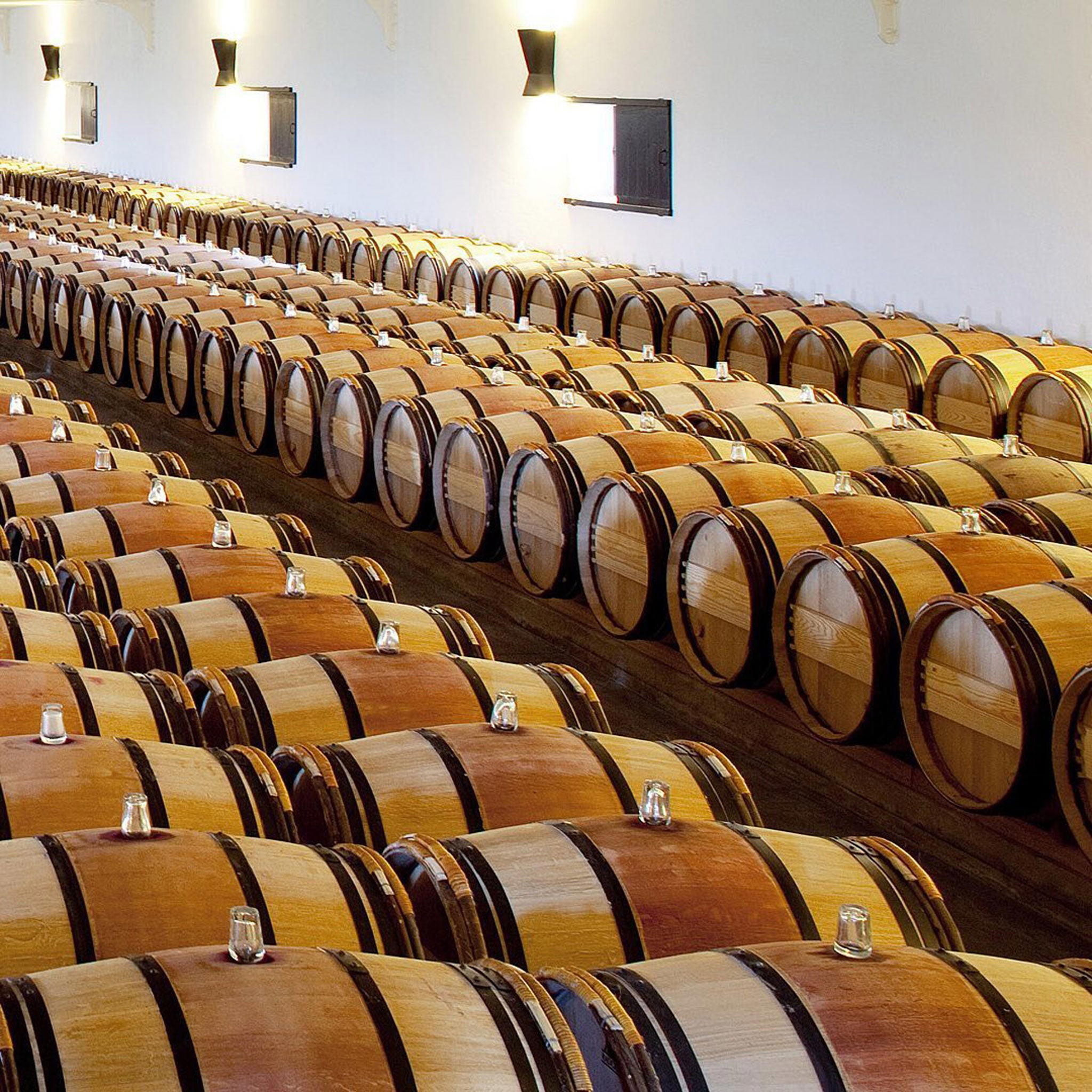
Wineries in Cantenac
Browse all →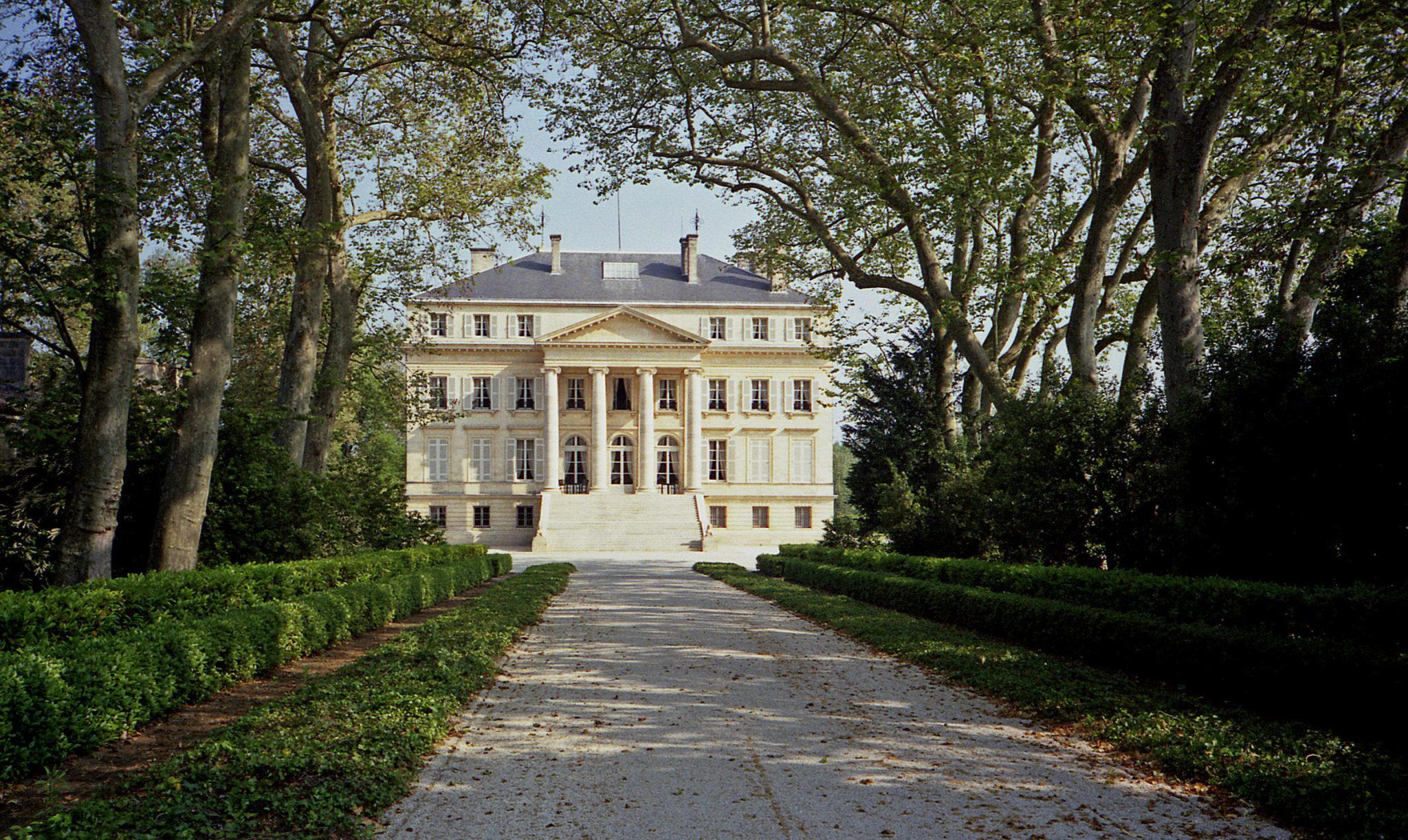
Bars in Cantenac
Browse all →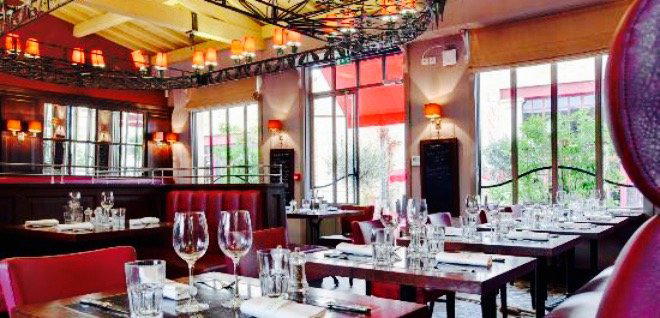
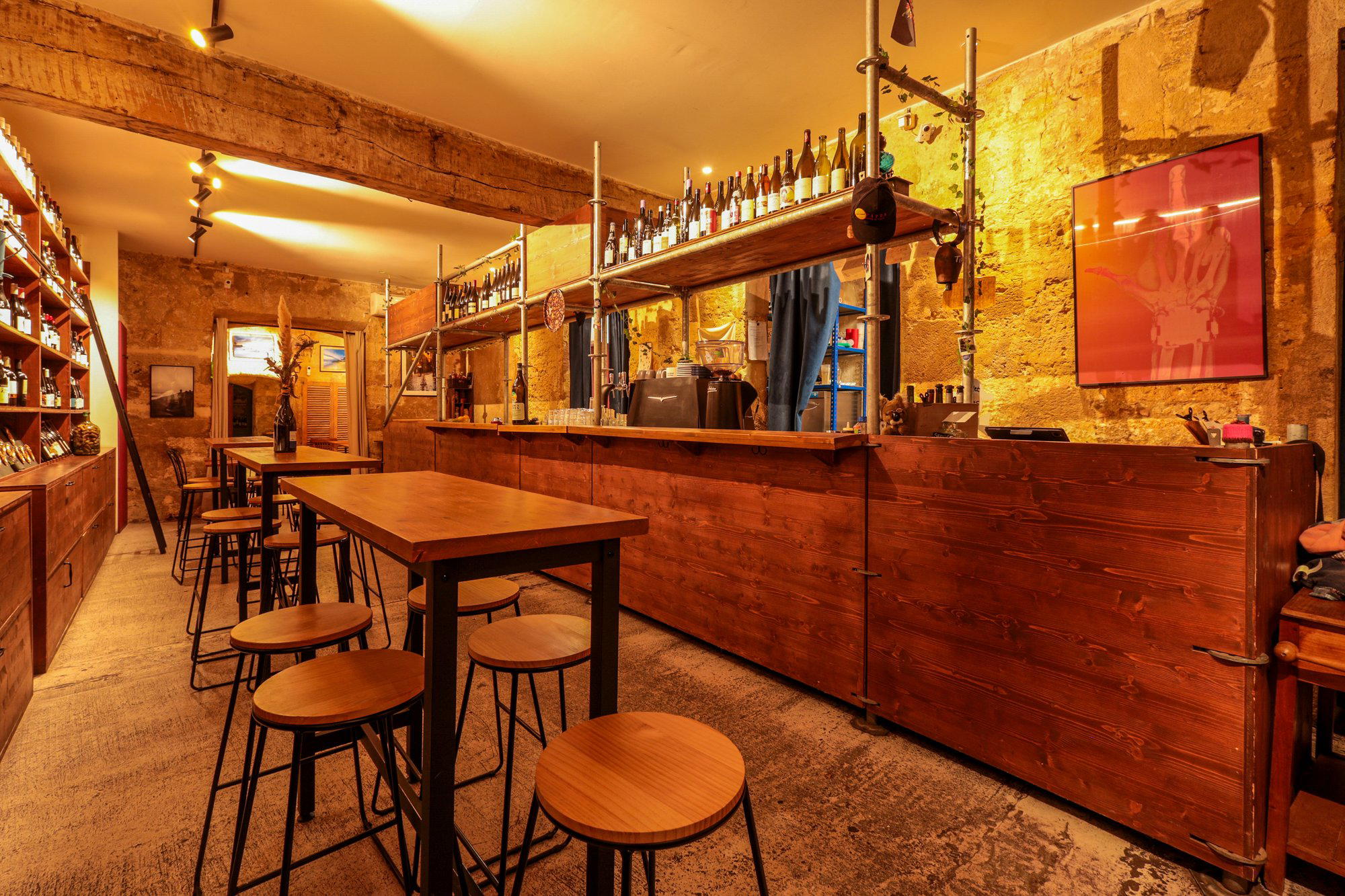
Restaurants in Cantenac
Browse all →
At a Glance
- Classic
- Elegant
- Historic
- Iconic
- Sophisticated
- Wine Education
- Special Occasion
- Vineyard Tour
- Estate Grounds
- Historic Building
- Vineyard
- Garden
Elegant and refined historic atmosphere with medieval architecture and serene estate grounds.