Nieto Senetiner

Falstaff Winery - Listed
The bodega sits within a competitive tier defined by long-standing estate operations and serious export track records, placing it alongside recognised names in the sub-Andean belt's upper echelon.

Pearl is the En Primeur Club membership app — saves, bookings, and concierge access live there. Same editors, same standards.
- Address
- Guardia Vieja 2000, M5509 Luján de Cuyo, Mendoza
- Phone
- +54 9 261 539-2086
- Website
- nietosenetiner.com.ar
- Directions
- Get directions
Planning a Visit to Nieto Senetiner: What the Booking Process Tells You About the Bodega
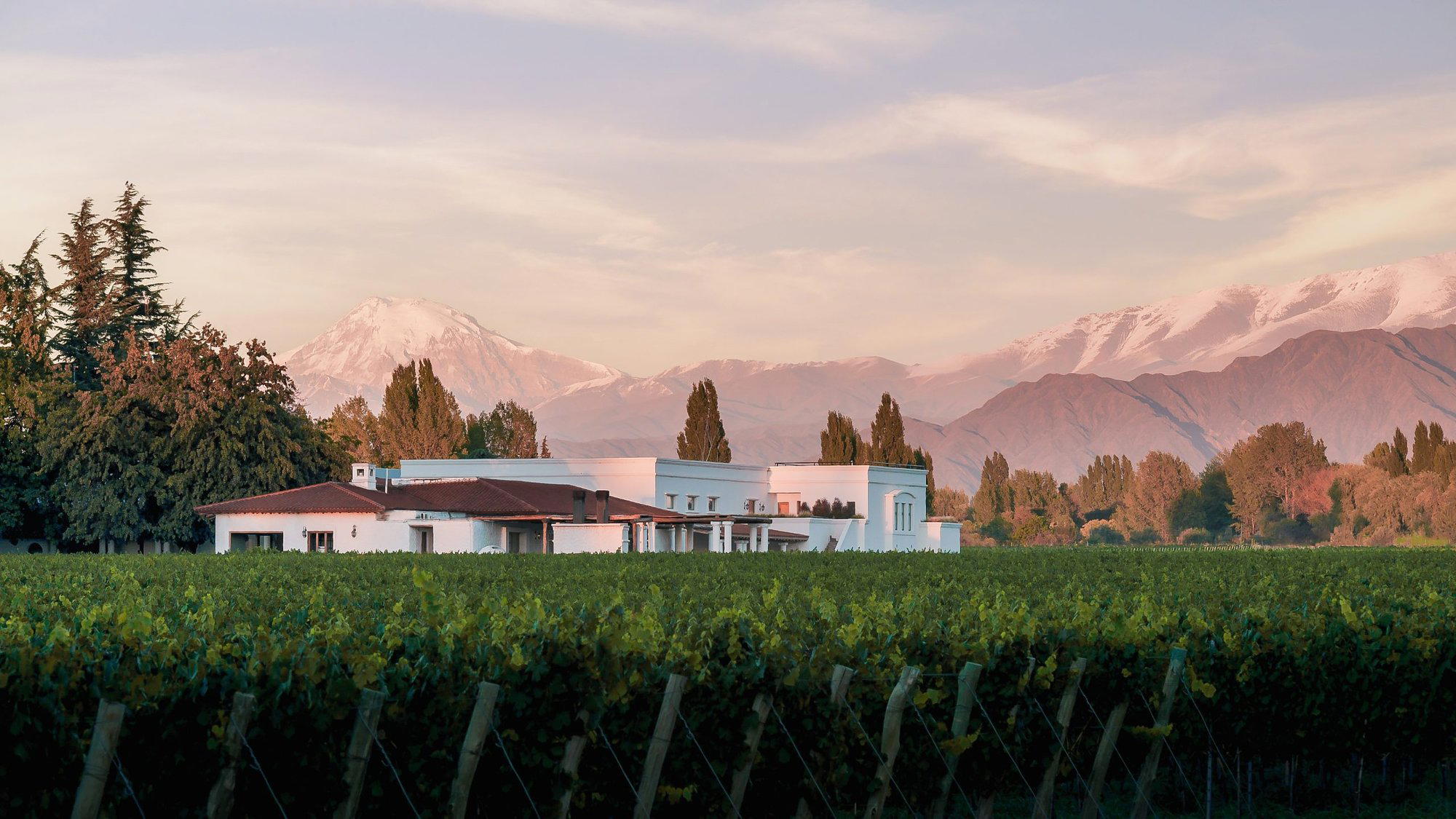
Approach Guardia Vieja 2000 on a clear Mendoza afternoon and the first thing you register is altitude logic: the Andes frame the western horizon at a scale that makes the vineyard rows below look like careful pencil lines. This is the geography that defines Luján de Cuyo's character as a wine sub-region, and Nieto Senetiner sits within it on an address that places the estate squarely in the appellation's historical core. Before you arrive, though, the planning process itself signals something about where the bodega sits in the local hierarchy.
Luján de Cuyo has split, over the past decade, into two broad visitor tiers. The first is open-door, high-volume tourism, where walk-ins are routine and tasting rooms run on throughput. The second is a reservation-first model favoured by producers who treat the cellar door as an extension of their brand positioning rather than a retail convenience.
The Luján de Cuyo Context
To understand Nieto Senetiner's position, it helps to understand what Luján de Cuyo actually is within the broader Mendoza appellation system. Argentina's premium Malbec geography is not uniform: the sub-Andean districts from Luján de Cuyo south through the Uco Valley represent meaningfully different expressions of the grape. Luján de Cuyo claims Argentina's first Denominación de Origen Controlada status, a designation that predates the country's broader appellation framework and that signals a long-running institutional confidence in the sub-region's terroir specificity. The soils here, alluvial and well-drained, sit at elevations between roughly 900 and 1,100 metres, creating a diurnal temperature range that preserves acidity in fruit that could otherwise become overripe at lower altitudes.
That context matters when you consider how to approach a visit. The producers who have operated in Luján de Cuyo long enough to build estate-level identity, vineyards with documented block history and vine age, are operating on a different timescale from the Uco Valley newcomers whose facilities are often newer but whose terroir story is still accumulating. Nieto Senetiner's estate presence on Guardia Vieja places it in that established tier. For comparison, you can trace similar institutional depth at Bodega Norton and Durigutti Winemakers, both of which operate within the same sub-regional logic.
It positions Nieto Senetiner within a cohort of Mendoza estates that compete on overall program depth, an important distinction when you are deciding how much time and budget to allocate to a visit versus other options in the same day or trip.
The rating also implies something about the visitor experience format. Prestige-tier bodegas in Luján de Cuyo typically structure their cellar-door programs around guided components rather than self-service tastings, which means a Nieto Senetiner visit is more likely to involve a scheduled appointment with a host who can contextualize the estate's range than a drop-in pour at a bar counter. Budget accordingly: these appointments tend to run between 90 minutes and two hours, and the better ones include a vineyard component before entering the cellar.
How to Book and When to Go
Given the reservation-first model that characterises producers at this rating level, reaching Nieto Senetiner requires advance contact. If you are building a multi-bodega itinerary, the same approach applies to Cheval des Andes, whose booking protocol follows a similarly controlled format.
The seasonal logic for Luján de Cuyo visits is relatively consistent across its leading producers. Harvest season, running from late February through April, brings the highest density of activity in the vineyards but also the highest visitor demand and the most disrupted cellar schedules, as winemaking teams are mid-process. The window between May and July offers cooler temperatures, quieter roads, and staff who are available to give a visit more attention. August through October is the pruning and dormancy period, visually less dramatic than harvest but often the period when appointment availability is most flexible. November and December see visitor numbers rising ahead of the southern hemisphere summer.
For those building a broader Mendoza itinerary, Nieto Senetiner fits naturally into a Luján de Cuyo day that also includes Bodega Lagarde or Bodega Norton, both within the same sub-regional cluster. If your itinerary extends beyond Mendoza province, the contrast between Luján de Cuyo's established Malbec identity and the high-altitude terroir of Bodega El Esteco in Cafayate or Bodega Colomé in Molinos is worth the additional travel. Further south, Bodega DiamAndes in Tunuyán and Rutini Wines in Tupungato represent the Uco Valley tier for those who want to compare sub-regional expressions in a single trip.
Getting to Guardia Vieja 2000
Luján de Cuyo is accessible from Mendoza city in under 30 minutes by car, and most wine visitors to the region base themselves in the city and take day trips south. Guardia Vieja sits within the department at an address that places it in the estate-dense corridor along the Río Mendoza's alluvial fan. Hiring a driver for a full day rather than relying on taxis gives you the flexibility to sequence multiple visits without dead time, a practical consideration when Prestige-tier bodegas each require a minimum 90-minute commitment. Our full Luján de Cuyo guide covers transport logistics, neighbourhood character, and how to sequence the sub-region's producers across a one- or two-day program.
A Minimal comparable set
Comparable venues nearby, for context on price, style, and recognition.
| Venue | Cuisine | Price | Awards | Notes |
|---|---|---|---|---|
| Nieto SenetinerThis venue — the venue you are viewing | Vistalba, Malbec, Bonarda | $50–100 | Falstaff Winery - Listed | Not listed |
| Las Perdices | Agrelo, Malbec, Syrah | Not listed | Not listed | Not listed |
| Chakana Winery | Agrelo, Malbec, Cabernet Franc | Not listed | Falstaff Winery - Listed | Not listed |
| Achaval Ferrer | Not listed | $50–100 | Falstaff Winery - Listed | Luján de Cuyo, Malbec, Cabernet Sauvignon |
| Fabre Montmayou | Vistalba, Malbec, Merlot | Not listed | Not listed | Not listed |
Recognition history
Dated appearances from independent guides and award organizations, with the underlying list record or original source where available.
Falstaff Winery - Listed
Falstaff
Continue exploring
More in Luján de Cuyo
Wineries in Luján de Cuyo
Browse all →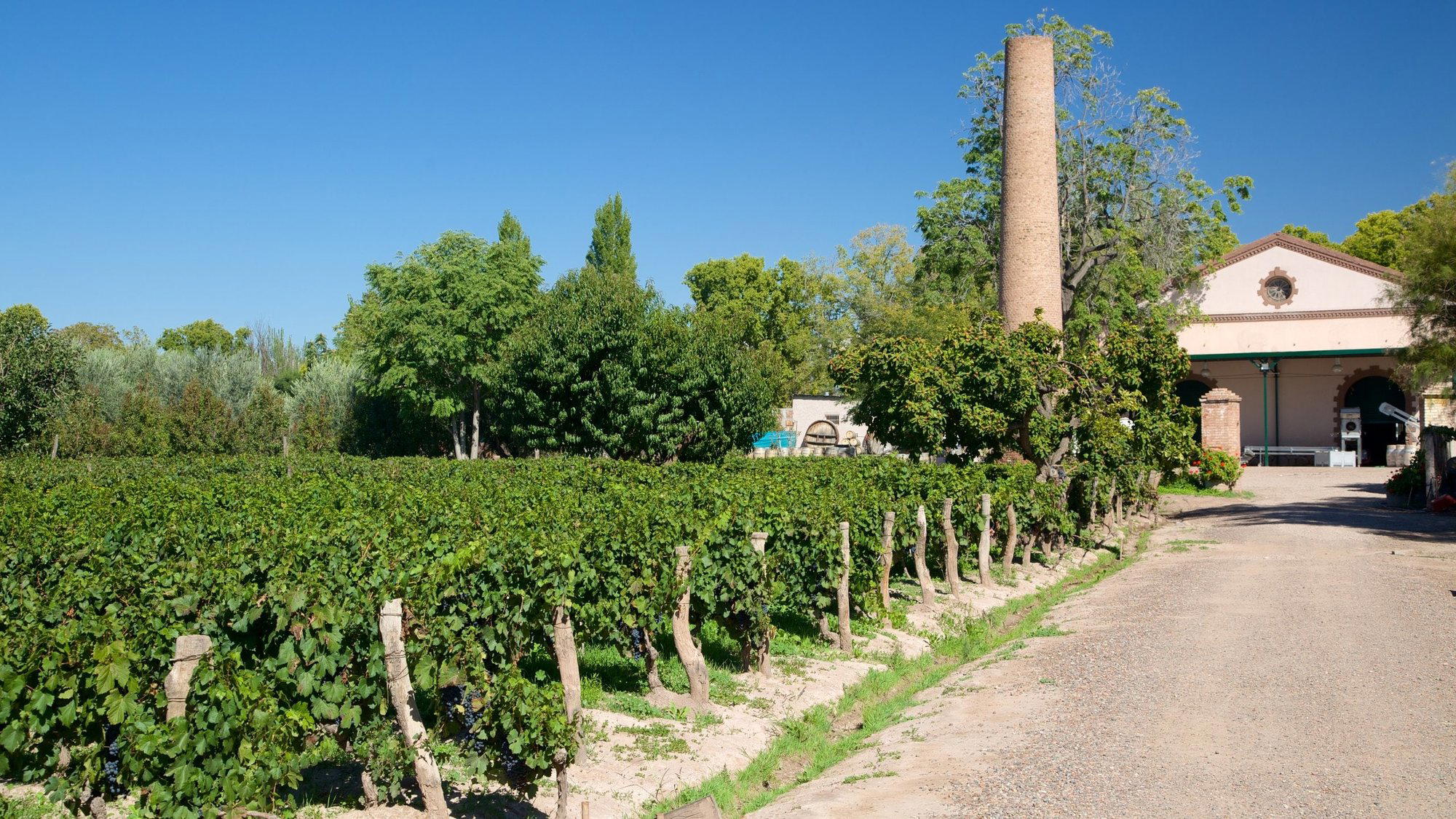
Bars in Luján de Cuyo
Browse all →
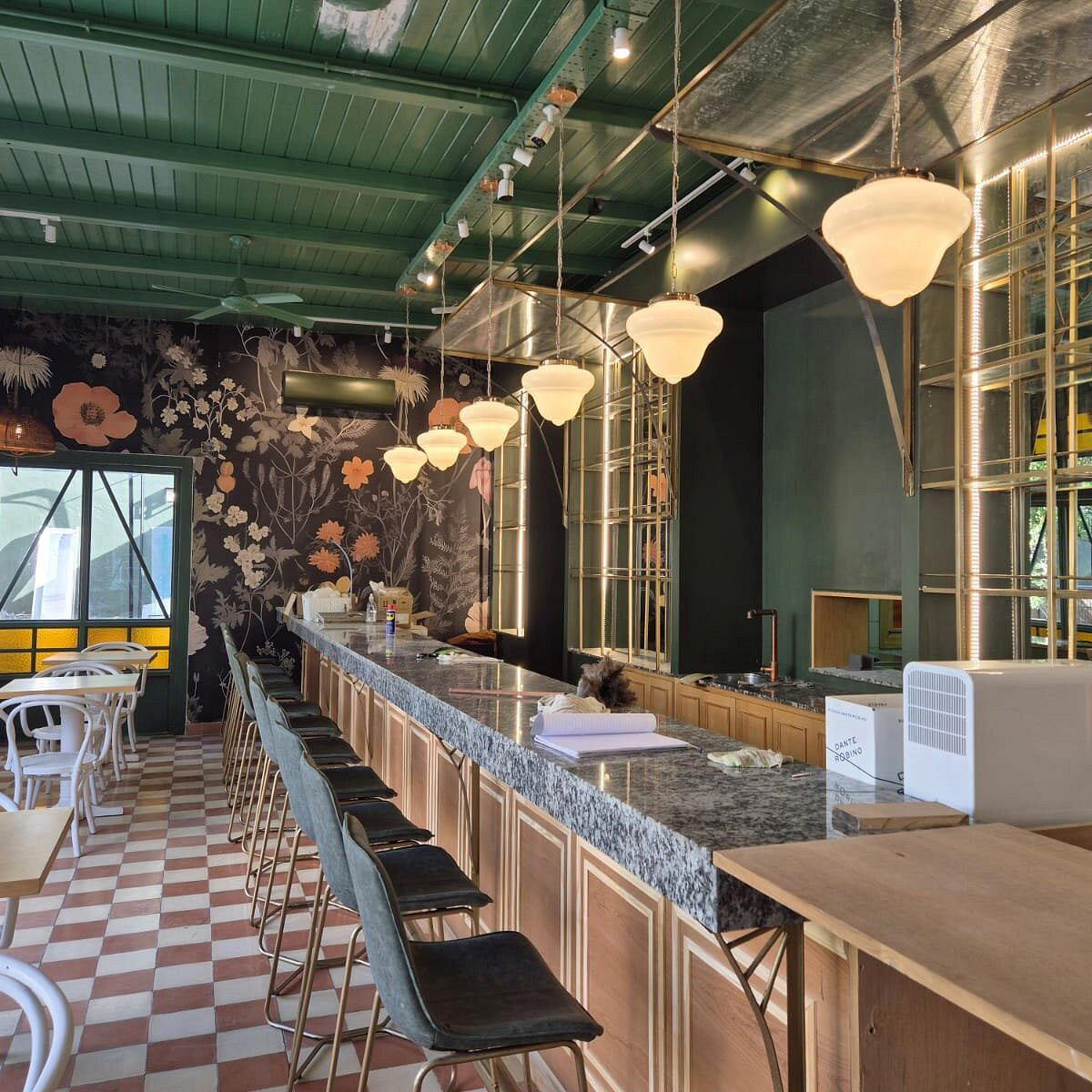
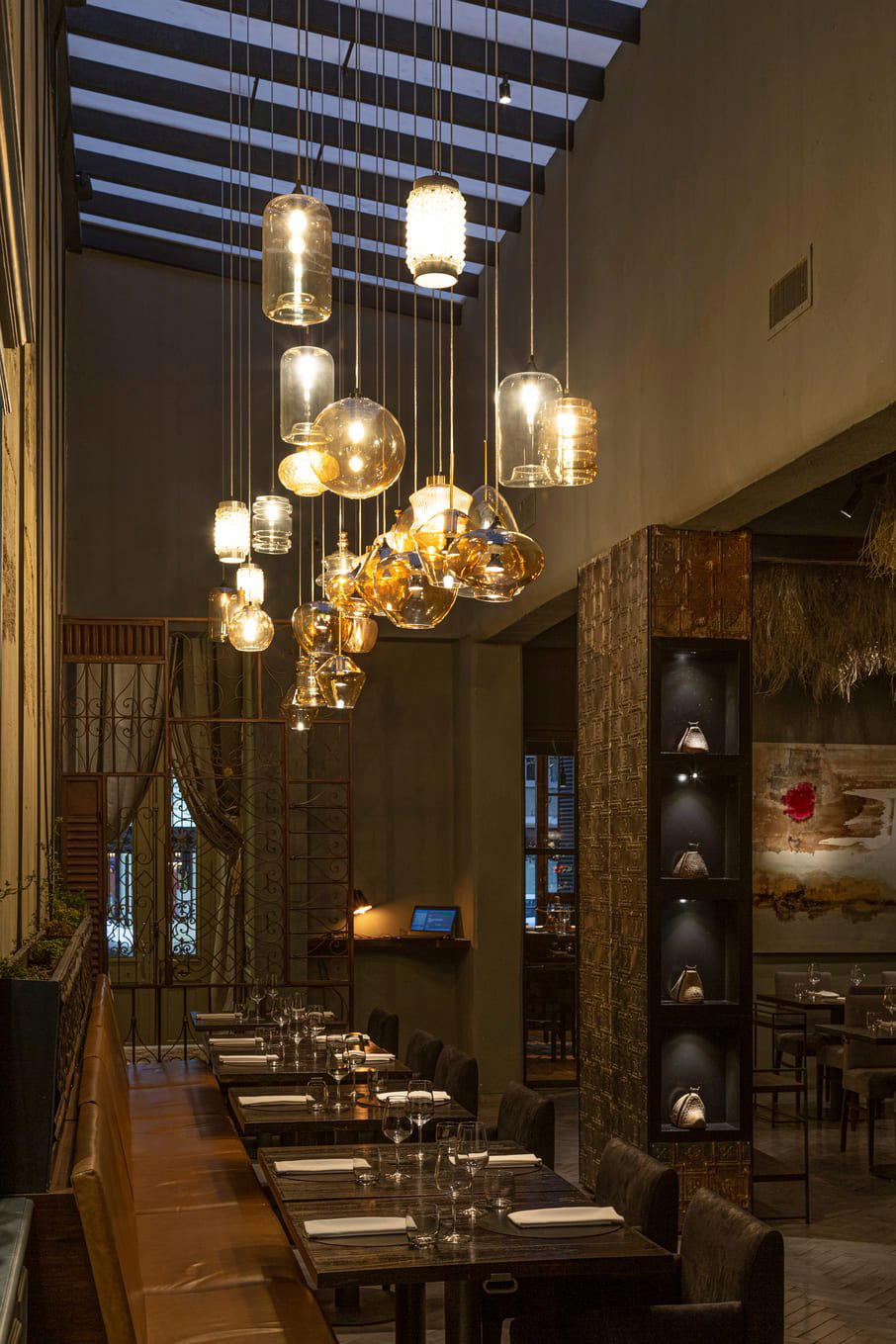
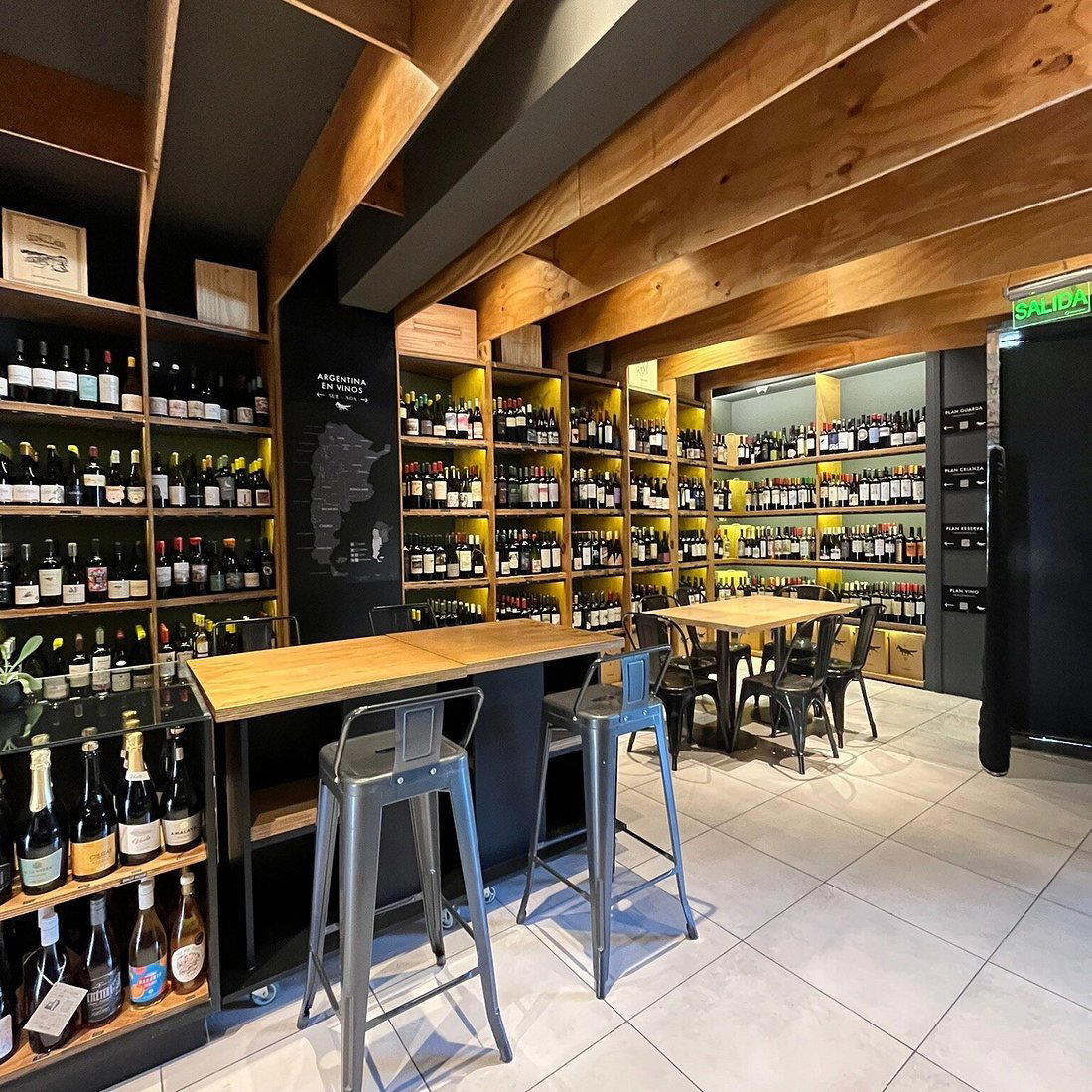
Restaurants in Luján de Cuyo
Browse all →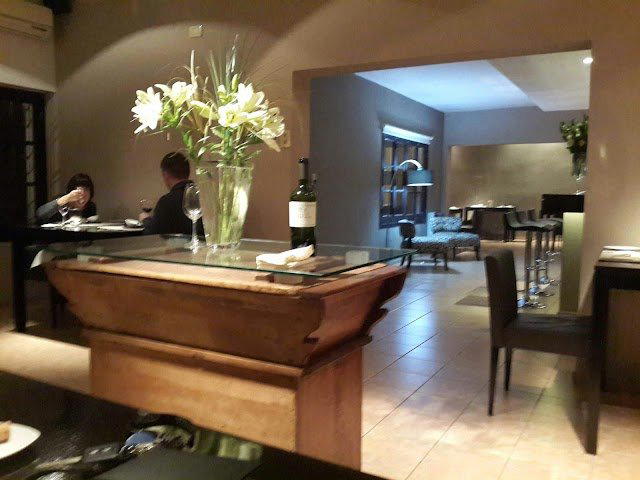
Details
- Classic
- Rustic
- Historic
- Scenic
- Wine Education
- Group Outing
- Special Occasion
- Vineyard Tour
- Estate Grounds
- Historic Building
- Organic
- Sustainable
- Vineyard
- Mountain
- Malbec
- Bonarda
- Cabernet Sauvignon
- Pinot Noir
- Semillon
- Still Red
- Guided Tasting
- Private Tasting
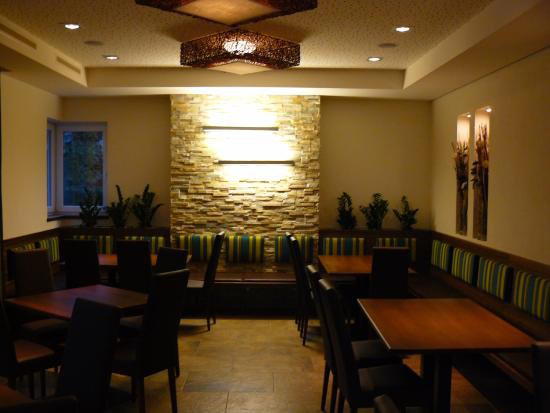
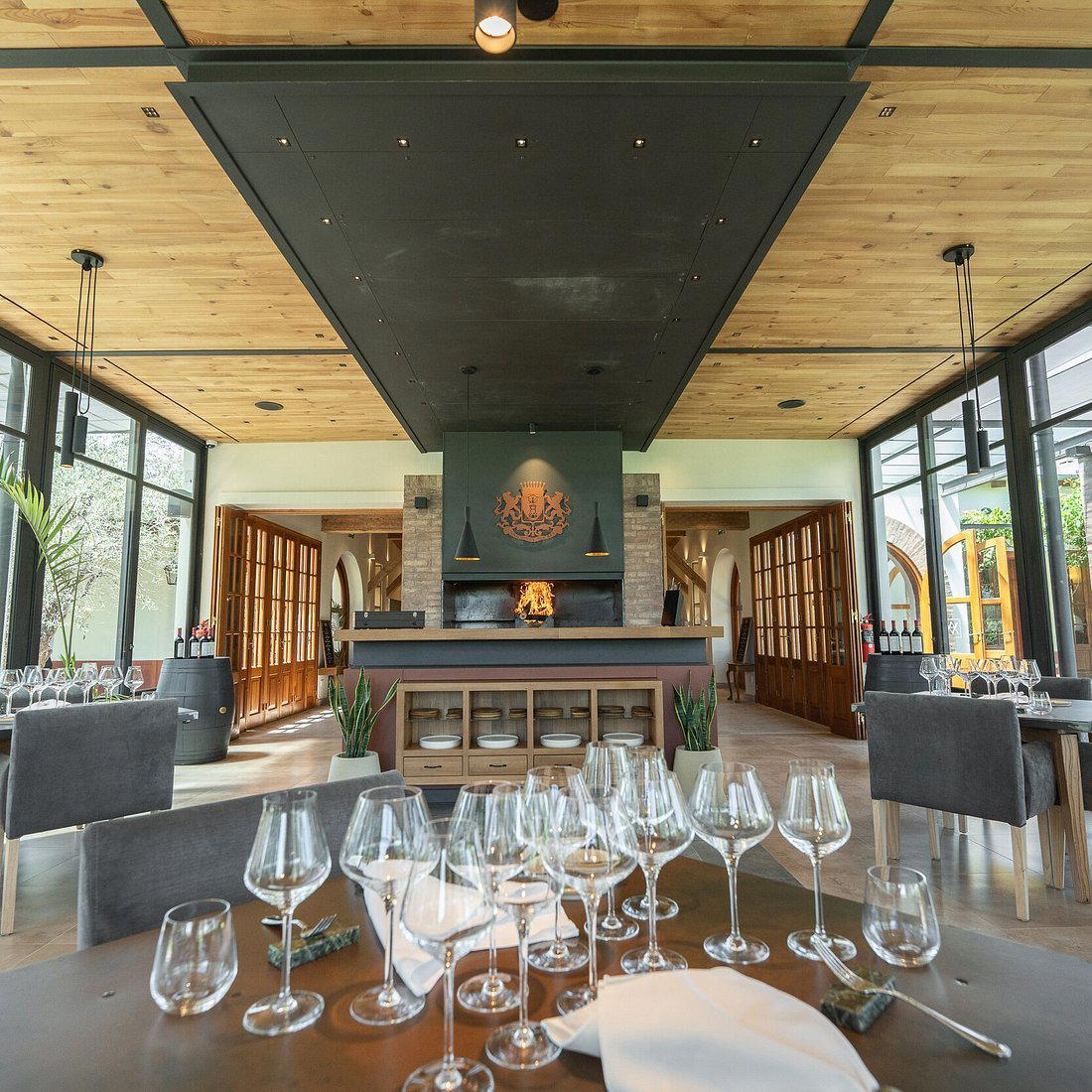
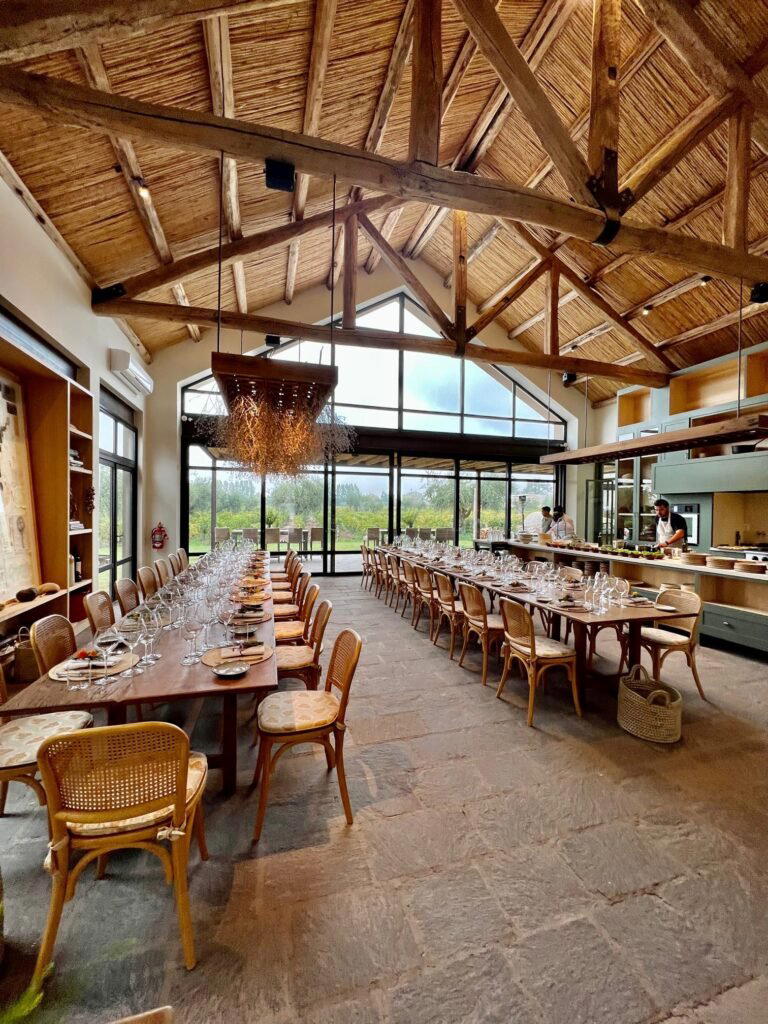
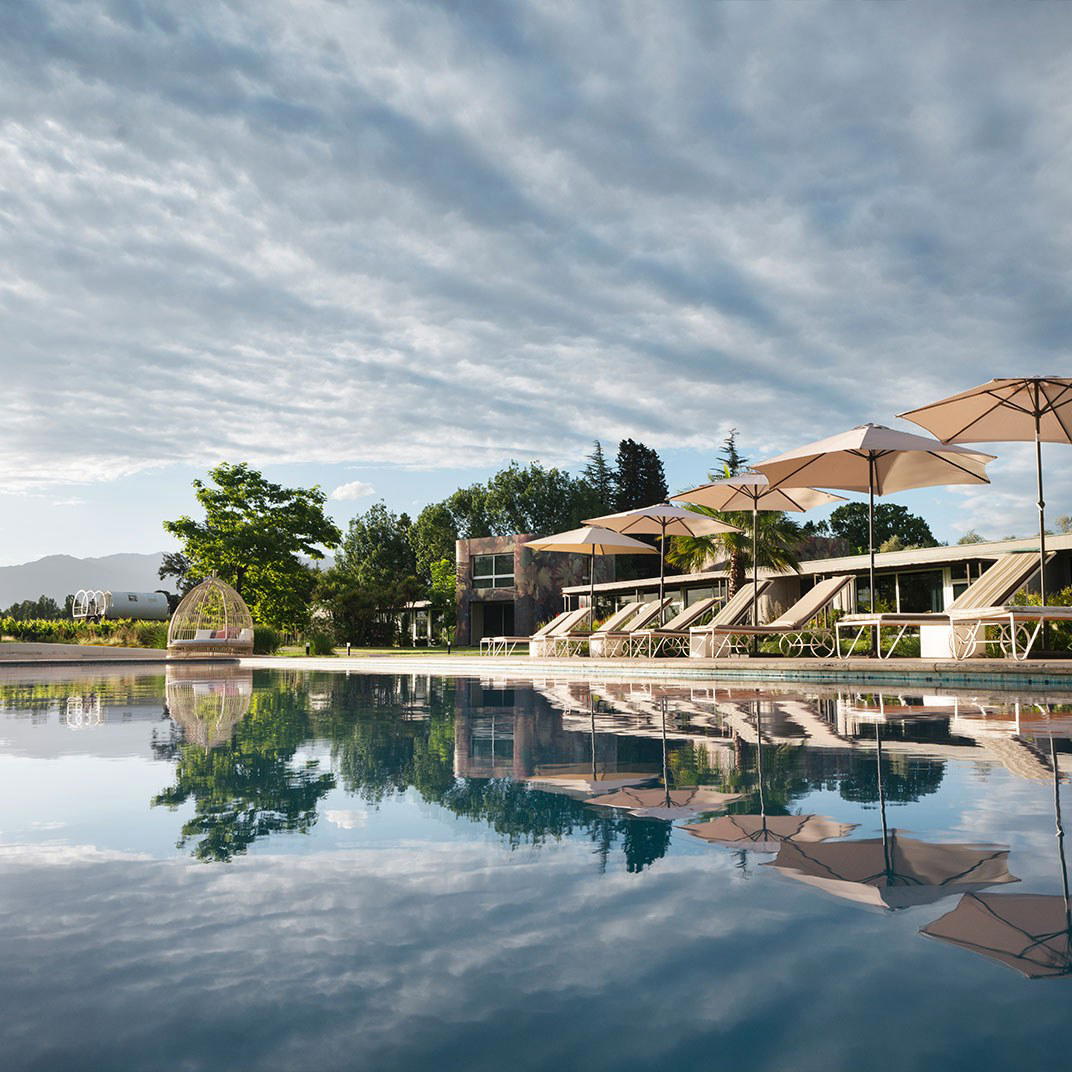
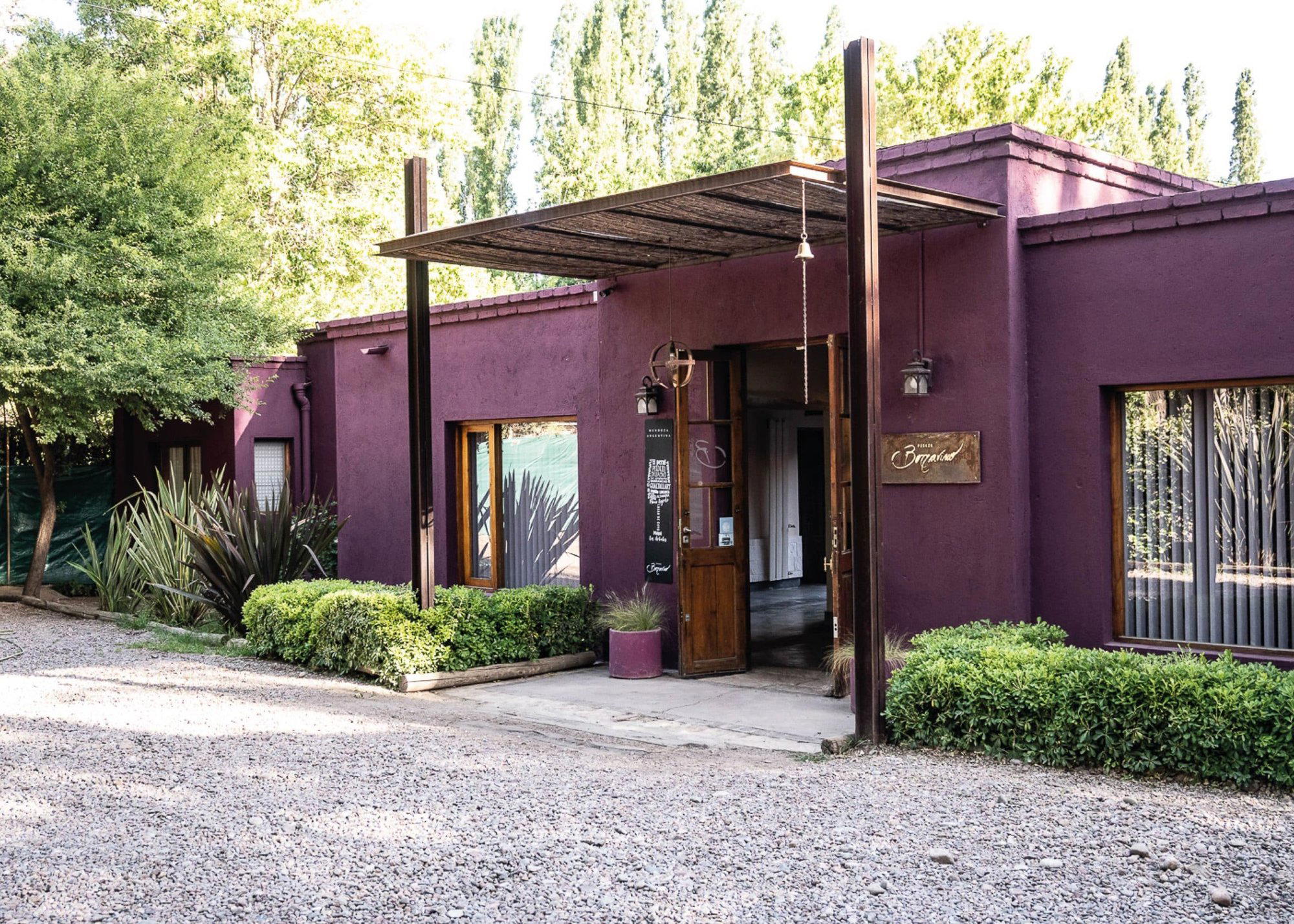
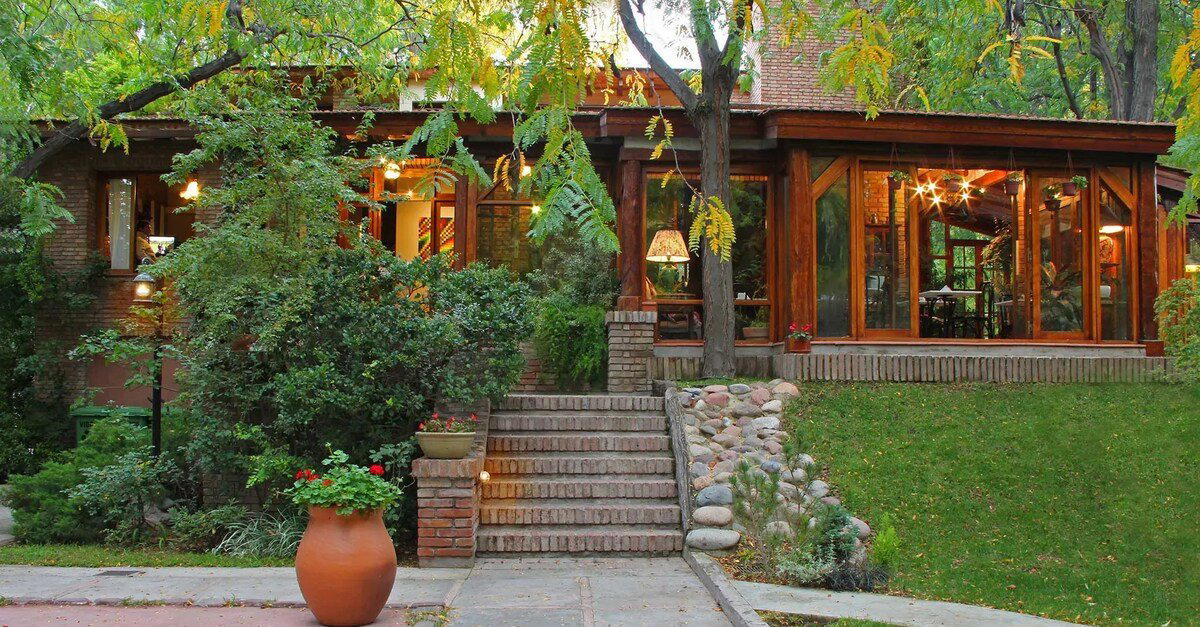
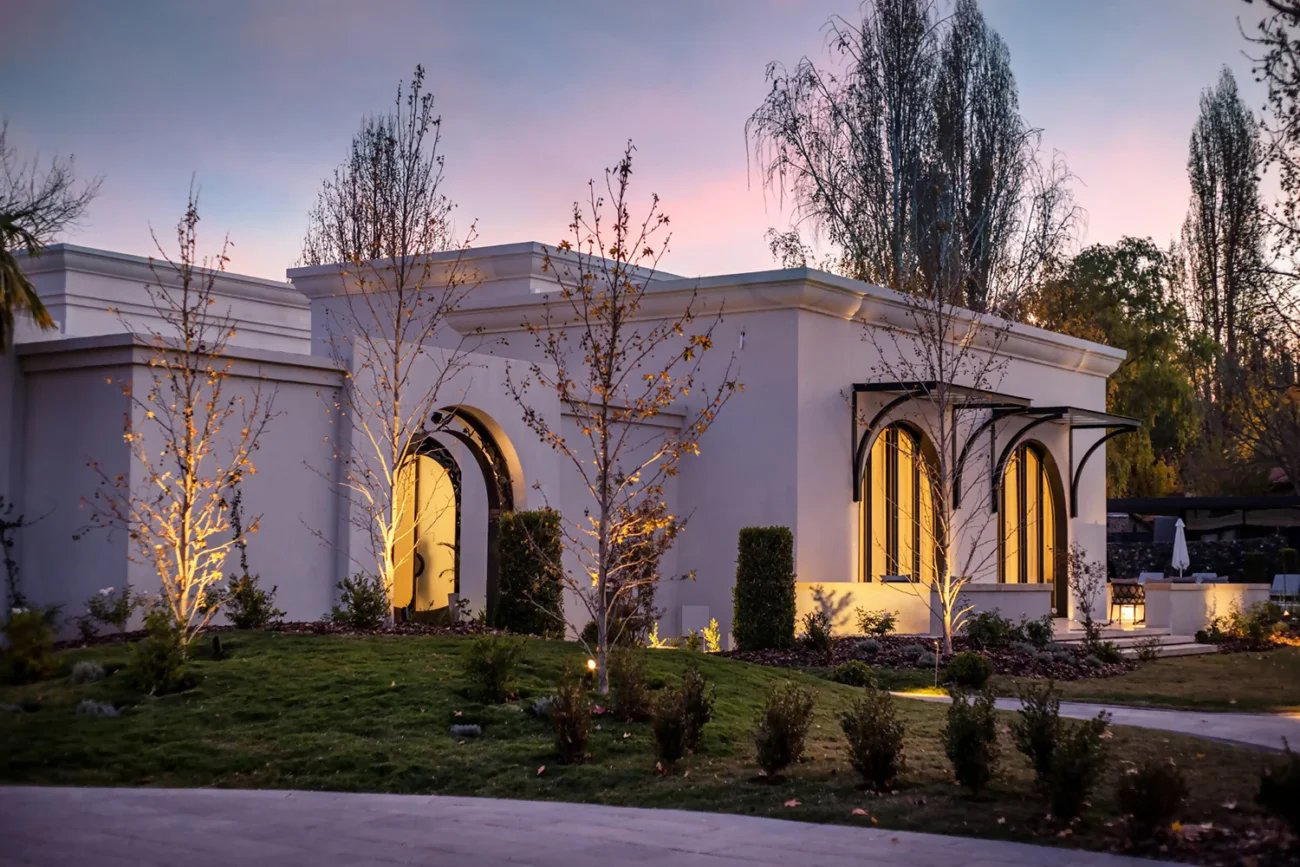
Historic colonial-style building with picturesque vineyards, tree-lined entrance, and elegant dining area featuring lovely views.