Bodegas Tradición

Bodegas Tradición operates at the serious end of Jerez's sherry spectrum, holding a Pearl 2 Star Prestige rating from EP Club (2025) and occupying a historic palacio in the city's old quarter. The bodega sits within a small tier of producers that treat very old soleras as primary material rather than marketing. It is a reference point for anyone tracing how albariza soils and Atlantic winds translate into aged wine.
 Discover on Pearl
Pearl is the En Primeur Club membership app — saves, bookings, and concierge access live there. Same editors, same standards.
Where Albariza and Age Converge
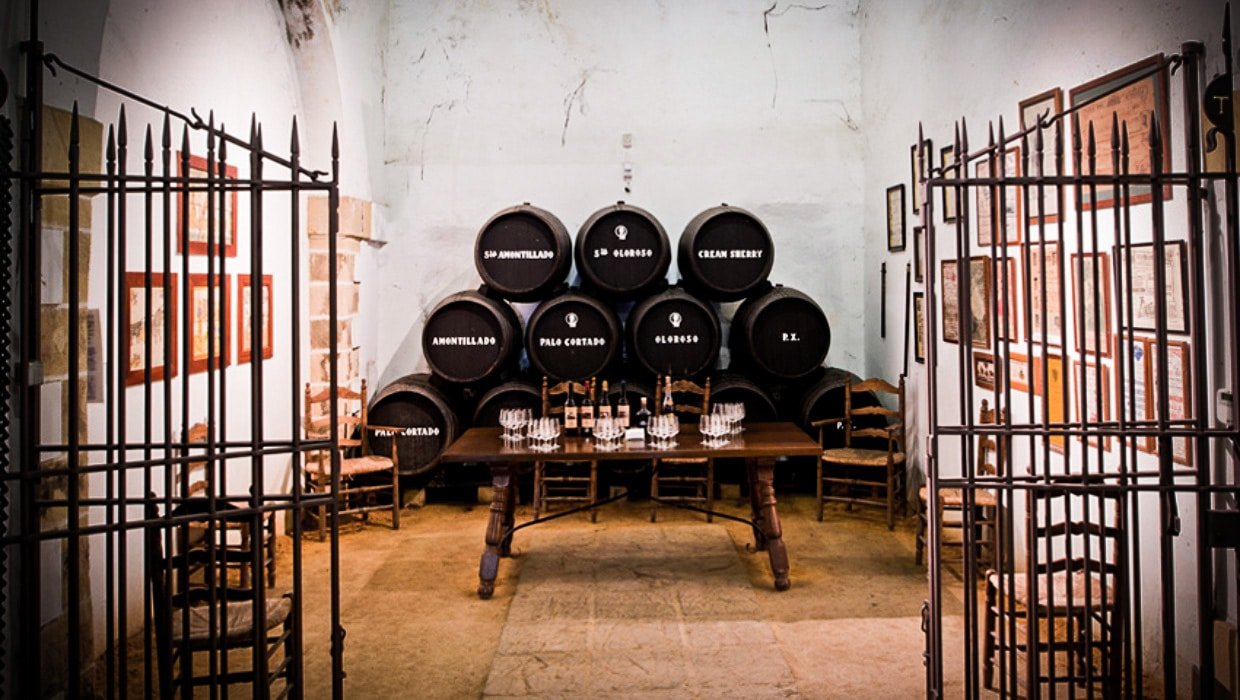
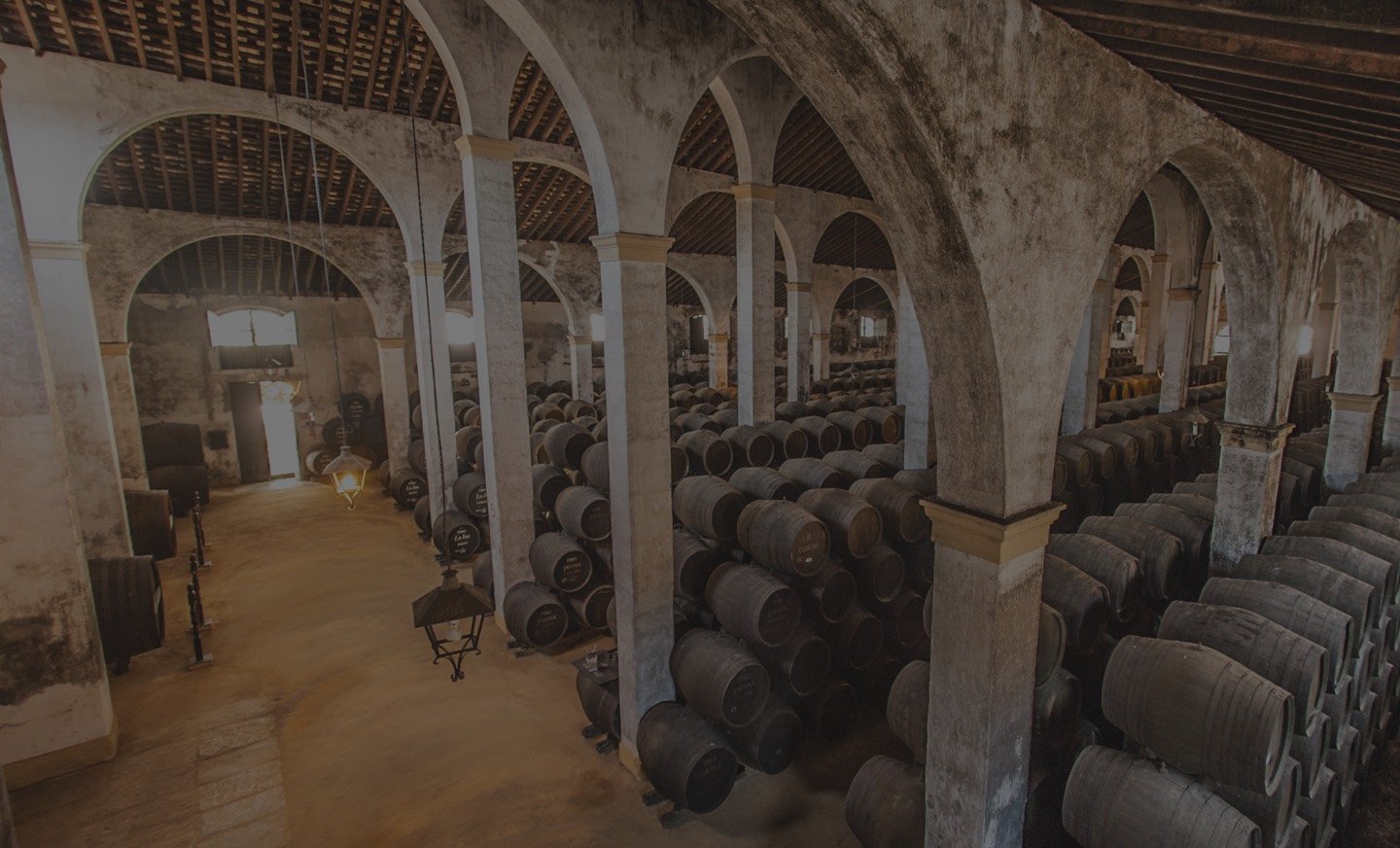
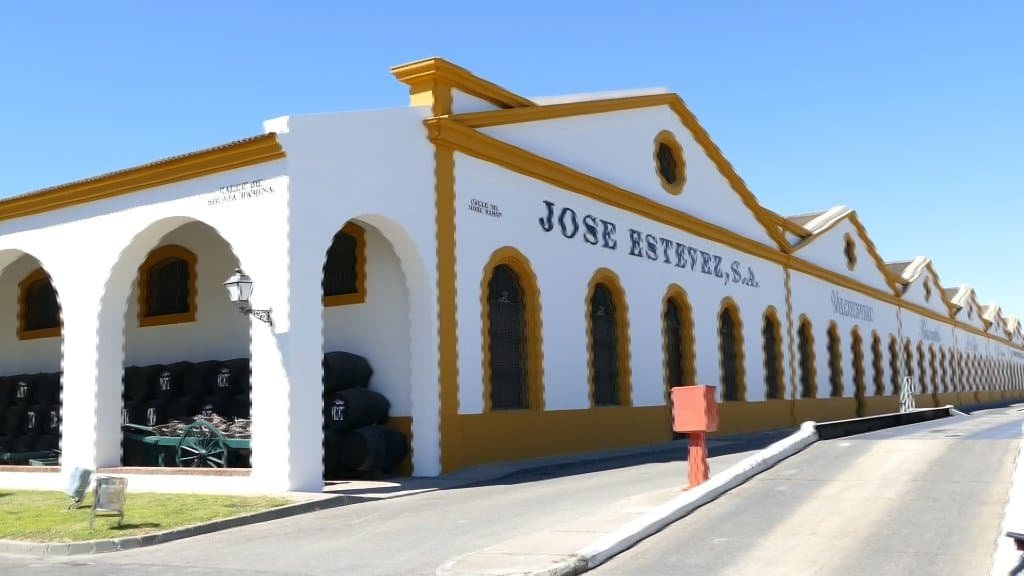
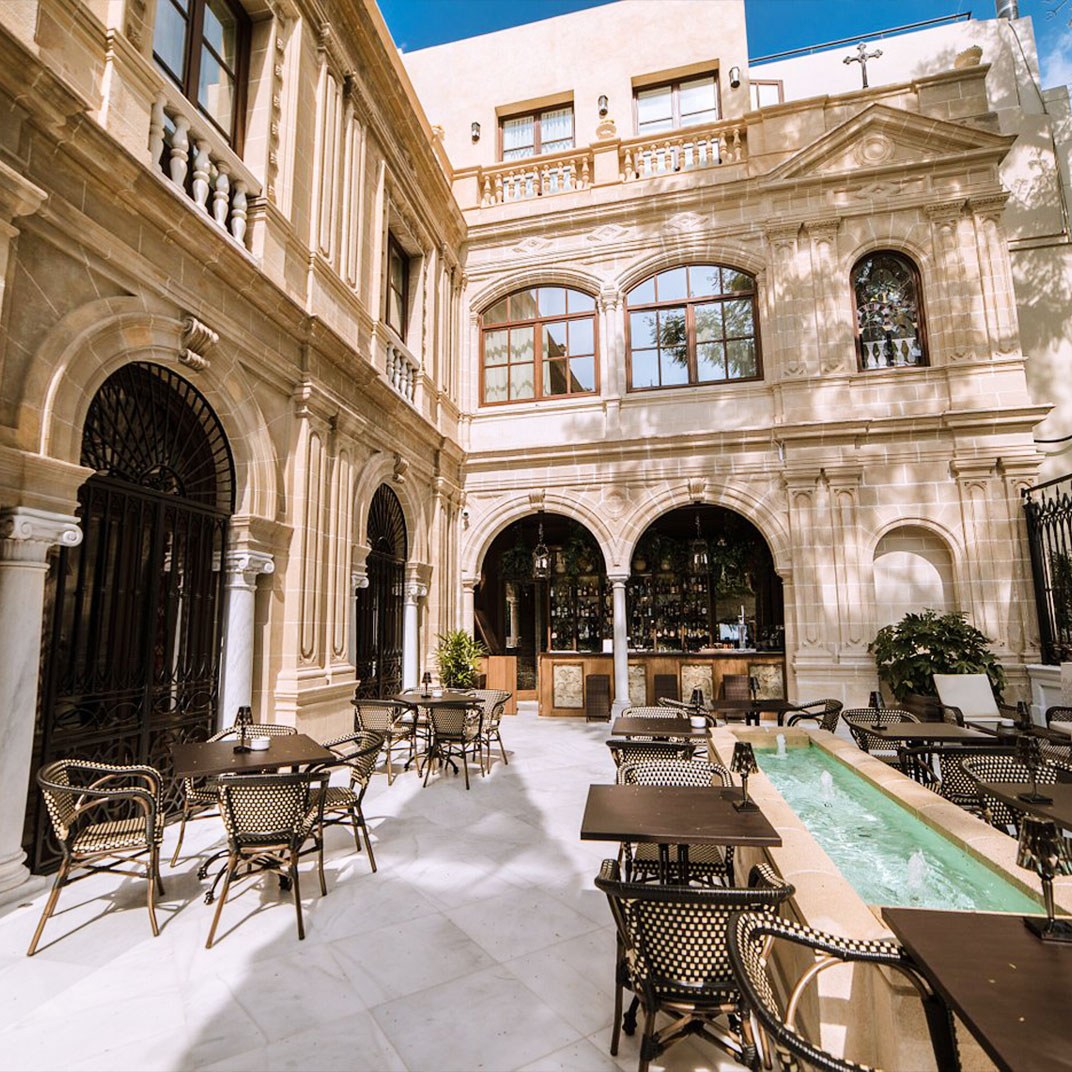
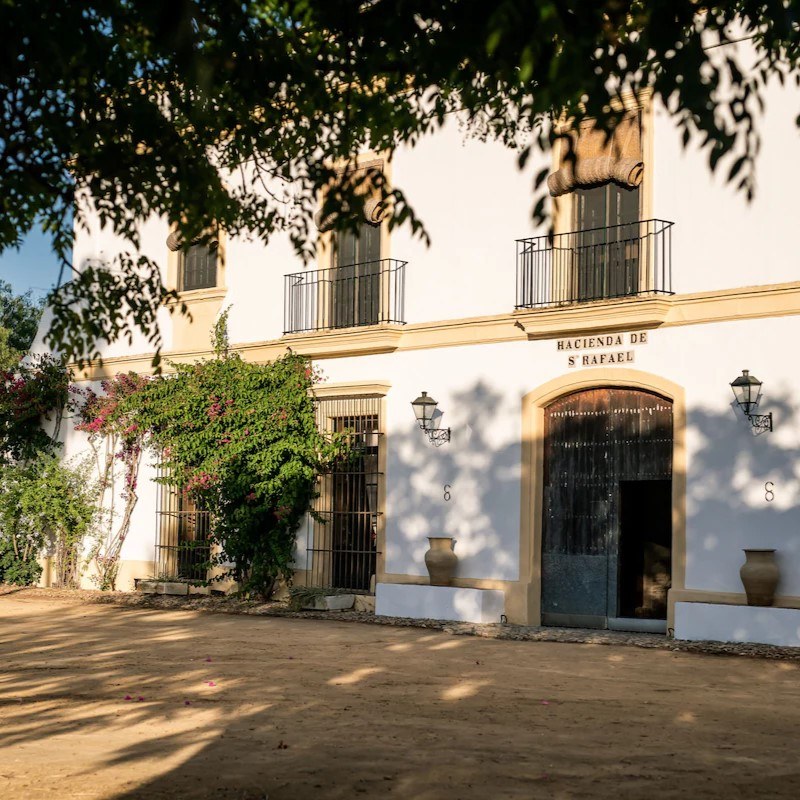
The old quarter of Jerez de la Frontera holds a particular kind of architectural gravity. Behind whitewashed walls and heavy timber doors, the city's historic bodegas still operate within buildings that were designed not for tourism but for production, where high vaulted ceilings were engineered to circulate air and moderate the temperature swings that would otherwise destabilize a solera system running decades deep. Bodegas Tradición, at Calle Cordobeses 3, occupies exactly that kind of structure. Approaching it, you are already in the logic of sherry before you cross the threshold: the neighbourhood itself is a working argument for why this wine exists where it does and not anywhere else.
Jerez sits at the convergence of several geographic forces that make its wine possible. The albariza soils, chalky and bright white under direct sun, retain winter rainfall and release it slowly through the dry season, sustaining vines that would otherwise struggle in southern Andalusia's heat. The Levante wind brings desiccating heat from the east; the Poniente delivers Atlantic moisture from the west. Flor, the protective yeast film that defines fino and manzanilla styles, develops only under specific humidity and temperature windows. The system is not a winemaking decision so much as a geographic condition that winemakers have learned to work within over several centuries.
Tradición's Position in the Jerez Tier
Jerez's sherry producers occupy a wide range. At one end sit the large commercial houses with broad distribution and accessible price points. At the other sits a smaller cohort focused on very old soleras, limited releases, and wines that reflect decades of fractional blending rather than a single harvest's character. Bodegas Tradición holds a Pearl 2 Star Prestige rating from EP Club (2025), placing it within the higher-recognition tier of Jerez producers. That rating signals consistency and depth at a level where the comparison set shifts from general sherry producers to specialist houses with long solera histories.
Within Jerez, the relevant peer comparison includes Lustau, Valdespino, and Williams & Humbert, each of which has its own position on the spectrum between historic solera depth and contemporary accessibility. Tradición's orientation is deliberately toward the older, more concentrated end of that spectrum. The bodega's name is not incidental: it signals a deliberate alignment with methods and wines that have become rarer as the broader sherry category has modernised its production for volume.
The Solera System as Terroir Expression
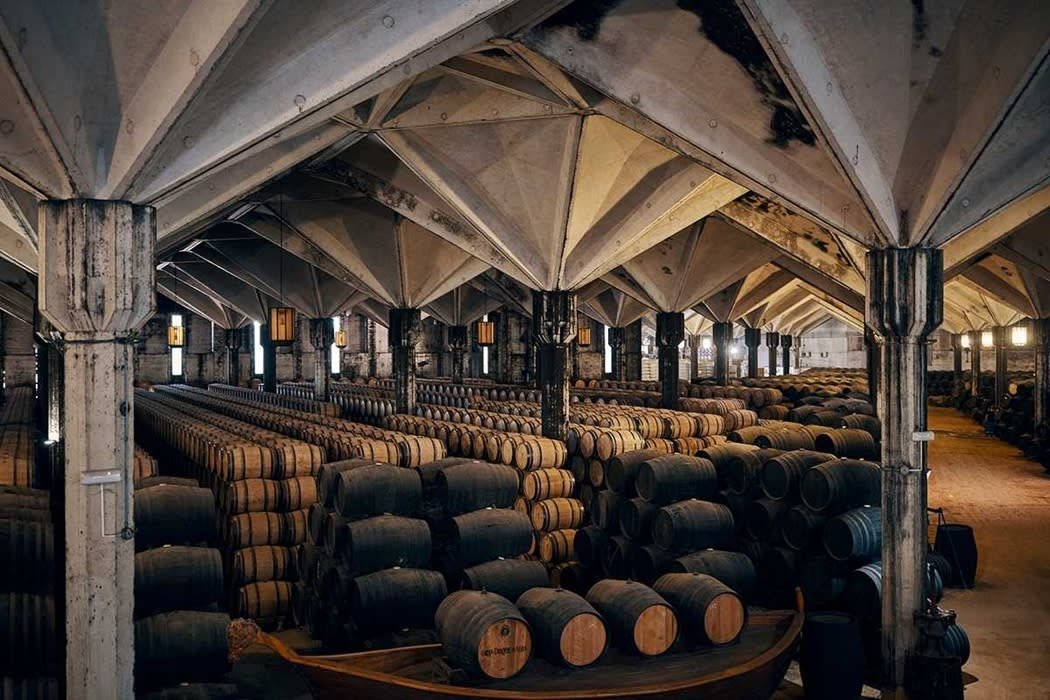
Sherry's solera system creates a kind of temporal terroir, layering vintages through fractional blending across a cascade of barrels until the wine in any given bottle carries traces of the system's oldest material. In that sense, the land expresses itself not through a single growing season but through accumulated time. The albariza soils set the structural parameters, the Atlantic climate shapes the flor development, and the solera then concentrates and transforms what the vineyard provides over years or decades.
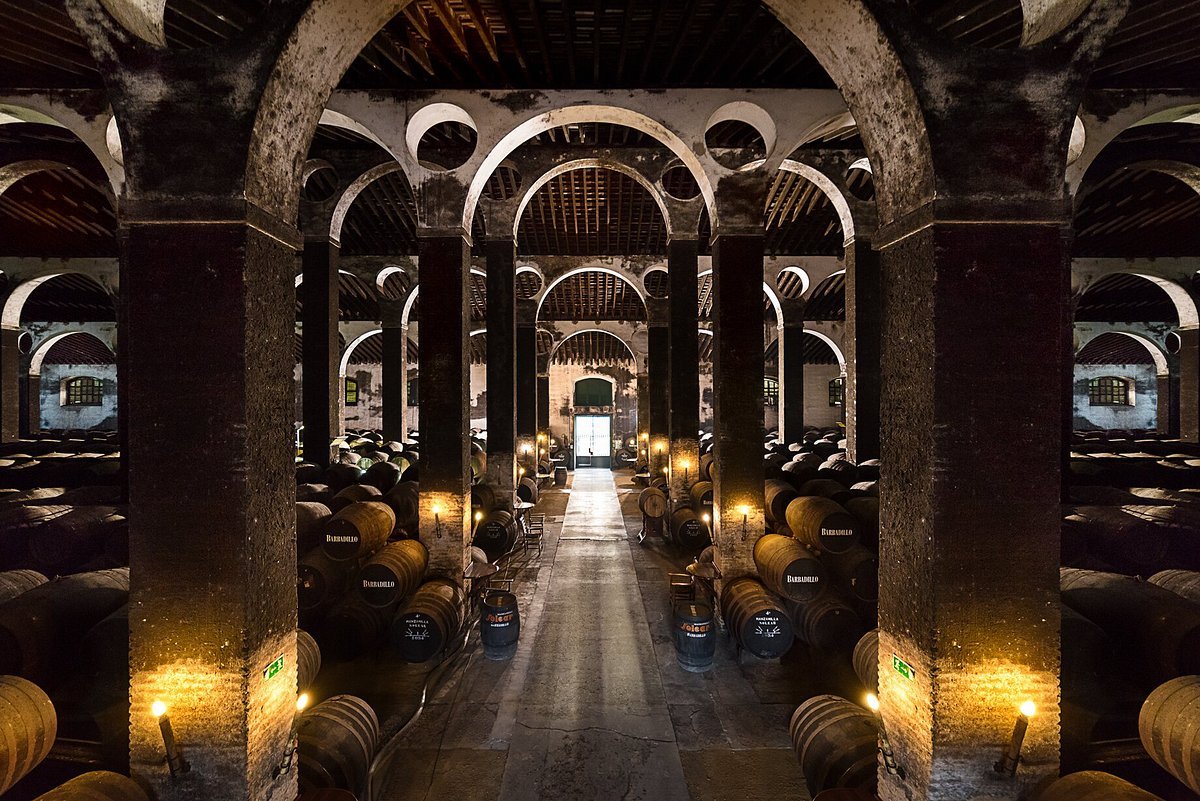
For amontillado, oloroso, and palo cortado styles, where flor eventually dies off or is fortified away, the wine oxidises and develops rancios, nutty, resinous characters that have no direct parallel in other wine regions. These are wines where the terroir of Jerez is most legible precisely because no other geography could produce them under the same conditions. Tradición's focus on very old wines positions it in that conversation, where what you are tasting is effectively the accumulated expression of the region's conditions compounded across an extended solera history.
Spain's Broader Wine Context
Jerez sits outside the Spanish wine narrative that has dominated international attention over the past two decades. Ribera del Duero, Rioja, and Priorat have attracted the majority of collector and critic focus, with houses like Bodegas Protos in Peñafiel, Emilio Moro in Pesquera de Duero, and Arzuaga Navarro in Quintanilla de Onésimo drawing significant attention in Ribera. In Rioja, producers such as CVNE (Cune) in Haro and Marqués de Cáceres in Cenicero occupy the heritage tier. In Catalonia, Clos Mogador in Gratallops, Codorníu in Sant Sadurní d'Anoia, and Marqués de Griñón (Dominio de Valdepusa) in Malpica de Tajo have each staked distinct positions. Elsewhere, Abadía Retuerta in Sardón de Duero operates at the premium estate end of Castile.
Jerez has remained comparatively undervalued in that international conversation, which for the serious drinker functions more as opportunity than problem. Wines of considerable age and complexity are available at prices that would be implausible in Burgundy or Napa. Beyond Spain, the practice of long barrel ageing finds parallels in Aberlour in Aberlour in Scotch whisky and, in a different register, in allocation-model estates like Accendo Cellars in St. Helena, where scarcity and age depth combine to define the offering.
Planning a Visit
Jerez de la Frontera is accessible by rail from Seville, roughly one hour south, and from the coast at El Puerto de Santa María. The city's historic bodega district is compact and walkable, which means a serious visitor can take in multiple producers in a single day without difficulty. For Bodegas Tradición specifically, visits are by appointment rather than open-door tourism, consistent with a house that positions its wines toward the specialist end of the market rather than general foot traffic. The address at Calle Cordobeses 3 places it within the Barrio de Santiago, the oldest part of Jerez and the neighbourhood most densely associated with the sherry trade's historic infrastructure. Timing matters in Jerez: spring and autumn avoid the extremes of the Andalusian summer, and September brings the annual Harvest Festival, which draws both industry and collectors. For broader context on what the city offers across dining, drinking, and producer visits, our full Jerez de la Frontera restaurants guide maps the city's offer in more detail.
Side-by-Side Snapshot
These are the closest comparables we have in our database for quick context.
| Venue | Cuisine | Price | Awards | Notes |
|---|---|---|---|---|
| Bodegas Tradición | This venue | |||
| Lustau | ||||
| Valdespino | ||||
| Williams & Humbert |
Continue exploring
More in Jerez de la Frontera
Wineries in Jerez de la Frontera
Browse all →
Restaurants in Jerez de la Frontera
Browse all →


At a Glance
- Classic
- Elegant
- Rustic
- Intimate
- Sophisticated
- Wine Education
- Special Occasion
- Historic Building
- Barrel Room
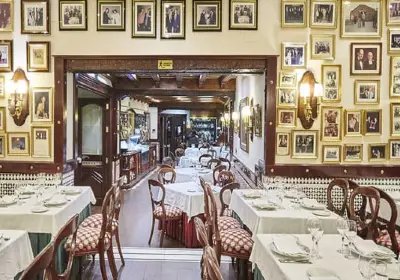
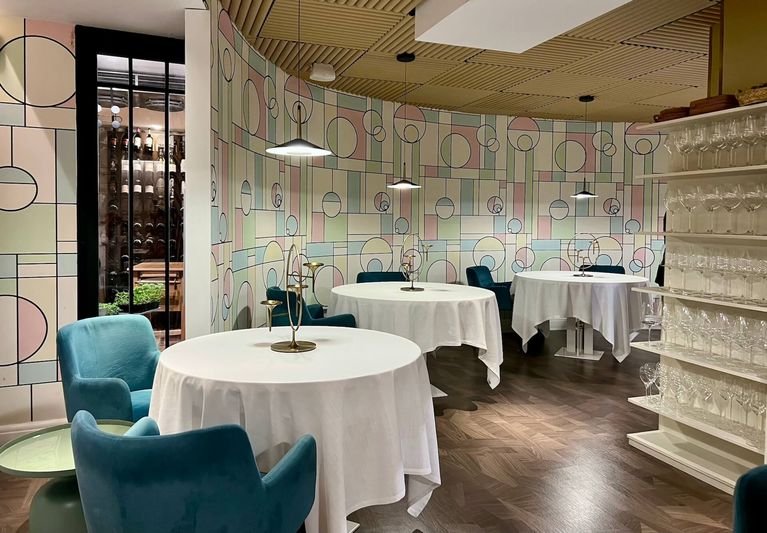
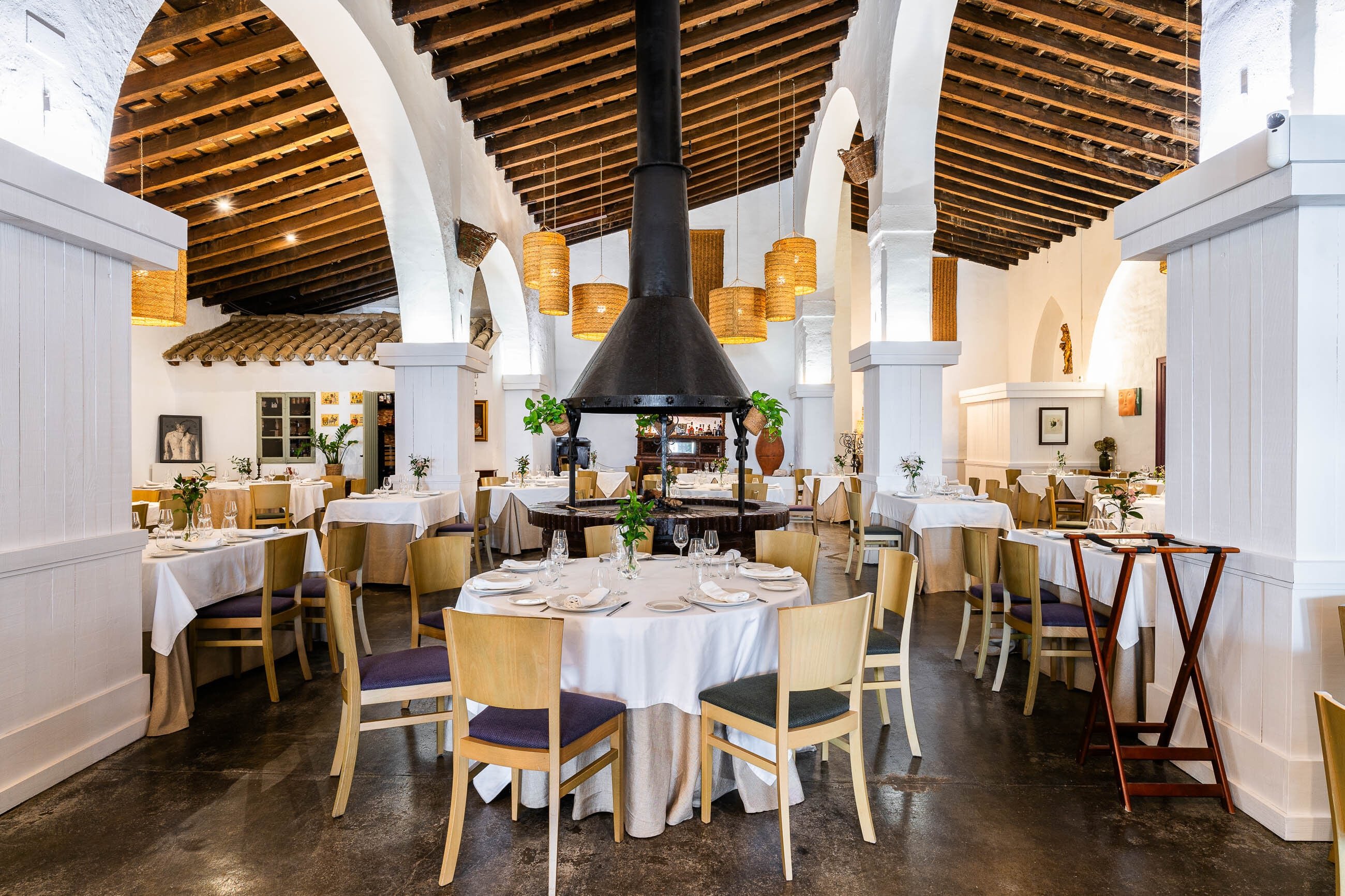
Historic and atmospheric with the aroma of aged oak barrels, elegant lighting highlighting the bodega's patios and traditional cellars.