Beringer Vineyards


World's 50 Best #88 · Falstaff Winery - Listed
Operating continuously since 1876, Beringer Vineyards in St. Winemaker Mark Beringer leads the program from one of California's most historically documented addresses.

Pearl is the En Primeur Club membership app — saves, bookings, and concierge access live there. Same editors, same standards.
- Address
- 2000 Main St, St Helena, CA 94574
- Phone
- (707) 257-5771
- Website
- beringer.com
- Directions
- Get directions
A Rhine House on Main Street: Architecture, History, and What It Signals About Napa's Oldest Estate
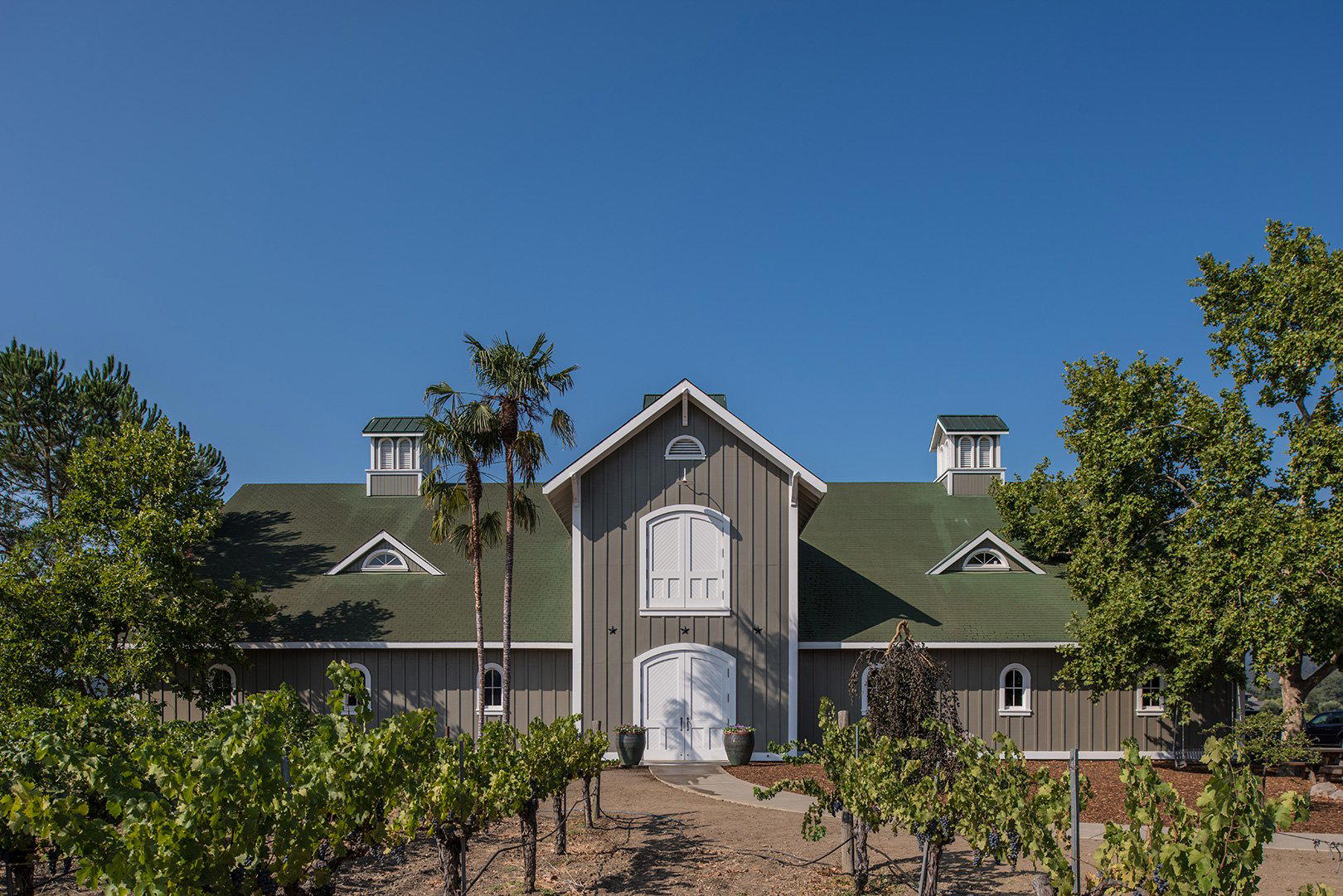
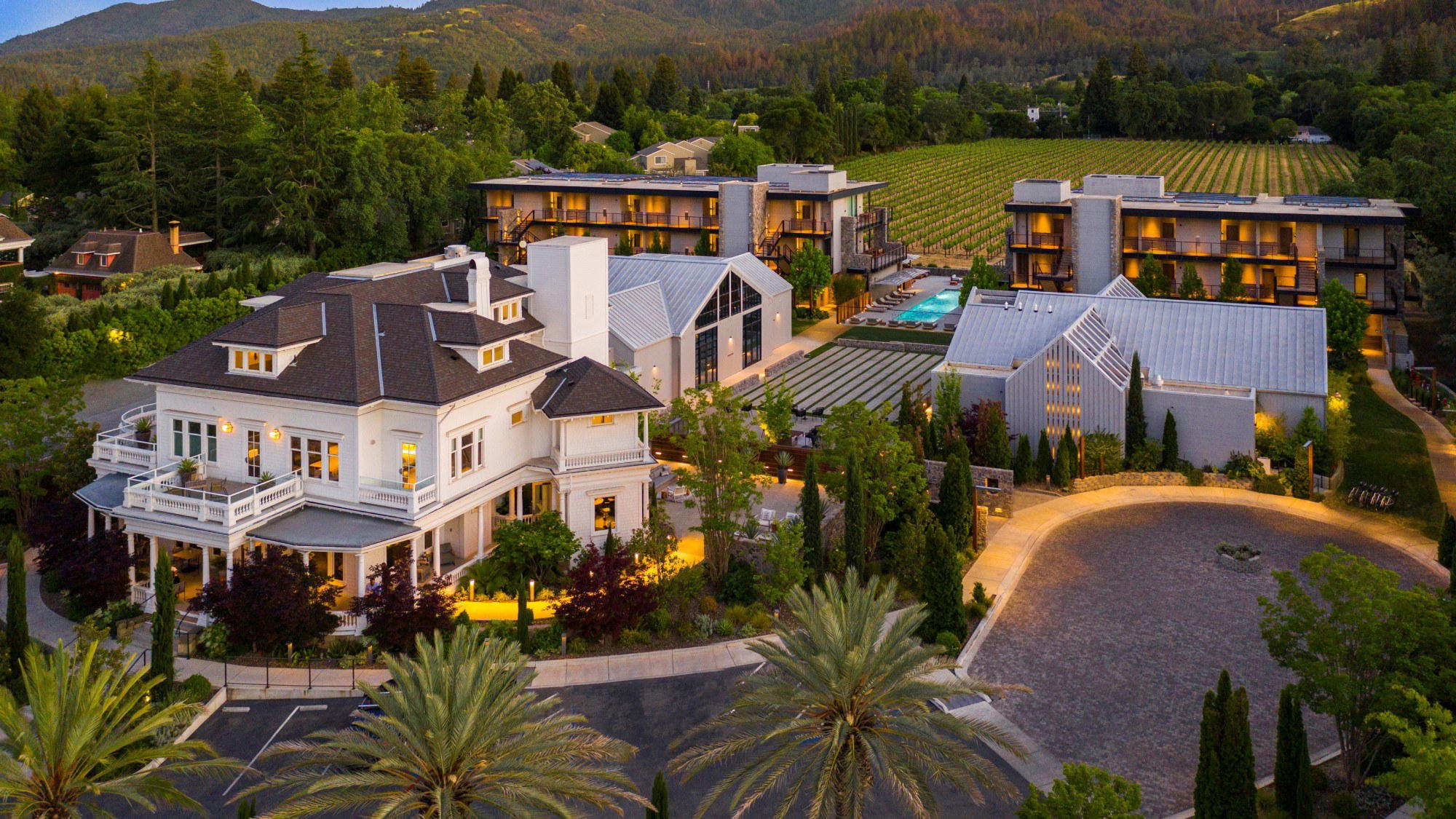
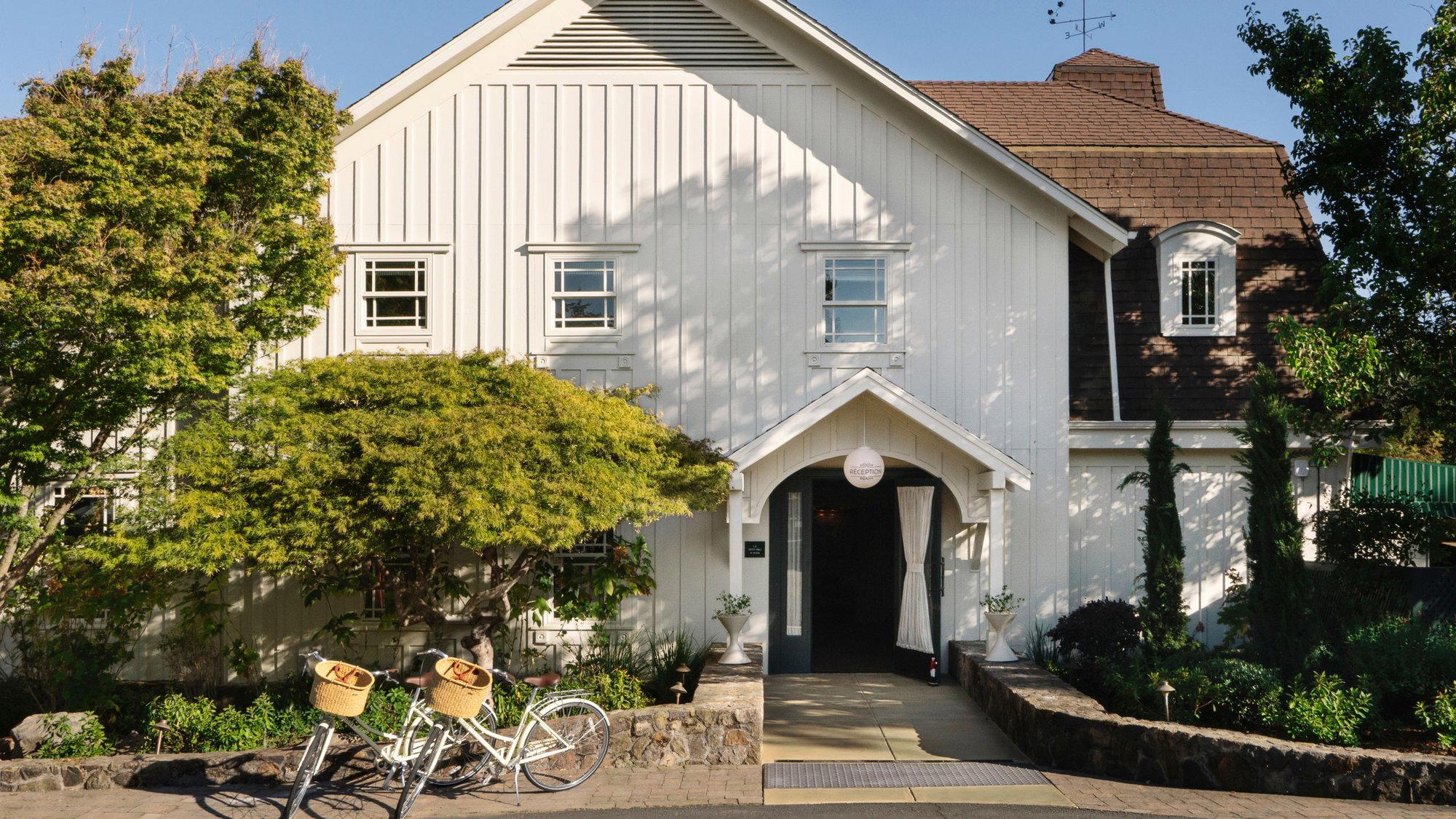
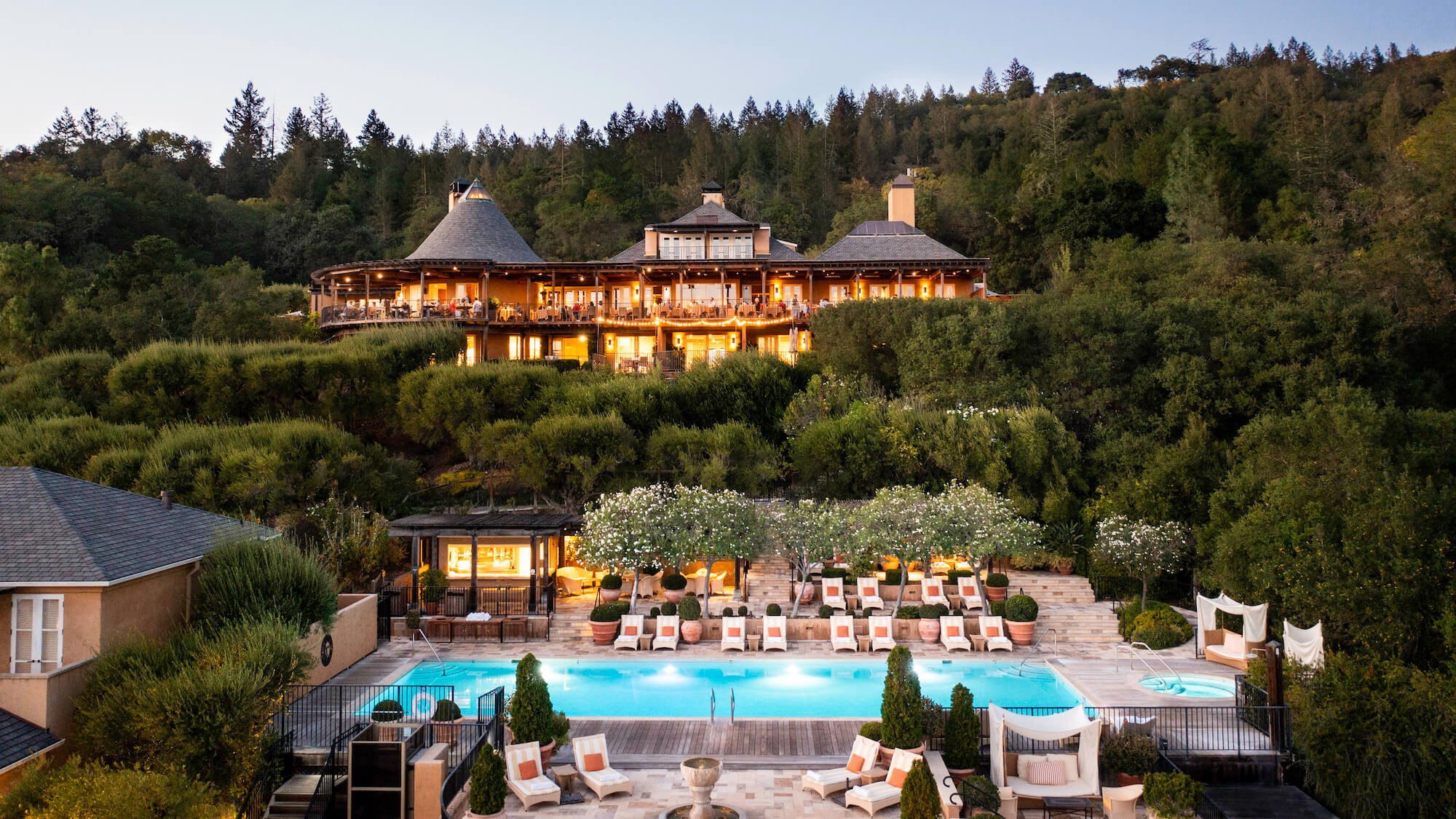
There is a particular kind of authority that comes with age in the wine world, and along St. The Rhine House at Beringer Vineyards announces its German heritage through steep-pitched gabled rooflines and slate-sheathed spires that look less like a California wine estate and more like something transplanted from the Rhineland in the 1880s. This is not accidental theatrics: the structure reflects the Beringer brothers' actual origins and their intent to build a permanent institution. Now listed on the National Register of Historic Places, the Rhine House functions as architectural evidence of Napa's transition from frontier agriculture to serious wine country, and it remains one of the valley's most directly readable pieces of that history.
Founded in 1876, Beringer is the oldest continuously operating winery in Napa Valley. That distinction matters in context. Prohibition closed most of California's wine operations in the 1920s; Beringer survived by producing sacramental and medicinal wines under special permit. The unbroken operational thread from the nineteenth century through the twentieth and into the twenty-first gives the estate a longitudinal record that newer producers, however accomplished, cannot replicate. For a category increasingly attentive to provenance and rootedness, that continuity functions as a form of credential.
Sustainability at Depth: What Long-Term Stewardship Looks Like in Practice
In Napa, sustainability language has become ambient. Nearly every producer lists certifications and cover-crop programs in tasting room materials. What separates serious long-term stewardship from marketing compliance is usually the depth of integration and the length of the commitment. For an estate farming the same land since 1876, sustainability is less a rebrand than a return to the logic of the original operation, when synthetic inputs were not yet available and the soil was managed by necessity through rotation, organic matter, and attentive observation.
The broader Napa Valley wine industry has spent the past two decades codifying these principles through programs like Napa Green, which certifies both winery operations and farming practices across water management, energy use, and waste reduction. Estates with long land tenure have an advantage here: they hold the soil history that short-tenure producers must infer from benchmarks. Beringer's multi-generational presence in St. Winemaker Mark Beringer works within that inherited baseline, which shapes how any intervention reads against the long record of what this land produces. Compared to newer Napa estates such as Ashes and Diamonds Winery, which has built its identity through a more design-forward, mid-century revisionist lens, Beringer's sustainability story is grounded in continuity rather than reinvention.
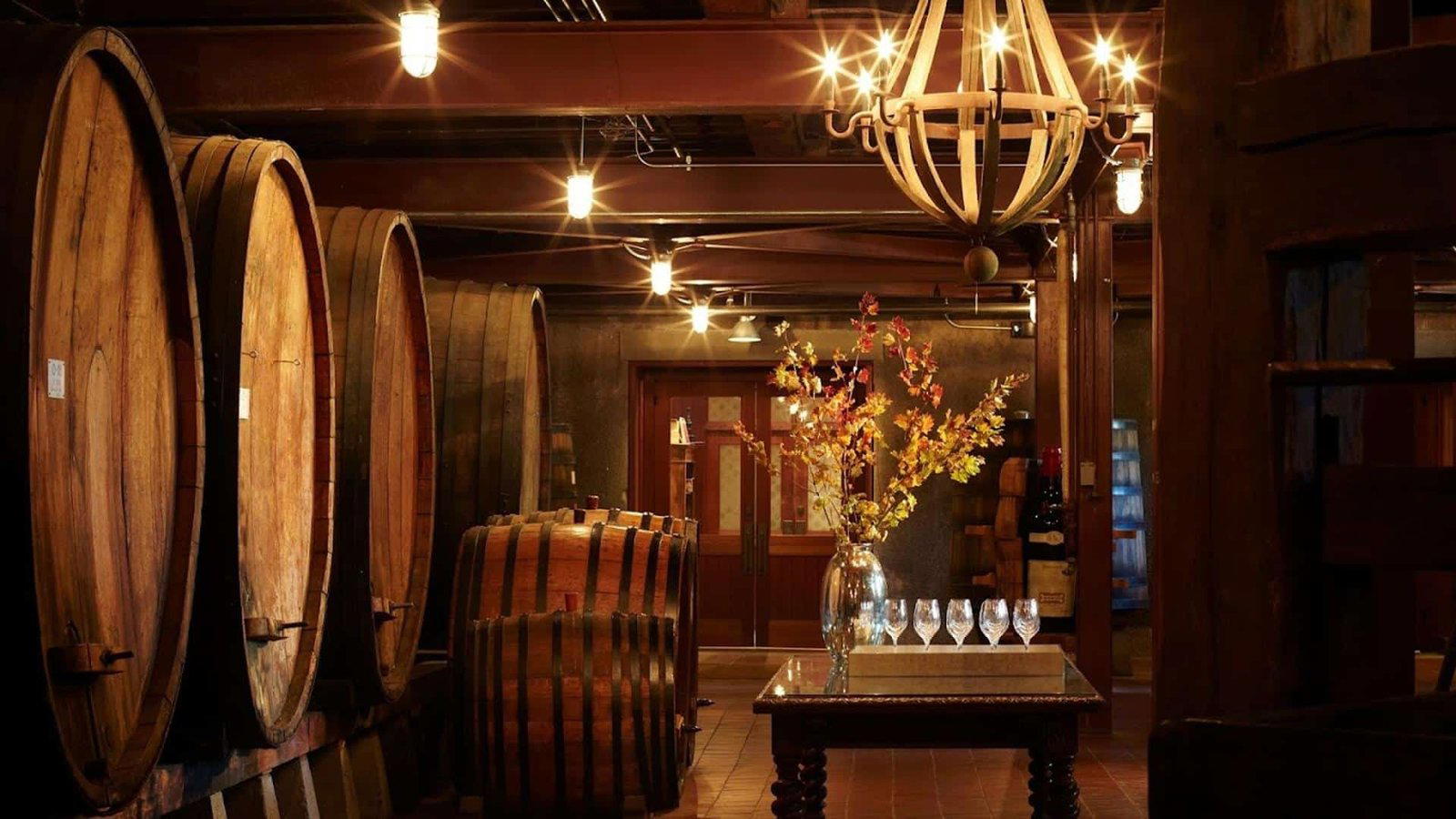
The tunnel network beneath the estate also carries an environmental dimension that tends to get underplayed in tasting room narratives. The original limestone caves, hand-dug in the 1870s primarily by Chinese immigrant laborers, provide a naturally temperature-stable environment for barrel aging that requires no mechanical climate control. In an era when winery carbon accounting increasingly factors in the energy cost of controlled-environment barrel halls, naturally conditioned cave storage represents a structural efficiency that modern cave-construction projects attempt to replicate at considerable expense. The caves at Beringer predate that logic by 150 years.
This is a meaningful distinction. The upper end of Napa's market has bifurcated sharply over the past decade: on one side, small-production cult labels with multi-year waitlists and four-figure bottle prices; on the other, heritage estates with broad distribution, significant acreage, and the infrastructure to produce wine at consistent quality across a range of price points.
Beringer occupies the latter cohort, alongside estates like Darioush Winery and Blackbird Vineyards, which bring distinct architectural and stylistic signatures to a comparable tier of serious, accessible Napa production. For visitors approaching the valley through our full Napa restaurants and wineries guide, understanding where an estate sits in this bifurcated market helps calibrate expectations. Beringer is a reference-point winery in the most literal sense: its 149-year operating history and wide availability make it a useful anchor for understanding how Napa standards have shifted across generations.
Nearby St.enprimeurclub.com/wineries/accendo-cellars">Accendo Cellars, a small-production house operating at the opposite end of the volume spectrum, and the contrast clarifies what the Beringer model represents. At Artesa Vineyards and Winery in the Carneros region, the emphasis shifts toward Pinot Noir and Chardonnay with a distinct architectural statement; Beringer's identity remains structured around the Rhine House estate and the Cabernet-dominant program that has defined St.
Beyond Napa: California's Broader Wine Geography in Context
Beringer's longevity also provides useful perspective on California's wine geography more broadly. The state's appellation system has expanded considerably since the 1970s, and producers across regions have staked out identities that challenge Napa's Cabernet primacy. Adelaida Vineyards in Paso Robles works with limestone-dominant soils and Rhône varieties at elevations that produce a markedly different structural profile from valley-floor Napa. Alban Vineyards in Arroyo Grande has built one of California's most closely watched Rhône programs since the late 1980s. Andrew Murray Vineyards in Los Olivos operates in the Santa Ynez Valley, where the maritime influence creates growing conditions with no equivalent in Napa.
Further north, Alexander Valley Vineyards in Geyserville and Adelsheim Vineyard in Newberg, Oregon, represent how Cabernet and Pinot programs respectively have developed outside the Napa template. Even internationally, heritage-estate parallels are instructive: Achaia Clauss in Patras is one of Greece's oldest commercial wineries with a similarly document-heavy nineteenth-century founding, and Aberlour in Aberlour demonstrates how long-tenure producers in other categories build identity around unbroken production history. The pattern across all these examples is consistent: longevity, when it translates into genuine institutional knowledge rather than mere brand heritage, produces wines and products with a traceable character that newer operations are still earning.
For those planning time in Rutherford, Alpha Omega Winery represents the modern precision-viticulture approach that has defined the valley's more recent generation of high-investment estates, and comparing a tasting there with one at Beringer illustrates the range of ambitions currently active in a single appellation. Clos Selene Winery adds further texture to the valley's current output.
Planning a Visit: The Rhine House, the Caves, and the Practicalities
Beringer Vineyards is located at 2000 Main Street in St. The estate's scale means it absorbs visitor volume without the crowding pressure that affects smaller tasting rooms on busy weekends, though spring and fall harvest season bring the highest traffic to St. The Rhine House itself is open as a tasting venue, and the historic caves are accessible through specific tour formats. Given the estate's National Register status and the architectural draw of the Rhine House, building time for a proper walk of the grounds is advisable; the architecture alone warrants engagement before the first pour. Booking through the winery's website in advance is the standard approach for structured tours, particularly on weekends between April and October when the valley operates at peak capacity.
Where It Fits
Comparable venues nearby, for context on price, style, and recognition.
| Venue | Cuisine | Price | Awards | Notes |
|---|---|---|---|---|
| Beringer VineyardsThis venue — the venue you are viewing | Cabernet Sauvignon, Chardonnay | $30–50 | World's 50 Best #88 · Falstaff Winery - Listed | Not listed |
| Stags' Leap Winery | Petite Sirah, Cabernet Sauvignon | $150–200 | Not listed | Stags Leap District |
| Artesa Vineyards and Winery | Chardonnay, Pinot Noir | $30–50 | Not listed | Los Carneros |
| Truchard Vineyards | Pinot Noir, Chardonnay | Not listed | Falstaff Winery - Listed | Carneros |
| Hyde Vineyard Estate | Pinot Noir, Chardonnay | Not listed | Not listed | Carneros |
| Shafer Vineyards | Cabernet Sauvignon, Merlot | $50–100 | Falstaff Winery - Listed | Stags Leap District |
Recognition history
Dated appearances from independent guides and award organizations, with the underlying list record or original source where available.
World's 50 Best Vineyards #88
World's 50 Best
Falstaff Winery - Listed
Falstaff
Continue exploring
More in Napa
Wineries in Napa
Browse all →
Bars in Napa
Browse all →
Restaurants in Napa
Browse all →
Details
- Historic
- Well Known
- Elegant
- Scenic
- Classic
- Wine Education
- Special Occasion
- Group Outing
- Cave Tasting
- Vineyard Tour
- Historic Building
- Estate Grounds
- Vineyard
- Garden
- Mountain
- Cabernet Sauvignon
- Chardonnay
- Merlot
- Cabernet Franc
- Petit Verdot
- Petite Sirah
- Still Red
- Still White
- Cave Tasting
- Private Tasting
- English
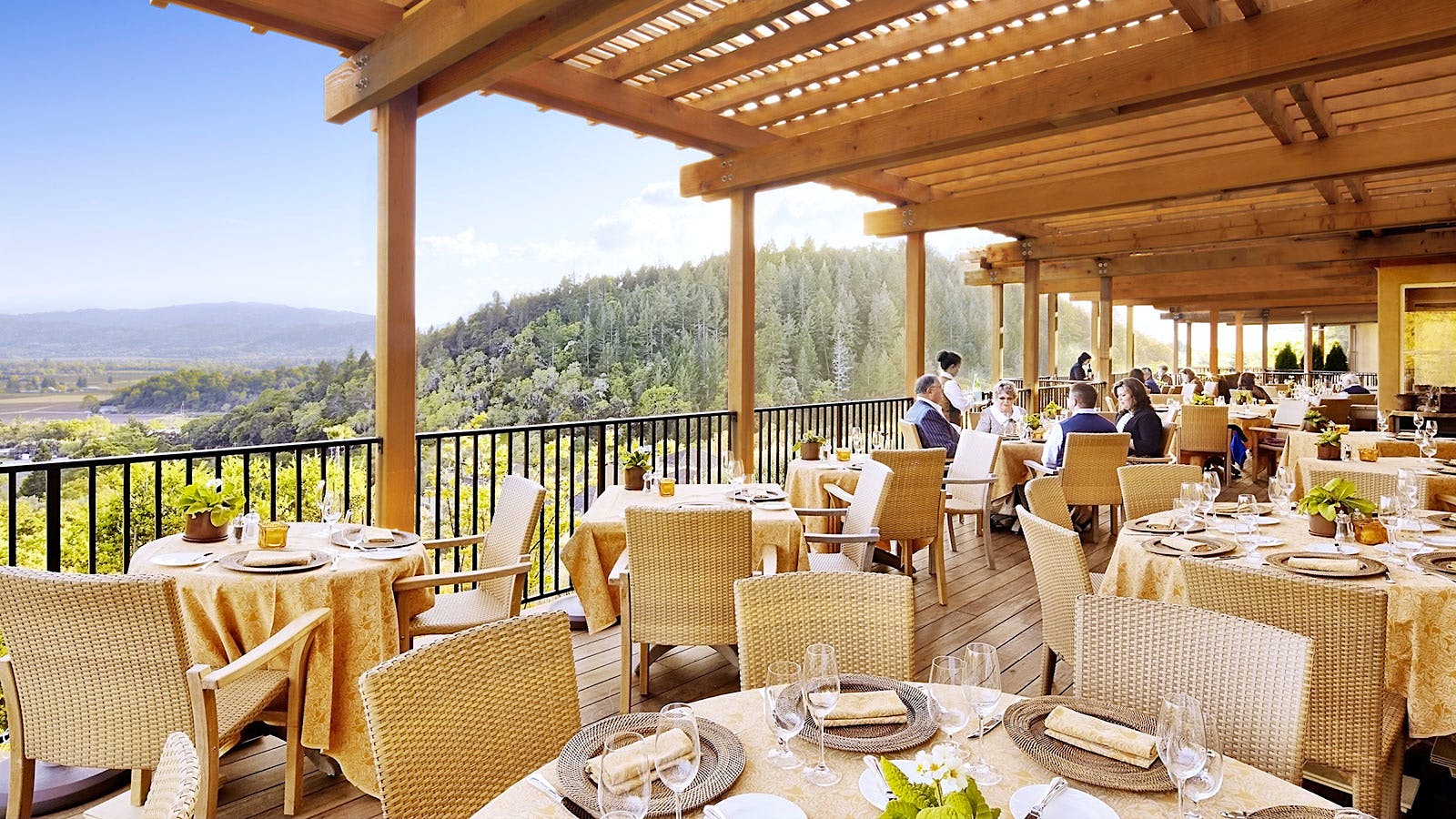
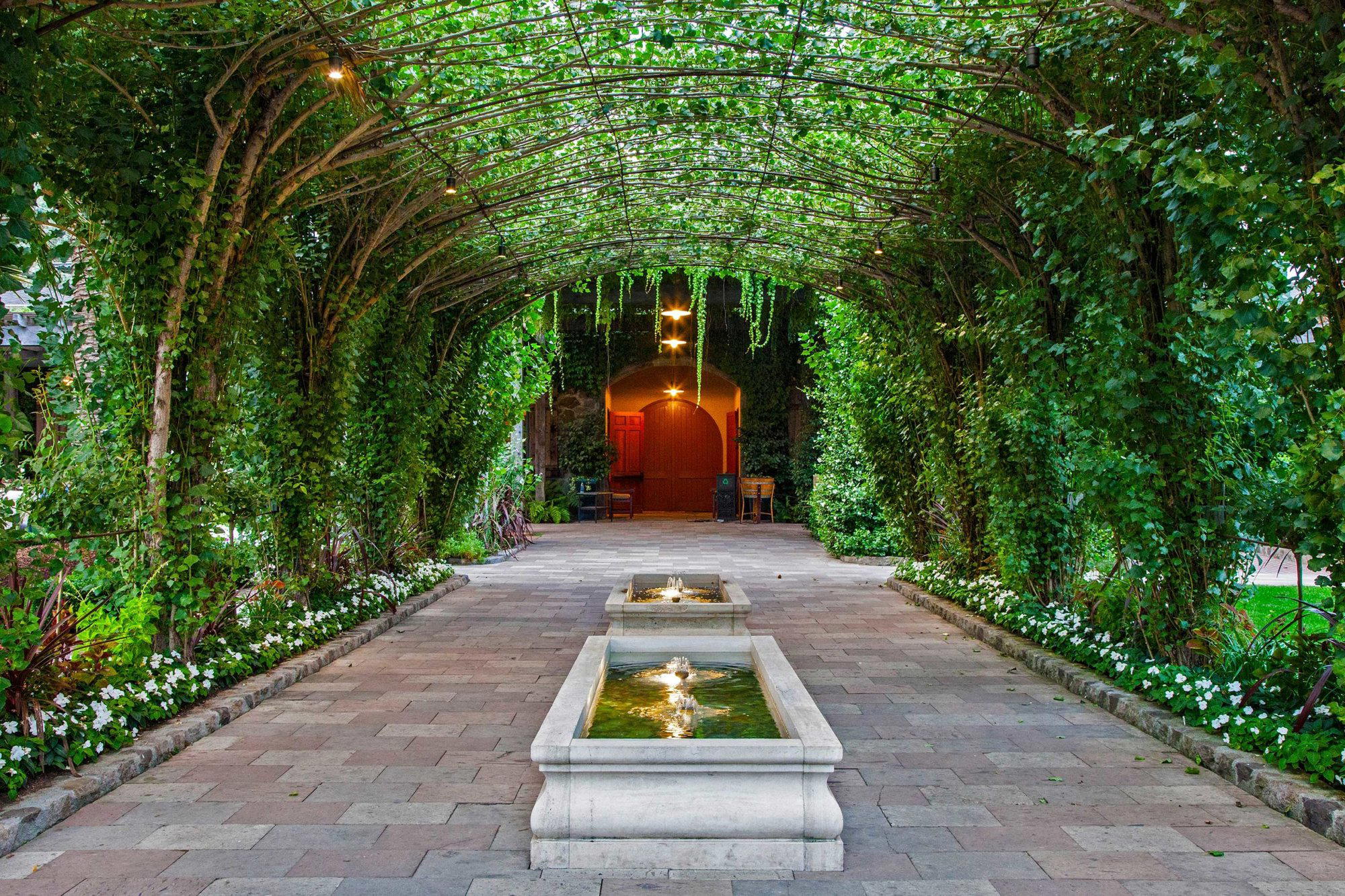
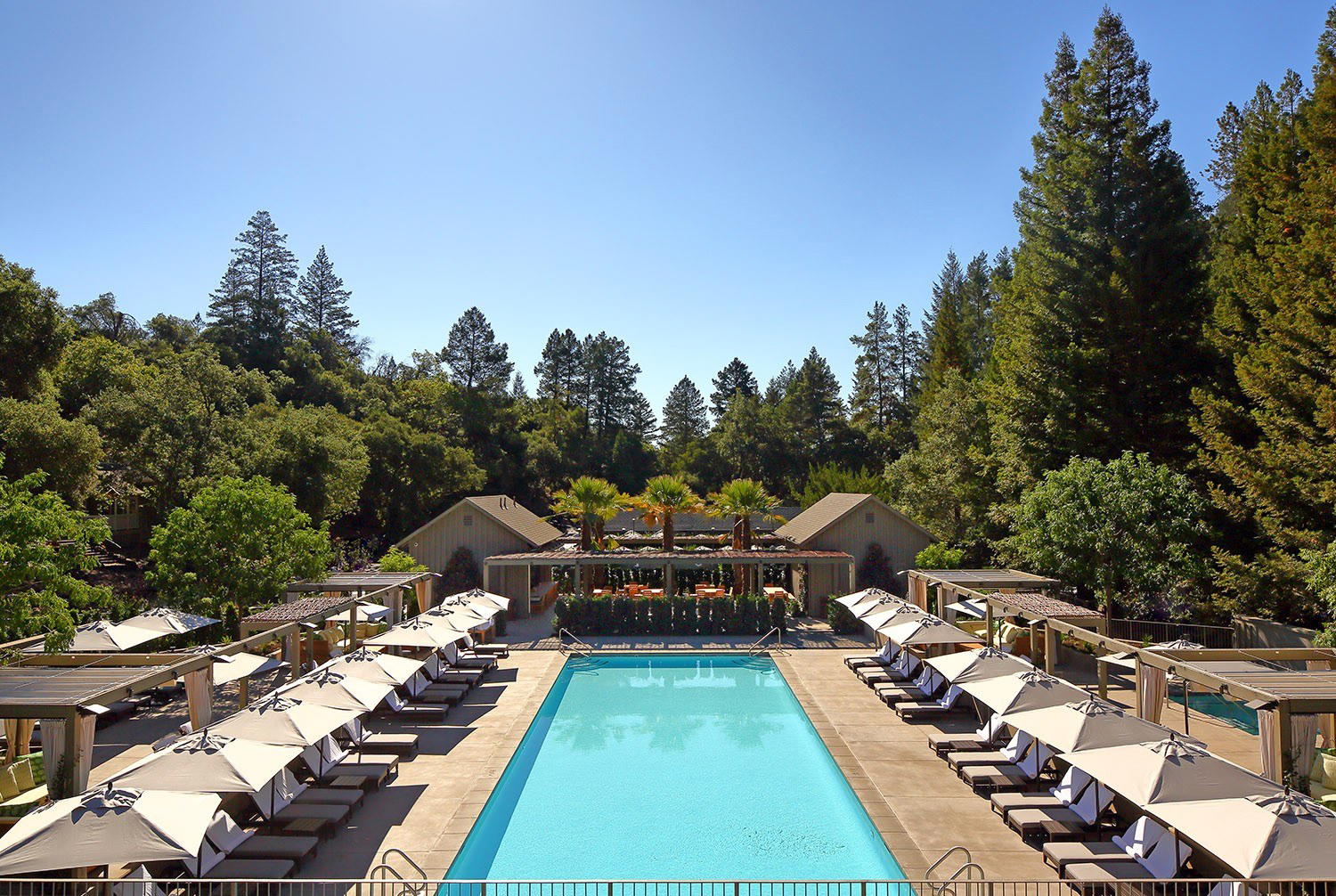
Historic 19th-century architecture, verdant gardens, and atmospheric hand-dug wine caves with consistent 58-60°F temperature.