Clos Pegase Winery & Tasting Room
Clos Pegase sits on Dunaweal Lane in Calistoga, at the northern end of Napa Valley where the valley floor narrows and the temperature swings grow more pronounced. The postmodern winery building, designed by architect Michael Graves, made Clos Pegase among the more architecturally discussed estates in American wine when it opened in the 1980s. It remains a reference point for visitors who want both serious wine and a considered aesthetic setting in one stop.
Pearl is the En Primeur Club membership app — saves, bookings, and concierge access live there. Same editors, same standards.
- Address
- 1060 Dunaweal Ln, Calistoga, CA 94515
- Phone
- (866) 474-3021
- Website
- clospegase.com
- Directions
- Get directions
 Saves & bookings on Pearl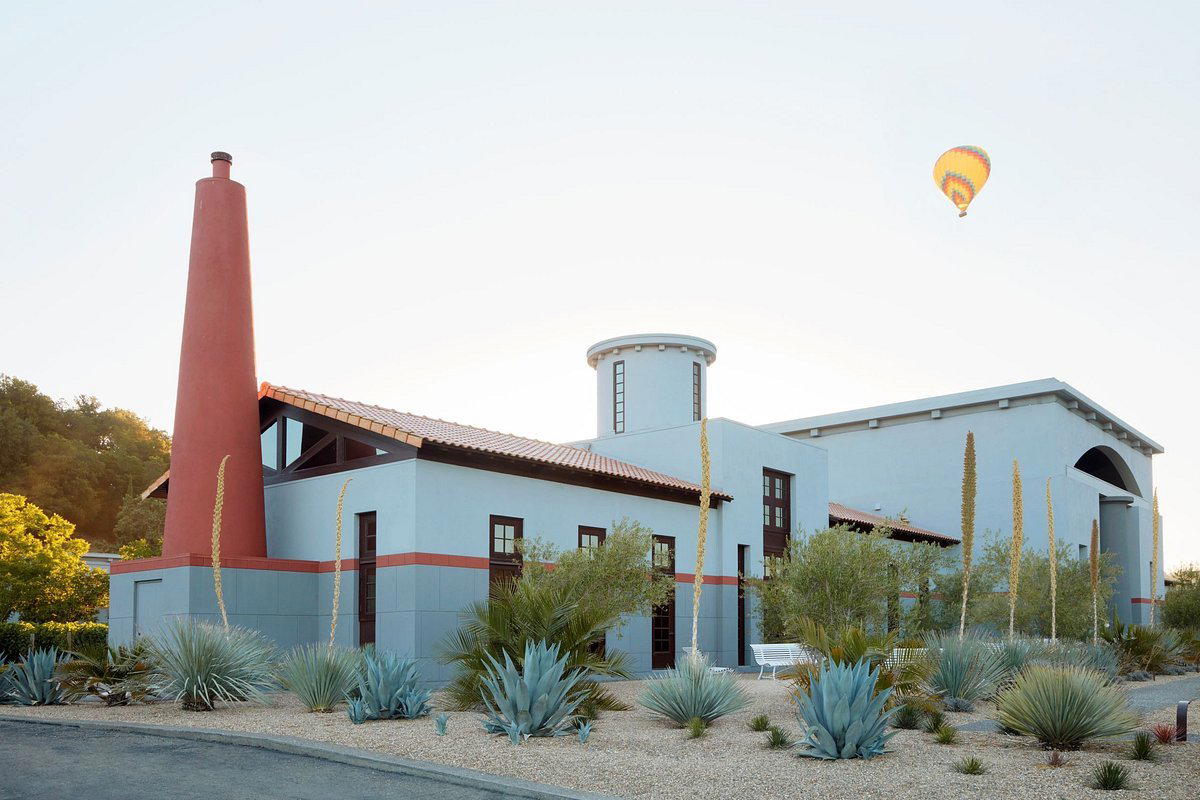
Where Calistoga's Northern Edge Sets the Tone
The northern stretch of Napa Valley behaves differently from the benchland estates further south. Calistoga sits at the head of the valley, where warm days and cool nights produce a distinct rhythm in the growing season, and where the built environment around winemaking tends toward the theatrical. On Dunaweal Lane, Clos Pegase Winery & Tasting Room in Calistoga is a winery tasting room at 1060 Dunaweal Ln, with reservations recommended and a smart casual dress code. Its postmodern structure, designed by Michael Graves through an architectural competition in 1984, turned a working winery into a cultural talking point well before the era of destination wine tourism. The building, with its ochre colonnades and sculpted forecourt, reads less like a production facility and more like a stage set for thinking seriously about California wine.
That architectural context matters because it shapes what a visit to Clos Pegase actually involves. Tasting rooms in Napa have split into two broad formats: high-volume pour-and-move operations and lower-capacity, appointment-driven experiences. Clos Pegase sits in the second category, where the setting is doing active work, framing the wine against art, sculpture, and a landscape that stretches toward the Mayacamas and Vaca ranges on either side.
The Pairing Logic at a Estate Tasting Room
Napa's tasting room culture has steadily moved toward structured food pairings, and not simply as an upsell. The argument for pairing food with estate wines during a tasting visit is direct: Cabernet Sauvignon and its Bordeaux-style blends express differently against fat, acid, and salt than they do in isolation. Calistoga's warmer growing conditions tend to produce riper, fuller-bodied reds, and that ripeness becomes easier to read in context when there is something on the plate that either complements or provides counterpoint.
The broader pattern across Napa's serious tasting rooms reflects this. At venues like FARM Restaurant + Bar and Mustards Grill, food and wine are treated as a conversation rather than separate departments. Boon Fly Café and the programming at Carneros Resort and Spa similarly demonstrate that Napa visitors increasingly expect the glass and the plate to be thought through together, not left to chance. Clos Pegase operates in that same register, where the architecture provides the room and the wine provides the argument, with food as the tool that helps you hear it more clearly.
The discipline of pairing at a winery tasting room differs from what happens at a cocktail-forward program. At an estate winery, the logic reverses: the wine, shaped by vintage and terroir, is fixed, and the food program exists to give it room to perform. That inversion is part of what makes a well-run winery tasting experience a different discipline from cocktail pairing, not a lesser one.
Reading Calistoga's Wine Character
Calistoga received its own American Viticultural Area designation in 2009, a recognition that its growing conditions differ meaningfully from the broader Napa Valley AVA. The area is one of the warmest in the valley, with volcanic soils derived from ancient geothermal activity that give wines a particular mineral texture alongside their riper fruit profile. Cabernet Sauvignon from this zone tends toward fuller body and darker fruit compared to cooler-climate Napa fruit from Carneros or Coombsville, and the tannin structure reflects that warmth.
Clos Pegase, operating at this northern address since the mid-1980s, has accumulated enough vintage depth to give its wines a reference point that newer Calistoga estates lack. The winery draws from both estate and sourced fruit across Napa, which gives it breadth across the appellation and a useful long view across decades. That kind of longitudinal perspective is something visitors rarely get at a younger property, and it adds a layer to the tasting that goes beyond what any single bottle can demonstrate.
Planning a Visit to Dunaweal Lane
Dunaweal Lane runs east off Highway 29 north of Calistoga, a location that places Clos Pegase at the end of a short dedicated drive rather than on a main arterial route. That physical remove from the highway traffic is part of what keeps the visit from feeling rushed. The estate's sculpture collection, which includes works displayed across the grounds and inside the cave system, extends the visit beyond the tasting room itself and rewards time spent walking the property.
Napa Valley tasting visits work best when they are planned as single or double stops rather than a circuit of four or five wineries in a day. The appointment-driven model is designed to reward slower visits. Arriving at Clos Pegase with time to engage with both the architecture and the wine program makes better use of the setting than treating it as a checkpoint on a longer itinerary.
The latter route passes through the heart of the valley and allows stops at mid-valley estates before arriving at the northern end. For those spending more time in the region, the Calistoga area offers a different character from Yountville or St. Helena: less concentrated with restaurant options, but more open in terms of landscape and pace.
Those looking to extend their time with serious bar programs outside Napa will find reference points in cities across the US. ABV in San Francisco operates a food-forward bar program that pairs well-sourced ingredients with its spirits list, making it a logical counterpart to a wine-focused Napa day. Further afield, programs like Jewel of the South in New Orleans, Julep in Houston, Superbueno in New York City, and The Parlour in Frankfurt demonstrate how pairing discipline shows up differently across formats and geographies.
Comparable Spots
Comparable venues nearby, for context on price, style, and recognition.
| Venue | Cuisine | Price |
|---|---|---|
| Clos Pegase Winery & Tasting RoomThis venue — the venue you are viewing | wine_bar | $$$$ |
Continue exploring
More in Calistoga
Bars in Calistoga
Browse all →
Restaurants in Calistoga
Browse all →
Hotels in Calistoga
Browse all →
At a Glance
- Scenic
- Elegant
- Sophisticated
- Romantic
- Rustic
- Date Night
- Special Occasion
- Garden
- Historic Building
- Design Destination
- Lounge Seating
- Outdoor Terrace
- Conventional Wine
- Vineyard
- Mountain
- Garden
Current opening hours
- Monday
- Closed
- Tuesday
- Closed
- Wednesday
- 10 AM–5 PM
- Thursday
- 10 AM–5 PM
- Friday
- 10 AM–5 PM
- Saturday
- 10 AM–5 PM
- Sunday
- 10 AM–5 PM
Hours can change for holidays and private events. Last verified .
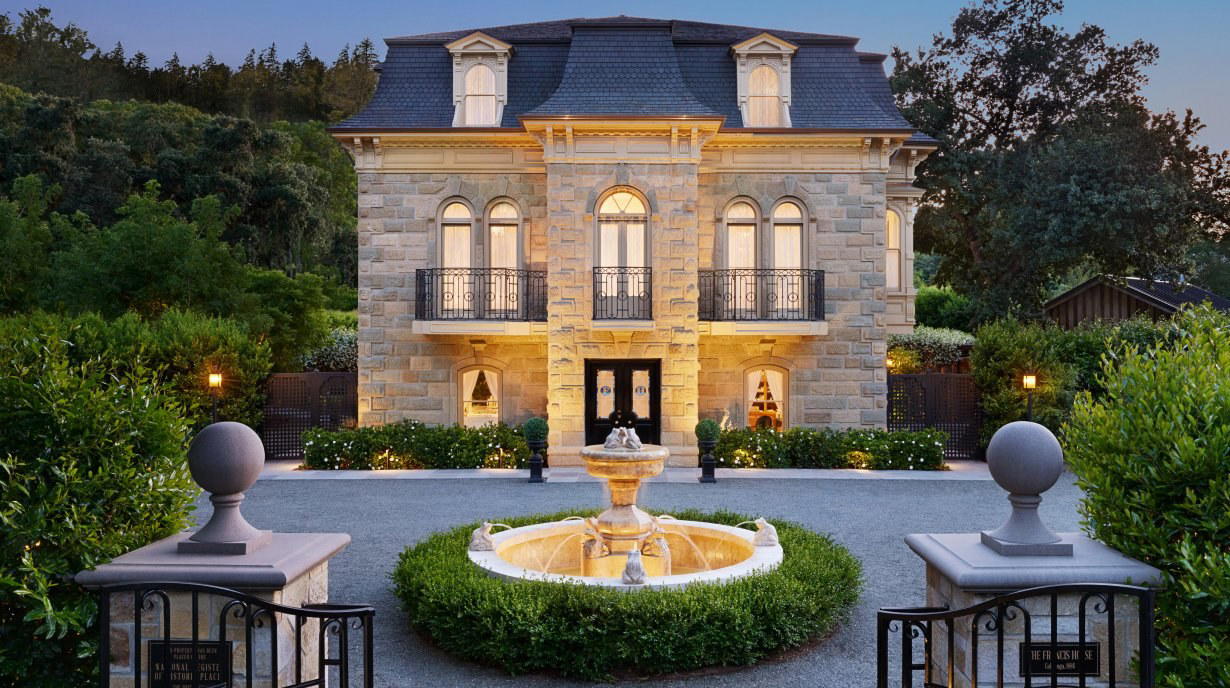
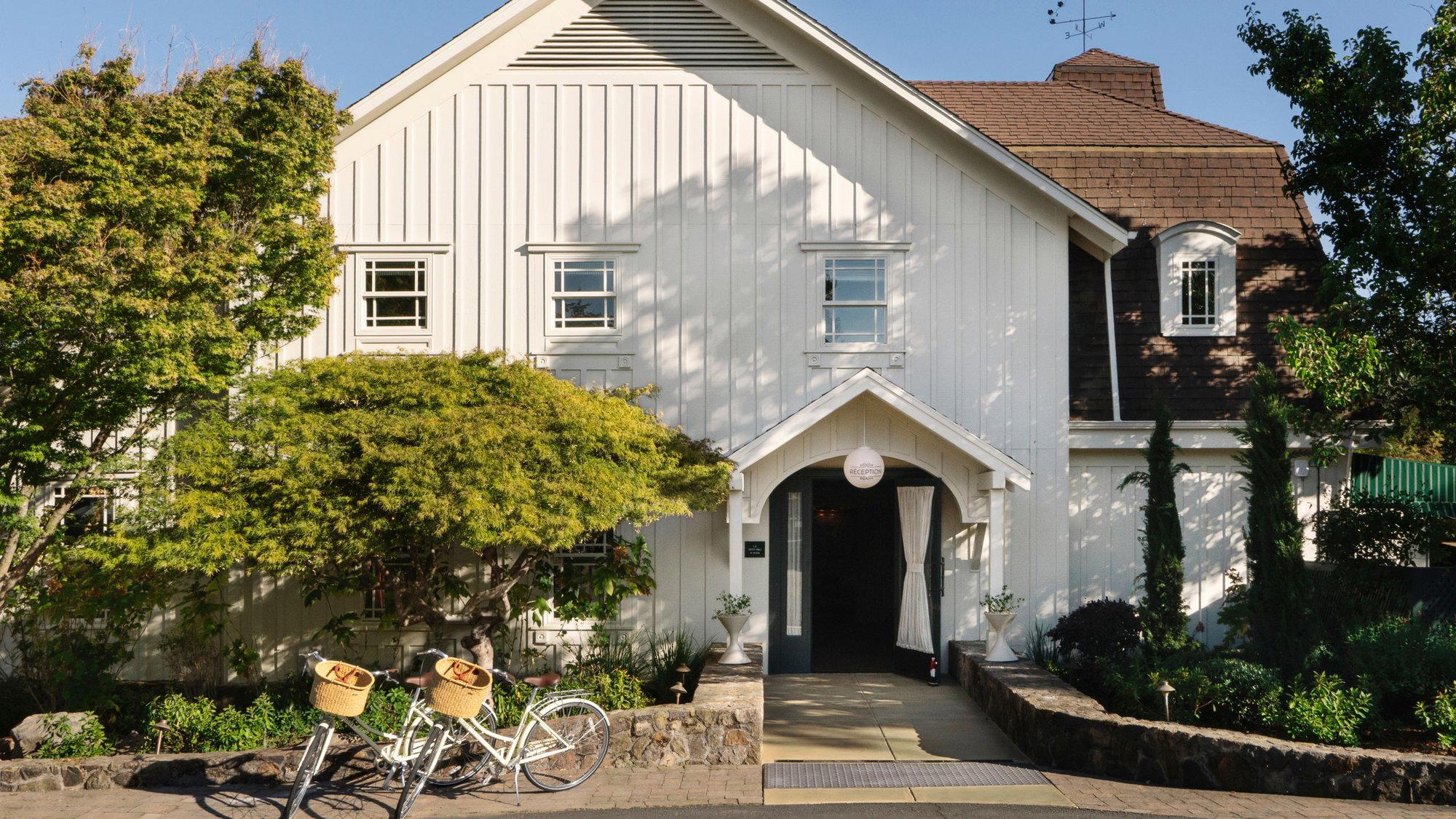
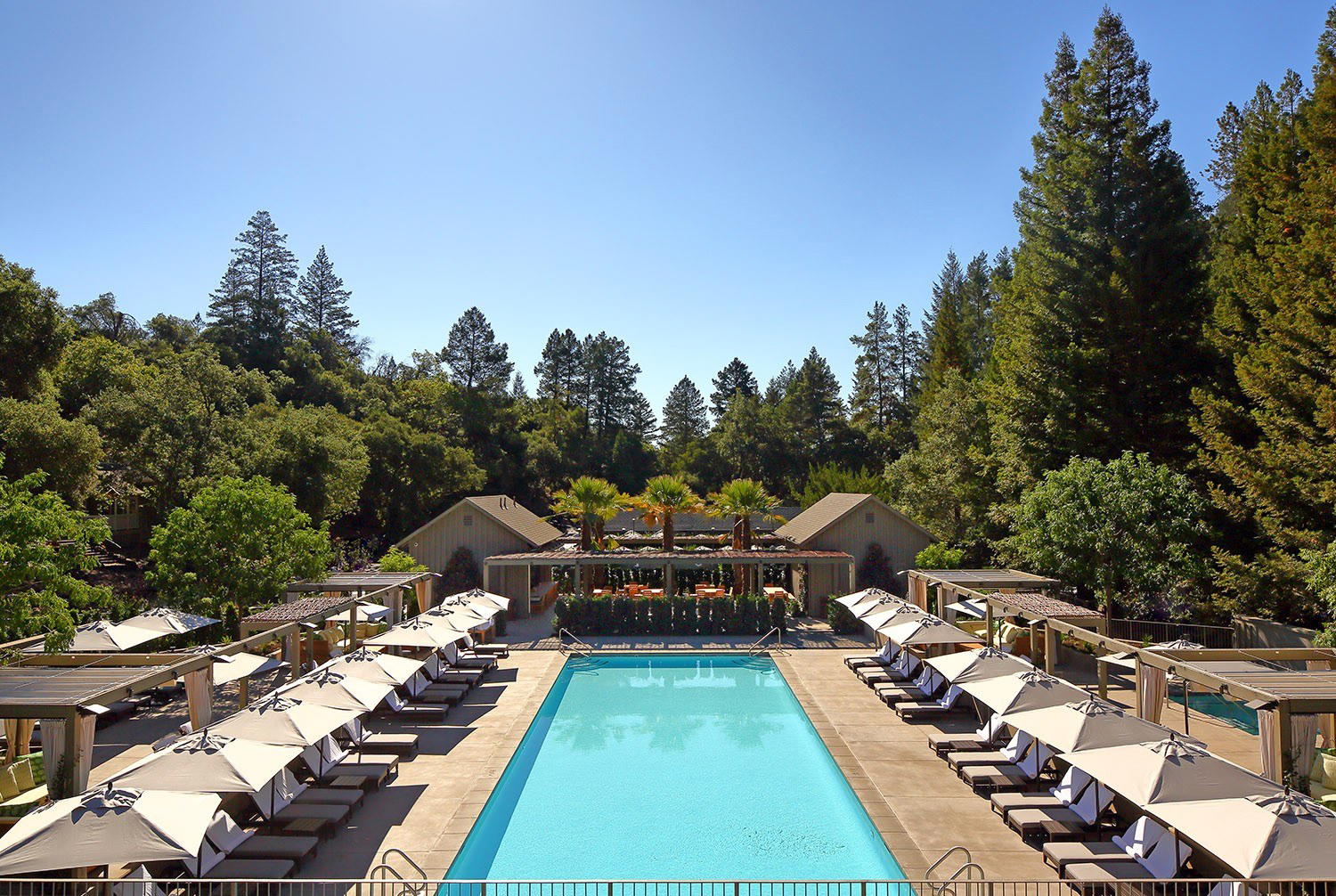
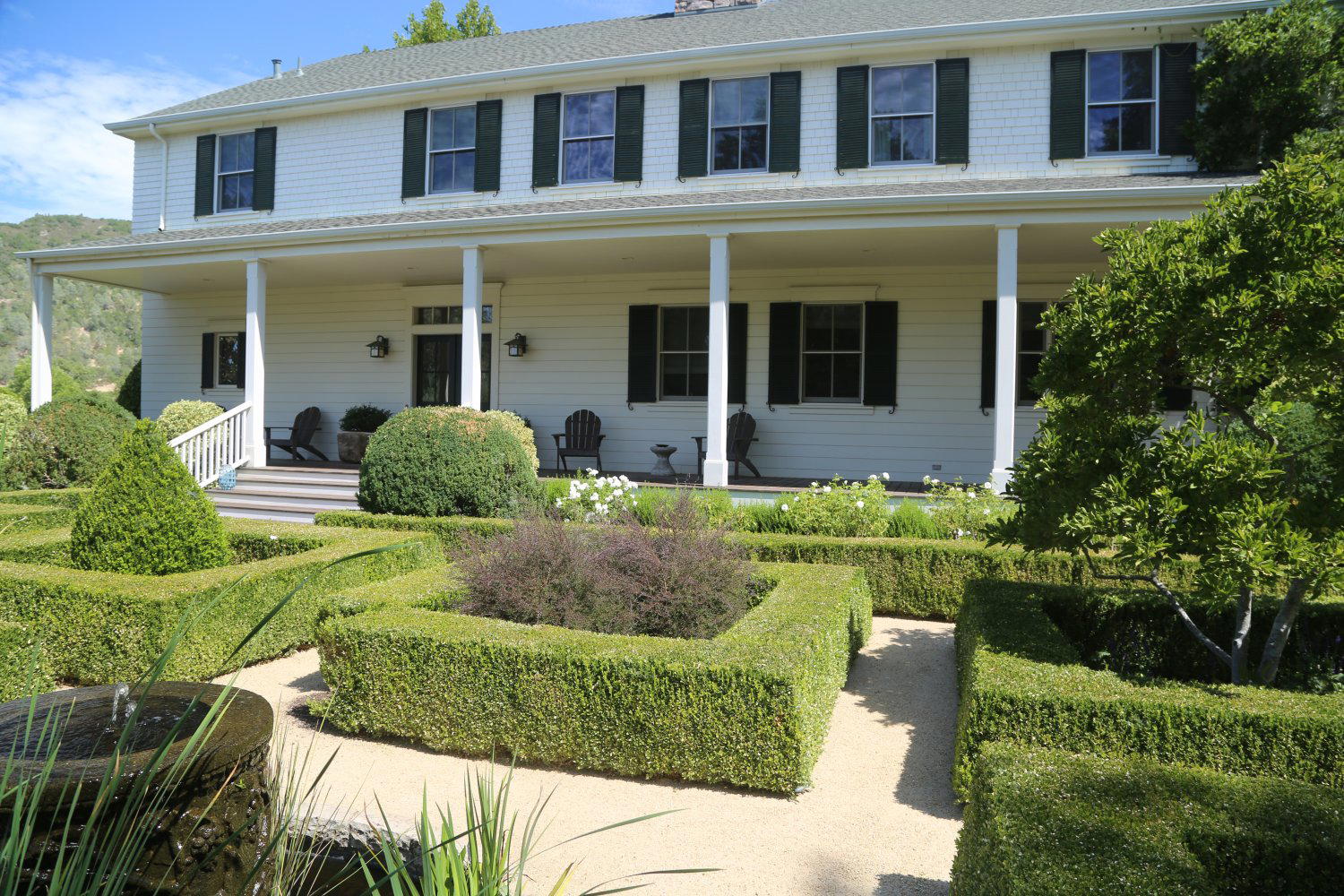
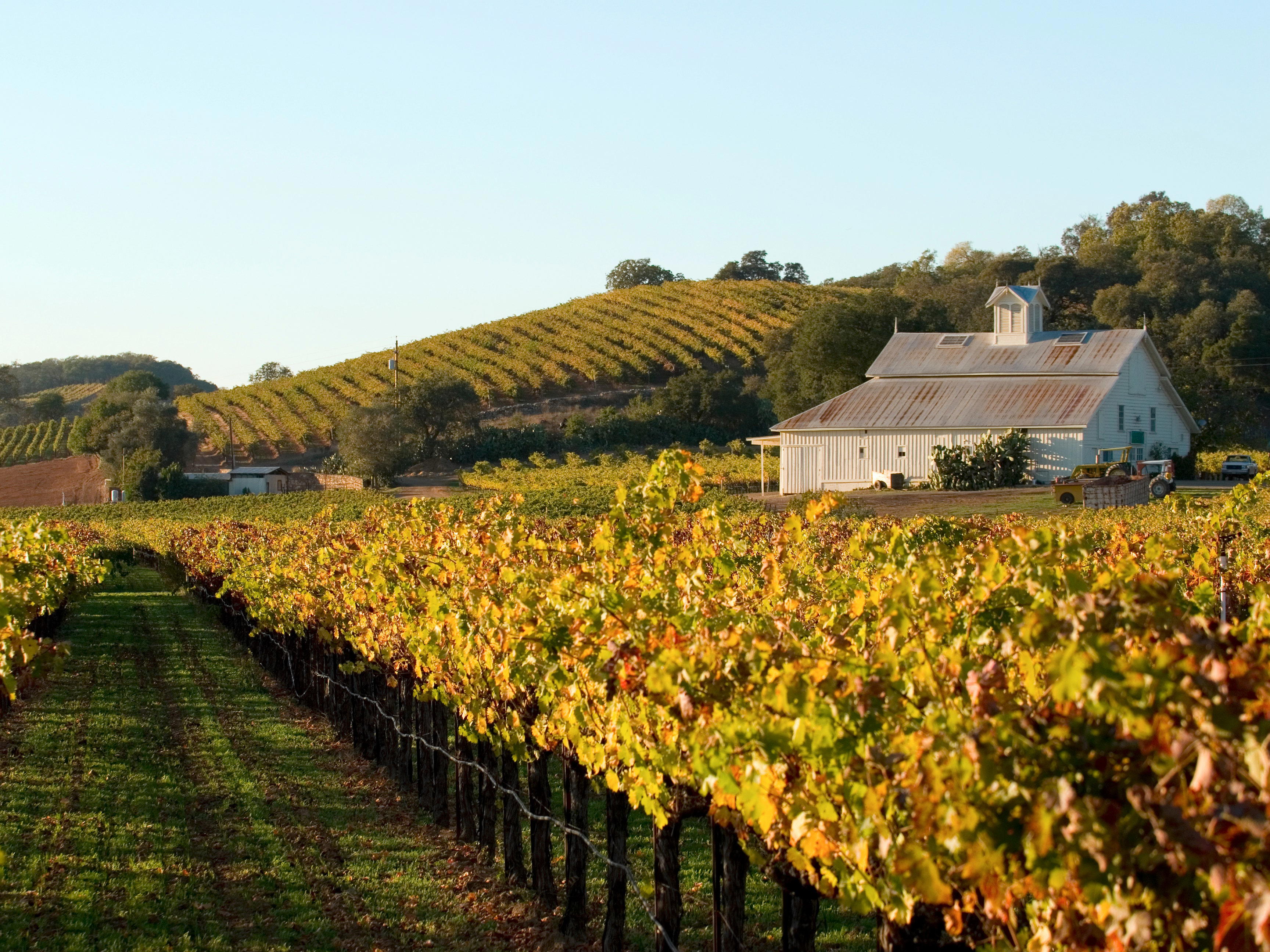
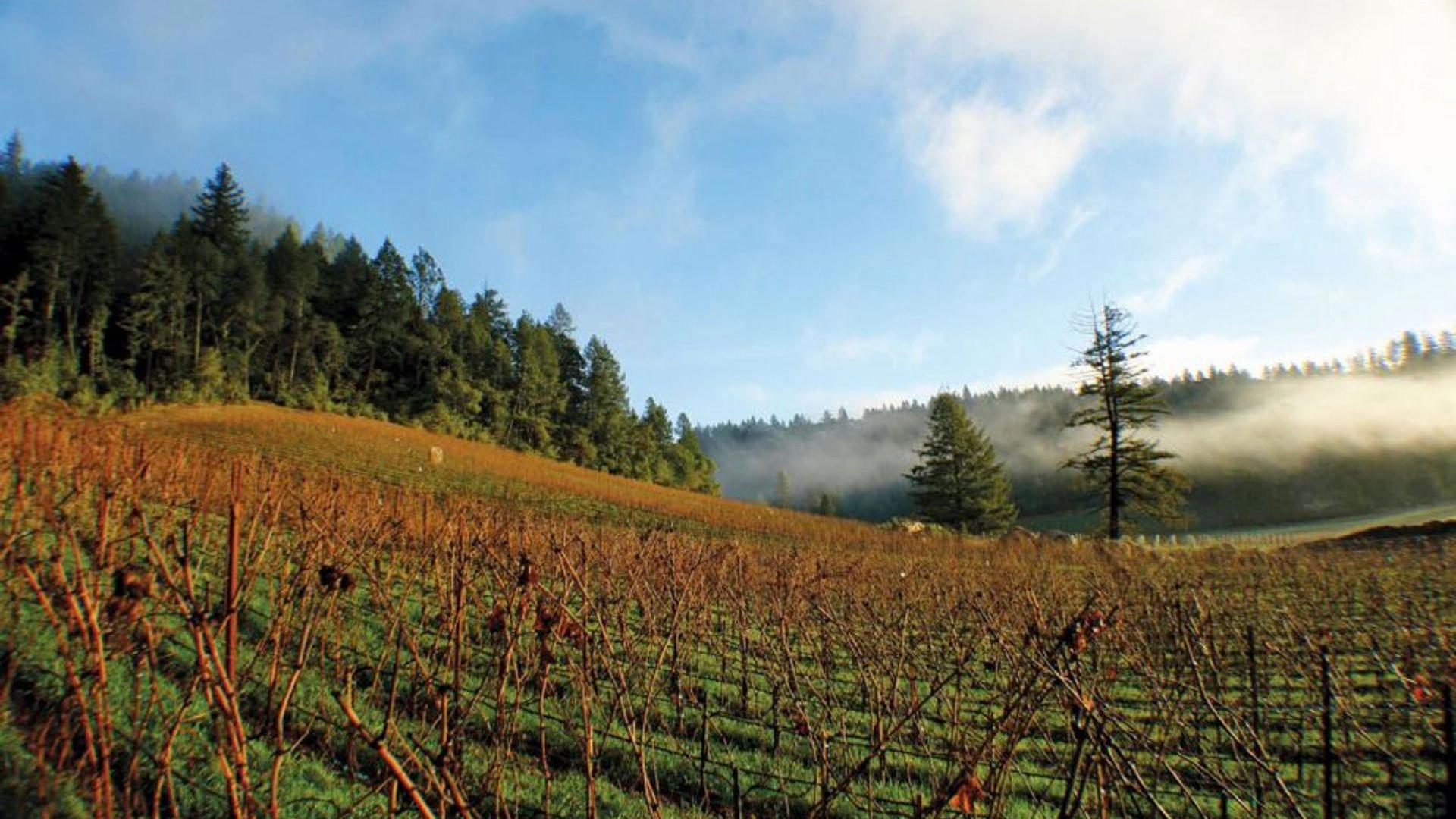
Tranquil and picturesque with serene gardens, estate vineyards, modern architecture, and mountain surroundings, creating an elegant and artistic atmosphere.