Stags' Leap Winery
Stags' Leap Winery sits on Silverado Trail at the heart of one of Napa's most argued-over appellations for Cabernet Sauvignon.
Pearl is the En Primeur Club membership app — saves, bookings, and concierge access live there. Same editors, same standards.
- Address
- 6150 Silverado Trail, Napa, CA 94558
- Website
- stagsleap.com
- Directions
- Get directions
 Saves & bookings on Pearl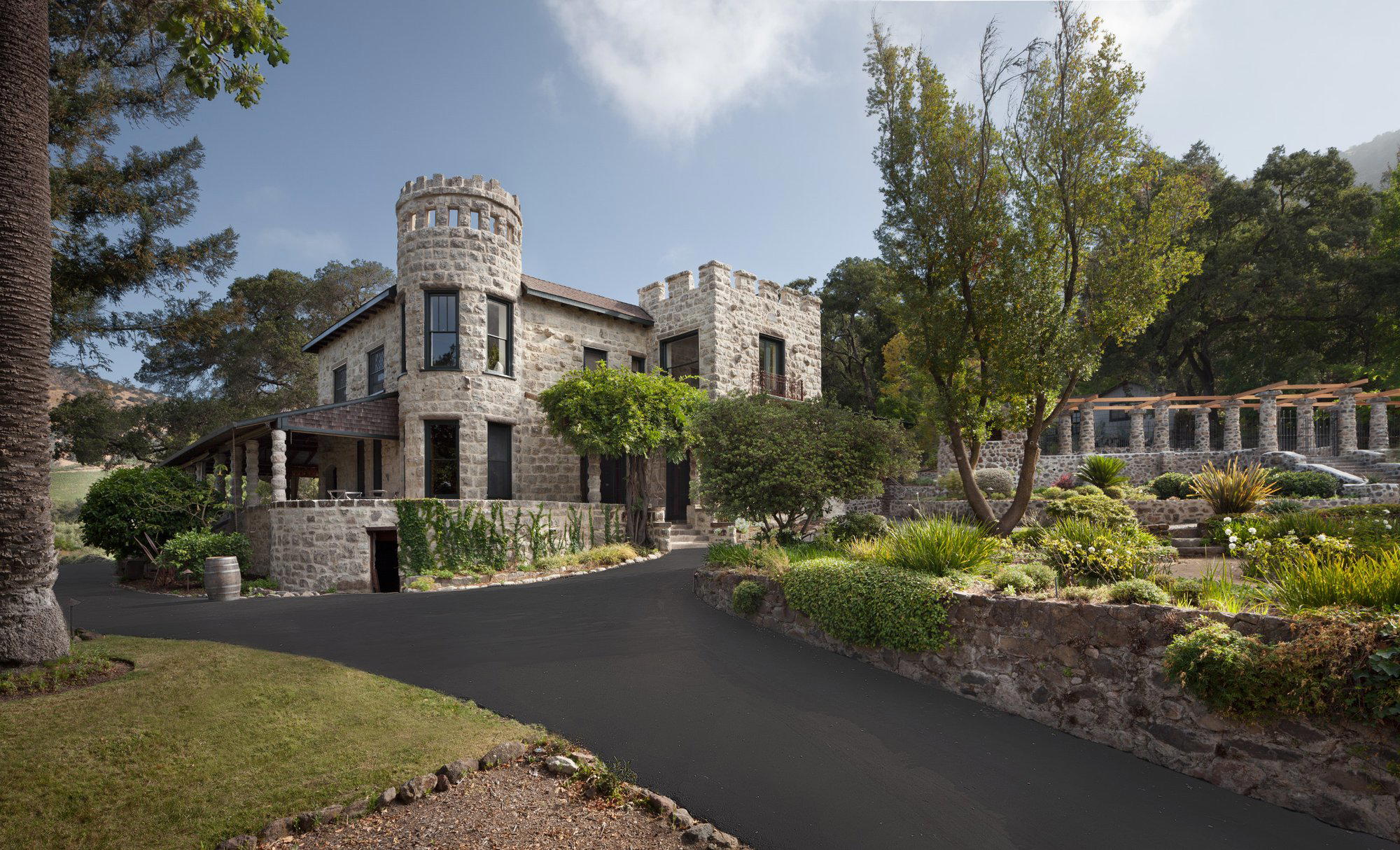
Where the District Defines the Wine
Drive south on Silverado Trail past the point where the valley floor narrows and the Vaca Range presses closer, and you enter the Stags Leap District proper. The shift is geological before it is administrative: the palisades trap afternoon heat, then release cool air from San Pablo Bay after sunset, producing a diurnal swing that keeps Cabernet Sauvignon from over-ripening while still delivering the dark-fruit concentration that built Napa's reputation. Stags' Leap Winery, at 6150 Silverado Trail, sits squarely inside this thermal corridor, and every wine poured there carries that address in the glass whether or not the label announces it.
This is a district where provenance does much of the heavy lifting. The Stags Leap District received its own American Viticultural Area designation in 1989, formalising what producers here had long argued informally: that the combination of rocky benchland soils, volcanic influence, and that distinctive cooling pattern created a recognisably distinct Cabernet character, one that leans toward iron-inflected tannins and mid-weight structure rather than the blockier mass of warmer Napa sub-appellations. Stags' Leap Winery operates within that tradition rather than against it.
Reading the Portfolio as a Map
The editorial angle for any serious Stags Leap District winery is how the wine programme positions itself within the appellation's own internal hierarchy. The district contains a compact but fiercely competitive comparable set: Chimney Rock Winery, Clos du Val, Lewis Cellars, Pine Ridge Vineyards, and Quixote Winery all operate within a few miles of one another, and each has staked a distinct position in terms of style, price tier, and tasting format. The question for any visitor is which portfolio leading maps to their palate priorities and how Stags' Leap Winery's programme answers that.
What the Stags Leap District does with Cabernet Sauvignon is worth understanding before you taste. District Cabernet typically shows more finesse on the mid-palate than Rutherford or Oakville fruit, with tannins that integrate relatively early. This is not a Napa style associated with maximum extraction or oak as a flavour statement. Producers here, including the winery, tend to let site speak through texture and structure rather than through sheer concentration. Comparing against neighbours like Alpha Omega Winery in Rutherford or Accendo Cellars in St. Helena reveals how meaningfully sub-appellation location shifts the register of California Cabernet.
The Prestige Tier: What a Pearl 2 Star Signal Means
The winery is a Napa winery in the Stags Leap District, and visits are by appointment only. Its price tier sits at about $150 per person. For the Stags Leap District, this puts the winery in a rarefied group: the appellation is small enough that prestige-tier recognition carries real weight in terms of how the property sits against regional peers.
That recognition also signals something about how the winery should be approached as an experience. At this tier, appointment-only visits are the norm, and the format and wine selection can be more focused. Visitors planning time in the district should cross-reference against the full Stags Leap District guide to understand how different producers at this level structure their hospitality and what advance planning each one requires.
Terroir Specificity as Programme Logic
The Stags Leap District's internal geography is more varied than its compact size suggests. Benchland positions above the valley floor offer thinner, rockier soils with better drainage, producing wines with firmer structure and more pronounced mineral tension. Lower positions on the valley floor bring deeper alluvial soils and softer, more immediately accessible fruit. A producer's range of estate or sourced vineyard blocks often reads, across the portfolio, as a deliberate exploration of those contrasts. This is the logic behind tiered releases in serious Napa houses: the estate-level wine demonstrates what the appellation can do at its median; single-vineyard or reserve wines zoom in on specific soil and aspect combinations.
The approach contrasts with what you find in producers further north or in neighbouring California regions. Adelaida Vineyards in Paso Robles works with limestone-influenced soils that produce a markedly different Cabernet register, while Alexander Valley Vineyards in Geyserville operates in warmer conditions that bring a riper, more generous fruit profile. The Stags Leap position is a specific middle ground: cool enough for freshness, warm enough for full physiological ripeness, structured enough to age.
Planning a Visit on Silverado Trail
Address at 6150 Silverado Trail places the winery on one of Napa's most concentrated stretches of premium wine production. The Trail itself is navigable and well-signposted, though visitors combining multiple stops in a single day should plan arrivals carefully, especially for prestige-tier properties where appointment-based tastings set the pace. The winery sits south of the Yountville corridor, which means a day that starts with Stags Leap District visits and moves north toward Rutherford can be structured without excessive backtracking.
Given the appointment-only policy, contact the winery ahead of any visit is necessary rather than optional. At this level of recognition in a small, competitive appellation, the leading experiences are those structured around the visitor's specific interests, whether that is vertical library access, vineyard-specific comparisons, or education on how the district's geology expresses across different harvest conditions. Walk-in availability cannot be assumed for a winery at this tier, and the tasting experience is likely to be more considered and appointment-driven than the broader Napa walk-in model.
Adelsheim Vineyard in Newberg, Alban Vineyards in Arroyo Grande, and Andrew Murray Vineyards in Los Olivos all represent distinct California wine traditions and make useful points of comparison for anyone building a broader sense of how California's growing regions differ in character and ambition.
Fast Comparison
Comparable venues nearby, for context on price, style, and recognition.
| Venue | Cuisine | Price | Notes |
|---|---|---|---|
| Stags' Leap WineryThis venue — the venue you are viewing | Petite Sirah, Cabernet Sauvignon | $$$ | Not listed |
| Trefethen Family Vineyards | Cabernet Sauvignon, Merlot | $$$ | Oak Knoll District |
| Jean Edwards Cellars | cabernet sauvignon, cabernet franc | $$$ | Atlas Peak |
| Matthiasson Winery | Ribolla Gialla, Sauvignon Blanc | $$$ | Oak Knoll District |
| Harlan Estate | Cabernet Sauvignon, Merlot | $$$$ | Oakville |
| Rutherford Hill Winery | Merlot, Cabernet Sauvignon | $$$ | Rutherford |
Continue exploring
More in Napa
Wineries in Napa
Browse all →

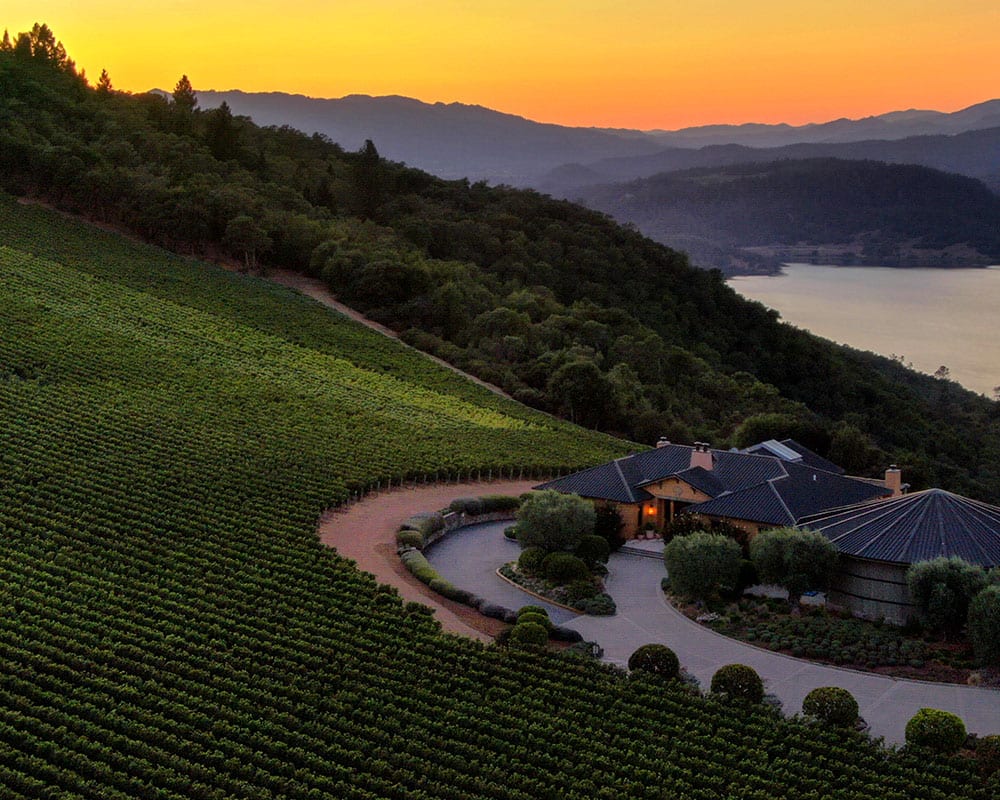
Bars in Napa
Browse all →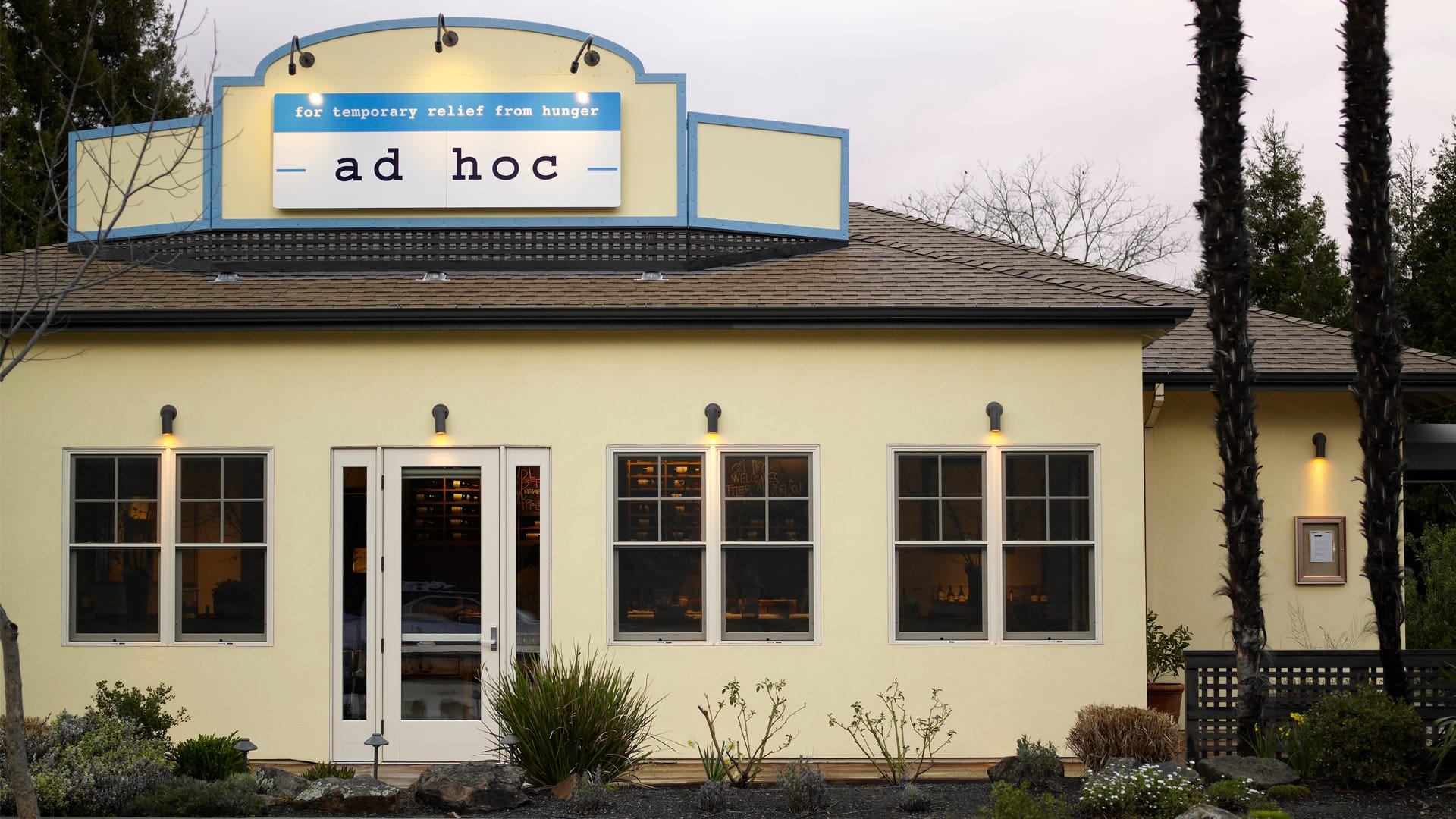
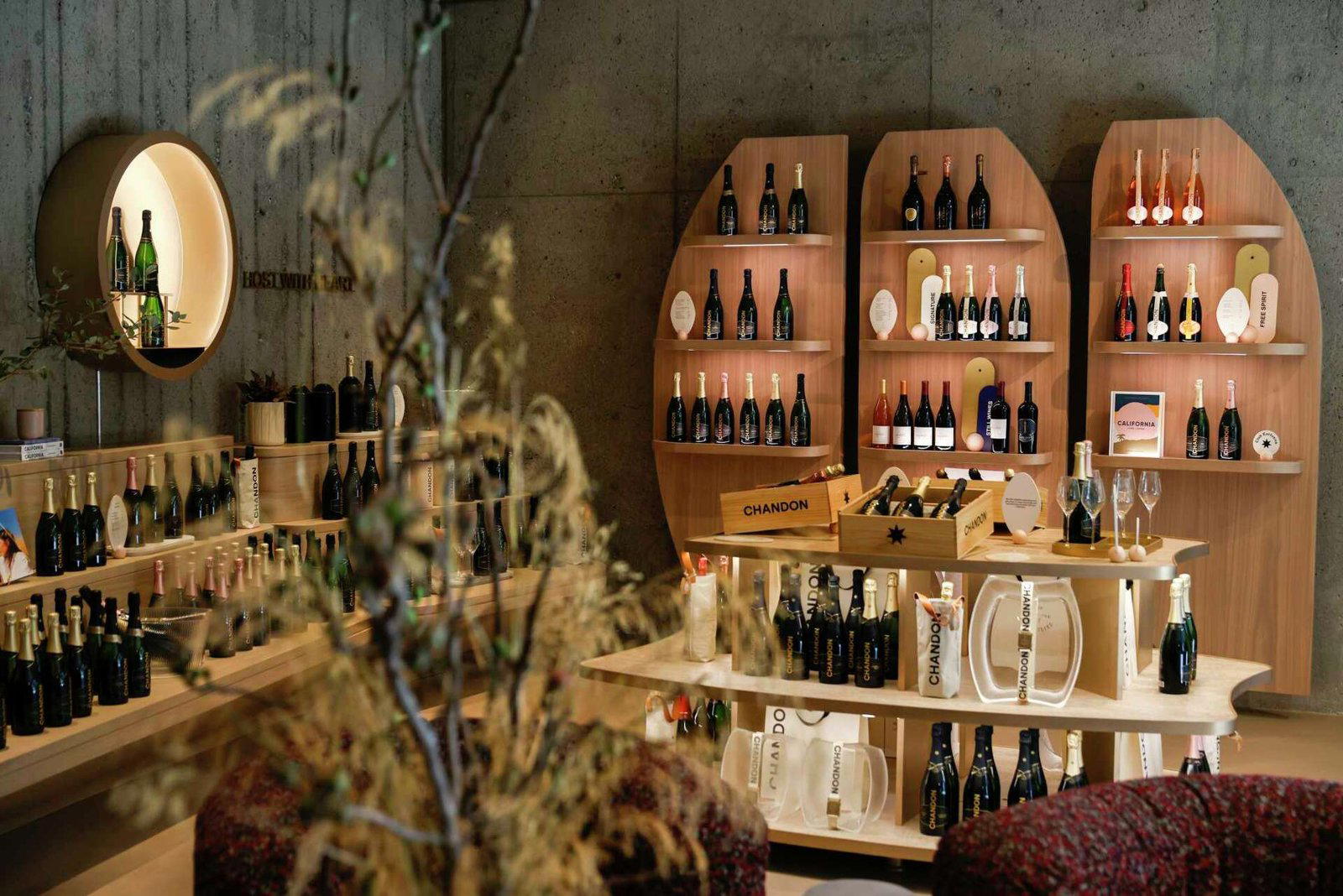

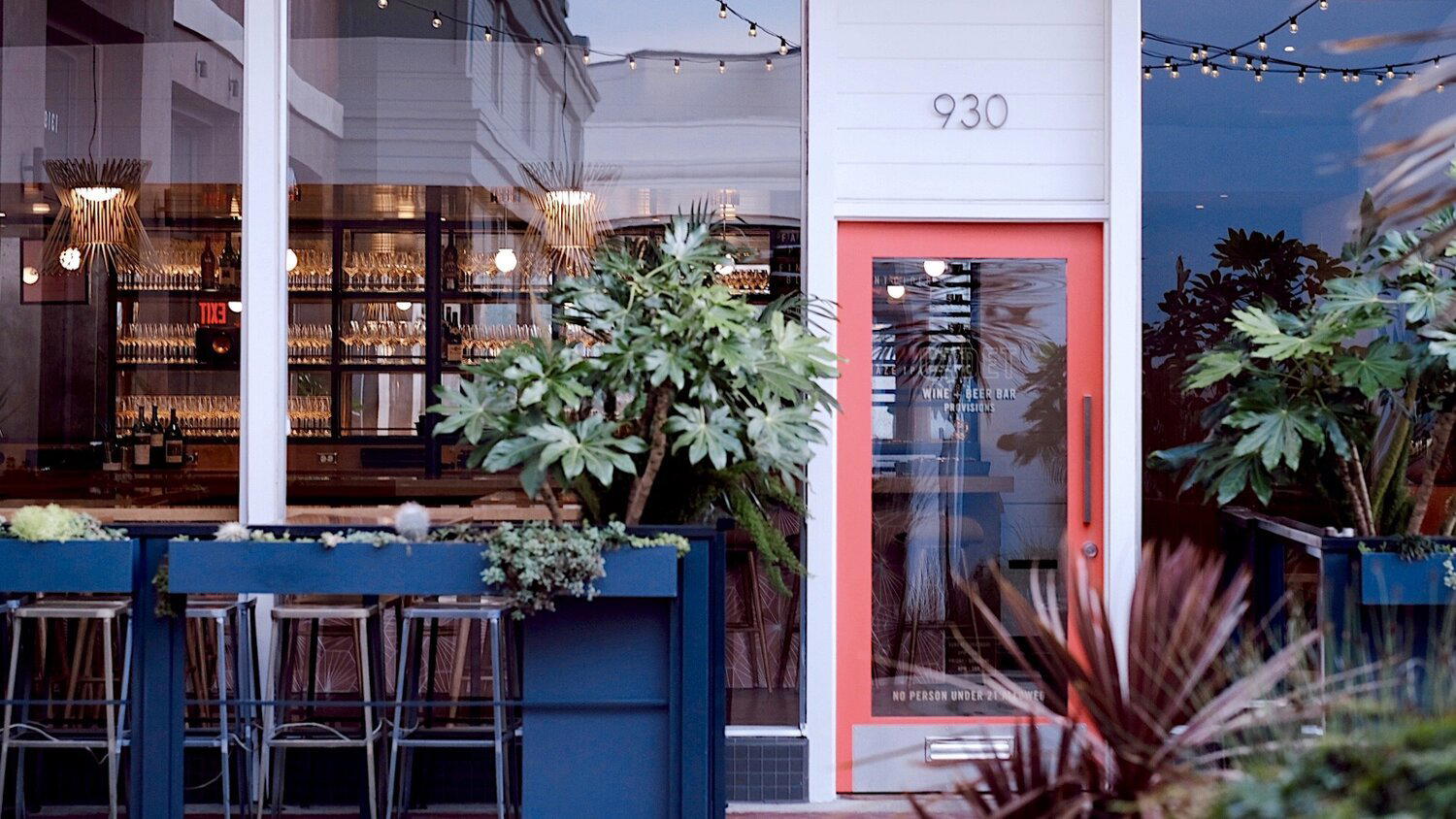
Restaurants in Napa
Browse all →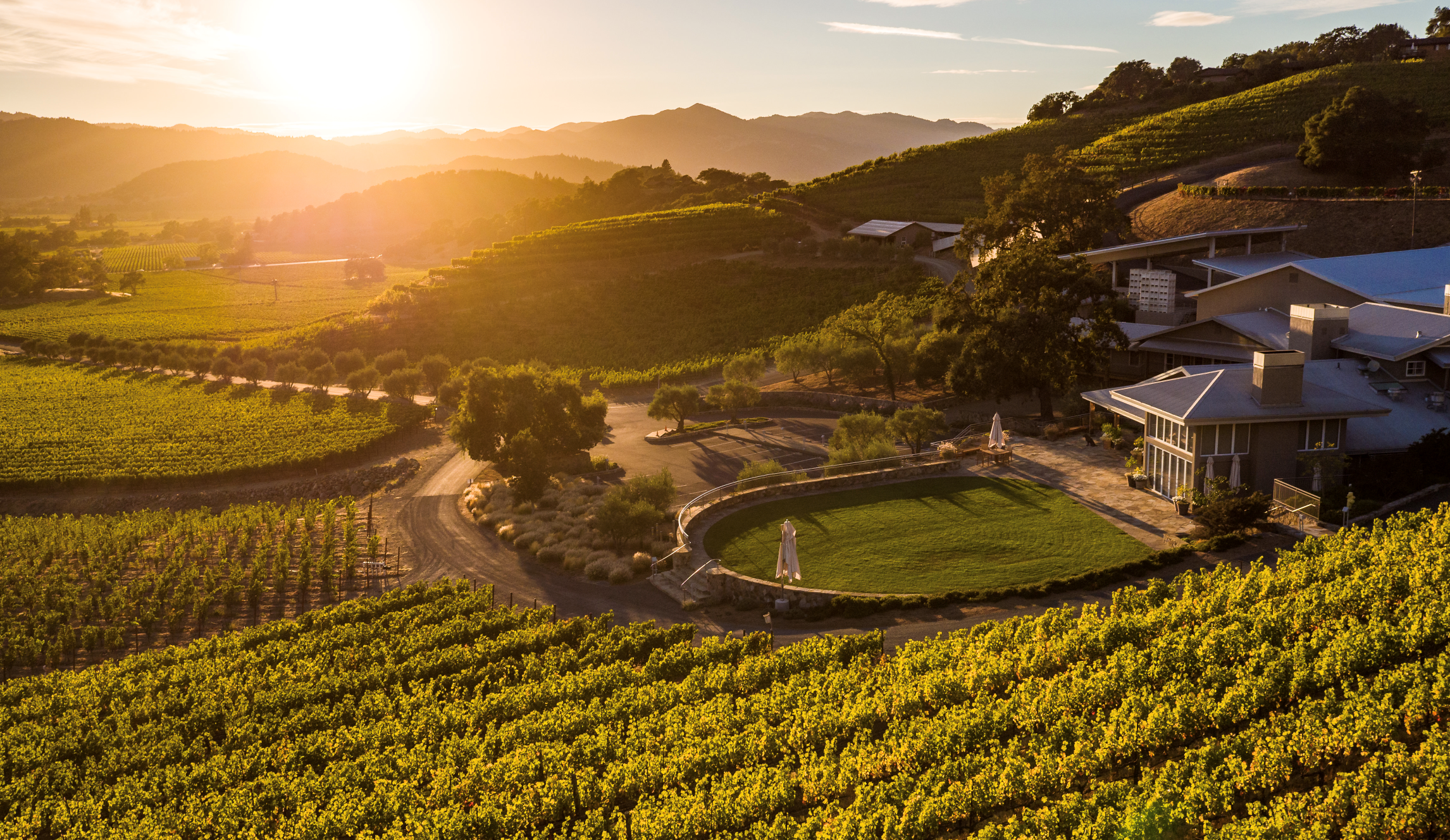





At a Glance
- Romantic
- Classic
- Elegant
- Historic
- Scenic
- Intimate
- Romantic Getaway
- Wine Education
- Special Occasion
- Group Outing
- Cave Tasting
- Vineyard Tour
- Estate Grounds
- Historic Building
- Private Tasting
- Garden
- Sustainable
- Vineyard
- Mountain
- Garden
- Stags Leap District AVA
- Petite Sirah
- Cabernet Sauvignon
- Merlot
- Malbec
- Mourvèdre
- Carignan
- Muscat
- Cinsault
- Still Red
- Still White
- Estate Tour And Tasting
- Porch Tasting
- Manor House Experience
- Heritage Library Tasting
- Winemaker's Apothecary Garden Tasting
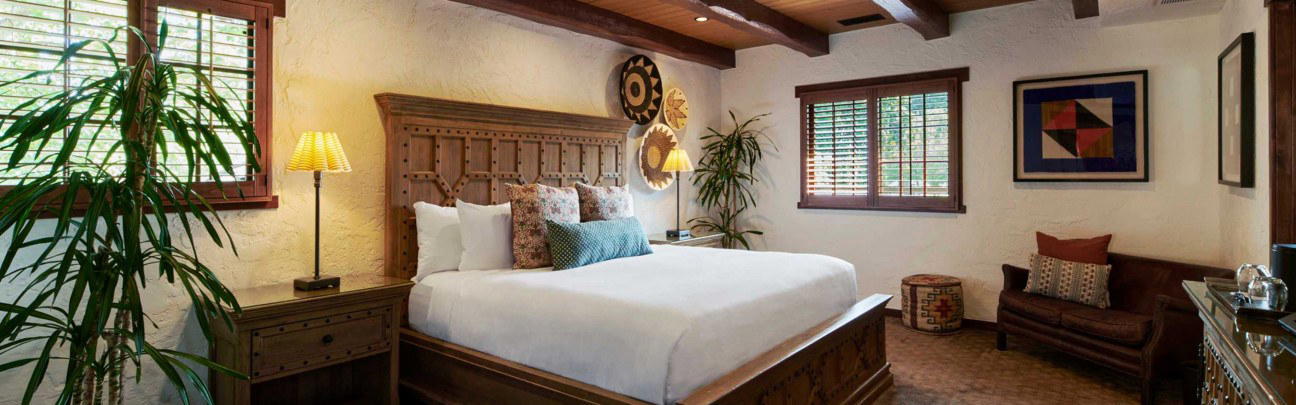
Gilded Age refinement with soaring 15-foot ceilings, old-growth California redwood fireplace hearths, hand-carved banisters, and afternoon light filtering through stained-glass windows; intimate and educational atmosphere focused on heritage and history.