Acacia Vineyard
Acacia Vineyard sits at the southern end of the Napa Valley, where the Carneros appellation's cool marine influence shapes a distinctly different winemaking register than the valley floor..

Pearl is the En Primeur Club membership app — saves, bookings, and concierge access live there. Same editors, same standards.
- Address
- 555 Gateway Dr, Napa, CA 94558
- Hours
- Mon–Sat 10 AM–4 PMSun 12–4 PM
- Directions
- Get directions
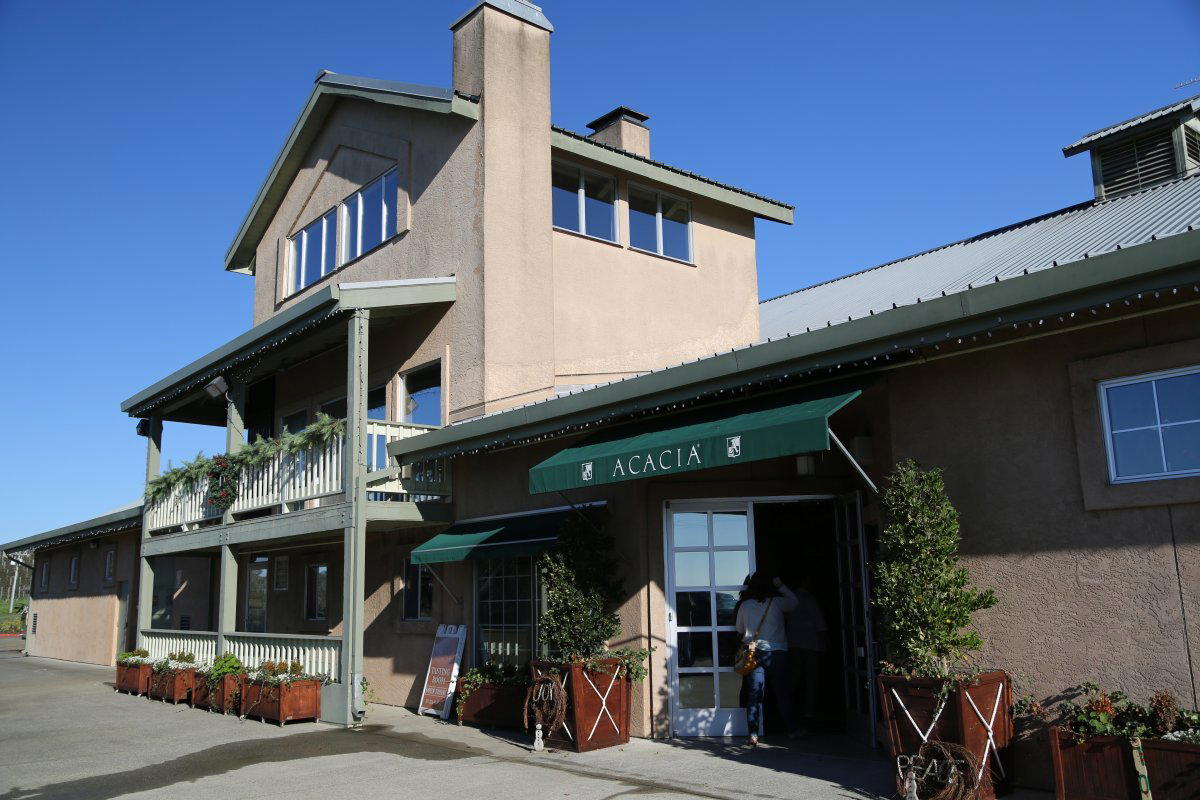
Where Napa Meets the Bay: The Carneros Context
The southern boundary of Napa Valley is not where most visitors first look. Attention tends to cluster further north, around the Cabernet-dominant floor appellations of Oakville and Rutherford, where the valley's commercial identity was forged. But the Carneros AVA, straddling the southernmost reaches of both Napa and Sonoma counties, operates under a different logic entirely. Persistent afternoon winds off San Pablo Bay compress ripening windows, push acidity higher, and favour varieties that struggle in warmer inland sites. The result is a sub-region where Pinot Noir and Chardonnay, not Cabernet Sauvignon, define the house style — and where properties like Acacia Vineyard have built their reputations on that cooler-climate distinction.
Located on Gateway Drive in the city of Napa at the appellation's eastern edge, Acacia Vineyard sits at the point where the landscape shifts perceptibly. The hills flatten, the air carries more moisture, and the vineyards assume a lower, more wind-sculpted silhouette than those further up the valley. This is Carneros as its proponents describe it: a place where site-specificity precedes varietal expression, and where the view from any elevation point opens toward the Bay rather than inward toward the valley's more familiar postcard geometries. For visitors oriented toward that style of winemaking — restrained, acid-driven, terroir-conscious, the southern Napa approach represents a genuine counterpoint to the valley's mainstream.
In a region where self-promotion runs high, that kind of external validation signals consistent quality rather than marketing positioning. Comparable Napa properties in the prestige tier include Artesa Vineyards and Winery, which also occupies the Carneros zone and similarly foregrounds the area's cooler-climate logic, and Ashes and Diamonds Winery, which takes a different direction entirely by working with mid-century Napa varieties and aesthetics.
The Physical Character of the Site
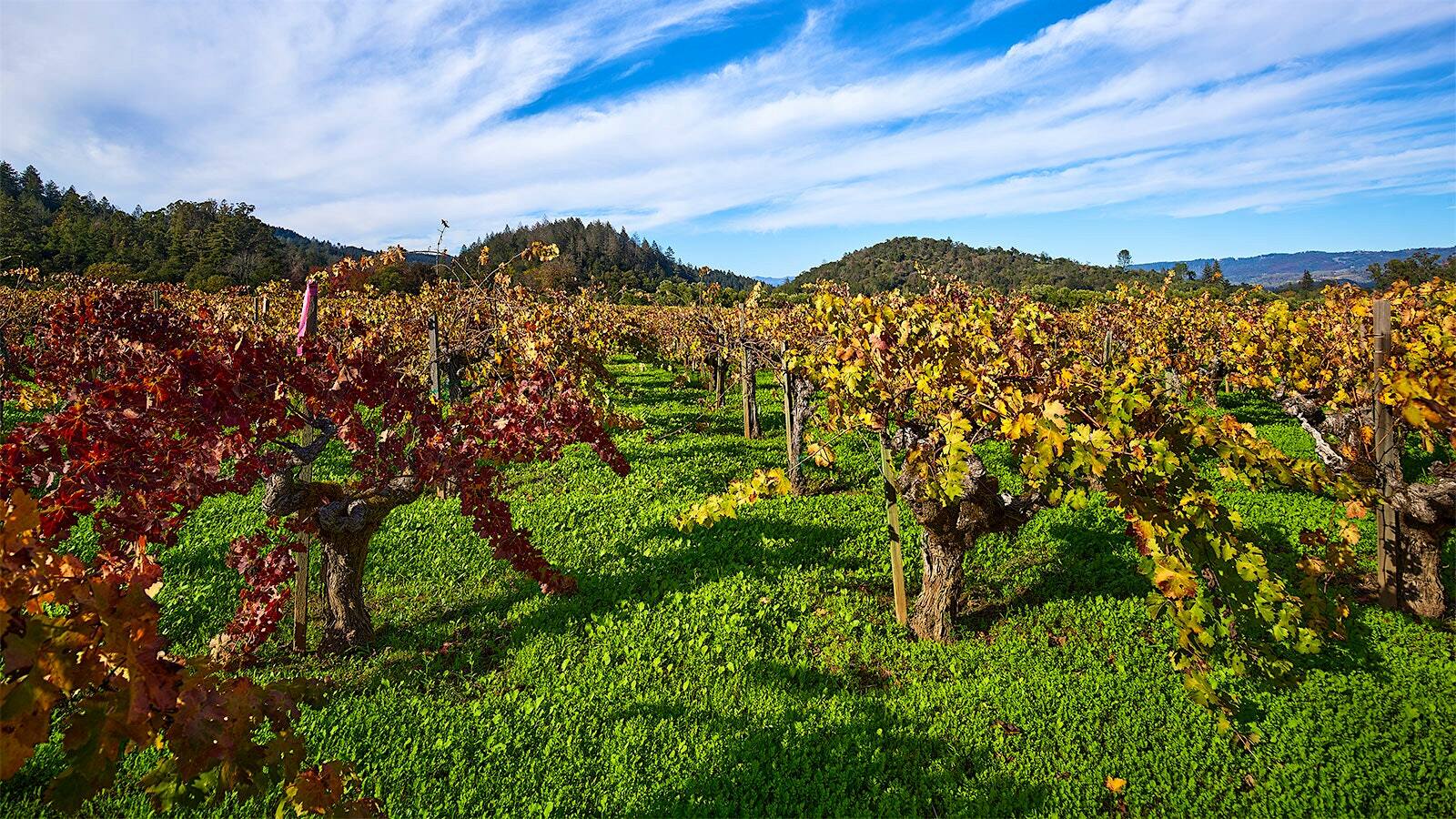
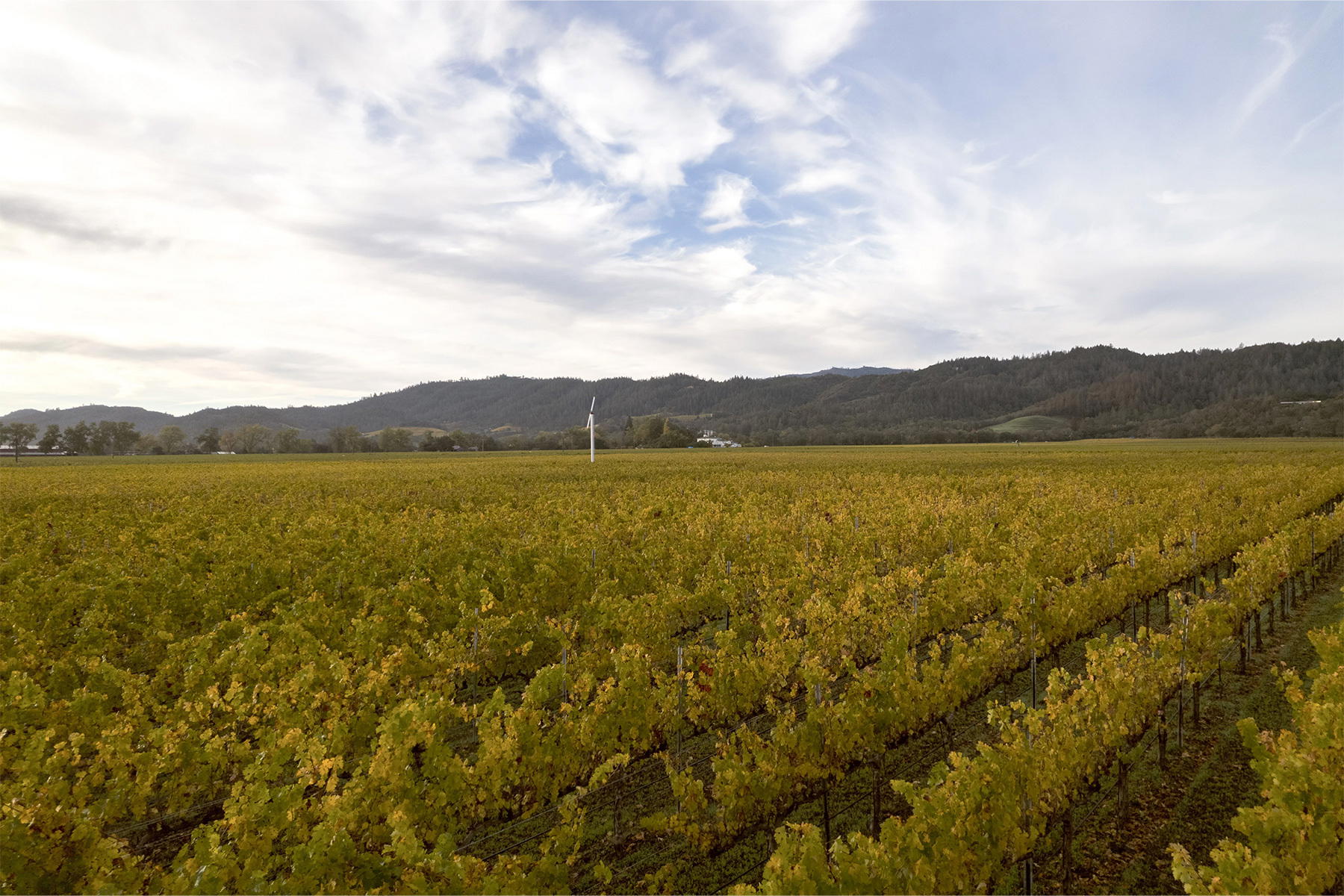
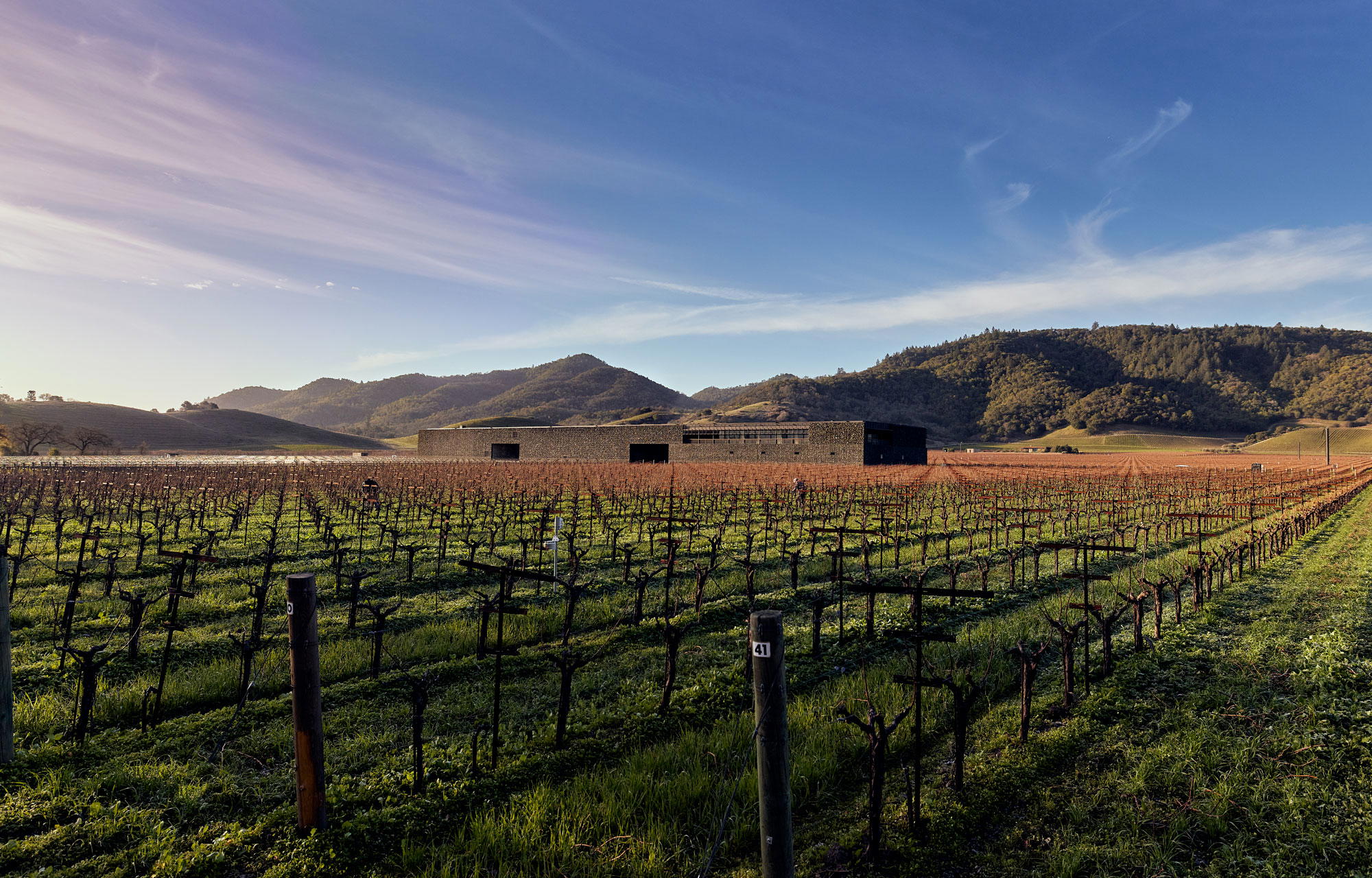
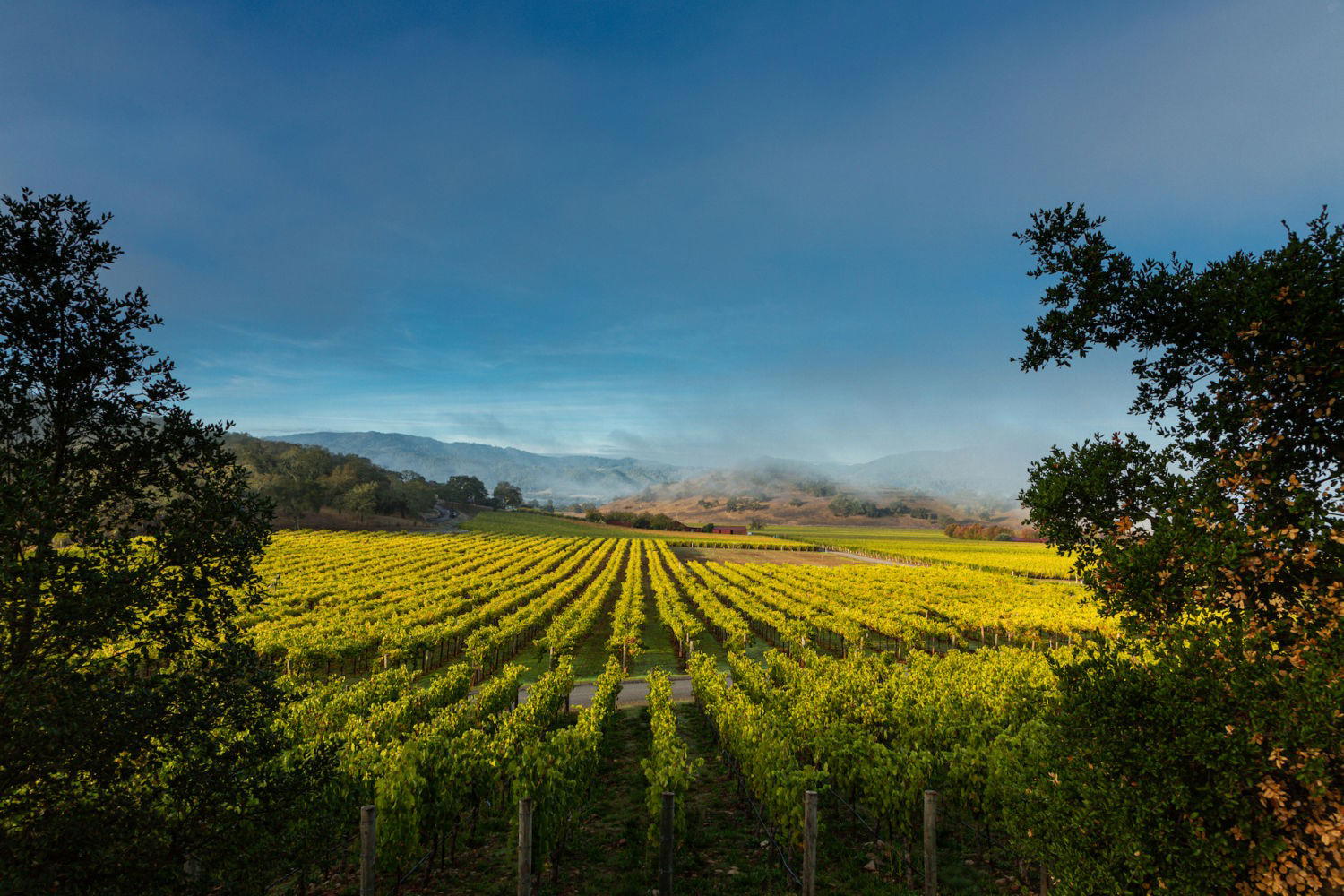
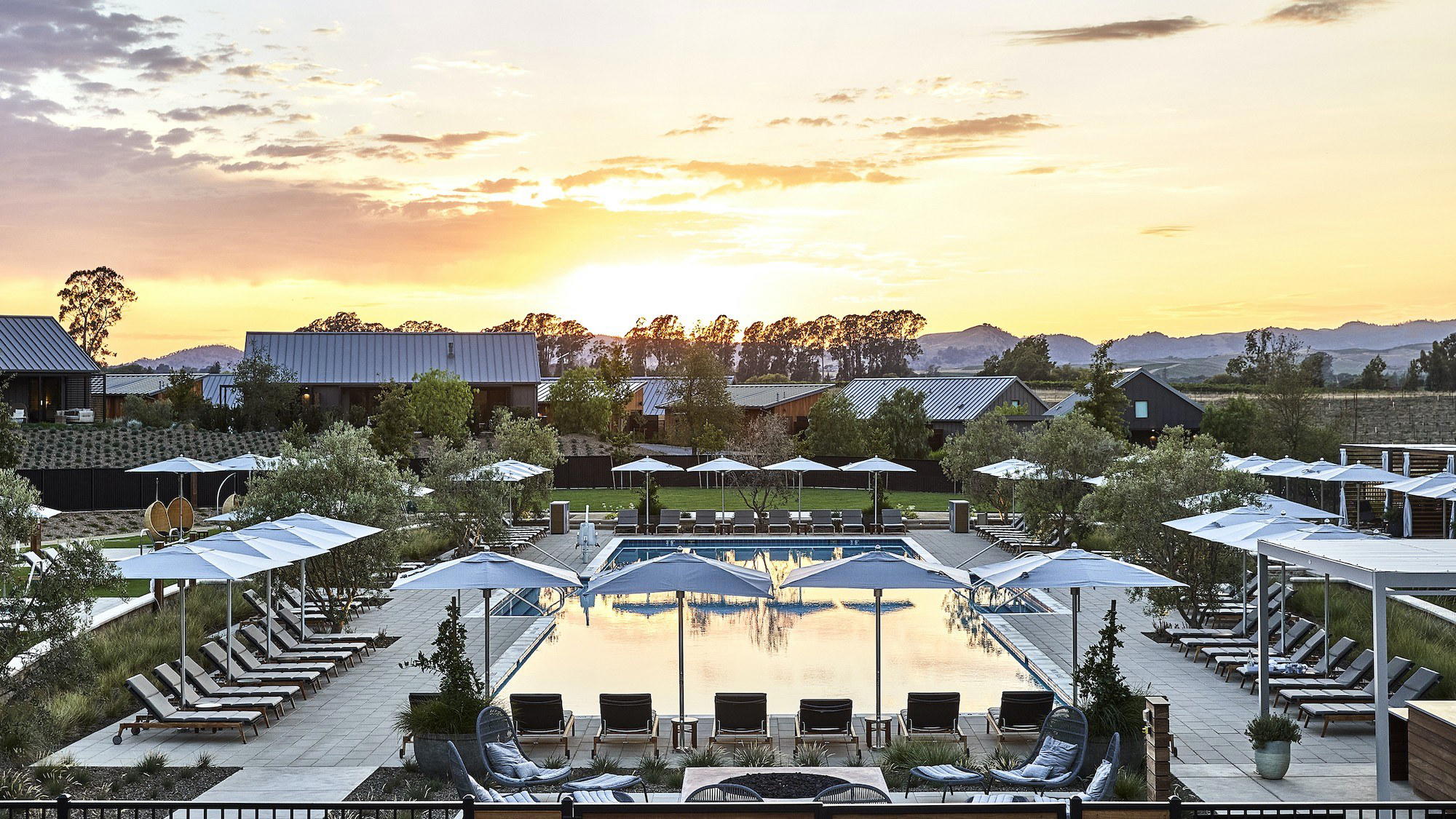
Carneros vineyards tend toward exposed, rolling terrain rather than the dramatic canyon settings favoured by prestige producers further north. The visual language is open and agricultural rather than theatrical: low-canopy vines, wide sky, and a flatness that makes the surrounding topography legible in a way that enclosed valley-floor sites do not. At Acacia, the address on Gateway Drive places the property at an accessible southern Napa location, close enough to the city of Napa that it functions as a logical first or last stop on a valley itinerary without requiring a full day's commitment to reach.
That accessibility matters more than it might seem. Premium Napa wineries increasingly sort into two formats: those designed around appointment-only, high-exclusivity tastings pitched at the valley's luxury-weekend demographic, and those structured around a broader visitor experience without sacrificing quality credentials. The practical geography of Acacia's location makes it approachable as a base-of-valley anchor, a starting point before heading toward the denser concentration of prestige producers along the Highway 29 corridor or the Silverado Trail. Visitors connecting northward might consider Accendo Cellars in St. Helena or Alpha Omega Winery in Rutherford as logical progressions up the valley spine.
Carneros in the Broader California Picture
Understanding where Acacia sits in Napa's competitive architecture requires understanding what Carneros is and is not. It is not a heavy, extracted, high-alcohol zone. It does not compete directly with Napa's Cabernet prestige producers, estates like Darioush Winery or Blackbird Vineyards, which operate in blending and Bordeaux-varietal territory respectively. Carneros producers instead occupy a cooler-climate niche that parallels, in California terms, what the coastal appellations of Santa Barbara County or the Willamette Valley in Oregon represent in their respective regions: a counter-argument to the dominant regional style.
California's cool-climate Pinot and Chardonnay conversation spans a wide geography. Adelsheim Vineyard in Newberg anchors the Oregon end of that discussion, while further south, Alban Vineyards in Arroyo Grande represents a different coastal California expression focused on Rhône varieties. Within Napa specifically, Carneros remains the only sub-appellation where cool-climate Burgundian varieties consistently reach the quality tier that earns external recognition.
The contrast is equally visible when comparing across Napa's recognised properties with overlapping California prestige credentials. Clos Selene Winery and Alexander Valley Vineyards in Geyserville each illustrate how Northern California's prestige tier fragments by sub-regional identity: Sonoma's Alexander Valley carries a warmer, Cabernet-capable profile that contrasts with Carneros' marine-influenced register. For visitors interested in understanding these distinctions rather than simply collecting tasting experiences, a structured itinerary that moves between sub-regional styles yields considerably more understanding than staying within a single corridor.
Planning a Visit
Acacia Vineyard's physical address at 555 Gateway Drive places it directly off the southern Napa access routes, making it reachable from San Francisco in roughly an hour depending on Bay Bridge and Highway 37 conditions. The most direct approach comes via Highway 12/121 through the southern Carneros corridor, a route that passes through open marshland and farmland before the vineyard-planted hills signal the appellation boundary. This is not the approach most visitors associate with Napa, there is none of the stage-managed grandeur of the northern valley's winery rows, but it is a more honest introduction to what Carneros actually looks and feels like as an agricultural zone.
In the current Napa visitor environment, prestige-tier producers across the valley increasingly operate on reservation or allocation models regardless of their public-facing accessibility. For context on the broader Napa scene and how to sequence visits effectively, our full Napa guide covers sub-regional logic, property tiers, and practical timing across the valley.
Visitors building a California wine itinerary beyond Napa might also consider how Carneros producers fit within the wider Northern California picture. The appellation shares climatic logic with coastal Sonoma, and a visit to Carneros can anchor a two-day itinerary that moves between the sub-regions without requiring the full Napa valley commitment. For those extending into other California wine regions, Adelaida Vineyards in Paso Robles and Andrew Murray Vineyards in Los Olivos represent useful reference points for understanding how California's cooler-site winemaking conversation extends beyond the Bay Area counties.
Compact Comparison
Comparable venues nearby, for context on price, style, and recognition.
| Venue | Cuisine | Price | Awards | Notes |
|---|---|---|---|---|
| Acacia VineyardThis venue — the venue you are viewing | Carneros, Pinot Noir, Chardonnay | $10–20 | Not listed | Not listed |
| Maroon Wines | Not listed | Not listed | Not listed | Coombsville, Cabernet Sauvignon, Chardonnay |
| Artesa Vineyards and Winery | Los Carneros, Chardonnay, Pinot Noir | $30–50 | Not listed | Not listed |
| Baldacci Family Vineyards | Not listed | $50–100 | Not listed | Stags Leap District, Cabernet Sauvignon, Pinot Noir |
| Shafer Vineyards | Not listed | $50–100 | Falstaff Winery - Listed | Stags Leap District, Cabernet Sauvignon, Merlot |
| John Anthony Vineyards | Not listed | Not listed | Not listed | downtown Napa, Cabernet Sauvignon, Chardonnay |
Details
- Rustic
- Scenic
- Intimate
- Elegant
- Romantic Getaway
- Wine Education
- Estate Grounds
- Vineyard
- Mountain
- Pinot Noir
- Chardonnay
- Still Red
- Still White
- Flight Tasting
Current opening hours
- Monday
- 10 AM–4 PM
- Tuesday
- 10 AM–4 PM
- Wednesday
- 10 AM–4 PM
- Thursday
- 10 AM–4 PM
- Friday
- 10 AM–4 PM
- Saturday
- 10 AM–4 PM
- Sunday
- 12–4 PM
Hours can change for holidays and private events. Last verified .
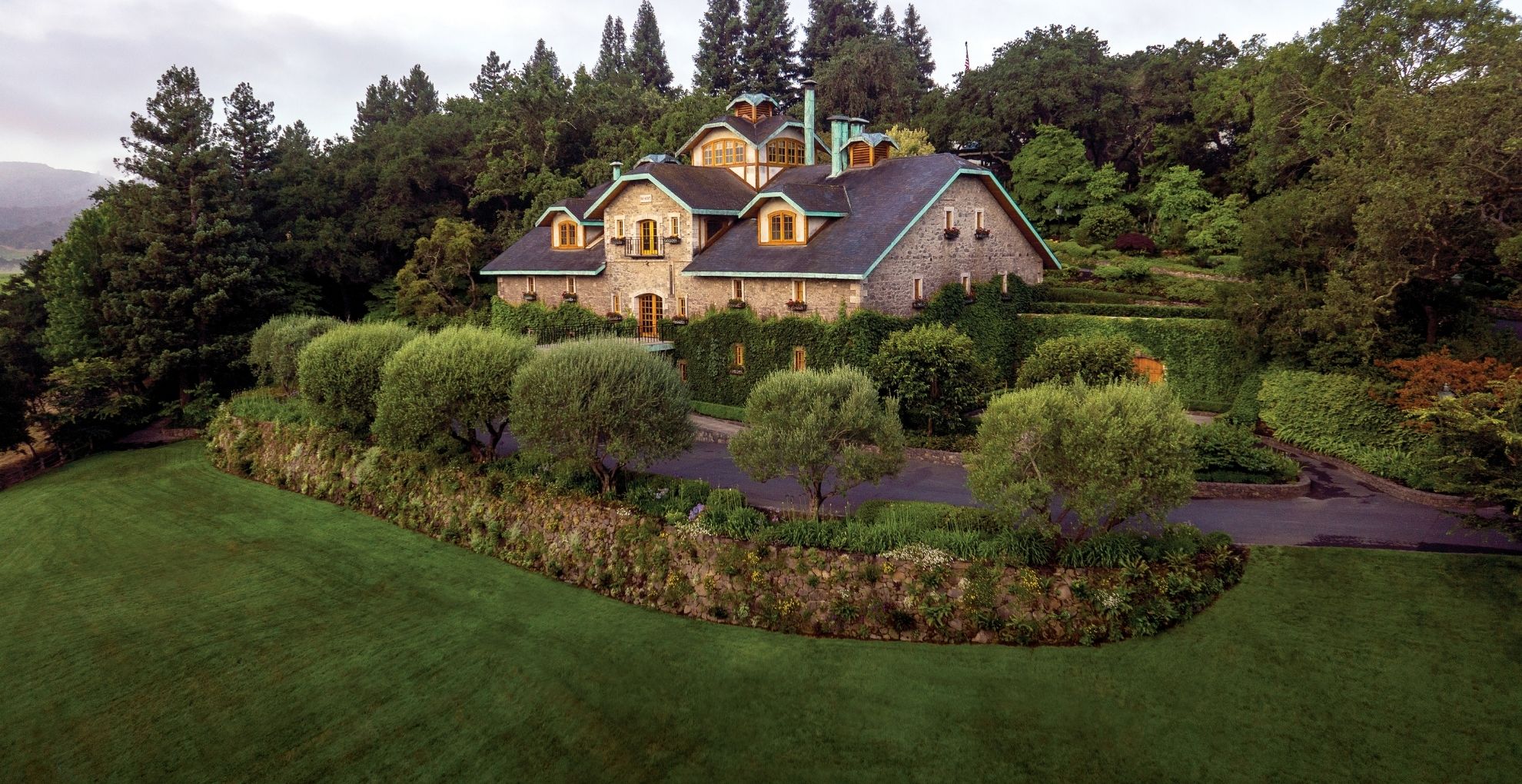
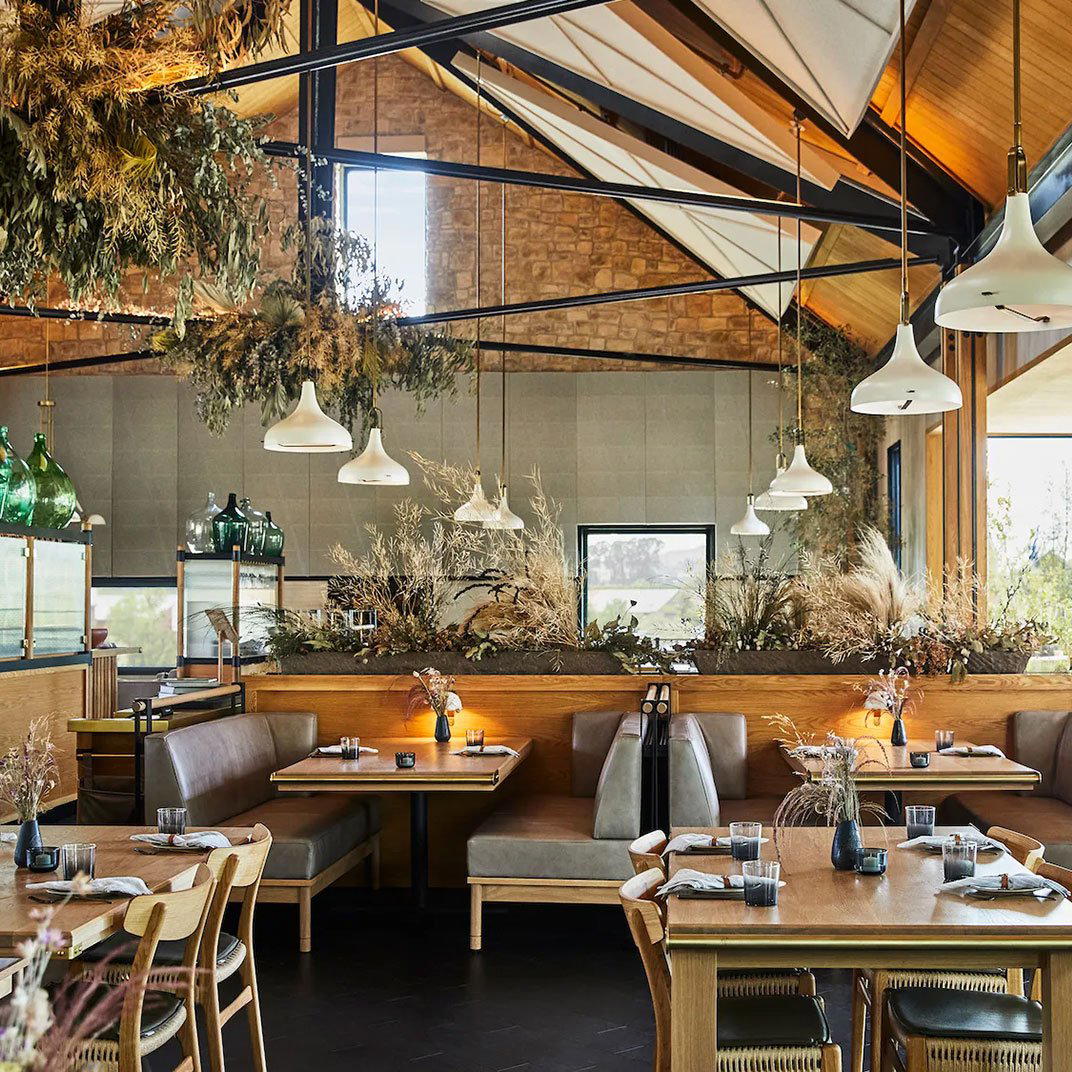
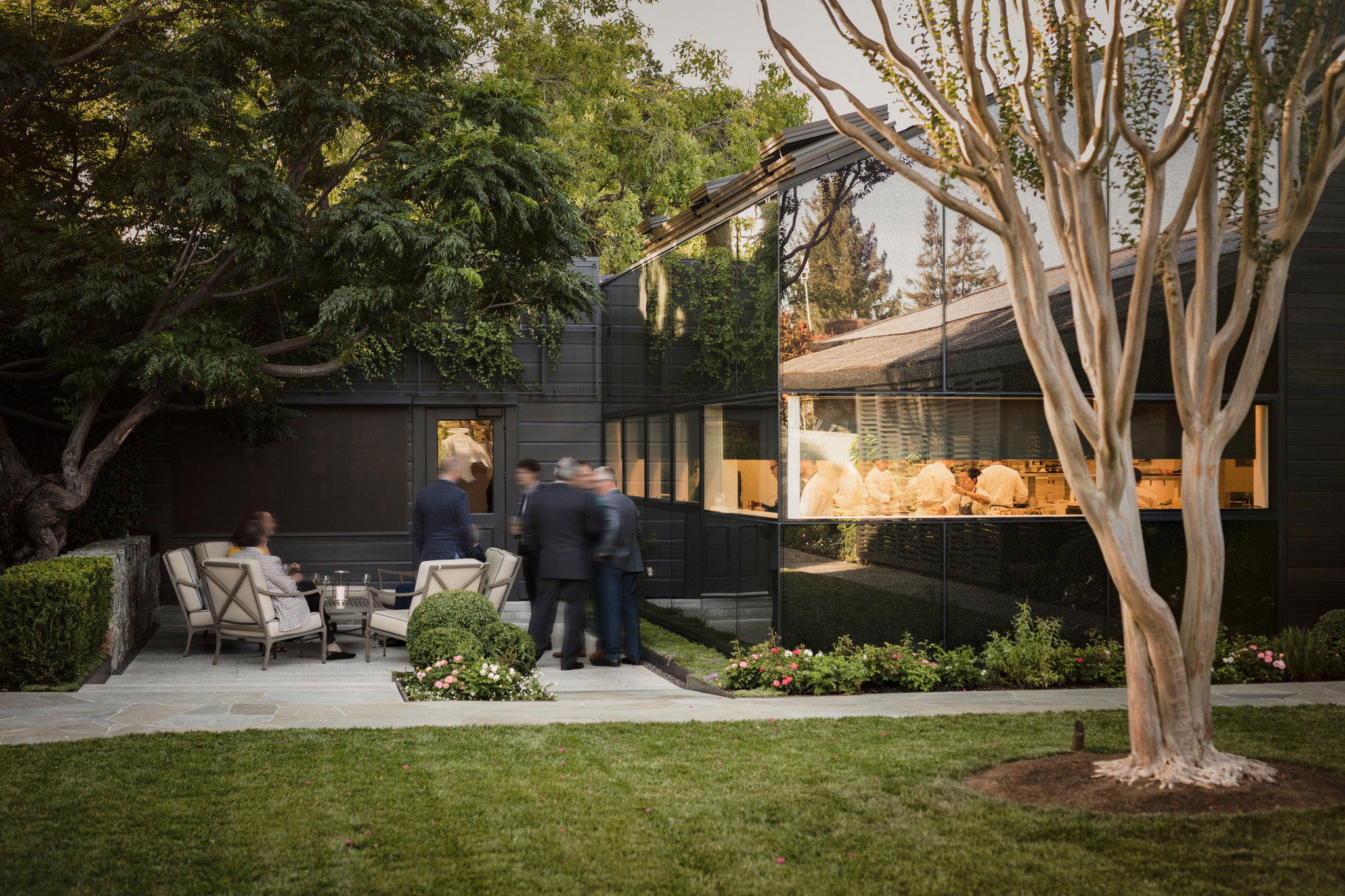
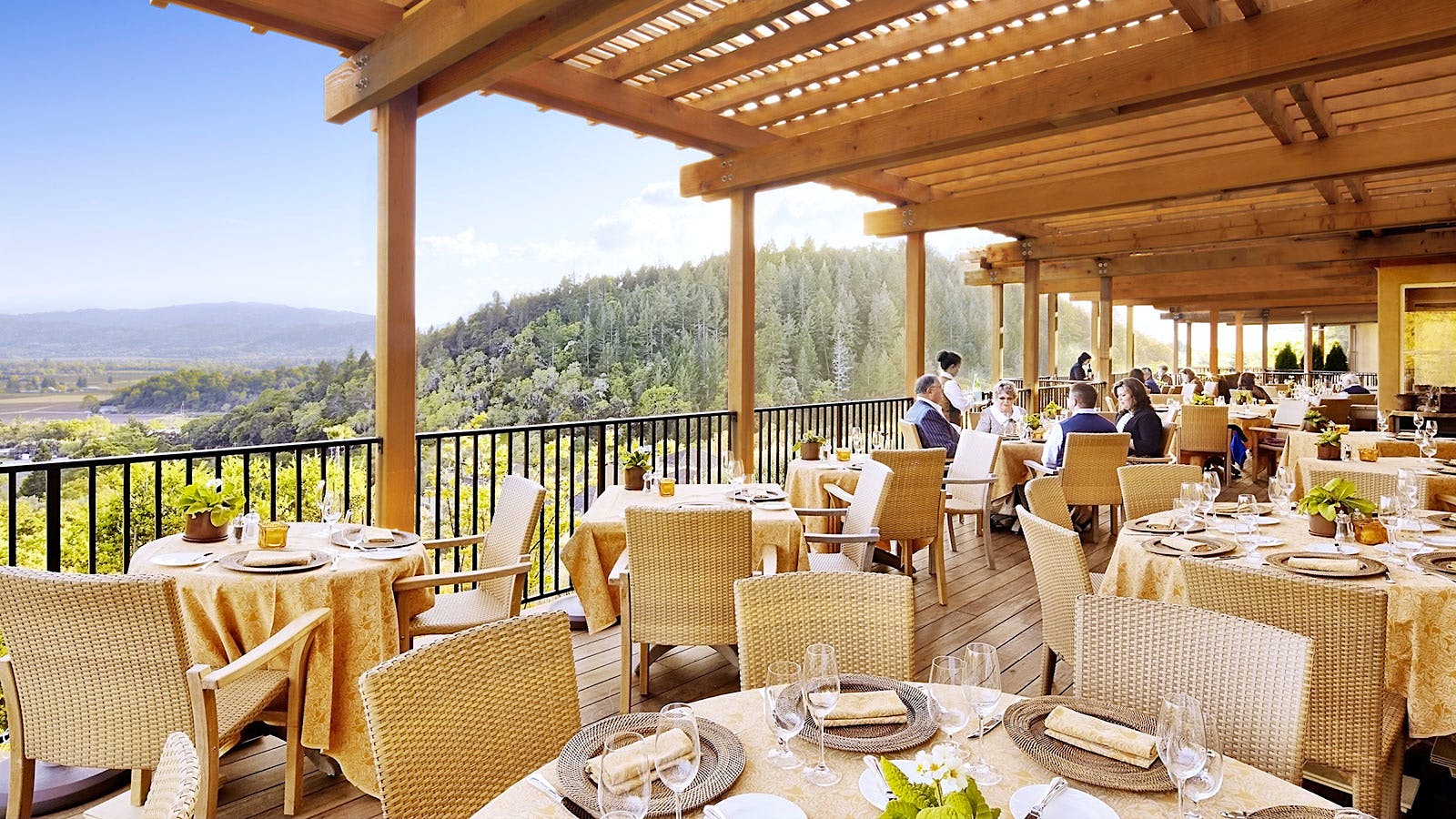
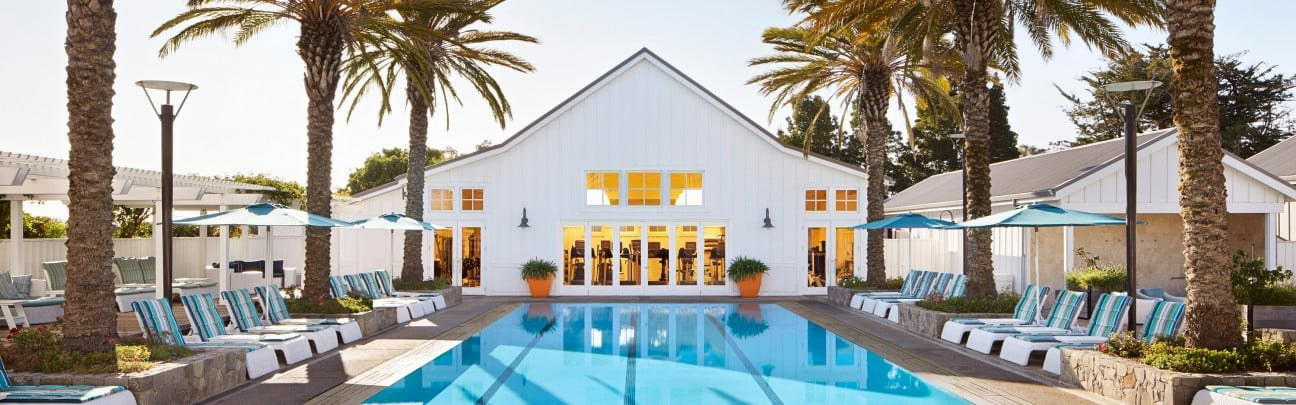
Relaxed and welcoming with knowledgeable staff pouring in a rustic, authentic winery setting overlooking beautiful vineyard views.