Schloss Schauenstein







3 Michelin Stars · World's 50 Best #52 · La Liste Top Restaurants
Our verdict
Schloss Schauenstein occupies a medieval castle in the village of Fürstenau, deep in the Swiss canton of Graubünden. The kitchen, guided by Andreas Caminada and Marcel Skibba, holds three Michelin stars and a sustained presence in the World's 50 Best since 2010. Vegetables sit at the centre of a creative European menu that draws on alpine produce and precision technique.

Pearl is the En Primeur Club membership app — saves, bookings, and concierge access live there. Same editors, same standards.
- Address
- Obergass 15, 7414 Fürstenau, Switzerland
- Phone
- +41 81 632 10 80
- Hours
- Mon–Tue ClosedWed 7–11 PMThu–Sun 12–11 PM
- Website
- schauenstein.ch
- Directions
- Get directions
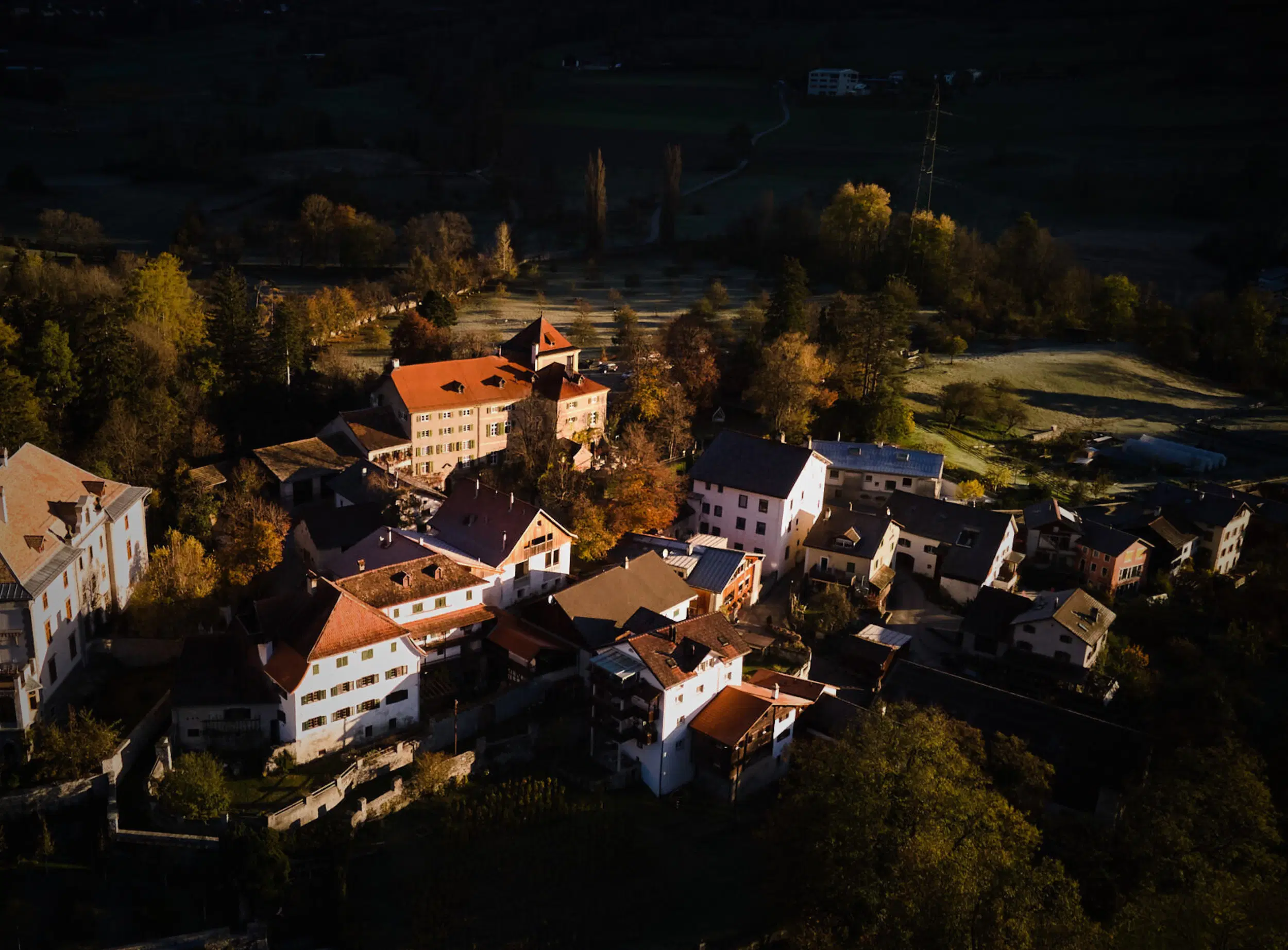
A Castle in the Graubünden — Context Before the Plate
Switzerland's premium restaurant tier is smaller and more geographically dispersed than those of France, Germany, or Scandinavia. The country holds a handful of three-Michelin-star addresses, and most of them orbit cities: Geneva, Basel, Zurich. Schloss Schauenstein does not. It operates in Fürstenau, a village of roughly three hundred inhabitants in the Graubünden highlands, and has done so with three Michelin stars continuously. That geographic remove is not a quirk — it shapes the entire character of the restaurant, from the stillness of the approach to the sourcing logic of the kitchen.
The broader Swiss fine dining scene has, over the past decade, sorted itself into two recognisable camps: urban addresses with high throughput and international clientele, and destination properties that require real planning to reach. Hotel de Ville Crissier in Crissier and Cheval Blanc by Peter Knogl in Basel anchor the urban end. Schauenstein sits firmly in the destination camp, alongside alpine peers like Memories in Bad Ragaz and 7132 Silver in Vals.
What the Setting Actually Means
Fürstenau's Schloss Schauenstein is a seventeenth-century castle that has passed through various functions before its current identity. Arriving on foot along the village's cobbled lane, the building presents as a working part of a functioning community rather than a preserved monument, which is part of what makes it unusual within European fine dining. There is no performance of arrival, no valet sequence, no theatrical foyer. The setting is matter-of-fact in a way that immediately signals the kitchen's priorities: this is about the food, not the frame.
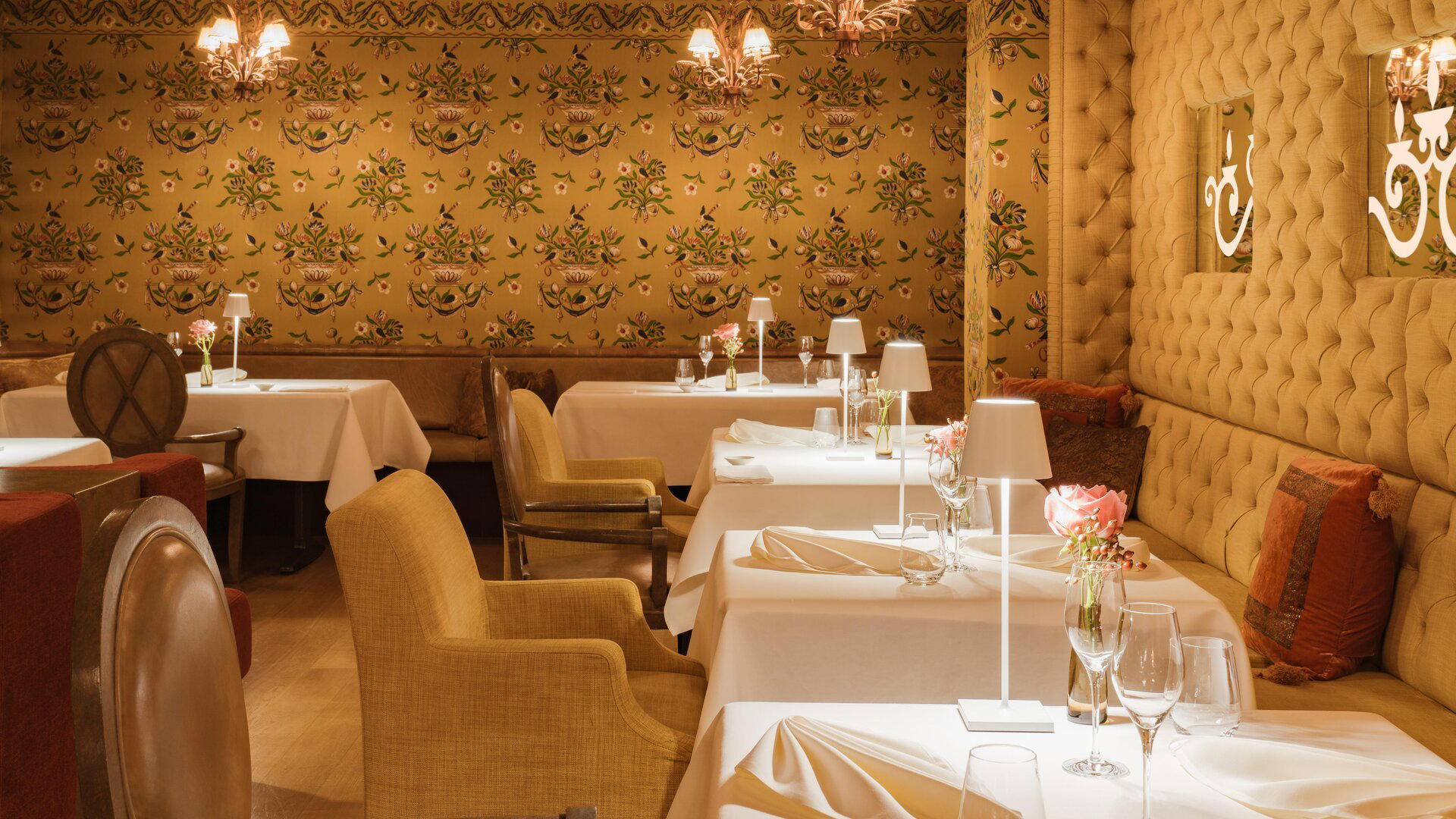
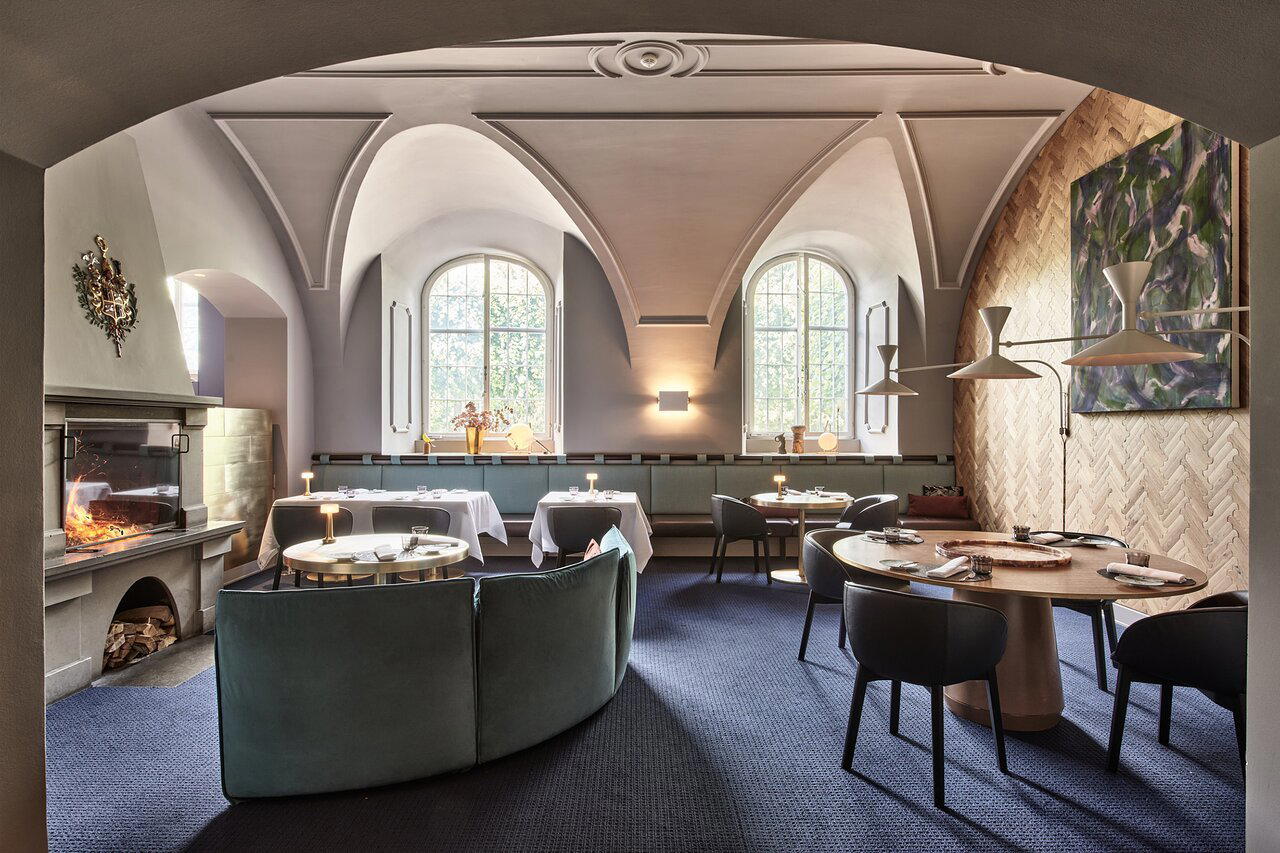
That said, the frame is formidable. Stone walls, low ceilings, and rooms that carry the weight of centuries create a dining environment that most modern restaurant design budgets cannot replicate. The particularity of the physical space also informs the scale: this is not a high-cover operation, and the intimacy of the rooms sets an expectation of deliberateness that extends to every course.
The Cultural Roots of the Kitchen
Graubünden is Switzerland's largest canton by area and its most linguistically diverse, with Romansh, German, and Italian all spoken within its borders. Its culinary identity has historically been shaped by altitude, short growing seasons, and a tradition of preservation: cured meats, aged cheeses, dried grains, root vegetables. What Schloss Schauenstein's kitchen has done across more than two decades is take that regional inheritance and reframe it through a creative European lens, without discarding the underlying logic of alpine produce.
Vegetables receive particular attention here in a way that is relatively unusual for a three-star European address of this vintage. Fine dining's instinct has historically been protein-led, with vegetables as accompaniment. At Schauenstein, the vegetable is often the subject of the dish, treated with the same technical ambition that most kitchens reserve for meat or fish. This reflects a broader shift in creative European cooking toward plant-centred menus, but Schauenstein was moving in this direction before it became a mainstream fine dining conversation. That timing matters: it is the difference between prescient editorial voice and trend response.
For readers interested in how this approach extends across the Caminada ecosystem, IGNIV Zürich by Andreas Caminada offers a different format, sharing plates, urban setting, that demonstrates how the same culinary philosophy translates into a higher-volume, city-centre context. Within Fürstenau itself, two other addresses linked to the same kitchen team operate alongside the main restaurant: OZ, which takes an explicitly vegetarian format, and Casa Caminada, which draws on Swiss country cooking traditions. Together, the three form a small culinary cluster in a village that has no other reason to draw international travel.
Awards as Evidence, Not Decoration
The credential stack behind Schloss Schauenstein is unusual in its longevity. The restaurant has appeared in the World's 50 Best Restaurants list every year since 2010, peaking at number 23 in 2011 and most recently placing at number 52 in 2025, with a high of number 26 as recently as 2023. La Liste has awarded it 98 points in both 2025 and 2026. The Opinionated About Dining (OAD) Europe ranking placed it fifth in 2025. The three Michelin stars are current and sustained. The Les Grandes Tables du Monde designation adds a further layer of recognition from an organisation that focuses specifically on the relationship between cuisine and place.
Many restaurants achieve a spike of critical attention; sustaining a top-fifty global position for fifteen consecutive years is a different kind of achievement. The comparison is instructive: all three operate outside major European capitals, all three have built reputations on produce-driven, region-informed cooking, and all three require genuine travel commitment from most diners.
At this price tier and geographic remove, the review base is self-selecting, these are diners who have made a specific journey and arrived with calibrated expectations. A sustained 4.8 across a meaningful sample reflects execution that consistently meets that calibration.
Practical Planning for Fürstenau
Reaching Fürstenau requires forethought. The village sits in the Domleschg valley, roughly forty minutes by road from Chur, which is the main rail hub for Graubünden and accessible by direct train from Zurich in under two hours. A car or private transfer from Chur is the practical option for most visitors; public transport connections exist but require changes and patience. Given the restaurant's operating hours, the kitchen is closed Monday and Tuesday, with Thursday opening at noon and running through to 11 pm, and Friday through Sunday also running noon to 11 pm, midweek visits require an arrival on Wednesday evening at the earliest, with service resuming Thursday at noon. Wednesday evenings the kitchen operates from 7 pm.
The restaurant operates at a price tier consistent with its three-star peer group across Switzerland and wider Europe. Booking this far in advance is standard at this level: European three-star addresses with significant international demand typically fill months ahead, particularly for weekend dates. For those planning a broader Graubünden itinerary, the full Fürstenau restaurants guide maps the dining options across the village, while the Fürstenau hotels guide covers accommodation. Additional context on the area's drinking and cultural offerings appears in the bars guide, wineries guide, and experiences guide.
focus ATELIER in Vitznau, Colonnade in Lucerne, Da Vittorio in St. Moritz, and Einstein Gourmet in Sankt Gallen each represent distinct points on the spectrum of Swiss fine dining, from lakeside creative menus to urban European formats.
What Should I Eat at Schloss Schauenstein?
Schauenstein's kitchen operates within a creative European framework that treats alpine produce, and vegetables in particular, as primary material rather than supporting cast. The menu format is tasting-led, consistent with the three-star European tradition, and changes with the seasons. Given the kitchen's documented emphasis on vegetable cookery and regional Graubünden ingredients, plant-based courses are not an afterthought but a signature register. Diners with a genuine interest in creative vegetable cookery will find the menu aligned with that interest at a depth that most European addresses at this tier do not offer. The sustained La Liste score of 98 points and the fifteen-year World's 50 Best presence confirm that this approach has been critically received as coherent and technically accomplished over time, rather than as a passing format experiment. Specific current dishes are best confirmed directly with the restaurant, as the menu reflects seasonal availability in a region where alpine growing conditions are a genuine constraint.
Frequently asked questions
Is Schloss Schauenstein expensive?
Pricing at Schloss Schauenstein is listed as €€€€.
Style and Standing
| Venue | Cuisine | Price | Awards |
|---|---|---|---|
| Schloss SchauensteinThis venue — the venue you are viewing | Creative Swiss Country Fine Dining | $300–500 | 3 Michelin Stars · World's 50 Best #52 |
| Memories | Modern Swiss | Not listed | Michelin 3 Star |
| Einstein Gourmet | Modern European, Creative | Not listed | Michelin 2 Star |
| focus ATELIER | Modern Swiss, Creative | Not listed | Michelin 2 Star |
| IGNIV Zürich by Andreas Caminada | Sharing | Not listed | Michelin 2 Star |
| La Table du Lausanne Palace | Modern French | Not listed | Michelin 2 Star |
Recognition history
Dated appearances from independent guides and award organizations, with the underlying list record or original source where available.
Michelin 3 Stars
Michelin
World's 50 Best Restaurants #52
World's 50 Best
La Liste Top Restaurants
La Liste
Falstaff Restaurant - 100 Falstaff Points
Falstaff
Les Grandes Tables du Monde Member
Les Grandes Tables du Monde
Full recognition history (24 entries)
Opinionated About Dining Top Restaurants in Europe Ranked #5
Opinionated About Dining
La Liste Top Restaurants
La Liste
Opinionated About Dining Top Restaurants in Europe Ranked #5
Opinionated About Dining
We're Smart World 4 Radishes
We're Smart World
Michelin 3 Stars
Michelin
Opinionated About Dining Top Restaurants in Europe Ranked #6
Opinionated About Dining
World's 50 Best Restaurants #47
World's 50 Best
Opinionated About Dining Top New Restaurants in Europe Ranked #6
Opinionated About Dining
World's 50 Best Restaurants #26
World's 50 Best
World's 50 Best Restaurants #40
World's 50 Best
World's 50 Best Restaurants #50
World's 50 Best
World's 50 Best Restaurants #47
World's 50 Best
World's 50 Best Restaurants #47
World's 50 Best
World's 50 Best Restaurants #48
World's 50 Best
World's 50 Best Restaurants #43
World's 50 Best
World's 50 Best Restaurants #42
World's 50 Best
World's 50 Best Restaurants #30
World's 50 Best
World's 50 Best Restaurants #23
World's 50 Best
World's 50 Best Restaurants #30
World's 50 Best
Continue exploring
More in Fürstenau
Restaurants in Fürstenau
Browse all →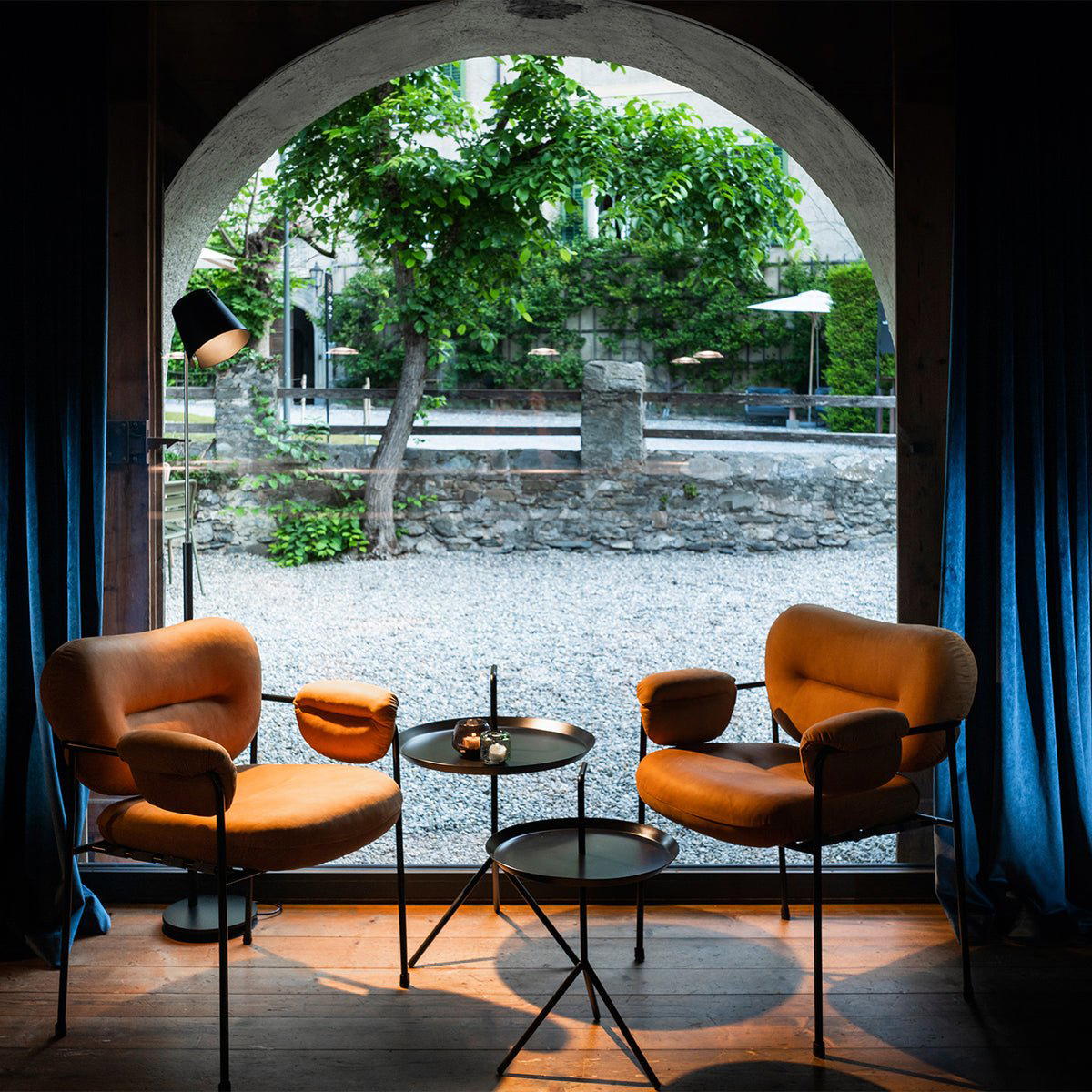
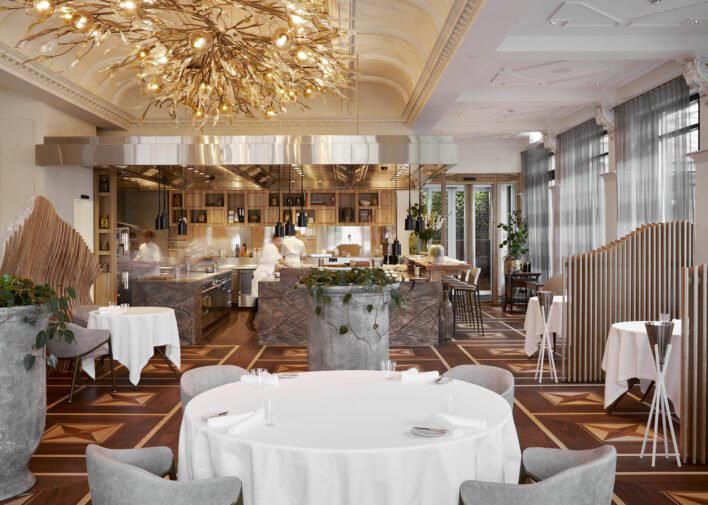
Bars in Fürstenau
Browse all →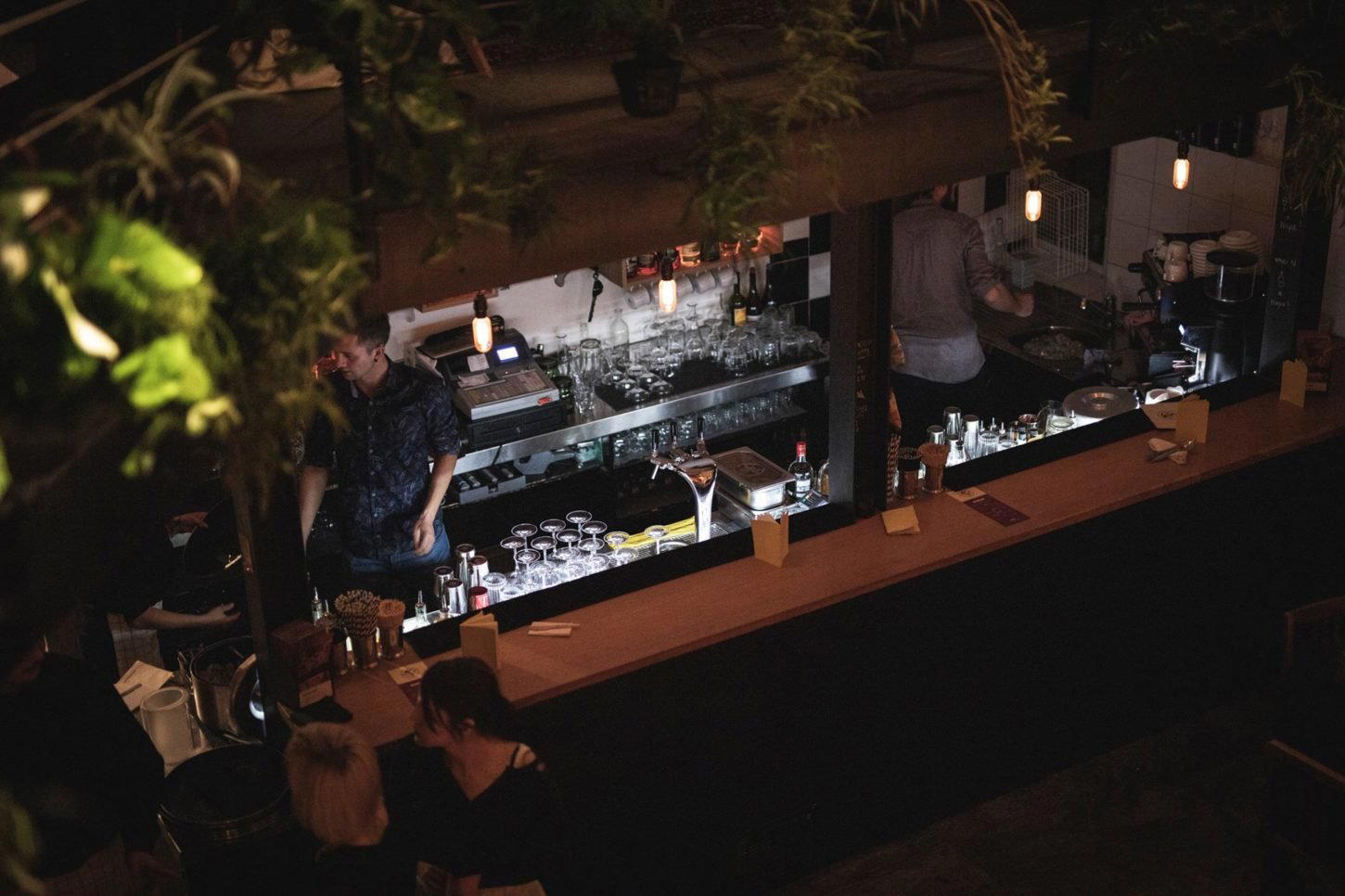
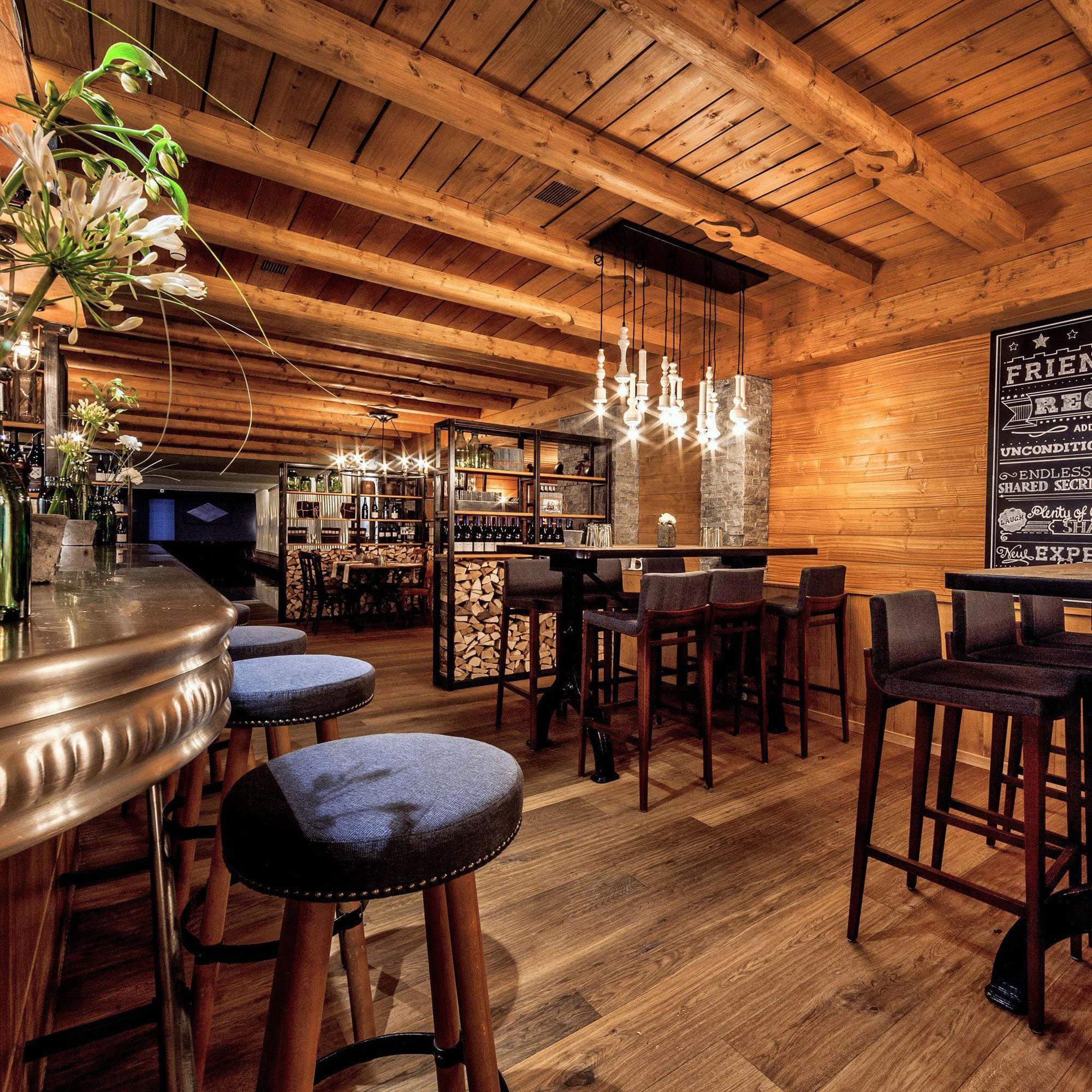
Hotels in Fürstenau
Browse all →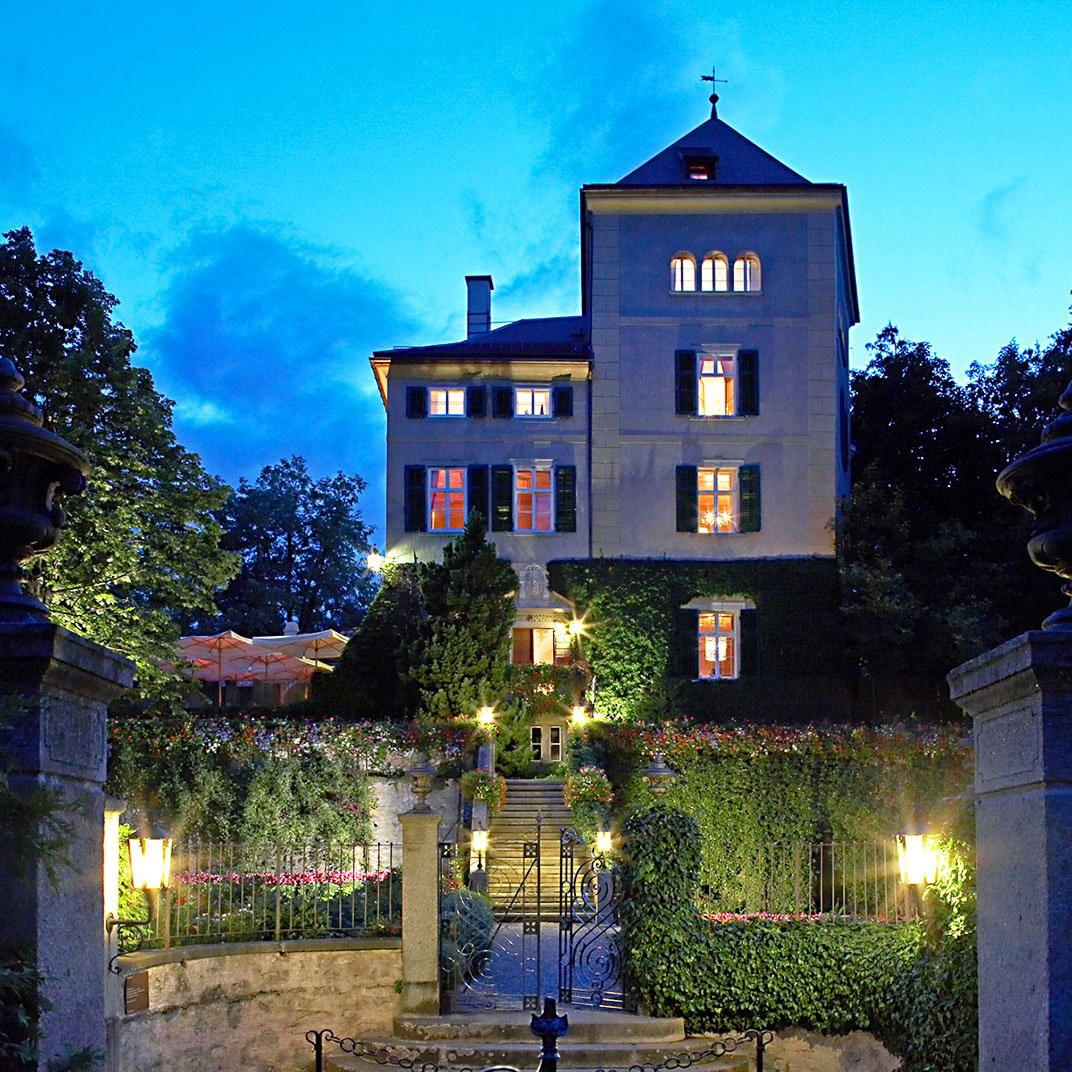

Details
- Elegant
- Sophisticated
- Intimate
- Rustic
- Scenic
- Special Occasion
- Date Night
- Celebration
- Historic Building
- Private Dining
- Garden
- Extensive Wine List
- Sommelier Led
- Farm To Table
- Local Sourcing
- Mountain
- Garden
- Tasting Menu
- A La Carte
- Prix Fixe
- Vegetarian Friendly
- Vegan Options
- Gluten Free Options
Current opening hours
- Monday
- Closed
- Tuesday
- Closed
- Wednesday
- 7–11 PM
- Thursday
- 12–11 PM
- Friday
- 12–11 PM
- Saturday
- 12–11 PM
- Sunday
- 12–11 PM
Hours can change for holidays and private events. Last verified .
Stylish historic castle interior blending medieval charm with modern luxury, warm lighting, and a refined, magical atmosphere.