Zur Traube
Our verdict
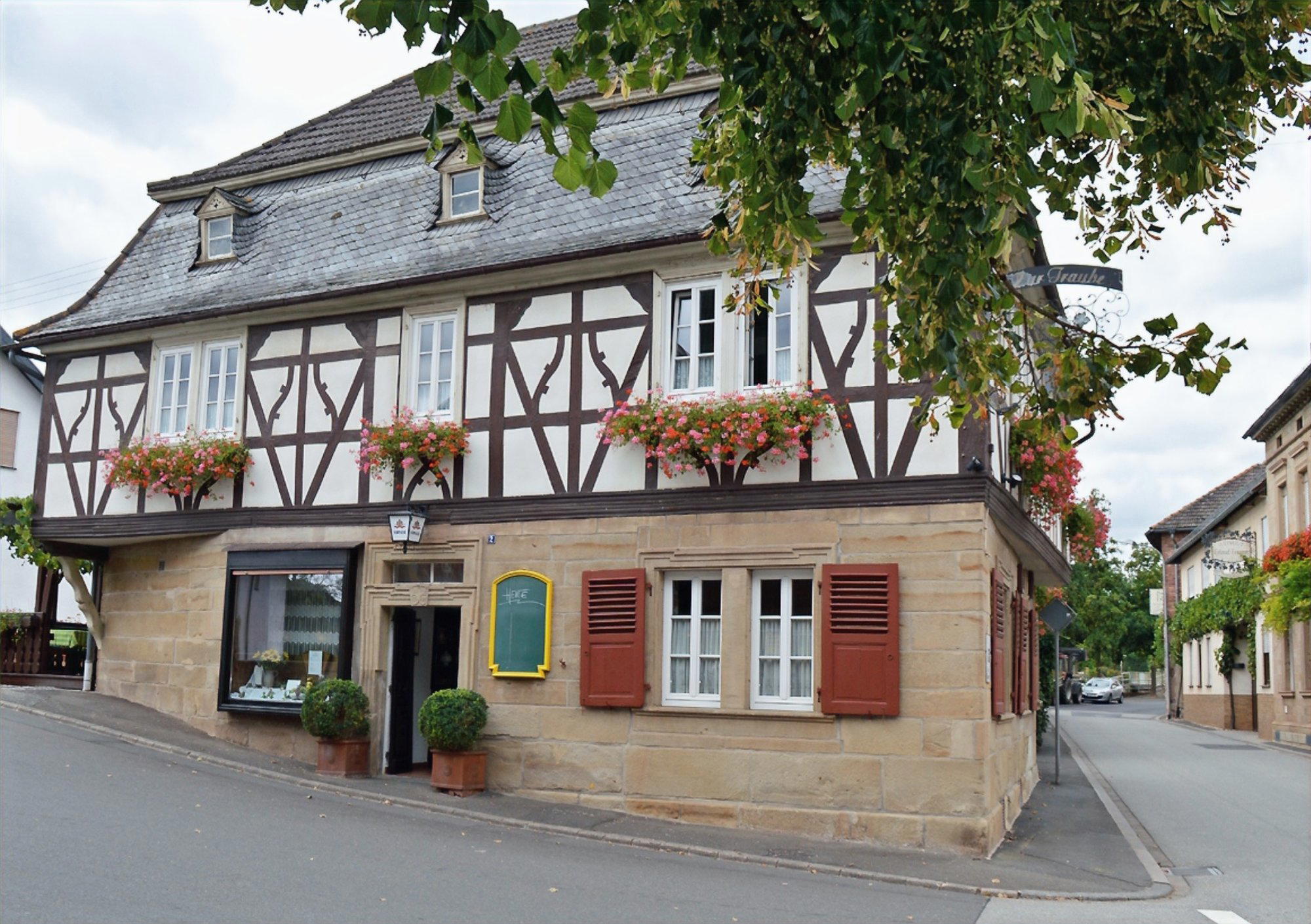
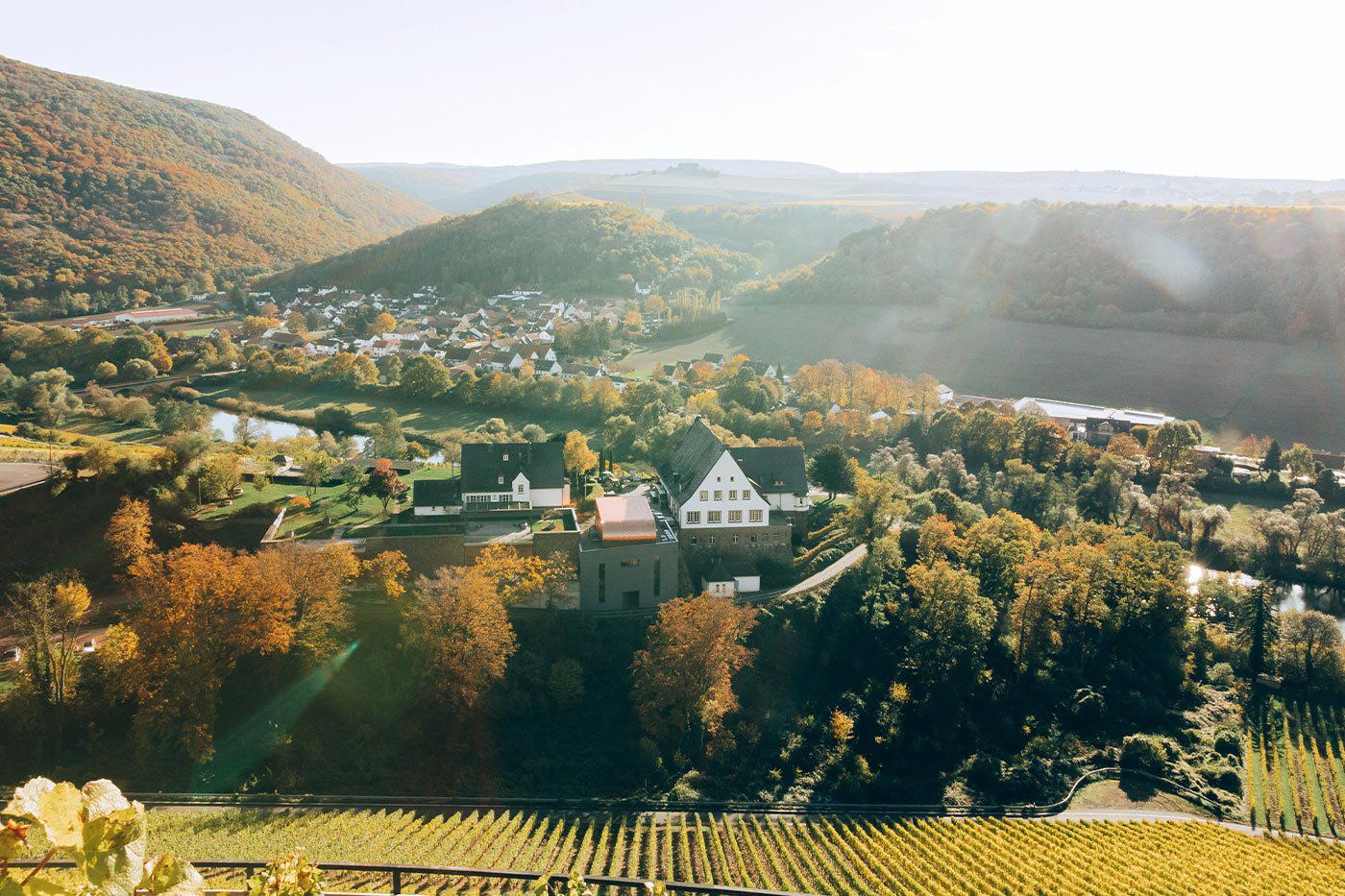
Zur Traube sits in Meddersheim, a small wine-country village in the Nahe valley of Rhineland-Palatinate, where the German tradition of the Gasthaus as a regional produce anchor remains intact. The address places it within one of Germany's lesser-travelled fine-dining corridors, at some distance from the Michelin-circuit cities yet close to the vineyards and farms that define the region's table.

Pearl is the En Primeur Club membership app — saves, bookings, and concierge access live there. Same editors, same standards.
- Address
- Sobernheimer Str. 2, 55566 Meddersheim, Germany
- Phone
- +496751950382
- Hours
- Mon 6–11 PMTue–Wed ClosedThu–Fri 6–11 PMSat–Sun 12–3 PM, 6–11 PM
- Website
- traube-meddersheim.com
- Directions
- Get directions
The menu
What to order
- Furofuki-Daikon-Steak mit Miso-Butter-Sauce
- Bärlauchsuppe mit Lauch und Kartoffel
Wine Country, Village Scale: The Nahe Dining Tradition
Germany's most talked-about restaurant tables sit in cities: Hamburg's Restaurant Haerlin, Munich's JAN, Berlin's CODA Dessert Dining. But a quieter and, in many respects, more instructive dining tradition plays out in the country's wine villages, where the Gasthaus and Weinstube formats have been sourcing from surrounding farms and vineyards for generations without the apparatus of tasting menus, press nights, or award cycles. Meddersheim, a village of a few hundred residents in the Nahe valley of Rhineland-Palatinate, belongs to that tradition. Zur Traube at Sobernheimer Str. 2 is a fixture of this landscape in the most literal sense: a name meaning "The Grape" in a region where the vine organises daily life.
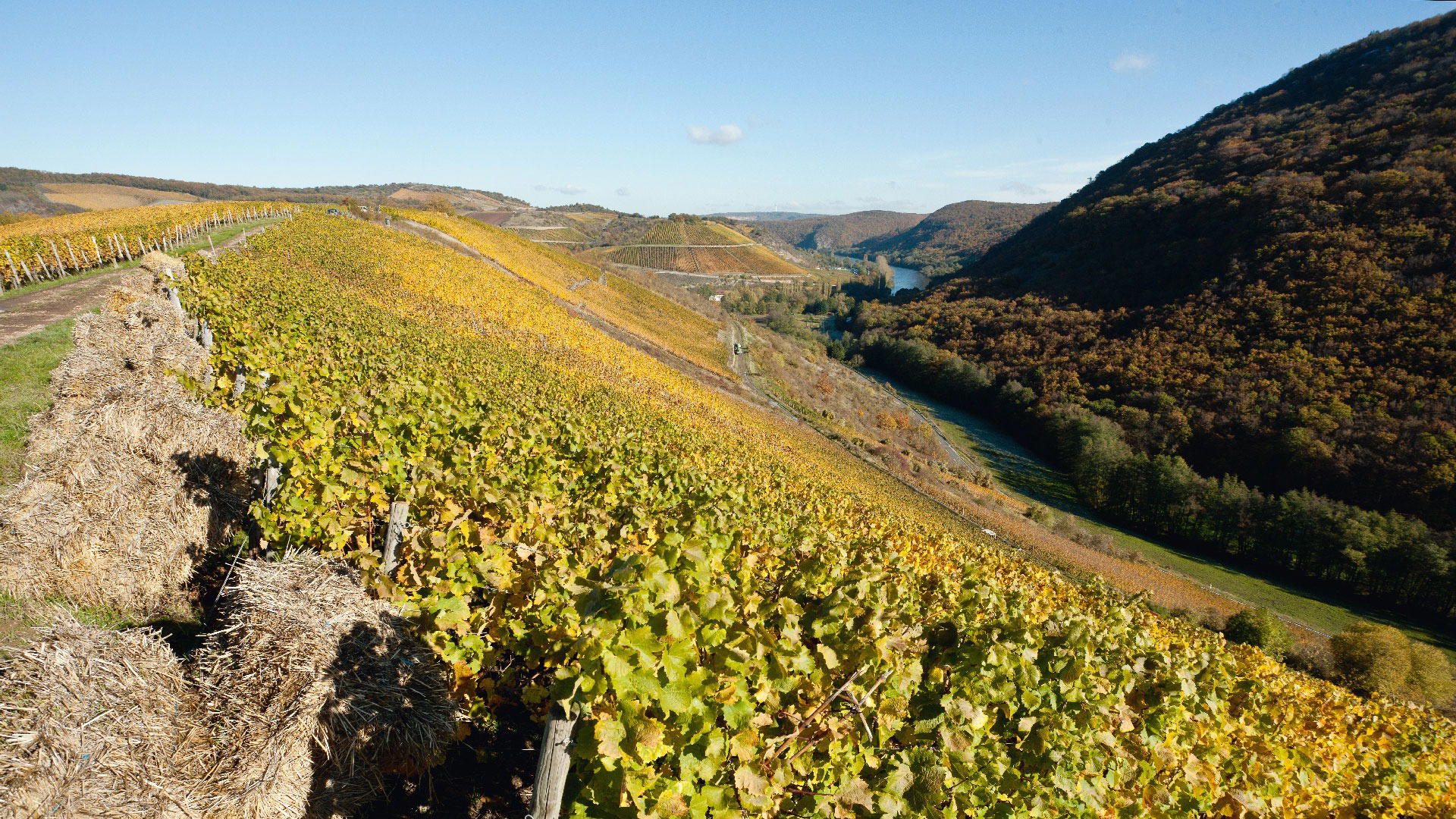
The Nahe sits between the Mosel to the northwest and the Rheinhessen to the east, drawing less international attention than either while producing wines, particularly Rieslings, that sommeliers at places like Schanz in Piesport and Bagatelle in Trier reach for when they want acidity and mineral precision without the premium attached to Mosel grand cru sites. The food culture in villages like Meddersheim developed in parallel with that wine culture: kitchens built menus around what the surrounding countryside produced, and the idea of sourcing far afield was simply impractical. That constraint produced a regionalism that now looks prescient.
What the Address Signals About the Food
In Germany's village restaurant tradition, the name above the door frequently telegraphs the editorial angle of the kitchen. Zur Traube signals wine-country hospitality: an orientation toward the vine, toward the table as a place of extended duration, and toward ingredients that reflect the Nahe valley's agricultural character. That character includes the river valley's slate and sandstone soils, which influence not only what grows in vineyards but what can be raised and foraged in the surrounding countryside.
The broader Rhineland-Palatinate region is one of Germany's most agriculturally varied, producing lamb, game, asparagus in spring, mushrooms in autumn, and stone fruits that appear in both savoury and sweet applications. Village restaurants in this region have historically operated as the point where that produce reaches the table in the most direct form, without the interpretive layers that kitchens at Vendôme in Bergisch Gladbach or Aqua in Wolfsburg introduce. That directness is not a limitation; it is a distinct register of cooking with its own standards and logic.
This sourcing-first orientation connects Zur Traube to a wider conversation happening across European fine dining about provenance and proximity. Kitchens as far apart as Le Bernardin in New York City and Atomix have built their identities around supply chain transparency and ingredient specificity. In a village Gasthaus, that transparency has always been implicit: the fish comes from the nearest river, the pork from the nearest farm, the wine from the nearest estate. The question is not whether it is local but whether the kitchen handles those materials with enough skill to make the locality matter.
Placing Meddersheim in Germany's Fine-Dining Geography
Germany's recognised fine-dining circuit in the southwest runs through Baden-Württemberg and Rhineland-Palatinate in a corridor that includes Schwarzwaldstube in Baiersbronn, Waldhotel Sonnora in Dreis, and Victor's Fine Dining by Christian Bau in Perl. These are destinations in the full sense: they draw guests who build itineraries around a single table. Village restaurants operate differently, drawing primarily from regional guests and occasional travellers who follow the wine routes rather than the Michelin map.
That distinction matters for how you read Zur Traube. It is not competing for the same diner as ES:SENZ in Grassau or AURA by Alexander Herrmann and Tobias Bätz in Wirsberg, nor is it trying to. The Gasthaus format in German wine villages has a different contract with its guests: regularity over occasion, the rhythm of the weekly table over the singular anniversary dinner. The result, at its finest, is a kitchen under less pressure to perform novelty and more pressure to maintain consistency across seasons and years.
For visitors approaching from outside the region, Meddersheim sits roughly an hour's drive southwest of Mainz and a similar distance from the city of Trier, placing it within range of a day trip or a wine-route itinerary that also covers the Nahe's better-known estates. The village is small enough that Zur Traube functions as something of a local institution by proximity alone, the kind of address that appears in regional guides and on estate-owner recommendations more often than in international travel press.
The Seasonal Logic of a Nahe Valley Kitchen
Rhineland-Palatinate's agricultural calendar gives a village kitchen like Zur Traube a clear seasonal structure that urban restaurants have to manufacture through supplier relationships and logistics. Spring brings white asparagus, which in the Rhineland-Palatinate is not a garnish but a course in its own right, arriving with Hollandaise or Riesling butter in preparations that have barely changed in fifty years because they do not need to. Autumn shifts the emphasis to game and mushrooms, with Steinpilz and Pfifferlinge sourced from the forests above the valley floor.
This seasonal fidelity is what connects the village Gasthaus to the same sourcing conversation that drives the menus at destination restaurants across Germany. The difference is register: where a kitchen at ATAMA by Martin Stopp in Sankt Ingbert or AUGUST in Augsburg reinterprets regional ingredients through a contemporary technical frame, the village kitchen often presents them with a directness that can be harder to achieve than it looks. Cooking asparagus well requires restraint; cooking game well requires knowledge of the animal and the forest it came from.
Planning Your Visit
Meddersheim is a village address rather than a city destination, which means the practical considerations differ from urban dining. Visitors arriving by car from Mainz or Frankfurt will find the Nahe valley accessible via the A61 motorway with a turn toward Bad Kreuznach and then south along the valley road. The village itself is small, and Sobernheimer Str. 2 is direct to locate. Given the rural setting and the likelihood that Zur Traube operates on traditional Gasthaus hours, contacting the venue directly before visiting is advisable, particularly for weekend evenings or group bookings. Our full Meddersheim restaurants guide covers the broader dining picture for the area.
Frequently asked questions
Is Zur Traube child-friendly?
Village Gasthaus restaurants in the Nahe region, including Meddersheim, operate as community dining anchors rather than occasion-only venues, which typically means a broader welcome across age groups. The Gasthaus format in Rhineland-Palatinate has historically served local families alongside travelling guests, so arriving with children is generally in keeping with the format.
What's the vibe at Zur Traube?
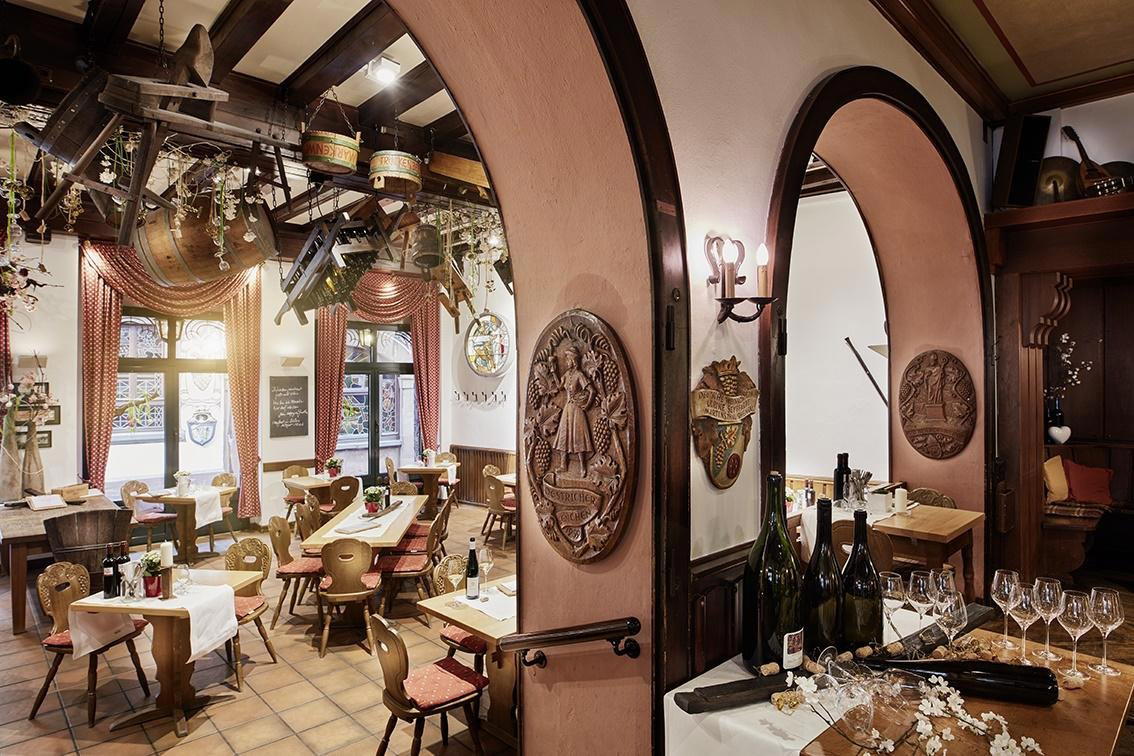
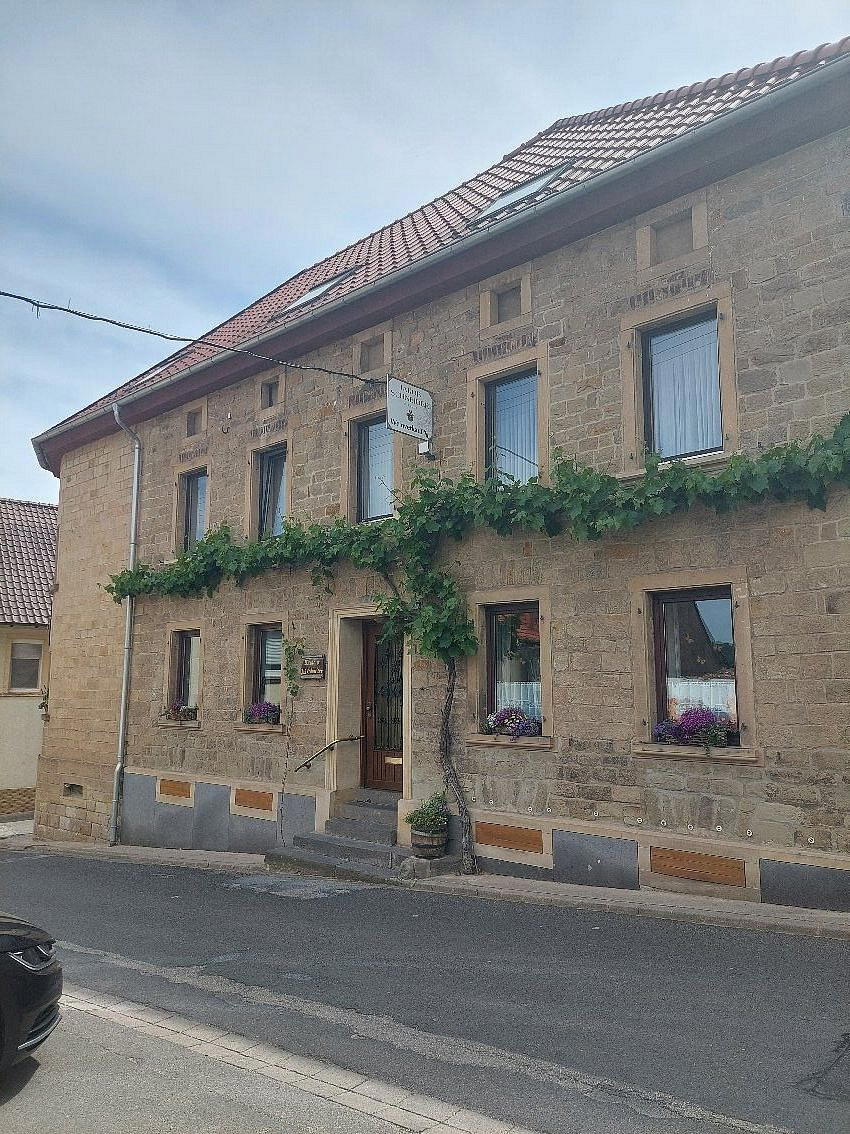
Zur Traube occupies a Gasthaus address at Sobernheimer Str. 2 in Meddersheim, a village setting that places it firmly in the convivial, unhurried register of Nahe wine-country dining rather than the tightly choreographed format of Germany's urban award-circuit restaurants. The Gasthaus tradition in this part of Rhineland-Palatinate tends toward warm, unfussy rooms where the wine list does serious work alongside the food. Dress expectations follow the relaxed tone of the format rather than formal convention.
Is Zur Traube a good base for visiting Nahe wine estates?
Meddersheim sits inside the Nahe appellation, one of Germany's smaller but technically precise wine regions with a strong reputation for Riesling grown on volcanic and slate soils. A restaurant at this address puts guests within reach of the Nahe's estate circuit without the transit demands of approaching from a larger city. Specific estate proximity would need to be confirmed against current local maps, but the geographic logic of the address is sound for wine-focused itineraries.
What do people recommend at Zur Traube?
In the broader Nahe valley tradition, kitchens at this address tend to draw on Rhineland-Palatinate's seasonal agricultural calendar, with wine-region pairings playing a central role in how the menu is structured. Checking directly with the restaurant before arrival is the practical way to get current recommendations.
Where do I go for Zur Traube?
Zur Traube is located at Sobernheimer Str. 2, 55566 Meddersheim, Germany, Meddersheim.
At-a-Glance Comparison
Comparable venues nearby, for context on price, style, and recognition.
| Venue | Cuisine | Price | Notes |
|---|---|---|---|
| Zur TraubeThis venue — the venue you are viewing | Japanese-French Fusion Fine Dining | Not listed | Not listed |
| L'Arôme | European-Asian Fusion Fine Dining | $100–150 | Roemerberg |
| Ars Vivendi | Modern fusion fine dining in a mountain hotel | Not listed | Bad Laasphe |
| masons Restaurant Kaiserslautern | Global Fusion Tapas | $30–50 | at Messeplatz, Volkspark |
| MIZU | Asian Fusion | $50–100 | Lahn |
| Brenners Park-Hotel & Spa | Modern Grill & Contemporary European | Not listed | Lichtentaler Allee |
Continue exploring
More in Meddersheim
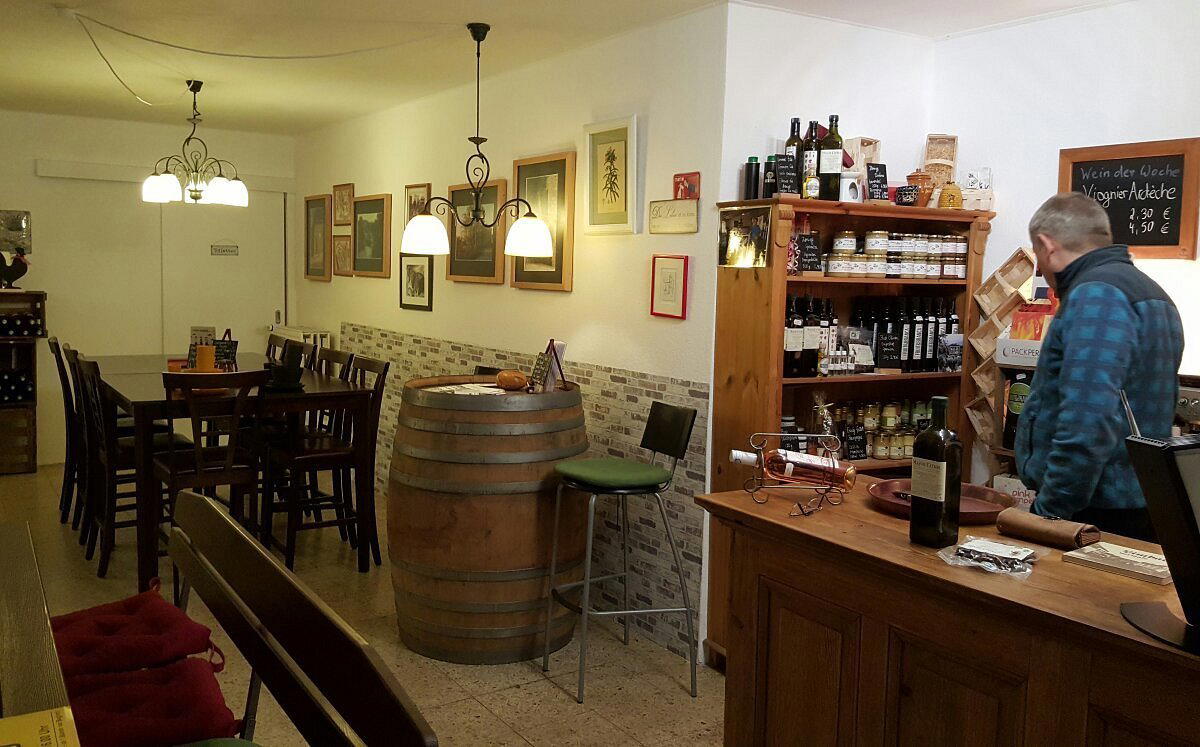
Restaurants in Meddersheim
Browse all →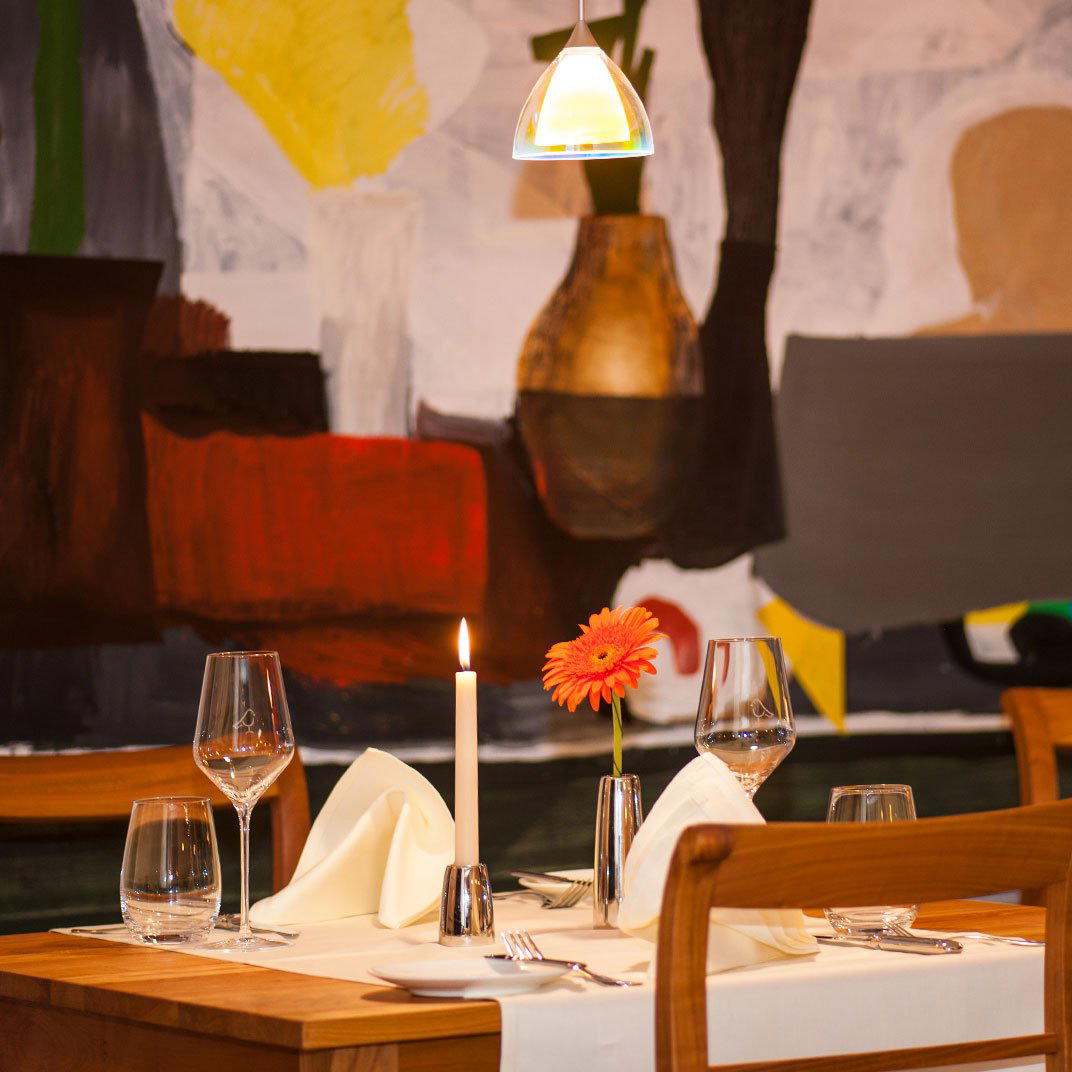
Hotels in Meddersheim
Browse all →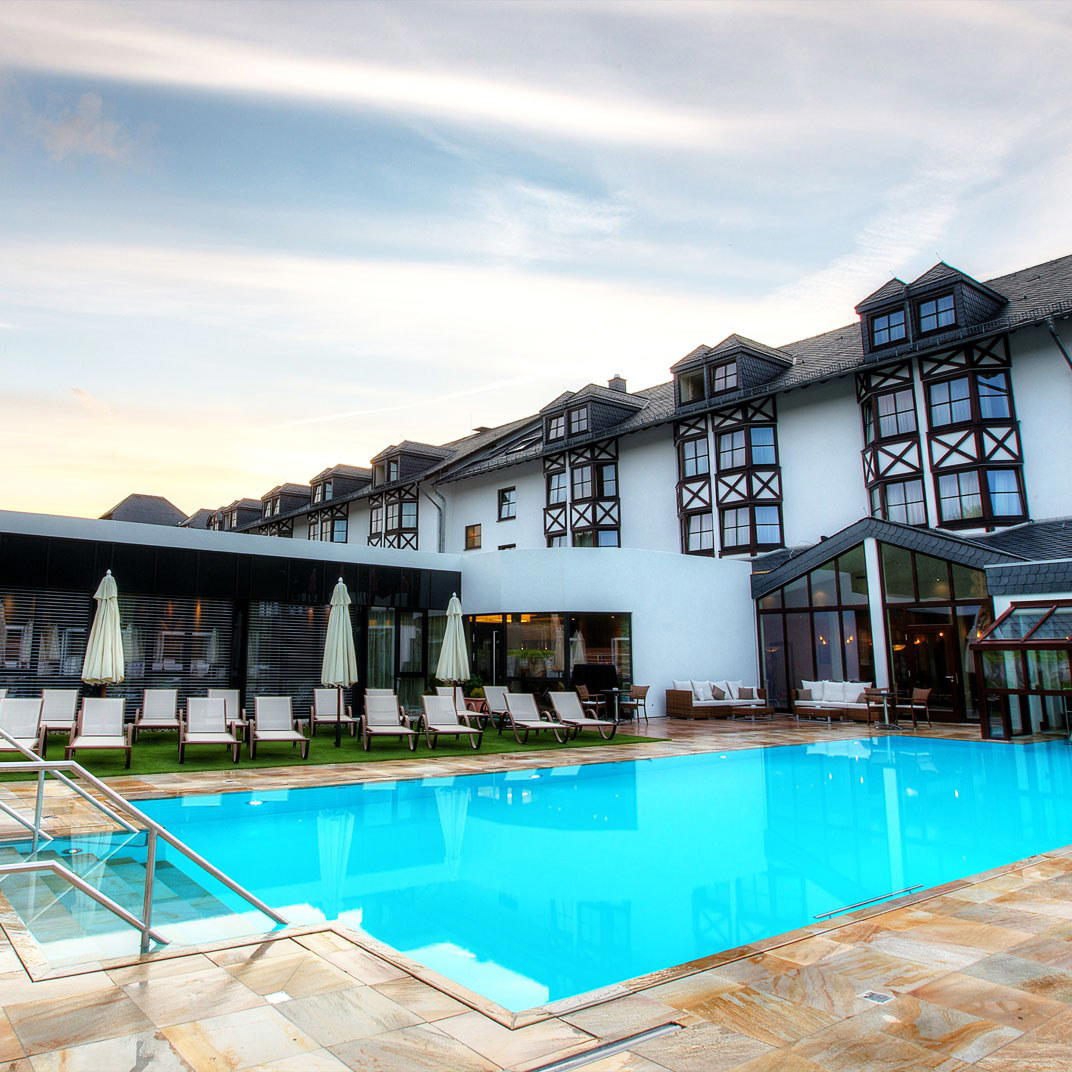
Zur Traube
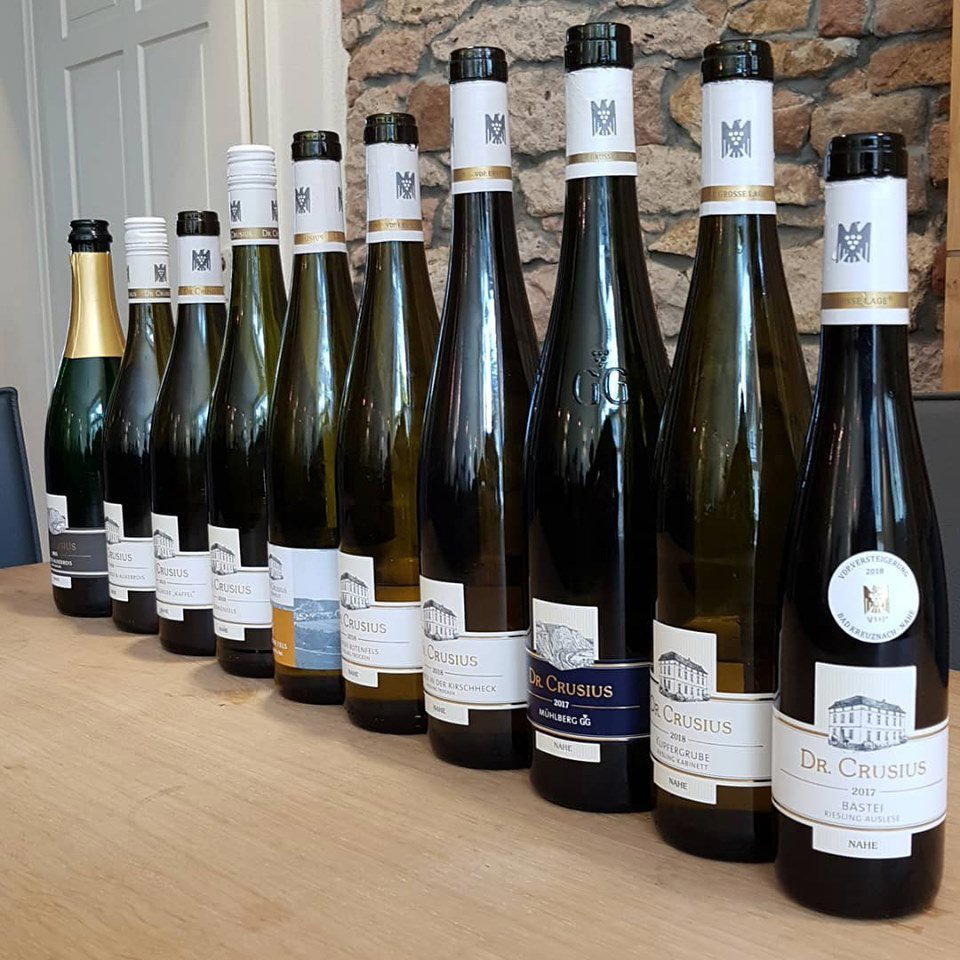
The wine
- Wine program
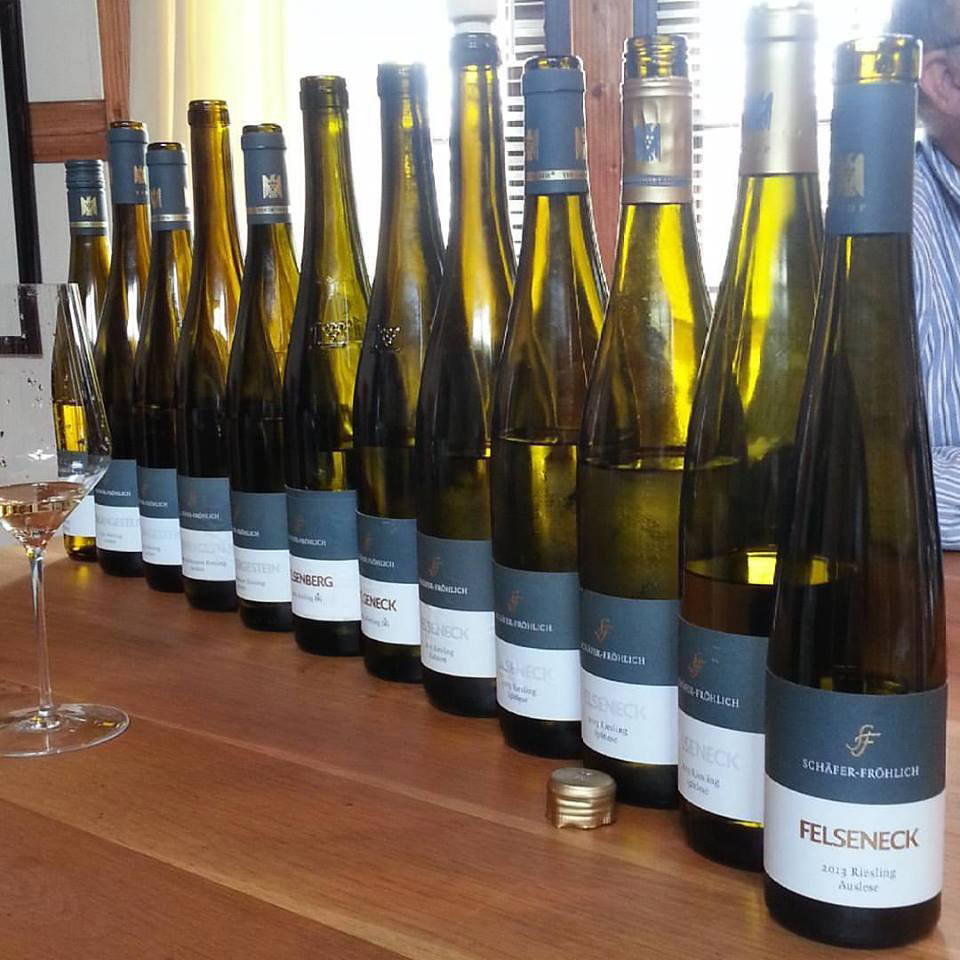
- Curated wine list
- Extensive wine list
Details
- Elegant
- Intimate
- Classic
- Sophisticated
- Date Night
- Special Occasion
- Business Dinner
- Historic Building
- Open Kitchen
- Extensive Wine List
- A La Carte
- Set Menu
- German Wines
- French Wines
- Vegetarian Friendly
- Allergy Accommodating
Current opening hours
- Monday
- 6–11 PM
- Tuesday
- Closed
- Wednesday
- Closed
- Thursday
- 6–11 PM
- Friday
- 6–11 PM
- Saturday
- 12–3 PM, 6–11 PM
- Sunday
- 12–3 PM, 6–11 PM
Hours can change for holidays and private events. Last verified .
Intimate and refined atmosphere in a historic inn setting with carefully curated wine selections and seasonal menus that change regularly.