Im Gütchen

Im Gütchen brings Mediterranean cooking to Bad Kreuznach at the €€€ tier, earning consecutive Michelin Plate recognition in 2024 and 2025. The address on Hüffelsheimer Strasse places it on the city's quieter residential fringe, where the dining room's atmosphere reads more neighbourhood institution than destination showcase.7 across 197 reviews signals a consistent local following.
Pearl is the En Primeur Club membership app — saves, bookings, and concierge access live there. Same editors, same standards.
- Address
- Hüffelsheimer Str. 1, 55545 Bad Kreuznach, Germany
- Phone
- +49 671 42626
- Website
- im-guetchen.com
- Directions
- Get directions
 Saves & bookings on Pearl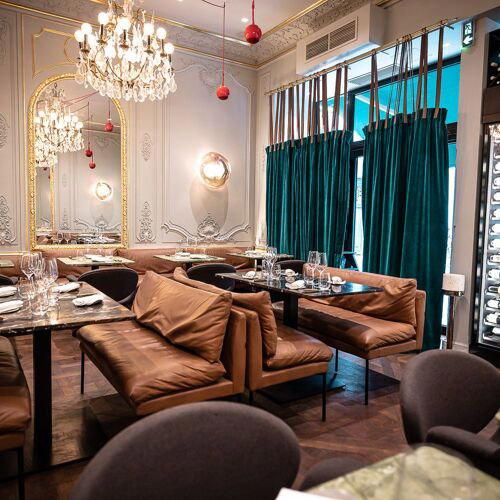
Mediterranean Cooking in the Nahe Wine Country
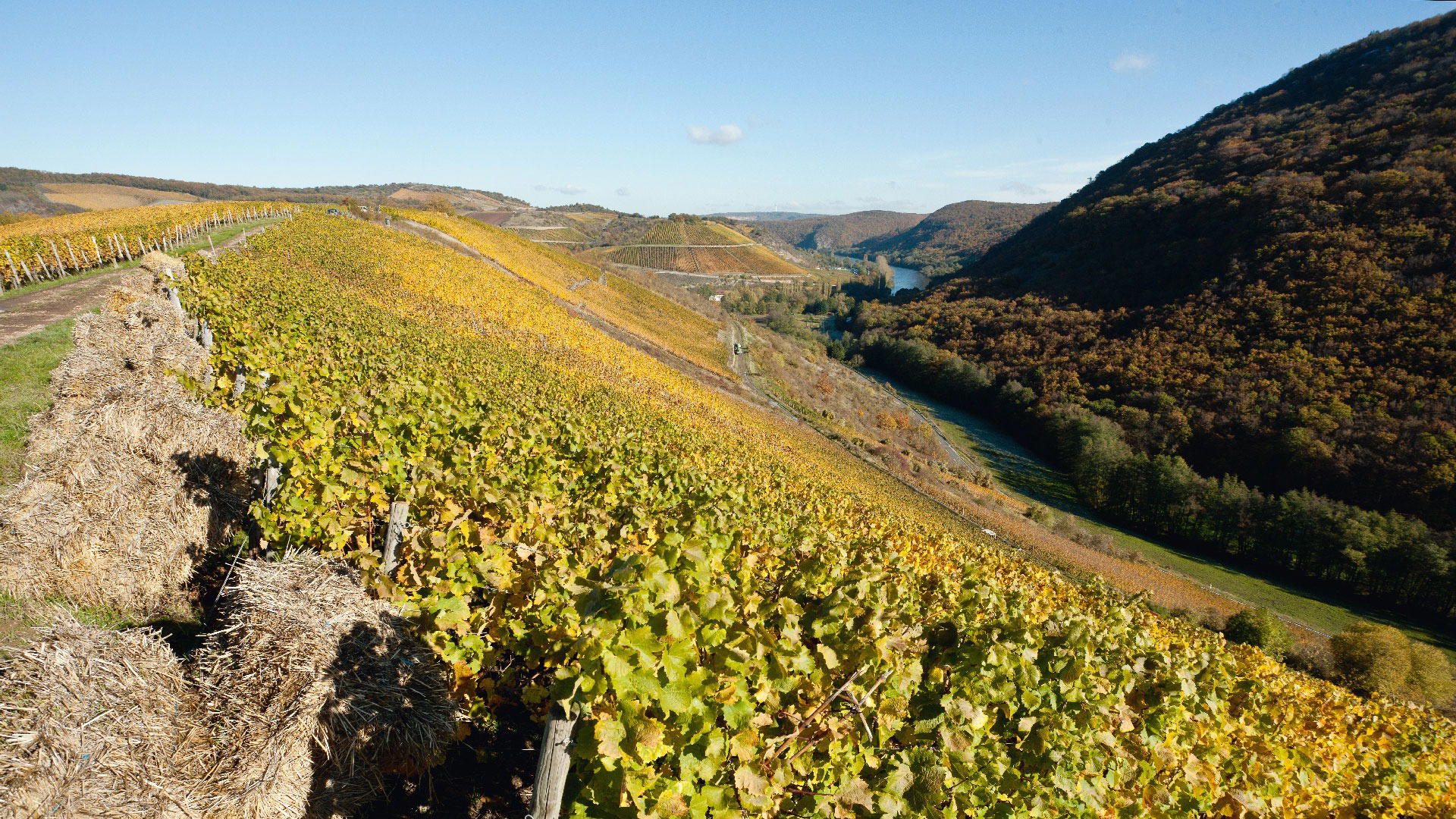
Bad Kreuznach sits at the northern edge of the Nahe wine region, a stretch of southwest Germany where Riesling and Silvaner dominate the hillside vineyards and the local table has historically leaned toward hearty Rhineland cooking. That makes the presence of a committed Mediterranean kitchen at Im Gütchen something worth examining. The cuisine type signals a turn toward the oil-based, herb-forward traditions of the southern Mediterranean, an approach that sits in productive tension with its surroundings: you are drinking Nahe Riesling in a room where the cooking vocabulary is olive oil, not butter.
Mediterranean cuisine, at its most coherent, is built around a foundation of high-quality olive oil rather than the dairy fats that anchor much of northern European cooking. Where a classic Rhineland kitchen might finish a sauce with cream or reduce a stock around butter, the Mediterranean register pivots toward olive oil as both a cooking medium and a finishing element, its grassy or peppery character becoming part of the dish's identity rather than a neutral carrier. This is a fundamentally different philosophy of fat, and it shapes everything from the texture of a sauce to the way vegetables are handled on the plate. A kitchen serious about this tradition sources carefully and uses olive oil generously, not as a garnish but as a structural ingredient.
What the Michelin Plate Signals
Im Gütchen has held a Michelin Plate in both 2024 and 2025. The Plate is the Guide's entry-level recognition, awarded to restaurants that inspectors consider worth knowing about without yet meeting the criteria for a star. It is a meaningful credential in a market like Bad Kreuznach, where the dining scene is smaller and more local than in a major city, and where consistent inspector attention is not guaranteed simply by geography. Consecutive Plate recognition across two years suggests a kitchen that has maintained its standard rather than benefited from a single strong visit.
For context, the upper tier of German fine dining is occupied by restaurants such as Aqua in Wolfsburg and Schwarzwaldstube in Baiersbronn, both holding three Michelin stars, or the two-star operations like Vendôme in Bergisch Gladbach and CODA Dessert Dining in Berlin. Im Gütchen sits several rungs below that tier but occupies a distinct role in a smaller city where fine dining options are fewer and the threshold for local significance is lower. The two data points together, inspector recognition and sustained local approval, suggest a restaurant doing something right for its specific market.
Other recognized addresses in the wider region, such as Schanz in Piesport and Waldhotel Sonnora in Dreis, anchor the Mosel-Rhineland fine dining circuit at the star level. The restaurant positions itself in the Plate tier within that broader geography, making it a reasonable stop on a regional itinerary rather than the primary reason to travel. Visitors already exploring the Nahe wine country for estates and tastings will find it a credible dinner option at the €€€ price point.
The Room and the Setting
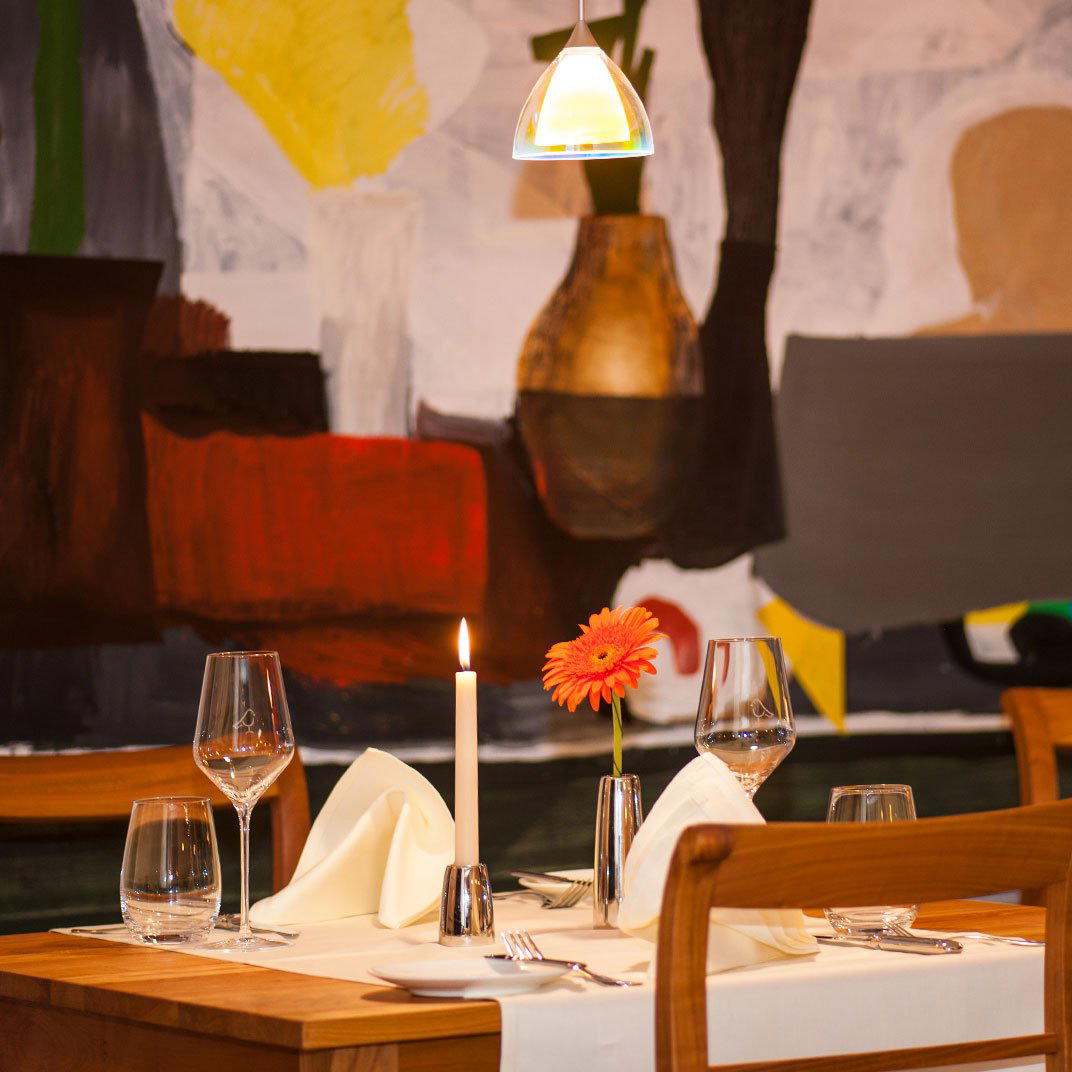
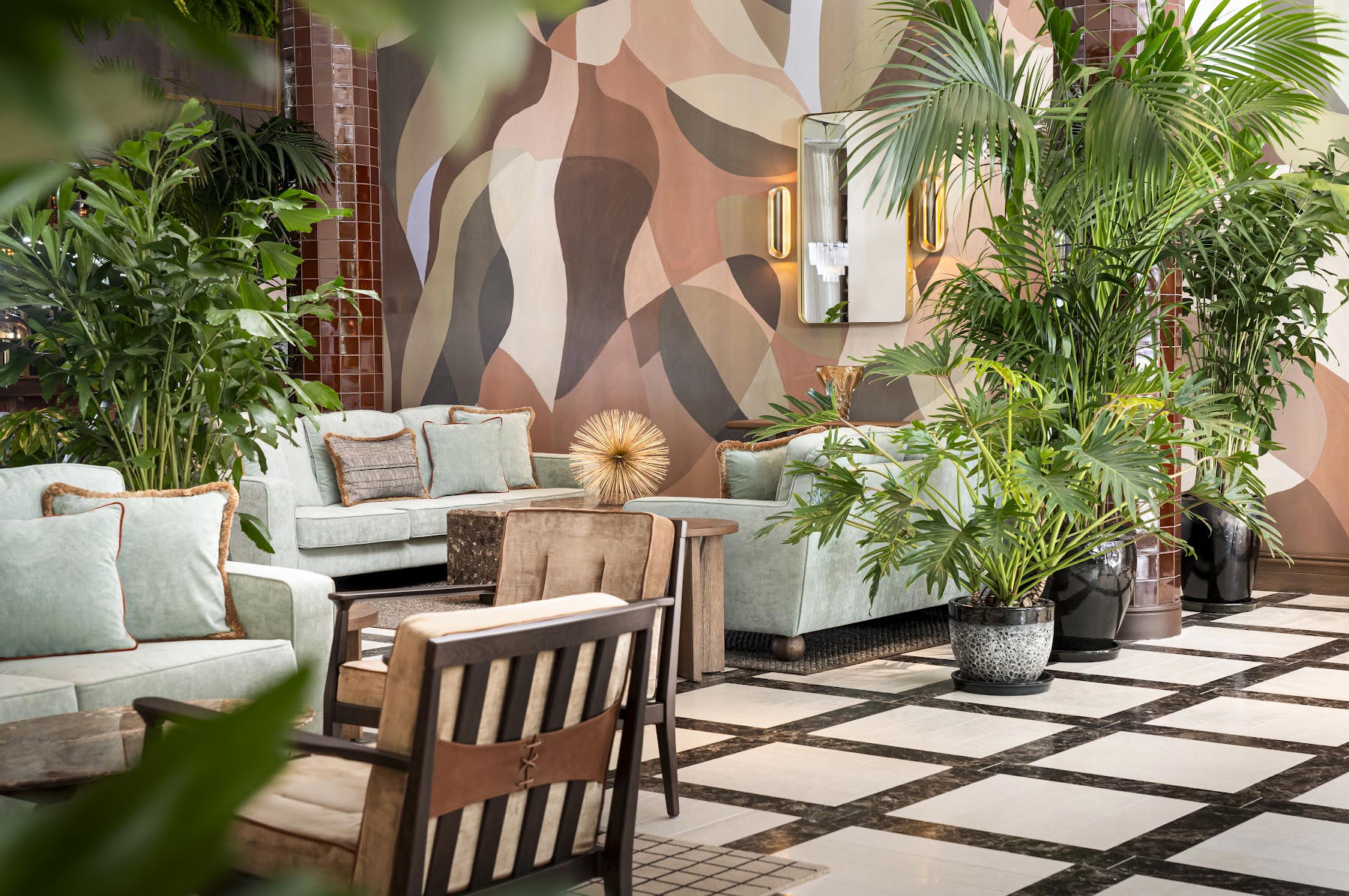
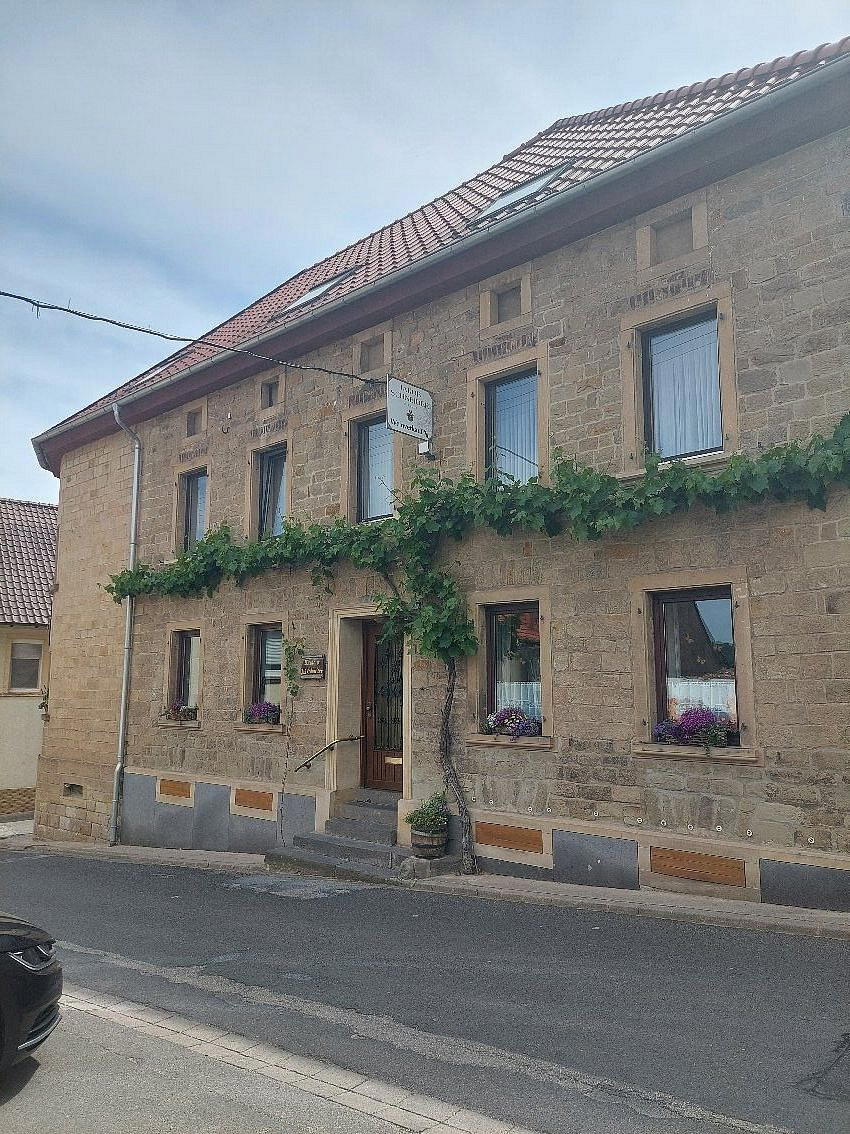
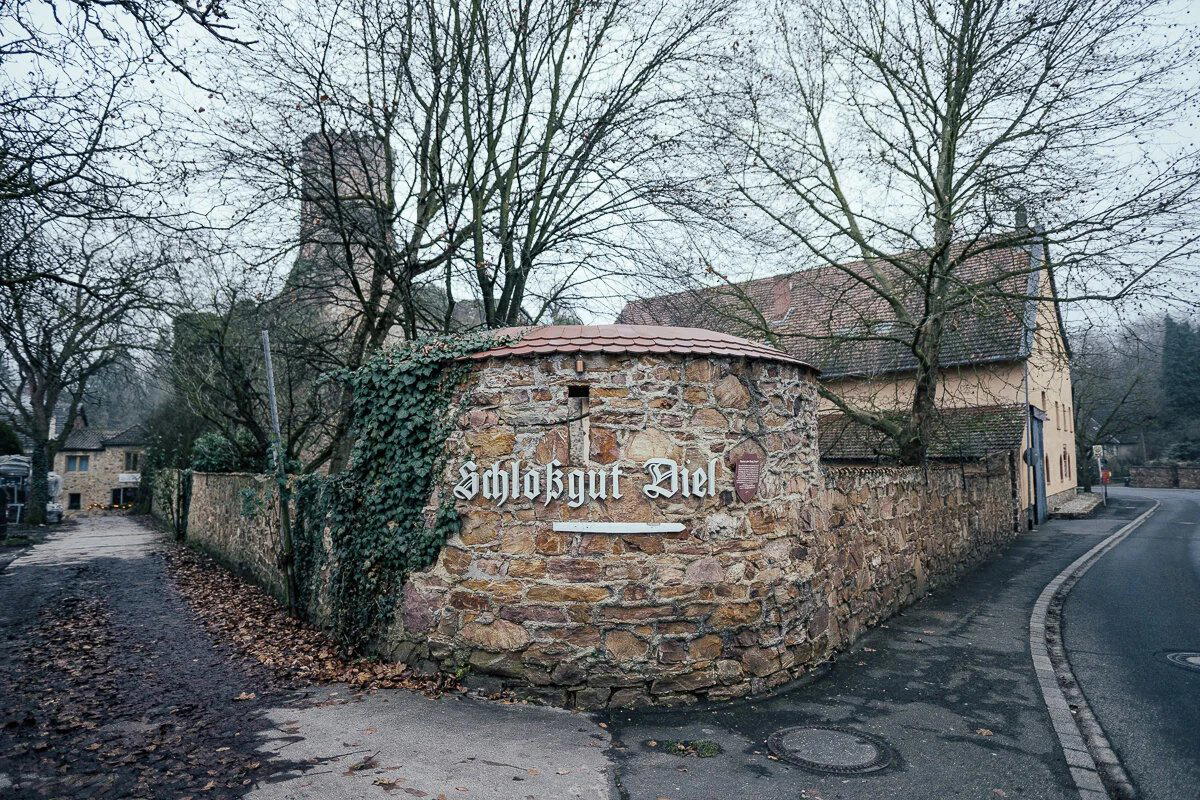
The address at Hüffelsheimer Strasse 1 places the restaurant on the edge of Bad Kreuznach's residential fabric rather than in the commercial centre. This is a pattern common to many serious regional restaurants in smaller German cities: the room is quieter, the neighbourhood more local, and the atmosphere further from the tourist corridor than a city-centre address would suggest. Approaching from the street, the expectation is of a settled, unhurried dining room rather than an active scene. The physical environment tends to favour conversation over performance, which suits a Mediterranean kitchen where the food is often the quieter, more considered object rather than the theatrical one.
For those exploring the full range of what Bad Kreuznach offers, the city's wine infrastructure deserves equal attention alongside its dining. The Nahe's producers work with Riesling on volcanic and porphyry soils, yielding wines with mineral tension that pair logically with Mediterranean preparations. See our full Bad Kreuznach wineries guide for estate recommendations. For a broader view of the city's dining options across styles and price points, our full Bad Kreuznach restaurants guide maps the field, including Im Kittchen, which takes a seasonal approach to its menu. Bars and accommodation are covered separately in our Bad Kreuznach bars guide, our hotels guide, and our experiences guide.
Mediterranean in Germany: A Wider Pattern
The presence of Mediterranean cooking at the recognised fine dining tier in a mid-sized German city is not unusual but it is worth contextualising. Mediterranean cuisine in Germany tends to split between casual trattoria formats and the occasional kitchen that takes the tradition seriously at a higher price point, sourcing properly and treating the cuisine with the same rigour applied to French or contemporary German cooking. The latter category is smaller and more interesting. Comparable approaches at the Mediterranean register appear in Switzerland at La Brezza in Ascona and in France at Arnaud Donckele and Maxime Frédéric at Louis Vuitton in Saint-Tropez, though at significantly higher price tiers and with star-level ambitions. The restaurant operates in a different register, closer to the neighbourhood institution than the destination property, but the culinary logic is connected: the Mediterranean kitchen, done with care, is about restraint, olive oil quality, and the clean flavour of well-sourced produce rather than technical complexity for its own sake.
For practical planning, the restaurant prices at the €€€ level, which in the German context positions it as a considered dinner rather than a casual option. Reservations are essential. Those combining the visit with broader regional travel can use Bad Kreuznach as a base for Nahe wine country exploration, with restaurants like JAN in Munich, ES:SENZ in Grassau, Restaurant Haerlin in Hamburg, and Victor's Fine Dining by Christian Bau in Perl serving as reference points for the broader German fine dining circuit at higher award tiers.
A Quick Peer Check
Comparable venues nearby, for context on price, style, and recognition.
| Venue | Cuisine | Price | Awards | Notes |
|---|---|---|---|---|
| Im GütchenThis venue — the venue you are viewing | Modern German & Mediterranean Fine Dining | $$$$ | Michelin Plate | Not listed |
| Im Kittchen | Contemporary German with International Influences | $$$ | Bib Gourmand | Old Town (Altstadt) |
| Die Scheuer | Swabian-French Fine Dining | $$$$ | Michelin Plate | Hofheim am Taunus historic city center |
| Restaurant 1463 | Central European Fine Dining | $$$$ | Michelin Plate | Grötzingen |
| Carte blanche | Modern German Seasonal Tasting Menu | $$$$ | Michelin Plate | Nordend-Ost |
| Spinne | Regional Seasonal German Fine Dining | $$$ | Michelin Plate | Haardt |
Recognition history
Dated appearances from independent guides and award organizations, with the underlying list record or original source where available.
Michelin Plate
Michelin · 2026 Michelin Plate
Michelin Plate
Michelin
Michelin Plate
Michelin
Continue exploring
More in Bad Kreuznach
Restaurants in Bad Kreuznach
Browse all →
Bars in Bad Kreuznach
Browse all →


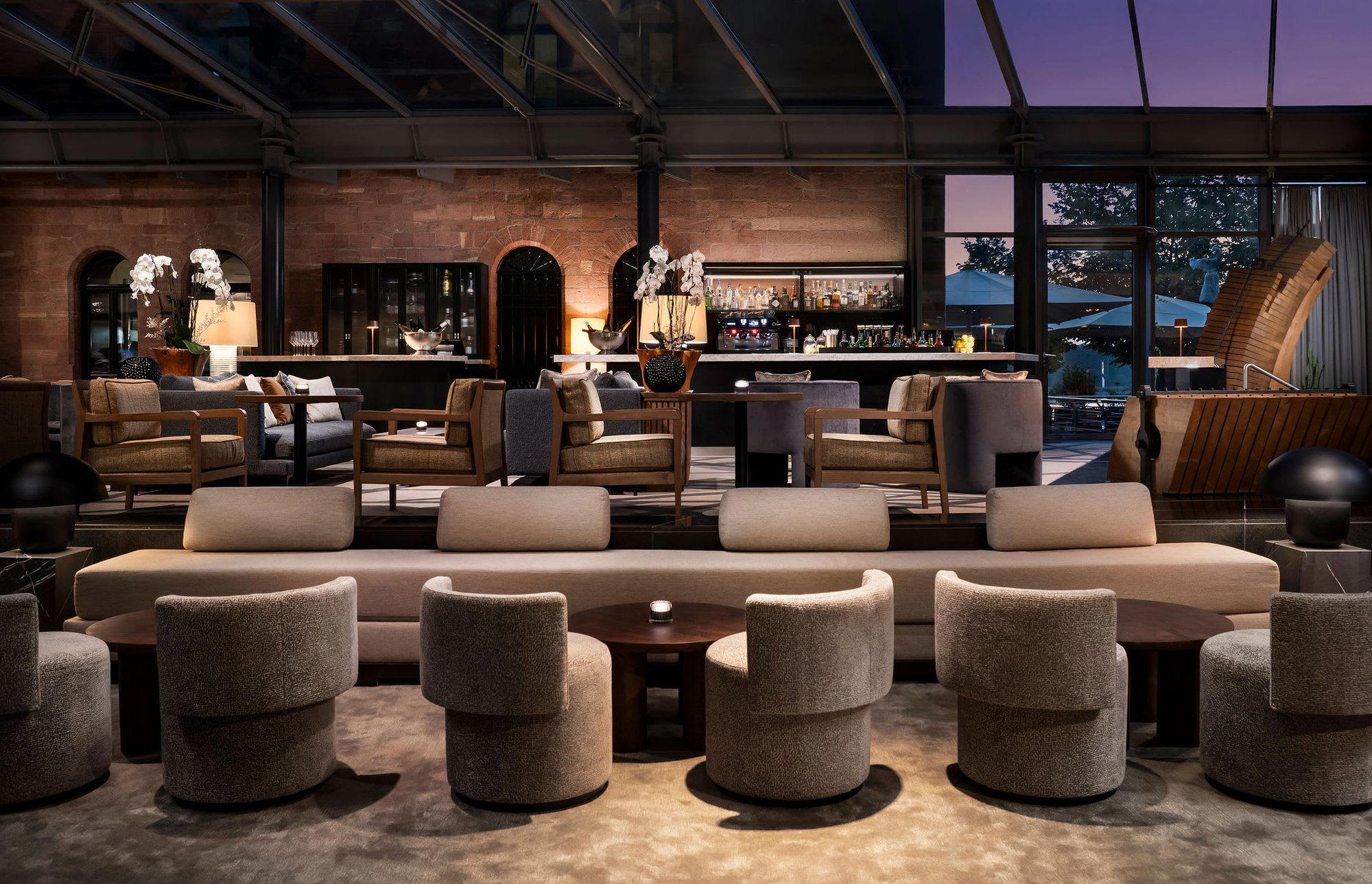
Hotels in Bad Kreuznach
Browse all →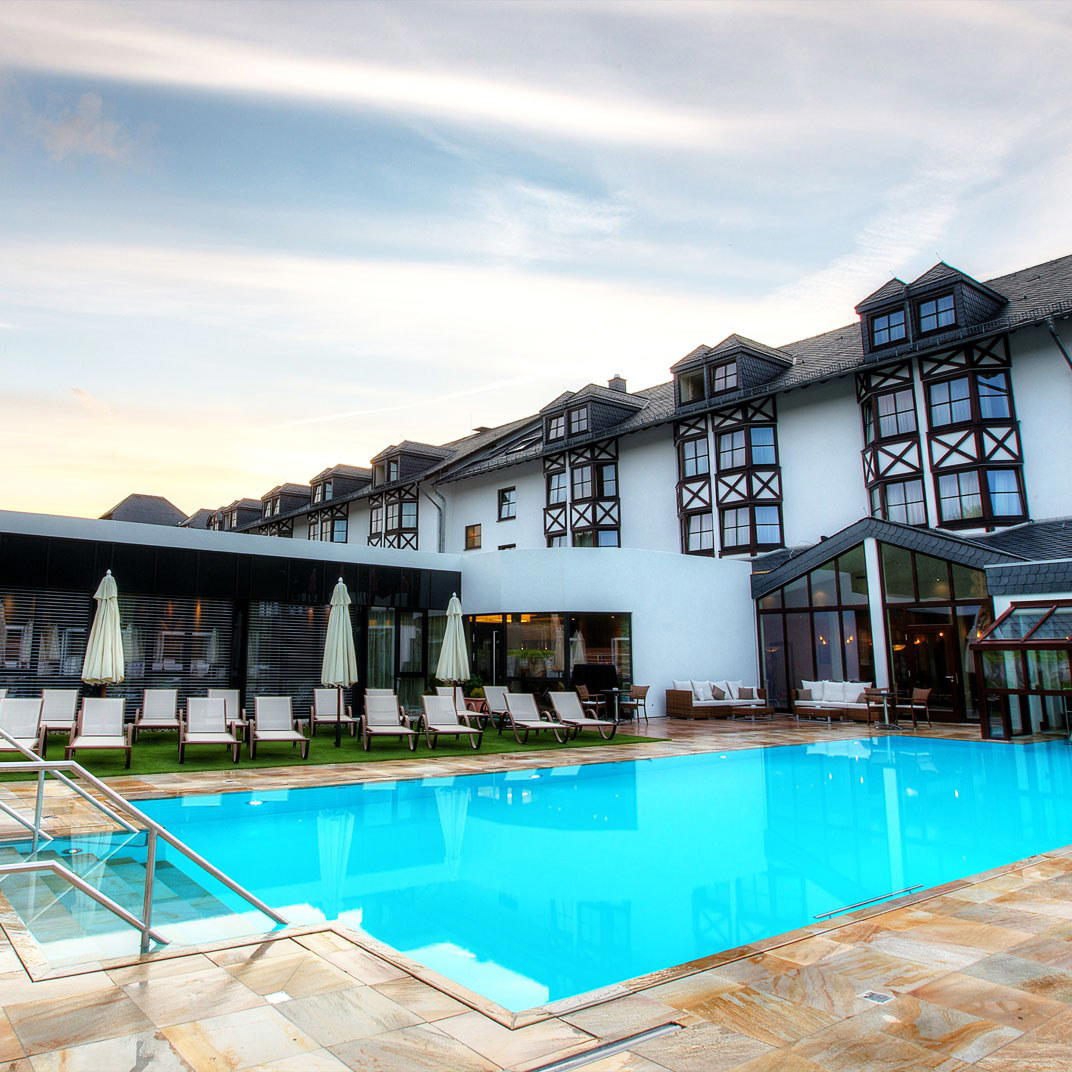
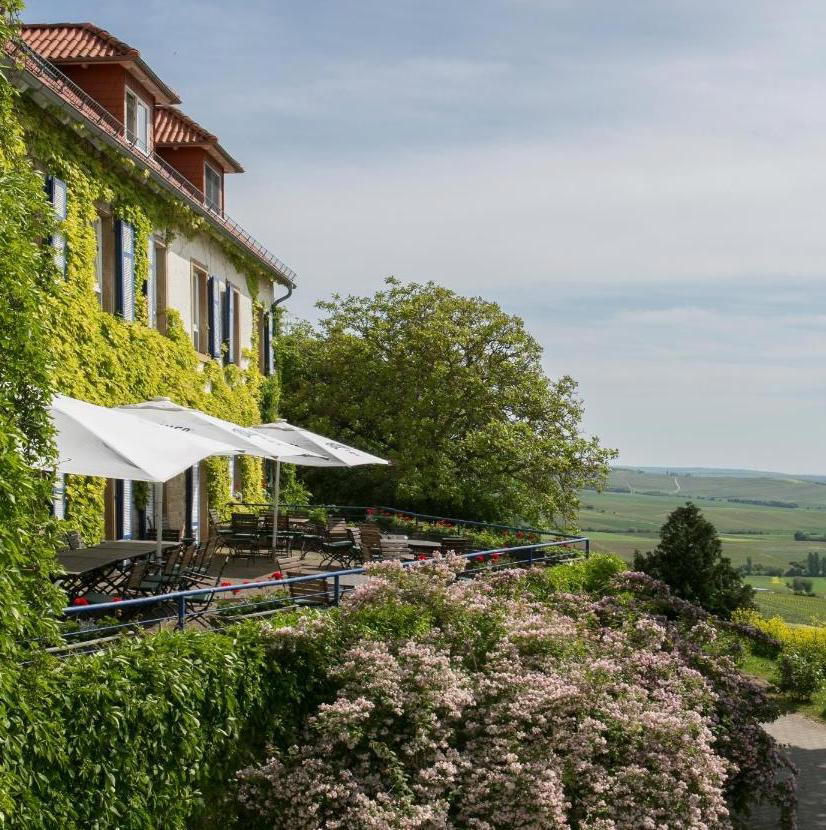
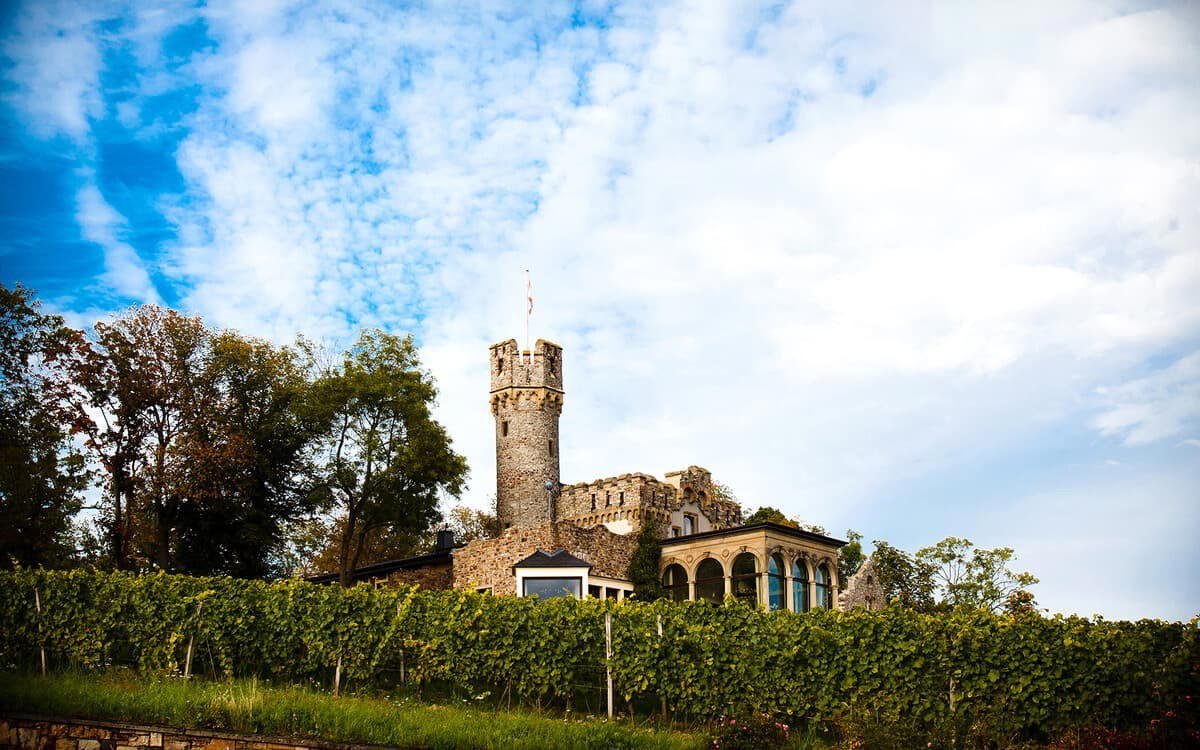
At a Glance
- Elegant
- Romantic
- Sophisticated
- Classic
- Date Night
- Special Occasion
- Celebration
- Business Dinner
- Terrace
- Garden
- Historic Building
- Private Dining
- Extensive Wine List
- Sommelier Led
- Local Sourcing
- Garden
Current opening hours
- Monday
- 6–11 PM
- Tuesday
- Closed
- Wednesday
- Closed
- Thursday
- 6–11 PM
- Friday
- 6–11 PM
- Saturday
- 6–11 PM
- Sunday
- 12–2:30 PM, 6–9:30 PM
Hours can change for holidays and private events. Last verified .
Modern-elegant with high ceilings and airy spaces in a historic baroque building; warm, refined atmosphere enhanced by attentive service and excellent wine pairings.