
The address at Soonwaldstraße 10a anchors the estate firmly in the Monzingen village, where slate and quartzite soils shape wines of uncommon mineral precision. For anyone tracking Germany's best Riesling appellations, this is a reference address.
Pearl is the En Primeur Club membership app — saves, bookings, and concierge access live there. Same editors, same standards.
- Address
- Soonwaldstraße 10a, 55569 Monzingen
- Phone
- +49 6751 2733
- Website
- emrich-schoenleber.de
- Directions
- Get directions
 Saves & bookings on Pearl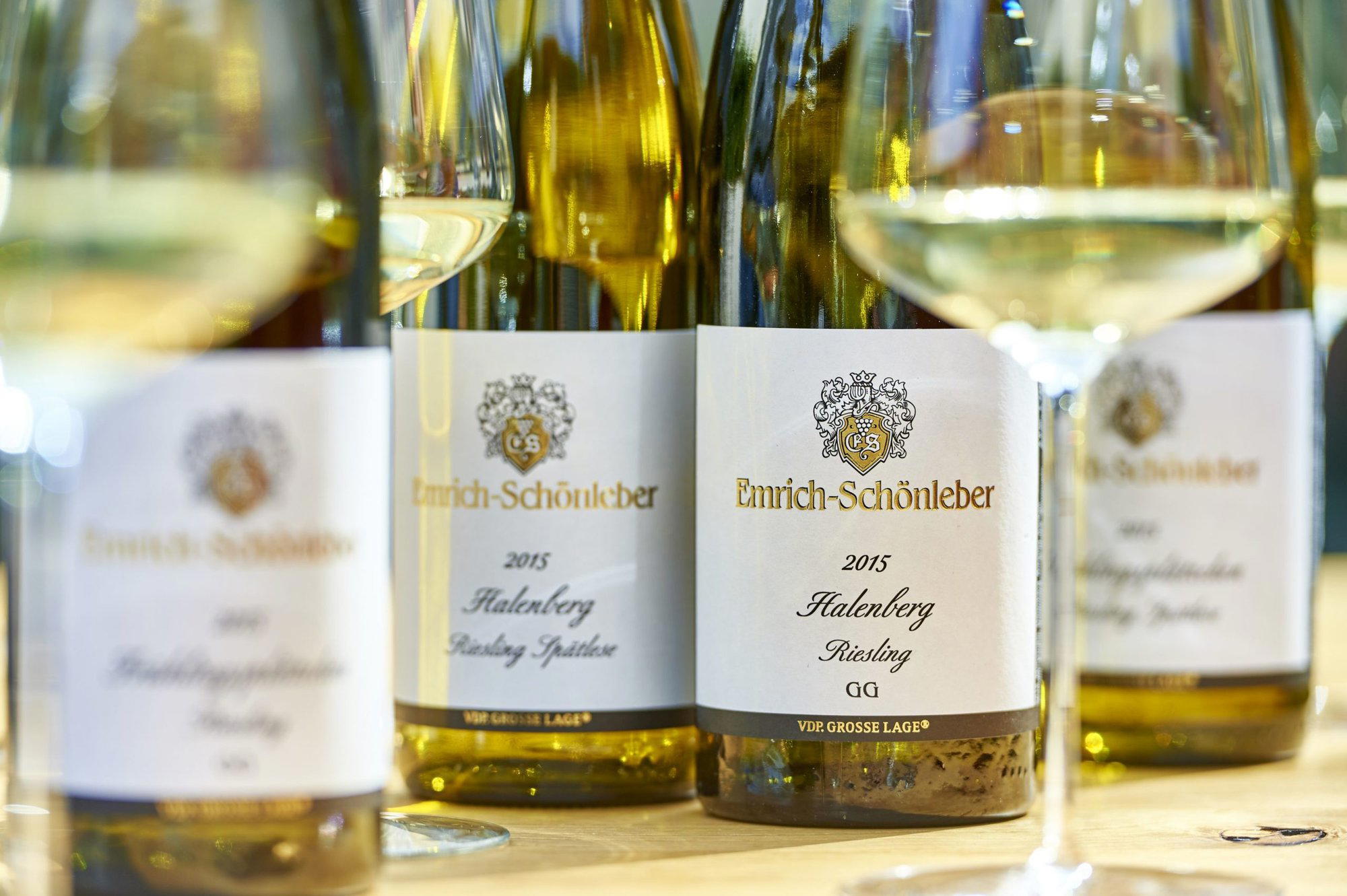
The Nahe's Quiet Argument for Riesling Supremacy
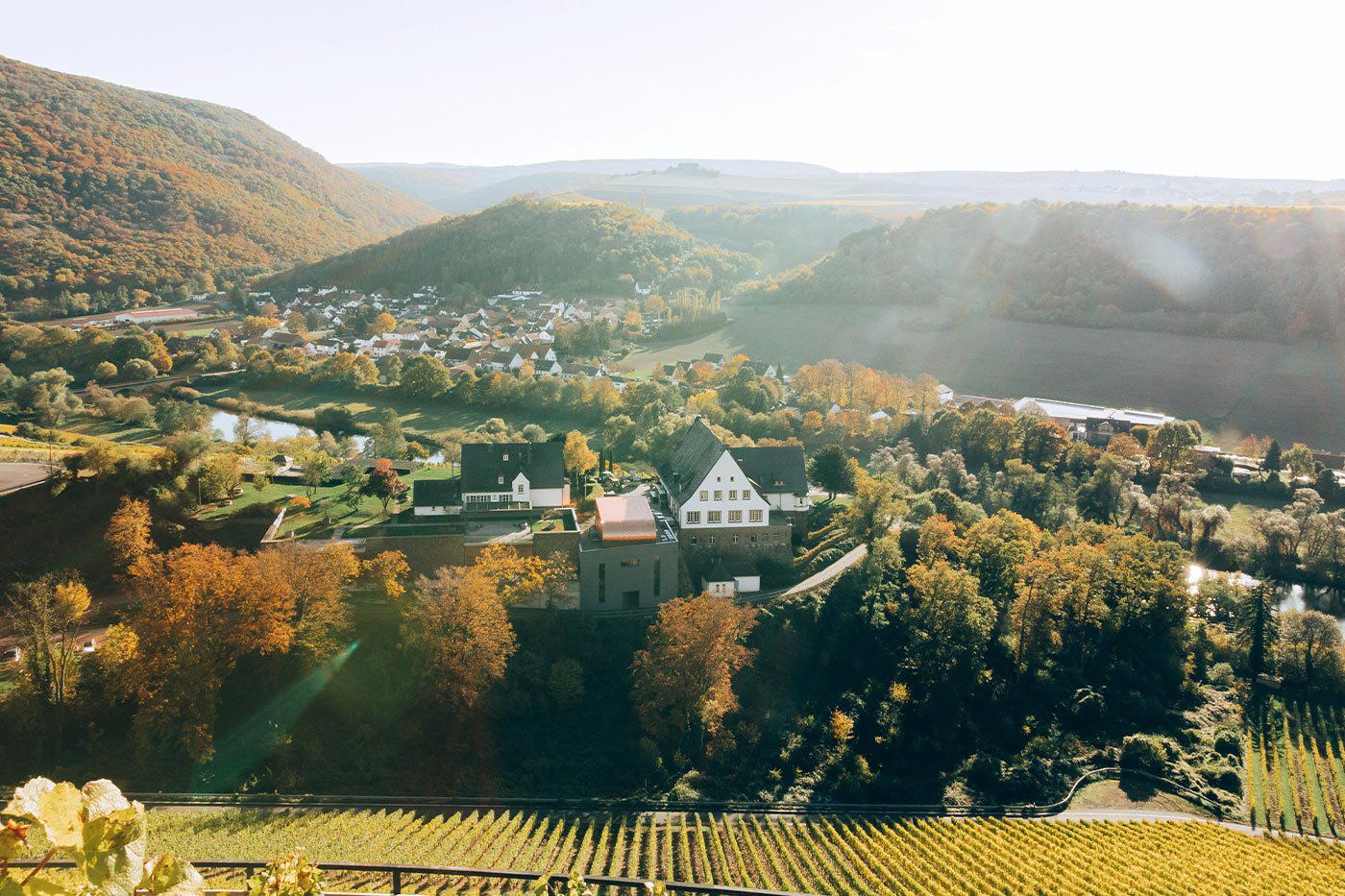
The village of Monzingen sits in the Nahe valley at a point where the river bends through forested hillsides and the soils shift from red sandstone to a mosaic of quartzite, slate, and volcanic deposits. There is no grand boulevard leading to the region's leading estates; the approach is agricultural, deliberate, and unhurried. That physical character matters here. In a German wine context where the Mosel commands international headlines and the Rheingau trades on centuries of documented prestige, the Nahe operates at a lower volume, which is precisely why its leading producers, Weingut Emrich-Schönleber among them, reward the effort of attention. For visitors and collectors who arrive at Soonwaldstraße 10a expecting scenery comparable to the Rhine's dramatic gorges, the Monzingen setting will read as understated. That understatement, however, is part of the editorial point. The Nahe's identity has never been built on spectacle. It has been built on Riesling that expresses its terroir with a directness that few German appellations match.
Terroir as the Central Argument
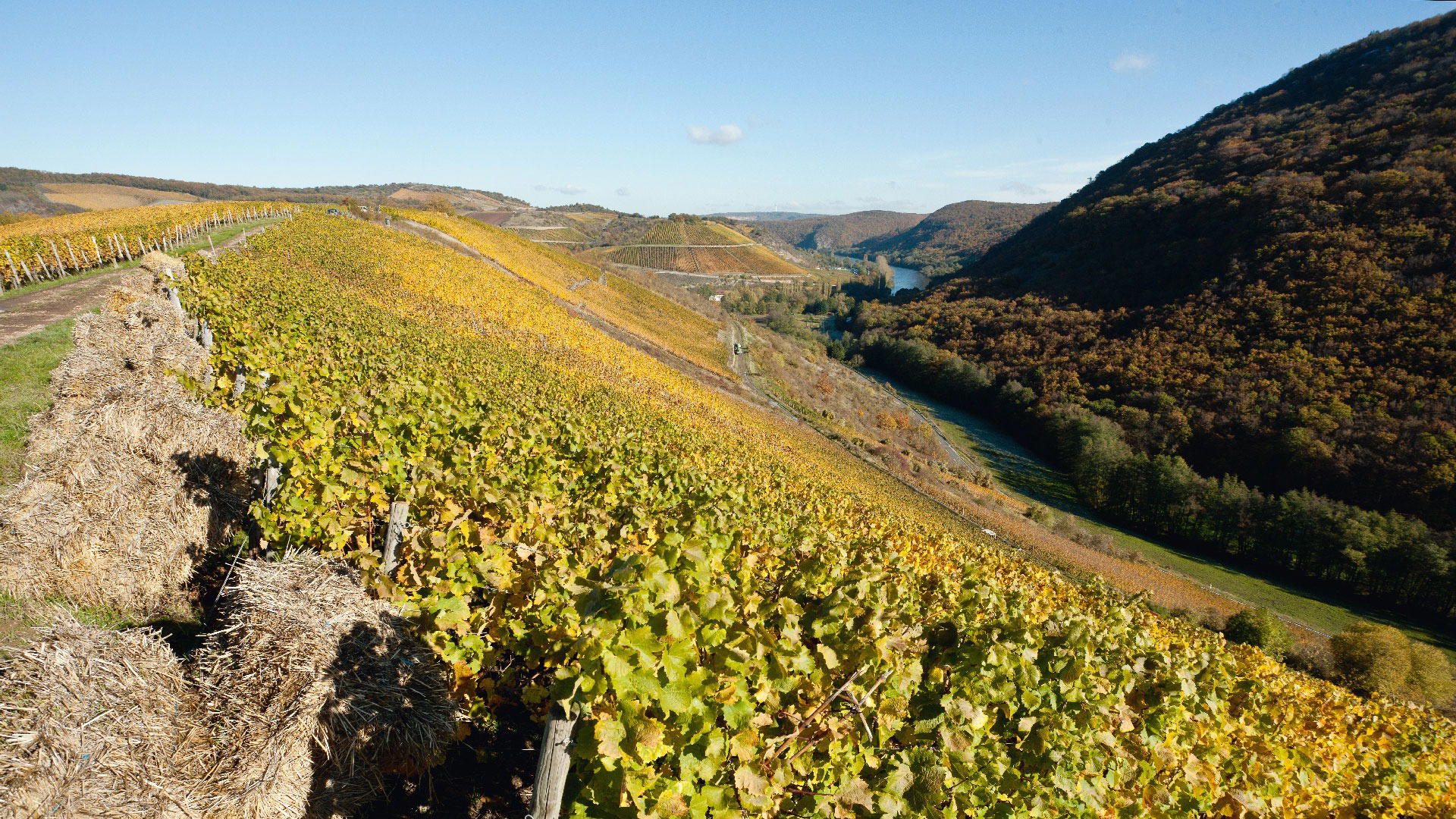
German wine criticism has spent decades debating which soil type produces Riesling of the greatest intellectual complexity. The Mosel's blue slate is frequently cited as definitive, as are the limestone and loess profiles of the Pfalz. The Nahe complicates that binary. Monzingen's vineyard geology is among the more heterogeneous in Germany, with the Halenberg and Frühlingsplätzchen sites sitting on soils that shift character within a few hundred meters. Quartzite-heavy sections produce wines with a cool, flinty nerve; areas with more volcanic contribution introduce a textural weight that distinguishes Nahe Riesling from its Mosel counterparts. At that level of critical acknowledgment, the estate sits in a comparable set that includes producers using similar site-specific approaches across Germany's VDP estates, such as Weingut Clemens Busch in Pünderich on the Mosel and Weingut Battenfeld-Spanier in Hohen-Sülzen in Rheinhessen. Each operates within a broader German fine wine conversation that has shifted decisively toward vineyard classification and site transparency over the past decade.
Where Emrich-Schönleber Sits in the Nahe Hierarchy
The Nahe is not a region of dozens of elite estates. Its reputation rests on a relatively small cohort of producers who have consistently converted difficult, site-specific geology into wines that hold their own against Germany's most celebrated appellations. To put that in comparative context: comparable prestige-tier estates elsewhere in Germany include Weingut Fritz Haag in Brauneberg on the Mosel and Weingut Georg Breuer in Rüdesheim am Rhein in the Rheingau. The Pfalz, which runs a different stylistic argument around broader, riper expressions of Riesling, contributes names like Weingut A. Christmann in Neustadt an der Weinstraße and Weingut Dr. Bürklin-Wolf in Wachenheim an der Weinstraße to the same tier. What distinguishes Emrich-Schönleber's position is the Nahe's specific mineralogy: collectors who work across German appellations frequently describe Nahe Riesling from leading sites as particularly forensically precise in terms of soil-to-wine translation. That claim is not promotional; it reflects a recurring critical consensus about what Monzingen's geology produces at its leading.
The Nahe's Broader Winemaking Context
Germany's VDP classification system, its Grosses Gewächs and Prädikat hierarchy, provides the framework through which estates like Emrich-Schönleber communicate quality signals to an international audience. That system has been the subject of ongoing critical debate: some argue it now functions more as a marketing mechanism than a pure quality guarantor, while others point to the consistency of upper-tier Nahe producers as evidence that the classification is doing what it promises. What the debate confirms is that Emrich-Schönleber is competing in a national conversation, not merely a regional one. Estates like Weingut Bassermann-Jordan in Deidesheim, Weingut Grans-Fassian in Leiwen, and Weingut Allendorf in Oestrich-Winkel operate within that same framework, each using a specific regional terroir argument as their point of differentiation. In the Nahe's case, the argument is geological complexity expressed through Riesling at various ripeness levels, from steely dry Grosses Gewächs to the late-harvest Prädikat wines that have historically defined the estate's international reputation. For a sense of how German wine estates with long institutional histories work within similar frameworks, Kloster Eberbach in Eltville and Weingut Bürgerspital zum Heiligen Geist in Würzburg offer instructive contrasts in terms of scale, institutional weight, and stylistic approach. Weingut Heymann-Löwenstein in Winningen provides yet another angle, working steep Mosel terraces to produce wines with a structural intensity that positions them close to Emrich-Schönleber's dry Riesling tier in critical standing.
Planning a Visit to Monzingen
Monzingen lies in the Bad Kreuznach district, accessible from Frankfurt in under two hours by road, which places it within reasonable range for a day visit combined with other Nahe estate calls. The Nahe wine route passes through the area, and a programme pairing Emrich-Schönleber with neighbouring estate visits is a standard itinerary for visiting wine professionals and serious private collectors. The estate address at Soonwaldstraße 10a is within the village itself, not on a remote vineyard track, which simplifies logistics compared to some of Germany's more difficult-to-access hillside estates. Visitors planning cellar door appointments should do so well in advance, as estates at this recognition tier typically operate by appointment rather than on an open walk-in basis. For a fuller picture of what the area offers, the EP Club Monzingen guide covers the region's dining and tasting options in more detail. For international collectors unable to visit in person, allocation channels and direct importer relationships are the standard access routes to prestige-tier Nahe wines. Estates at this level rarely distribute through general retail, and the leading vintages from named single-vineyard sites are frequently allocated before public release.
What the 2025 Recognition Confirms
Emrich-Schönleber's standing in German wine circles is not a recent development, and the recognition reflects sustained consistency rather than a breakout vintage or a stylistic pivot. For collectors, that consistency matters more than any single-year performance. The Nahe's geological diversity means that even within a single estate's range, different sites perform differently across vintages, and the leading estates in the region have learned to read and respond to that variability with precision. For anyone building a serious German Riesling cellar, the Nahe's top tier has historically been under-represented relative to its quality-to-price relationship. Emrich-Schönleber's position at the apex of that tier makes it a natural reference point for understanding what the appellation delivers at its most precise. For context on how other leading German estates are evaluated and positioned, the EP Club profiles on Aberlour and Accendo Cellars in St. Helena illustrate how prestige-tier producers in different traditions communicate terroir specificity to international audiences.
What should I expect atmosphere-wise at Weingut Emrich-Schönleber?
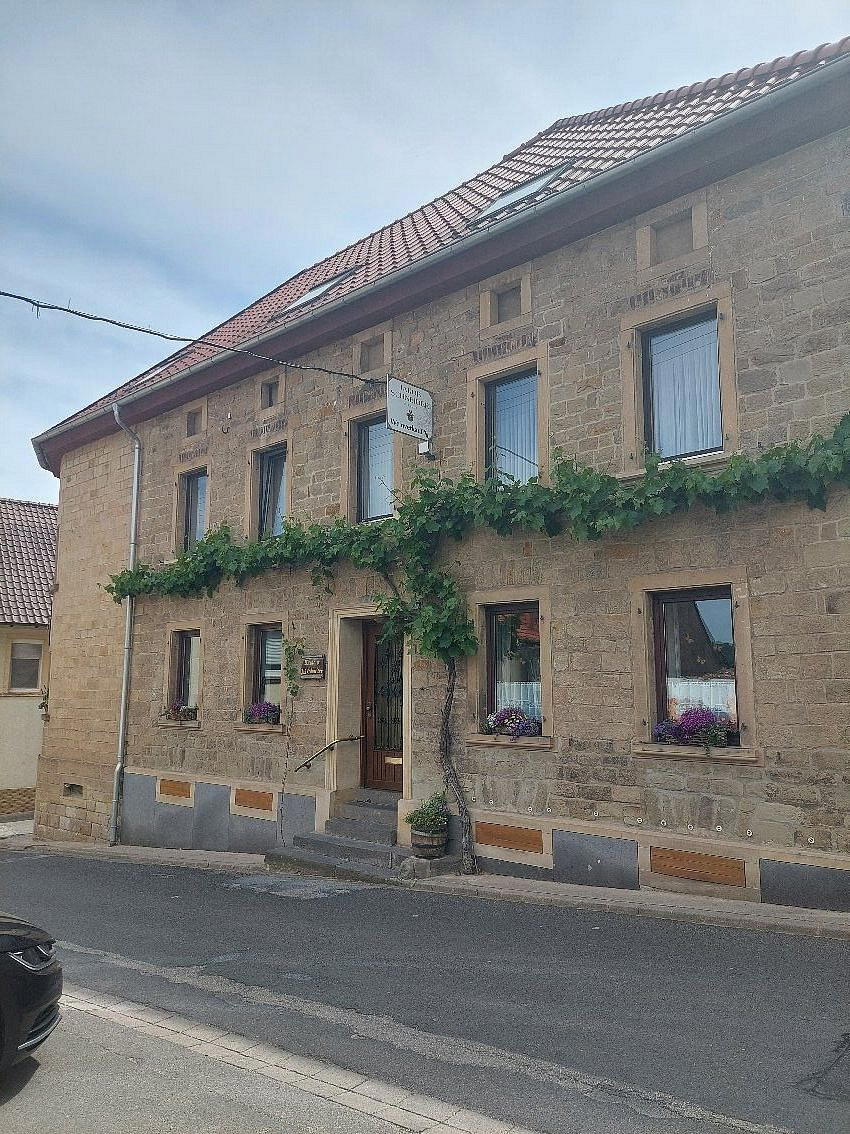
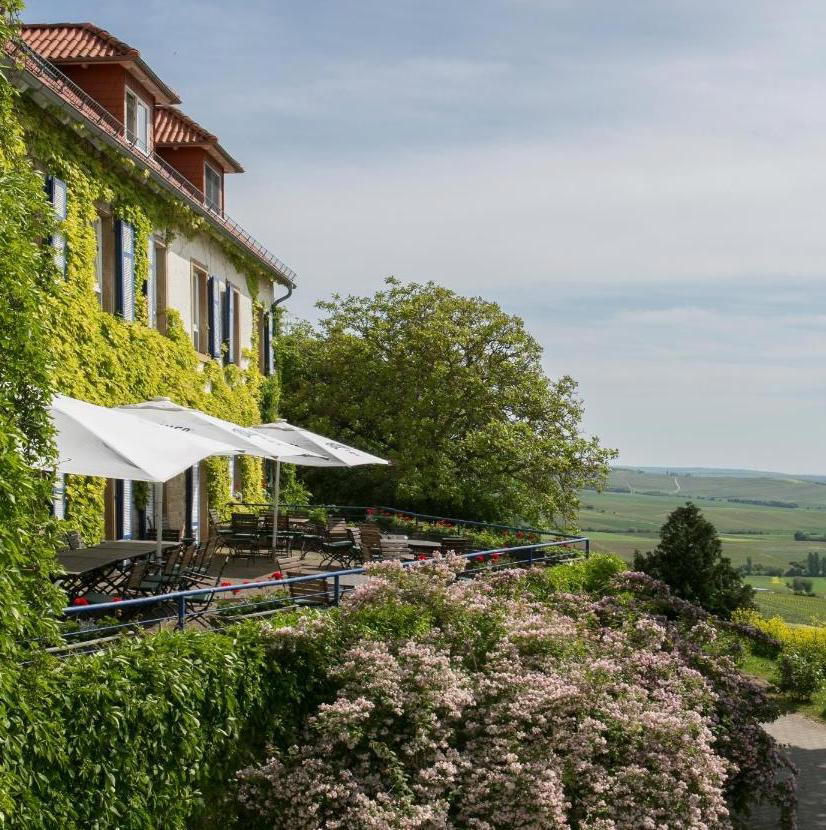
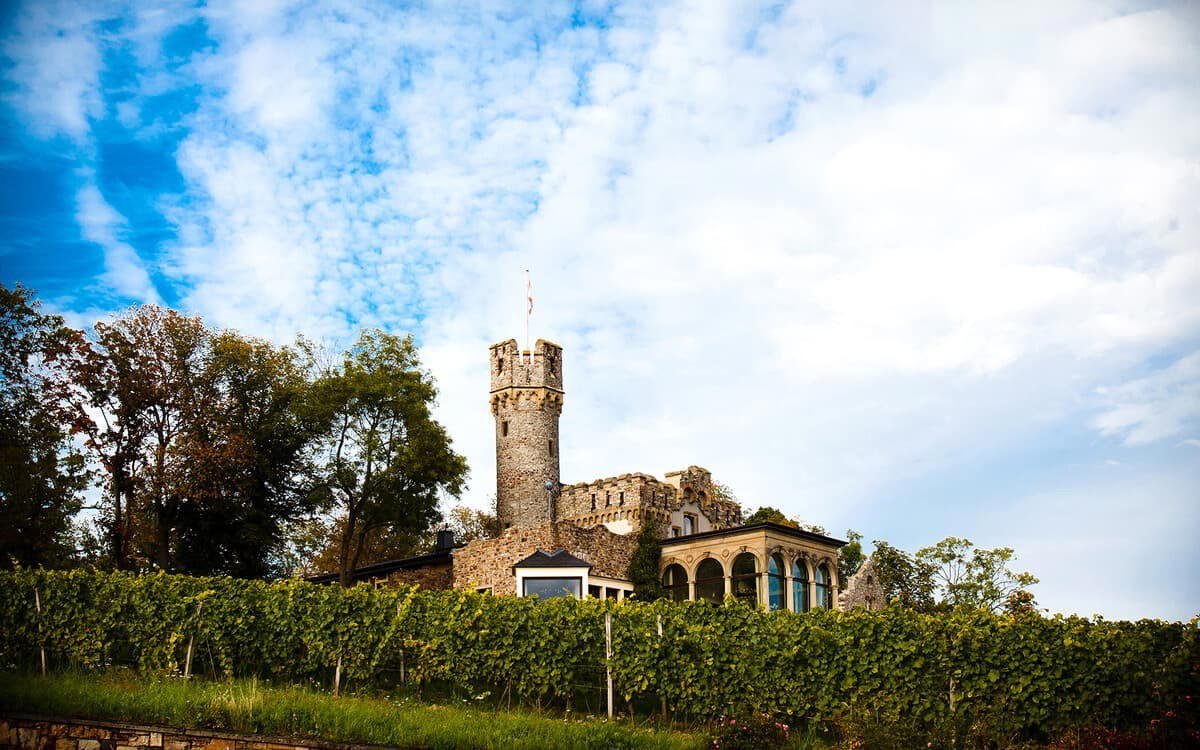
The estate sits in Monzingen village, a small Nahe community far removed from the high-traffic wine tourism circuits of the Mosel or Rheingau. Visits are by appointment only. The atmosphere is working-estate rather than visitor-centre: stone buildings, vineyard access nearby, and an environment calibrated for serious tasting rather than hospitality theatre. Collectors and trade visitors who have made the journey to comparable Nahe estates describe the experience as focused and unhurried. Appointments are standard at estates in this tier.
What's the leading wine to try at Weingut Emrich-Schönleber?
The Nahe's Monzingen sites, particularly the Halenberg and Frühlingsplätzchen, are the source of the estate's most discussed wines in critical literature. Both produce Riesling from distinct geological profiles: Halenberg is associated with slate and quartzite giving austere, mineral-precise dry wines, while Frühlingsplätzchen's varied soils contribute a broader stylistic range across ripeness levels. Late-harvest Prädikat wines from these sites have historically drawn international collector attention when available. Specific current releases should be confirmed directly with the estate or its importers.
What's the standout thing about Weingut Emrich-Schönleber?
Monzingen's quartzite and slate soils produce a style of Riesling that critics consistently describe as among the more site-precise in Germany, and Emrich-Schönleber has built its reputation on translating that geology consistently across vintages. For a village with no significant tourist infrastructure and no marquee-name international recognition, that critical standing is the defining fact.
Quick Comparison
Comparable venues nearby, for context on price, style, and recognition.
| Venue | Cuisine | Price | Notes |
|---|---|---|---|
| Weingut Emrich-SchönleberThis venue — the venue you are viewing | Riesling, Grauburgunder | $$$ | Not listed |
| Weingut Schäfer-Fröhlich | Riesling, Pinot Blanc | $$$ | Bockenau |
| Weingut Philipp Kuhn | Riesling, Pinot Noir | $$$ | Laumersheim |
| Weingut Bassermann-Jordan | Riesling, Chardonnay | $$$ | Deidesheim |
| Weingut Kruger-Rumpf | Riesling, Weissburgunder | $$$ | Münster-Sarmsheim |
| Weingut A. Christmann | Riesling, Spätburgunder | $$$ | Gimmeldingen |
Recognition history
Dated appearances from independent guides and award organizations, with the underlying list record or original source where available.
Falstaff Winery - Listed
Falstaff
Continue exploring
More in Monzingen
Wineries in Monzingen
Browse all →
Bars in Monzingen
Browse all →
Restaurants in Monzingen
Browse all →
At a Glance
- Classic
- Elegant
- Rustic
- Scenic
- Wine Education
- Special Occasion
- Romantic Getaway
- Vineyard Tour
- Estate Grounds
- Barrel Room
- Terrace
- Sustainable
- Vineyard
- Mountain
- Nahe
- Riesling
- Grauburgunder
- Weissburgunder
- Müller Thurgau
- Still White
- Still Red
- Single Vineyard Tasting
- Dry Riesling Focus
- Spätlese Tasting
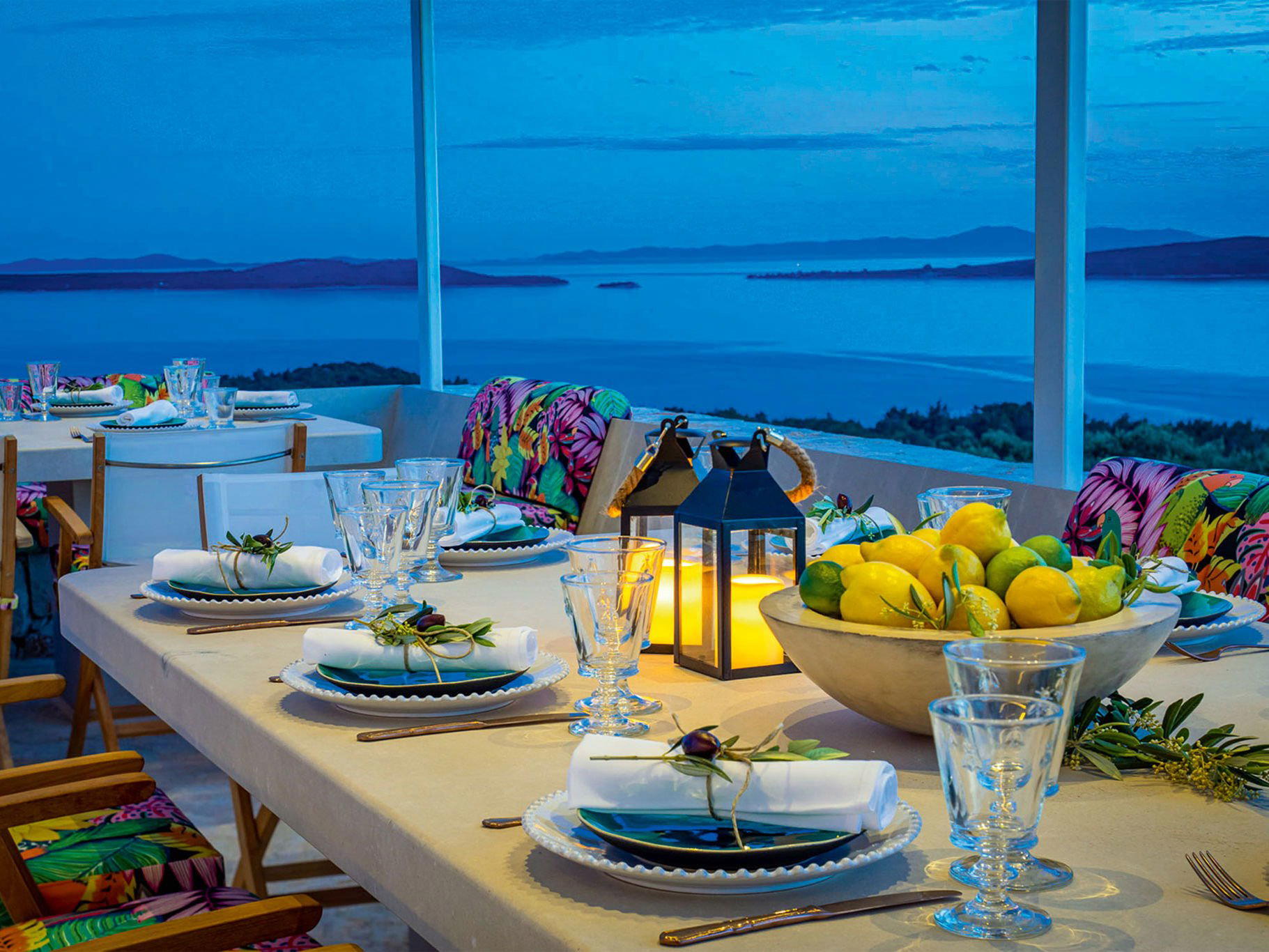
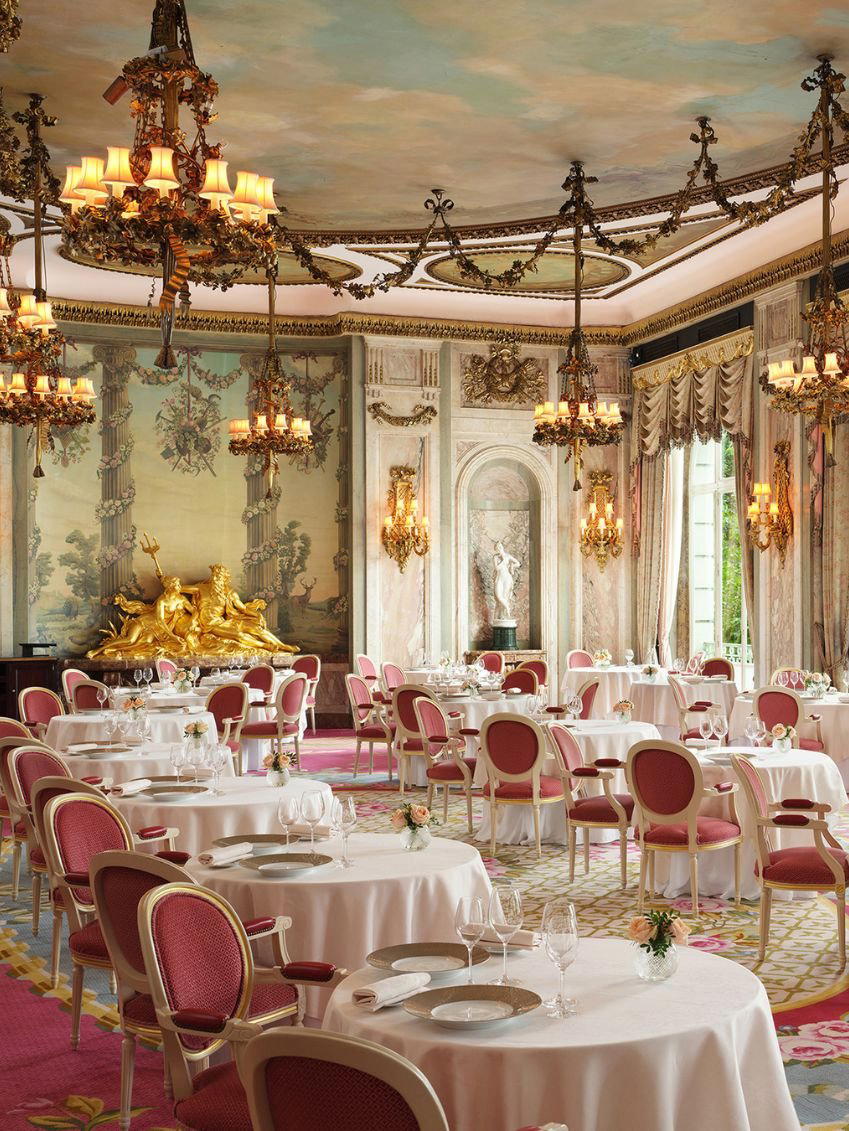
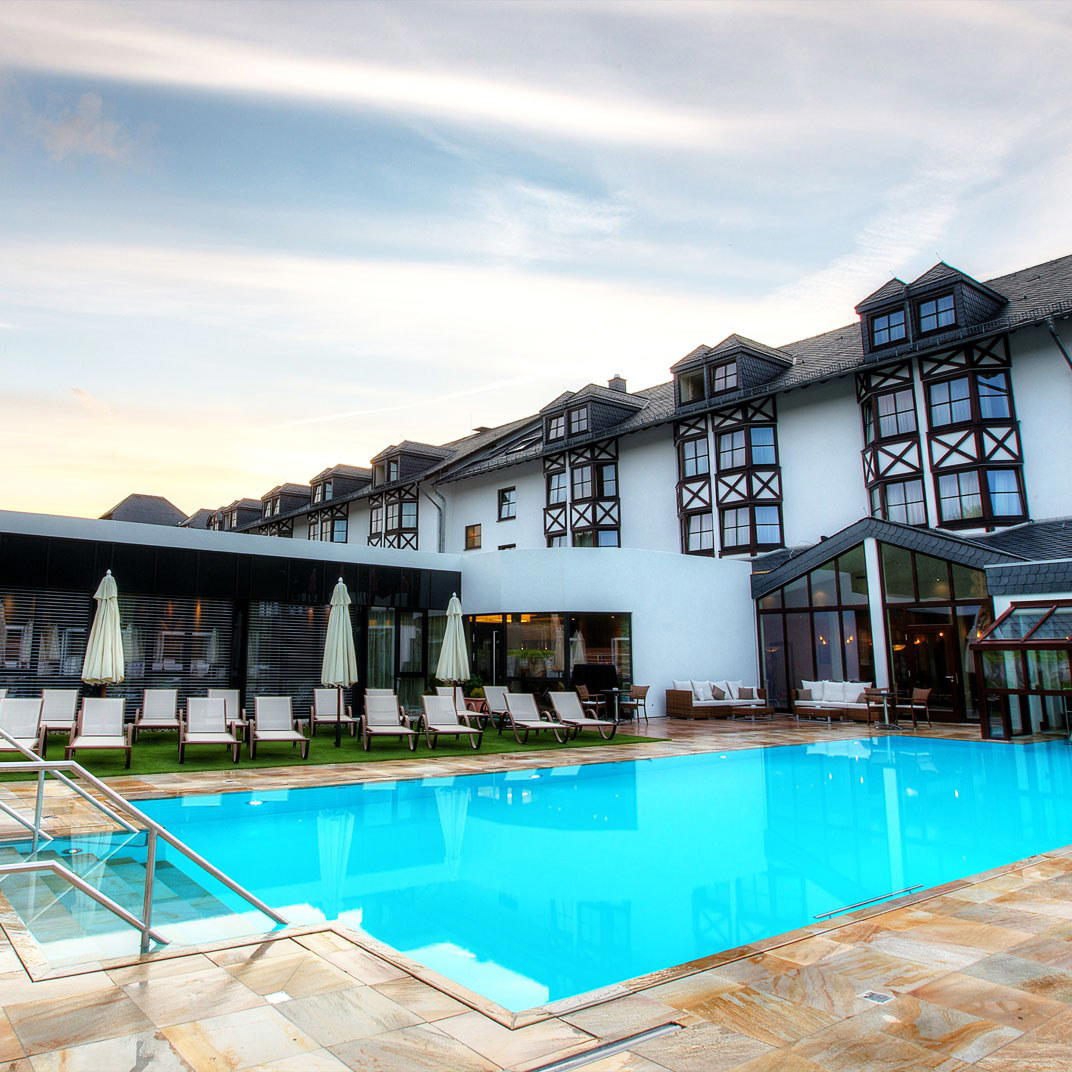
Historic family winery with traditional German charm, featuring steep vineyard slopes and intimate tasting spaces that reflect the estate's commitment to authenticity and character-driven wines.