Zum Troadkastl
Current status is under verification; live venue details are withheld until a current primary source confirms them.
- Address
- Tauplitz 8982, Tauplitz 335, 8982 Tauplitz, Austria
- Phone
- +43 664 1603502
- Website
- stoffis-huetten.at
- Directions
- Get directions
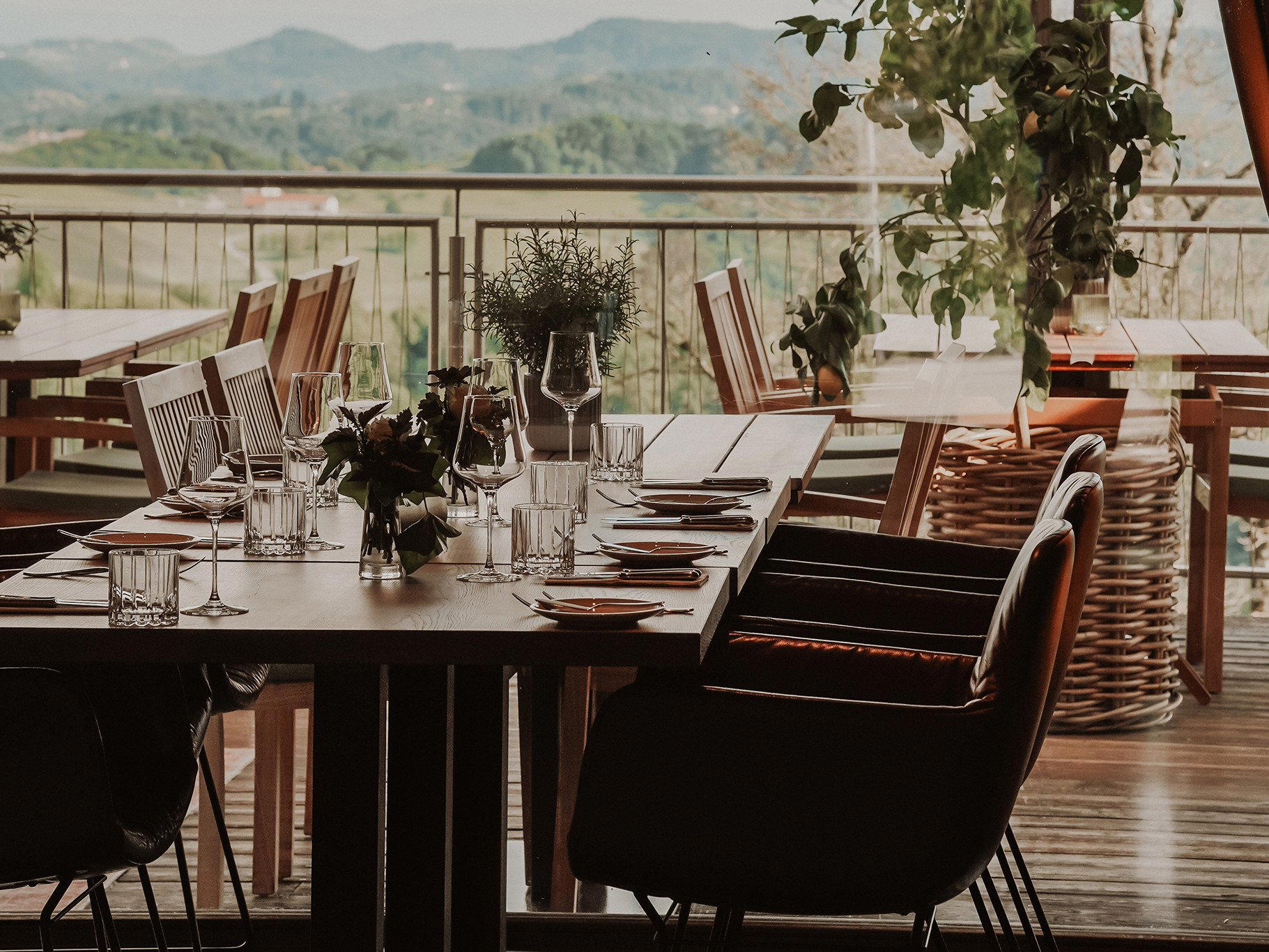
Where the Meal Begins Before You Sit Down
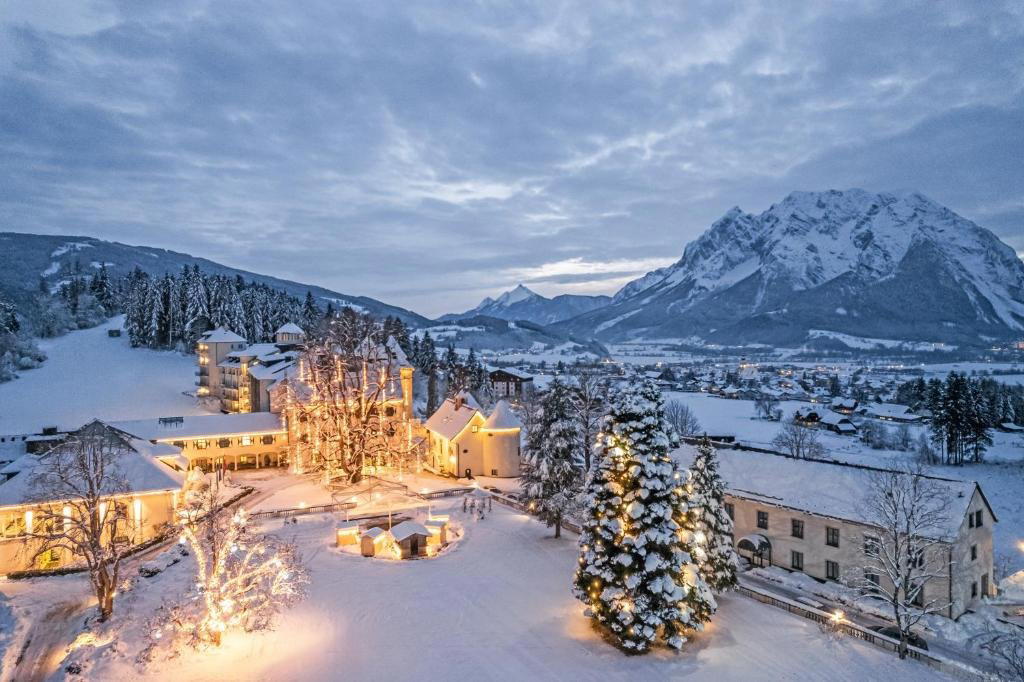
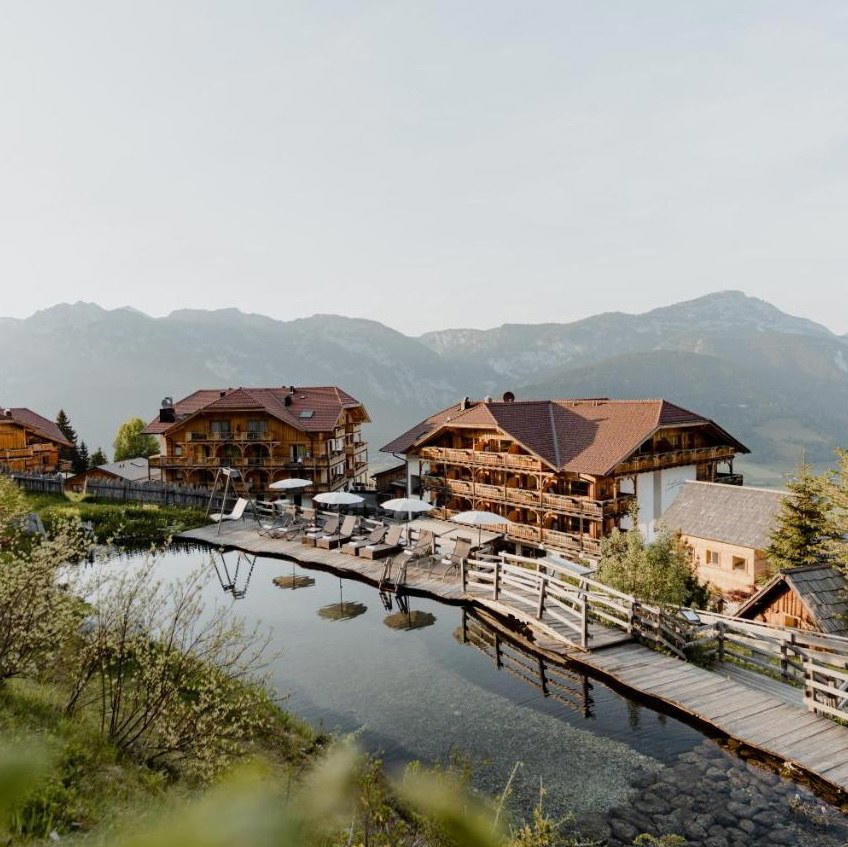
Tauplitz sits at roughly 900 metres above the Salzkammergut valley floor, a small village on the shelf of high ground above Bad Mitterndorf that attracts skiers in winter and hikers in the warmer months. The approach matters here. In alpine communities of this character, the walk or drive to a restaurant is part of the ritual: the cold air, the absence of ambient city noise, the way a lit window acquires a different weight when it is the only one visible. Zum Troadkastl, addressed at Tauplitz 335, occupies that kind of position.
This is the dining tradition of Austria's mountain interior, where the meal is rarely separated from the landscape that produced it. Across the Salzkammergut and the Styrian highlands, the format follows a logic quite different from urban tasting-menu culture: arrival is unhurried, portions are generous by metropolitan standards, and the pacing of service tends to follow the rhythm of the kitchen rather than a tightly managed cover-turn schedule. At venues operating in this register, alongside addresses like Goaßhittn and Schöni-Alm in the Bad Mitterndorf area, the experience is shaped as much by the building's relationship to its surroundings as by what appears on the plate.
The Name and What It Tells You
Troadkastl is Styrian dialect for a grain chest, the wooden storage box that was once a fixture of every working farmhouse in the region. As a name for a restaurant, it does specific cultural work. It positions the kitchen within an agrarian tradition rather than a cosmopolitan one, and it signals to the local guest, immediately, that the menu will draw on the larder of the surrounding hills rather than reaching outward for international reference points.
This kind of naming convention is not incidental in Austrian alpine hospitality. It places Zum Troadkastl in the same broad category as a long lineage of Gasthäuser and Alpengasthöfe that have defined the region's food culture for generations, where the measure of a kitchen is its fidelity to local ingredients and technique rather than its distance from convention. The contrast with destination restaurants built around a named chef's international career, such as Ikarus in Salzburg or Steirereck im Stadtpark in Vienna, is deliberate. Those kitchens look outward; a Troadkastl looks inward, toward the valley.
The Dining Ritual in the Austrian Alpine Register
In this part of Styria, the meal is not primarily a theatrical event. The ritual of eating at a Gasthaus of this character tends to begin with schnapps or a local aperitif, proceed through soup or a cold starter drawn from cured or pickled products, and arrive at a main course that is built around meat, most often pork, beef, or game, with roasted or braised vegetables and a starch that absorbs the cooking juices. The dessert, if ordered, is typically a sweet dumpling, a Strudel, or a Palatschinke, served without ceremony.
What distinguishes this format from the tasting-menu architecture found at Gourmetrestaurant Tannenhof in Sankt Anton am Arlberg or Griggeler Stuba in Lech is the absence of a scripted progression. Guests at a traditional Austrian alpine table are expected to construct their own meal from the menu rather than submit to a chef's predetermined sequence. The waiter takes your order once; adjustments are handled with good humour rather than precision; and the pace of service is calibrated to conversation rather than to a kitchen's plating schedule. For visitors more accustomed to the controlled environments of restaurants like Atomix in New York City, the shift in register is pronounced.
The social dimension of this ritual is also distinct. In the mountain Gasthof tradition, shared tables are common, particularly during peak season, and strangers may be seated together as a matter of course. This is not an oversight of hospitality but an expression of it: the meal is a communal act, and the room functions as a meeting point for the village and its visitors simultaneously. The atmosphere is earned through density and warmth rather than through designed intimacy.
Bad Mitterndorf's Dining Scene and Where Zum Troadkastl Sits
Bad Mitterndorf is a small spa and winter-sports town in the Styrian Salzkammergut whose restaurant offering is calibrated to a clientele that arrives primarily for the landscape. The local dining tier is dominated by Gasthäuser and Alpengasthöfe rather than formally positioned fine-dining rooms. The restaurant in Tauplitz operates in the same broad market as Schupfer's Dorfschmiede, where the proposition is grounded in regional cooking and local familiarity rather than in Michelin ambition.
Broader comparators for alpine Gasthaus cooking in Austria include Obauer in Werfen, which occupies the high end of this tradition, and Döllerer in Golling an der Salzach, where regional Salzburg produce is treated with fine-dining precision. The restaurant sits at a different point on that spectrum: more vernacular, more embedded in its immediate village context.
For reference, the wider Austrian mountain-restaurant category also includes kitchens that have built formal critical recognition from similar starting points: Kräuterreich by Vitus Winkler in Sankt Veit im Pongau, Landhaus Bacher in Mautern an der Donau, Ois in Neufelden, Restaurant 141 by Joachim Jaud in Mieming, Schwarzer Adler in Hall in Tirol, and Stüva in Ischgl. What separates the restaurant from that tier is not a deficiency but a different set of priorities. And at Le Bernardin in New York City, the comparison runs in the opposite direction: technical precision serves the fish; here, the setting serves the meal.
Style and Standing
Comparable venues nearby, for context on price, style, and recognition.
| Venue | Cuisine | Price | Notes |
|---|---|---|---|
| Zum TroadkastlThis venue — the venue you are viewing | Traditional Austrian Gastropub | $$ | Not listed |
| Schupfer's Dorfschmiede | Traditional Austrian with Innovative Twists | $$ | Bad Mitterndorf |
| Goaßhittn | Traditional Austrian Jause & Most | $ | Neuhofen |
| Schöni-Alm | Traditional Austrian Mountain Hut | $$ | Bad Mitterndorf |
| Stangl Alm | Traditional Tyrolean Alpine Cuisine | $$ | Oberndorf in Tirol |
| Buchsteinhaus | Traditional Austrian Regional Cuisine | $$ | Gesäuse National Park |
Continue exploring
More in Bad Mitterndorf
Restaurants in Bad Mitterndorf
Browse all →

Bars in Bad Mitterndorf
Browse all →
At a Glance
- Rustic
- Cozy
- Scenic
- Casual Hangout
- Brunch
- Terrace
- Organic
- Local Sourcing
- Mountain