Belétage

The more relaxed of Lukas Nagl's two restaurants at Hotel Post am See, Belétage trades fine-dining precision for a grounded, ingredient-led approach that still carries the kitchen's reputation for sourcing from the Salzkammergut region. Sitting at the heart of Traunkirchen's lakeside square, it is where the hotel's culinary ambitions meet everyday appetite, without the formality of its sibling operations.
Pearl is the En Primeur Club membership app — saves, bookings, and concierge access live there. Same editors, same standards.
- Address
- Ortspl. 5, 4801 Traunkirchen, Austria
- Phone
- +43 7617 2307
- Website
- hotel-post-traunkirchen.at
- Directions
- Get directions
 Saves & bookings on Pearl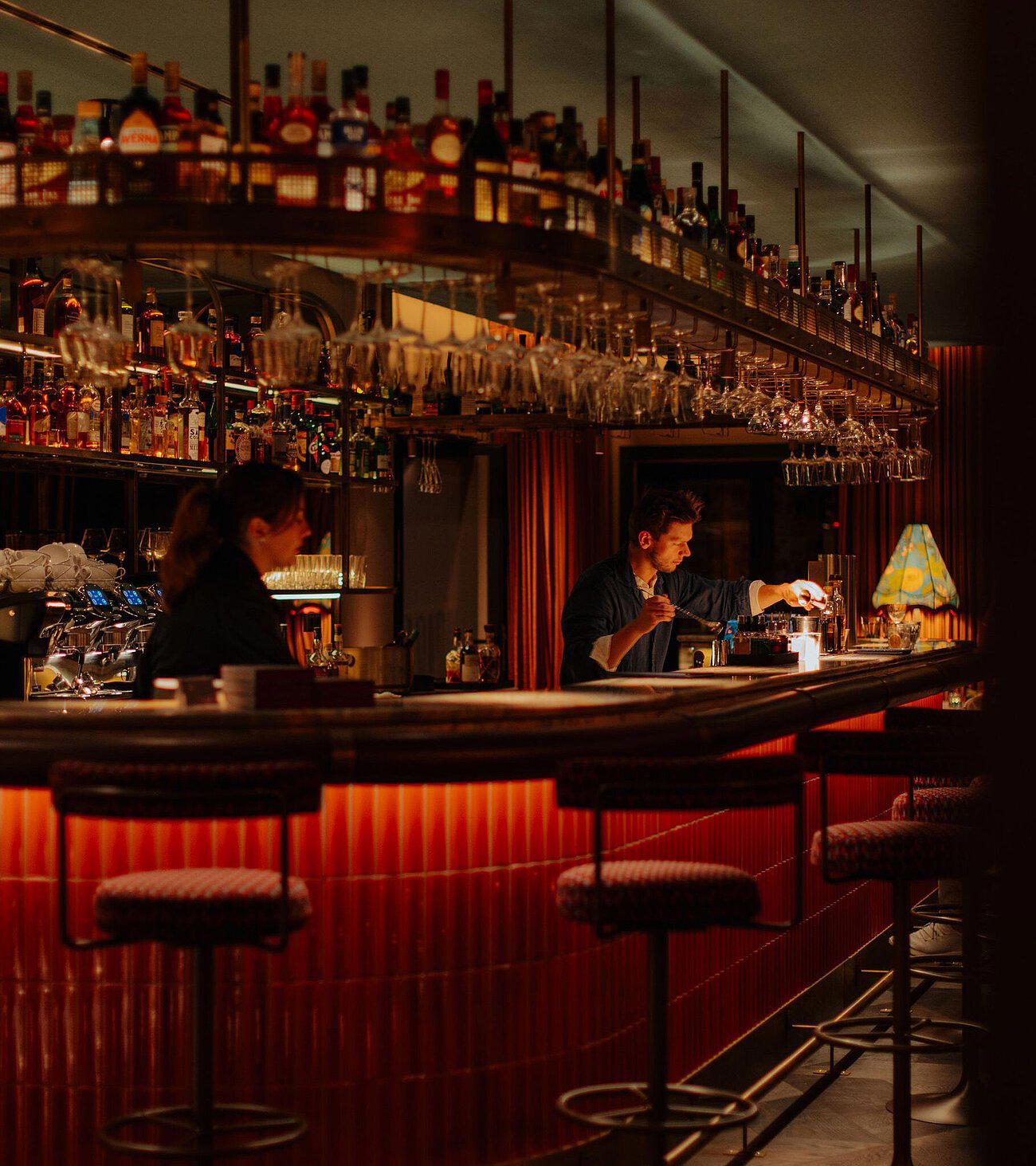
A Lakeside Square, a Hotel Dining Room, and a Different Kind of Ambition
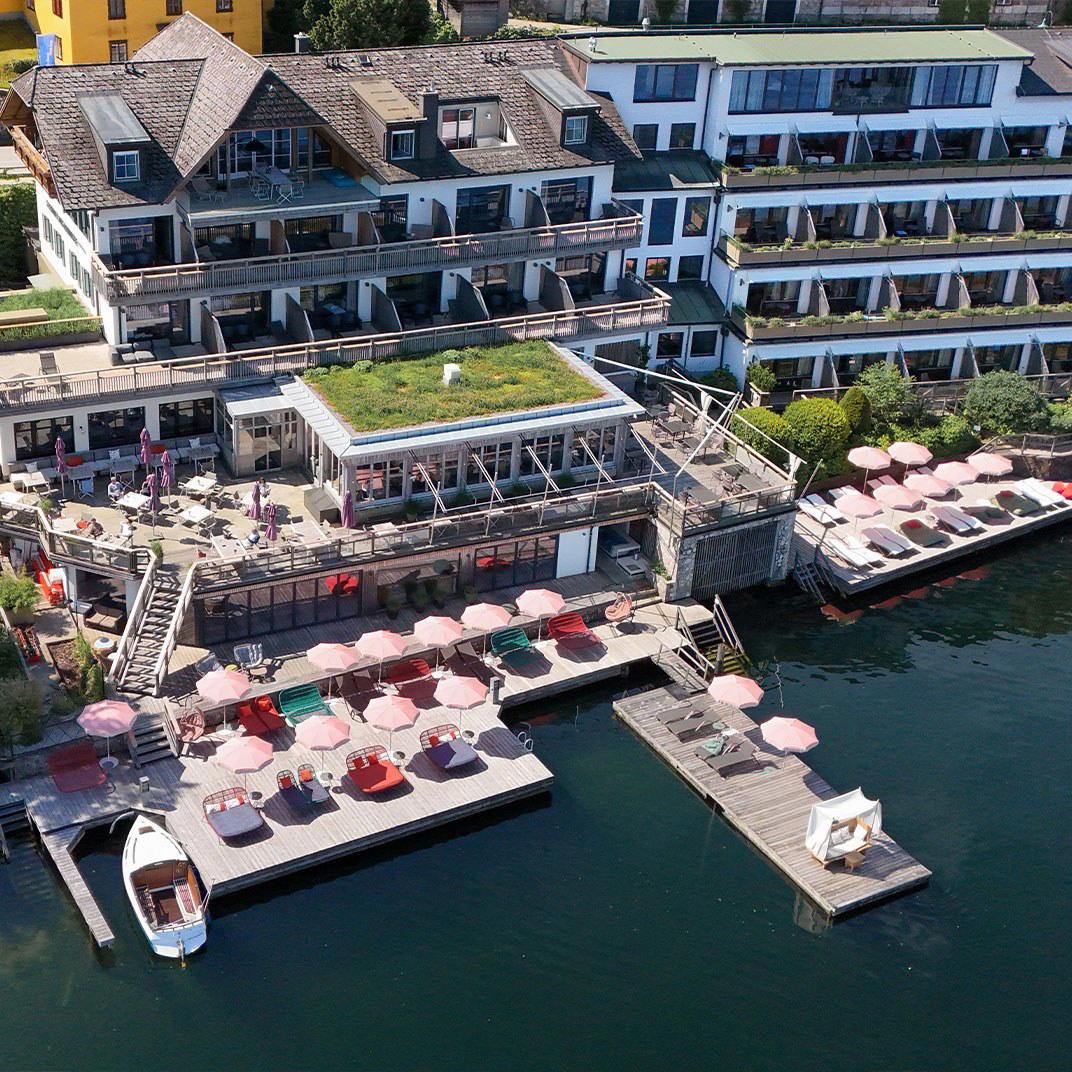
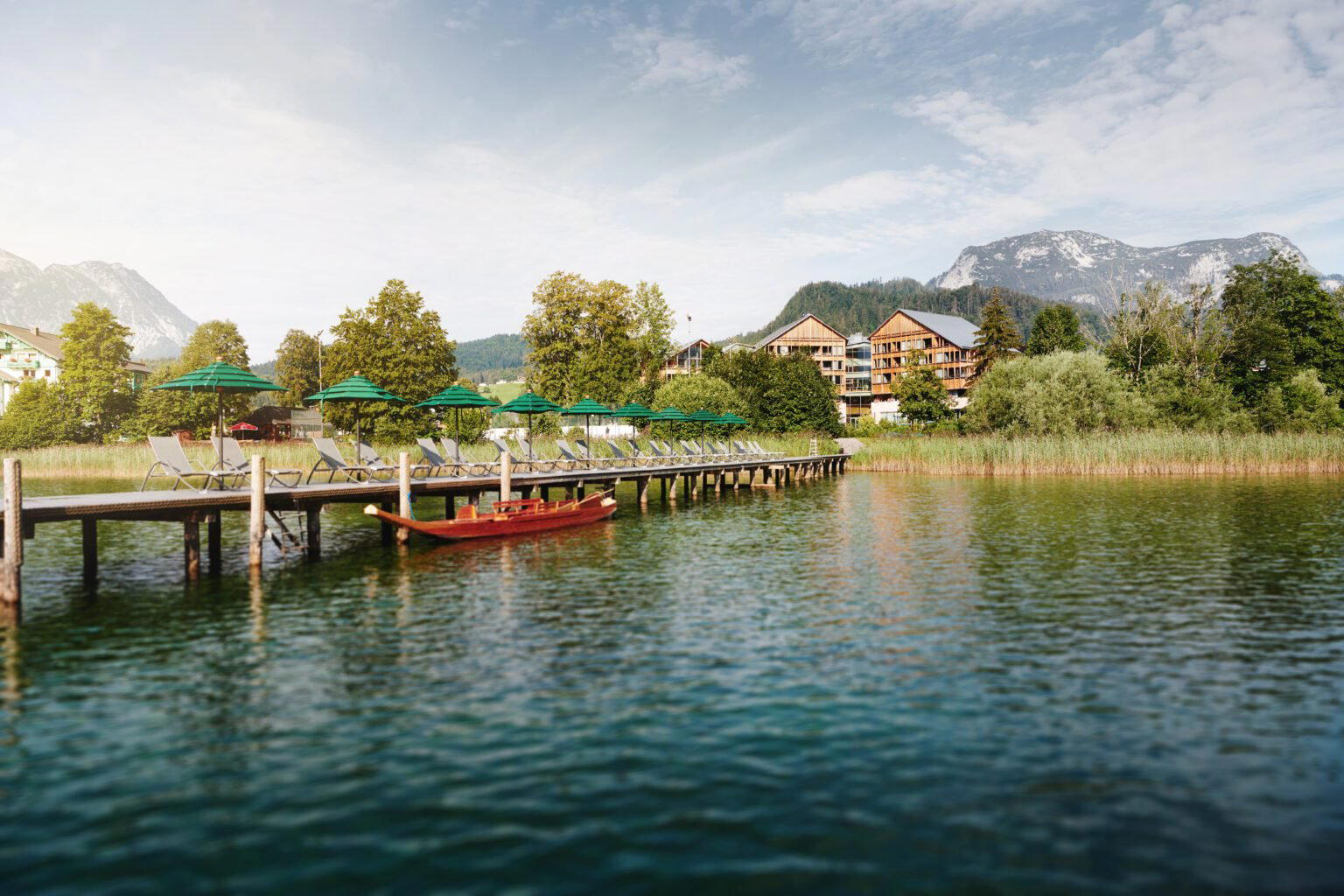
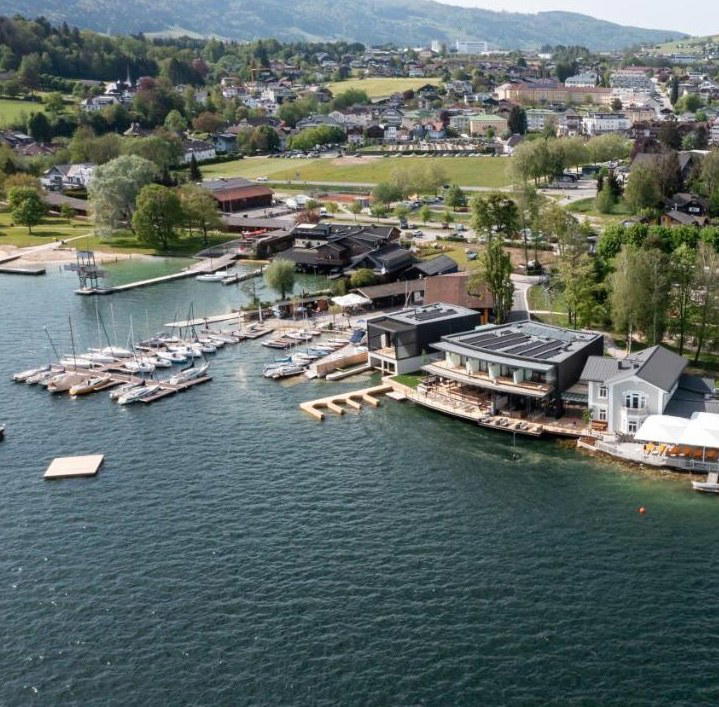
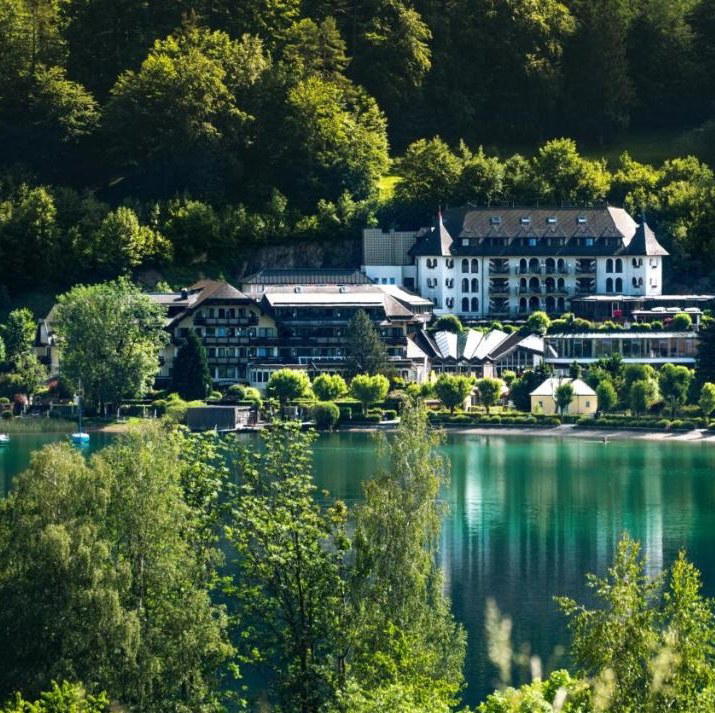
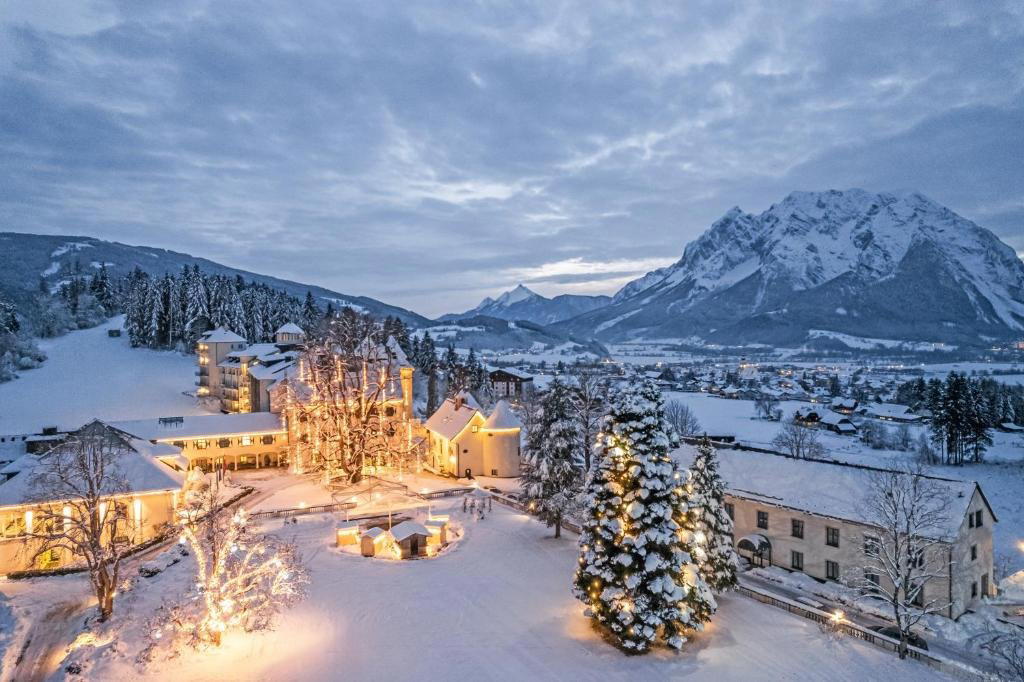
Traunkirchen sits on a narrow promontory extending into the Traunsee, one of the Salzkammergut's deeper and less trafficked lakes. The village is small enough that Ortsplatz, its central square, functions as the social and geographic centre of almost everything that happens here. Hotel Post am See occupies that square at address number five, and Belétage is the dining room that faces it. Before you consider what is on the plate, the physical setting already does significant editorial work: a hotel restaurant on a village square in alpine Austria carries certain expectations about what food and atmosphere should feel like.
Austria's premium dining scene has long been split between formal resort destinations, properties like Gourmetrestaurant Tannenhof in Sankt Anton am Arlberg or Griggeler Stuba in Lech, and the kind of urban fine-dining institutions represented by Steirereck im Stadtpark in Vienna. In between sits a quieter category: hotel restaurants in smaller communities where the kitchen carries genuine culinary credentials but chooses not to perform fine dining in the conventional sense. Belétage belongs to that middle register. The decision matters for anyone arriving here with calibrated expectations.
The Nagl Kitchen and Its Two Registers
Lukas Nagl is the named force behind the kitchen program at Hotel Post am See, and the way his culinary identity divides across the property tells you something useful about how serious regional cooking now organises itself. Bootshaus, his creative restaurant, operates at the precision end: a tighter format, a more demanding repertoire, a menu that signals its ambitions clearly. Belétage is the other register. The kitchen here is positioned as less about fine dining precision and more about a relaxed expression of the same culinary standards. It is where the sourcing philosophy and the regional intelligence of the same team express themselves in a more accessible, less structured format.
This division, one roof, two distinct dining modes, has precedents across Austrian hospitality. Landhaus Bacher in Mautern an der Donau and Obauer in Werfen both run programs where a lead kitchen voice moves between formal and informal registers depending on the room and the occasion. The logic is sound: not every guest at a lake hotel wants a structured tasting sequence at every meal, but they do want the same culinary seriousness applied to simpler food. Belétage is the answer to that demand.
Ingredients from the Salzkammergut
The Salzkammergut region is defined as much by its food culture as its geography. Lake fish, particularly Reinanke (lake whitefish) and Saibling (char), have been central to the area's diet for centuries, arriving directly from the cold, clear waters of the Traunsee and its neighbouring lakes. Alpine herbs, mountain dairy, and a short but productive growing season from the surrounding valleys complete the larder. Kitchens working in this tradition operate within a tight seasonal window and source from proximity by necessity as much as philosophy.
The approach has regional parallels in how kitchens like Kräuterreich by Vitus Winkler in Sankt Veit im Pongau or Ois in Neufelden have built their identities around hyper-local sourcing in Austrian regions that lack the international visibility of Tyrol or Vienna. For these kitchens, ingredient provenance is the story, not a supporting detail. At Belétage, that sourcing logic runs through the kitchen even in the more relaxed format, you are still eating food that reflects what the Salzkammergut produces, prepared by a team that has thought carefully about where those ingredients come from.
Contrast with farm-to-table operations at a different price point is instructive. 's Paul Restaurant, also in Traunkirchen and operating at a lower price tier, represents the accessible end of that regional-sourcing commitment. Belétage sits above it in formality and hotel context, but the sourcing geography overlaps. What separates them is execution depth and setting, not a fundamentally different relationship to local produce.
Where Belétage Sits in the Hotel
Post am See operates as the connective tissue between Belétage and Bootshaus, and the way a guest moves between these spaces reflects how the hotel has structured its food and beverage offer. Belétage functions as the everyday dining room: the place for breakfast service, for guests who want something substantial without ceremony, and for visitors to the village who arrive without the advance planning that Bootshaus requires. The hotel context shapes the experience in practical ways, a hotel restaurant on a lakeside square will always carry a certain ease of access and flexibility that a standalone reservation-only venue cannot.
For guests spending more than one night, the two-restaurant structure makes sense as a progression: Belétage on arrival, Bootshaus for the evening you planned in advance. For visitors covering wider Austrian territory, the combination is worth noting alongside other multi-format programs at Ikarus in Salzburg, where the format similarly reflects an ambition that doesn't reduce to a single register.
Planning a Visit
Traunkirchen is accessible from Gmunden by road along the western shore of the Traunsee, a short drive through lakeside villages that sets up the arrival well. The hotel sits directly on Ortsplatz, which means parking requires some advance thought during peak summer months when the village draws visitors from across the region. Belétage, operating within the hotel, functions on a more walk-in-friendly basis than Bootshaus, though guests staying at Post am See will find the logistics direct. For those building a broader Traunkirchen itinerary, the full Traunkirchen restaurants guide and the hotels guide both map the village's options clearly. Bars, wineries, and experiences in the area are covered in the bars guide, wineries guide, and experiences guide respectively.
Comparison Snapshot
Comparable venues nearby, for context on price, style, and recognition.
| Venue | Cuisine | Price | Awards | Notes |
|---|---|---|---|---|
| BelétageThis venue — the venue you are viewing | Modern Austrian Fine Dining with Japanese Influences | $$$$ | Not listed | Not listed |
| Post am See | Modern Austrian Pub Cuisine | $$$ | Not listed | Traunkirchen |
| Bootshaus | Modern Regional Austrian Fine Dining | $$$$ | Michelin 1 Star | Traunkirchen |
| 's Paul Restaurant | Modern Austrian Fine Dining | $$ | Bib Gourmand | Mitterndorf |
| AURUM | Modern Austrian Fine Dining | $$$$ | Michelin Plate | central Gmunden |
| Stefan Haas Fine Dine | Modern Alpine Seasonal Fine Dining | $$$$ | Michelin Plate | Altaussee |
Recognition history
Dated appearances from independent guides and award organizations, with the underlying list record or original source where available.
Star Wine List
Star Wine List
Continue exploring
More in Traunkirchen
Restaurants in Traunkirchen
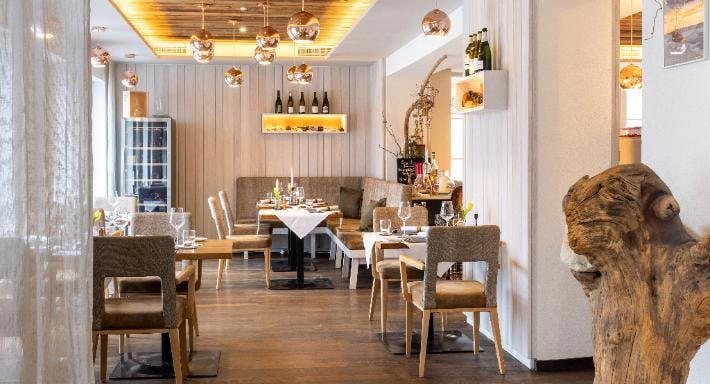
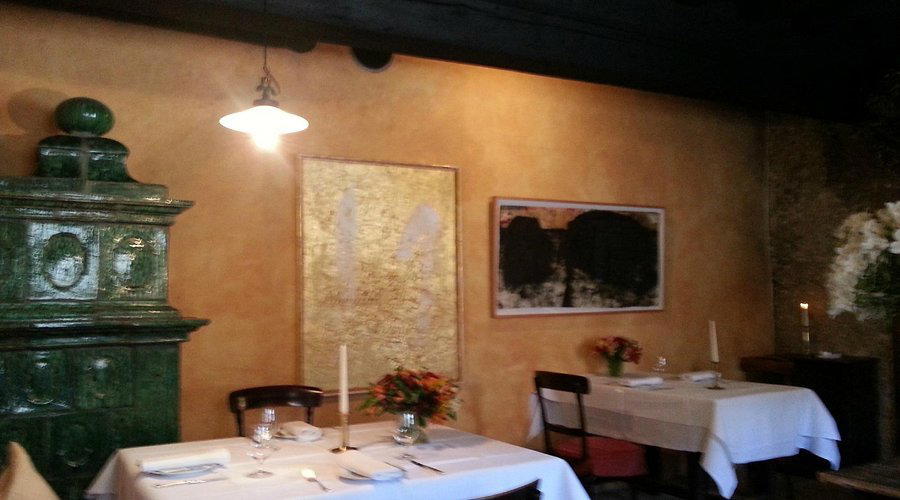
Browse all →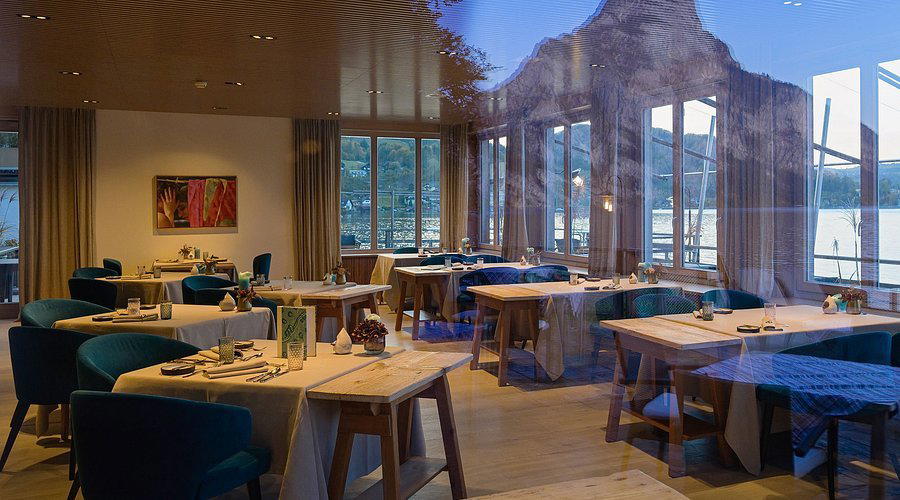
Bars in Traunkirchen
Browse all →
At a Glance
- Elegant
- Sophisticated
- Modern
- Cozy
- Date Night
- Special Occasion
- Celebration
- Open Kitchen
- Terrace
- Waterfront
- Hotel Restaurant
- Extensive Wine List
- Craft Cocktails
- Local Sourcing
- Waterfront
- Mountain
Current opening hours
- Monday
- 4 PM–12 AM
- Tuesday
- Closed
- Wednesday
- Closed
- Thursday
- 4 PM–12 AM
- Friday
- 4 PM–12 AM
- Saturday
- 4 PM–12 AM
- Sunday
- 4 PM–12 AM
Hours can change for holidays and private events. Last verified .
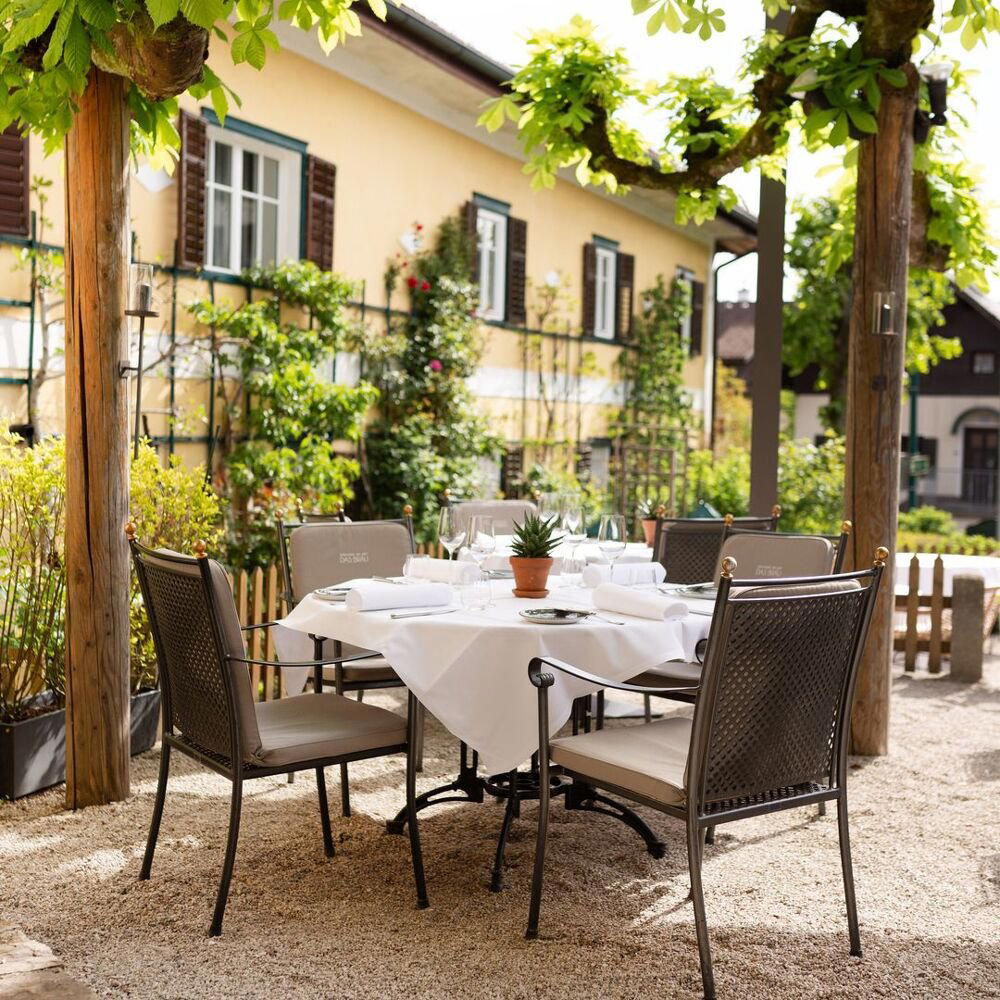
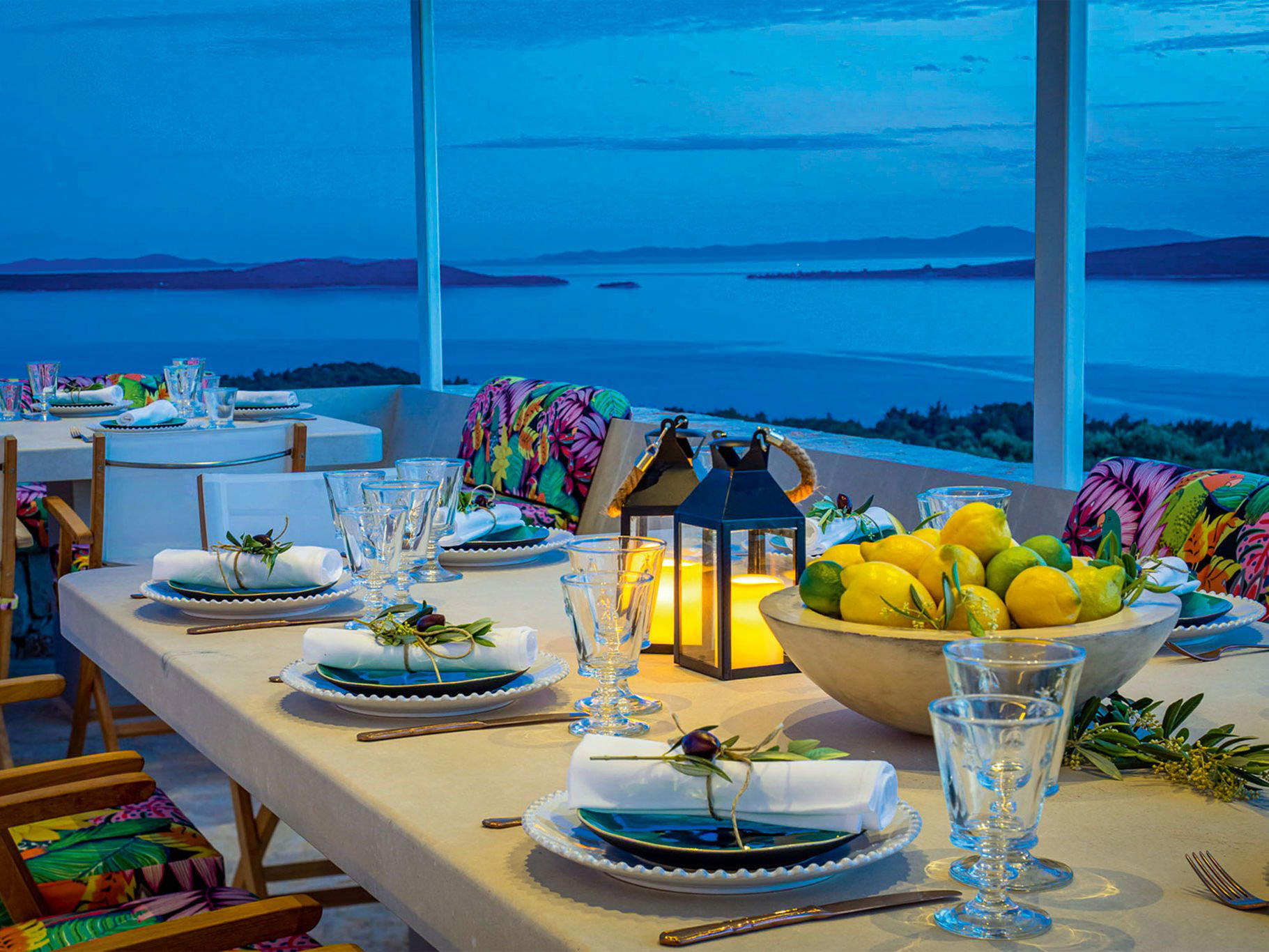
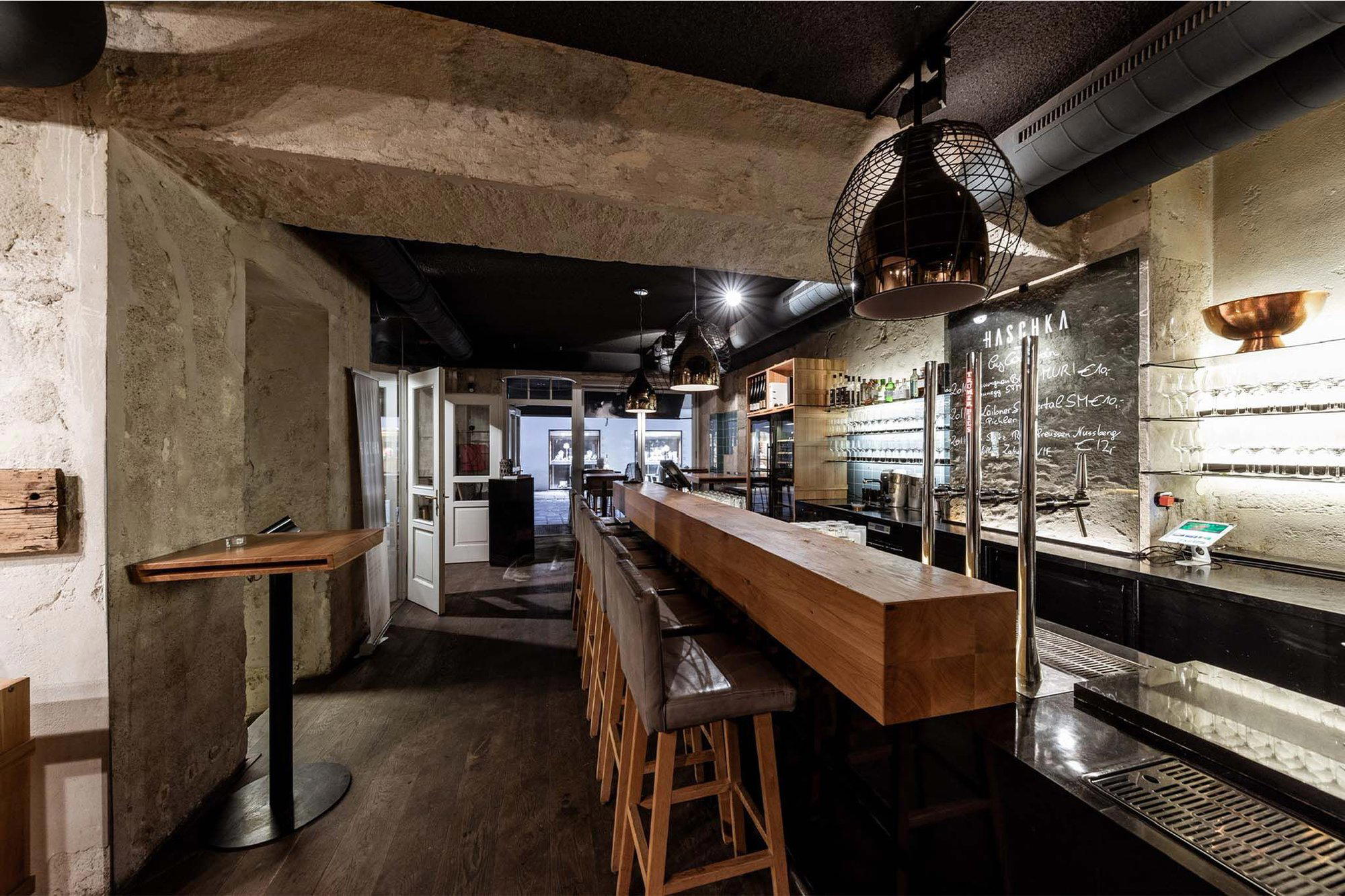
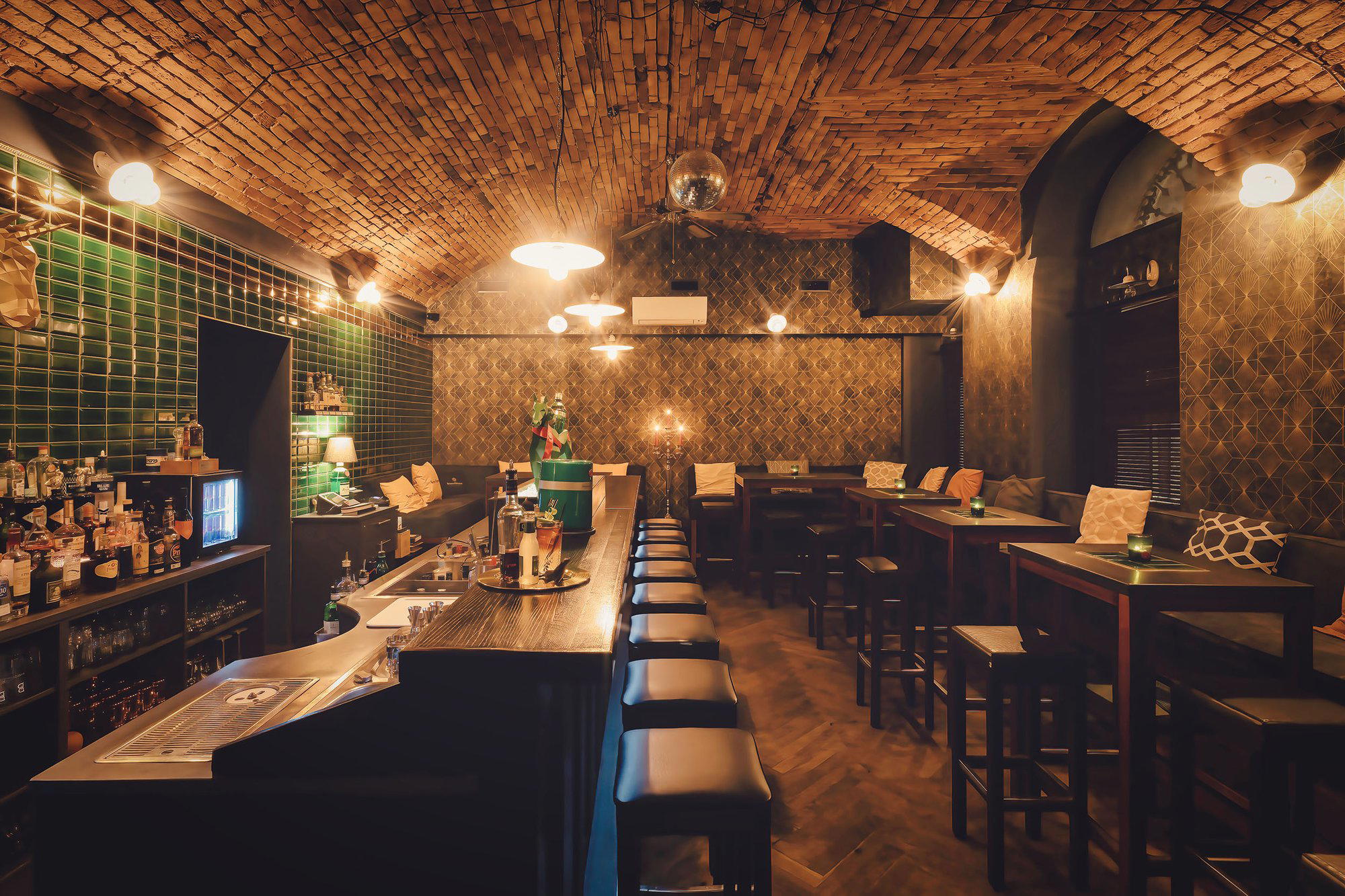
Relaxed elegant atmosphere with wooden floors, brass accents, marble tables, lake views from veranda, and lively energy from open wood-fired kitchen.