Bootshaus





Bootshaus holds a Michelin star and 94 points on La Liste at both its 2025 and 2026 editions, placing it among Austria's most consistently recognised creative tables. Set inside Das Traunsee hotel on the Traunkirchen peninsula, the restaurant's five- to seven-course set menu draws entirely on Salzkammergut producers, with lake fish, fermented flavours, and Japanese technique at its centre.
Pearl is the En Primeur Club membership app — saves, bookings, and concierge access live there. Same editors, same standards.
- Address
- Klosterpl. 4, 4801 Traunkirchen, Austria
- Phone
- +43 7617 2216
- Website
- dastraunsee.at
- Directions
- Get directions
 Saves & bookings on Pearl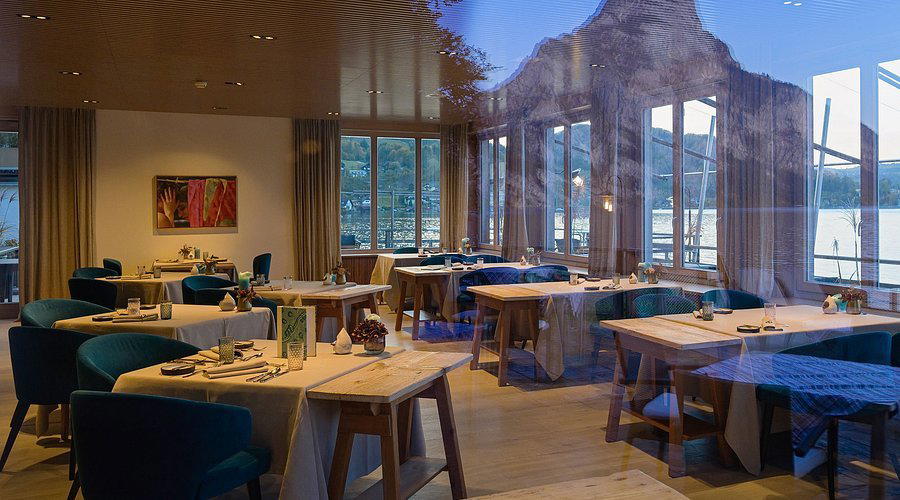
Where the Lake Dictates the Menu
The Salzkammergut lake district has always produced more than scenery. Its waters carry Arctic char and crayfish; its range of alpine meadow and cold-water lake creates a larder that is genuinely bounded by geography. At Bootshaus is a restaurant in Traunkirchen, Austria, on the Traunkirchen peninsula inside Das Traunsee hotel, and that geography is the organisational principle of the kitchen rather than a marketing footnote. Chef Lukas Nagl works within a strict regional radius, incorporating nothing sourced from beyond the immediate area, and the five- to seven-course set menu is structured entirely around what the Salzkammergut produces in a given season.
This kind of hard-line regionalism is not unusual in contemporary Austrian fine dining, Döllerer in Golling an der Salzach and Obauer in Werfen both operate within versions of this framework, but Bootshaus applies it with particular specificity to freshwater and lake-sourced ingredients. The result sits in a small peer group of Austrian restaurants where the procurement story and the plate are inseparable. Bootshaus holds a Michelin star (awarded 2024) and has scored 94 points on La Liste in both 2025 and 2026.
The Sourcing Framework That Shapes Every Course
Ingredient provenance at this level tends to fall into two camps: restaurants that list supplier names on the menu as a signal of intent, and restaurants that build their technique around what specific local sources actually yield. Bootshaus operates in the second camp. The crayfish in the set menu come from the River Traun, which flows directly into the Traunsee at Gmunden, a few kilometres from the restaurant. The Arctic char is sourced from the same cold lake system. These are not interchangeable premium proteins selected for consistency; they are ingredients that carry the mineral character of specific alpine water and require kitchen decisions to be made around their particular qualities.
Nagl's approach to these ingredients incorporates fermentation and Japanese technique, two methods that share a logic of controlled restraint and extended time. Fermented flavours amplify the natural depth of freshwater fish without importing external complexity; Japanese-influenced preparation respects texture and translucency in ways that heavier Central European cooking often does not. The combination produces a menu that reads as regional but operates through a technical framework borrowed from outside the Alps. For context, this kind of cross-cultural method applied to hyper-local sourcing has parallels at Arpège in Paris, where the vegetable garden provides the constraint and classical French technique is filtered through a personal lens, or at Alléno Paris au Pavillon Ledoyen, where extraction and fermentation are used to concentrate terroir rather than mask it.
Within Austria, the broader creative category spans a wide range. Steirereck im Stadtpark in Vienna holds three Michelin stars and operates with the resources of a large urban institution; Ikarus in Salzburg rotates visiting chefs through a flagship format. Bootshaus sits in a different register entirely: a relatively small restaurant in a hotel in a town of under a thousand residents, building its case through depth of sourcing rather than scale or programme diversity. That positioning is a choice, and the consistent La Liste recognition across two consecutive years suggests it is working. Other Austrian addresses working in related territory, regional focus, creative technique, fine dining format, include Kräuterreich by Vitus Winkler in Sankt Veit im Pongau and Ois in Neufelden.
The Setting on the Peninsula
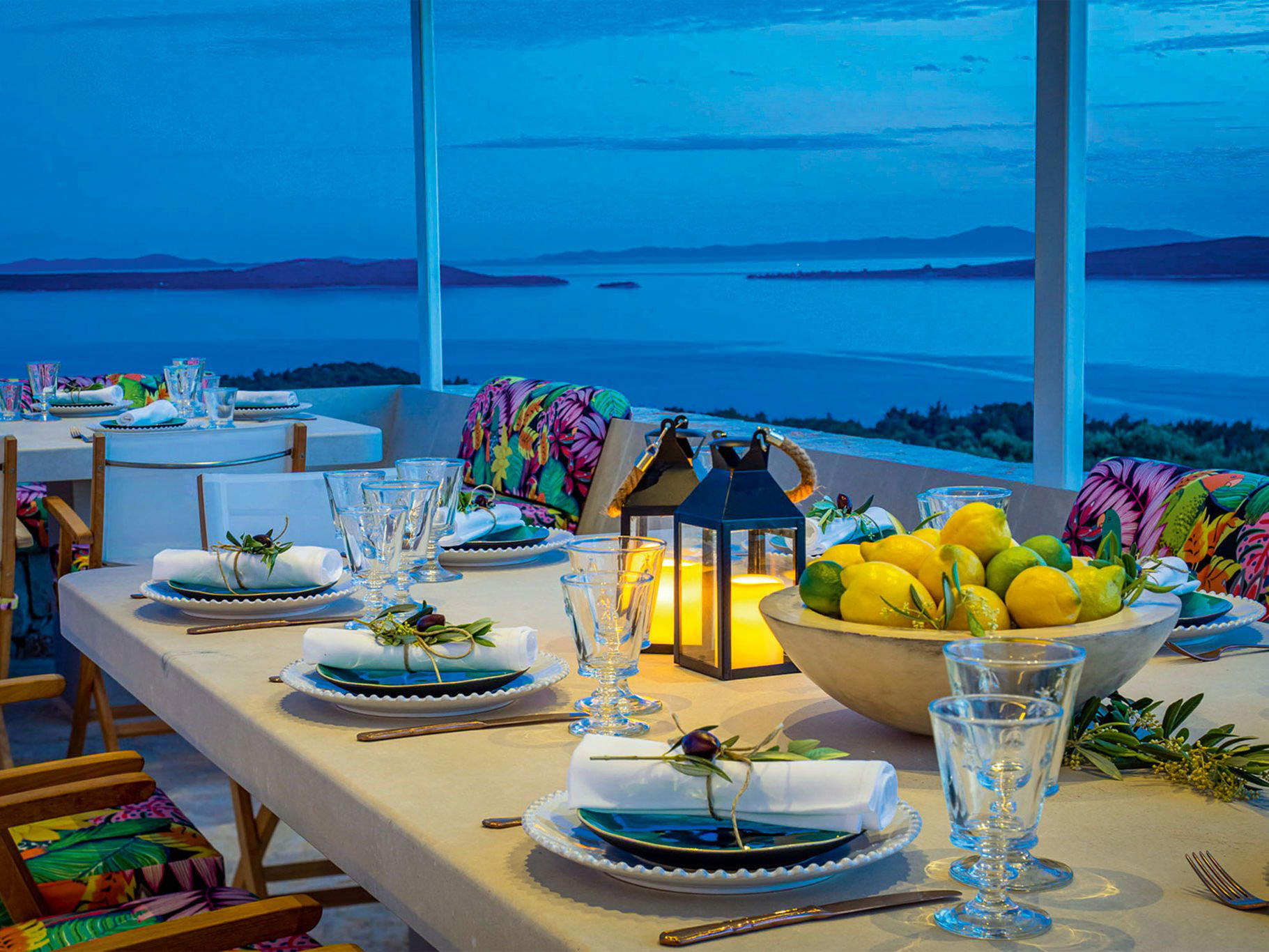
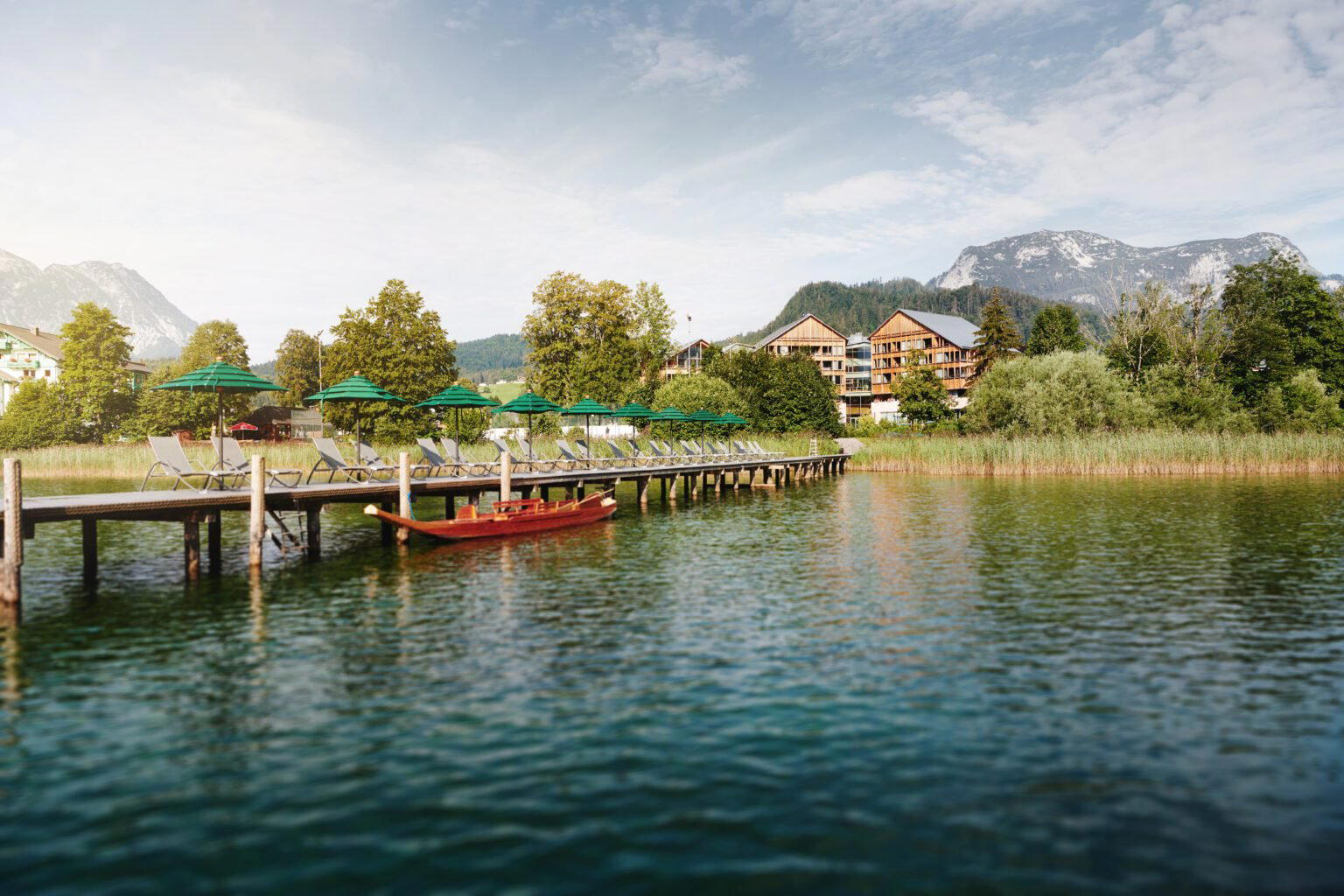
The physical setting carries its own argument. The restaurant faces the Traunsee directly, with large windows along the lakeside elevation and a terrace that operates as a separate dining environment when conditions allow. The view from the table is not incidental to the experience: it places the diner in direct visual contact with the water system that the kitchen is drawing from. That continuity between source and setting is something that urban fine dining cannot replicate regardless of procurement ambition.
The Traunkirchen peninsula is a small promontory that pushes into the lake, with the village built around the site of a former Benedictine convent. The address, Klosterplatz 4, reflects that ecclesiastical history. The hotel that houses Bootshaus, Das Traunsee, occupies the lakeside position on the peninsula, and the restaurant's terrace extends toward the water. Arriving by boat, which is possible given the Traunsee ferry and water-taxi services that connect the lake's settlements, amplifies the logic of a menu built on what the lake provides. For those travelling by road, Traunkirchen sits approximately 50 kilometres east of Salzburg and roughly 200 kilometres west of Vienna, accessible via the A1 motorway with a turn south toward the Salzkammergut.
Service, Format, and What to Expect
Set menu runs five to seven courses, which places Bootshaus in the mid-length range for Austrian fine dining at this price point. The €€€€ price band aligns it with peers such as Landhaus Bacher in Mautern an der Donau and Gourmetrestaurant Tannenhof in Sankt Anton am Arlberg, restaurants at the upper end of the Austrian regional fine dining tier. The service at Bootshaus is noted in La Liste documentation as attentive and notably friendly, a distinction that matters at this price level, where formality sometimes competes with warmth. A dinner here does not require the ceremonial register of a three-star urban room.
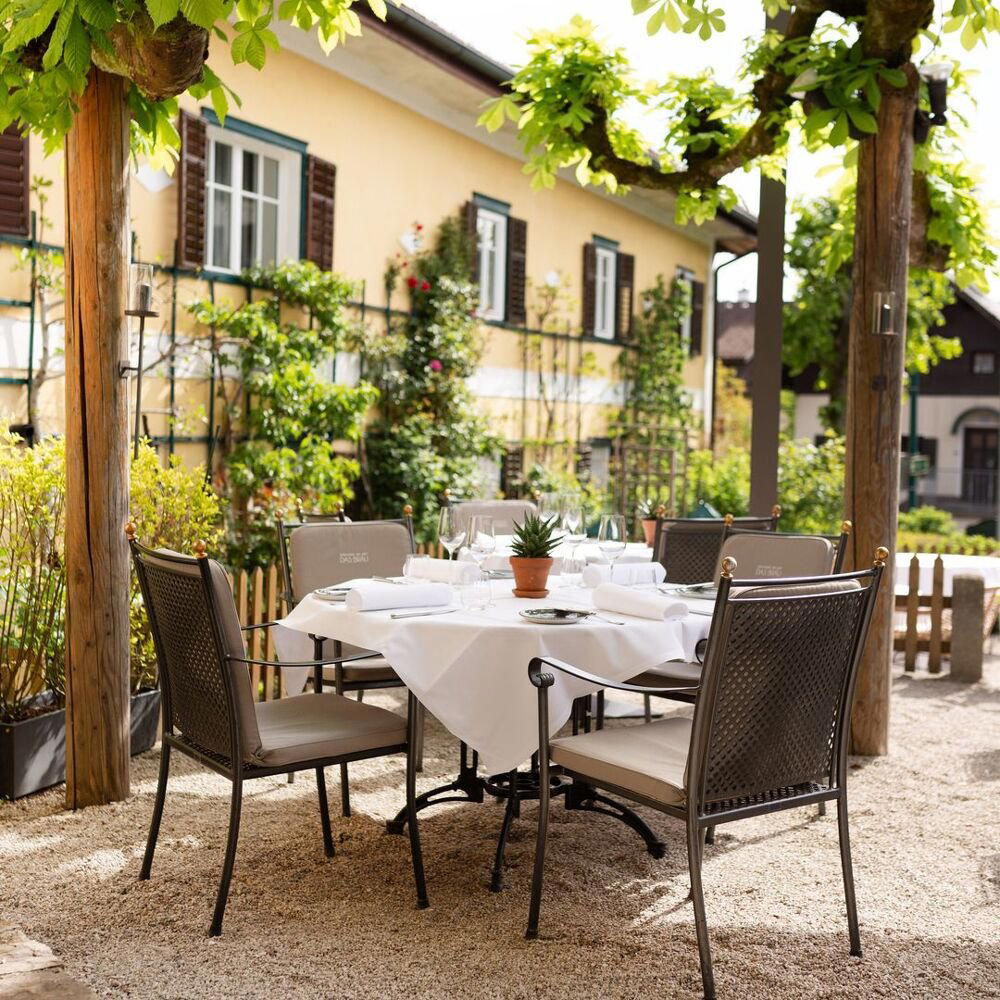
Booking in advance is essential, particularly for terrace seats during summer. The hotel setting means that some guests are already on-site, which compresses availability for external reservations during peak season. Traunkirchen itself has a limited dining scene, for the broader context of what the town and its surrounds offer, Nearby, S' Paul Restaurant represents the farm-to-table end of the local spectrum.
Elsewhere in the Austrian Alps, comparable fine dining destinations worth pairing into a wider itinerary include Griggeler Stuba in Lech and Restaurant 141 by Joachim Jaud in Mieming, both operating in the upper tier of alpine creative dining.
What the Recognition Means in Practice
A Michelin star awarded in 2024, combined with 94 La Liste points held across two consecutive years, signals something more durable than a discovery-year story. La Liste's scoring methodology weighs aggregated critic and diner responses internationally, which means the 94-point score reflects recognition that extends beyond the domestic Austrian guide circuit. For a restaurant in a town of this size, operating without the infrastructure of a metropolitan dining scene, that consistency is the more useful data point than either award in isolation. It positions Bootshaus not as a regional curiosity but as a table that competes, on its own terms, with the better-resourced creative restaurants in Austria's larger cities.
Budget and Context
Comparable venues nearby, for context on price, style, and recognition.
| Venue | Cuisine | Price | Awards | Notes |
|---|---|---|---|---|
| BootshausThis venue — the venue you are viewing | Creative | $$$$ | Michelin 1 Star | Not listed |
| 's Paul Restaurant | Mitterndorf, Modern Austrian Fine Dining | $$ | Bib Gourmand | Not listed |
| Post am See | Not listed | $$$ | Not listed | Traunkirchen, Modern Austrian Pub Cuisine |
| Paula | Not listed | $$$$ | Michelin 1 Star | Sankt Wolfgang im Salzkammergut, Modern European Fine Dining |
| Mesnerhaus | Not listed | $$$$ | Michelin 1 Star | Markt, Modern Austrian Seasonal Fine Dining |
Recognition history
Dated appearances from independent guides and award organizations, with the underlying list record or original source where available.
Falstaff Restaurant - 99 Falstaff Points
Falstaff
La Liste Top Restaurants
La Liste
Michelin 1 Star
Michelin
Opinionated About Dining Top Restaurants in Europe Recommended
Opinionated About Dining
Opinionated About Dining Newly Added European Restaurants
Opinionated About Dining
La Liste Top Restaurants
La Liste
Michelin 1 Star
Michelin
The Best Chef One Knife
The Best Chef
Michelin 1 Star
Michelin
Continue exploring
More in Traunkirchen
Restaurants in Traunkirchen
Browse all →
Bars in Traunkirchen
Browse all →
Hotels in Traunkirchen
Browse all →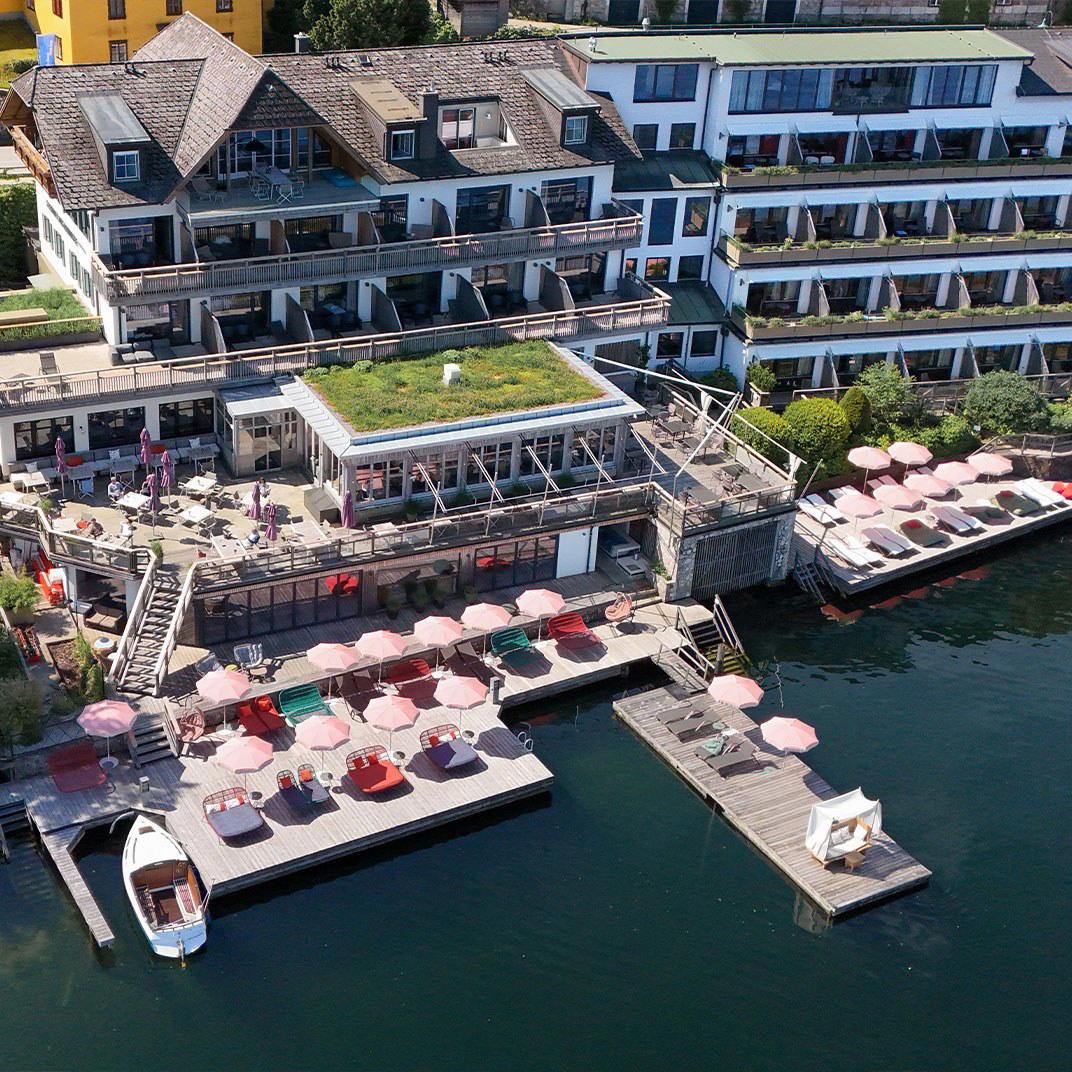
Wineries in Traunkirchen
Browse all →
At a Glance
- Modern
- Cozy
- Elegant
- Scenic
- Date Night
- Special Occasion
- Celebration
- Waterfront
- Open Kitchen
- Extensive Wine List
- Sommelier Led
- Local Sourcing
- Waterfront
- Mountain
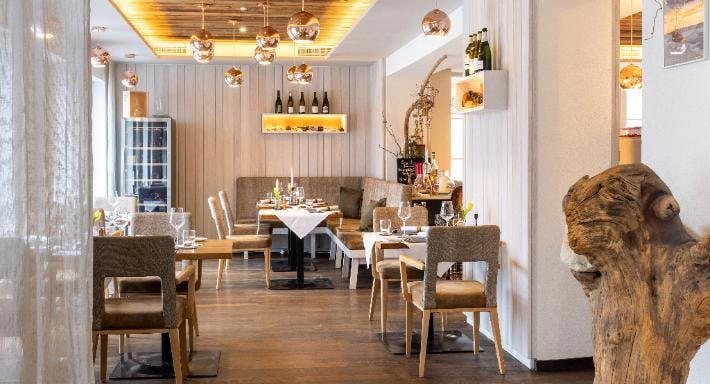
Modern-cozy atmosphere with floor-to-ceiling windows offering dramatic lake and mountain views, warm attentive service.