Schupfer's Dorfschmiede
Schupfer's Dorfschmiede occupies a converted forge building at the heart of Bad Mitterndorf, a small spa and ski town in the Styrian Salzkammergut. The address places it squarely in the tradition of Austrian alpine village dining, where the setting and the regional cooking are inseparable. For visitors to the area, it sits alongside local alternatives including Goaßhittn, Schöni-Alm, and Zum Troadkastl.
Pearl is the En Primeur Club membership app — saves, bookings, and concierge access live there. Same editors, same standards.
- Address
- Bad Mitterndorf 56, 8983 Bad Mitterndorf, Austria
- Phone
- +43362329717
- Website
- schupfers-dorfschmiede.at
- Directions
- Get directions
 Saves & bookings on Pearl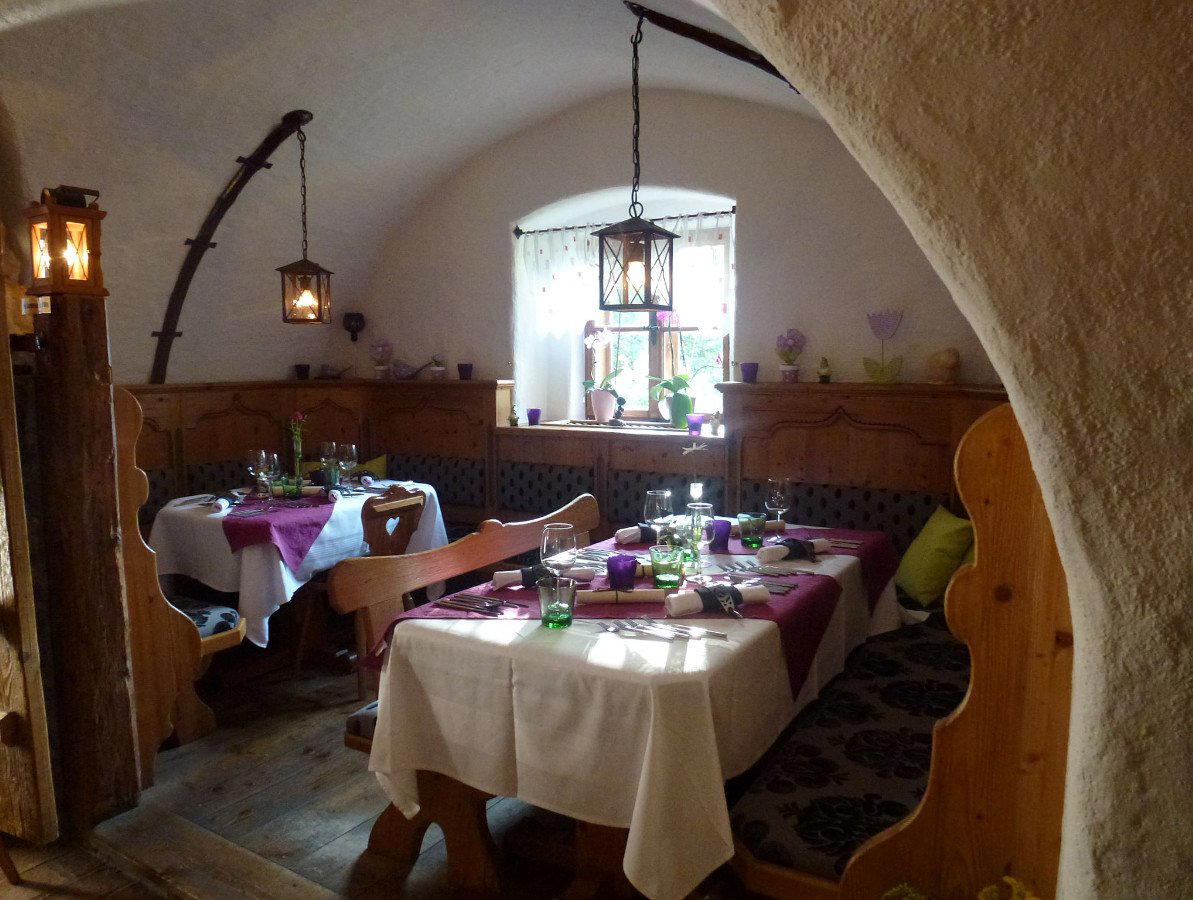
A Converted Forge in the Styrian Salzkammergut
Schupfer's Dorfschmiede is a restaurant in Bad Mitterndorf, Austria, serving Traditional Austrian with Innovative Twists at about $35 per person. Dorfschmiede means village forge, and the building at Bad Mitterndorf 56 carries that history in its bones. The Salzkammergut region of Styria has spent centuries at a crossroads between the salt trade, alpine agriculture, and spa culture, and the kind of inn or tavern that occupies a repurposed working building is one of the more durable expressions of that layered history. In a town like Bad Mitterndorf, where thermal bathing at Grimming Therme and winter skiing on the Tauplitz plateau drive the visitor economy, the village centre restaurants hold a different cultural weight than resort dining rooms designed for transient guests. They serve the community across seasons, not just peak weeks.
That distinction matters when reading the dining scene here. Bad Mitterndorf sits at roughly 800 metres elevation in a valley flanked by the Grimming massif and the Totes Gebirge, and its restaurant culture reflects the practical traditions of an alpine farming and market town rather than the high-spend ski resort model you find at, say, the Arlberg or Ischgl. Venues like Goaßhittn, Schöni-Alm, and Zum Troadkastl each occupy a version of this regional vernacular. Schupfer's Dorfschmiede sits inside the same tradition.
Styrian Cooking and What It Means in Practice
Styria is the Austrian province most associated with a distinct culinary identity. The combination of pumpkin seed oil, freshwater fish from the Mur and Enns river systems, slow-cooked game, and a dairy tradition tied closely to alpine grazing land gives Styrian cooking a character that differs from Viennese cuisine in both technique and ingredient sourcing. The province has produced some of Austria's most recognised restaurants: Steirereck im Stadtpark in Vienna and Landhaus Bacher in Mautern an der Donau both draw on Styrian and broader Austrian regional traditions in ways that have earned sustained critical attention. But the more immediate expression of Styrian cooking is found in exactly the kind of village address that Schupfer's Dorfschmiede represents.
In the alpine zone of the Salzkammergut, that expression tends toward hearty preparation: schnitzel cut thick, soups built on bone stock, Steirisches Wurzelfleisch (root vegetable and pork), and seasonal mushrooms gathered from the surrounding forests. The proximity to the Enns valley also brings trout and char into the repertoire with a frequency you do not find in flatter parts of Styria. None of this is architecture-led gastronomy in the mode of Ikarus in Salzburg or Obauer in Werfen. It is food made to feed people who have been outdoors in cold air, and that function gives it a directness that is worth appreciating on its own terms.
The Role of the Village Restaurant in the Austrian Alps
Austria's alpine dining scene has two parallel tracks that rarely intersect. One runs through the resort-hotel dining rooms and the Michelin-recognised addresses: Gourmetrestaurant Tannenhof in Sankt Anton am Arlberg, Griggeler Stuba in Lech, Stüva in Ischgl, and Schwarzer Adler in Hall in Tirol all operate in a tier where wine lists are curated, tasting menus extend over multiple courses, and booking requires planning weeks in advance. The other track runs through village Gasthäuser and converted rural buildings where the cooking is regional, the portions are generous, and the clientele is local as much as visiting.
The restaurant belongs to the second track. That positioning is not a concession; it is a different proposition. The cultural function of a Dorfschmiede-type establishment in a small alpine market town is to anchor community life across a full year, serving weekday lunches for working locals and weekend dinners for families alongside ski-season or spa-season visitors. This is how alpine food culture has worked for generations in towns like Bad Mitterndorf, and it produces a register of hospitality that more formal dining rooms rarely replicate.
For context on how the broader Austrian alpine dining tradition spans from village level to recognised fine dining, the full Bad Mitterndorf restaurants guide maps the local options, while addresses like Kräuterreich by Vitus Winkler in Sankt Veit im Pongau, Restaurant 141 by Joachim Jaud in Mieming, and Ois in Neufelden show the direction that regionally committed cooking takes when it moves toward a more ambitious format. Döllerer in Golling an der Salzach is the clearest example of a restaurant that bridges both registers, using the alpine larder with fine-dining precision. And for reference points beyond Austria entirely, Le Bernardin in New York City and Atomix in New York City illustrate how different culinary traditions anchor themselves in place with similar conviction, at opposite ends of the formality spectrum.
Planning a Visit
Bad Mitterndorf is accessible by regional rail from Stainach-Irdning on the Salzkammergut line, with the town centre a short walk from the station. The address at Bad Mitterndorf 56 places the restaurant centrally within the village. Plan ahead: reservations are essential, and the restaurant is open Monday, Thursday through Sunday from 5 to 10 PM. Alpine village restaurants of this type frequently operate with seasonal hours that are adjusted around local events, ski season calendar peaks, and regional public holidays. Arriving without a confirmed plan is a reasonable gamble in summer; in the depths of winter or during the Tauplitz ski peak, it is less so.
Price and Positioning
Comparable venues nearby, for context on price, style, and recognition.
| Venue | Cuisine | Price | Notes |
|---|---|---|---|
| Schupfer's DorfschmiedeThis venue — the venue you are viewing | Not listed | $$ | Not listed |
| Schöni-Alm | Not listed | $$ | Bad Mitterndorf, Traditional Austrian Mountain Hut |
| Zum Troadkastl | Tauplitz, Traditional Austrian Gastropub | $$ | Not listed |
| Goaßhittn | Not listed | $ | Neuhofen, Traditional Austrian Jause & Most |
| Seiterhütte | Not listed | $$ | Rohrmoos-Untertal, Traditional Styrian Mountain Hut |
| Restaurant & Cafe Passhöhe | Hohentauern, Authentic Austrian | $$ | Not listed |
Continue exploring
More in Bad Mitterndorf
Restaurants in Bad Mitterndorf
Browse all →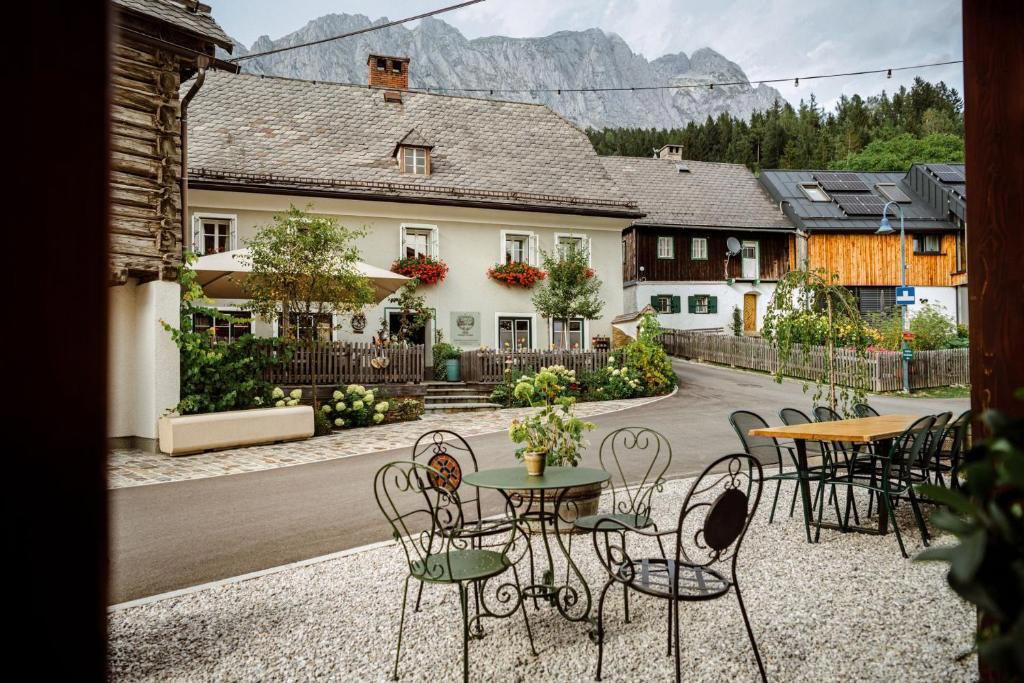

Bars in Bad Mitterndorf
Browse all →

At a Glance
- Rustic
- Cozy
- Intimate
- Special Occasion
- Date Night
- Historic Building
- Local Sourcing
Current opening hours
- Monday
- 5–10 PM
- Tuesday
- Closed
- Wednesday
- Closed
- Thursday
- 5–10 PM
- Friday
- 5–10 PM
- Saturday
- 5–10 PM
- Sunday
- 5–10 PM
Hours can change for holidays and private events. Last verified .
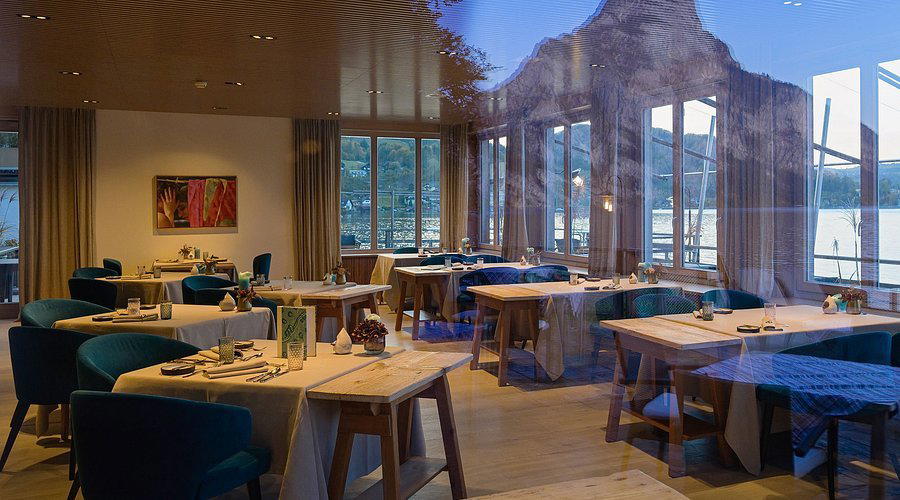
Heimelig (cozy) and urig (rustic) atmosphere ideal for gemütliches Beisammensein, with a cave pub-like feel.