Our verdict
Buchsteinhaus sits in the Gesäuse National Park above Admont, occupying a position where alpine terrain and seasonal availability govern what reaches the table. For those moving through Styria's interior, it represents a stopping point shaped more by geography than gastronomy convention.

Pearl is the En Primeur Club membership app, where members save venues, book tables and use the concierge.
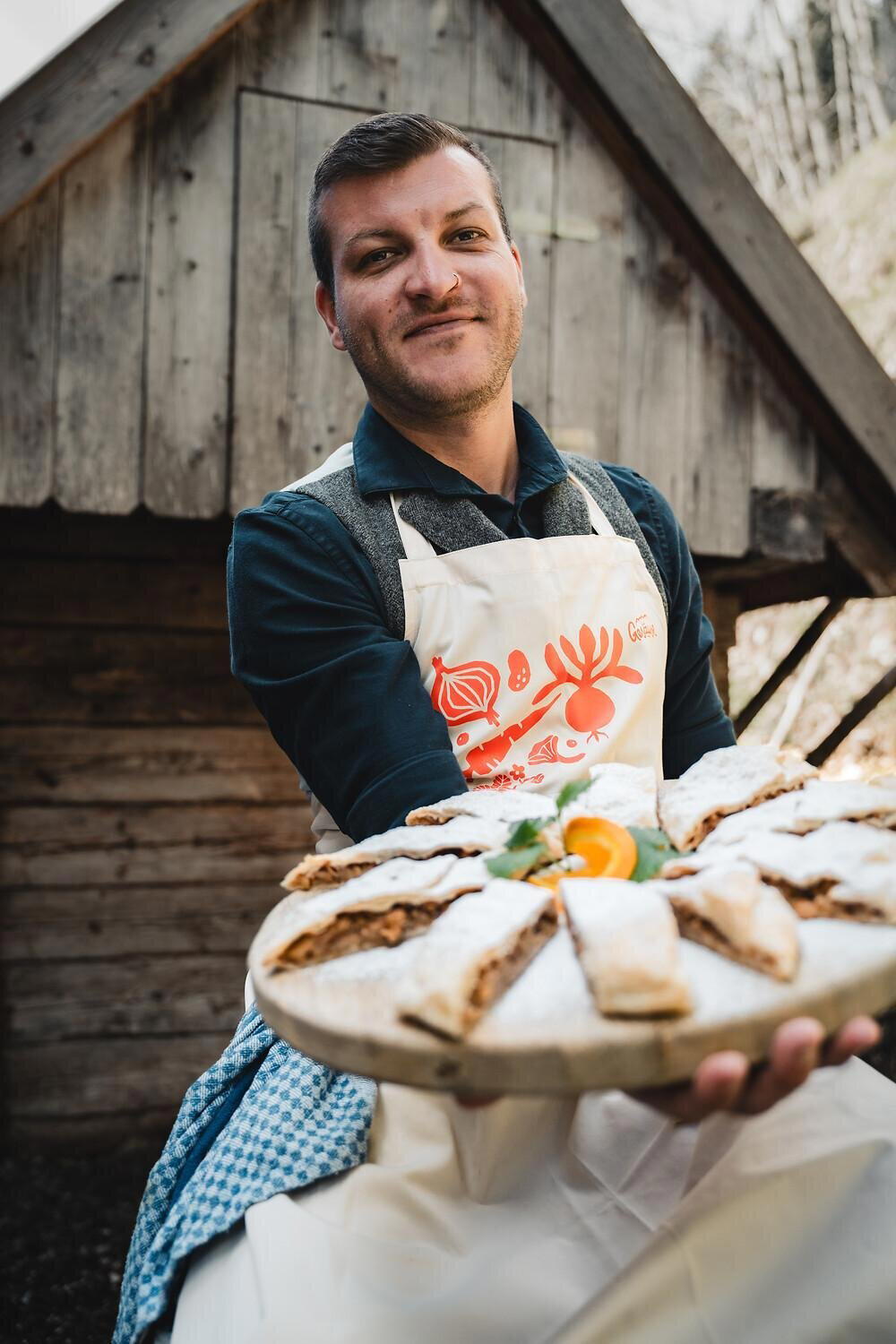
The menu
What to order
- Regional specialties
- Local dishes
Where the Gesäuse Sets the Menu
The approach to Buchsteinhaus establishes the terms of the meal before anything reaches the table. Driving in from Admont, the scale of the surrounding peaks compresses the road and the handful of buildings at its end. What you encounter at Buchsteinhaus is shaped entirely by that geography: a mountain refuge operating where the surrounding national park determines what ingredients are available, in what quantities, and for how long in any given season. In a national park setting, proximity to foraging territory, local hunters, and high-altitude pasture is not a marketing premise; it is a structural constraint that produces a genuinely different table.enprimeurclub.com/restaurants/steirereck-im-stadtpark-vienna-restaurant">Steirereck im Stadtpark in Vienna and in the regions by Döllerer in Golling an der Salzach, has increasingly anchored itself to regional sourcing as a philosophical position. At a Gesäuse refuge, that sourcing is simply geography.
Ingredient Logic at Altitude
The Gesäuse National Park, designated in 2002, covers roughly 11,000 hectares of largely untouched alpine terrain. Foraging within and around protected zones follows strict seasonal windows, and game from the surrounding area operates under national park management that limits volume and timing. These constraints shape what a kitchen here can reasonably offer: wild herbs during the short alpine summer, mushrooms through autumn, game through the hunting season, and dairy from high-altitude pastures that graze on wildflower meadows rather than lowland feed. The flavour profiles that result from this kind of sourcing are measurably different from what arrives via conventional distribution, and the difference is most legible in fat content, aromatics, and the concentration of flavour in smaller cuts. Places like Kräuterreich by Vitus Winkler in Sankt Veit im Pongau have built full tasting programs around herb gardens and alpine foraging, turning geographic constraint into explicit editorial identity. Obauer in Werfen has sustained a decades-long sourcing relationship with Salzburg's immediate alpine hinterland. What Buchsteinhaus shares with those addresses is the underlying principle: altitude and protected-land designation as a sourcing filter, not an inconvenience.
The Atmosphere of a Working Refuge
Buchsteinhaus is not a destination restaurant in the conventional sense. It operates as a Schutzhaus, a protected hut maintained for hikers and climbers working the Gesäuse routes, and the dining room functions accordingly. The atmosphere is determined by who is in the room: trail runners finishing a long descent, families who have driven up from Admont, occasional overnight guests using the hut as a base for multi-day traverses.
That positioning is worth understanding before arrival. The dining traditions of rural Styria have always operated on a spectrum between the stripped-back hut and the dressed-up Wirtshaus, and Buchsteinhaus sits toward the former.enprimeurclub.com/restaurants/schwarzer-adler-hall-in-tirol-restaurant">Schwarzer Adler in Hall in Tirol and Gourmetrestaurant Tannenhof in Sankt Anton am Arlberg, occupy a more formal tier within mountain settings. Buchsteinhaus operates without that formality, which is precisely its utility for certain types of travel.
Admont and the Gesäuse as a Dining Region
Admont itself is a small market town anchored by its Benedictine monastery and library, which draws enough visitors to sustain a modest hospitality infrastructure. The Gesäuse corridor extending east from the town is far less trafficked than the Salzkammergut to the northwest or the ski corridors of the Arlberg. That relative anonymity means the dining options in the area operate for locals and serious walkers rather than for tourist throughput, which tends to produce more honest cooking at the price points available.
Grabneralm represents the other main reference point in the immediate area, and together with Buchsteinhaus it defines the character of the local alpine dining scene: ingredient-driven, seasonally constrained, and calibrated to the physical demands of the people who tend to eat there. For a fuller picture of what the region offers, the full Admont restaurants guide maps the available options across price points and formats.
The broader Styrian food identity, which prizes pumpkin seed oil, freshwater fish from the Mur and Enns river systems, and Styrian Vulkanland produce, filters into the alpine huts of the Gesäuse in a modified form. What the altitude removes in terms of cultivated produce, it replaces with foraged and hunted material that the lowland Styrian kitchen uses only as a supplement.enprimeurclub.com/restaurants/landhaus-bacher-mautern-an-der-donau-restaurant">Landhaus Bacher in Mautern an der Donau or Taubenkobel in Schützen am Gebirge anchor a more curated regional identity, and the unmediated alpine version available in places like the Gesäuse. Season is the governing variable: the high alpine summer from June through September represents peak operating conditions, with the widest availability of foraged ingredients and the most reliable access. Autumn extends the season with mushroom and game availability. Winter access depends on snowpack and is not guaranteed. Visitors arriving for a meal rather than a hike should time arrival around the midday service window that characterises Schutzhaus operations generally, where the kitchen is at full capacity to meet hikers coming off morning routes. Specific hours and booking arrangements should be confirmed directly, as mountain hut operations adapt to weather and seasonal conditions in ways that fixed schedules cannot capture. The model diverges sharply from the urban fine-dining approach of, say, Le Bernardin in New York City, where sourcing is equally deliberate but operates through established wholesale relationships rather than geographic proximity. It shares more in spirit with formats like Ois in Neufelden and Atelier Fischer in Sankt Gilgen.enprimeurclub.com/restaurants/griggeler-stuba-lech-restaurant">Griggeler Stuba in Lech, Stüva in Ischgl, and Ikarus in Salzburg anchor the more formally ambitious end of that spectrum. Buchsteinhaus anchors the opposite end, where the mountain itself is the main event and the kitchen's job is to not interfere with that.
Frequently asked questions
Does Buchsteinhaus work for a family meal?
Buchsteinhaus operates as a Schutzhaus, a hut-style refuge at Gstatterboden 31 in the Gesäuse, so the format is inherently casual and accommodating across age groups. Families hiking the Gesäuse National Park are the core audience rather than the exception. The practical, communal character of refuge dining suits children well, though the experience depends on mountain weather and trail conditions on the day.
How would you describe the vibe at Buchsteinhaus?
Functional and grounded, in the way that working alpine huts tend to be. The Gesäuse entrance at Gstatterboden sets the tone before you arrive: this is terrain that has defined the terms of habitation for centuries, and the hut reflects that. Expect shared tables, hikers in wet gear, and food shaped by what the season and surrounding national park allow rather than by a chef's ambition to impress.
Is Buchsteinhaus open year-round or only during hiking season?
Buchsteinhaus sits at Gstatterboden 31 within the Gesäuse, a terrain that dictates seasonal access as much as any operating policy does. Alpine Schutzhaus huts of this type in the Austrian Alps typically operate on a seasonal schedule aligned with hiking conditions, closing during high-winter months when trail access becomes limited. Checking current opening status directly before planning a visit is advisable, as seasonal closures vary year to year.
What's the best thing to order at Buchsteinhaus?
What the Gesäuse context does suggest is that the most coherent choices at altitude refuges of this type are those tied directly to local and forageable ingredients, since supply logistics at Gstatterboden in the Gesäuse shape the kitchen more than any printed menu. Ask what has come in locally when you arrive.
| Venue | Cuisine | Price | Awards | Notes |
|---|---|---|---|---|
| BuchsteinhausThis venue (the venue you are viewing) | Traditional Austrian Regional Cuisine | $20–30 | Not listed | Not listed |
| Steirereck im Stadtpark | Modern Austrian Fine Dining | $200–300 | 3 Michelin Stars · World's 50 Best #33 | Creative |
| Döllerer | Modern Alpine Cuisine | $100–150 | 2 Michelin Stars · La Liste Top Restaurants | Contemporary Austrian, Innovative |
| Landhaus Bacher | Classic Austrian Fine Dining | $100–150 | 2 Michelin Stars · La Liste Top Restaurants | Austrian, Classic Cuisine |
| Obauer | Modern Austrian Fine Dining | $50–100 | 2 Michelin Stars · La Liste Top Restaurants | Classic Cuisine |
| Taubenkobel | Regional Austrian Fine Dining | Not listed | 2 Michelin Stars · La Liste Top Restaurants | Modern Austrian, French Contemporary |
Continue exploring
More in Admont
Restaurants in Admont
All restaurants in Admont →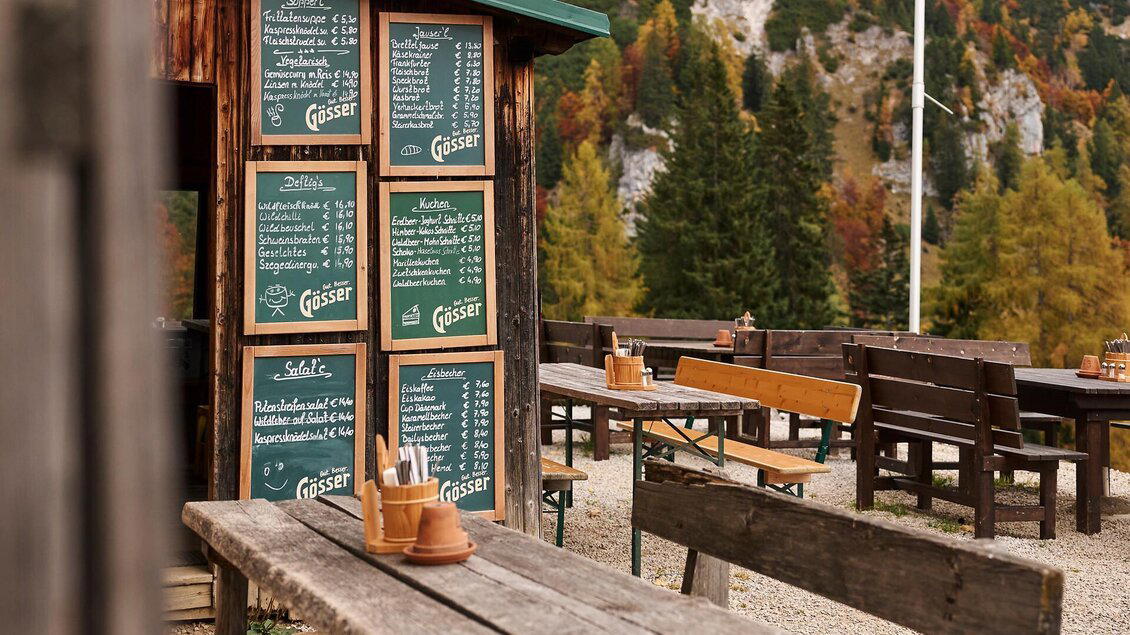
Hotels in Admont
Browse all →
Wineries in Admont
Browse all →
Details
- Rustic
- Scenic
- Cozy
- Casual Hangout
- Group Dining
- Family
- Terrace
- Panoramic View
- Local Sourcing
- Mountain
- A La Carte
Warm and inviting alpine atmosphere with a redesigned sun terrace overlooking mountain vistas; rustic yet welcoming setting popular with hikers.