Gasthaus Schwarz

In a region where Austrian cooking has largely been reworked into contemporary tasting formats, Gasthaus Schwarz in Obermeisling holds a different position entirely. Erwin Schwarz cooks Tafelspitz, Rostbraten, Waldviertler Karpfen, and weekend-only Schweinsbraten without reinterpretation or modernist sleight of hand. This is the Waldviertel's culinary tradition rendered straight, with no concessions to current fine-dining fashion.
Pearl is the En Primeur Club membership app — saves, bookings, and concierge access live there. Same editors, same standards.
- Address
- Nöhagen 13, 3521 Obermeisling, Austria
- Phone
- +43 2717 8209
- Website
- gasthaus-schwarz.at
- Directions
- Get directions
 Saves & bookings on Pearl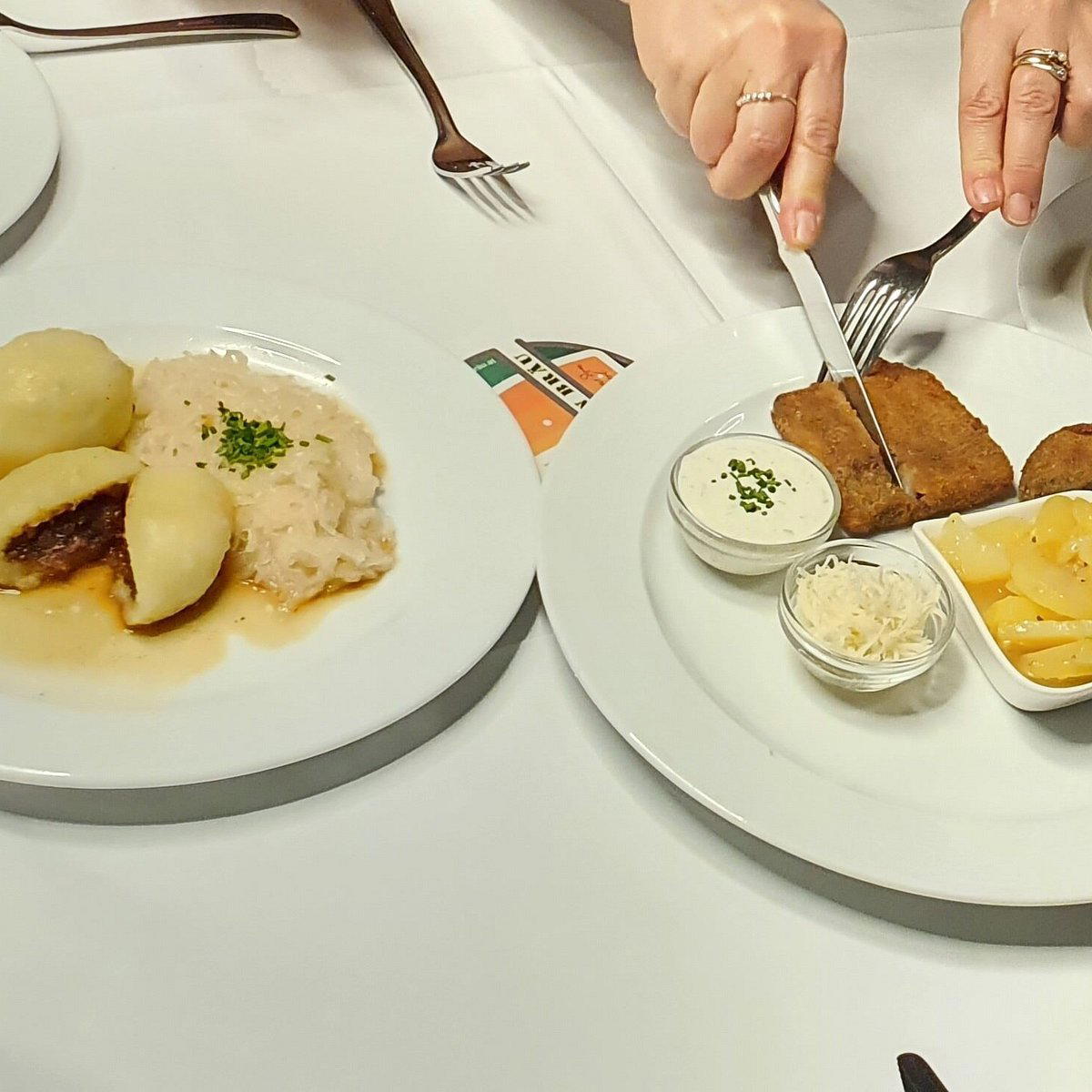
Where the Waldviertel Feeds Itself
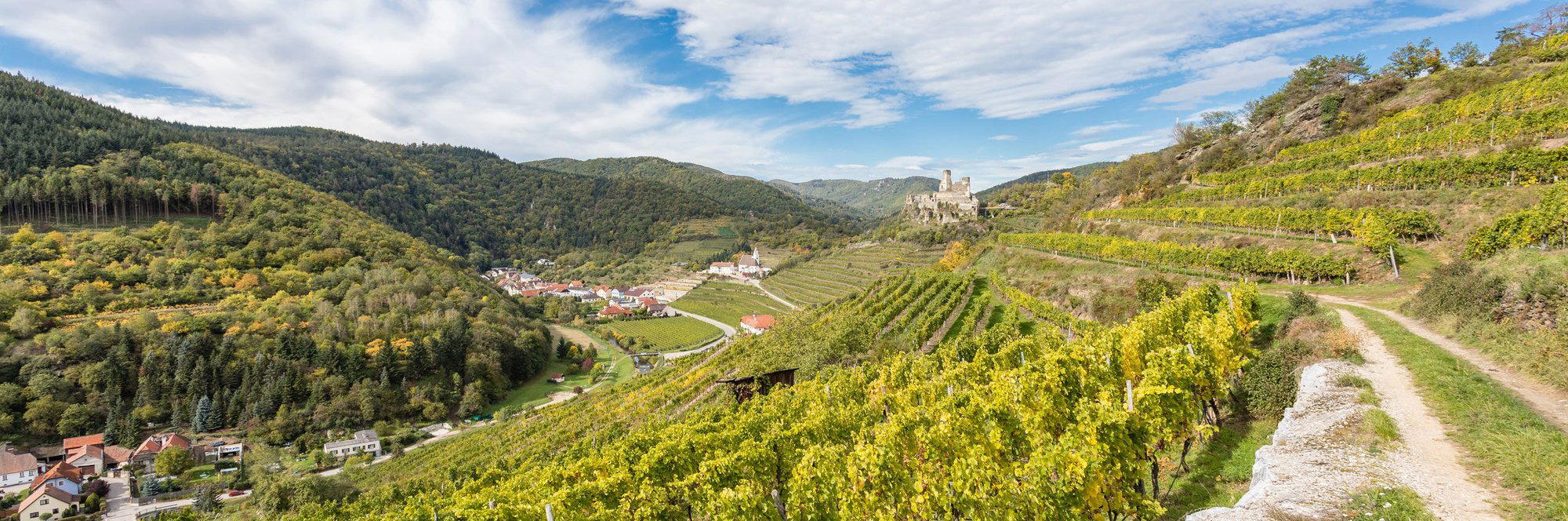
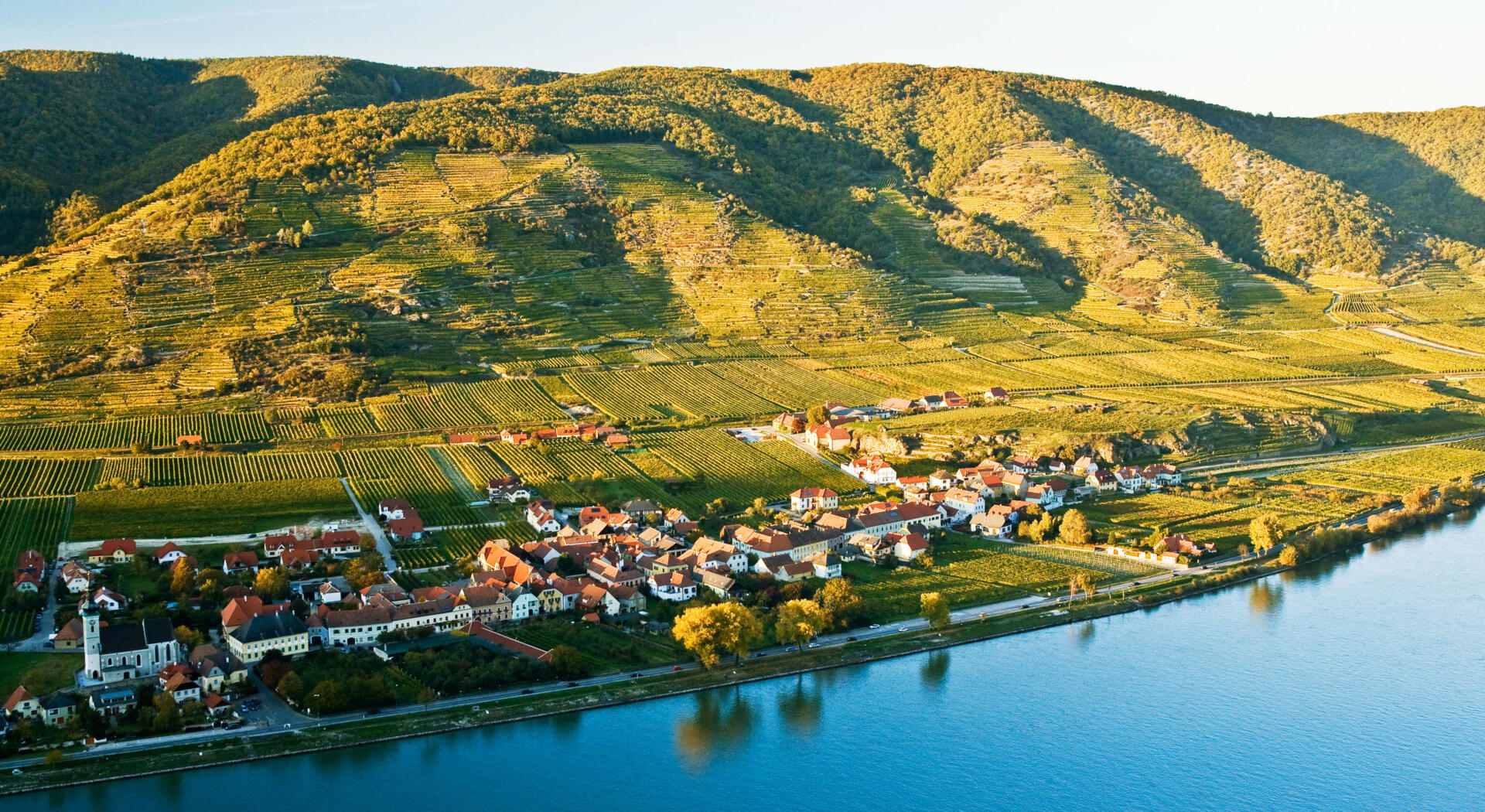
Drive far enough into Lower Austria's Waldviertel, past the monastery towns, through the carp ponds and spruce forests, and the restaurant options thin out quickly. What you find, when you find something worth stopping for, tends to be a Gasthaus: a building that has been feeding its immediate community for generations, operating on a logic entirely separate from the urban dining economy. Gasthaus Schwarz in Obermeisling sits at Nöhagen 13, a rural address that signals immediately what kind of place this is. The building does not announce itself. It does not need to.
The Austrian Gasthaus tradition is older and more specific than the word "country restaurant" implies. These are not countryside retreats styled for city visitors. They are embedded community institutions that serve the same families across decades, where the cooking is shaped by what the surrounding land produces rather than by what is currently fashionable in Vienna or Salzburg. The menus at this type of house rarely change because the logic behind them does not change: the Waldviertel grows carp in its cold ponds, raises pigs on its farms, and expects its kitchens to reflect that rather than obscure it.
The Sourcing Logic Behind Unmodified Cooking
The editorial case for Gasthaus Schwarz rests on a sourcing argument, not a technique argument. When a kitchen commits to Waldviertler Karpfen, carp specifically identified with this region's pond system, it is making a statement about geographic fidelity that many more celebrated Austrian restaurants actively step away from. The Waldviertel's carp ponds, fed by clean, cold water and managed across long rearing cycles, produce a fish with a flavour profile that is more direct and mineral than farmed equivalents from outside the region. Cooking it without deconstruction or reformulation is not culinary conservatism; it is a refusal to interrupt a supply chain that already works.
Same logic applies to Tafelspitz, the boiled beef cut that functions as something close to a national dish in Austria but is frequently mishandled outside its proper context. True Tafelspitz depends on the quality of the beef and the patience of the broth. There is nowhere to hide a compromise in a preparation that is, by definition, transparent. At houses like Gasthaus Schwarz, where the dish is presented as a serious menu item rather than a nostalgic garnish, the sourcing pressure is real. The contrast with Vienna's grand-hotel versions, technically correct but insulated from the agricultural supply chain by sheer scale, is informative. For context on how Vienna's leading end approaches Austrian tradition through a different lens, see our profile of Steirereck im Stadtpark in Vienna.
Rostbraten, the pan-fried beef roast that sits between everyday and occasion cooking in Austrian tradition, and Schweinsbraten, the roast pork that appears on the weekend menu only, complete a dish list that maps almost exactly onto what the Waldviertel's agricultural economy has historically produced. The weekend restriction on Schweinsbraten is worth noting: it reflects either production limits, staffing reality, or both. Either way, it is an honest constraint, not a marketing mechanic.
Where This Fits in the Austrian Dining Picture
Austria's high-end restaurant scene has, over the past two decades, moved decisively toward creative and modern formats. Houses like Ikarus in Salzburg rotate guest chefs through a format that is explicitly about internationalism and technique. Landhaus Bacher in Mautern an der Donau, one of the few fine-dining addresses that takes classic Austrian cooking seriously at a high price point, represents the closest overlap in culinary philosophy with the restaurant, though separated by price tier, formality, and audience by a considerable distance. Further afield in the Austrian dining scene, Obauer in Werfen and Kräuterreich by Vitus Winkler in Sankt Veit im Pongau reflect regional identity through a more contemporary interpretive framework.
The restaurant is not competing in that space. It operates in a different tier and answers to a different set of criteria. The relevant peer group here is not the Michelin-listed Austrian restaurant but the regional Gasthaus that actually retains its original function: feeding local people well, using local produce, at prices that reflect local economic reality rather than destination-dining premiums. Within that peer group, a kitchen committed to Waldviertler Karpfen and traditional Tafelspitz without revision is making a specific and defensible choice.
This is worth contextualising against what happens when traditional formats get absorbed into fine-dining logic. Across Europe, traditional cooking at the level of grandeur commanded by venues like Le Bernardin in New York City or Emeril's in New Orleans tends to involve significant technical mediation. The Gasthaus format survives precisely because it resists that absorption. Its value is in remaining what it was.
Planning a Visit to Obermeisling
Obermeisling is a small settlement in the Waldviertel district of Lower Austria, and it is not on the way to anywhere that draws large visitor numbers. Reaching it requires either a car or considerable patience with rural public transport from Krems an der Donau, the nearest town of real scale on the Danube. That distance is part of the proposition: this is not a restaurant you arrive at by accident.
Given the weekend-only availability of Schweinsbraten, visitors with that dish as a priority should plan accordingly. Reservations are recommended. Arriving without a reservation on a weekend, when the Schweinsbraten is available and local demand is highest, carries risk. Arriving on a weekday allows a more relaxed read on capacity.
Elsewhere in Austria, our profiles of Ois in Neufelden, Schwarzer Adler in Hall in Tirol, Griggeler Stuba in Lech, Stüva in Ischgl, Gourmetrestaurant Tannenhof in Sankt Anton am Arlberg, and Restaurant 141 by Joachim Jaud in Mieming cover the full range of the country's regional dining, from Tyrolean alpine formats to Lower Austrian tradition.
How It Stacks Up
Comparable venues nearby, for context on price, style, and recognition.
| Venue | Cuisine | Price | Notes |
|---|---|---|---|
| Gasthaus SchwarzThis venue — the venue you are viewing | Traditional Austrian Wirtshaus | $$$ | Not listed |
| Winery Nigl | Traditional Austrian Regional | $$$ | Senftenberg |
| Hotel Schachner | Regional Austrian with Seasonal Danube Valley Ingredients | $$$ | Maria Taferl |
| Hotel Weinresidenz Sonnleitner | Traditional Austrian | $$$ | Furth bei Gottweig |
| Zum Topf | Modern Austrian with French Influences | $$$ | Kaltenbach bei Vitis |
| Thomas im Johanneshof | Seasonal Austrian Fine Dining | $$$ | Tattendorf |
Recognition history
Dated appearances from independent guides and award organizations, with the underlying list record or original source where available.
Star Wine List
Star Wine List
Continue exploring
More in Obermeisling
Restaurants in Obermeisling
Browse all →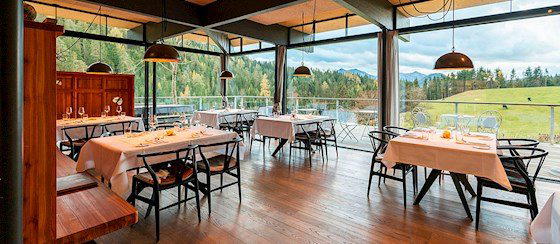
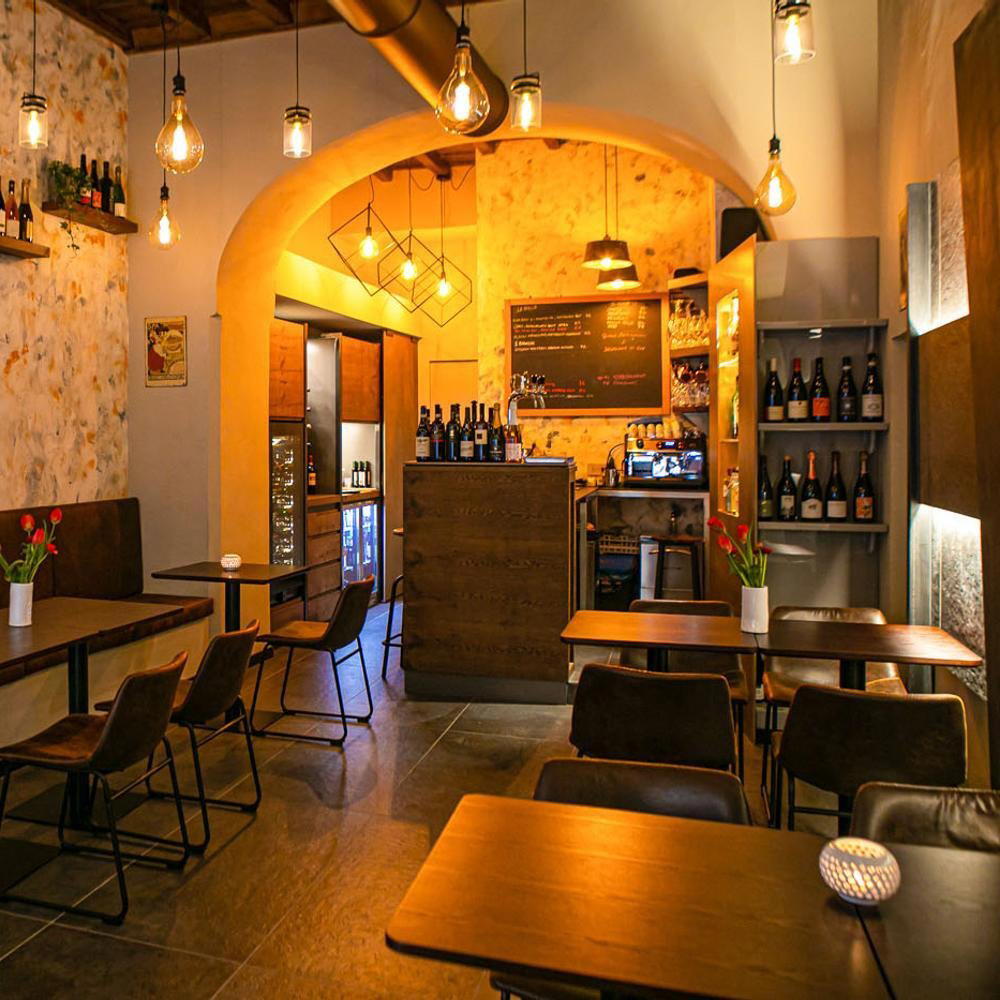
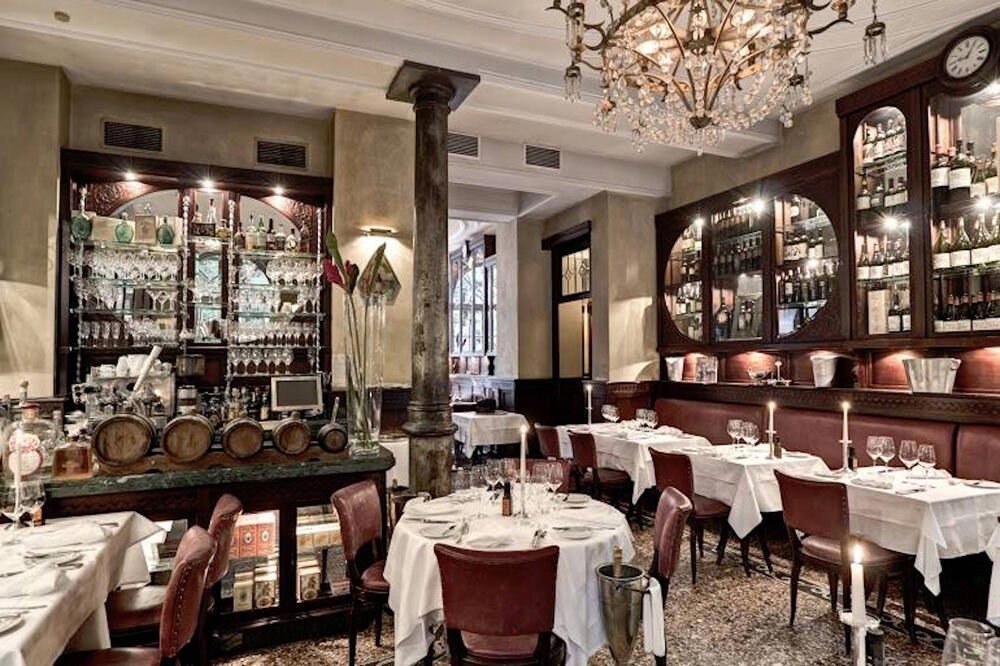
Bars in Obermeisling
Browse all →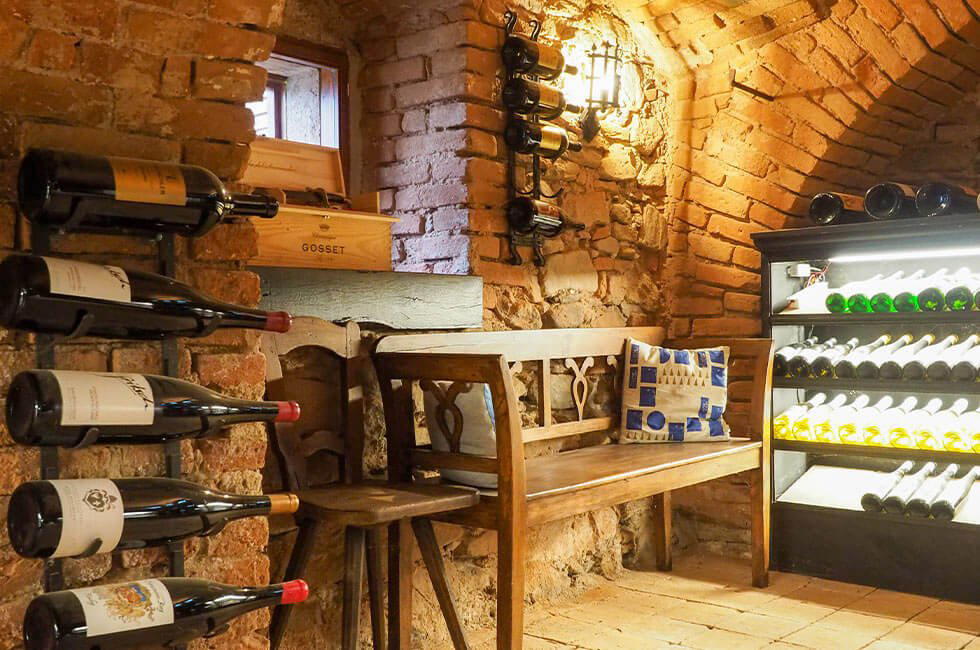
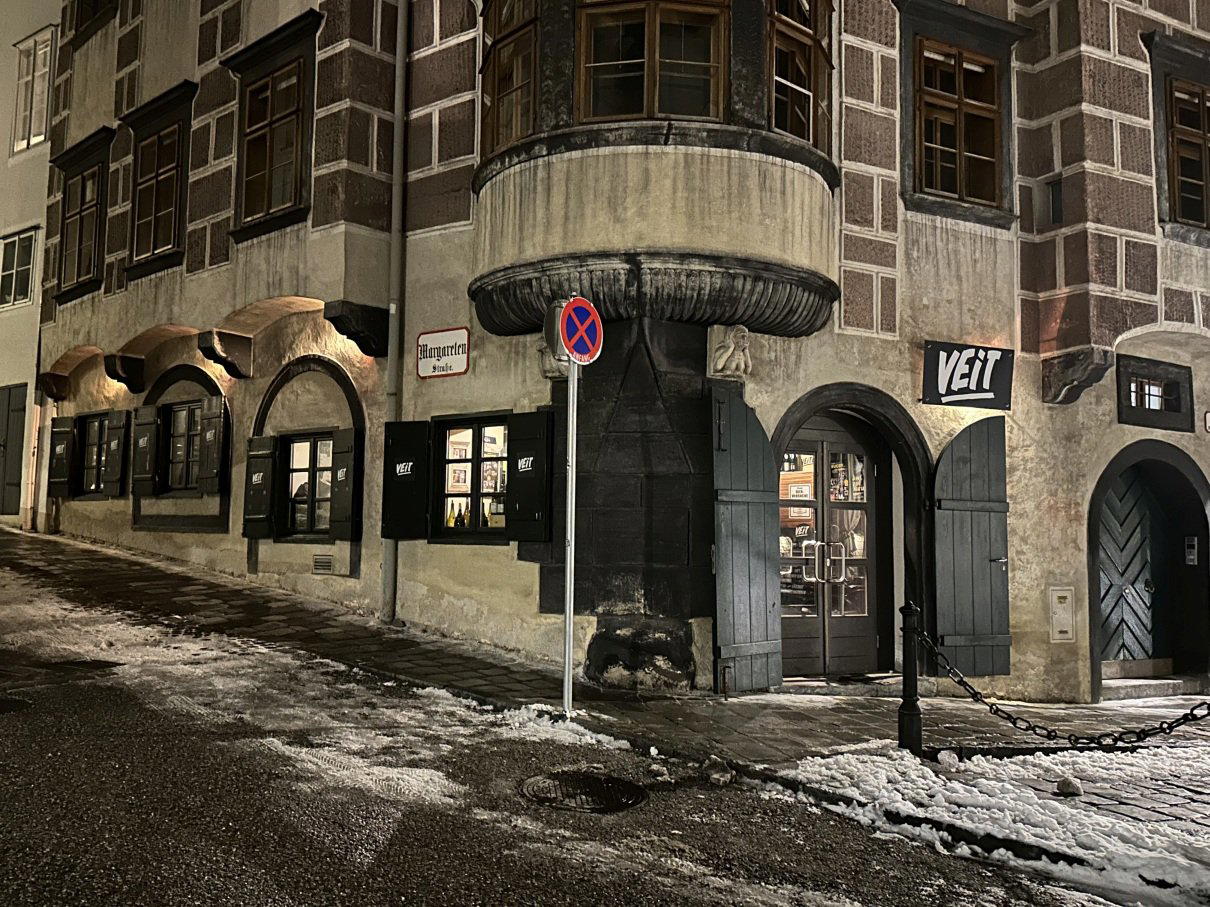

Hotels in Obermeisling
Browse all →
At a Glance
- Cozy
- Rustic
- Classic
- Intimate
- Special Occasion
- Family
- Group Dining
- Historic Building
- Extensive Wine List
- Local Sourcing
Current opening hours
- Monday
- Closed
- Tuesday
- Closed
- Wednesday
- Closed
- Thursday
- 10 AM–11:30 PM
- Friday
- 10 AM–11:30 PM
- Saturday
- 10 AM–11:30 PM
- Sunday
- 10 AM–11:30 PM
Hours can change for holidays and private events. Last verified .
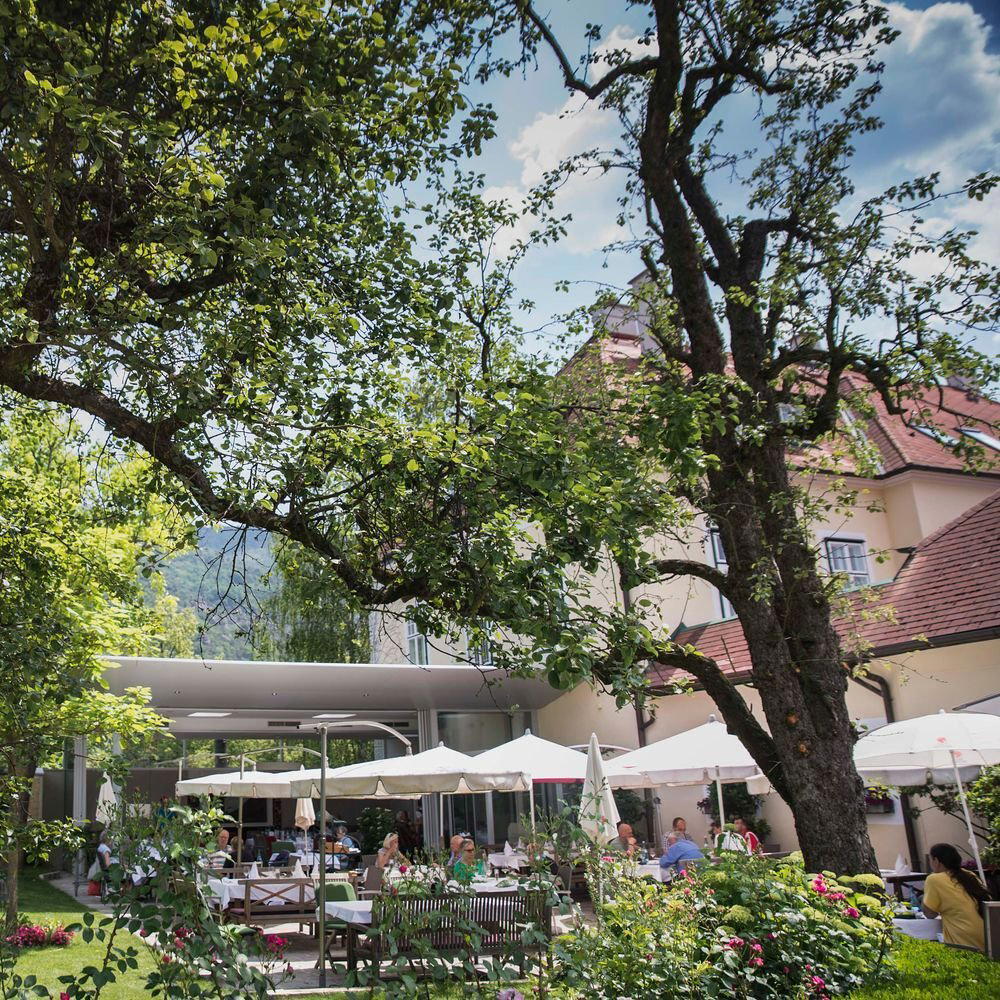
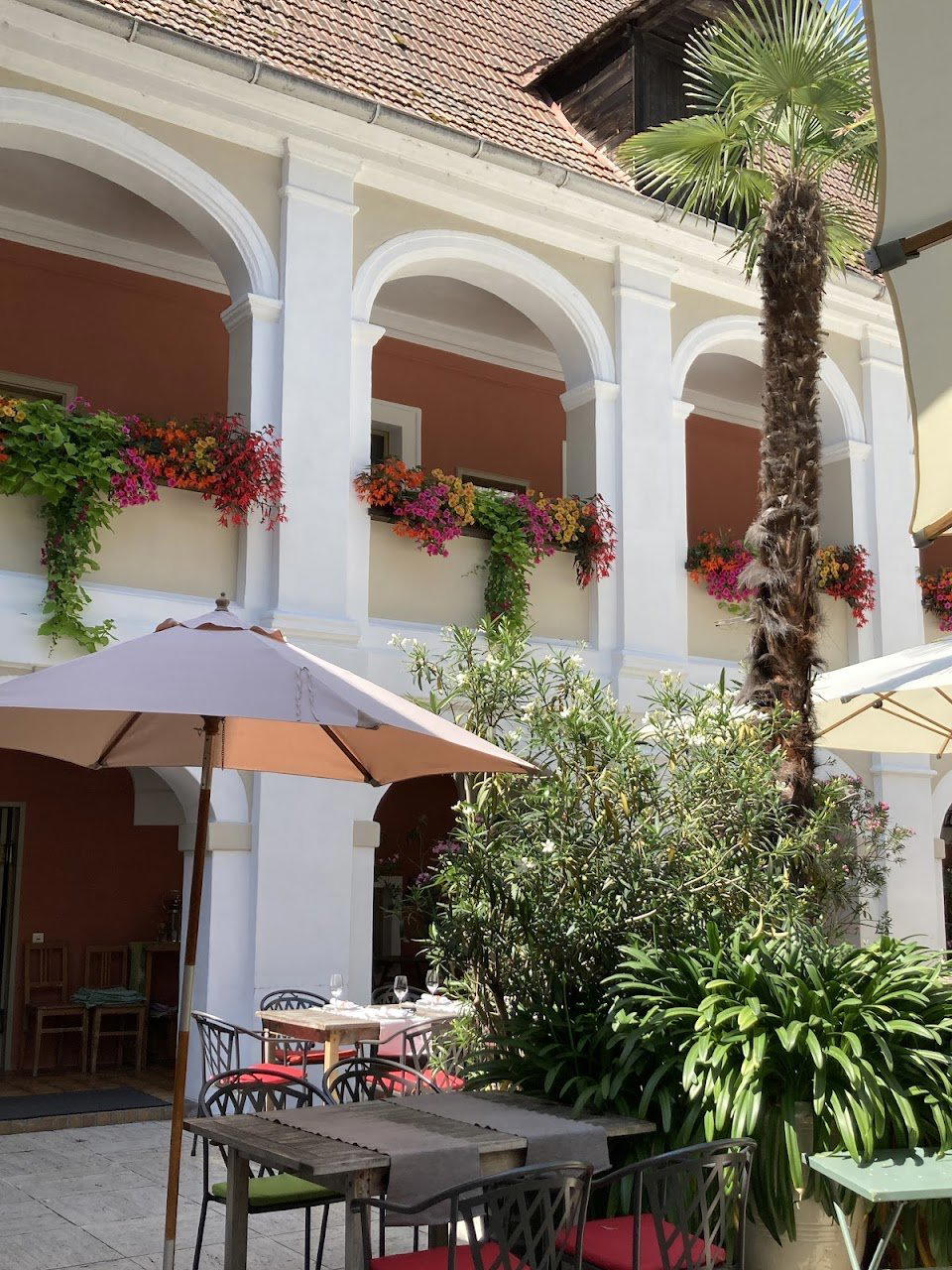
Gemütlich and cozy atmosphere with traditional Wirtshaus elements like Stammtisch, Festsaal, and Wintergarten, featuring a relaxed familial feel.